Garden Blog - Top Tropicals

Date: 23 Feb 2026

❄️ The Hardiness Report: February 2026 ❄️

🐾 Smokey & Sunshine’s real-world survival data from our Sebring, Florida Research Gardens. Smokey analyzed the data. Sunshine just stayed happy. Here is what they found.

Macadamia  tree  surviving  25F  freeze  as  Smokey  inspects  leaves  and 
 Sunshine  holds  steaming  coffee  in  frosty  garden.
Sunshine: Twenty five degrees. Wind chill fourteen. And it is still standing... like nothing happened?
Smokey: This is macadamia strength.
Sunshine: I should put a macadamia nut in my coffee and borrow some of that strength.
Smokey: Do not get too nutty yet. It still needs curing and cracking.

📊 Weather Data – February 1–6, 2026

Sebring, Florida – 132 years of recorded observations
This was not a light frost. It was a prolonged, windy, penetrating hard freeze.

  • 🌡 Minimum temperature: 25F
  • ❄️ Wind chill: 14F
  • ⏳ Duration: 3 nights of 8–10 hour hard freeze
  • ☀️ Daytime temperatures: around 50F for 7 days
  • 🌀 Wind: sustained 20 mph, gusts 40–50 mph

While all our plants in pots were protected in greenhouses, our in-ground plantings faced the freeze outdoors. We covered what we could. Even so, some plants were damaged, some died, and some surprised us by surviving.

In the next few newsletters, we will share the real survivors - the plants that proved themselves in the ground, under real conditions. Smokey and Sunshine have been out in the fields assessing the damage from the February 1–6 freeze. While many plants struggled, the Macadamia proved to be a true standout. This is how we grow them to handle the tough years.

Why does this matter? Because we have gotten used to warm winters, and this freeze was a rude awakening. Not everyone lives in Miami. If you garden in places where a real cold event can happen, you have to be prepared - and you have to plant what can take it.

🌰 Macadamia: Freeze Tested and Standing
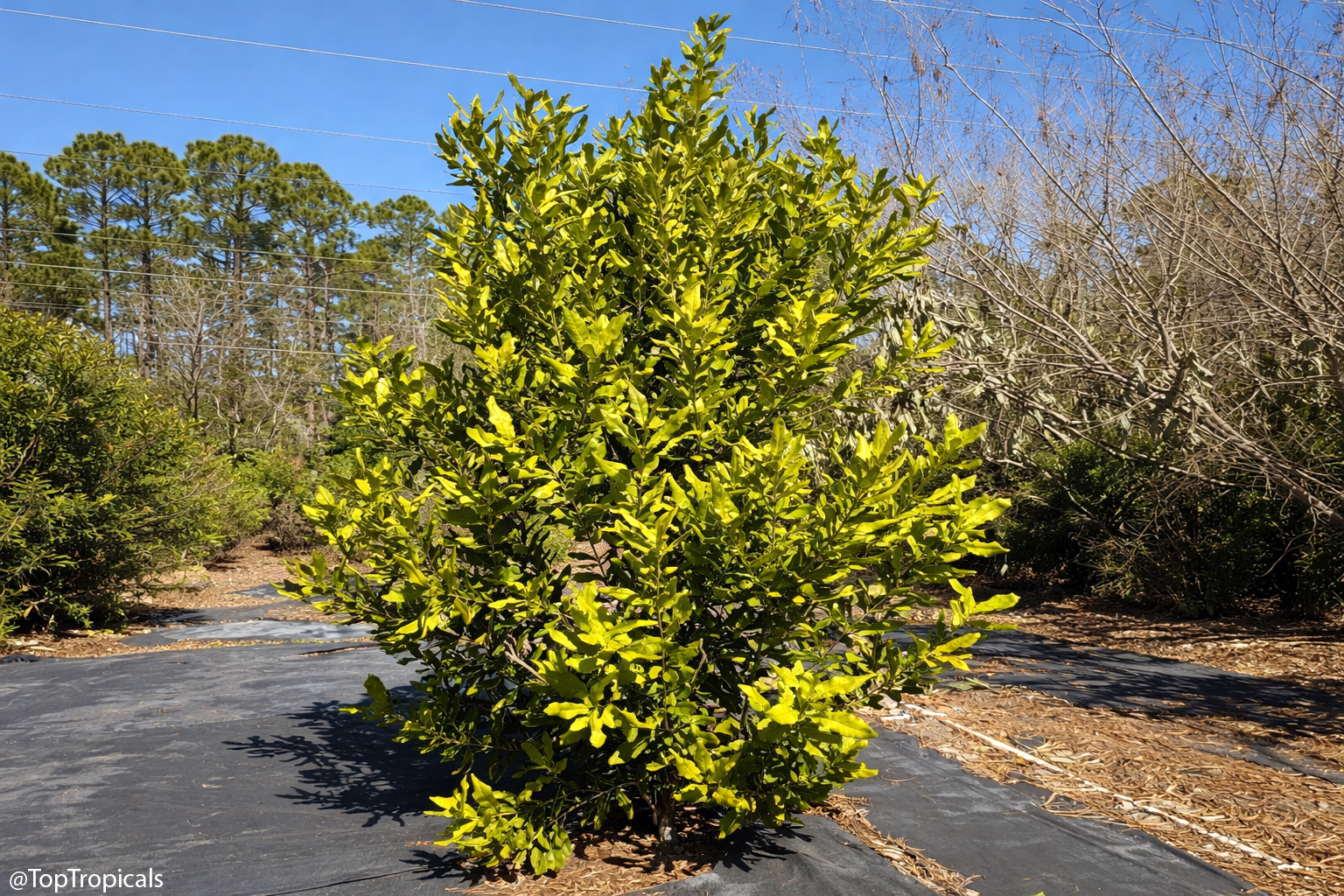
Three  year  old  macadamia  tree  after  three  nights  of  25F  hard  freeze  in 
 February  2026,  showing  healthy  foliage.

3 year old macadamia tree after 3 nights of hard freeze in February 2026 - standing strong.

When temperatures dropped to 25F with wind chill near 14F, our established macadamia trees remained upright, green, and structurally intact. Leaves held. Branches stayed firm. No collapse, no panic.

That is not luck. That is macadamia hardiness.

Often considered a "tropical luxury nut," macadamia proved it can handle more than many gardeners expect. In USDA Zones 9b-11, with proper drainage and site selection, it is not just ornamental - it is a long-term food tree with real resilience.

In a winter that reminded us not to take warmth for granted, macadamia earned its place on the survivor list.

The nut itself is famous for its strength. The shell is among the hardest in the nut world, requiring serious pressure to crack. Inside, the kernel is creamy, buttery, rich, and deeply satisfying. High in monounsaturated fats and naturally low in sugar, macadamias have long been valued both for flavor and for nutrition.

The tree is equally impressive. An evergreen with tough leaves and elegant spring flowers, it matures into a productive, manageable canopy. Nuts develop slowly over six to seven months. Production begins in a few years and increases steadily as the tree matures. Plant it once, and it can reward you for decades.
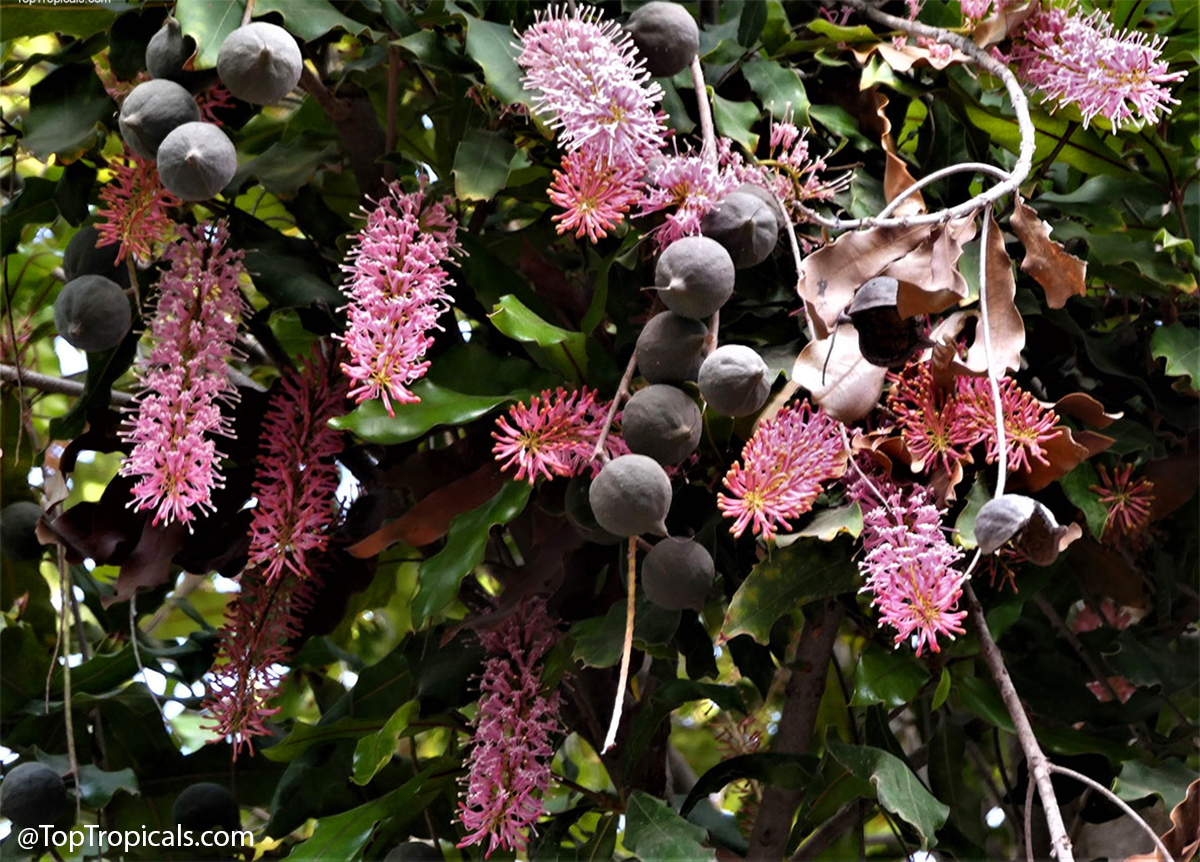
Macadamia  tree  with  pink  flower  racemes  and  developing  round  green  nuts
    on  branches.

Macadamia flowers and developing nuts on the tree.

Cold will come again. It always does. The question is not whether winter will test your garden. The question is whether your trees are ready. Macadamia proved it is. If you are building a garden that feeds you for decades, this is a tree worth planting.

🛒 Add Macadamia Tree to your garden
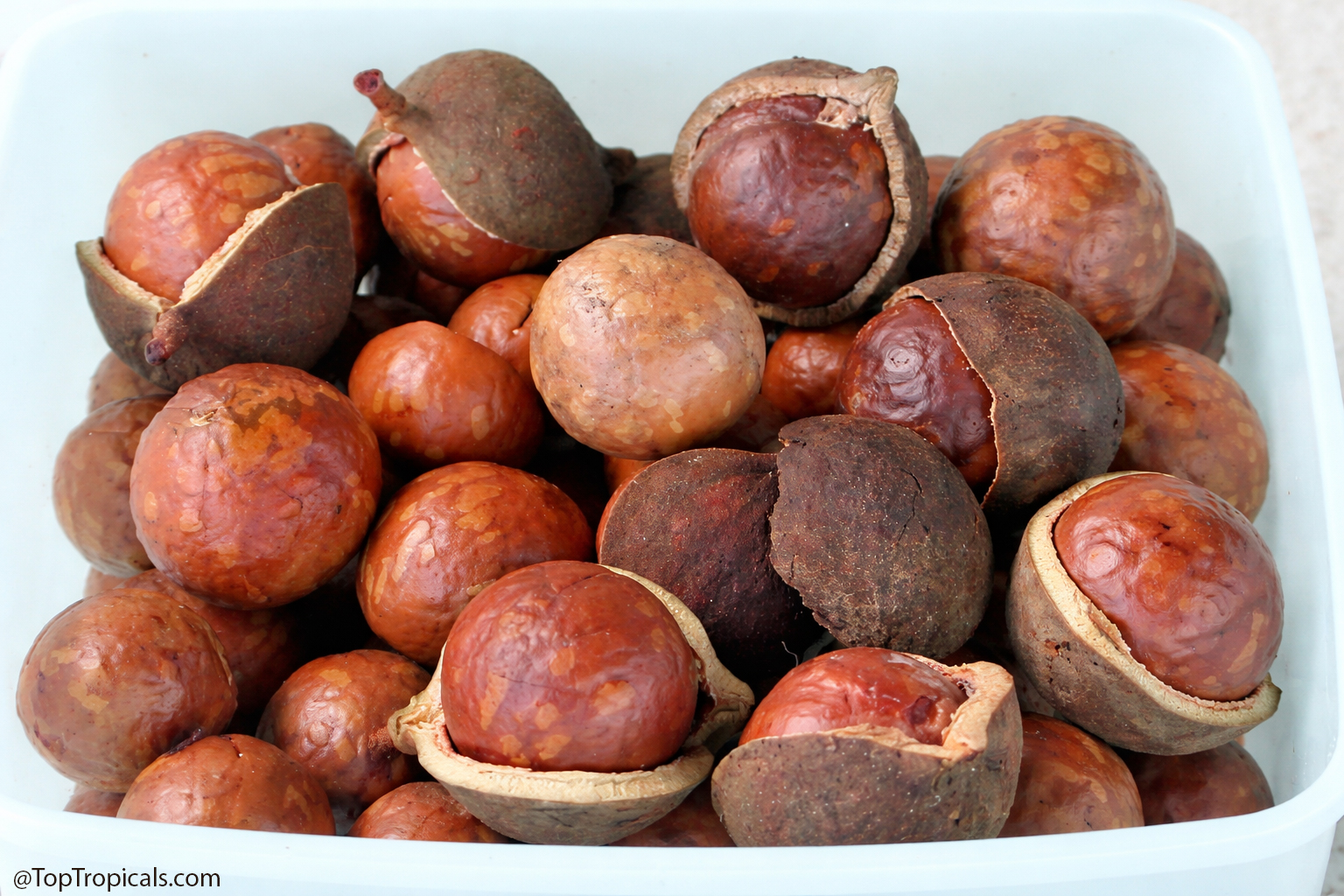
Fresh  macadamia  nuts  with  outer  husks  removed  and  hard  brown  shells 
 exposed  in  a  container.

Freshly harvested macadamia nuts with husk removed and hard shells visible.

Date: 7 Mar 2026

🌞 Spring Nutrition Strategy: How to Identify and Fix Plant Nutrient Starvation

Smokey  and  Sunshine  PeopleCats  diagnose  a  starving  coffee  plant  and 
 revive  it  using  Sunshine  Robusta  boosters,  turning  a  weak  yellow  plant  into 
 a  healthy  green  coffee  tree  after  one  month..
Sunshine: I'm trying to fight rising coffee prices. So I planted my own coffee plant. But it's dying.

Smokey: It's not dying. It's starving. Classic nutrient collapse. Imagine going two days without donuts.

Sunshine: Two days? That's a PeopleCats rights violation. Catstitution First Amendment: food, including donuts, must remain available.

Smokey: Exactly. Plants feel the same. Let's feed it. Sunshine Robusta. Robusta is coffee, you know.

Sunshine: Obviously they named Sunshine Boosters after my charm. And since it's coffee, it should work perfectly.

One month later

Sunshine: Holy whiskers! You're a magician.

Smokey: No magic. Just boosters.

Sunshine: Great. Coffee is on me when this tree starts producing. You bring the donuts.

Read more about Smokey & Sunshine

Fellow gardeners,

Spring has arrived, and plants are coming back to life. New shoots are appearing, fresh leaves are unfolding, and roots are beginning to grow actively again. As plants enter this important stage of the season, they need more than just water to support their growth. Proper nutrition is essential for strong development and healthy plants. SUNSHINE Boosters provide the balanced nutrition plants need to start the growing season strong.

A simple rule we follow in our nursery: new growth responds best to foliar feeding. When nutrients are sprayed directly on the leaves, plants can absorb them quickly and efficiently.

  • Immediate action – nutrients are absorbed through the leaves and start working right away.
  • No delay traveling through soil – plants do not need to wait for nutrients to move down to the roots.
  • Avoids soil lockout – micronutrients can become unavailable in high pH soils, but foliar feeding bypasses this problem.
  • Supports stressed plants – when roots are cold, damaged, or newly transplanted, foliar feeding helps plants recover faster.

However, sometimes plants begin to show visible nutrient deficiencies. Yellow leaves, slow growth, brown leaf edges, or distorted new leaves are often early signs that the plant is missing essential elements needed for healthy development.

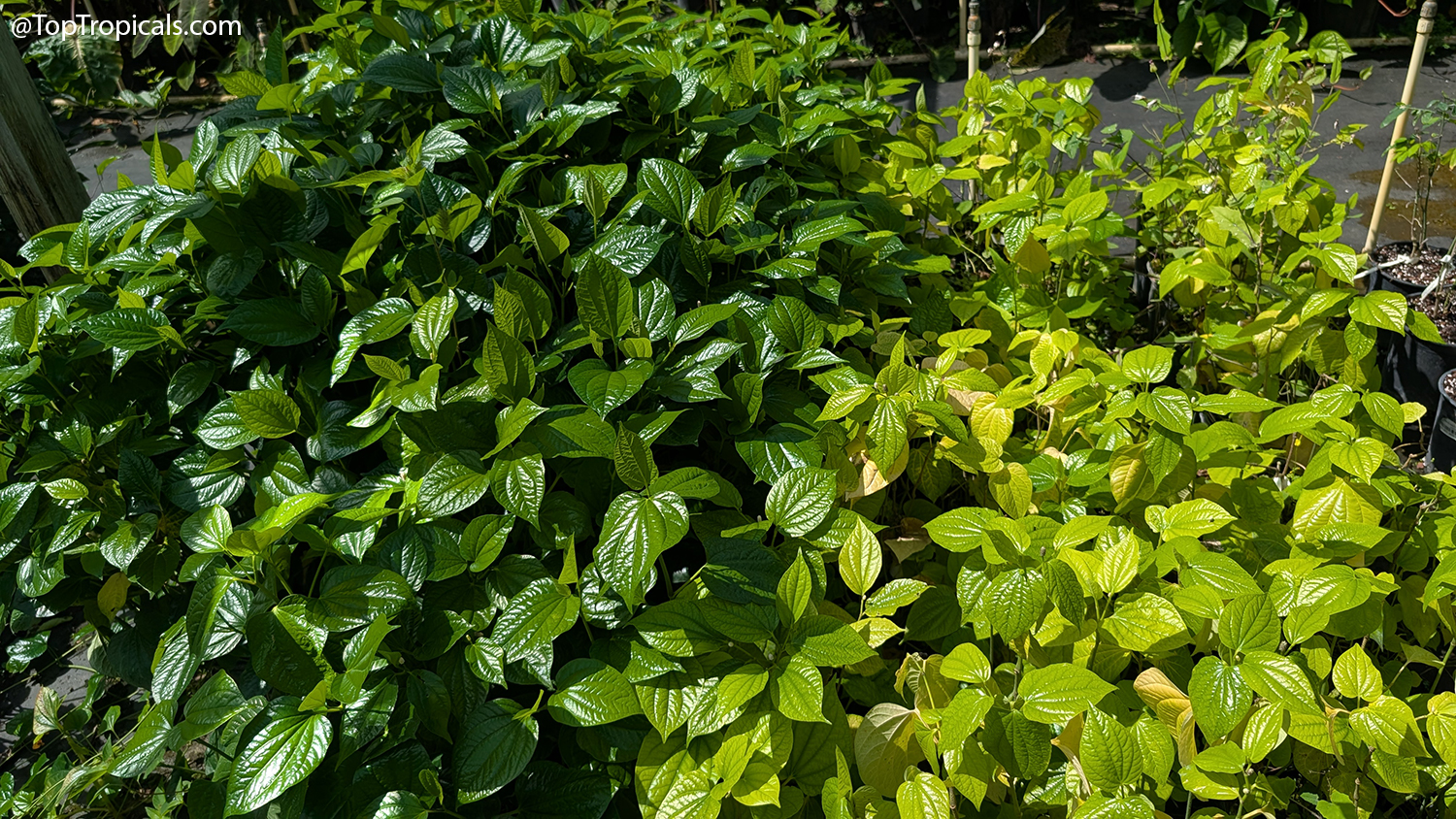
Piper  sarmentosum  Vietnamese  pepper  plants  comparison  with  fertilizer 
 on  the  left  and  without  fertilizer  on  the 
 right

Piper sarmentosum - Vietnamese Pepper - with fertilizer (left) and without (right)

These symptoms are especially common in container plants, where nutrients can be quickly depleted or become unavailable due to soil pH and watering conditions.

Use the quick reference table below to identify common nutrient-related symptoms and the recommended SUNSHINE solution to correct them.

Symptom you see What to do
Pale leaves, slow growth, weak new shoots
(often nitrogen related)
Spray SUNSHINE Robusta to stimulate strong vegetative growth.
Brown leaf edges or weak plant vigor
(often potassium related)
Apply SUNSHINE Robusta to restore nutrient balance.
Yellow leaves with green veins
(iron or manganese deficiency)
Apply SUNSHINE Superfood to correct micronutrient deficiency.
Small distorted leaves or poor flowering
(zinc or boron deficiency)
Use SUNSHINE Superfood during active growth period.

🌿Foliar Feeding: How Much and How Often

For most plants, foliar feeding works best when applied lightly and regularly during active growth.

  • Regular feeding (maintenance): Mix with tap water according to the ratio on the label. For SUNSHINE Robusta use 25 ml (5 tsp)per gallon of water and spray leaves every 5-7 days during active growth.
  • Correction feeding ("medicine" dose): if plants show visible nutrient deficiencies, combine SUNSHINE Robusta with SUNSHINE Superfood and spray every 5–7 days until new growth appears healthy. All SUNSHINE Boosters products are compatible and can be mixed with water in the same sprayer.
  • Best time to spray: early morning or evening when temperatures are cooler and leaves can absorb nutrients efficiently.
  • Important: spray both the top and underside of leaves for maximum absorption.

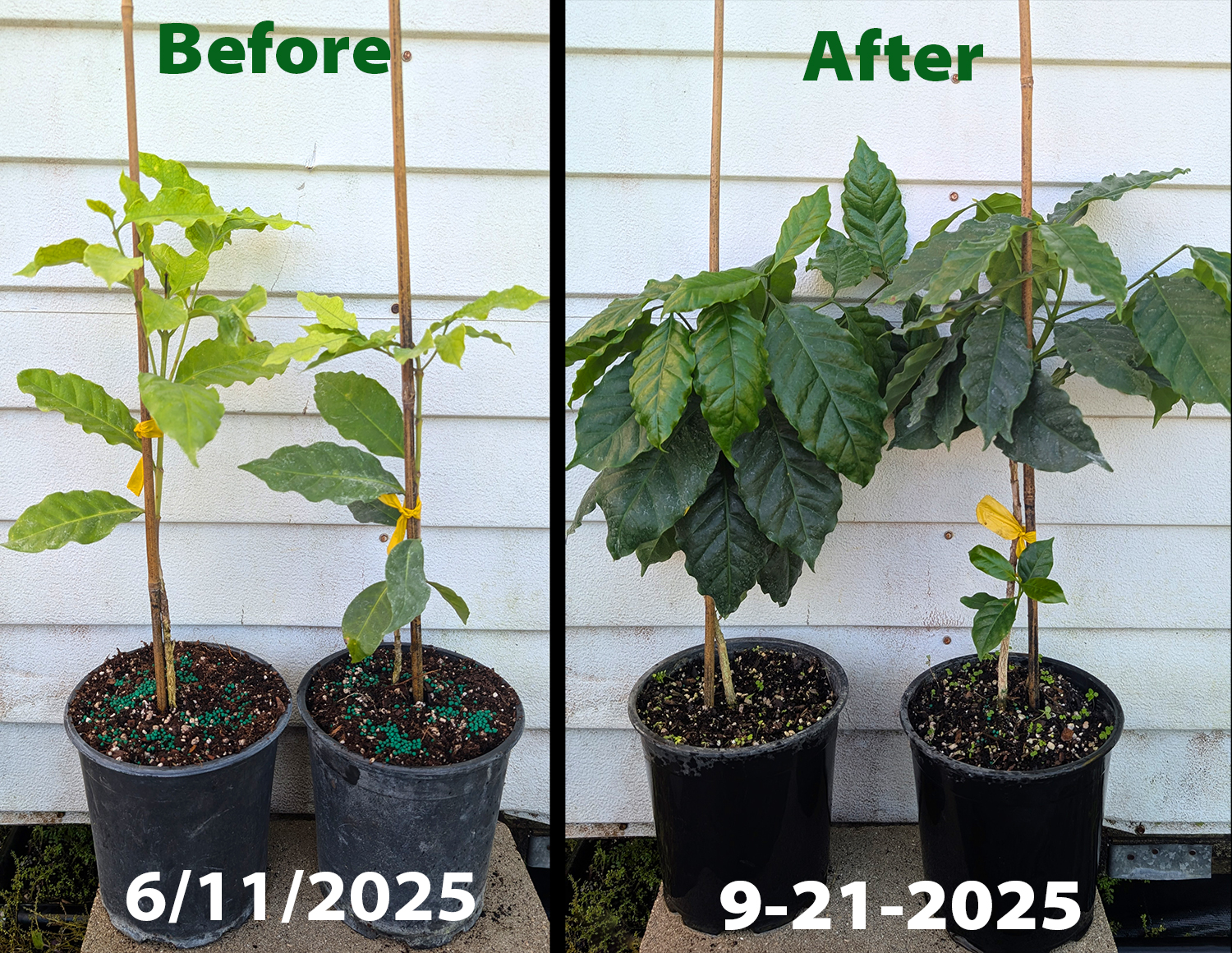
Coffee  plants  before  and  after  regular  Sunshine  Robusta  fertilizer 
 applications  showing  darker  leaves  and  stronger 
 growth

Coffee plants before and after regular Sunshine Robusta applications

🛒 Feed your plants

Date: 1 May 2026

This changes how you feed your plants

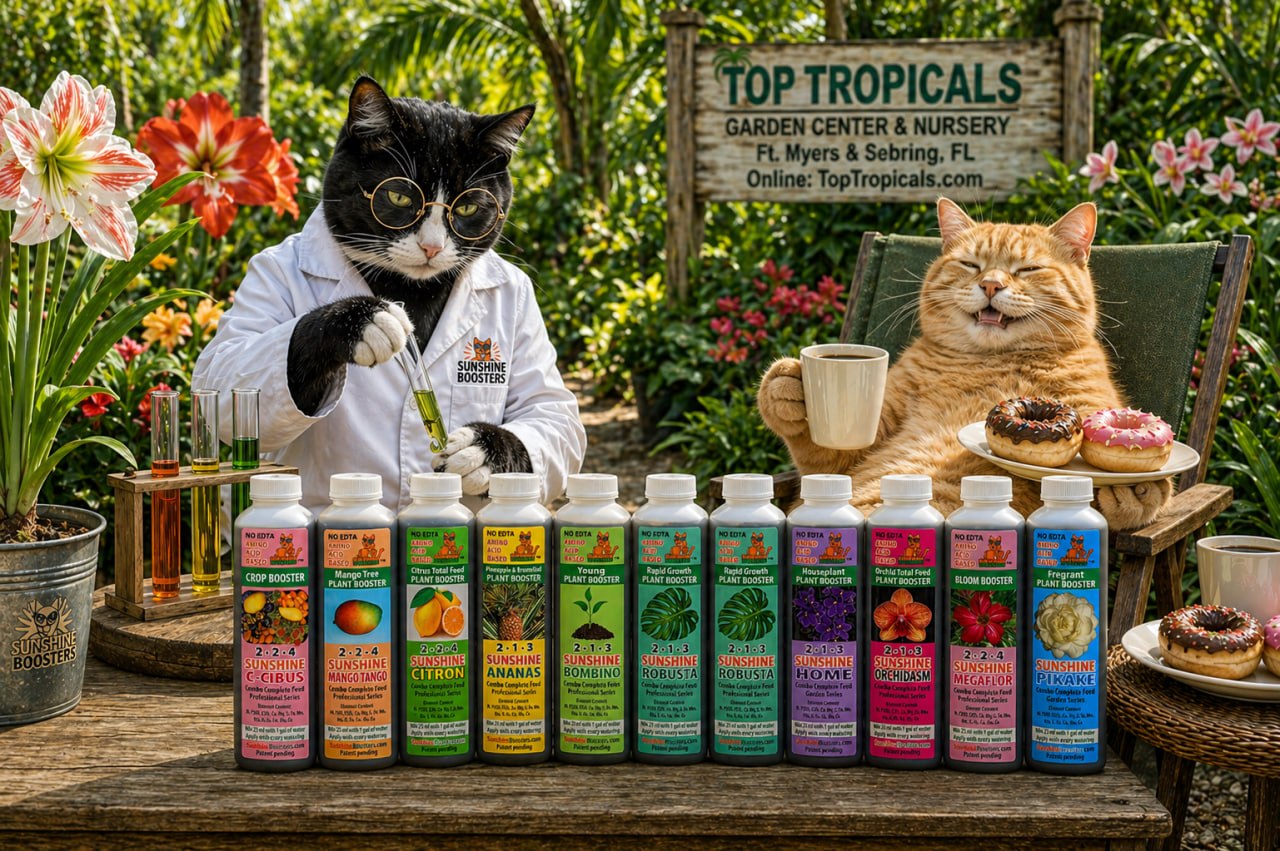
Smokey and Sunshine with Sunshine Boosters

Smokey and Sunshine with Sunshine Boosters

This changes how you feed your plants


Stop messing with fertilizers - you’re probably feeding your plants wrong. Keep it simple. Let your plants do the work.
Most gardeners don’t have a plant problem - they have a fertilizer problem. If feeding your plants feels confusing, expensive, or inconsistent, there’s a reason. The way most fertilizers are designed doesn’t match how plants actually grow today. Here’s what’s really going on - and why a simpler system works better.
  • ☘️ A simple way to feed your plants right


    Feeding plants shouldn’t feel like a chemistry class. But somehow it always does. Too many products. Too many formulas. Too many schedules. And somehow - still not sure if you’re doing it right.
    The truth is, growing healthy plants is simple. Good soil. Enough light. Proper care. And the right nutrients.
    That last part is where most people get stuck.

    Sunshine Boosters were made to fix exactly that. It’s a complete nutrition system that gives your plants what they actually need - without all the extra steps and guesswork.
  • ☘️ What Sunshine Boosters are and how they work


    So what is it, really?
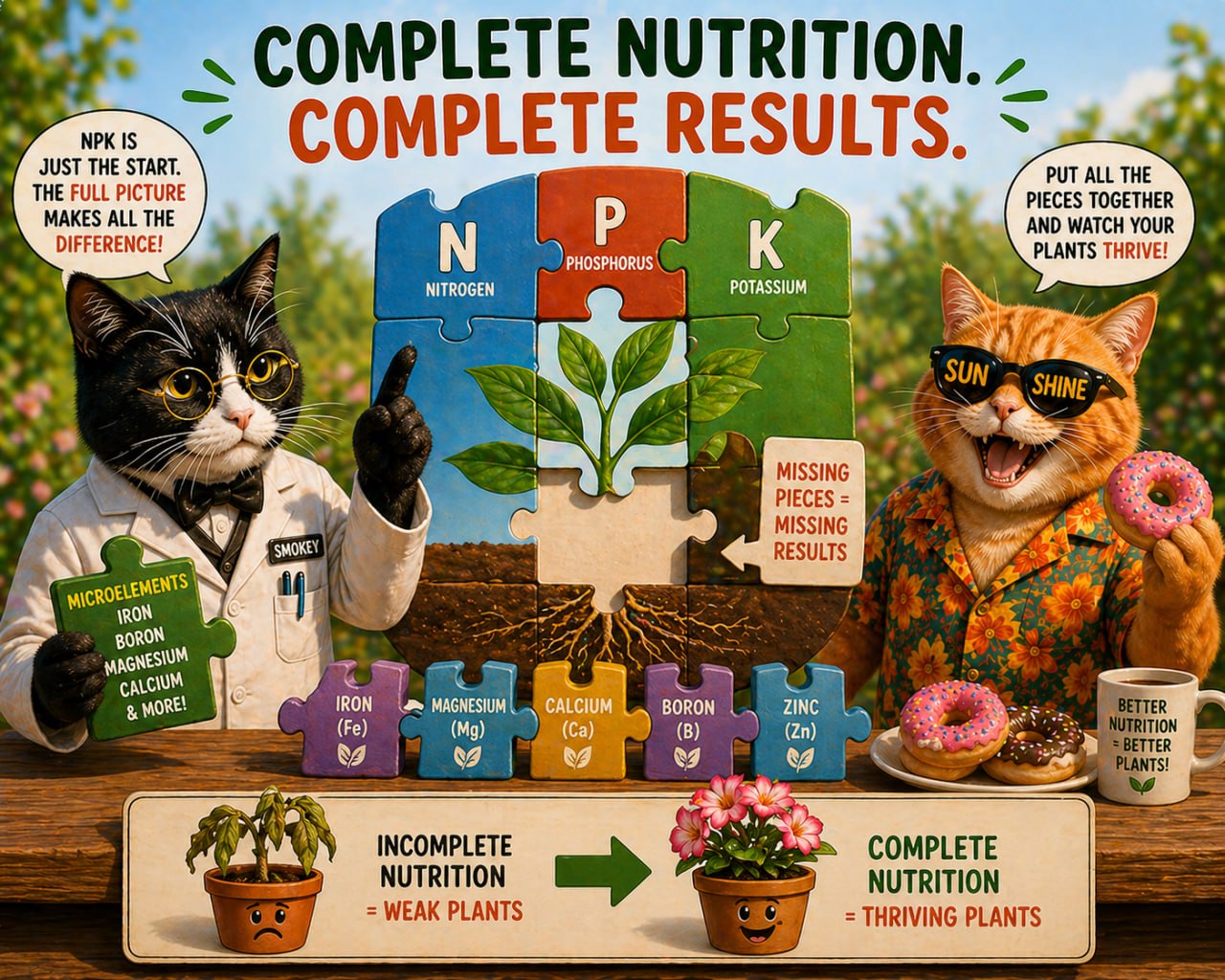
    Sunshine Boosters is a new generation of plant nutrients based on amino acids. It includes the main nutrients plants need - nitrogen, phosphorus, and potassium - plus all the microelements, already balanced in one formula.

    No extra bottles. No missing pieces.
    It dissolves completely in water, so plants can take it in right away. No buildup in the soil, no leftovers sitting there doing nothing.
    You just mix it with water and use it during regular watering. That’s it. It works through the roots, and even through the leaves if you spray it.
    Instead of trying to manage a whole feeding system - you just feed and grow.
    Less work, better plants.

  • 👉 Stay with us - this is just the start. We’ll break it down step by step so you really understand what your plants need and how to give it to them. 👉 More...


🛒
Get your plants real food

📚
Learn more:
📱 What are Sunshine Boosters

#Discover #Fertilizers #How_to
🟢 Join 👉 TopTropicals

Date: 2 May 2026

What makes Sunshine Boosters different

What makes Sunshine Boosters different

What makes Sunshine Boosters different


If your plants look stressed, slow, or inconsistent, the issue might not be your care - it might be how you’re feeding them. Most fertilizers are harder to use than they should be. Once you understand why, everything starts to make sense.

  • ☘️ Why fertilizers are so confusing?


If you’ve ever stood in front of a shelf full of fertilizers thinking "what do I even pick?" - you’re not alone.
Most feeding programs are a mess. Different brands, different formulas, different schedules. One for growth, one for bloom, one for micros, one more "just in case".
And somehow it still feels like guesswork.
Easy to overfeed. Easy to underfeed. Easy to waste money.
That’s exactly the problem Sunshine Boosters were built to solve.
The formulas are balanced and mild, so you can use them regularly without stressing about mistakes.
Now here’s where it gets interesting.

  • ☘️ The problem with traditional fertilizers


Most traditional fertilizers weren’t made for how we actually grow plants today. Dry fertilizers are built for large field use. They often carry excess salts and don’t work well in containers or soilless mixes. Many don’t even include enough trace elements.
And over time, they can build up in the soil.
Sunshine Boosters works differently.

  • ☘️ Why liquid feeding wins


First - it’s liquid.
Plants don’t eat nutrients, they drink them. Liquid feeding means nutrients are available right away. Every watering becomes feeding. No waiting, no uneven supply.

  • ☘️ Amino-acid chelation - the real difference


Second - the way nutrients are delivered is completely different.
Most fertilizers use synthetic chelators like EDTA. They keep nutrients stable, but plants have to spend energy to use them.
Sunshine Boosters use amino-acid chelation instead.
That means nutrients come in a form plants already recognize and use naturally. Less effort for the plant, more energy for growth, flowers, and fruit.
And there’s no salt buildup over time.

  • ☘️ Low salt index - better water uptake


Speaking of salts - this is a big one.
High salt levels in fertilizers actually make it harder for plants to absorb water. That’s why plants can look stressed even when the soil is wet.
Sunshine Boosters has a low salt index.
Less resistance, better water flow into the roots, better hydration, stronger plants.

  • ☘️ Faster growth without the risk


Put it all together and you get faster growth, stronger structure, more flowers and fruit - without the usual risk of burning or overdoing it.
Because the nutrient levels are balanced and not overly concentrated, they do not affect the natural taste of fruits and edibles.
The products are also safe for regular use and friendly to pollinating insects, which is important for fruit production.

☘️ Feeding made simple


And the best part?
It’s simple.
Mix Sunshine Boosters with water. Use it when you water. That’s it.

  • 👉 Stay with us - next we’ll break down how different formulas match different plant needs, so you can get even better results. 👉 More...


🛒
Get your plants real food

📚
Learn more:
📱 What are Sunshine Boosters

#Discover #Fertilizers #How_to
🟢 Join 👉 TopTropicals

Date: 4 May 2026

🎉 Work First. Celebrate Anyway. That Is the Plan.

Sunshine  cat  holding  large  mango  tacos  in  a  garden  nursery  while  Smokey
    works  on  laptop  with  margarita  and  donuts  on 
 table
Smokey: Work first. Celebrations later.
Sunshine: I am celebrating efficient workflow.
Smokey: Impressive. Somehow your workflow smells like tacos.
Sunshine: I assembled mango tacos. Join my festivities.

Cinco de Mayo has a way of sneaking up the right way. The weather settles, the evenings stretch a little longer, and suddenly everything moves outside - plants, people, and whatever happens to be for lunch. It is the kind of day where you stay out longer than planned, something cold is sweating on the table, and dinner becomes whatever sounds good.

This year, it was mango tacos. Not a recipe we planned - just a few ripe mangoes that needed a purpose and the kind of lazy inspiration that shows up around 5pm in the garden. Nothing complicated. Just something warm from the pan and a quick assembly that somehow feels like a celebration.

It's funny how a good meal can send you down a rabbit hole. One bite of something fresh and you start wondering where it came from, whether you could grow it yourself, and how much better it might taste if you did.

That is really the point. A small shift from planning to picking, where the line between the garden and the kitchen starts to blur. If you are growing fruit, or thinking about it, this is your reminder: the best meals usually start about ten feet from your back door.

🛒 Start with one plant - Shop Fruit Trees