Date: 3 Apr 2026
Adenium rainbow: 9 dark tones that dont look real
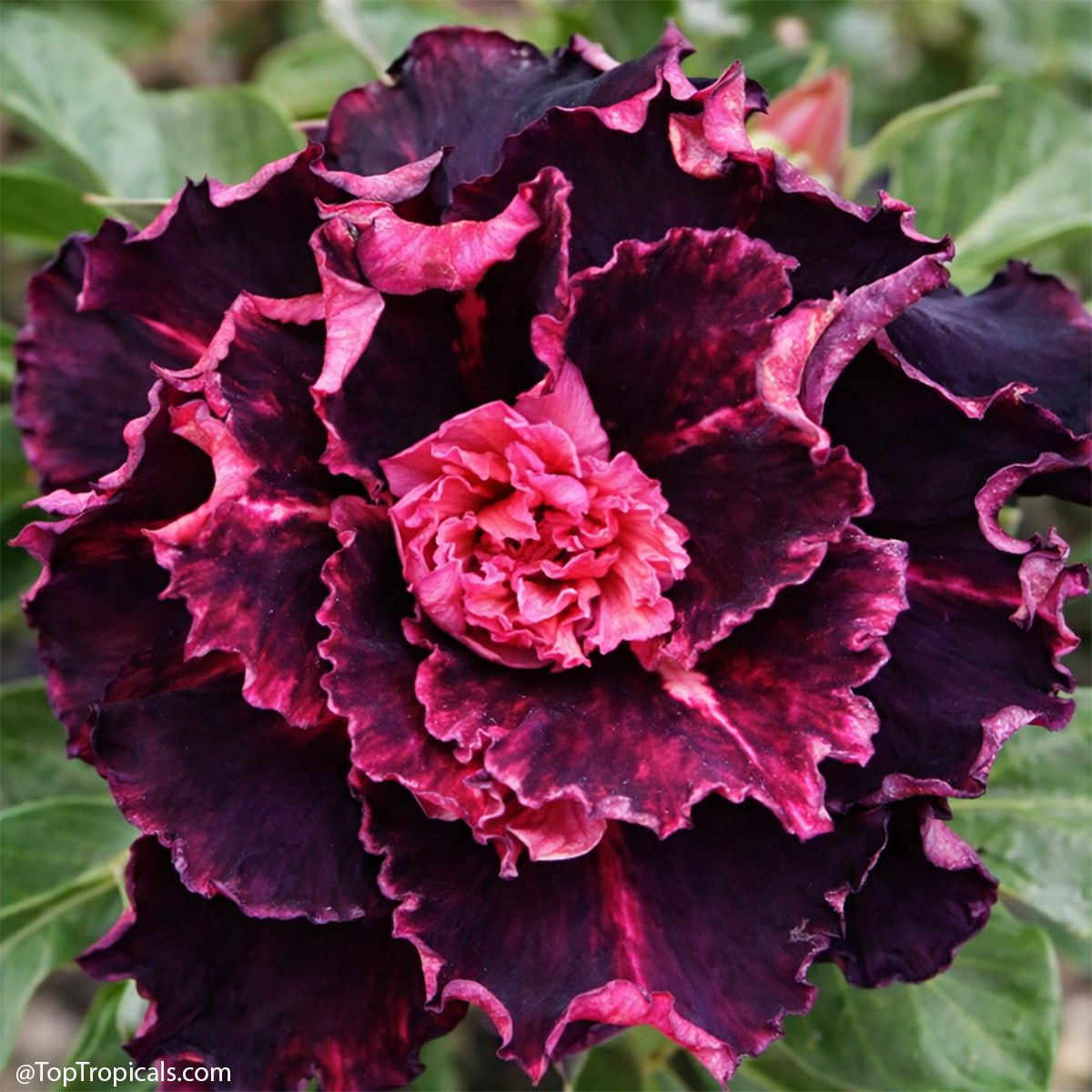
Adenium Blue Diamond
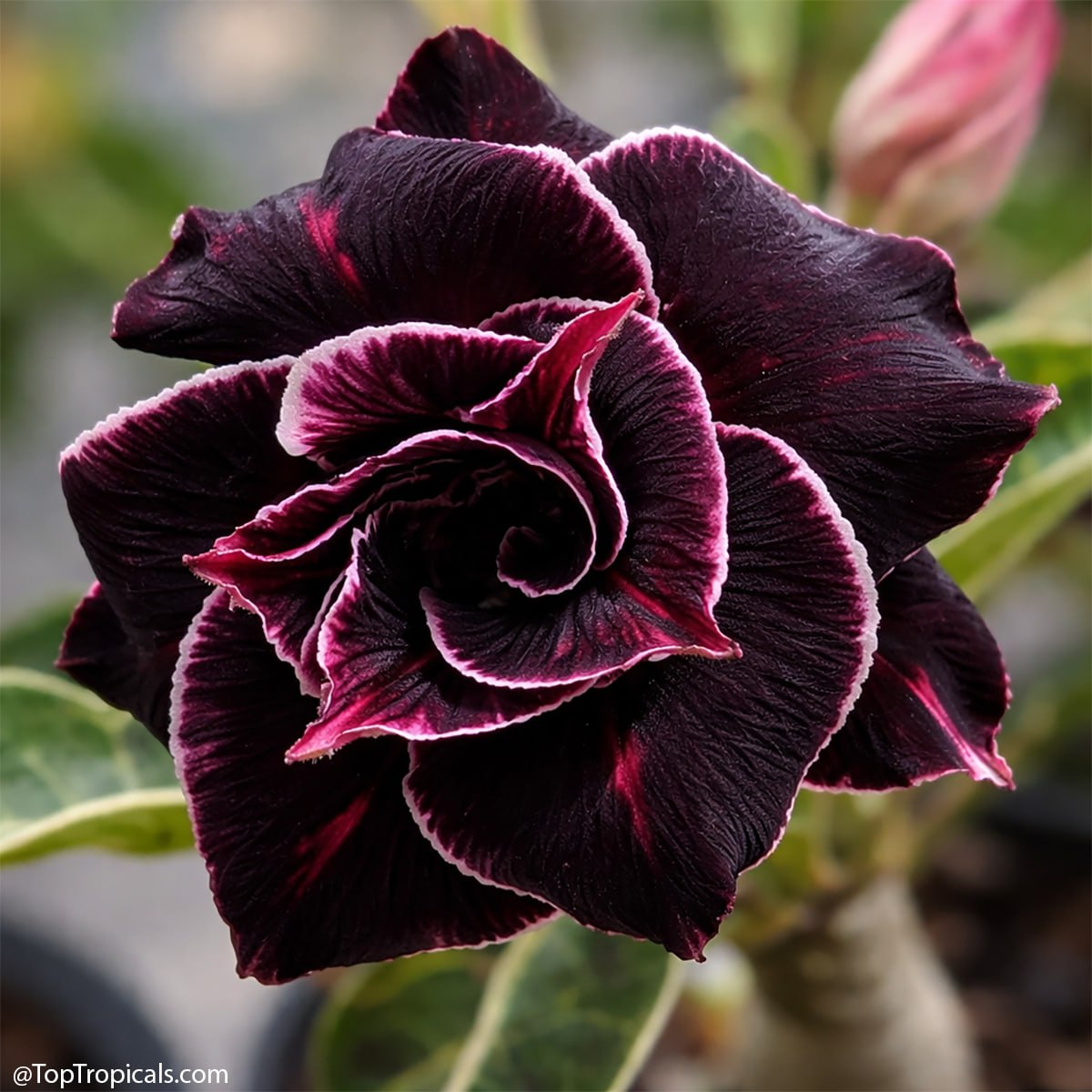
Adenium Musk
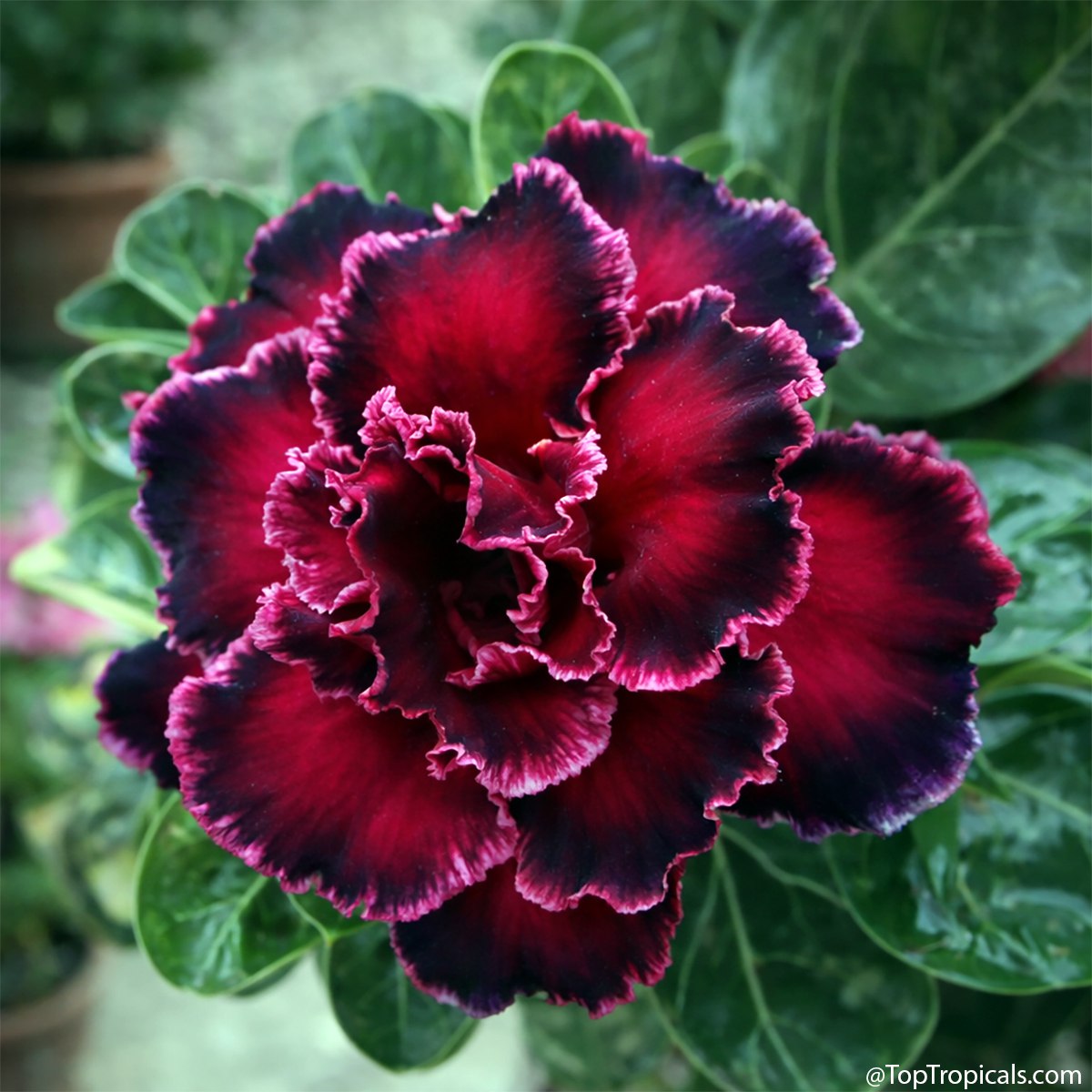
Adenium Hong Hern
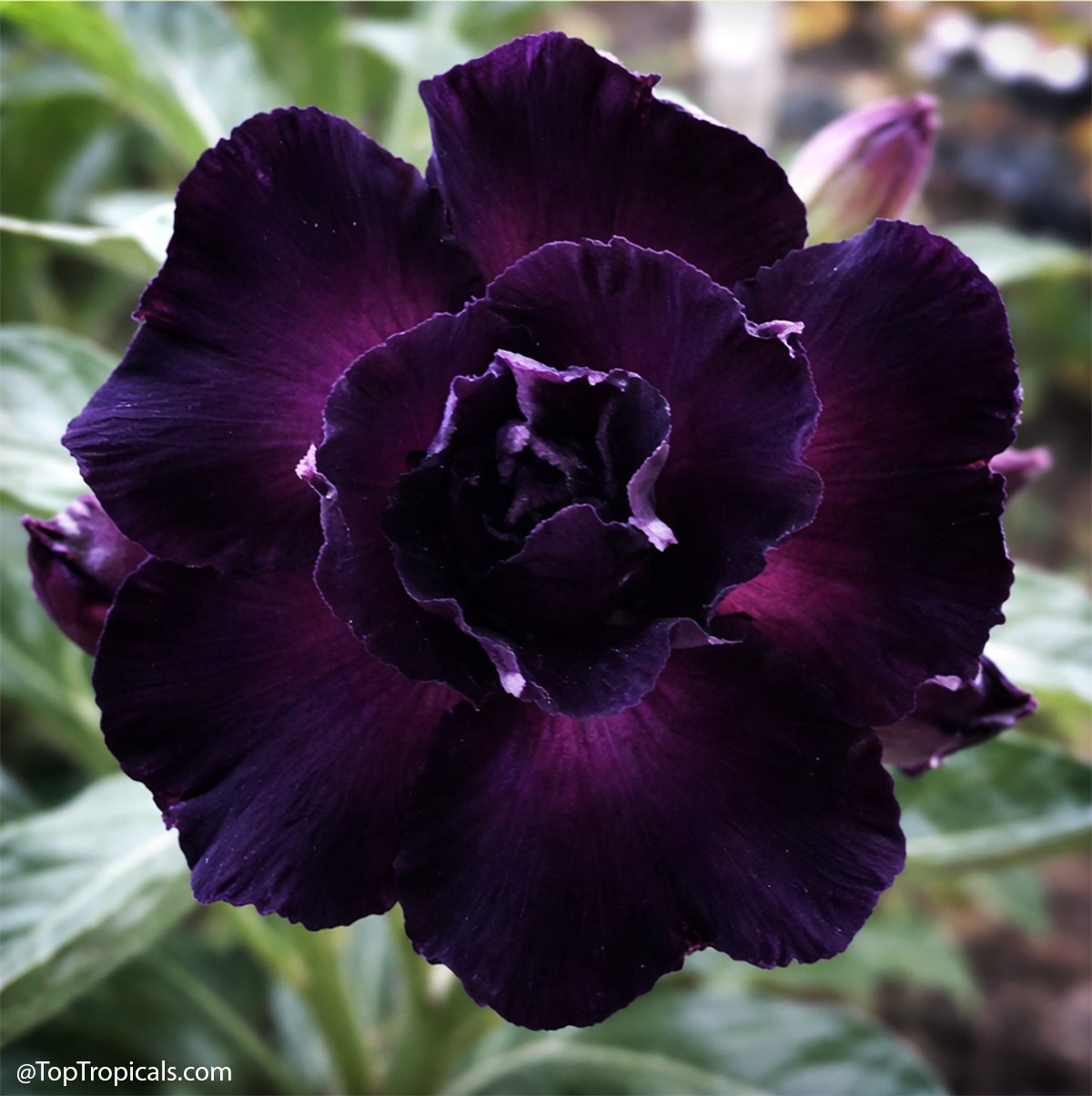
Adenium Mad Lady Twisted, expressive petals with a wild, unpredictable look.
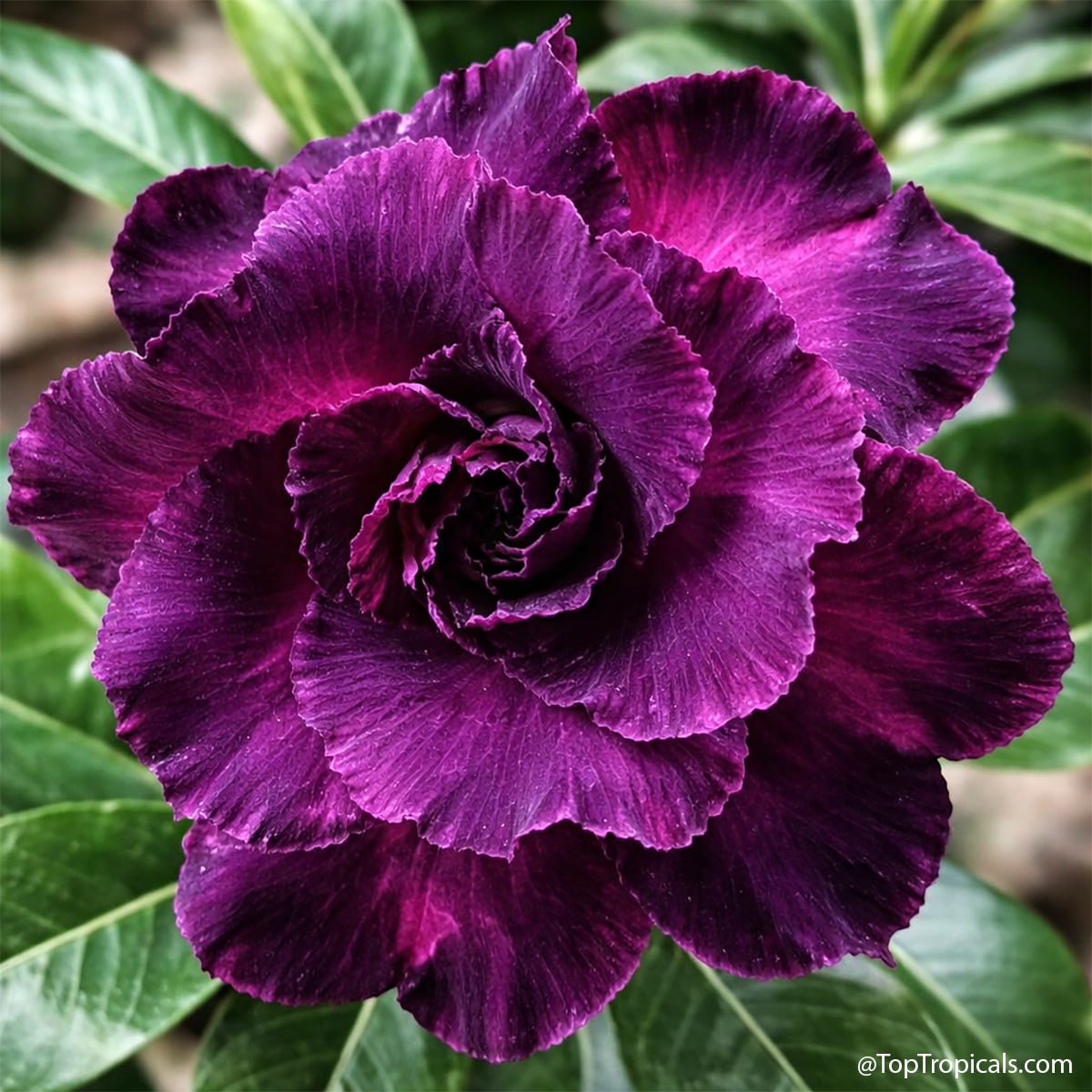
Adenium Moung VN
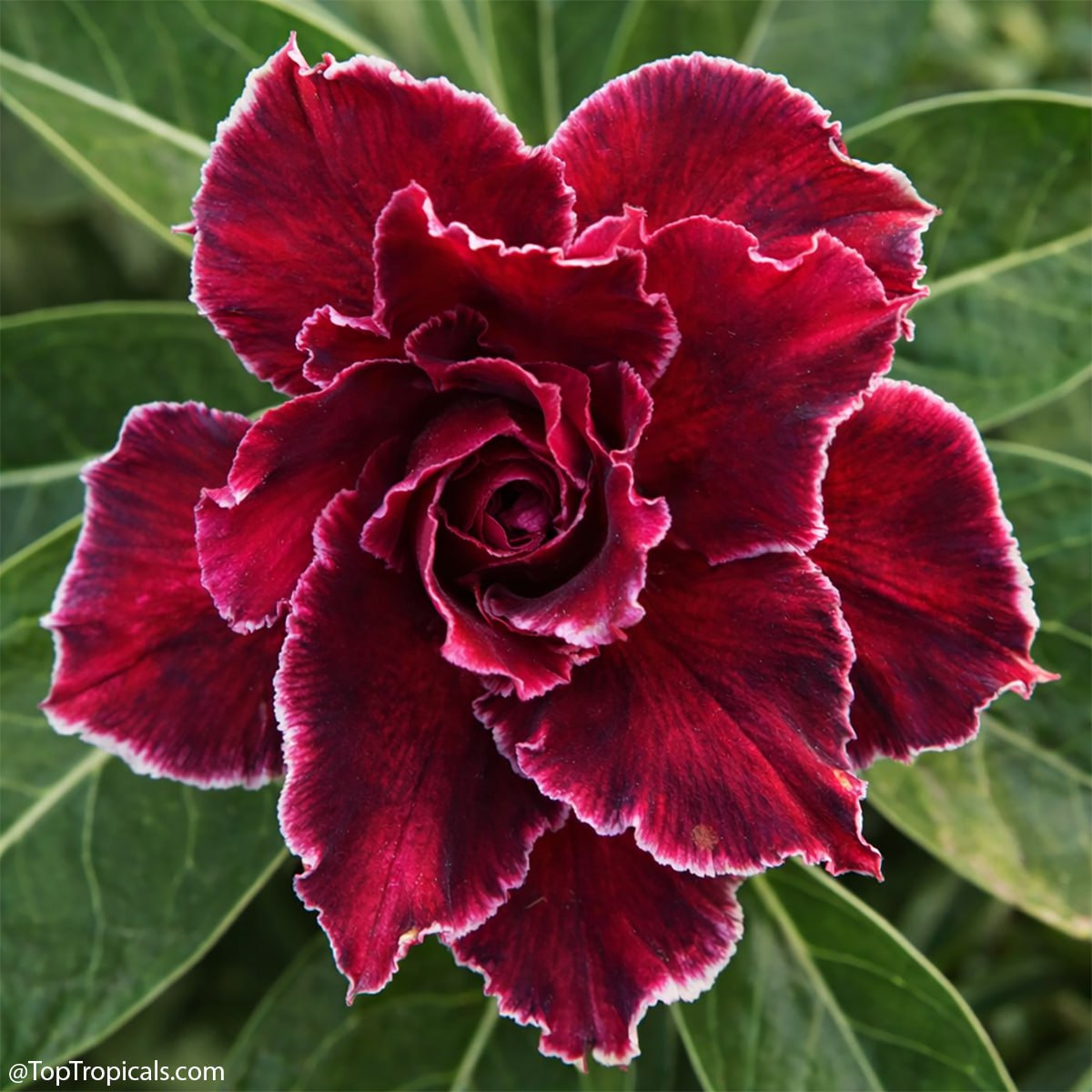
Adenium Petch Pratum
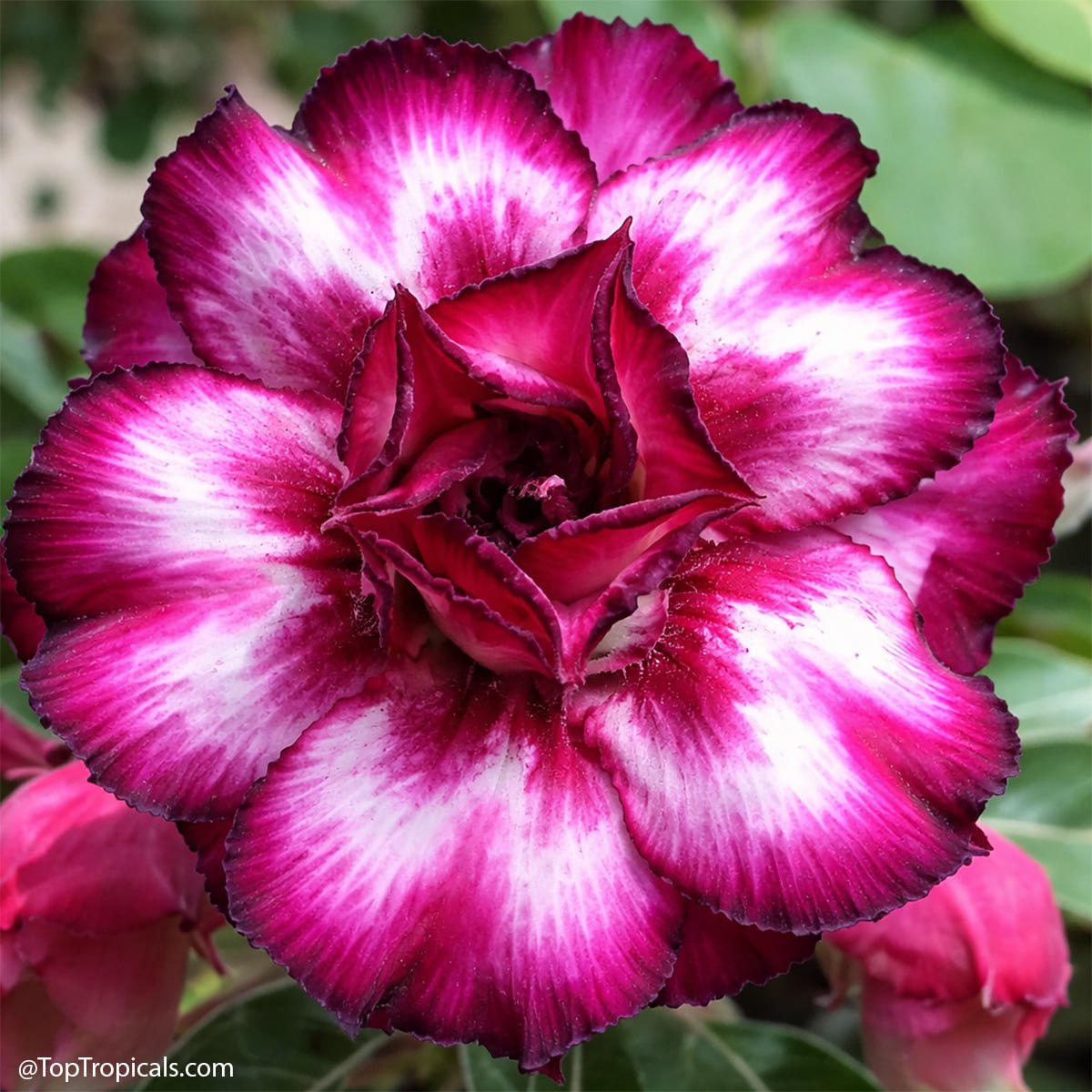
Adenium Maneenate
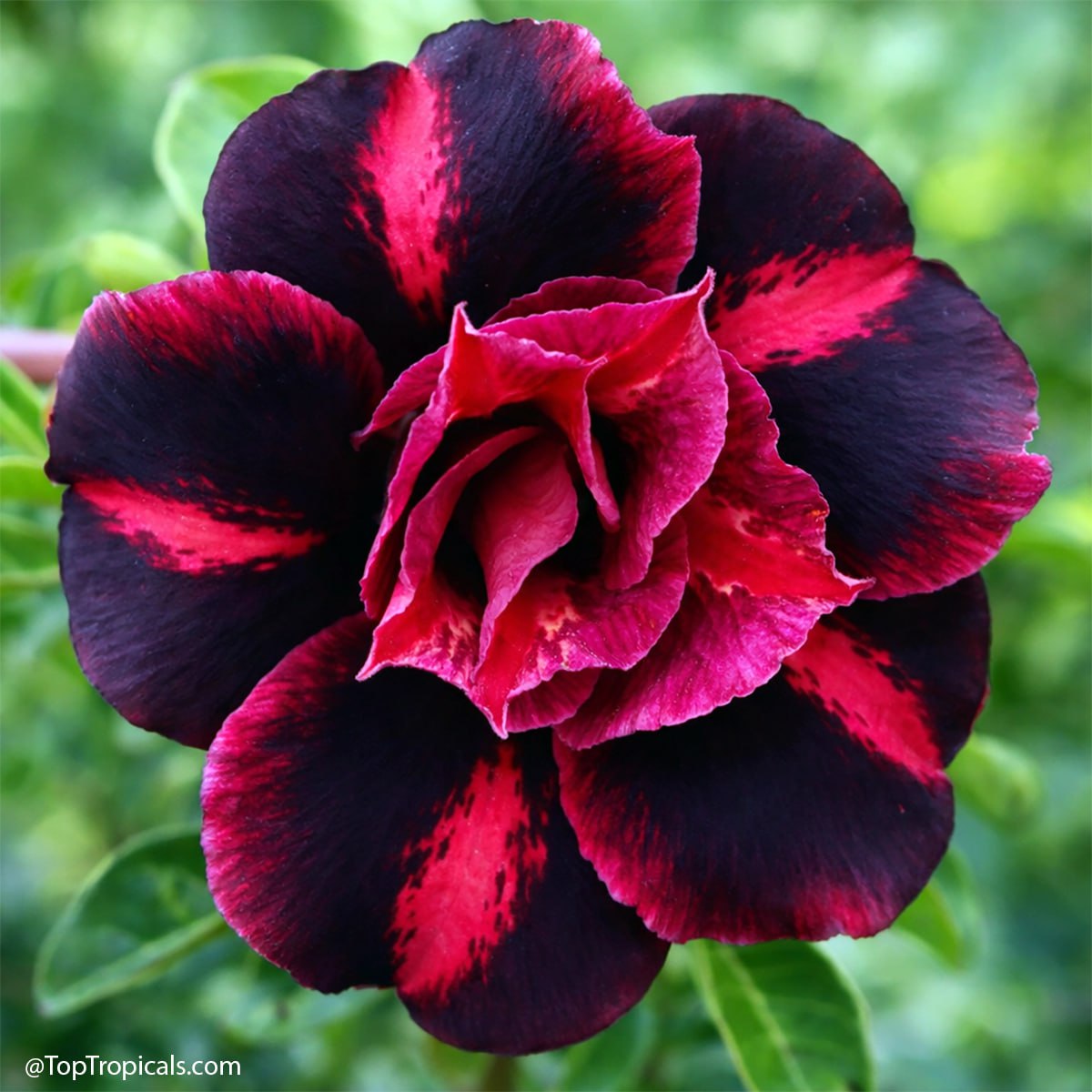
Adenium Ramruay
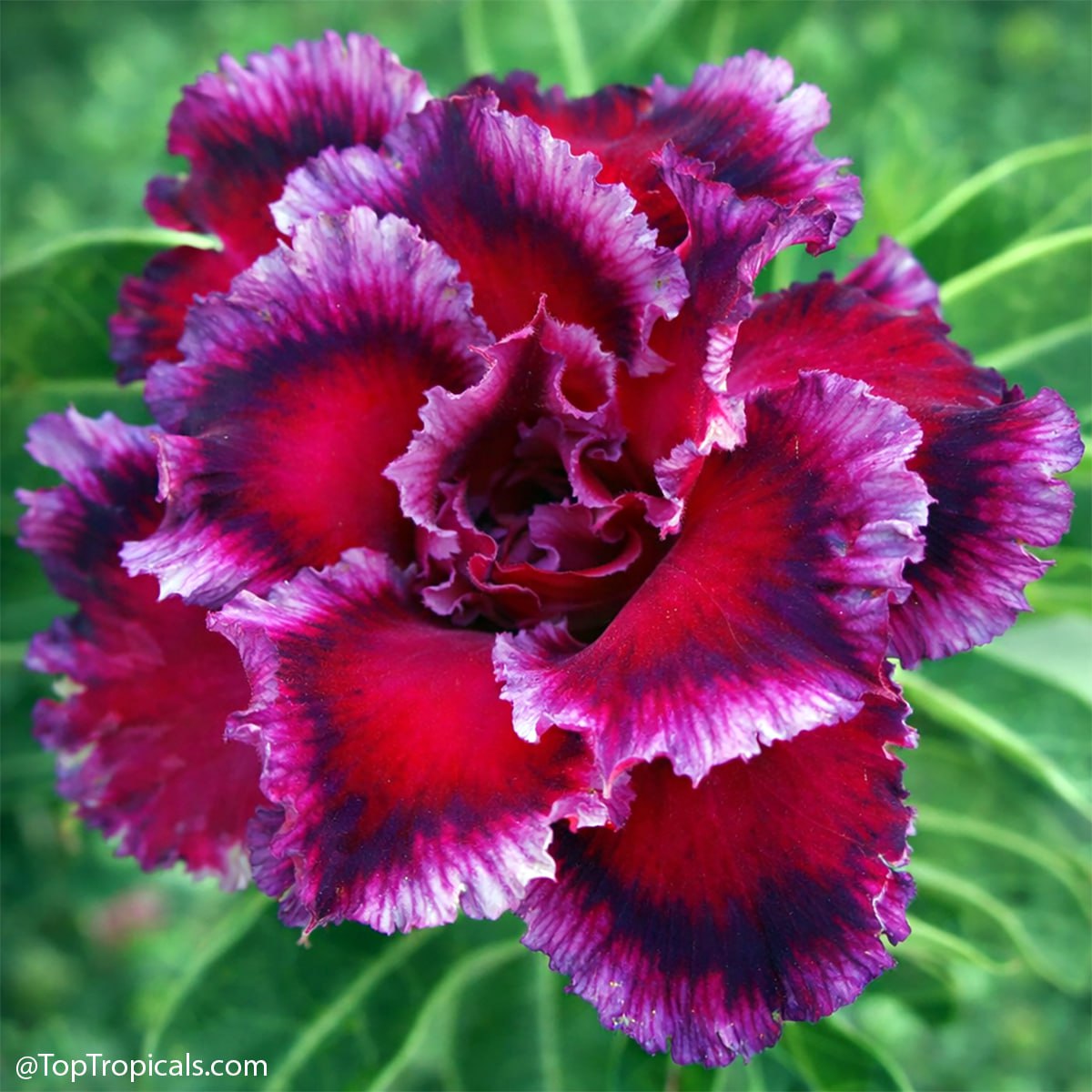
Adenium Swan and Dragon
Some adeniums are bright and cheerful.
And some look like they came from another planet.
This set leans into those deep, off-purple, almost unreal shades. Every one is different, but they all share that exotic, hard-to-describe look.
💡 Container tip
Adeniums do best in shallow containers, especially unglazed clay pots.
Clay helps in a few ways:
- it dries faster than plastic
- provides better air flow to roots
- keeps the plant stable as the caudex gets heavy
Avoid oversized pots. Keep it just slightly larger than the root ball.
Secret of a Big Caudex:
When repotting, raise the caudex a little each time.
That’s the simple trick to developing that thick, exposed base everyone loves.
🌸 Today's featured adeniums
- ✦ Blue Diamond: Cool-toned, almost metallic shades - very unusual in color.
- ✦ Musk: Modern-looking bloom with a bold, unconventional feel.
- ✦ Hong Hern: Elegant form with deep tones and a refined structure.
- ✦ Mad Lady: Twisted, expressive petals - looks a bit wild and unpredictable.
- ✦ Moung VN: Soft purple shades with a smooth, balanced look.
- ✦ Petch Pratum: Rich color with a jewel-like quality - name reflects that.
- ✦ Maneenate: Layered bloom with a more intricate, detailed structure.
- ✦ Ramruay: Associated with wealth and prosperity - strong presence.
- ✦ Swan and Dragon: Myth-inspired look with a dramatic, flowing form.
This kind of set is where collecting gets interesting - not just colors, but personality in each plant.
And once you start noticing these darker tones - you start seeing them differently everywhere.
🛒 Explore Exotic Thai Adeniums
📚 Learn more:


- · Adenium varieties in Plant Encyclopedia
- · About #Adenium Rainbow - fantastic varieties
- · Variegated and impossible to ignore adeniums that change your collection. Soil tips.
- · We picked 6 adeniums - you’ll probably want all 6. Soil and Watering tip.
- · A few adeniums you don’t want to miss. Trimming tip.
- · The adenium colors everyone is talking about right now. Light tips for hot climates.
- · Adenium rainbow: these 6 will pull you in. Fertilizing tips.
- · How to start your dream collection: before you start
- · How to grow a happy Adenium
#Container_Garden #Adeniums #How_to #Discover
🟢 Join 👉 TopTropicals
Date: 14 Feb 2026
🍭 From Vine to Bean: A Practical Guide

How to Grow Vanilla: quick how-to
Vanilla is not complicated, but it does have preferences. Start with a pot and regular, well-draining mix. It does not need anything exotic. Give it:
- Bright, indirect light
- Warm temperatures
- Good humidity
- Air movement
Most importantly, give it something solid to climb. A wooden trellis, a log, or a burlap-covered board works well. The surface should be porous so the aerial roots can grip.
As it grows, guide the vine gently. You can prune it to control size. Vanilla is slow to mature. That is normal.
The Bloom Secret
Vanilla does not bloom just because it looks healthy. It blooms when it feels secure.
This is a climbing orchid. It must attach firmly to a solid, porous support such as a wood log, trellis, or burlap-covered board. When the aerial roots grip and the plant reaches maturity, flowering becomes possible.
Once the flowers appear, they usually need to be hand pollinated to produce pods. Each flower stays open for only a short time, so timing matters.
How to pollinate vanilla: In this video, we show you exactly how to pollinate vanilla step by step
❓Vanilla care: quick FAQ
- Does Vanilla planifolia really produce vanilla
beans?
Yes. Vanilla planifolia is the commercial source of vanilla. After flowering, it can form long green pods (vanilla beans). The aroma develops later during curing. - What is the secret to getting vanilla to bloom?
Let it climb. Vanilla is a climbing orchid and usually will not bloom until its aerial roots attach firmly to a solid, porous support like a wood log, trellis, or burlap-covered board. - Do I need to pollinate vanilla flowers?
Yes. In most home growing conditions, vanilla flowers must be hand pollinated to produce pods. Each flower is open for only a short time, so timing matters. - Can I grow vanilla indoors?
Yes, if you can provide bright, indirect light, warmth, humidity, and a support to climb. A sunny room with filtered light and a trellis or log can work well. - What should I use for support?
Use a sturdy trellis, a wood log, or a burlap-covered board. The key is a porous surface that aerial roots can grip. Avoid chemically treated wood. Check out this very unusual way to grow Vanilla Orchid over a wall. - What potting mix should I use for Vanilla plant?
Start in a pot with a regular, well-draining potting mix such as Sunshine Abundance. As the plant matures, it relies more on its support and aerial roots than the soil. - What fertilizer should I use?
Sunshine Boosters Orchidasm is formulated specifically for orchids and will work perfecty for Vanilla orchid as well. - How big will it get?
As big as you let it. Train it and prune it. Vanilla grows according to the structure and space you provide. - How long until it flowers?
Typically a few years. Vanilla is a long-term project, but it is very rewarding once established.
For Collectors and Enthusiasts:
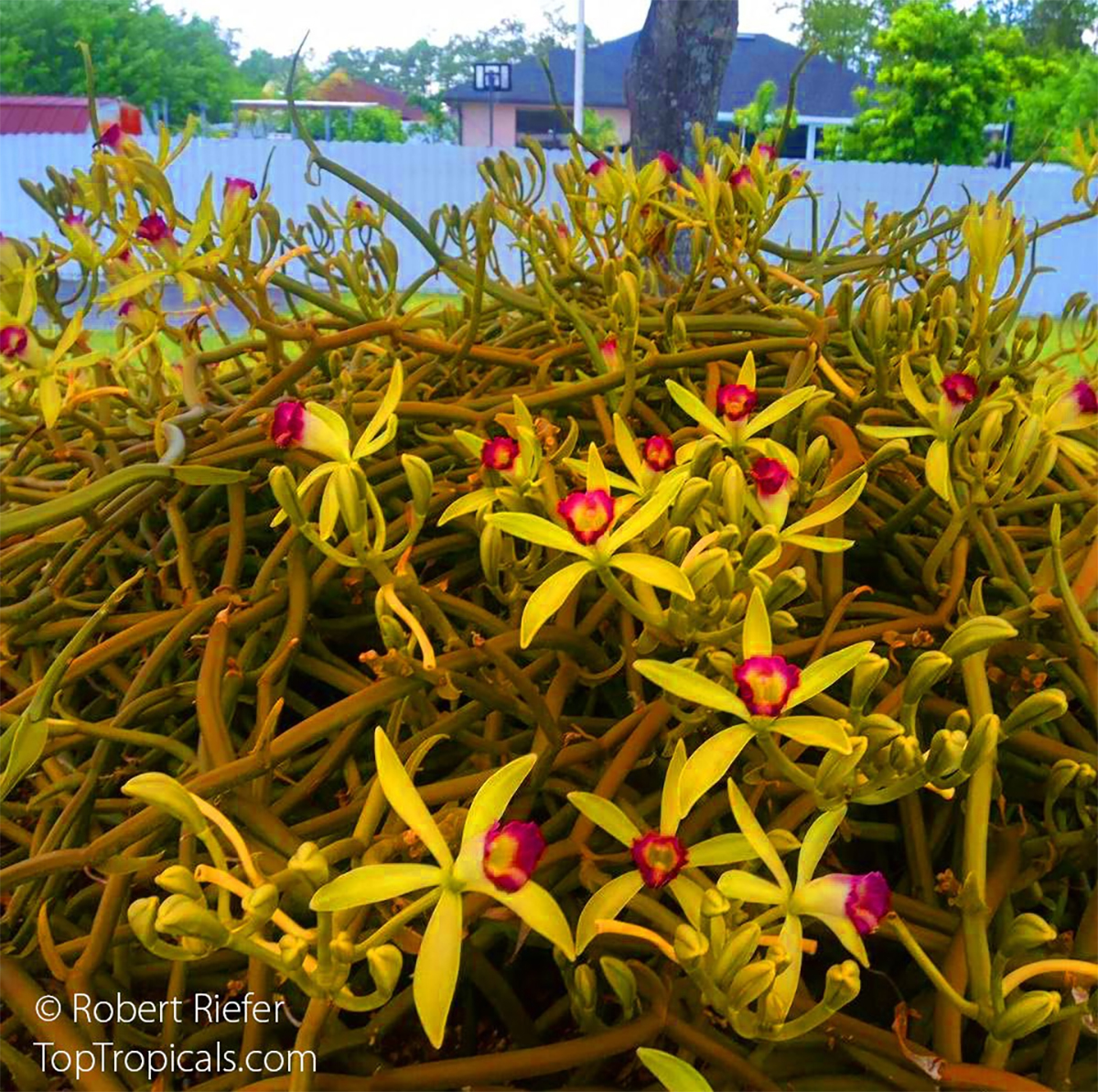
We also offer Vanilla dilloniana, a rare Florida native species with distinctive flowers.
One remarkable specimen of this species, grown by our friend Robert Riefer, became so vigorous over many years that it outgrew a 100 gallon container and was eventually moved into a 250 gallon pool on wheels.
The plants we offer are propagated from that very specimen:
That kind of growth reflects deliberate cultivation and ideal conditions - not something that happens unintentionally.
Vanilla grows according to the space and structure you provide.
For gardeners focused on producing real vanilla beans for the kitchen, Vanilla planifolia remains the right place to start.
Date: 26 Mar 2026
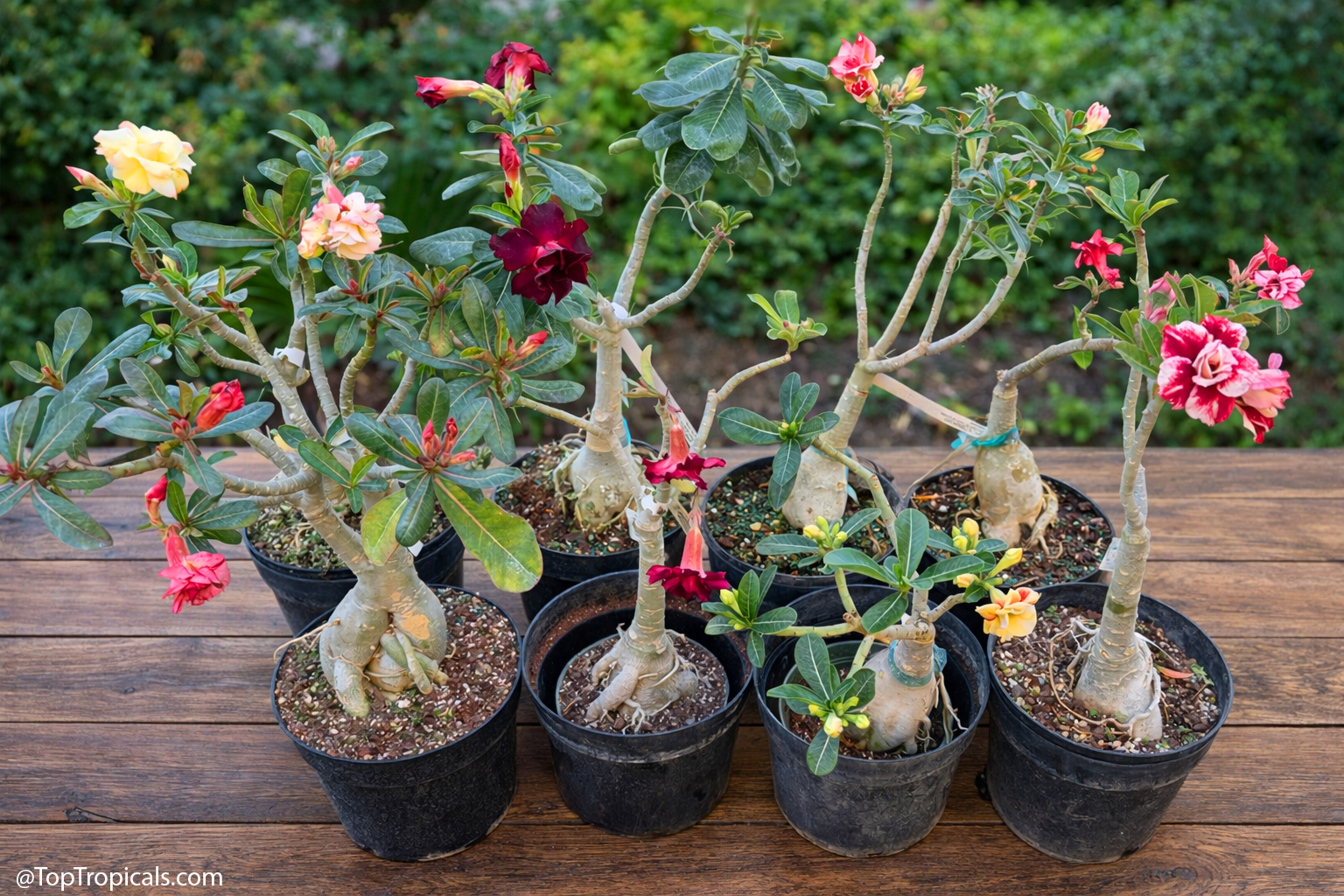
🌸 How to Grow Adeniums Without Overthinking It
By Tatiana Anderson, Horticulture Expert at Top Tropicals with Smokey & Sunshine help

✅ Simple rules that actually make them bloom and grow well
- Light - The more light, the better the growth and flowering. Full sun is ideal, but in very hot climates, filtered bright light keeps plants looking healthier.
- Water - Water well, then let soil dry on the surface. Sitting in wet soil damages roots, but letting plants dry out too often can push them into early dormancy.
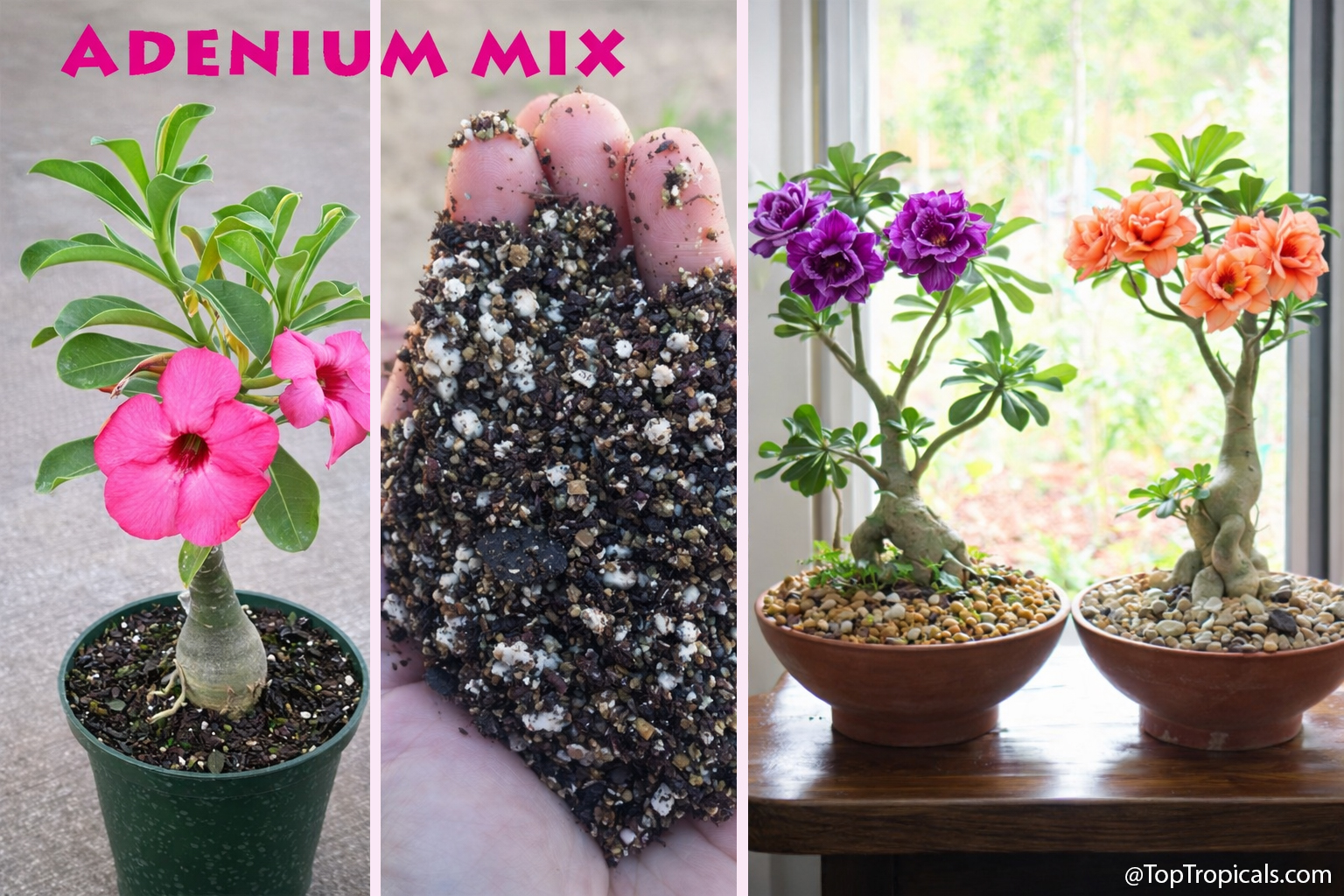
- Pot and shaping - Use a shallow pot with excellent drainage. To develop a sculptural caudex, lift the plant slightly each time you repot and remove some of the top soil so upper roots become exposed. Over time, this creates a thicker, more prominent base.
- Soil - Use a fast-draining Adenium potting Mix.
- Cold hardiness - Adeniums are tropical and do not tolerate frost. Keep above 40 F. Brief drops to mid 30s may be tolerated if dry, but cold and wet conditions can damage or kill the plant. In cooler climates, bring indoors or protect during cold nights.
- Indoor winter care - Move plants indoors before cold nights. Place in the brightest spot possible, ideally a south-facing window. Or use additional lighting. Water very lightly and less often, as growth slows. Do not fertilize during dormancy. Some leaf drop is normal in winter.
- Feeding - Adeniums respond best to liquid fertilizer. We apply Sunshine Megaflor Booster with each watering throughout the year. During dormancy, watering is reduced, so fertilizer use decreases accordingly. Consistent, light feeding promotes strong roots, a thicker caudex, and improved flowering.
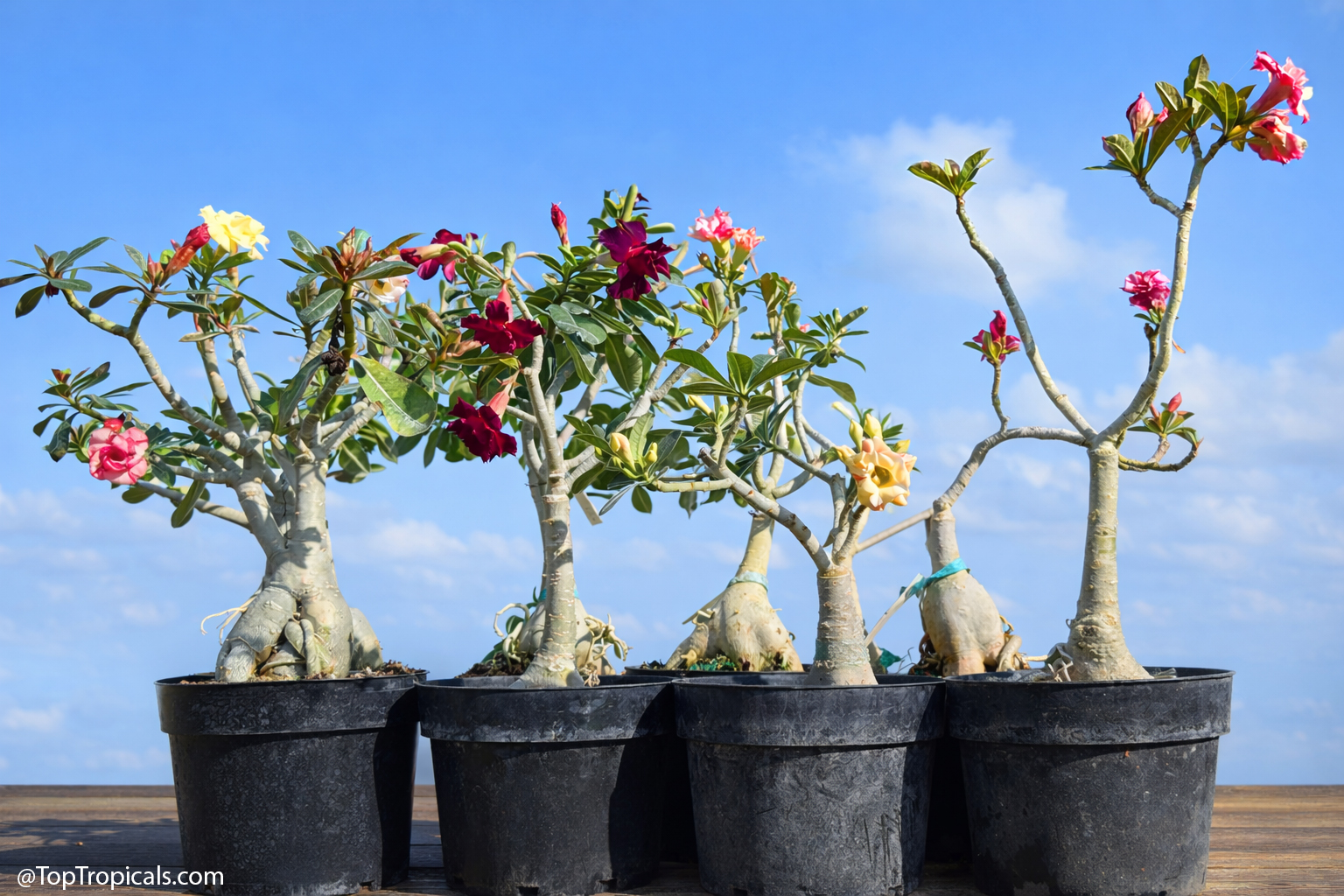
- Pruning - For multiple blooms, regular pruning is essential. After flowering, cut back long or leggy growth to stimulate branching. Each new branch can produce more buds, leading to a much fuller bloom in the next cycle.

✍️ Learn more about Adeniums from our Blog
🎥 Watch videos of Adenium Rainbow
🛒 Explore Exotic Adenium varieties
Date: 22 Oct 2025
💞 Cassia or Bauhinia?
Looking for a small tree that blooms like fireworks but still fits on your patio? We hear this question all the time at Top Tropicals: Cassia or Bauhinia? Both are tropical showstoppers, but they shine in very different ways.
🌞 Cassias: Sunshine Fireworks
Cassia trees are some of the most rewarding tropical bloomers you can grow. Fast-growing, free-flowering, and surprisingly cold-tolerant, they thrive in full sun and summer heat. Their bright clusters come in shades of yellow, orange, pink, red, and even multicolor blends. The famous Rainbow Cassias show swirls of coral, gold, and rose on the same tree, creating a living fireworks display.
For gardeners in warm regions, these trees become spectacular focal points in the landscape. In containers, compact yellow forms like Cassia didymobotrya (Popcorn Cassia) and Senna alata (Empress Candles) stay manageable and bloom freely through summer.
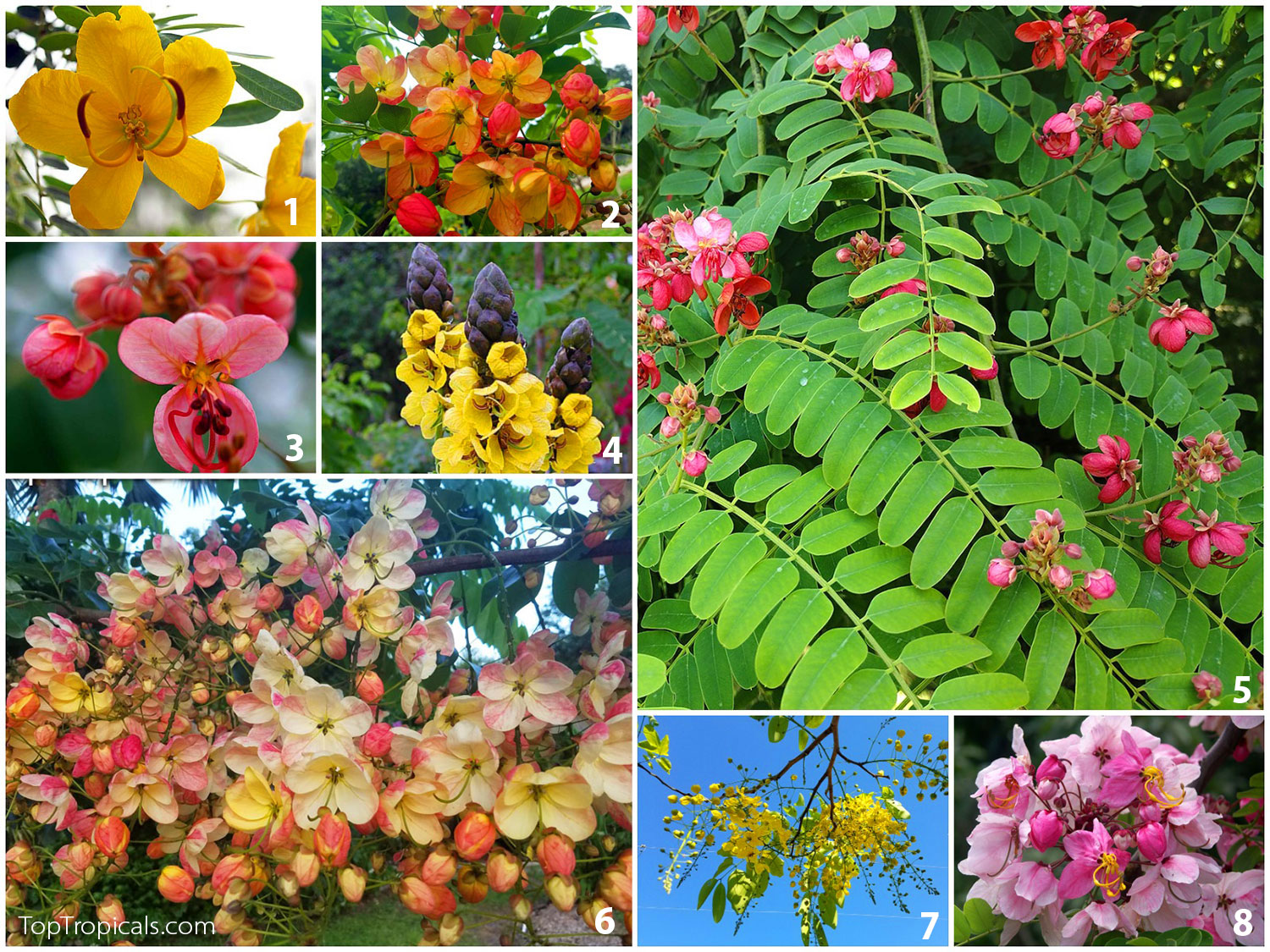
Cassias can also be grown in pots with pruning and patience. Once mature, they reward you with breathtaking color that turns any patio or pool deck into a tropical show. Most showy cassias (numbers correspond to the photos in the collage above):
- Cassia bicapsularis (Butterfly Bush) - is a fast-growing, low-maintenance shrub covered in bright yellow, butterfly-like blooms from fall through winter.
- Cassia x natalensis (Rainbow Cassia)
- Cassia grandis (Red cassia) - a medium size tree having profuse blooms of dark pink to crimson flowers throughout the Spring.
- Cassia didymobotrya (Popcorn Cassia), small tree producing golden-yellow flowers with a distinct scent of peanut butter that open from brown buds in late summer and autumn. Similar to Senna alata (Empress Candles)
- Cassia roxburghii (Ceylon Senna) - graceful tree with spreading, drooping branches appearing to be overweighed by its wealth of clustering red blossoms.
- Cassia x nodosa (Pink Shower) - is a spectacular medium-sized, fast-growing tree with cascading clusters of fragrant pink-and-white appleblossom blooms in spring and summer.
- Cassia fistula (Golden Shower) - to many tropical gardeners, the most beautiful of cassias with masses of bright gold flower clusters appear on almost every branch.
- Cassia javanica (Apple Blossom) - dazzles with dense clusters of pink-to-white blossoms that change shades as they bloom, creating a spectacular display that lasts for months.
"Cassias love the heat and sunshine," says Tatiana Anderson, Top Tropicals Plant Expert. "They are perfect for anyone who wants big bursts of color and doesn’t mind giving them space and light to grow."
Bauhinia Magic: Orchid-Like Blooms in a Compact Size
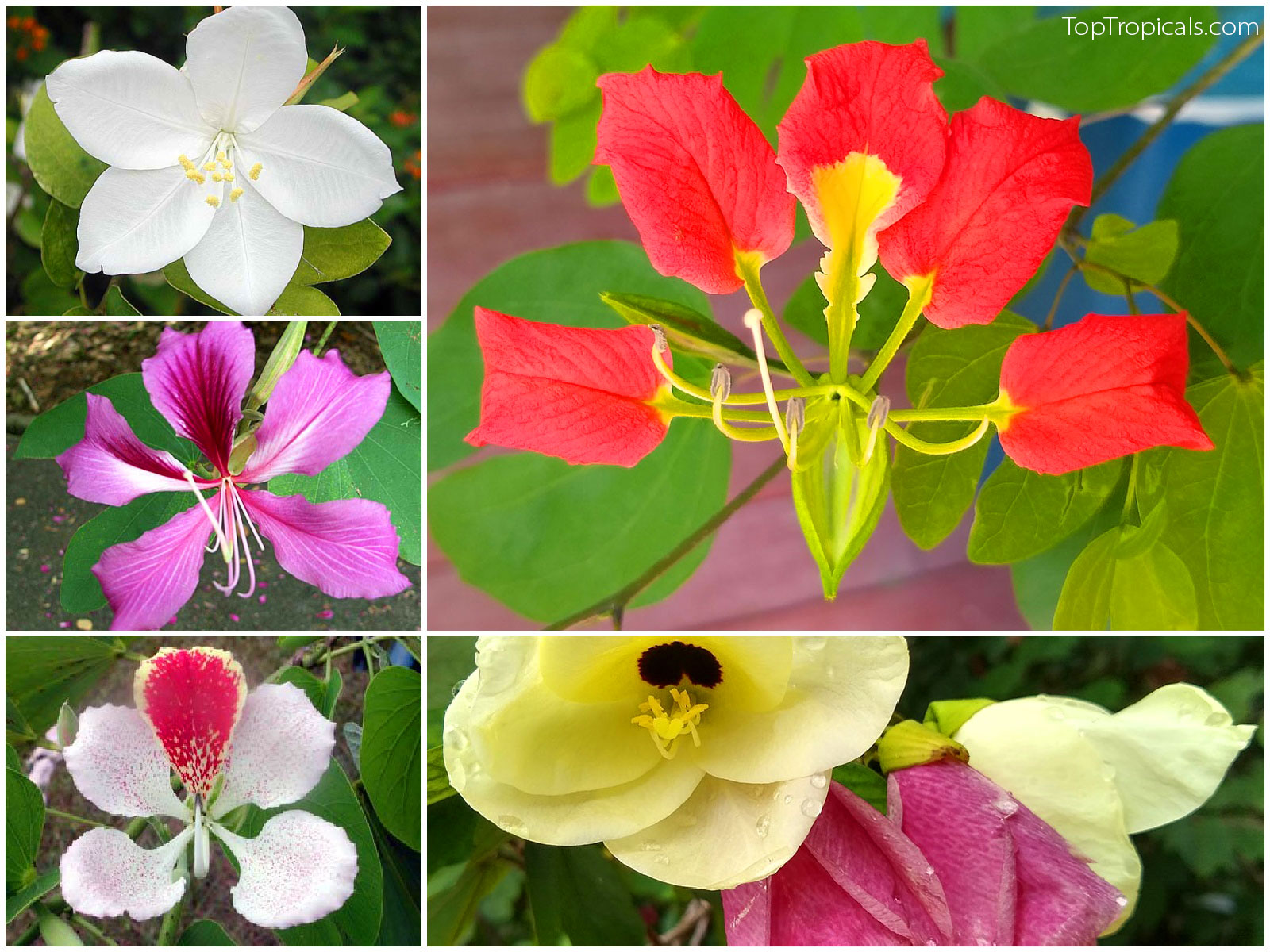
Bauhinia orchid trees: top left – Bauhinia acuminata (Dwarf White Orchid Tree), middle left – Bauhinia blakeana (Hong Kong Orchid Tree), bottom left – Bauhinia monandra (Napoleon’s Plume Orchid Tree), top right – Bauhinia madagascariensis (Red Dwarf Orchid Tree), and bottom right – Bauhinia tomentosa (Yellow Orchid Tree)
Bauhinia trees known as Orchid Trees, bring a touch of tropical luxury to any space. Their butterfly-shaped leaves and orchid-like blossoms appear in shades of red, pink, purple, white, and yellow, often lasting up to ten months a year. Bauhinias are ideal for gardeners who want nonstop color in a manageable size. Most species grow well in large pots and bloom young, often within the first season.
The following compact varieties stay neat and flower almost continuously in warm weather:
- Bauhinia madagascariensis (Red Butterfly Orchid Tree). Blooms from winter through fall, up to 10 months a year. The most cold-hardy of all.
- Bauhinia blakeana (Hong Kong Orchid Tree). A large tree in the ground, but compact in pots if trimmed. Grafted trees flower right away. Winter bloomer, cold hardy to light frost.
- Bauhinia tomentosa (Yellow Orchid Tree). Flowers from Winter through Summer, cold hardy to light frost.
- Bauhinia acuminata (Dwarf White Orchid Tree). Blooms from summer through winter. Less cold hardy.
- Bauhinia monandra (Napoleon's Plume Orchid Tree). Almost everblooming with the longest flowering period. Less cold hardy.
The Hong Kong Orchid Tree is especially prized because it is sterile and produces no messy seed pods, keeping patios clean. Grafted Buhinia blakeana trees begin blooming while still small, making them perfect for containers or tight spaces.
"Bauhinias are generous bloomers," Tatiana explains. "They respond beautifully to regular feeding and full sun. If nights turn too cold, just move the pot to a sunny porch - they’ll keep their tropical charm most of the year."
Give them full sun, regular fertilizer, and a well-drained mix such as Sunshine Abundance, and they will reward you with months of vivid blooms. When nights turn too cold, simply move the pot to a sunny porch or bright window. Bauhinias adjust beautifully and keep their tropical grace year after year.
🎥 Watch Short Videos:
💲 Special Offer – 20% off Cassias and Bauhinias!
Get 20% OFF Cassias and Bauhinias with code
RAINBOW2025
Min order $100. Excluding S/H, valid online only, cannot be combined with other offers.
Hurry, offer expires October 30, 2025!
Date: 27 Jan 2026
🌸 Adenium, Coffee, and Donuts

Sunshine: So it is a team plant. Everyone blooms, nobody agrees.
Smokey: Yet it grows just fine.
Sunshine: That is the secret. Coffee and donuts.
🌸Featured Adeniums
Recommended by our Horticulturist, Tatiana Anderson

Deep magenta flowers with a velvety look and a darker, almost black edge. A bold, elegant adenium that stands out immediately.

Bright yellow and mauve swirls across layered petals create a warm, cheerful bloom that lives up to its name.
 Clean white petals brushed with playful pink streaks. A reliable bloomer
with soft ruffled flowers.
Clean white petals brushed with playful pink streaks. A reliable bloomer
with soft ruffled flowers.
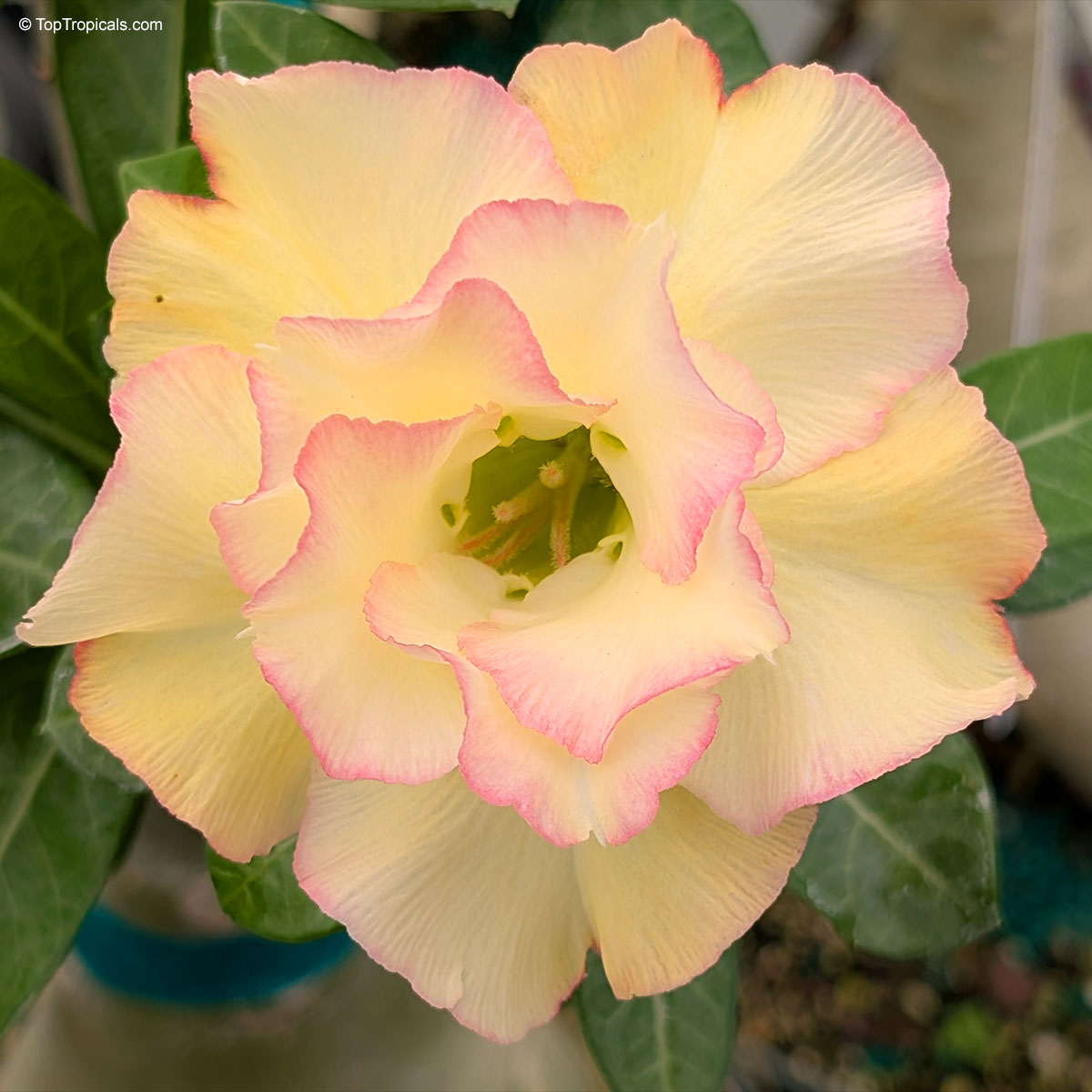
Known for its three-color effect, shifting from yellow to pink to nearly white on the same plant.
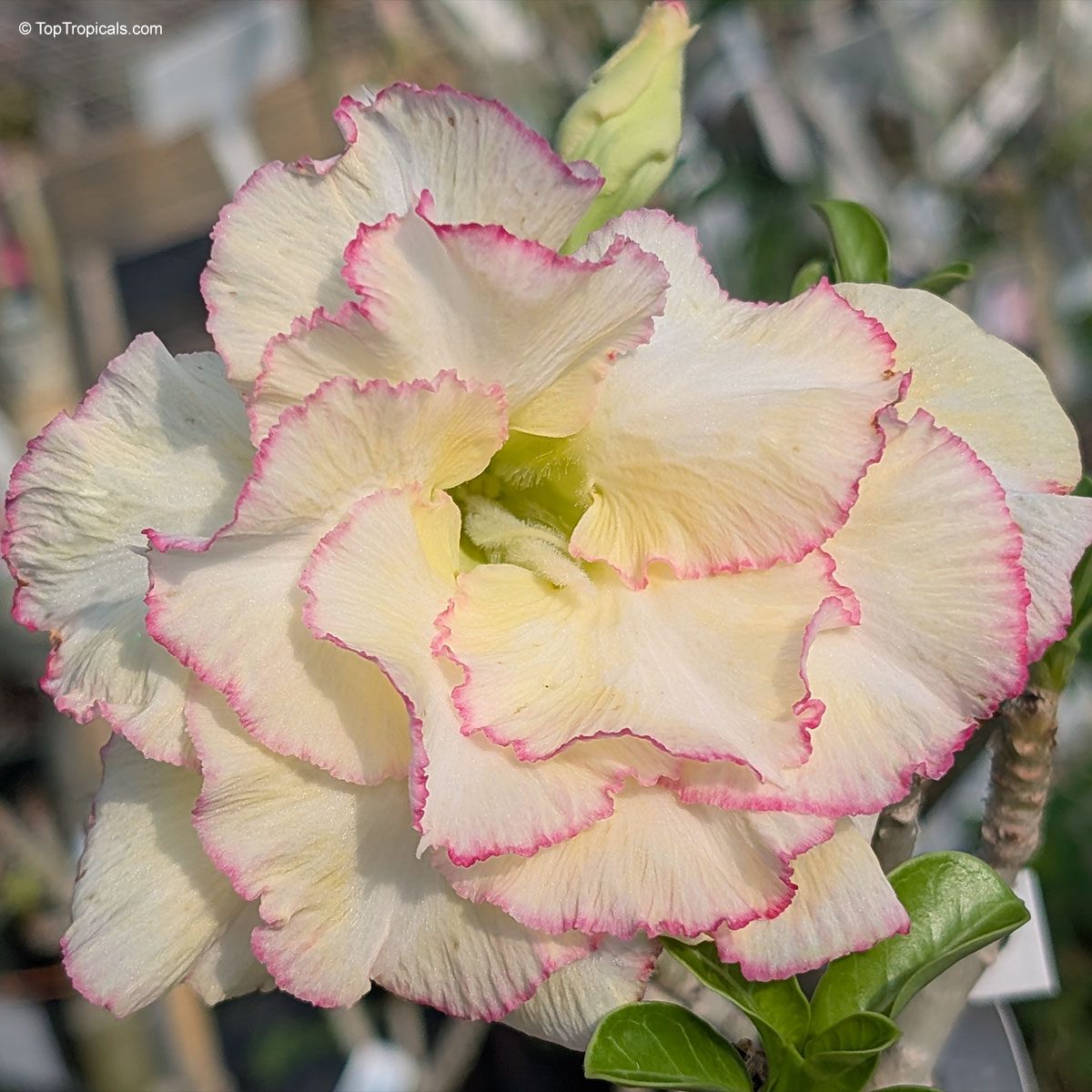
Cheerful yellow petals dipped in cherry red with bold ruffled layers. Bright, playful, and impossible to miss.
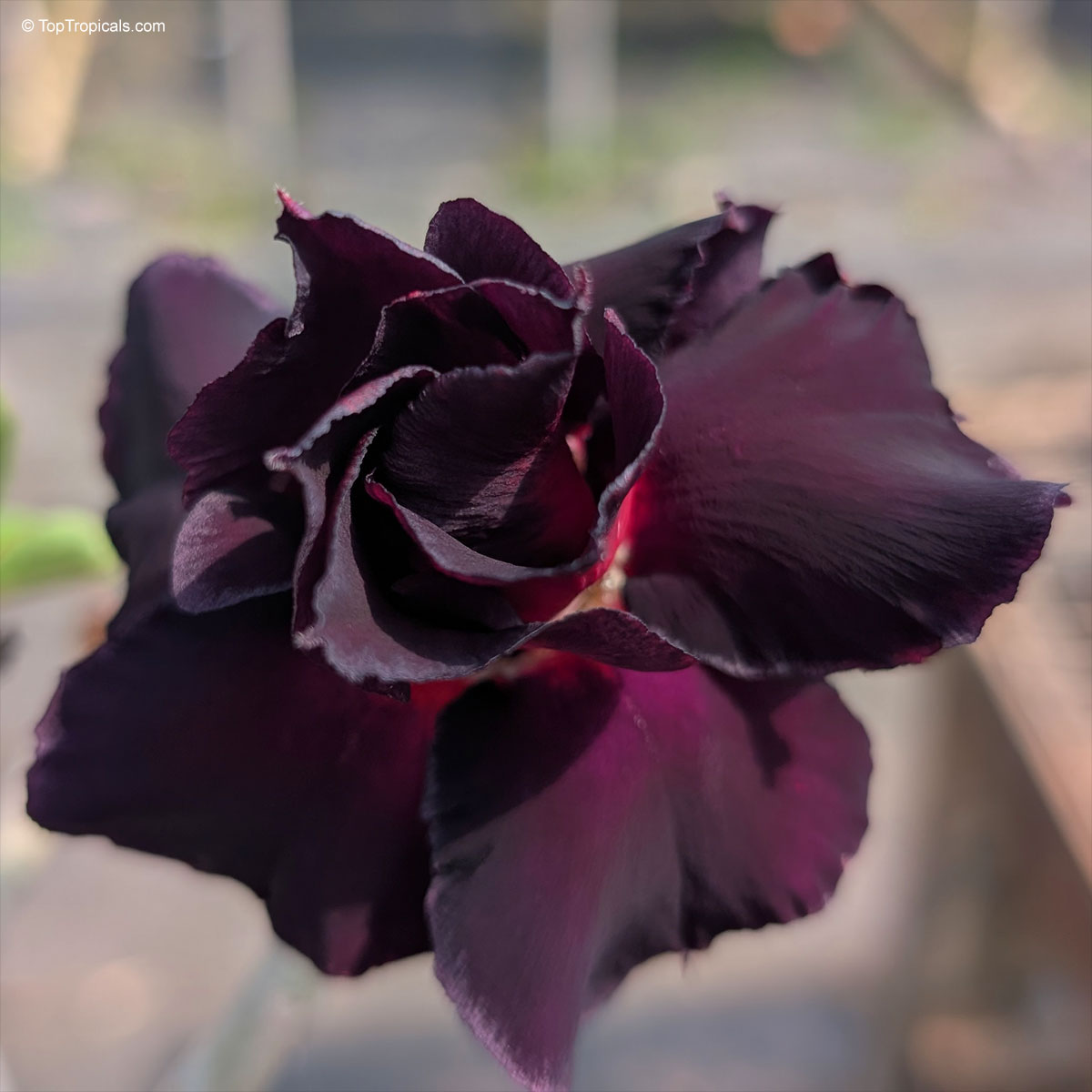
Nearly black petals with a glowing red center. Dark, dramatic, and different.