Garden Blog - Top Tropicals

Date: 23 Nov 2016

Growing tropical fruit trees in containers in winter

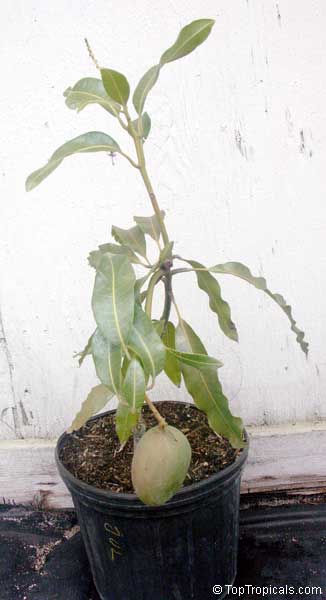
Q: Please give me your advice. The winter is here. I bought mango tree, jackfruit tree, sugar apple tree and planned them for spring. What can I do to keep them no frost bite? My home in Bonifay FL.

A: In subtropical areas with occasional hard freeze in winter, we recommend you to keep tropical plants in pots. The plants you purchase are tender to frost. For cold protection, container growing has several advantages:
1) easy to move into wind-protected and sun-exposed locations as needed: for example, on a different side of the house. In many areas, seasonal prevailing winds have opposite directions in Summer and Winter.
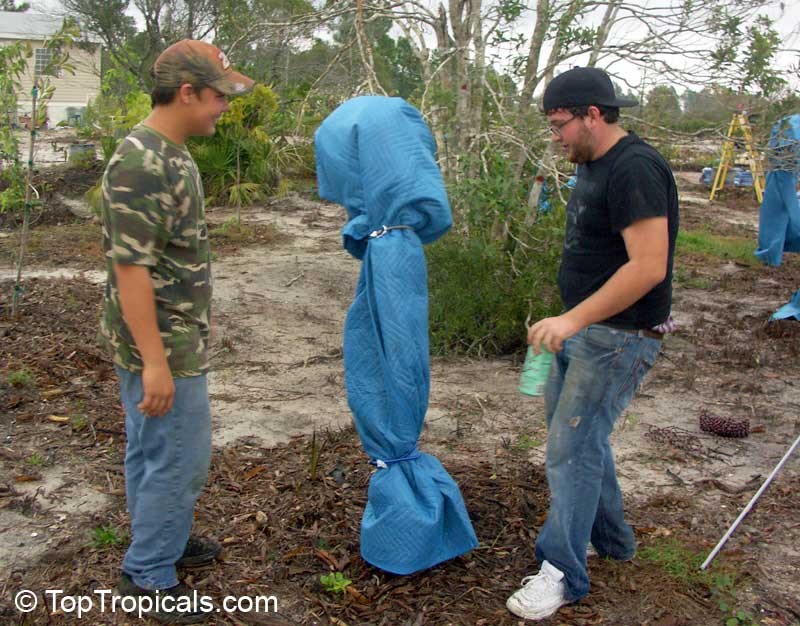
2) easy to cover with frost cloth, sheets, or blankets in case of immediate cold spells. Container plants' growth is easier to control and trim, and those plants naturally stay more compact.
3) easy to move indoors, inside garage, or in covered lanai/patio.
We also recommend to keep these trees in their original pots until Spring, in containers size of the rootball. Step them up in Spring, when plants start active growth of root system. This will help you to avoid root rot due to possible overwatering in Winter. Reduce watering in any case, and keep your plants in bright, wind-protected spot. Do not fertilize until Spring. Protect from cold when night temperature drops below 35-40F.

Use SUNSHINE plant boosters to provide additional cold tolerance.

Cold protection is a lengthy subject. You may also use propane heaters during cold nights. Here is some more information on cold protection.

Black Friday starts Wednesday! Use this discount code in your shopping cart from Wednesday through end of Friday. Enter THANKS2016 in your shopping cart for 20% off on all plants and seeds from our store - no minimum order! Offer is not valid for previous purchases
Date: 18 Nov 2016

Happy Holiday Season!

WINTER COMING TIPS. As the weather gets cooler, many of you move your potted tropical plants indoors. Please remember:

1. Lower air humidity, lower light and short day may cause some LEAF DROP. This is normal for seasonal environment change.

2. REDICE WATERING as winter coming. Under lower light and in cooler temperature, plants won't need much water; some plants go dormant and only need minimum water. Excess water may damage roots and kill a plant in winter.

3. NO FERTILIZER in winter. Active growth stops. Let the plant to go into dormancy or simply have a rest.

4. Watch for INSECTS by inspecting leaves regularly. They may attack plants more likely in the indoor conditions.

5. Apply SUNSHINE boosters to protect your plants from cold by boosting their immune system, vogor and cold tolerance. STAY WARM!

20% off sale ending soon! Check out our large selection of plants that are easily grown in containers. This week only, 20% off!

Date: 28 Oct 2016

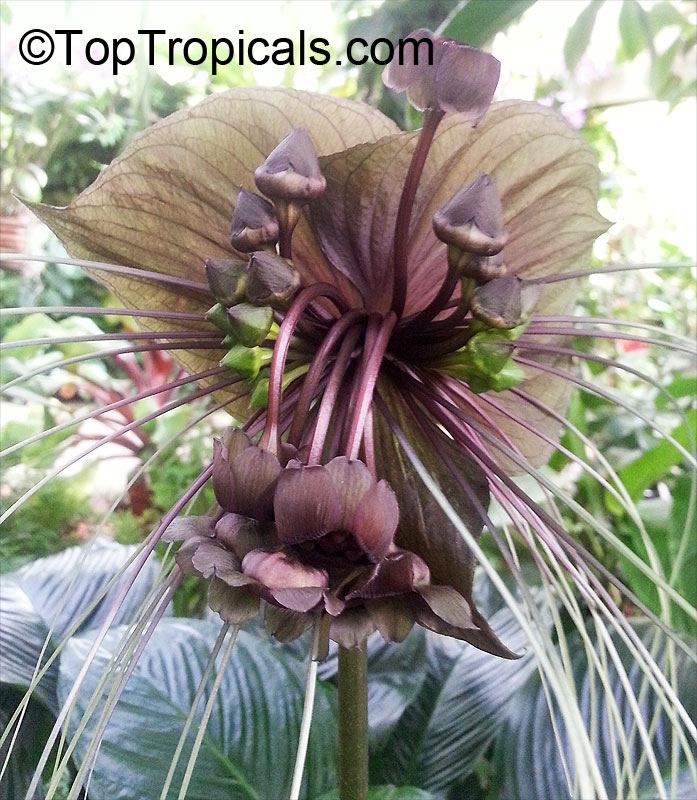
Devil Flowers - Bat Lilies - for Halloween!

Tacca. Growing Tacca is a great way to have an unusual flower or novelty plant, both indoors and out. Tacca is an exotic plant with flowers that mimic a bat in flight, deep purple (or white), with ruffled wings and long, hanging filaments. Curious, bat-like inflorescence both in shape and color, with wide spreading, wing-like bracts of rich maroon-black (some varieties have white flowers), accompanied by long trailing filaments or "whiskers"; the small black flowers are succeeded by heavy berries; corrugated olive-green leaves with oblique base surround the bloom... Those in warm areas can learn how to grow the beautiful and unique bat flower outdoors. In more seasonal areas, bat flower info says the plant and frilly flower grows vigorously indoors when it is happy with the conditions.

How to Grow Bat Flower. Growing bat flowers requires a little extra care, but blossoms of this unusual specialty plant makes it worthwhile. Large plants usually have a greater rate of success than smaller ones. Keep your bat flower away from cold temps and away from direct sun. When growing this plant outside, plant it in the shade. Care of bat flower indoors will include a shady location as well, and yearly repotting for the rapidly growing plant. This plant does not like to be root bounded. Pot up until reaching a 10- or 12-inch pot; after that, trim the roots and return to the same size pot, if desired. Well-drained soil is a must when growing Tacca bat flowers and should remain slightly moist. Soil should be light and retain moisture but never allowed to get soggy. Our special potting mix will work best for this plant.
The plant should be allowed to dry out during dormancy. Keep this in mind during its time of rest, in fall and winter. In warmer areas, bat flowers reportedly do not experience a dormant period. Fertilize monthly or every six weeks with a slow-release plant food.
For improving cold hardiness in winter, and heat tolerance in summer, apply SUNSHINE-E booster once a month. Tacca, as well as most plants with large lush foliage, responds well to such treatments, the plant will look greener, healthier, and bloom more readily.

Black Tacca and White Tacca, as well as Tacca seeds are available from our store.

Date: 4 Oct 2016

Plants for happiness and joy

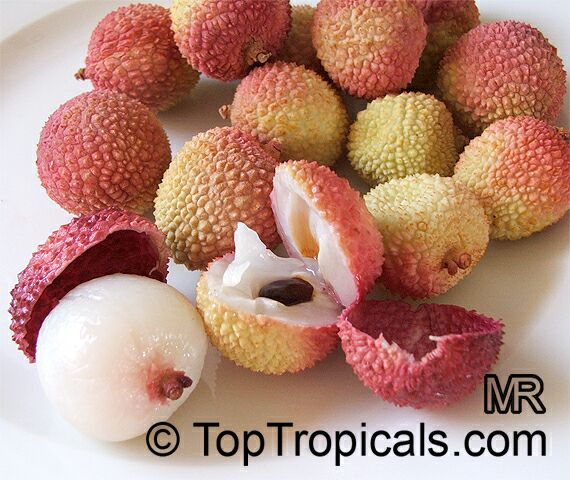
Plants as homeopathic remedies and happiness boosters. Many people know about health benefits of vitamin C which improves and boosts our immune system similar to SUNSHINE plant booster stimulating growth of plants. But not everybody realizes that this vitamin is responsible for overall happiness of our body, it brings many systems in balance. A number of tropical plants used in salads, as well as fruit with high content of vitamin C can play dual role in your life. You can use them as food, as well as enjoy their beautiful tropical appearance. Such plants will help you feel interest and joy in life when you feel apathetic and resigned to the situation you are in. Just to name a few:

Lychee
Barbados Cherry
Eugenias
Hibiscus Karkade

Try them out. Stay healthy and happy!

Date: 18 Sep 2016

About Cold Protection...

Q: I have a question, if I'm in Okeechobee Florida zone 9b are there any plants that you sell that would have to be protected at all? I have a lot that I've purchased from you and don't want to lose any of them winter.

A: Sometimes it is hard to guarantee if certain plants are hardy enough in certain area. From our experience, tropical plant performance in non-tropical areas depend on many factors; a lot of times plants appear to be hardier than they are believed to be. Other times, an obviously hardy plant doesn't survive winter. So there always will be a chance of risk involved, while nice surprises are not an exception. We have been testing many tropical species throughout many years of our nursery experience. Wind protection in many cases is more important than temperature. Enclosed sections of your garden provide better chances to survive cold snaps. Generally speaking, here is the list of some plants (not complete list, just examples) that in our experience have been surviving light freezes without significant damage.

Q: I live in San Jose,CA. Got Mango Alphonso 2 yrs back and protected it for a year in a pot during winter. Last spring I planted it and during winter I put a freeze cloth to protect it but it died. How can I make sure it wont die if I buy this time plz?

A: Mango trees are tolerant only to light frost, once established. If it gets below freezing in your area for more than a few hours, and especially if you have numerous nights with frost throughout winter, we recommend to keep mango tree in a pot. This way it can be moved to protected area during cold night. The more established the tree, the more chances to survive colder temperatures.
We also use plant booster Sunshine to increase plants cold tolerance
Cold protection is a lengthy subject. You may also use propane heaters during cold nights.
Here is some more information on cold protection.
Also, we recommend to check out our magazine Tropical Treasures (about pushing the limits of tropical gardening) for a detailed article on cold protection.
These are specific articles on Zone-Pushing in different issue #s regarding dealing with cold. See downloadable issues:
(#1) Growing Tropicals in Nontropical Climate, Three Freezing Nights in Southwest Florida
(#2) Temperature drops - an alert or a rehearsal?
(#5) Dealing with cold snaps, Cold hardy beauties
(#7) When winter is around the corner, Growing exotic Cordyline in colder climate
(#8) When the weather outside is frightful
(#9) Winter champions
(#11) Ready-for-winter checklist for in-ground plants
(#13) Winter checklist
(#18) Dealing with cold damaged plants
You may also order hard copies.

If temperatures drop below freezing in your area, remember to add Heat Pack to your order!