Date: 23 Nov 2016
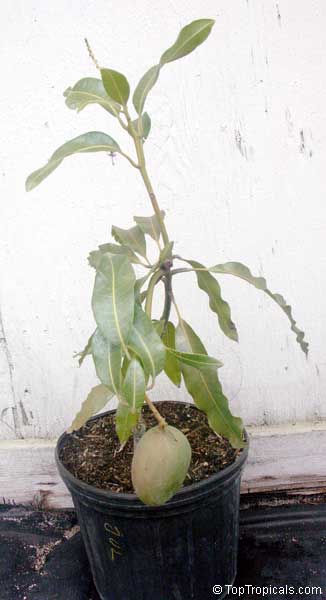
Growing tropical fruit trees in containers in winter
Q: Please give me your advice. The winter is here. I bought mango tree, jackfruit tree, sugar apple tree and planned them for spring. What can I do to keep them no frost bite? My home in Bonifay FL.
A: In
subtropical areas with occasional hard freeze in
winter, we recommend you to keep tropical plants in
pots. The plants you purchase are tender to frost. For
cold protection, container growing has several
advantages:
1) easy to move into wind-protected and sun-exposed
locations as needed: for example, on a different side
of the house. In many areas, seasonal prevailing winds
have opposite directions in Summer and Winter.
2) easy to cover with frost cloth, sheets, or blankets
in case of immediate cold spells. Container plants'
growth is easier to control and trim, and those plants
naturally stay more compact.
3) easy to move indoors, inside garage, or in covered
lanai/patio.
We also recommend to keep these trees in their
original pots until Spring, in containers size of the
rootball. Step them up in Spring, when plants start
active growth of root system. This will help you to
avoid root rot due to possible overwatering in Winter.
Reduce watering in any case, and keep your plants in
bright, wind-protected spot. Do not fertilize until
Spring. Protect from cold when night temperature drops
below 35-40F.
Use SUNSHINE plant boosters
to provide additional cold tolerance.
Cold protection is a lengthy subject. You may also use
propane heaters during cold nights.
Here is some more information on cold
protection
Date: 4 Jun 2016
Desert rose winter care
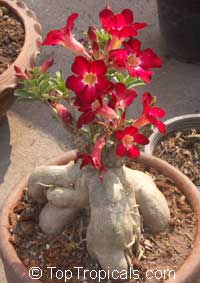
Q: I purchased several packets of desert rose seeds last year. I now have 45 very healthy seedlings some of them in bud. Almost all of my seeds grew but I lost most of them when I rook them in during winter. I did not water them for a month , kept them in their pots and set them by the window. they either dried up and died or rotted and died. I noticed when you send me grafted specimens that you bareroot them. Is this a better way to keep them inside in winter, bareroot? I hate to lose these plants come winter time. Pls advise me. I live in Houston, Tx. where we get temps below 40 degrees and sometime a day or more of freezing temps.
A: Thank you for your question. Rot is pretty common problem with Desert Roses. We monitor our Adeniums closely and have a special set up of watering environment and schedule, in dedicated greenhouses just for them. Nevertheless - every now and then we see a rotten caudex and can't help it to say "oops! over-watered!" These plants are very sensitive to environment changes, especially when it comes to a combination of water and temperature. These are a few tips that should help you to reduce risk of plant loss to a minimum:
1) Use only well drained mix with much higher content of perlite than you would use for most tropical plants. For adeniums, we use mix with 30-40% of perlite in it, while regular mix has 10-15%.
2) Adeniums like alkaline soil, unlike most of tropical plants (hard to say what else likes alkaline... Ficus for sure!). This means, regular mix with high content of peat moss may cause root rot. To increase alkalinity, you may add dolomite. Here in Florida where we have natural supply of shell rock handy, it is easy to add some shell to a potting mix (shell sand, rather than quartz sand). We always add a few large shells on top of a pots with a big specimen. Besides increasing soil pH (making it more alkaline), shells look very decorative.
3) Water very carefully during cooler months. When it is hot (85-100F), excessive water usually won't harm adeniums: it will be partially used by a plant, and partially will evaporate. Especially be careful with water when temperatures drop below 65F - then tropical plants simply stop growing process and go dormant. Once adeniums start losing leaves, this is a sign to reduce watering to once a week to once a month, and in very small quantity (couple tablespoons per pot).
4) We do not bareroot adeniums for winter storage. They are not bulbs. Barerooting of this plant is recommended only during shipping. Adeniums can stay without soil for up to a week without hardly any stress, sometimes even longer.
5) We keep our big collection specimens on a roofed porch during winter, where level of light is very low. Last winter we haven't lost a single plant due to low light. They take shade pretty well considering minimum or no water. However bright light is always better - it creates healthier environment for a plant. We all know about space limitations for our large collections, especially in winter. So if you can afford a bright spot for adenium during winter - the plant will be lucky!
Date: 11 Sep 2023

We remember 9/11. We must never forget.

As September 11th arrives once again, our hearts are heavy with memories of the fateful day that forever changed our nation. We remember the lives lost, the heroes
who emerged, and the enduring resilience of our country.
As we pay tribute to the past, we recommit ourselves to building a brighter future. Remember to focus on the beauty that surrounds us every day - the kindness of a stranger, the laughter of loved ones, the warmth of a sunrise. In these simple moments, we will find
solace and inspiration.
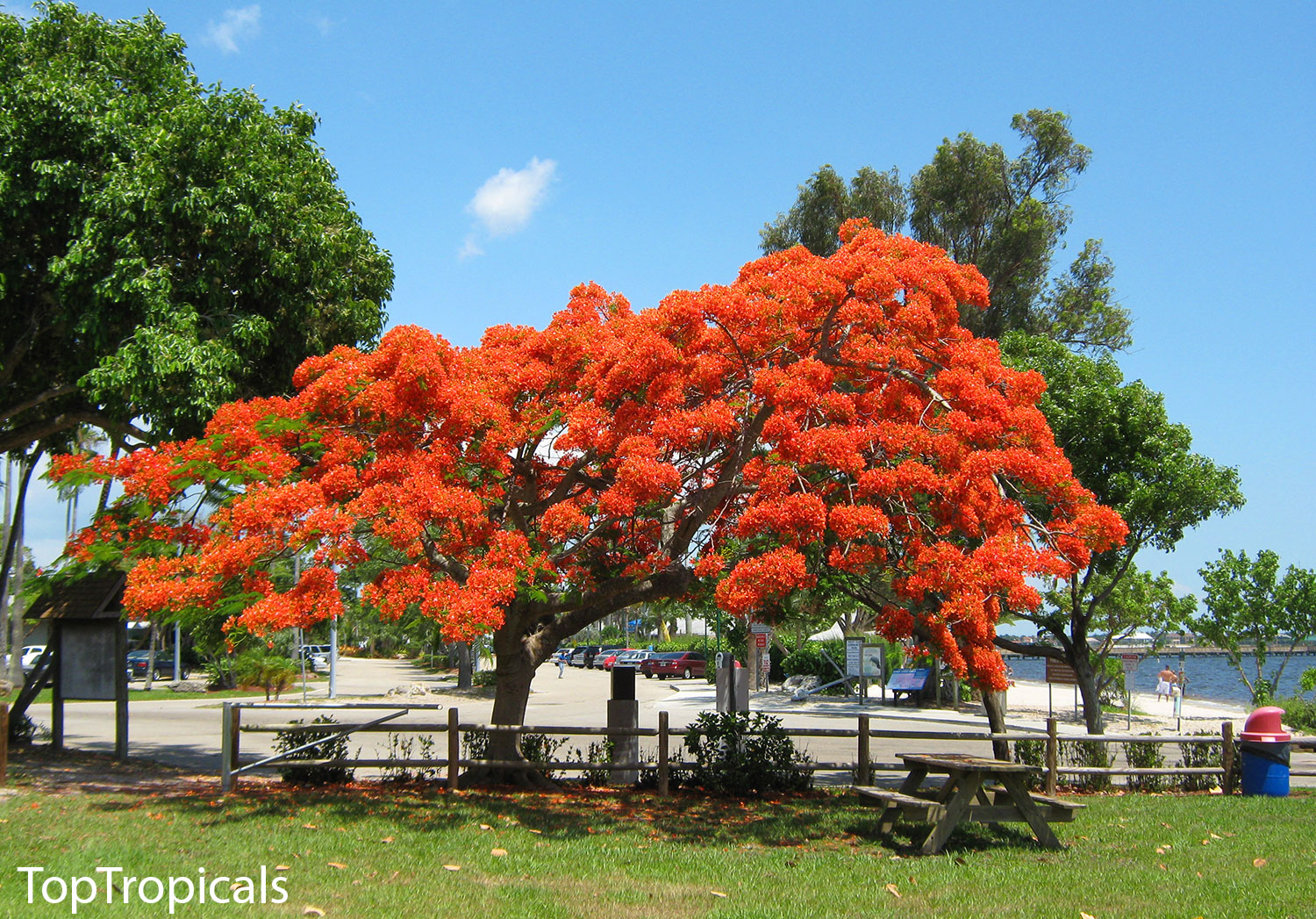
"The Royal Poinciana is one of the most spectacular flowering trees in the USA, and probably among the top 10 on this planet. In full bloom, it is like a regal elephant caparisoned in red and yellow brilliance." (Larry M. Schokman, The Kampong, National Tropical Botanic Garden)
Date: 6 Oct 2024
Eight most spectacular gingers
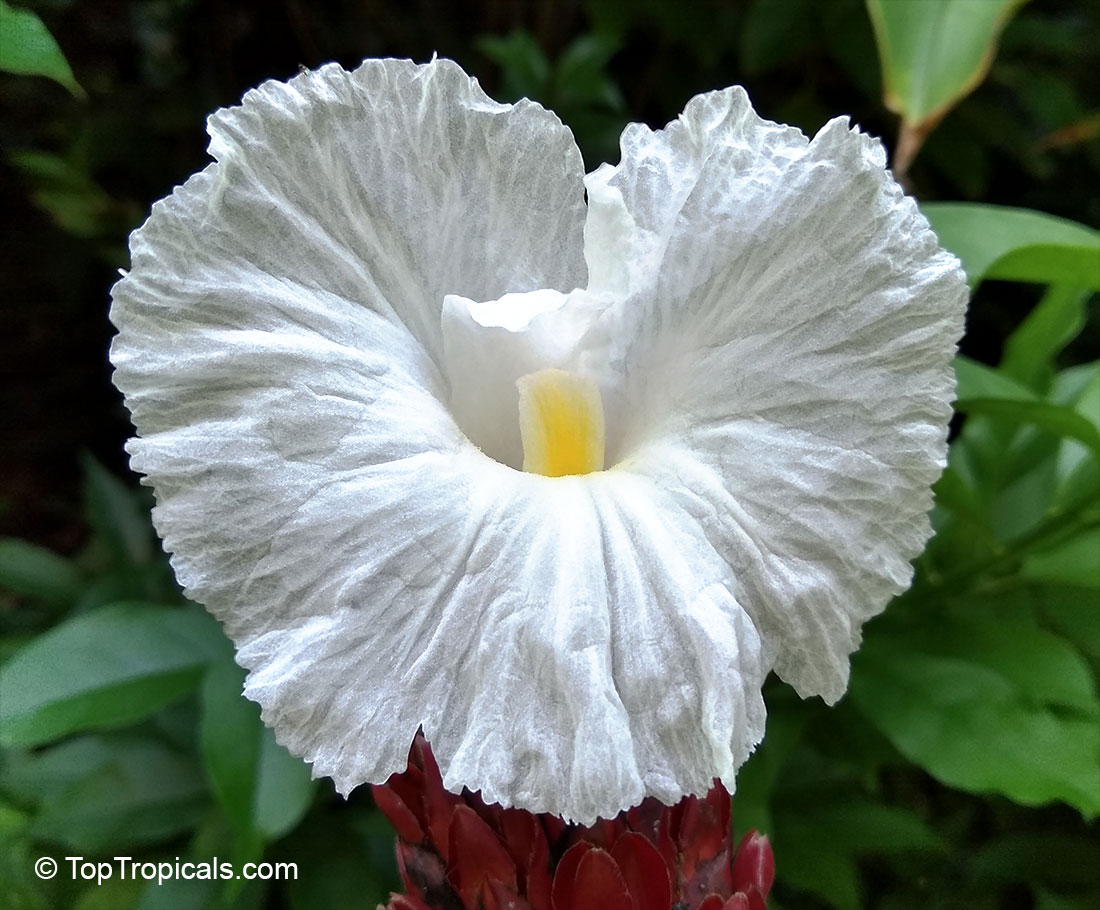
Photo above: Costus arabicus - Spiral Ginger
Q: I grow ginger for cooking, but I know that some varieties have showy flowers. What gingers can you recommend as ornamentals?
A: Ginger is famous for its culinary and medicinal uses, and many species are also strikingly beautiful, making them perfect centerpieces for tropical gardens or potted plant collections, especially in shaded spots. Here are a few of our favorite cultivars.
1. Yellow Butterfly Ginger
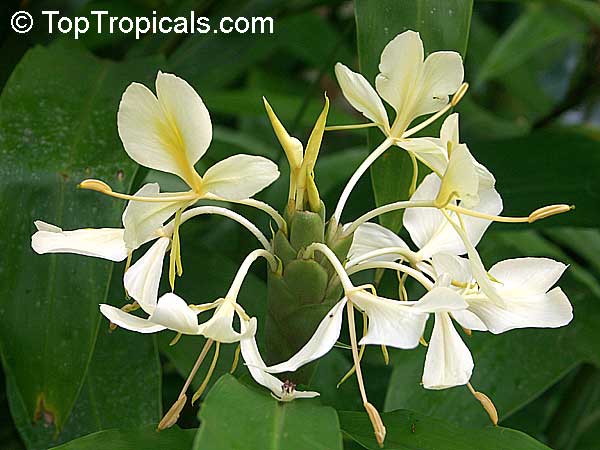
Hedychium flavum x coronarium - Yellow Butterfly Ginger, Nardo Ginger Lily - rare hybrid of White Butterfly ginger we mentioned earlier (https://t.me/TopTropicals/710), it is more vigorous and tall than its parent. With attractive long green leaves with a slight fuzziness, this ginger has open long spikes of pastel yellow flowers with a beautiful heady aroma. Exquisitely fragrant!
2. Variegated Spiral Ginger
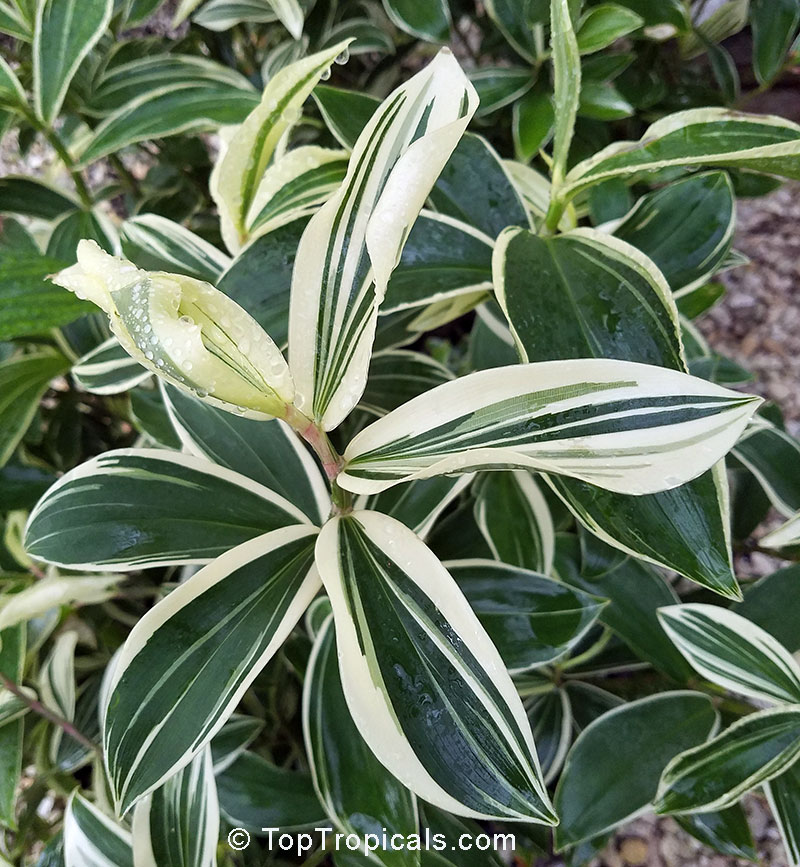
Costus arabicus (amazonicus) variegata - Variegated Spiral Ginger - is a tropical stunner originally from South America but adored in Hawaii and Florida. This ginger's eye-catching, spiraling stems are streaked with striking white variegation, topped with elegant pure white flowers with yellow centers. The pure white blooms are truly a piece of art! Perfect for shade gardens, this plant thrives in moist soil and loves plenty of water. If you're looking to add a bit of drama and elegance to your garden, this beauty is a must-have!
3. Pine Cone (Shampoo) Ginger
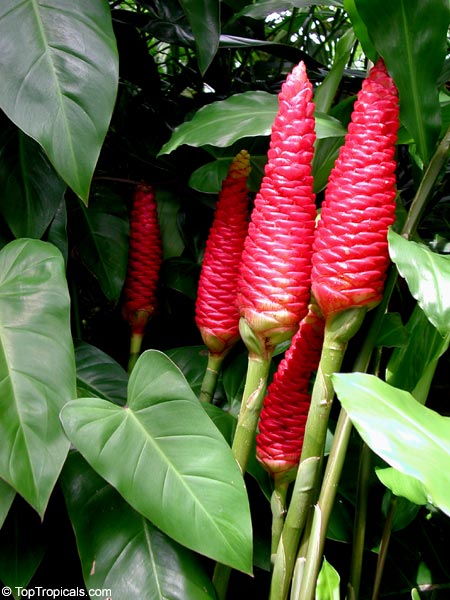
Zingiber Zerumbet - Pine Cone Ginger, Shampoo Ginger - is probably the most popular one. All parts of this ginger are spicy fragrant. The cone shaped flowers are long lasting and useful for cut flower arrangements. It is in fact used as a shampoo in Asia and Hawaii, and as an ingredient in several commercial shampoos! Pinecone ginger is considered a "canoe plant", that is, a plant introduced throughout the Pacific by the ancient Polynesian settlers.
4. Spiral Raspberry Ginger
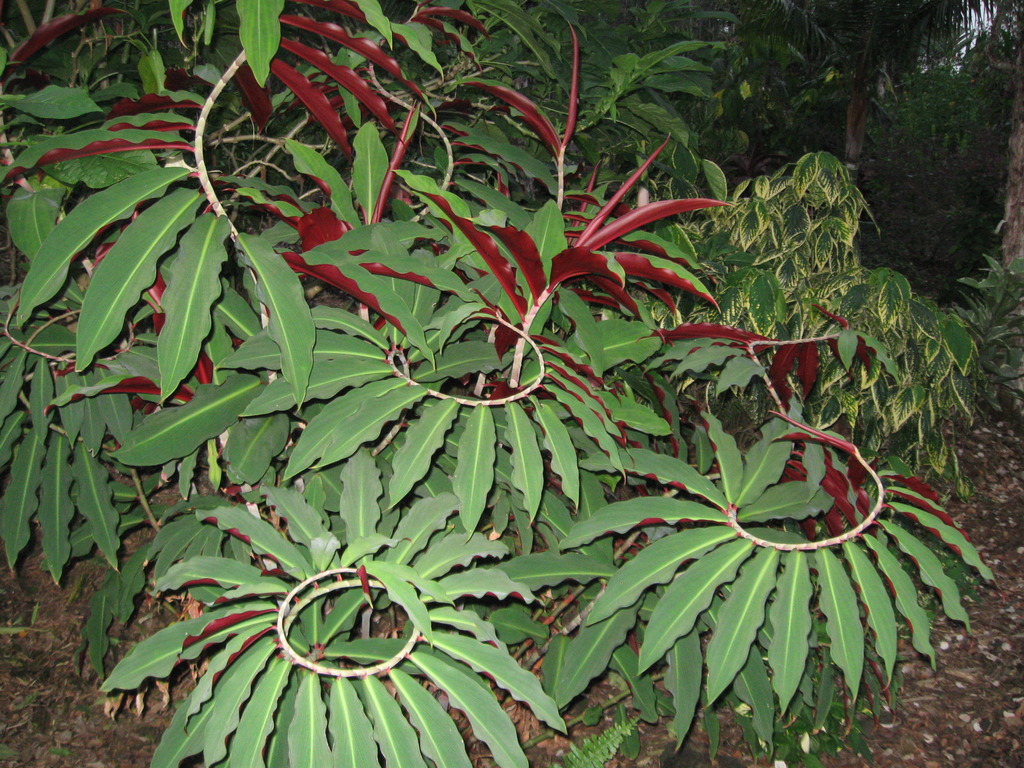
Costus vargasii - Spiral Ginger Raspberry Yogurt - The name refers to the colorful raspberry colored stem, but that's not the only colorful thing about it: the leaves are dark green, long and glossy with velvety deep purple undersides. The inflorescence is a vivid red with tight bracts and bold yellow flowers. The butterflies love to drink the nectar from the flowers. Large vigorous ginger, growing up to 5-6 ft tall.
5. Cameroon Costus African Princess
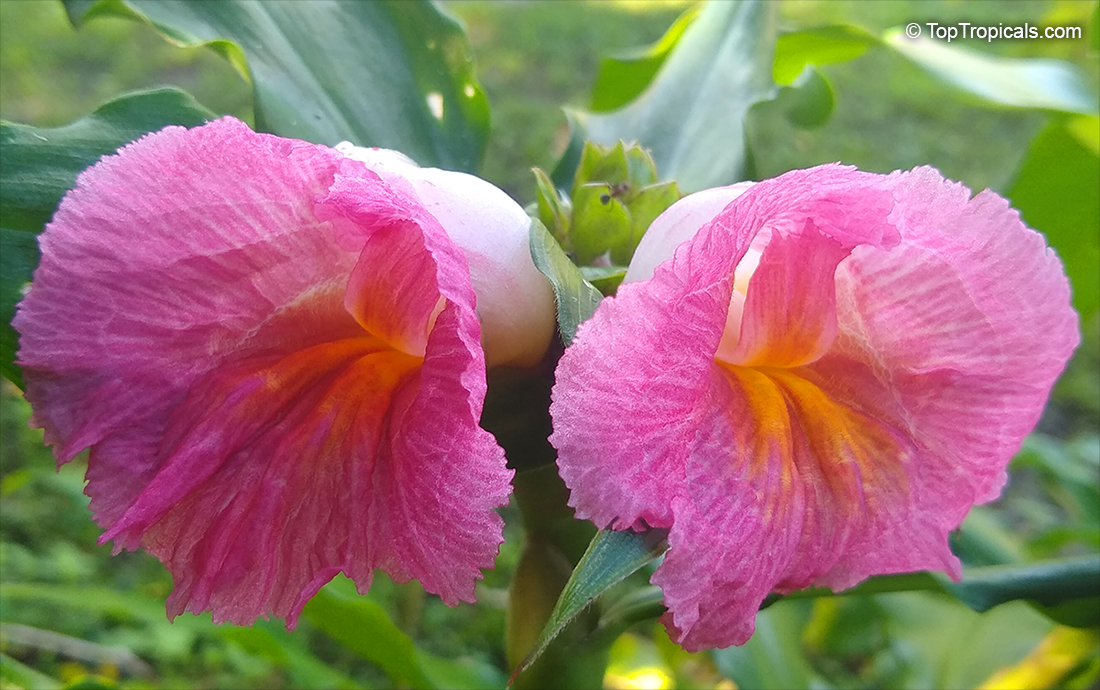
Costus fissiligulatus - African Princess, Cameroon Costus - from Gabon in West Africa. It has a dazzling pink trumpet flower with a yellow throat. It is very floriferous with an inflorescence of numerous flower buds on a shortish plant of 3-4 ft that stands very erect. It is an easy grower.
6. Red Button Ginger (French Kiss)
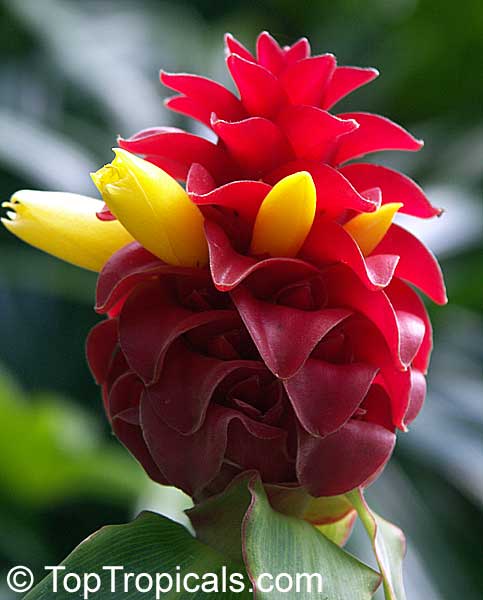
Costus spicatus x woodsonii - Red Button Ginger, French Kiss: this ginger's inflorescence resembles a cluster of bright red buttons, making it a standout in tropical gardens.
7. White Butterfly Ginger
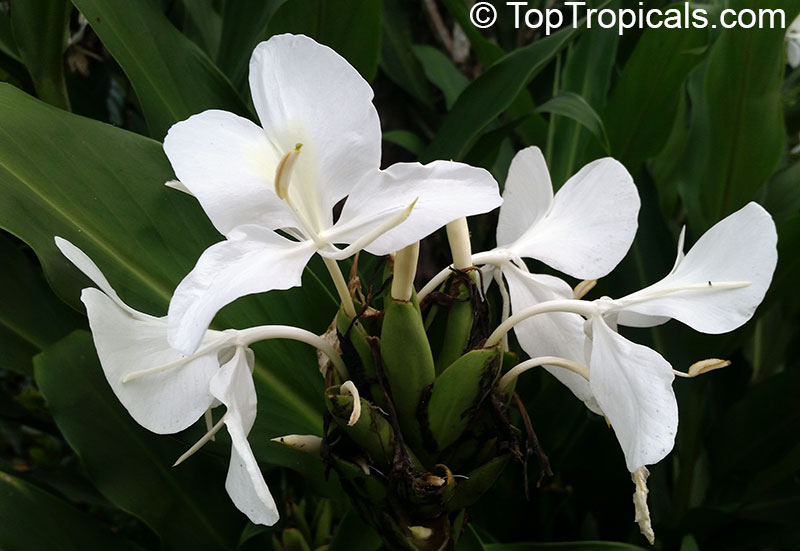
Hedychium coronarium - White Butterfly Ginger is a must for every Southern garden. It is famous for its intense, sweet scent. Symbol of Hawaiian Paradise along with Plumeria and Jasmine. It is popular in Hawaii and the Pacific Islands for leis and hair adornments and bears fragrant, butterfly-resembling flowers in summer. It has long lasting cut flowers, ideal for scenting the home. Can survive light freezes, with tops regrowing in the spring. Takes sun or shade.
8. Laos Silver Stripe Peacock Ginger
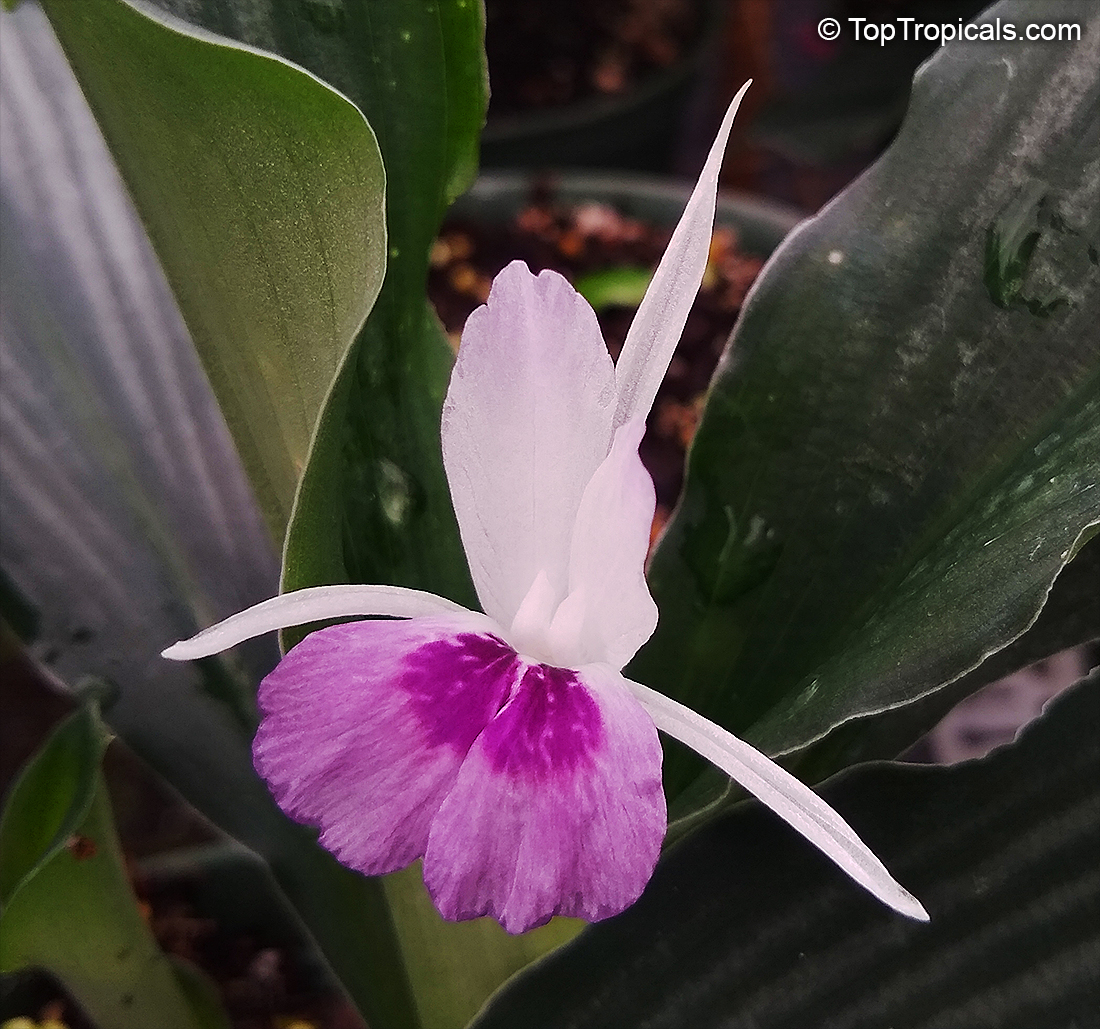
Kaempferia angustifolia - Laos Silver Stripe is one of the most beautiful of all the Kaempferia Peacock Ginger cultivars. It is one of the large types. The plant has boldly striped leaves of green and silver. The flowers are orchid shaped white and purple. Small, compact perennial, great for container culture. This hard to find variety is a must for every Ginger collector.
Date: 5 Apr 2025
Go Bananas - up to 20% OFF Banana Trees!
Now through 4/15 - Limited Time Only!
Banana Health Benefits
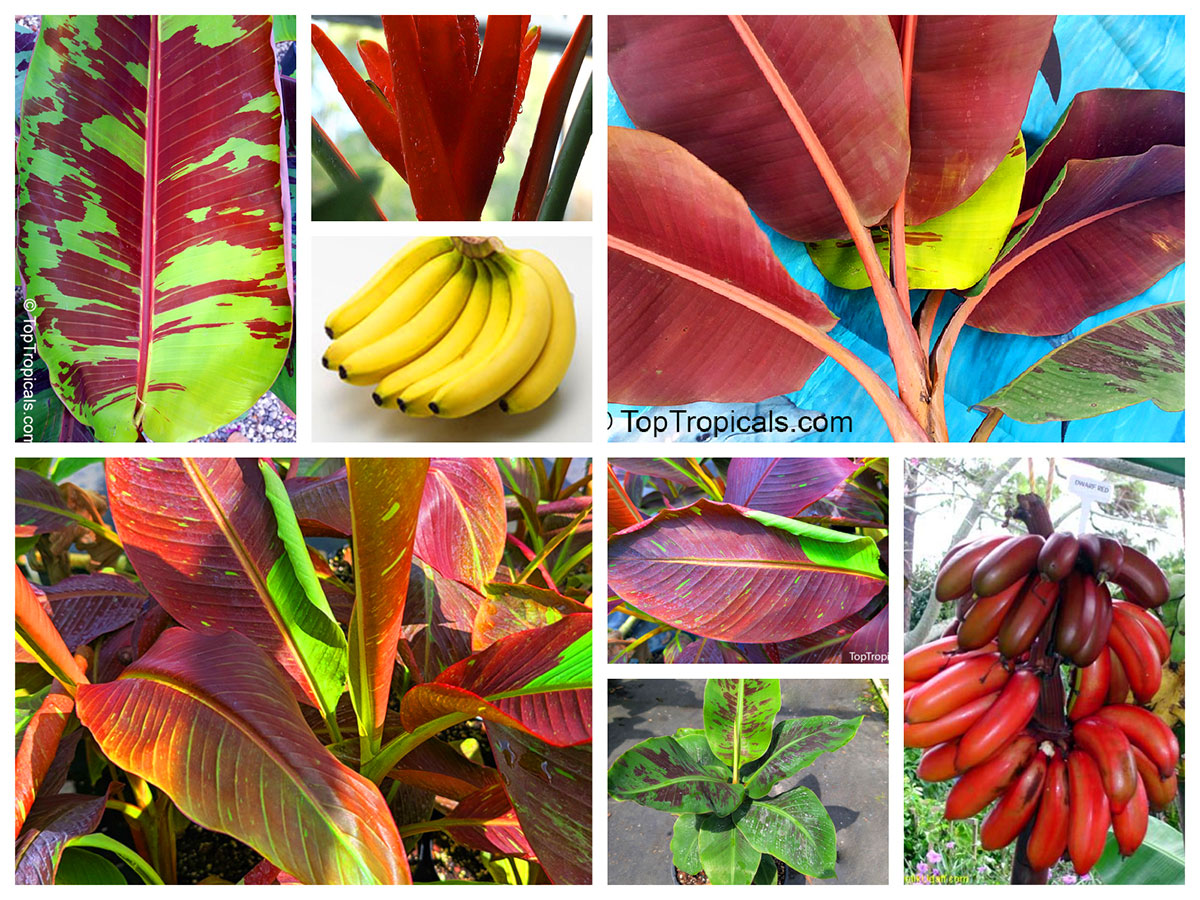
Bananas are a powerhouse of nutrition - rich in potassium for heart health, and packed with vitamins B6 and C to boost energy and immunity. They come from fast-growing, easy-care trees that thrive in warm climates or containers. Whether eaten fresh, blended, or baked, bananas are a naturally sweet and tasty treat you can grow yourself!
Ready to turn your garden into a tropical paradise and grow your own delicious bananas? Now's your chance - use our offer below!
A Banana for Every Space and Taste
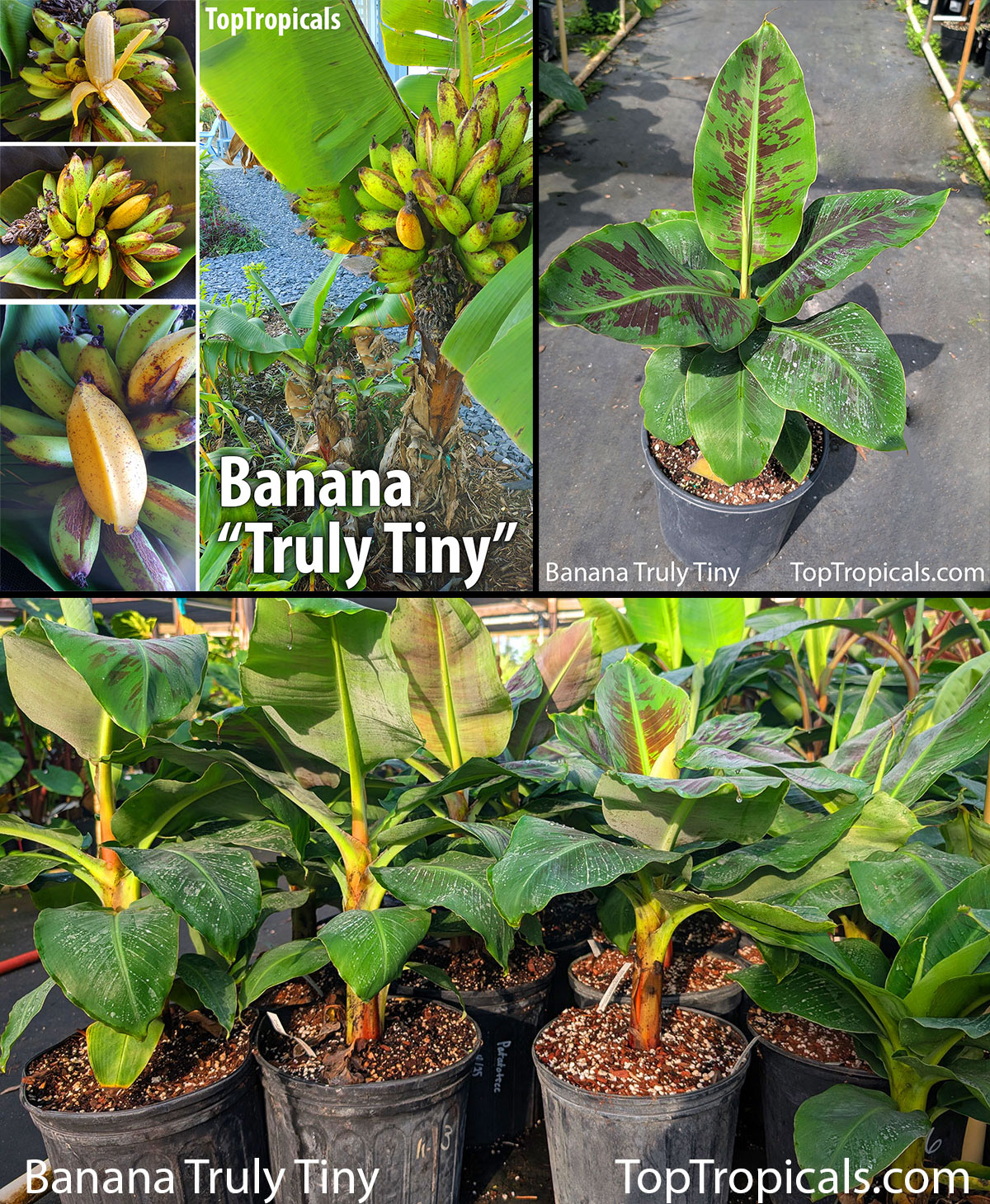
At Top Tropicals, we've got over a dozen top banana varieties - from exotic ornamental beauties like Blood Leaf and Siam Ruby to edible showstoppers. Edible varieties range from popular, heavy-producing types like Double Mahoi to rare collector favorites like Ice Cream (Blue Java) - the kind you'll never find at the grocery store. We also carry dwarf varieties that grow just 4 feet tall but still produce full-sized fruit - perfect for containers, patios, and small spaces. Collect them all - edible, ornamental, dwarf, rare - and enjoy the fun, flavor, and beauty of growing your own banana grove.
From Collectors to Beginners - We've Got Your Banana
"Growing bananas is like growing sunshine. They bring energy, beauty, and fruit to your doorstep." - said Dr. Richard Campbell, tropical fruit expert and co-creator of the condo mango concept.
Growing bananas is easy, low-maintenance, and budget-friendly. With Sunshine Boosters plant food, these tropical favorites grow fast and can start producing as soon as next season! Whether you live in the South or up North, in a house or an apartment - you can grow your own bananas in the garden, on a balcony, patio, or lanai and enjoy the taste of the tropics at home.
Special Offer
Get instant 10% off all bananas for 1 week only, plus extra 10% OFF sitewide with code below for qualified orders.
Additional 10% off your entire purchase (including any other plants), saving total of 20% on your Banana trees:
GOBANANAS
Min order $150, excluding S/H. Exp. 4-15-25
Hurry, offer ends April 15th!
Learn More About Banana Varieties:
- Top Ornamental Banana Varieties - Which One Belongs in Your Garden?
- Best Edible Bananas to Grow - Sweet, Unique, and Delicious!
- How Many Banana
Varieties Can You Grow? (More Than You Think!)
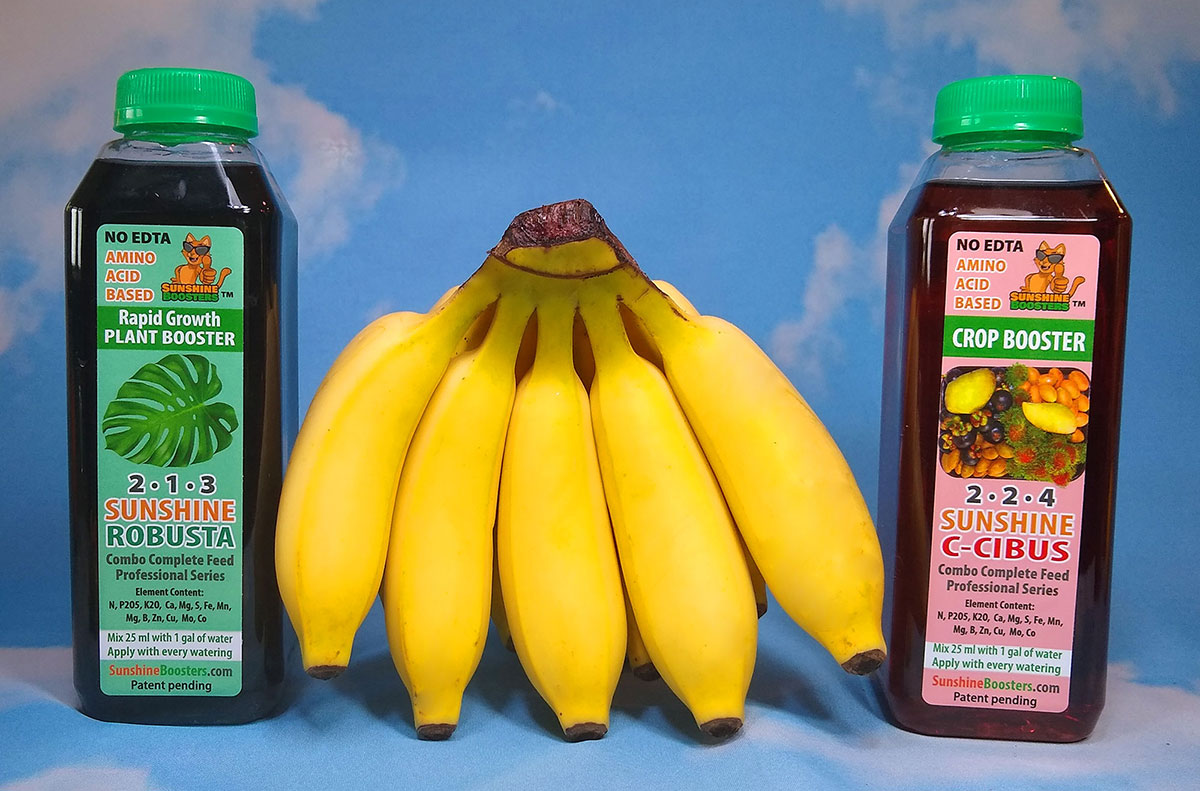
In the photo above: Sunshine Boosters are the best fertilizers for ornamental (Sunshine Robusta) and edible bananas (Sunshine C-Cibus