Date: 7 Oct 2019
Fertilizing in Winter?
Q: I'm a bit confused about what winter fertilization schedule I should follow in South Florida. For blooming plants, usually, I use a monthly granular bloom booster fertilizer as well as a liquid fertilizer every 10 days or so. Should I continue that schedule in the winter as well? Should I stop fertilizing altogether in the winter? How about fruit trees? What fertilization schedule should I follow in the winter?
A: Here is a general fertilizing schedule for established plants that we follow here
in SW Florida.
The rule of thumb is, do not fertilize (with macro- NPK elements) when
minimum temperatures drop below 65F and stay at that level for more than 7
days. At this temperature point, most of the tropical and subtropical plants
slow down their metabolism and some of them going into dormancy. This means,
nutrients are not consumed as much as during active growth period, and built-up
nutrient supply within a plant plus whatever is available in the soil is
just enough to get by through the winter. So additional fertilizing is not
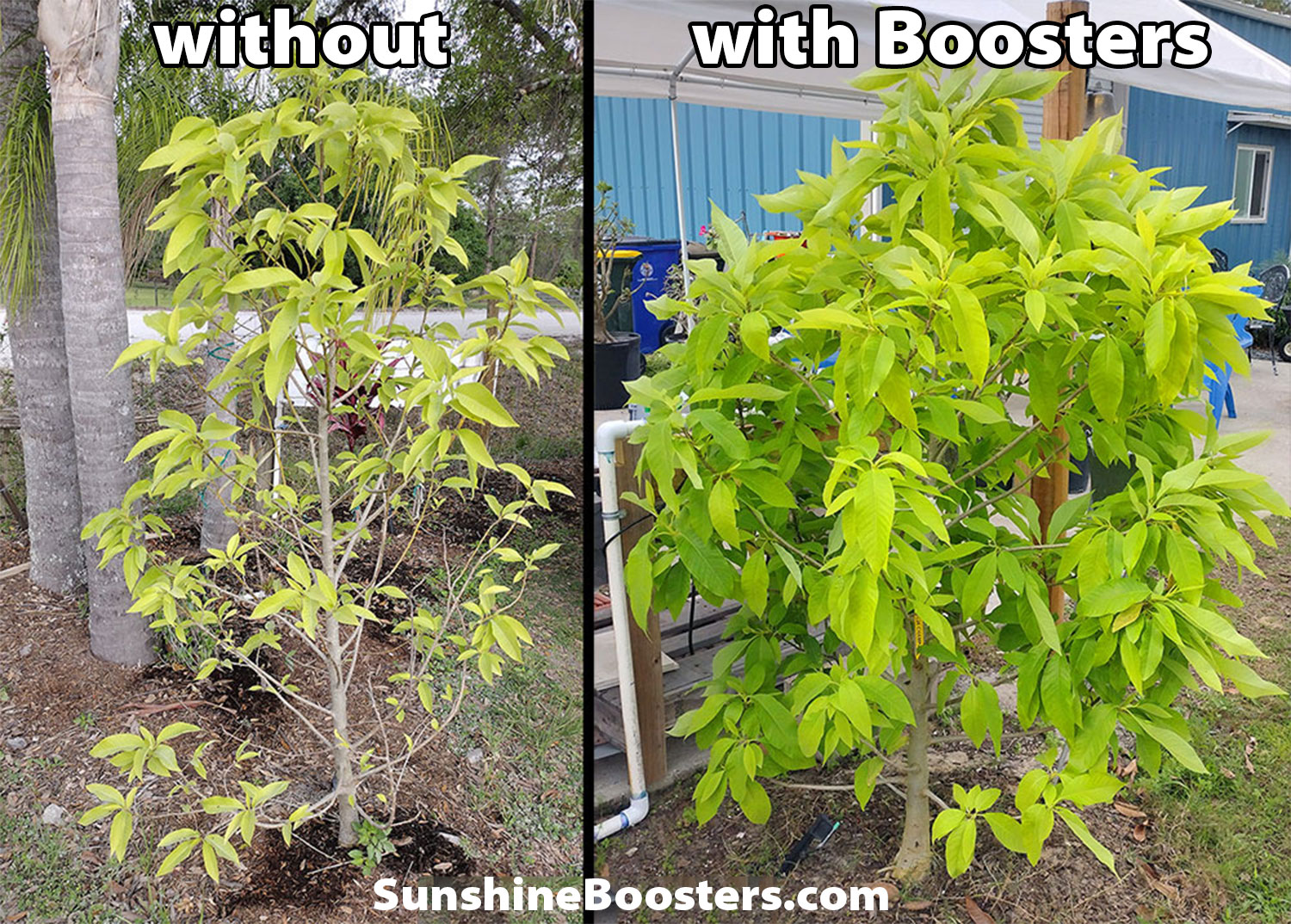
necessary. You may continue micro-element supplements and bio-stimulants
throughout the year. In fact, it is highly recommended to do so, to help the plant
survive cold spells. These are very effective tropical plant protectors:
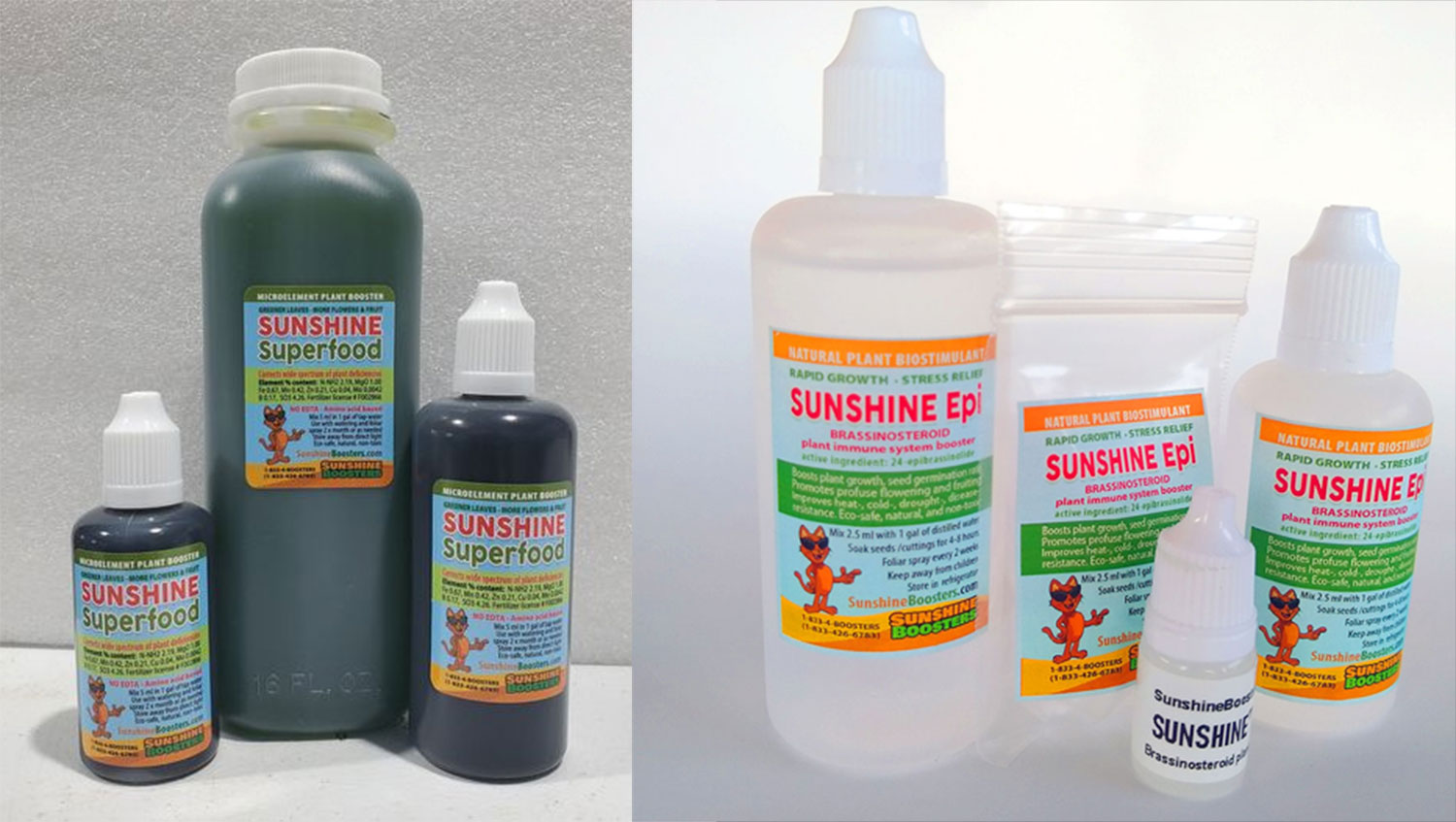
SUNSHINE-Epi - Brassinosteroid plant hormone
SUNSHINE-Power-Si - Advanced plant protector with Silicon
SUNSHINE SuperFood - Complex microelement supplement
This rule is applied to both flowering and fruiting plants, in general. However, some species are winter-flowering and winter-fruiting. For those, you can make an exception and provide extra nutrients for flowering and fruiting, as long as the weather stays warm. During cold spells, avoid any NPK fertilizers and use only bio-stimulants and micro-elements. If you apply NPK during cold, it won't be consumed by a plant, build up in the soil, and may create a root burn situation.
In simple words, fertilize from March to October. Give plants some rest from November to February.
Date: 24 Jul 2019
Plants that are not for eating
Q: On the website, it says that the pua keni keni tree is toxic. Do you know how toxic? Is it mild irritation or can someone die from ingesting any part of the plant?
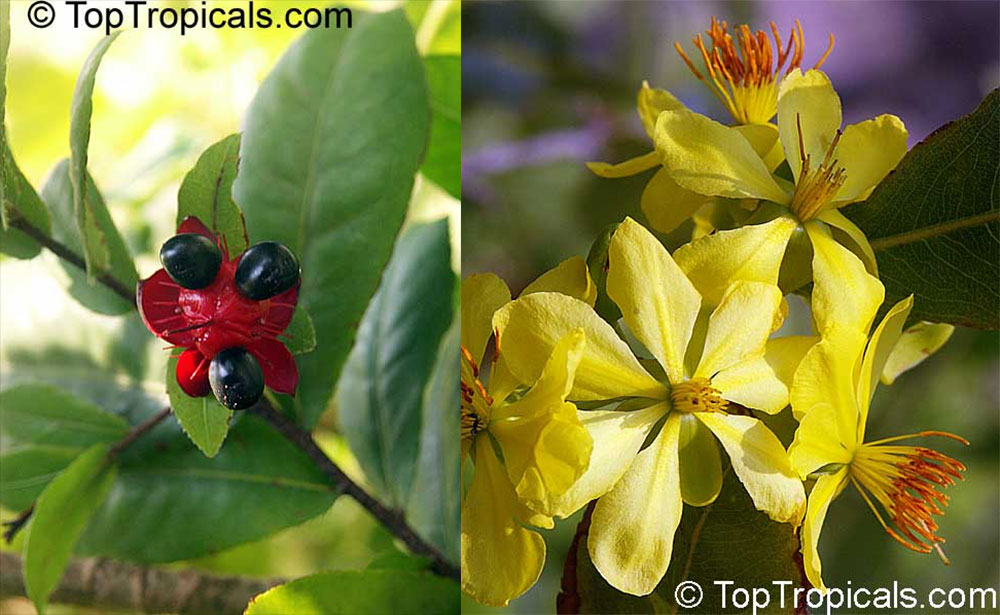
A: Pua Keni Keni, Fagraea - seeds (and especially flesh of the fruit) are toxic, so we recommend to always wash your hands after handling them. Obviously, nobody in our team ever tried to eat them to check how toxic they are and if they are deadly.
In general, one must be careful when using plants for purposes other than ornamental growing, especially for consumption. While some obvious edibles (cultivated fruit, vegetables, herbs) are generally safe, but some individuals may have severe reactions - for example, many people are allergic to mangoes; other people may be sensitive to only mango leaves.
A number of plants that have parts commonly consumed for food, have other parts toxic or poisonous. Example: Potato - Solanum tuberosum - has edible tubers feeding the whole planet population, but this plant's fruit is highly toxic and even deadly if eaten. Fruit from a Potato plant look like tiny little green tomatoes since Potato belongs to the same family as Tomato - Nightshade, but it is super poisonous, while Tomato fruit is perfectly edible. So one must watch out and especially educate little children about not tasting anything directly from the garden.
As far as animals concern, in Nature they know what is poisonous and what is edible. Have you ever seen dead birds around a tree with poisonous fruit/seeds? Animals have their own sense for it. So if your concern is for pets, it is normally safe to have pets around plants with irritating or even poisonous parts. However, if your dog has a bad habit of chewing on stuff, you may use extra caution there.
Photo below:
Riki-Tiki-Tavi exploring TopTropicals Gardens.
Date: 27 Jun 2024
Celebrate America with
Independence Week Sale!
Celebrate the birthday of our great Country with Top Tropicals Independence Week Sale! Finally get all the plants you ever wanted for your garden - at amazing prices! Choose from over 100 varieties of rare tropical plants specially priced for this week:
BLUE TAG SALE $9.95 >> SHOP
RED TAG SALE $14.95 >> SHOP
Feel FREE to shop away! Take advantage of this unique opportunity to enhance your garden with tropical beauty. But remember, this sale lasts only ONE WEEK, so hurry to get your plants and plant them during the best time of the year - hot summer! This is the ideal time to establish your plants quickly and ensure they become strong before winter arrives.
Check out our BOGO DEALS and Shipping discounts and make it a steal!
While supply lasts
Deals expire July 4, 2024
No minimum order
Max order: 2 plants per variety per order (for shipped orders)
Local pick up - no limit!
Eranthemum pulchellum - Blue Sage, Lead Flower
See more $9.95
deals
Malvaviscus x penduliflorus Variegata - Summer Snow
See more $14.95
deals
Tithonia diversifolia - Sunflower tree - only $9.95!
See more $9.95
deals
Tabernaemontana Flore Pleno, Crape Jasmine - only $14.95!
See more $14.95
deals
Date: 20 Aug 2024
Mark your calendars: September 7, 2024
Fall Plant Market
Saturday, September 7, 9 am - 4 pm
Save the date! Join us on September 7, 2024, for our Fall Plant Market!
This Event will be featuring the largest selection of flowering and fruiting plants! Get unbeatable deals with plants starting at just $2, $5, and $10. Plus, enjoy a free plant with every purchase, and if you're one of the first 25 guests to spend $50, you'll receive a special gift bag!
Our plants have grown big and beautiful over the summer, so don't miss this chance to fill your yard at fantastic prices. Bring friends and family, and let our friendly PeopleCats guide you around the garden. We look forward to seeing you there!
Highlights of the event:
30% OFF online prices, one day only!
(excluding 15 gallon material and rare plants)
Gift bags - for first 25 customers with $50 order
$2, $5 and $10 plants
Raffle
Free plant with any purchase as a token of our appreciation
Event discounts valid at both locations:
Ft Myers Garden Center: 13890 Orange River, Ft Myers, FL
Sebring B-Farm: 9100 McRoy Rd, Sebring, FL
Date: 12 Jan 2025
We ship year around!
Watch the weather and use a heat pack!
Q: Do you ship plants in Winter or should I wait to place an order until Spring?
A: We offer year-round shipping to all 50 states, with weather conditions at the destination in mind: when temperatures are above 35F in winter and below 100F in summer to ensure your plants arrive in the best condition.
If the weather in your area isn't suitable for shipping, we can hold your order until conditions improve. For extra protection during colder months, we recommend using heat packs.
To minimize stress on your plants, consider using FedEx Hold locations - these temperature-controlled spots ensure a safe, convenient pickup, and prevent your box from being left outside in extreme temperatures. You can find these pickup locations at FedEx stores, Walgreens, many Dollar General stores, and other retailers.