Garden Blog - Top Tropicals

Date: 18 Feb 2026

⭐️ Choosing the Right Variety of Jasmine Sambac

By Tatiana Anderson, Horticulture Expert at Top Tropicals
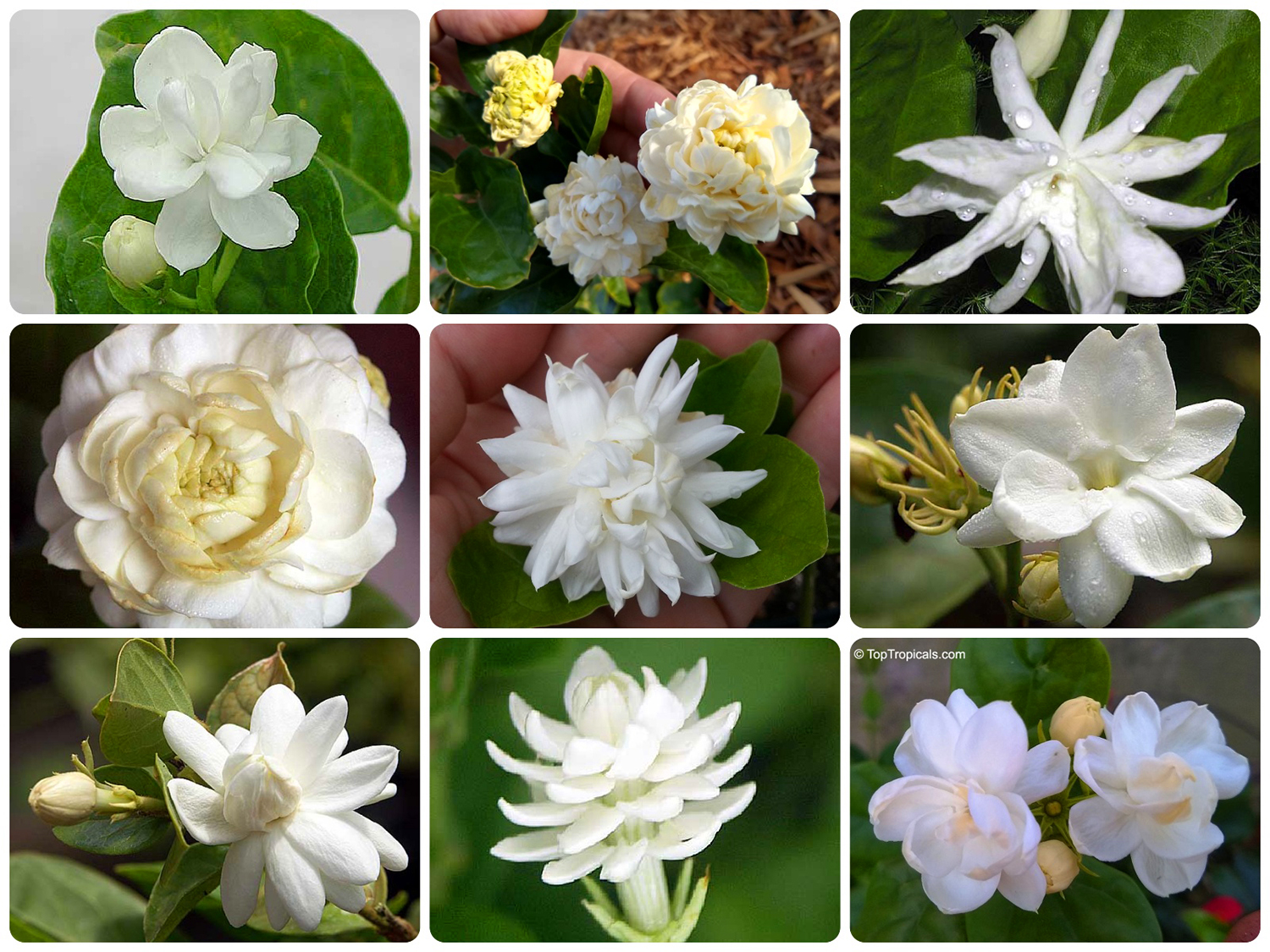
Jasmine  Sambac  varieties  collage  showing  single,  double,  and 


multi-layered  white  fragrant  flowers  including  Belle  of  India,  Grand  Duke, 


Arabian  Nights,  and  other 


forms.

Jasmine Sambac varieties: Arabian Nights, Little Duke, Belle of India, Grand Duke, Duke Supreme, Maid of Orleans, Mysore Mulli, Malichat, Gundu Mallii

One of the reasons Jasmine Sambac is so fascinating is that it does not come in just one form. Each variety has its own personality.

If you want a compact patio plant, Arabian Nights or Little Duke are excellent choices. They stay tidy, bloom generously, and are easy to manage in containers.

If you prefer elegant, elongated petals and a refined look, Belle of India is a favorite. It can be grown as a small bush or trained lightly as a vine.

For those who love full, carnation-like double flowers, Grand Duke of Tuscany and Grand Duke Supreme are classic selections. They are vigorous and make impressive shrubs in warm climates.

If you need a stronger climber for fences or hedges, Maid of Orleans performs beautifully in full sun while Mysore Mulli prefers semi-shade.

Collectors often enjoy rare forms like Mali Chat or newer hybrids such as Gundu Malli, which combine traits from different lines.

How to Grow Jasmine Sambac Successfully

Sambac is not difficult, but it responds best to consistency.

Light: Full sun produces the most flowers. In very hot climates, light afternoon shade is acceptable. Indoors, place it in the brightest window available.

Soil: Use a well-draining potting mix such as Sunshine Abundance. Sambac does not like heavy, constantly wet soil.

Water: Water thoroughly, then allow the top layer to dry slightly before watering again. Reduce watering during cooler months.

Pruning: Light trimming after a bloom cycle encourages branching. More branches mean more flower buds.

Feeding: Sambac is a heavy bloomer, and fragrance takes energy. During active growth, feed regularly with a balanced fertilizer that supports flowering such as Green Magic (controlled release every 6 months) or liquid Sunshine Boosters Pikake (formulated especially for fragrant flowers) - with every watering. I prefer formulas slightly higher in potassium to encourage stronger bud formation and richer bloom cycles. Consistent feeding during warm months makes a visible difference in both flower count and intensity of scent.

With proper care, Jasmine Sambac will reward you not just with flowers, but with perfume that changes the atmosphere of your entire garden.
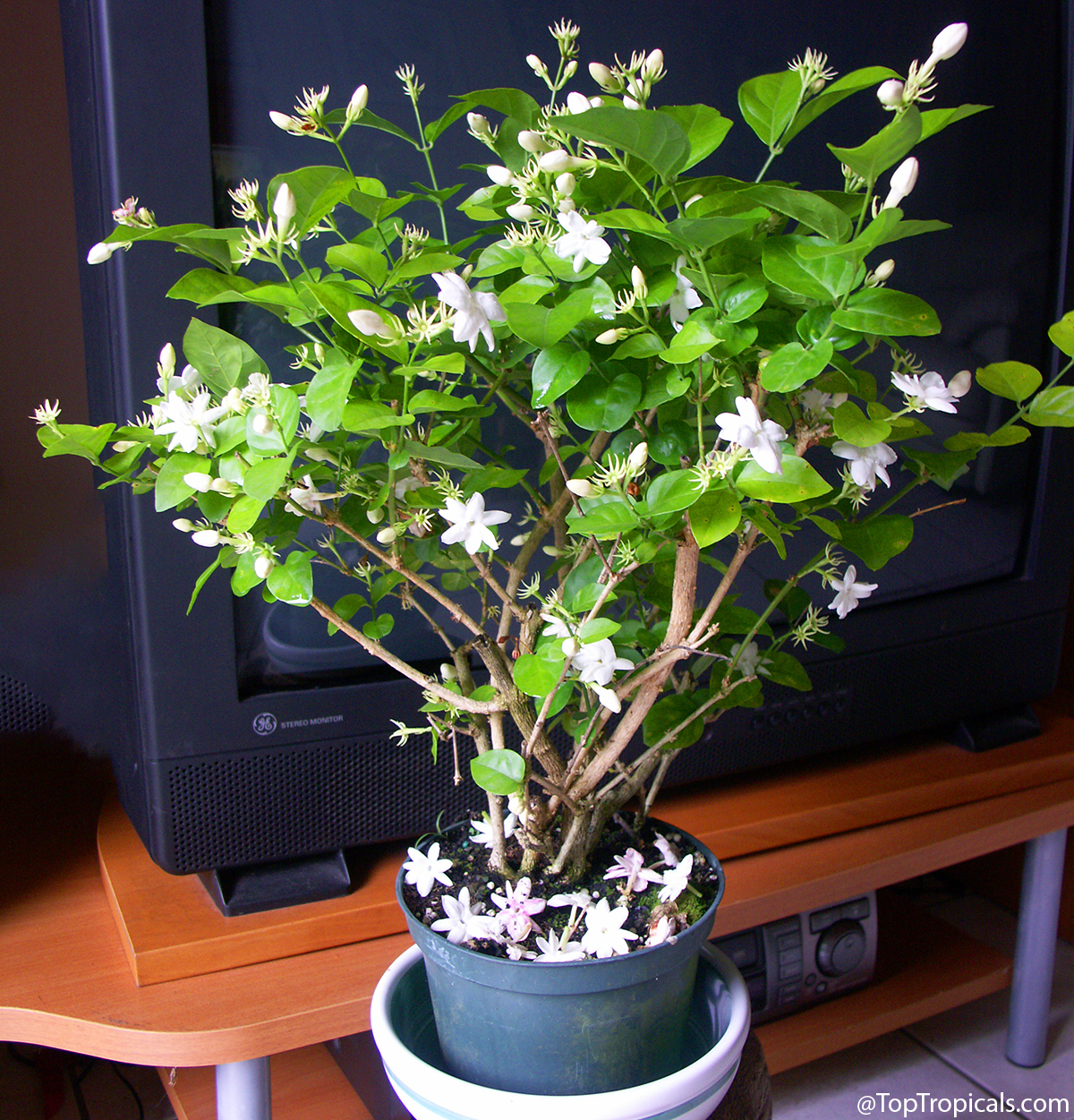
Jasmine  Sambac  Maid  of  Orleans  blooming  indoors  in  a  container  with 


numerous  white  star-shaped  flowers  and  glossy  green 


leaves.

Jasmine Sambac Maid of Orleans flowering indoors in a container under bright light.

❓Frequently Asked Questions About Jasmine Sambac

  • Does Jasmine Sambac need full sun?
    It flowers best in full sun. In very hot climates, light afternoon shade is acceptable. Indoors, give it the brightest window possible.
  • Can I grow it in a pot?
    Yes. Sambac performs beautifully in containers. Many gardeners prefer pots because it is easier to control size and move during cold weather.
  • How often does it bloom?
    With proper light and feeding, it blooms in cycles throughout the warm season. Consistency in care makes flowering more reliable.
  • Why is my plant not blooming?
    The most common reasons are insufficient light or irregular feeding. Increase light first, then review your fertilizing routine.
  • Is it difficult to grow indoors?
    Not if you provide strong light and good air circulation. Compact varieties adapt especially well.
  • Is it frost tolerant?
    No. Jasmine Sambac is tropical. Protect it from temperatures below 40F and bring it indoors before frost.

🌸 Year of the Horse Special – Jasmine Bonus

Celebrate 2026 with the fragrance of Jasmine plants. For a limited time, enjoy special savings when you grow one of the most wanted perfume plants in cultivation.
Jasmine Sale - 15% Off
Save 15% on all Jasmine plants. Discount is already applied in the online store - no code needed.
Offer valid through 02/28/2026.

🛒 Explore varieties of Sambac

Date: 21 Jul 2025

Five best fragrant plants for summer plantings

Brunfelsia isola - Lavender Lady of the Night

☀️ Five best fragrant plants for summer plantings

  • ☀️ Summer heat? No problem. These fragrant plants thrive in it - and will make your garden smell like vacation every day.
  • ☀️ Brunfelsia - Lady of the Night - releases its sweet scent after sunset, filling warm evenings with a dreamy, tropical perfume.
  • ☀️ Gardenia - Queen of Scent - classic creamy blooms with a rich, unmistakable fragrance that perfumes the air even in peak summer.
  • ☀️ Jasminum sambac - the most popular and the most fragrant Jasmine for both indoor or outdoor culture. Varieties: Arabian Nights, Belle of India, Mangalore Malli, Grand Duke, Grand Duke Supreme, Gundu Malli, Maid of Orleans, Mali Chat, Mysore Mulli, Little Duke Supreme - Baby Duke.
  • ☀️ Nyctanthes arbor-tristis - Parijat. Small tree or shrub from India with highly perfumed flowers, one of the most desired fragrant plants. Mythology says the plant came to earth with God Krishna, shedding flowers like tears before dawn.
  • ☀️ Plumeria - tropical icon known for its heavenly scent and stunning flowers - blooms all summer and keeps your garden smelling like vacation!


🛒 Shop fragrant plants

🎥 Brunfelsia isola, or Lavender Lady of the Night, are a "marble" twist of cream and purple, changing hue unpredictably. They are deliciously fragrant at night.

📚 More fragrant garden ideas:


Six most desired perfume plants

#Perfume_Plants #Discover

🟢 Join 👉 TopTropicals

Date: 4 Mar 2026

The Magic Number 65: when tropicals finally wake and the 7-Day Rule you should know

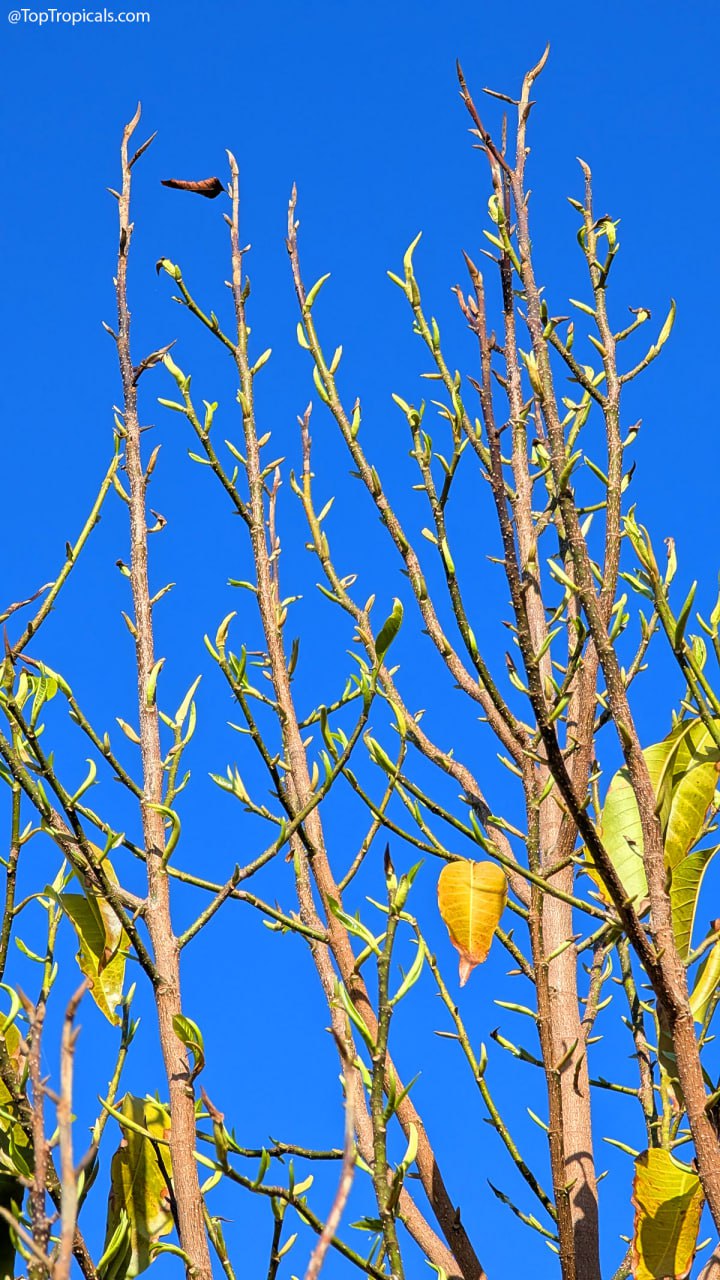
Champaka tree new growth sprouts

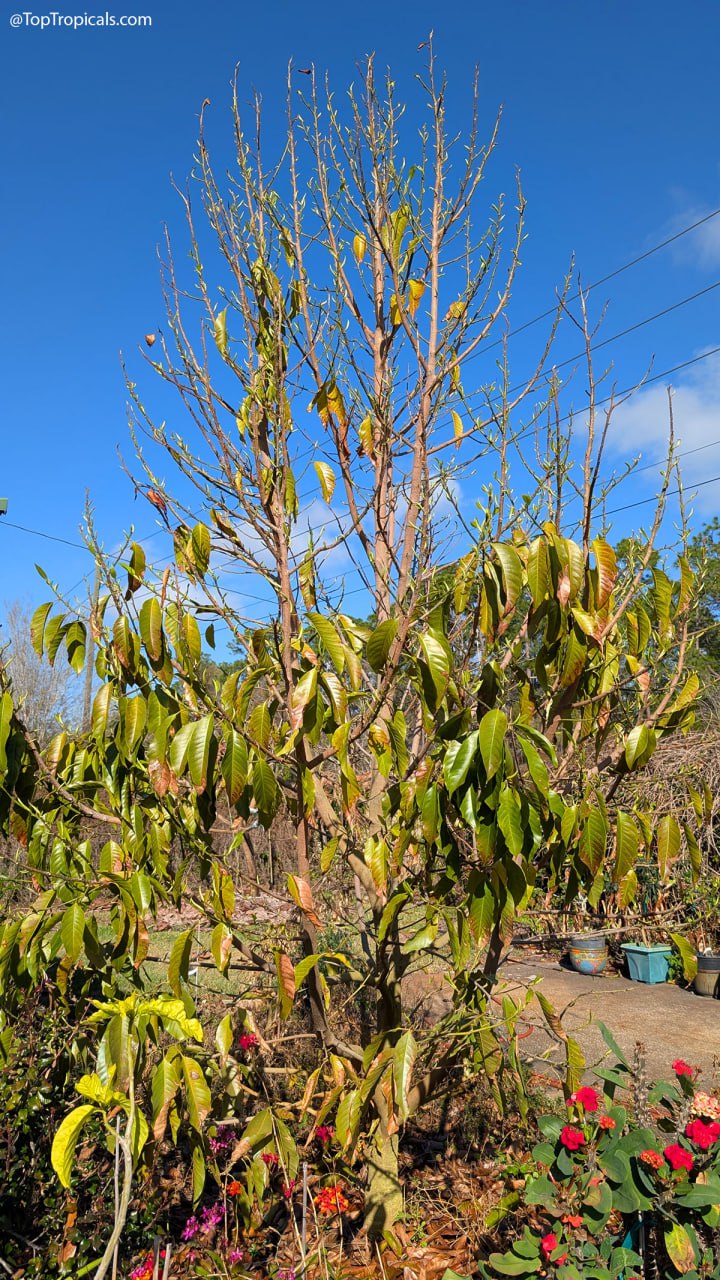
Champaka tree new growth sprouts

A Champaka tree (Joy Perfume Tree) first fresh sprouts

A Champaka tree (Joy Perfume Tree) first fresh sprouts

The Magic Number 65: when tropicals finally wake and the 7-Day Rule you should know 🌱

Discover the "Magic 65" rule for waking up your garden and the exact time to start fertilizing for maximum growth. Learn the specific temperature threshold that signals your tropicals to wake up and how to handle spring cold snaps.
  • 🌿 If you’ve been staring at your dormant trees and shrubs wondering if they survived the winter, you aren't alone. The most frequent question every spring is: "When will my tropical plants start sprouting?"
  • 🌿 While the calendar might say spring, tropical plants don’t use a watch - they use a thermometer. If you want to see green shoots and active growth, there is one "Magic Number" you need to watch: 65F 🌡
  • 🌿 The 7-Day Rule for Tropical Growth


    The gold standard for the tropical world is simple: plants generally wake up when minimum nighttime temperatures remain at or above 65F for at least one full week.
  • 🌿 Why 65°F?


    Tropical species are biologically programmed to stay dormant to protect their cell structure from cold damage. A single warm day won't fool them, but seven consecutive nights of 65F+ signals that the "growing season" has officially arrived. Once you hit that 7-day mark, you’ll see buds pushing and fresh leaves finally sprouting.
  • 🌿 Can You Force Them to Wake Up Faster?


    Patience is a virtue, but if you’re looking to "push" your plants, focus on two things:

🌞 Sun Exposure: Ensure they are in the brightest spot possible to warm the soil.
♨️ Heat Retention: Use dark mulch or move potted plants onto concrete surfaces that retain daytime heat.
  • 🌿 When to Start Fertilizing


Don’t reach for the fertilizer until you see that active growth. Feeding a dormant plant can lead to root rot or wasted nutrients.
  • 👉 The Signal: After that first week of 65F nights.

The Action: Once you see green tips, start your fertilization routine. This is when the plant actually has the metabolic "engine" running to use those nutrients.
  • 🌿 Watch Out for the "False Spring"


    Before you go all-in, ensure the risk of a hard freeze has passed. A minor cold snap - a few nights in the 50s - won't kill your progress, but it will act as a "pause" button. If cool weather persists, tropicals may "lock up" and return to dormancy. If that happens, simply reset your clock and wait for the next stretch of 65F nights.
  • 🌿 Ready for the Wake-Up Call? Fuel Your Tropical Growth!

Don’t get caught empty-handed when that 7th day of 65F hits. Stock up now so you can feed them the moment they wake up. Using the right nutrients during the active growth phase is key to lush blooms. Check out our curated selection of professional-grade fertilizers:

🛒 Get my growth boosters for every tropical type

📷 Recovery in Action: The Joy Perfume Tree - Champaka showing off its first fresh sprouts in March after a chilly Florida winter. This is exactly what happens once you hit that 7-day streak of 65F nights!

📚
Learn more:
Why is my Champaka Tree dropping leaves?

#How_to #Discover

🟢 Join 👉 TopTropicals

Date: 6 Dec 2025

🌿 Bring the Jungle Inside: Winter Survival Guide Part 2.Temperature. ❄️

Smokey  the  tuxedo  cat  checks  thermometers  by  a  cold  window  while  Sunshine  the  ginger  tabby  relaxes  near  a  heater  holding  a  room  thermometer  showing  74  F.

Smokey: Too cold. We need more heaters so the plants feel comfortable.
Sunshine: I feel comfortable.
Smokey: You are not part of my plant collection, but I am glad you are comfortable.

🌡️ TEMPERATURE: THE TROPICAL DORMANCY LINE

In Part 1 (Winter Survival Guide: Temperature) we covered the foundation: light, placement, and acclimation. That is the survival layer.

Most tropicals stop growing below 70 to 75 F. They stay green, but their engine shuts down.

Below 70F:

  • Water intake drops.
  • Roots slow down.
  • Fertilizing becomes risky.
  • Root root becomes easy.

If you WANT your plants to grow in winter, you must take care of everything: Warmth, light, humidity, water. It all works together.

  • Aim for 75 F with bright light. Water lightly. No fertilizer.
  • Watch out for drafts. Cold windows. Door blasts. Garage entryways. Even one gust can trigger leaf drop.
  • Vents are the opposite problem: hot, dry, dusty air. That gives you crispy edges and mites.
  • Root zone temperature matters just as much as room air. Your thermostat may say 72 F, but your pot on a tile floor may be sitting at 55 F. Fix this by elevating pots on boards or stands. Use Styrofoam. Never keep pots directly on cold tile o windowsill
  • Extra winter heat: Space heaters are fine if used smartly. Do not blow hot air directly on plants. Keep heaters away from cords, trays, and water. Oil filled radiators are the safest option for plant rooms.
  • Use a humidifier if you want growth or want to prevent spider mites. But do not blow mist directly onto leaves. Always place the unit lower than the plant canopy.
  • Grouping helps. Put tropical plants close together to share humidity. Do not mix succulents with humidity lovers.
  • Cats and dogs love to knock over lights and stands. Secure your fixtures. Trust us.
  • Airflow: Light airflow is healthy. Direct fan blast is not. Still, dry corners invite mites.
  • A mild night drop is OK. A big one below 55 F will stop growth completely.

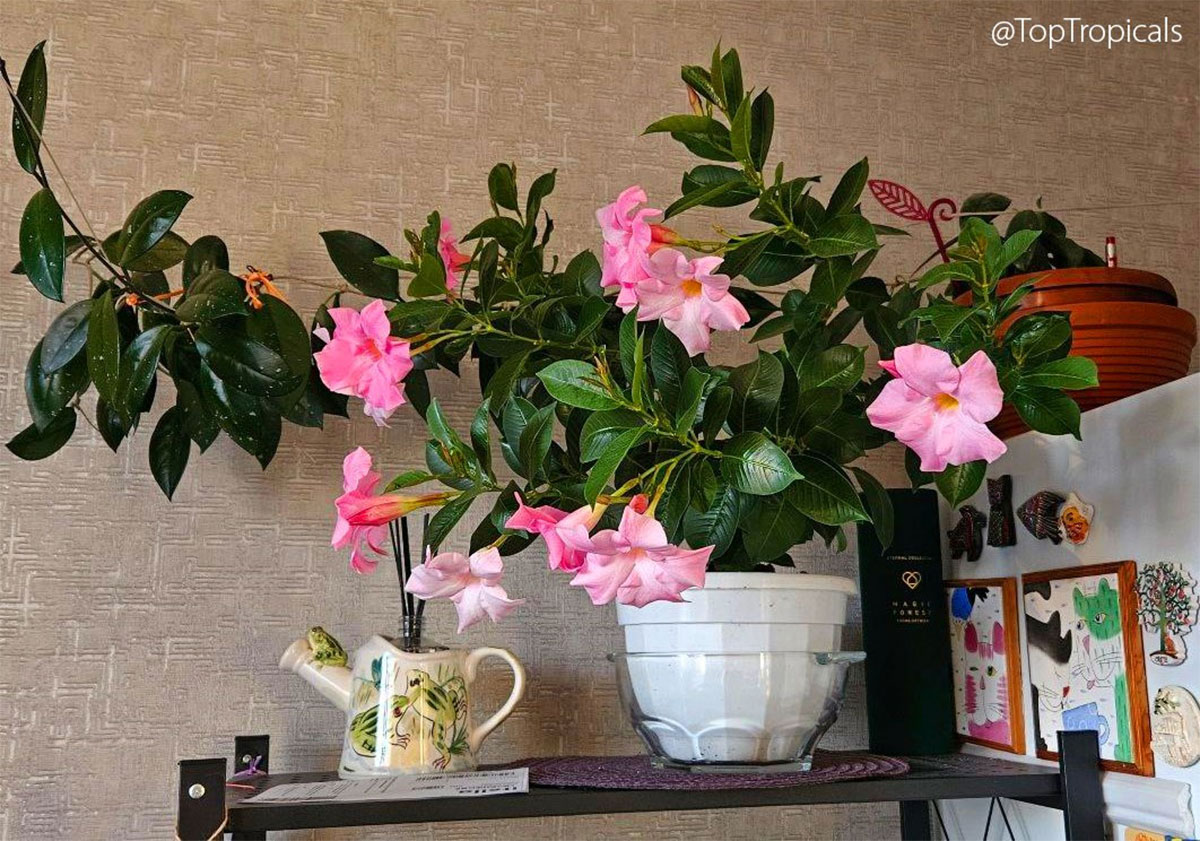
Pink  mandevilla  vine  blooming  indoors  in  a  white  pot  on  a  shelf.

A mandevilla thriving indoors with bright pink blooms and glossy green leaves.

☂️ PLACEMENT: MICROCLIMATES RULE EVERYTHING

Indoors is one big tradeoff: light but cold near windows, warm but dim away from them. The winning combo is a warm room with supplemental light.

Best zones to keep plants in winter:

  • South or east windows with additional light
  • Warm living spaces
  • Bright bathrooms for natural humidity

Worst zones to keep plants in winter:

  • Behind curtains
  • Directly on windowsills
  • Near heaters or vents
  • Against cold exterior walls
  • Dark corners without supplemental lighting

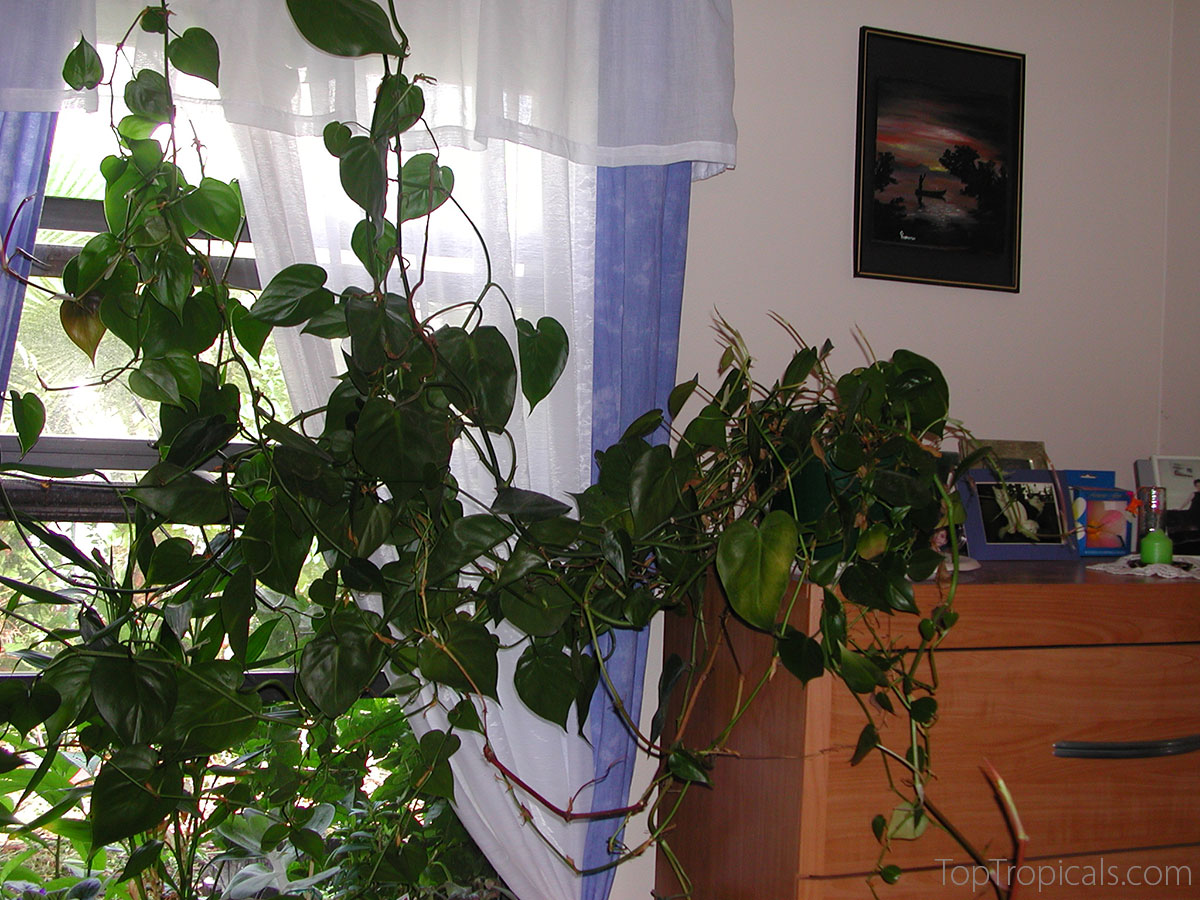
Large  philodendron  vine  growing  indoors  across  a  window  and  dresser.

A vigorous indoor philodendron stretching across the window.

💨 ACCLIMATION

Moving a plant from outdoors to indoors is a shock. Light drops. Humidity drops. Airflow stops. Soil cools. Even healthy plants may drop some leaves for a few weeks. That is normal.

Before you bring them inside:

  • Rinse foliage to remove dust and pests. We recommend Sunshine NoBug - and organic, safe solution.
  • Check for ants.
  • Trim weak branches.
  • Treat soil if fungus gnats are present.

Try to bring plants inside before the first cold front, not after. If you are reading this too late, do the prep now and expect a little leaf drop.

If you nail light and temperature, winter becomes simple. In the next mail-list we will cover watering, fertilizer timing, humidity, and other indoor tricks that keep tropicals happy till spring. Stay tuned.

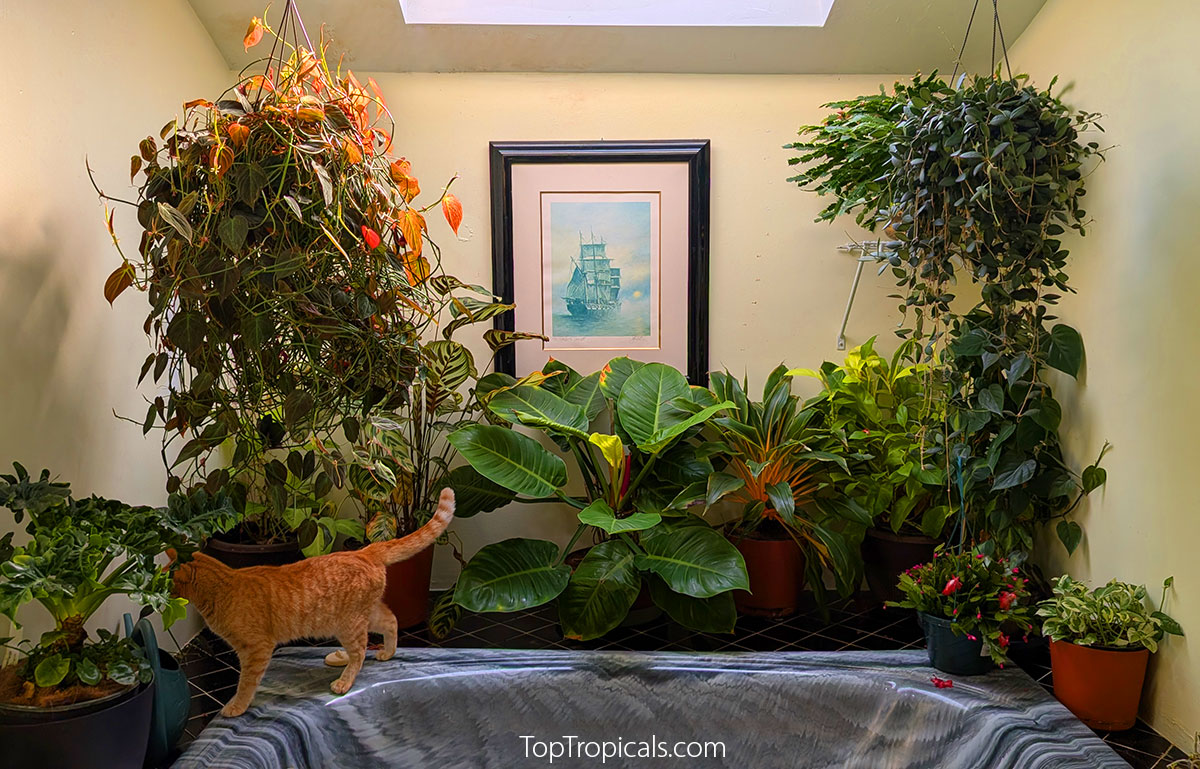
Indoor  bathroom  garden  with  tropical  plants  under  a  skylight  and  an  orange  cat  walking  in  front.

Cat Bob is inspecting his indoor garden around the tub with a bright skylight


✔️ WINTER INDOOR FAQ: TEMPERATURE AND PLACEMENT

Q: Why are leaves dropping only on the window side?
A: Cold glass. The room may be warm, but the glass surface can be much colder.

Q: Is a cold room OK for tropicals?
A: They may survive, but they will not grow below about 65F to 75F. When nights stay below 65F for a week, many plants enter dormancy.

Q: My room feels warm. Why is my plant still not growing?
A: Check the soil temperature. Pots on cold tile can be 10 to 20F colder than the air.

Q: Can plants sit directly on the floor?
A: Not on cold tile. Always elevate them on boards, stands, or trays.

Q: Is it OK to keep plants near a heater or vent?
A: No. Vents and heaters blast hot, dry air and cause crispy leaves and mites.

Q: My plant is dropping leaves after coming indoors. Why?
A: Normal acclimation to reduced light and humidity right after the move.

Q: Can I keep plants in a bright bathroom?
A: Yes. Bathrooms can have good humidity. Just keep pots off cold tile.

Q: Do I need a humidifier?
A: Not for survival. Yes if you want better growth and fewer pests like spider mites.

Q: Do I need a grow tent?
A: No. A bright LED plus a warm room is enough for winter holding.

Q: Should I fertilize in winter?
A: Not now. Winter fertilizer rules will be covered in the next mail-list.

Q: Should I water the same as in summer?
A: No. Indoor plants need much less water in winter. Watering rules also coming soon.

🛒 Shop Indoor Garden


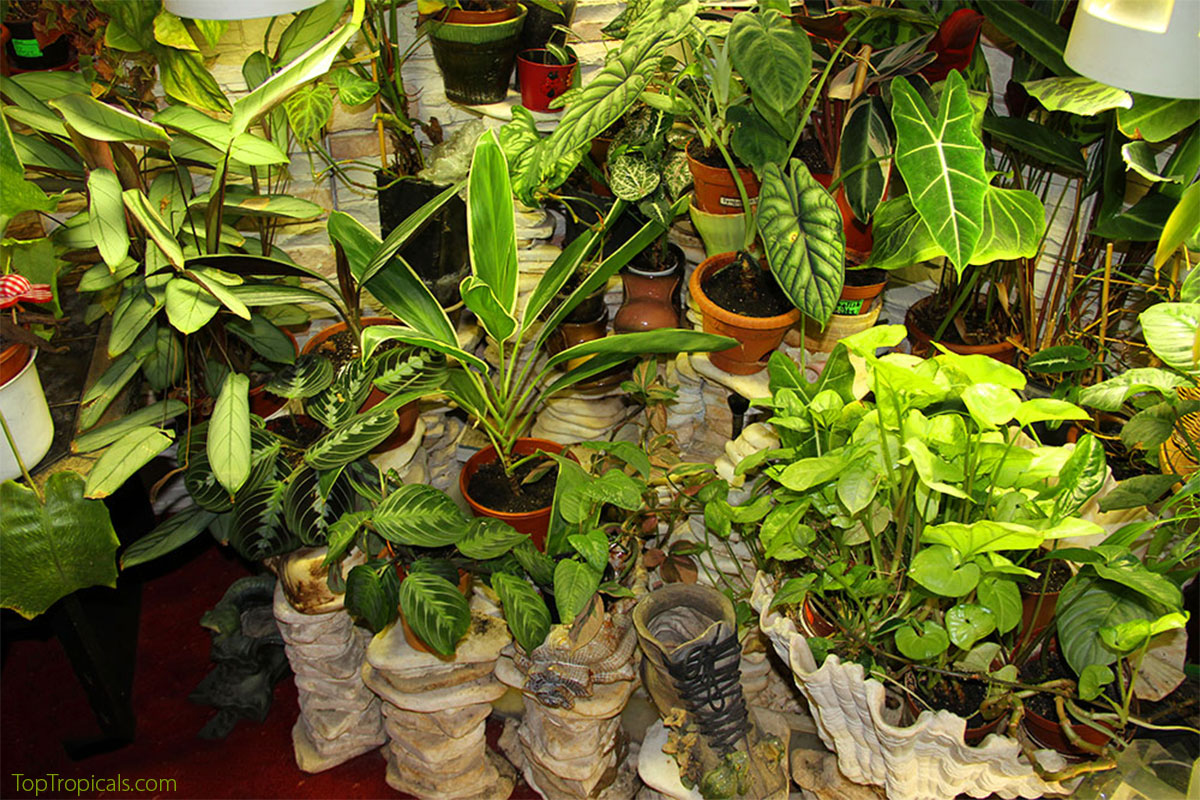
Indoor  plants


📚 Learn more:


Date: 3 Feb 2025

Valentines day Best Gift Plant Ideas

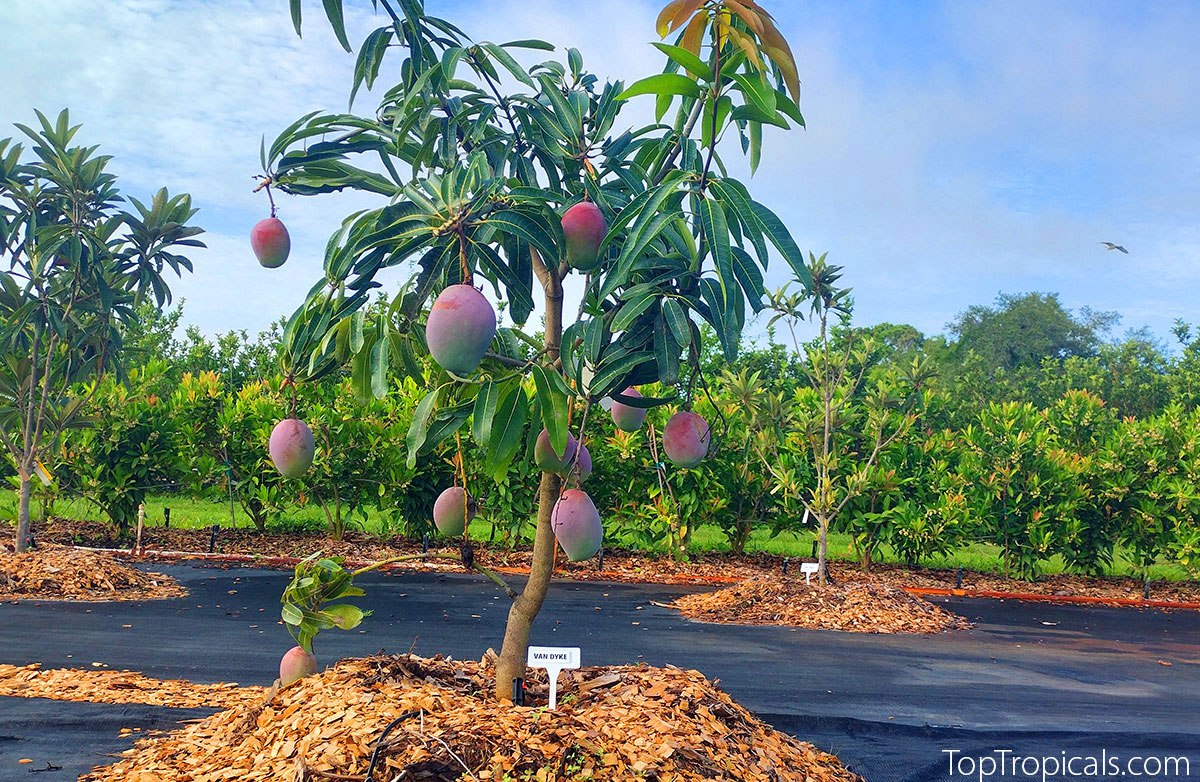
Condo Mango

Condo Mango

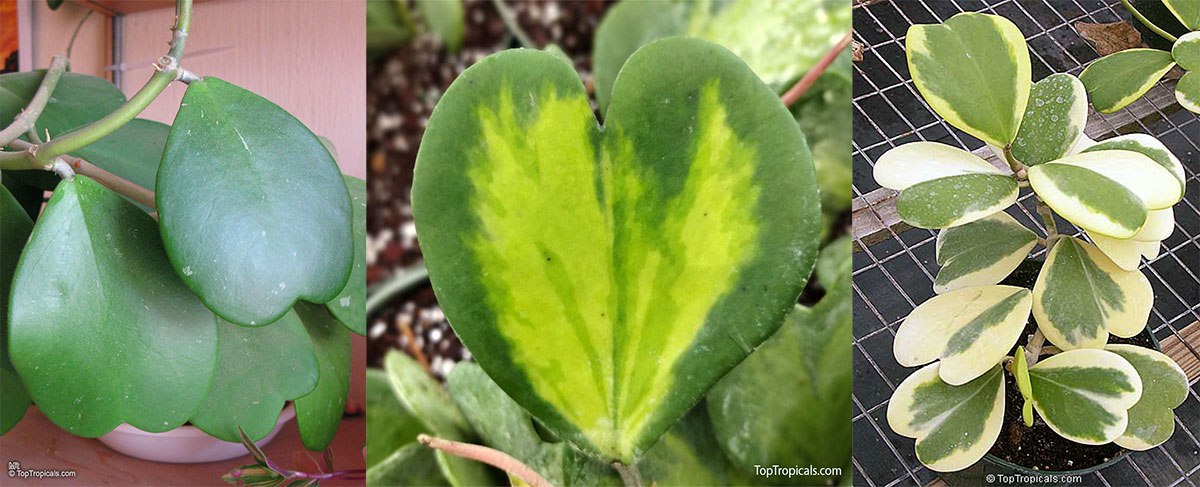
Sweetheart Hoya or Valentine Hoya - Hoya kerri

Sweetheart Hoya or Valentine Hoya - Hoya kerri

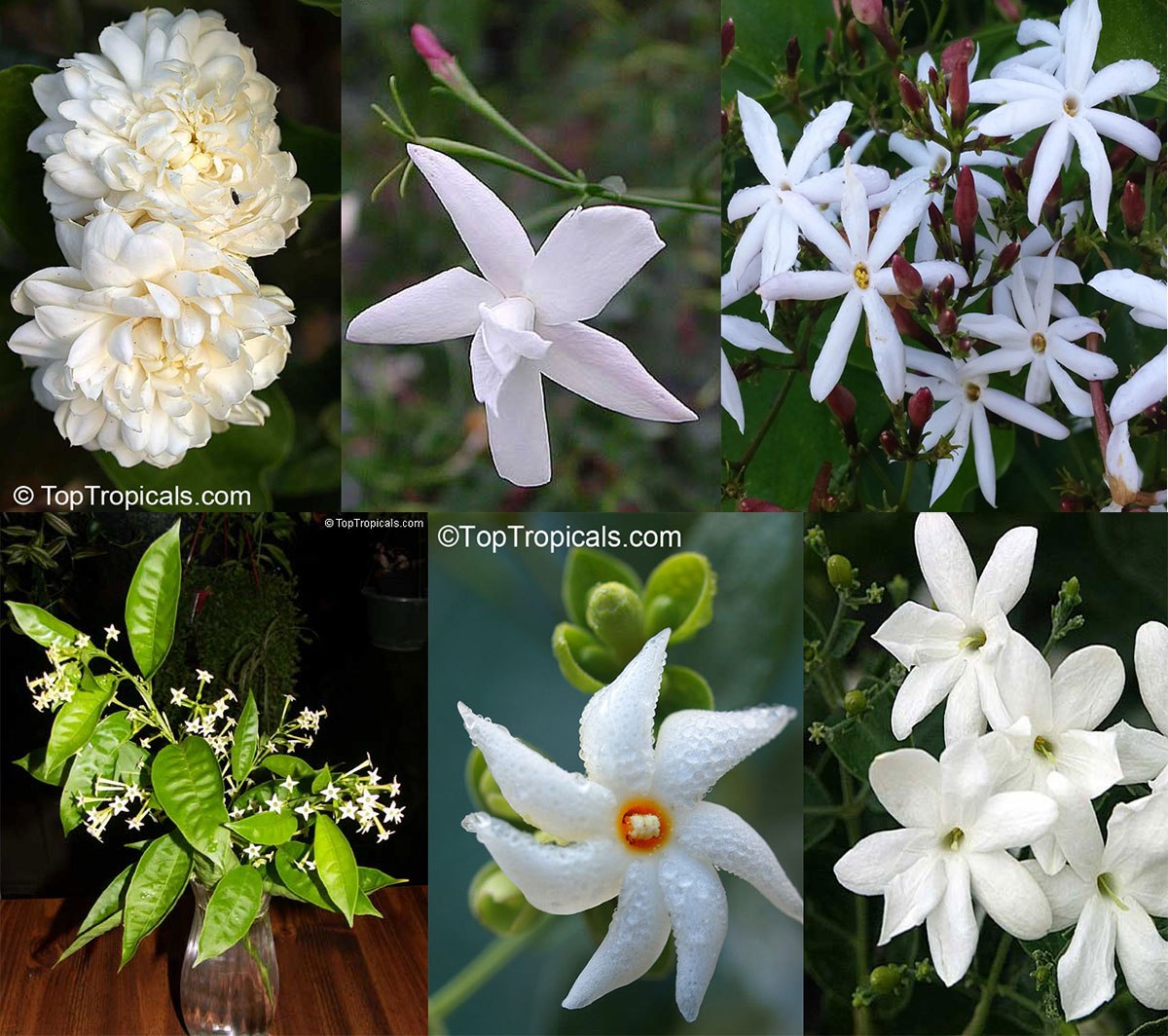
Fragrant Jasmines collage: Jasmine Sambac, French Perfume Jasmine, Rose Bud Jasmine, Night Blooming Jasmine, Parijat Jasmine Tree, and Jasmine Molle (Indian Jui)

Fragrant Jasmines collage: Jasmine Sambac, French Perfume Jasmine, Rose Bud Jasmine, Night Blooming Jasmine, Parijat Jasmine Tree, and Jasmine Molle (Indian Jui)

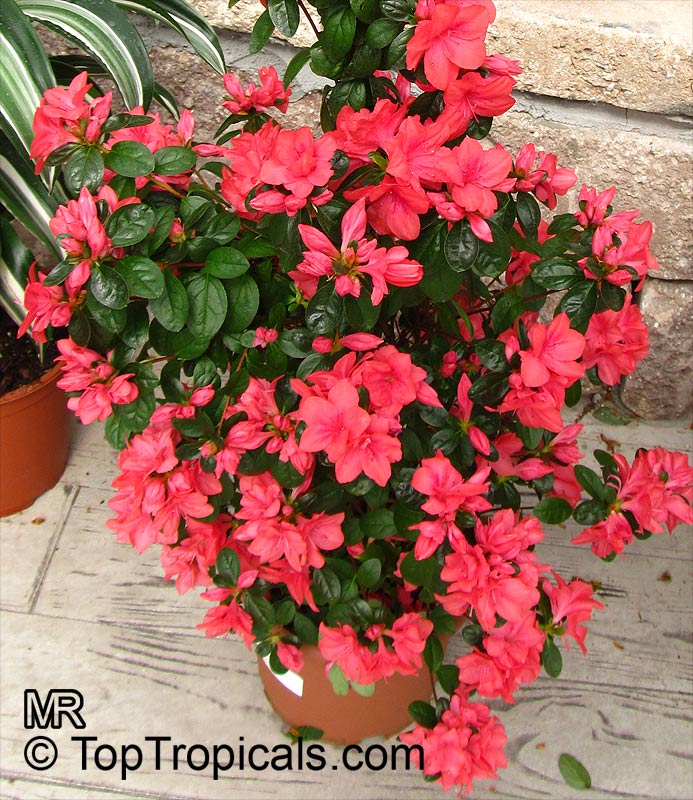
Compact Rhododendron Azalea - Red Cherry Miniature

Compact Rhododendron Azalea - Red Cherry Miniature

❤️❤️ Valentines day Best Gift Plant Ideas

  • 💋 Valentines Day is the perfect occasion to show your love with a gift that lasts beyond just one day. While traditional flowers are lovely, a live plant offers a meaningful, long-lasting way to express your affection. Whether it's the vibrant blooms, fragrant leaves, or the joy of watching a plant grow, gift plants bring a touch of nature and beauty into the home. Below are a few wonderful plant ideas to help you pick the perfect gift for your loved ones this Valentines Day.

💋 Condo Mango


The Condo Mango is the perfect choice for a unique Valentines gift! This compact, dwarf mango tree thrives in containers, making it ideal for small spaces like balconies or even indoors. With its manageable size and vibrant fruit, it's a thoughtful and practical gift that brings a tropical touch. It can stay small while still producing delicious mangoes. Share the joy of gardening and fruit-growing with someone special this Valentines Day!
Learn more about Condo Mango from our posts: A Practical Guide for Condo Mangos and Top 10 Dwarf Condo Mango - great for container culture.

💋 Valentines Sweetheart Hoya


Sweetheart Hoya or Valentine Hoya, comes in 3 kinds - Green leaf, variegated Sunshine and Variegated Moonlight - collect them all! These plants are the perfect way to show someone you care. Hoya kerrii, often called the Sweetheart Plant, has become a favorite houseplant in recent years due to its unique heart-shaped leaves. This quirky and unusual plant is ideal for those looking for a novelty gift for their plant enthusiast friends. Its easy care requirements and distinctive appearance make it a charming addition to any home, spreading love and beauty in a simple, yet meaningful way. It’s the perfect plant to celebrate Valentines Day or any special occasion! Check out previous post video: Sweetheart Hoya varieties.

💋 Fragrant Jasmine


Jasmines are about to bloom, making now the perfect time to get them before their flowers open in spring! Some of the top picks include the timeless Jasmine Sambac, French Perfume Jasmine, Rose Bud Jasmine, Night Blooming Jasmine, Parijat Jasmine Tree, and Jasmine Molle (Indian Jui). These varieties are not only beautiful but also fill your home or garden with their unforgettable, fragrant blossoms. Whether you're looking to add a touch of elegance to your space or searching for a fragrant gift, these jasmines are a must-have for any plant lover. Get them now and enjoy their aromatic beauty as they begin to bloom!

💋 Compact Rhododendron Azalea - Red Cherry Miniature


The Vivid Red Cherry Miniature Azalea is a stunning, cold-hardy evergreen that blooms with vibrant cherry-red flowers in spring and fall. Very compact and easy to care for, it thrives in shady spots and offers year-round beauty with its glossy, dark green leaves. Whether used as a hedge, accent, or screen, this semi-dwarf variety adds a pop of color to any garden or home. A perfect way to share lasting beauty and joy with someone special!

💄 Use this 15% discount code to get more gift plants and to fill your gardens with more Happiness...
  • 👍 VALENTINES25 👍


🎁 Min order $150. Excluding S/H. Exp. 2-15-25

🛒 Shop Gift Plants

🔴 Join 👉 TopTropicals