Garden Blog - Top Tropicals

Date: 4 Mar 2026

The Magic Number 65: when tropicals finally wake and the 7-Day Rule you should know
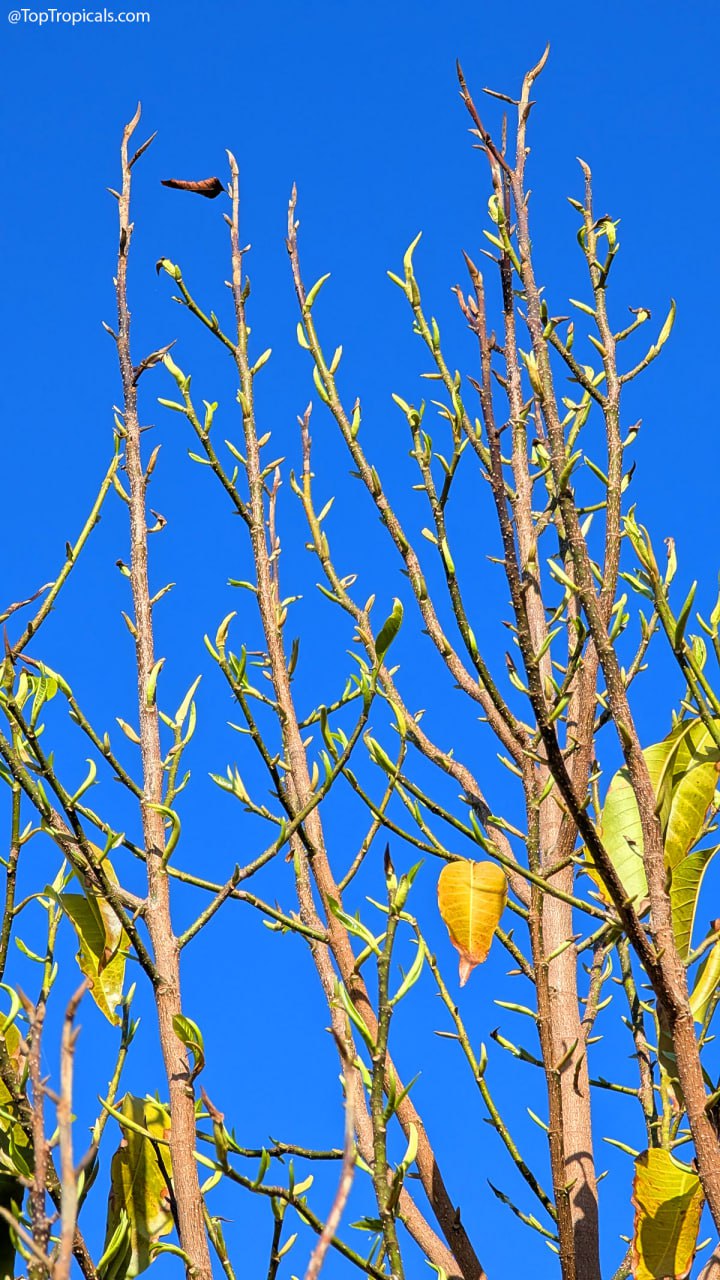
Champaka tree new growth sprouts
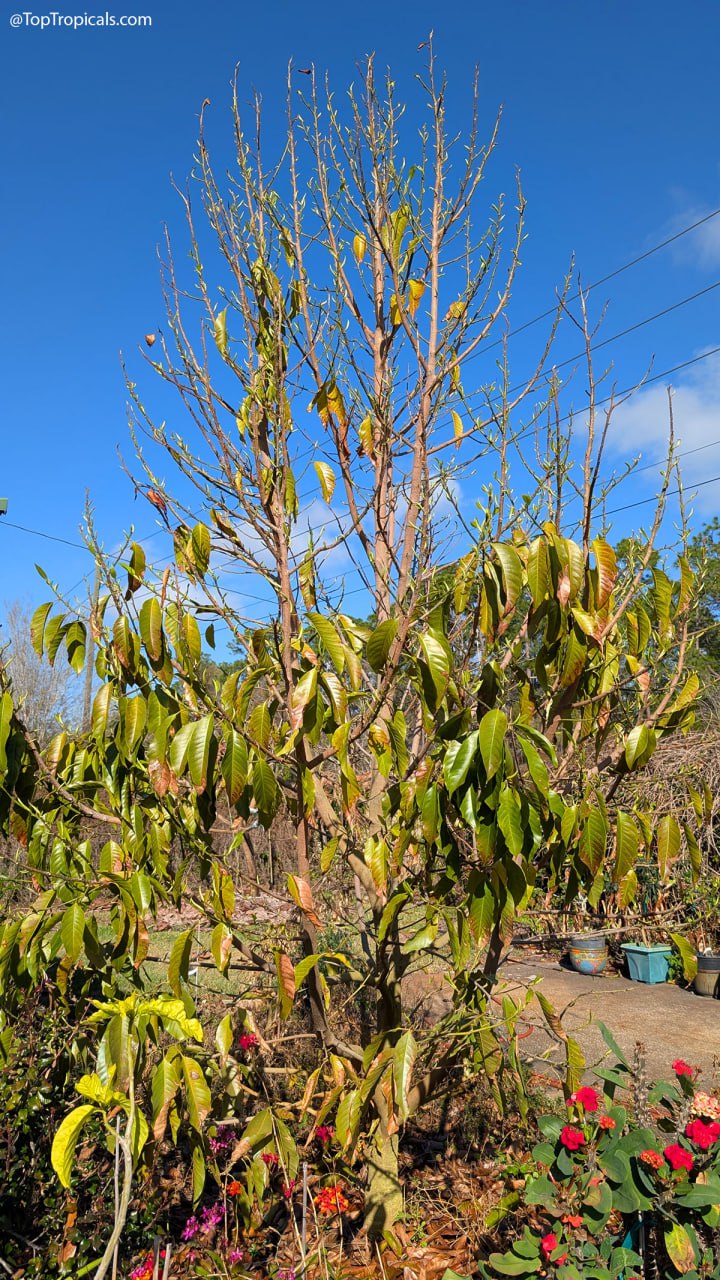
Champaka tree new growth sprouts

A Champaka tree (Joy Perfume Tree) first fresh sprouts

A Champaka tree (Joy Perfume Tree) first fresh sprouts

The Magic Number 65: when tropicals finally wake and the 7-Day Rule you should know 🌱

Discover the "Magic 65" rule for waking up your garden and the exact time to start fertilizing for maximum growth. Learn the specific temperature threshold that signals your tropicals to wake up and how to handle spring cold snaps.
  • 🌿 If you’ve been staring at your dormant trees and shrubs wondering if they survived the winter, you aren't alone. The most frequent question every spring is: "When will my tropical plants start sprouting?"
  • 🌿 While the calendar might say spring, tropical plants don’t use a watch - they use a thermometer. If you want to see green shoots and active growth, there is one "Magic Number" you need to watch: 65F 🌡
  • 🌿 The 7-Day Rule for Tropical Growth


    The gold standard for the tropical world is simple: plants generally wake up when minimum nighttime temperatures remain at or above 65F for at least one full week.
  • 🌿 Why 65°F?


    Tropical species are biologically programmed to stay dormant to protect their cell structure from cold damage. A single warm day won't fool them, but seven consecutive nights of 65F+ signals that the "growing season" has officially arrived. Once you hit that 7-day mark, you’ll see buds pushing and fresh leaves finally sprouting.
  • 🌿 Can You Force Them to Wake Up Faster?


    Patience is a virtue, but if you’re looking to "push" your plants, focus on two things:

🌞 Sun Exposure: Ensure they are in the brightest spot possible to warm the soil.
♨️ Heat Retention: Use dark mulch or move potted plants onto concrete surfaces that retain daytime heat.
  • 🌿 When to Start Fertilizing


Don’t reach for the fertilizer until you see that active growth. Feeding a dormant plant can lead to root rot or wasted nutrients.
  • 👉 The Signal: After that first week of 65F nights.

The Action: Once you see green tips, start your fertilization routine. This is when the plant actually has the metabolic "engine" running to use those nutrients.
  • 🌿 Watch Out for the "False Spring"


    Before you go all-in, ensure the risk of a hard freeze has passed. A minor cold snap - a few nights in the 50s - won't kill your progress, but it will act as a "pause" button. If cool weather persists, tropicals may "lock up" and return to dormancy. If that happens, simply reset your clock and wait for the next stretch of 65F nights.
  • 🌿 Ready for the Wake-Up Call? Fuel Your Tropical Growth!

Don’t get caught empty-handed when that 7th day of 65F hits. Stock up now so you can feed them the moment they wake up. Using the right nutrients during the active growth phase is key to lush blooms. Check out our curated selection of professional-grade fertilizers:

🛒 Get my growth boosters for every tropical type

📷 Recovery in Action: The Joy Perfume Tree - Champaka showing off its first fresh sprouts in March after a chilly Florida winter. This is exactly what happens once you hit that 7-day streak of 65F nights!

📚
Learn more:
Why is my Champaka Tree dropping leaves?

#How_to #Discover

🟢 Join 👉 TopTropicals
Date: 20 Sep 2025

How to make lots of Insulin Ginger plants quickly and get more health benefits

Costus igneus (Chamaecostus cuspidatus) - Fiery Costus or Spiral Flag

💚 How to make lots of Insulin Ginger plants quickly and get more health benefits

  • Costus igneus (Chamaecostus cuspidatus) - Fiery Costus or Spiral Flag is believed to help lower blood glucose levels naturally and managing diabetes.
  • Have you heard of Insulin Ginger? Everyone wants to have it in the garden!
  • Gardeners in India grow it not just for its pretty spiral leaves, but for what those leaves do. People with diabetes often chew them fresh or brew them into tea, saying it helps keep their blood sugar under control.
  • Researchers have found something interesting: the leaves contain an insulin-like compound, along with antioxidants and anti-inflammatory properties. In animal studies, extracts from the plant lowered blood sugar, protected the liver and kidneys, and even made the body more sensitive to insulin.
  • The way folks use it is simple. You can chew a leaf right off the plant, steep dried leaves for tea, or find it in powders and capsules. It's one of those plants that shows how tradition and science sometimes meet in the garden.
  • Its lush, turmeric-like leaves spiral around upright stems, with a glossy dark green top and a striking light purple underside. In warm months, it produces bright orange, cone-like flowers that stand out beautifully in the garden.
  • Beyond its beauty and natural insulin effects, the insulin plant is credited with aiding digestion, reducing cholesterol, boosting energy, improving skin health, supporting weight loss, relieving stress, and promoting heart wellness. A real botanical multitasker!


🎥 In this video, we’ll show you how to multiply Insulin Ginger fast, so you’ll have plenty of plants for yourself and even extras to share with friends and family.

✅ Don’t forget to use Green Magic fertilizer for the best results. Gingers absolutely love this plant food - they thrive on it and respond better than any other plant, with vigorous growth, lush foliage and loads of leaves you’ll need for all the benefits.

🛒 Grow your own sugar-fighter - the Insulin Ginger

📚 Learn more:


#Food_Forest #Remedies #Shade_Garden #Discover

🟢 Join 👉 TopTropicals

Date: 23 Sep 2025

8 best flowering trees that will bloom for you in Winter

Royal poinciana - Flamboyant tree, Delonix regia (top)
Tabebuia impetiginosa - Dwarf Pink Tabebuia (left)
Tabebuia chrysotricha - Dwarf Golden Tabebuia (right)
Bauhinia variegata - Pink Butterfly Orchid Tree (center top left)
Koelreuteria paniculata

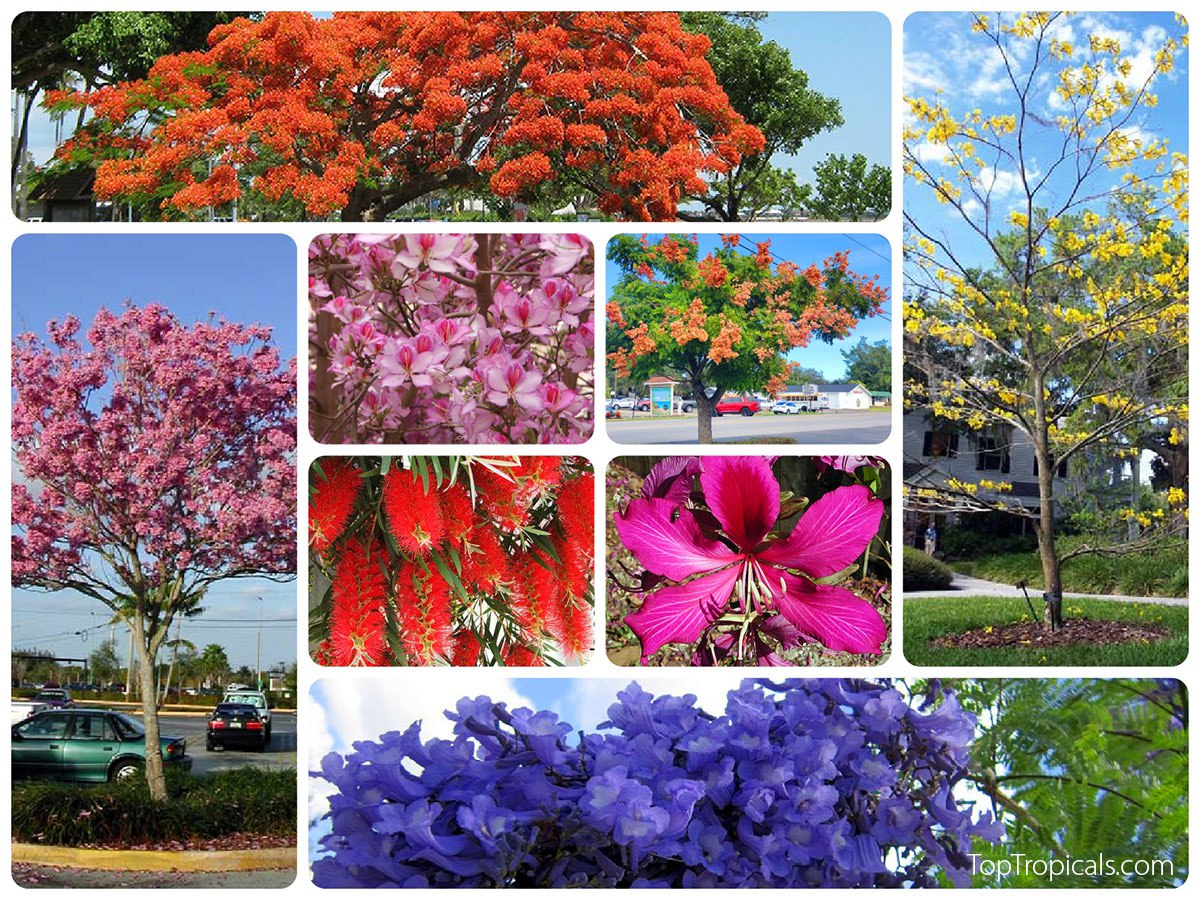
Royal poinciana - Flamboyant tree, Delonix regia (top) Tabebuia impetiginosa - Dwarf Pink Tabebuia (left) Tabebuia chrysotricha - Dwarf Golden Tabebuia (right) Bauhinia variegata - Pink Butterfly Orchid Tree (center top left) Koelreuteria paniculata - Golden Rain Tree (center top right) Callistemon citrinus - Weeping Red Bottlebrush (center bottom left) Bauhinia blakeana - Hong Kong Orchid Tree (center bottom right) Jacaranda mimosifolia (acutifolia) (bottom)

💐 8 best flowering trees that will bloom for you in Winter


📸 Pictures for the previous post:


Royal poinciana - Flamboyant tree, Delonix regia (top)
Tabebuia impetiginosa - Dwarf Pink Tabebuia (left)
Tabebuia chrysotricha - Dwarf Golden Tabebuia (right)
Bauhinia variegata - Pink Butterfly Orchid Tree (center top left)
Koelreuteria paniculata - Golden Rain Tree (center top right)
Callistemon citrinus - Weeping Red Bottlebrush (center bottom left)
Bauhinia blakeana - Hong Kong Orchid Tree (center bottom right)
Jacaranda mimosifolia (acutifolia) (bottom)

🛒 Plant a tree now for winter flowers

#Trees #Discover

🟢 Join 👉 TopTropicals

Date: 23 Sep 2025

Eight most spectacular winter blooming trees

Eight most spectacular winter blooming trees

💐 Eight most spectacular winter blooming trees


🍁 Fall is the right time to get winter bloomers in the ground. Plant them now, and by the time the cool season settles in, you’ll have flowers to enjoy. We get a lot of snowbirds asking us what to plant when they’re here for just the season, and the answer is simple: pick trees and shrubs that show off in winter!

🏆 8 best flowering trees that will bloom for you in Winter

  • 💐 1. Royal poinciana - Flamboyant tree, Delonix regia


    Known for fiery red-orange blooms, the flamboyant tree creates a spectacular canopy. Even in the cooler season, mature specimens may flower heavily in warm climates.

👉 Learn more
  • 💐 2. Tabebuia chrysotricha - Dwarf Golden Tabebuia


    One of the brightest winter bloomers, this small tree bursts into golden-yellow flowers on bare branches, turning the whole crown into a glowing dome.

👉 Learn more
  • 💐 3. Tabebuia impetiginosa - Dwarf Pink Tabebuia


    A smaller tabebuia with trumpet-shaped pink to lavender blooms. Its leafless winter display is striking and well-suited for compact gardens.

👉 Learn more
  • 💐 4. Jacaranda mimosifolia (acutifolia)


    Famous for its lavender-blue clouds of trumpet flowers, Jacaranda puts on a dramatic show even when most trees are bare. Perfect for lining streets or as a specimen tree.

👉 Learn more
  • 💐 5. Koelreuteria paniculata (bipinnata) - Golden Rain Tree


    This tree stands out in winter with clusters of golden flowers followed by papery lantern-like seed pods. It’s ornamental in every stage, even when not in full bloom.

👉 Learn more
  • 💐 6. Callistemon citrinus - Weeping Red Bottlebrush


    Its crimson brush-like flowers appear in flushes during the cooler months. This tree is tough, drought-tolerant, and attracts pollinators while keeping color in the winter garden.

👉 Learn more
  • 💐 7. Bauhinia variegata - Pink Butterfly Orchid Tree


    Soft pink to lavender blooms open on leafless branches in the cool season. The butterfly-shaped petals make this tree both graceful and eye-catching.

👉 Learn more

💐 8. Bauhinia blakeana - Hong Kong Orchid Tree


A sterile hybrid that doesn’t produce seed, this tree is prized for its huge magenta flowers that cover bare branches in winter. Rare and highly ornamental, it’s a true collector’s tree.

🛒 Plant a tree now for winter flowers

#Trees #Discover

🟢 Join 👉 TopTropicals

Date: 16 Mar 2024

Monarch Butterflies Are In Trouble
You Can Help By Planting Milkweed

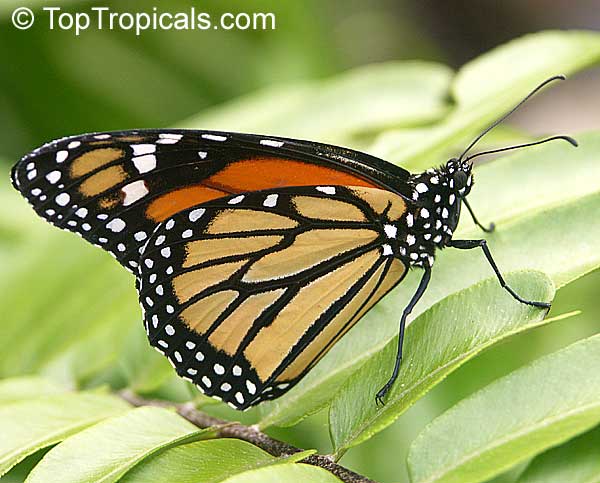
Monarch  Butterfly

Do you want to save butterflies from extinction? This is all you need - embrace the allure of butterfly plants and become a hero for monarchs!

...Ecologists and other scientists have been warning about an 80 percent decline in monarch populations due to habitat loss, pesticides and climate change over the past two decades, but 2024 is a critical year. A recently released annual survey on monarch populations reported a 59.3 percent decrease in population from 2022.
Milkweed plants are one of the best butterfly attractors and they can grow pretty much anywhere. It is a favorite of monarchs, according to Monarch Watch.... (Source: blockclubchicago.org)

Join us in combating the decline of monarch populations by welcoming these graceful creatures into your garden! Discover the beauty of butterfly plants today and help preserve their habitat.

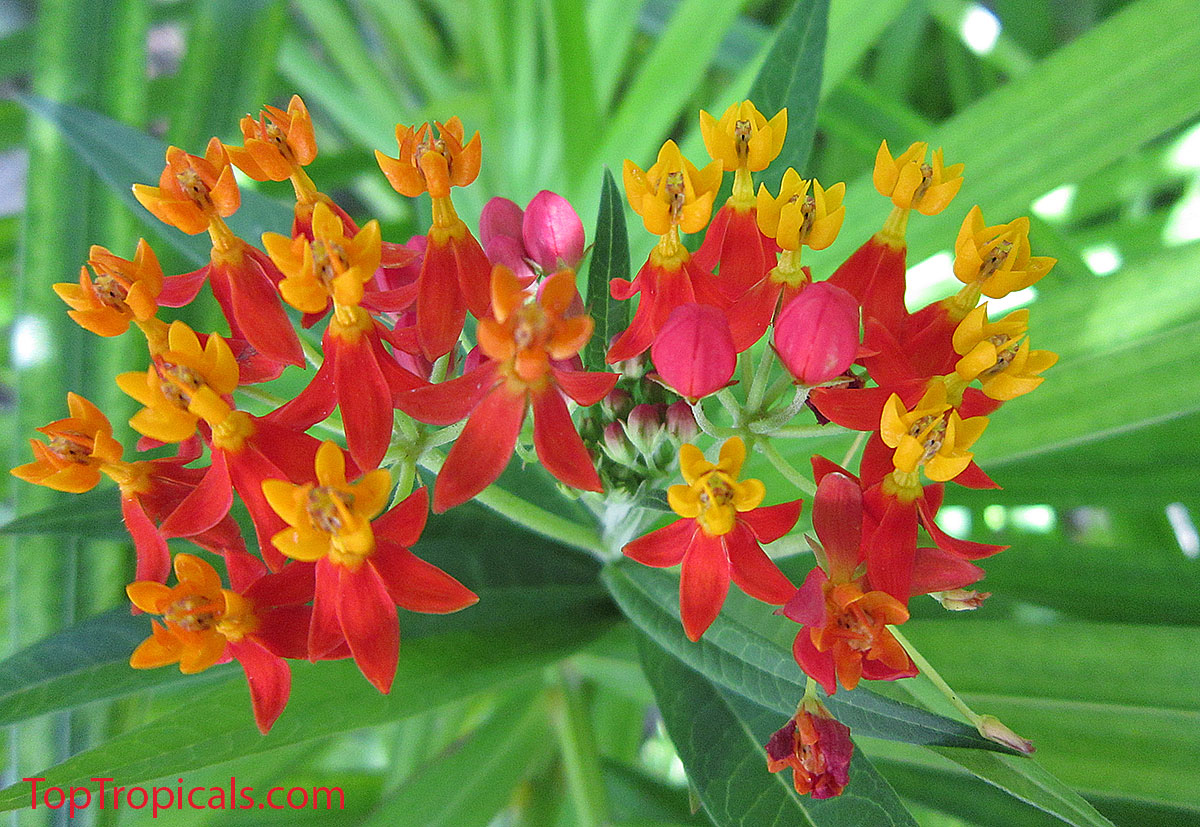
Milkweed

In the photo: Asclepias - favorite plant of all butterflies.

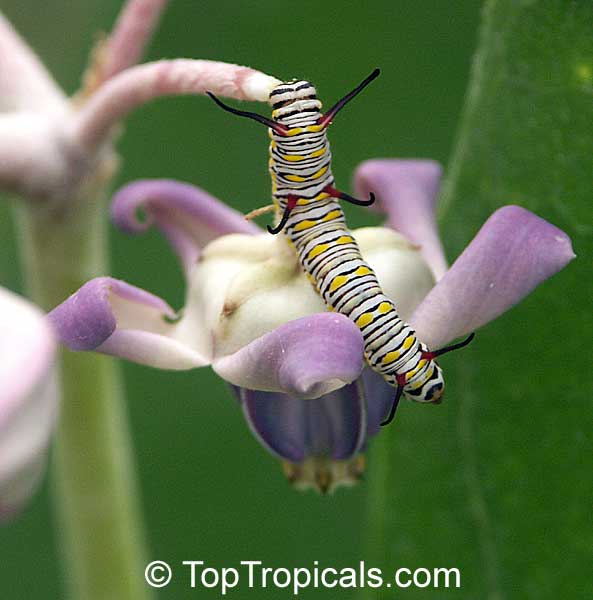
Calotropis  gigantea,  Giant  Milkweed

In the photo: a caterpillar of a future Monarch butterfly climbing up the Calotropis gigantea - Giant milkweed flower, one of the best host plants for Monarch butterfly.