Garden Blog - Top Tropicals

Date: 20 Oct 2023

Prepare your plants for Winter with Sunshine Boosters
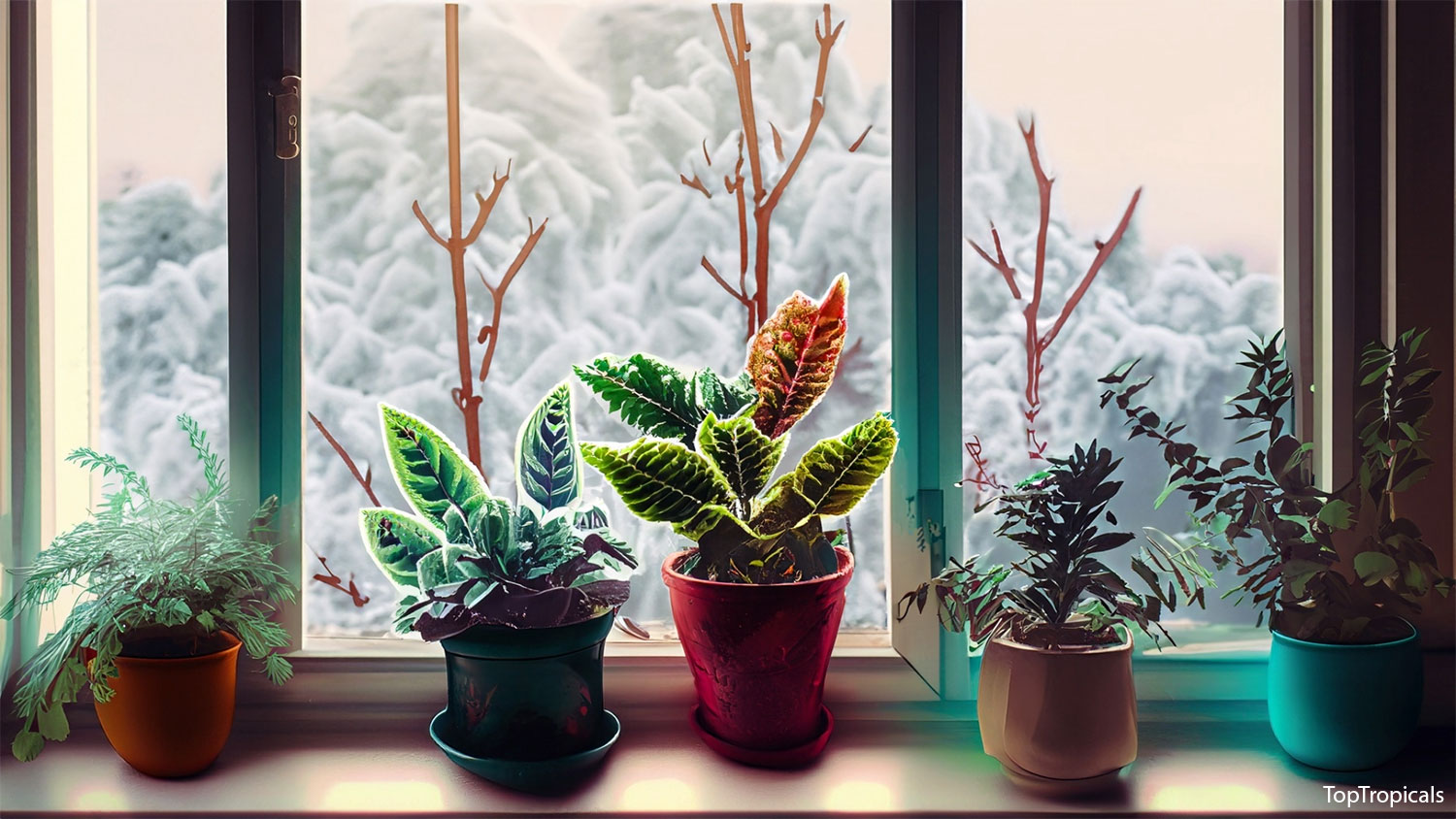
Tropical  Plants  on  Winter  Windowsill

We usually stop using dry slow-release fertilizers from November to March. However, liquid Sunshine Boosters, which are natural plant food, can be used all year. They help your plants survive winter. When it gets colder, we water less, so the fertilizer decreases too. The plants only use what they need. To learn more about how Sunshine Boosters work and why they're safe and helpful, check out this blog: Using Sunshine Booster during Winter.
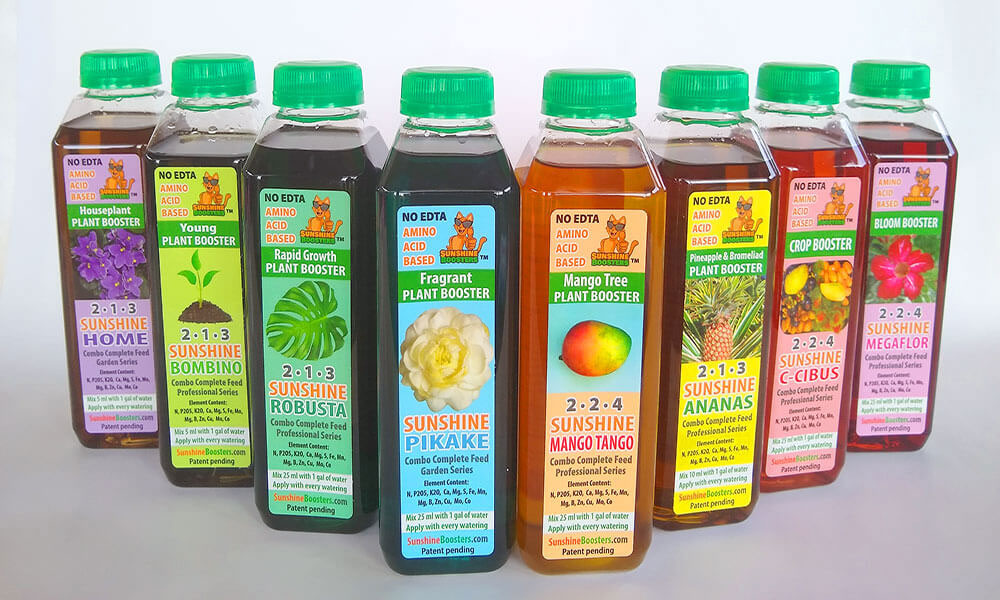
Sunshine  boosters  formulas

Apart from giving your plants nutrients during winter, you also can improve their ability to handle the cold. Try the Sunshine Boosters supplement kit for tropical plants. Follow the schedule and use three different supplements: SUNSHINE Superfood, SUNSHINE Epi, and SUNSHINE-Power-Si. Read more about treatment with Sunshine boosters supplement kit.
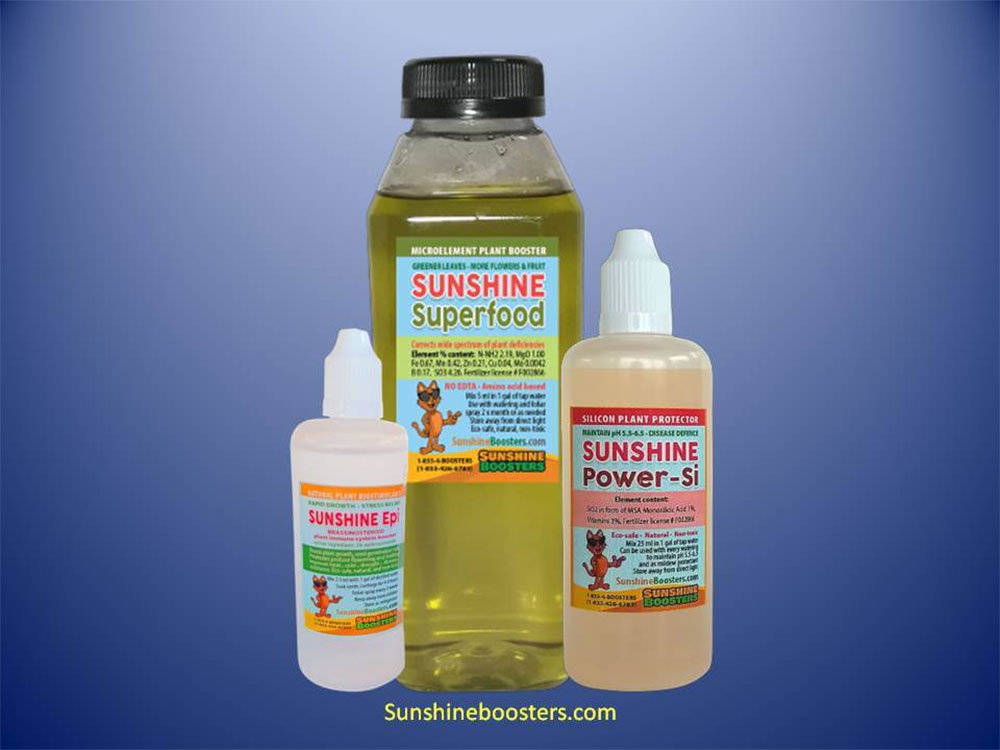

Sunshine  boosters  supplement  kit

Sunshine  boosters  supplement  kit

Date: 11 May 2023

The Wonderful World of Tamarind:
from Planting to Plating

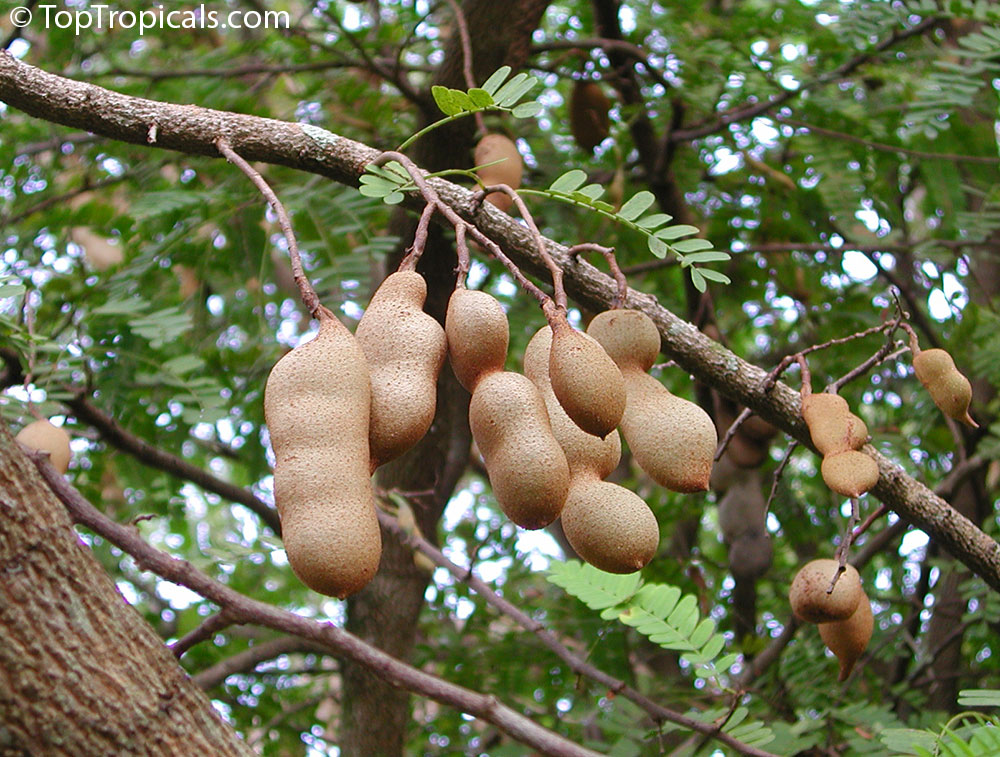
Tamarind  tree

Q: I use a lot of tamarind in my cooking. Can I grow my own Tamarind fruit? Can Tamarind tree grow in North Florida? Will Tamarind grow well outside or should I keep it in a pot?

A: Originating from tropical Africa, the Tamarind - Tamarindus indica - is a tropical tree that is highly appreciated for its ornamental beauty, delightful shade, and soft texture.

Tamarind is a highly valued culinary ingredient, with its tangy and sweet-sour flavor profile making it a popular addition to many dishes. It is frequently used in South Asian, Latin American, Caribbean, and African cuisines to add a touch of acidity and sweetness. Tamarind paste, made from the fruit's pulp, is a key ingredient in Worcestershire sauce, tamarind chutney, and many curry dishes. The seeds, when roasted and ground, can be used as a coffee substitute or as a thickening agent in sauces and stews....

Tamarind tree is prized for its versatile fruits and numerous health benefits. The tree can be grown outside in warm climates, as well as in pots and indoors... even as bonsai!
CONTINUE READING >>

Tamarind  fruit

Date: 2 Oct 2022

A Miracle for every special garden:
Synsepalum - Miracle Fruit

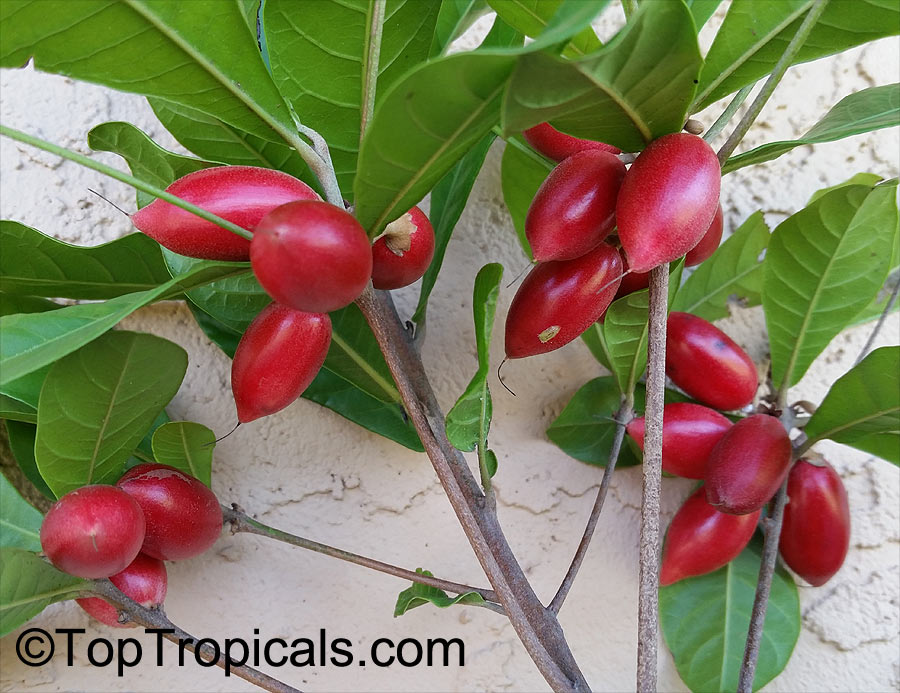
Miracle  Fruit,  Large  Leaf  variety,  Synsepalum  subcordatum

...Every tropical plant lover wants to have this plant in their collection. And there are at least three good reasons for it:
1) it is a true miracle fruit
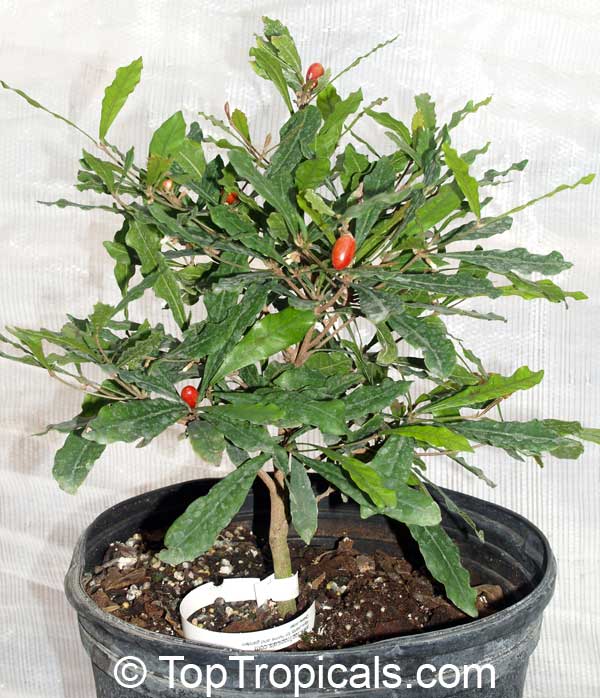
2) It enjoys growing in a pot, stays compact and brings you miracle berries nearly year around
3) it can be grown indoors as it has very low water and light needs.

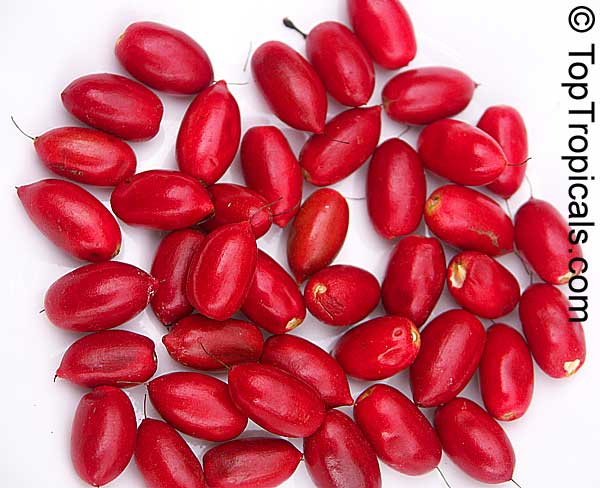
Miracle fruit is one of the strangest tropical fruits. The most unusual thing about it is the effect it has on one's taste after this miraculous berry has been consumed. The "miracle" is that if lemon or other sour food is eaten after the miracle fruit, the sour tastes sweet, as if sugar has been added. That kind of magical experience is unforgettable! The interest in this plant is so high that anyone who has a plant always finds eager volunteers to test its sweetening properties. A natural chemical in the fruit masks the tongue's sour taste buds so that lemons taste like lemonade or lemon pie, or lemon candy; beer tastes like Malta drink, sour strawberries taste super sweet, and a grapfruit tastes delicions and not bitter! What causes the miracle? The fruit has a unique taste changing glycoprotein that inhibits tastebuds' perception of sour taste. The sweet sensation lasts for half an hour to a few hours...

Miracle  Fruit  in  a  pot

Miracle  Fruit  -  synsepalum  fruit  in  a  plate

Miracle  Fruit  -  Cat  with  monitor

Date: 2 Feb 2022

5 most rewarding tropical fruit trees

Top Tropicals @ Garden America Radio Show

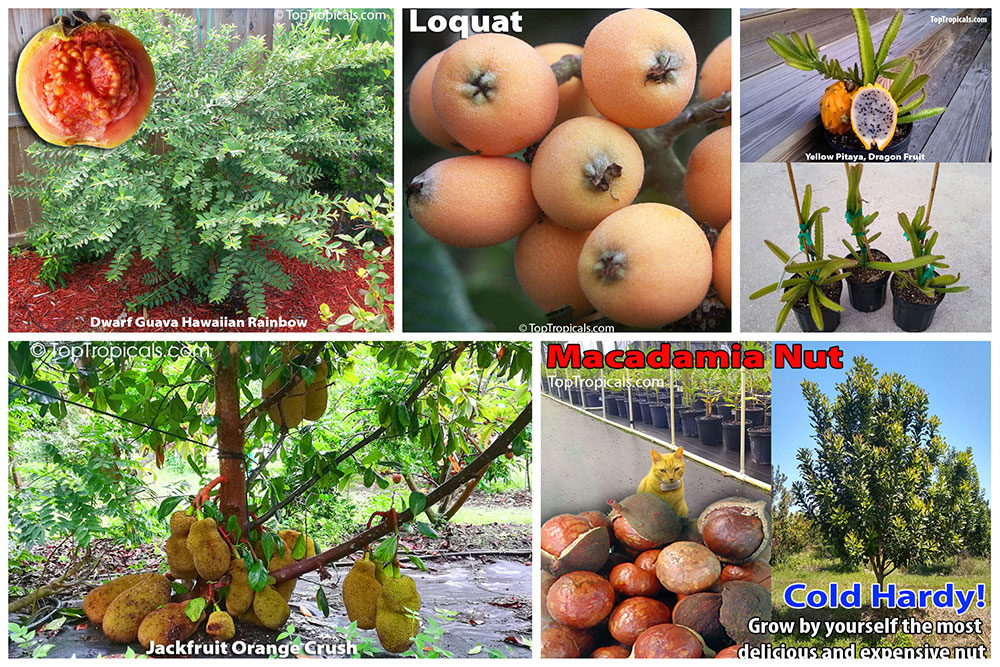
...The most popular garden radio show Garden America is featuring Top Tropicals topic "5 most practical and rewarding fruit trees for subtropical areas".

1) Jackfruit Orange Crush (Artocarpus heterophyllus)
...We recently obtained this variety and it is hands down the best Jackfruit we ever tasted. It is crunchy, sweet, aromatic, with bright orange pulp...

2) Dwarf Guava Hawaiian Rainbow (Psidium nana)
- A very small version of the favorite aromatic Guava.
- Grows only up to 5-6 ft tall with a short trunk and branching, bushy habit.

3) Yellow Pitaya, Dragon Fruit (Selenicereus megalanthus)
- This particular species of Dragon fruit is the sweetest and has great flavor unlike most pitayas
- doesn't mind regular water and rains but is also drought-tolerant

4) Loquat (Eriobotrya japonica)
- Can be kept as a very compact tree, and fruits in a pot.
- Flowers and fruits right away. The plants are covered with flowers now and setting fruit.
- Very cold hardy to upper 20's, drought tolerant, fast growing

5) Macadamia Nut (Macadamia integrifolia x tetraphylla)
- The most delicious and popular sweet nuts that are usually so expensive, can be produced in your garden!
- Cold hardy, fast growing, and very productive.

Listen to Facebook-Live Show (recording):

Date: 24 Nov 2021

Winter is coming tips

Reminder from Kristi, the Tropical Flower Girl

As the weather gets cooler, many of you move your potted tropical plants indoors. Please remember:
1. Leaf drop. Lower air humidity, lower light and short day may cause some leaf drop. This is normal for seasonal environment change.
2. Reduce watering as it gets cooler and darker. Under lower light and in cooler temperature, plants won't need much water; some plants go dormant and only need minimum water (so soil doesn't completely dry out). Excess water may damage roots and kill a plant in winter.
3. No dry fertilizer in winter. Active growth stops. Let the plant to go into dormancy or simply have a rest. You can continue liquid Sunshine Boosters according to regular dosage chart with every watering. Since the watering is reduced, the plants will get only as much food as needed for getting through the winter.
4. Watch for insects by inspecting leaves regularly. They may attack plants more likely in the indoor conditions. You may use organic NoBug insecticide especially for your indoor plants.

Stay Warm!

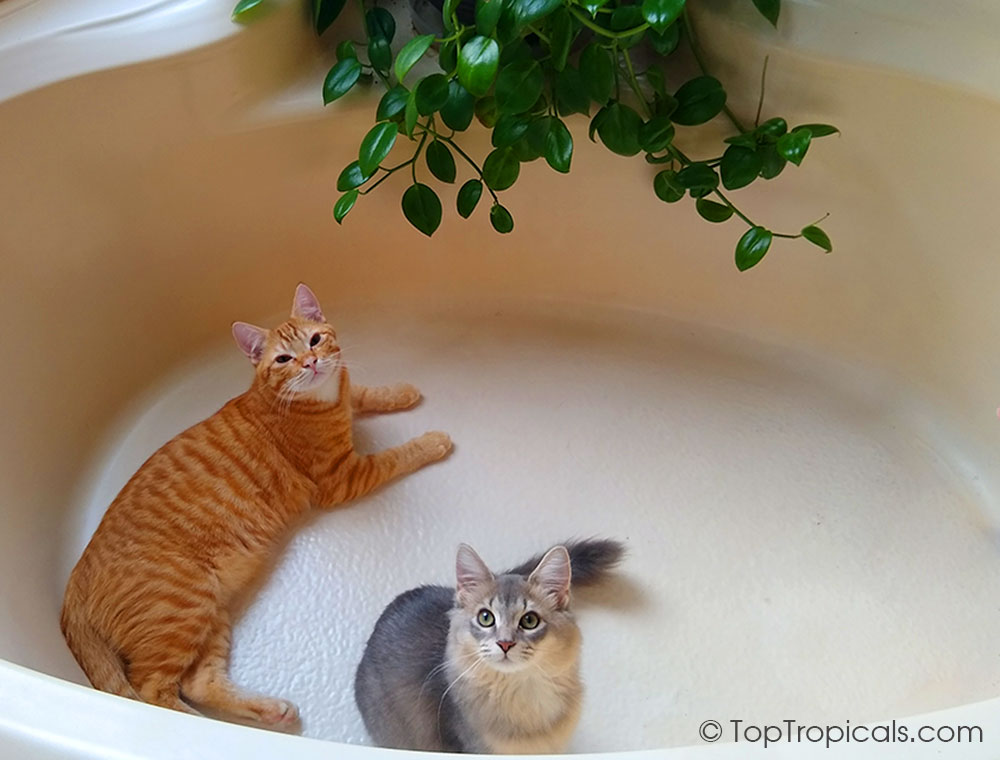
In the photo: Mr Big and Zoe-the-Scooby-Doo sharing a warm tub with Emerald Peperonia.