Fun of growing your own Pepper
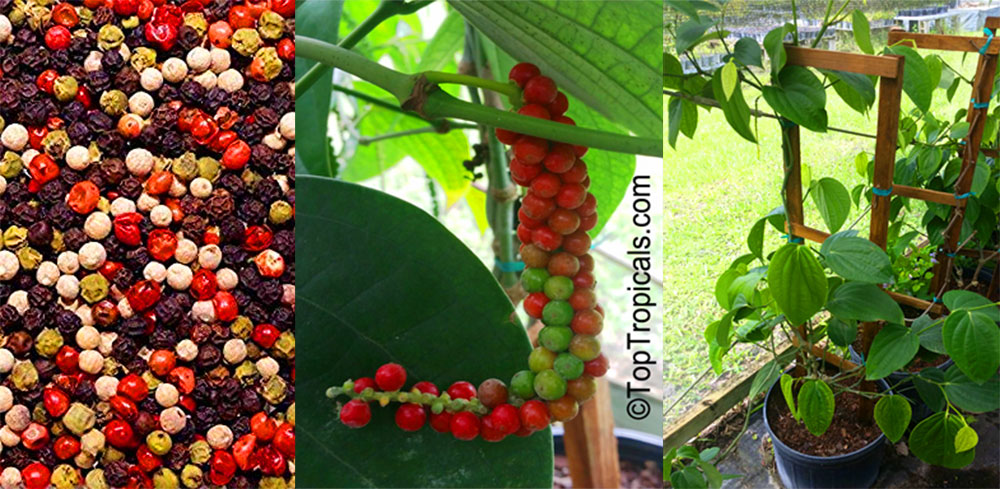
By Onika Amell, tropical plant specialist
Q: Can you grow your own black pepper plants in the USA?
A: Who does not love the smell of freshly ground pepper,
especially that lovely combination of white, green, black and red peppercorns, which
are so much more interesting than just plain black corns. Yes, you can
absolutely grow your own pepper! Peppercorns come from the plant Piper nigrum.
Growing Pepper Plant
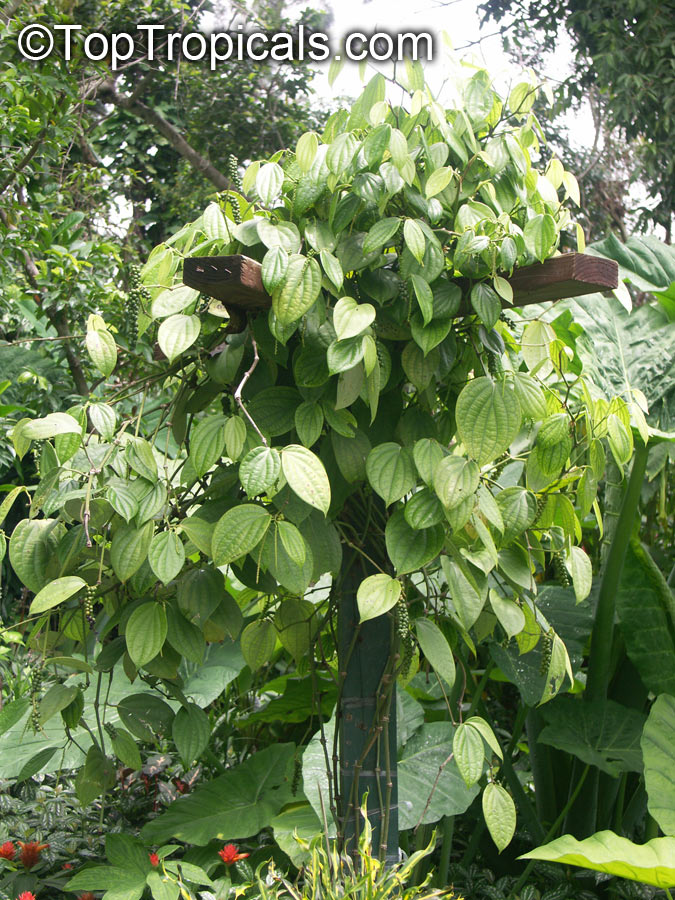
Black pepper plants are actually vigorous vines, although they are
pretty slow growing and can be kept in a pot as a compact plant. But they will
need a strong support to climb over. Indoors, you can provide this support by
installing a trellis in a large pot. Some gardeners prefer to grow them as a
hanging plant instead. In warm climates, you can plant them directly outdoors
in a protected location with partial shade. These plants need rich, moist,
well-draining soil and warm, humid conditions. Peppers do not like temperatures
below sixty degrees, although they can survive some cold spells. It is very
important to bring these plants indoors or wrap them in a blanket if colder
weather arrives.
If you live in colder parts of the country, you can certainly grow
peppercorns in large pots. Grow them outdoors during the summer and move them
indoors during the winter, or grow them year-round in your greenhouse.
Houseplants will need bright light and consistent moisture. Spray the leaves regularly
with a bottle of water to increase humidity. Do not allow room temperatures
to fall below sixty degrees.
Besides the benefit of being able to grow your own gourmet pepper
corns, the foliage, as well as the flowers on this plant, are beautiful in its own
right. Off-white flowers appear from spring through summer, followed by slow
fruit production. The berries will appear on spikes, with 50 to 60 berries
per spike.
Fertilize this vine in the spring before new vigorous growth emerges. We
recommend:
Tropical Greenhouse Plus - Plant Booster
Tropical Allure - Smart-Release Booster
You may be surprised to learn that black, white, green and red
peppercorns are all the same seed on the same plant in the various stages of
development and processing.
Black peppercorns are the most familiar and come from the corns
that have reached their full size but are still green and not quite ripe. They
are picked and allowed to dry in the sun. Enzymes in the berries cause the
skin to turn black during the drying process. They are the strongest in
flavor.
White peppercorns are the mature berries that ripen to a red
color before being picked. After harvesting, they are soaked and rubbed free of
the outer skin down to the smooth white underlayer, then dried and bleached by
the sun. They are slightly milder than black pepper.
Green peppercorns are the unripe peppercorns picked at the same
stage of ripeness as black peppercorns, but not allowed to dry. They can be
pickled in vinegar or brine. They are the least pungent.
Red peppercorns are the mature, but unshelled version of the
peppercorn. One can usually find them in some gourmet and health food stores.
They can be quite expensive.
Ground pepper will only stay fresh for about three months, but
peppercorns will last indefinitely. To make the most of your pepper harvest, store the
peppercorns in an airtight container in a cool, dark location. Grind them
immediately before use for the best flavor.
There is nothing like freshly ground black pepper simply combined with
a good quality olive oil and a splash of balsamic vinegar. This makes a
wonderful dipping sauce for fresh bread. Simple, yet elegant. All the better if
the pepper was grown in your very own garden!