Garden Blog - Top Tropicals

Date: 10 Mar 2021

Healthy Plants: Q&A from Mr Booster
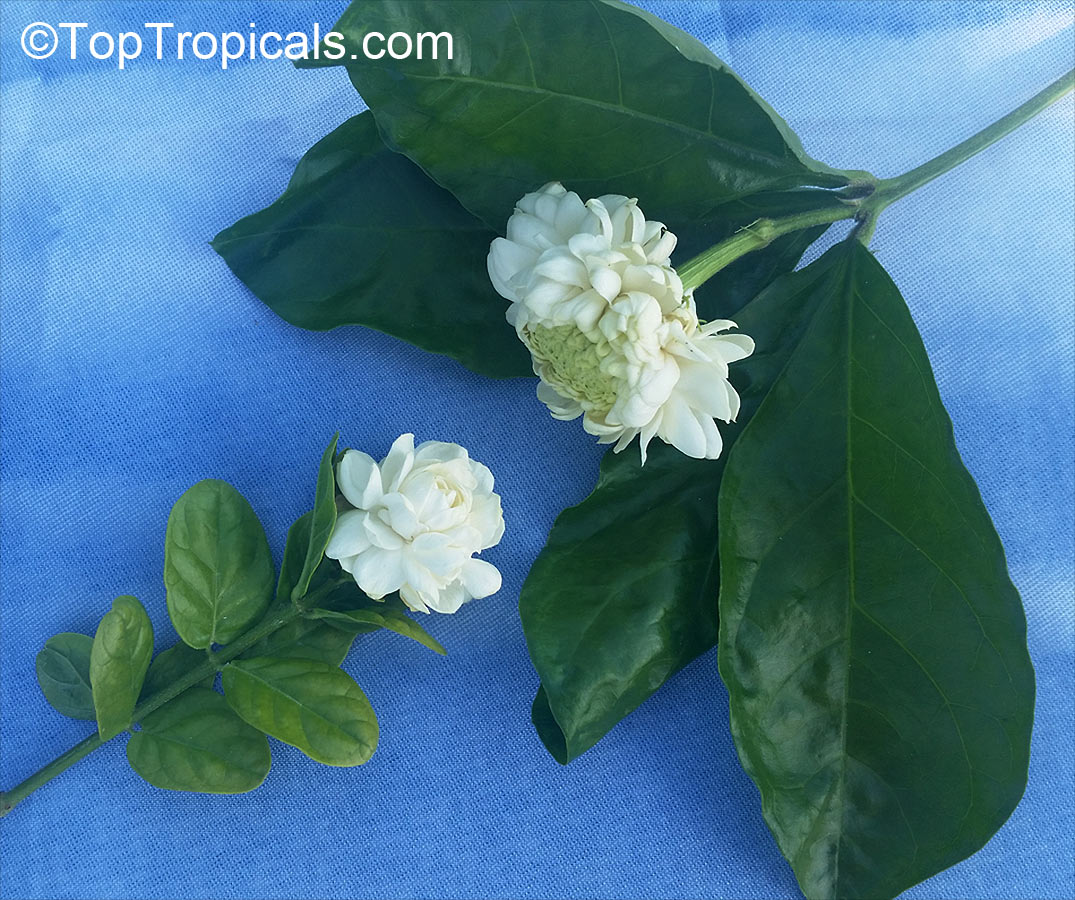
Jasmine Grand Duke flowering

Q: Hey can you help me figure out why my jasmine grand duke supreme is not flowering? Ive had it for almost a year (in NY) and only had 1 flower bloom and that immediately turned brown and died. Since then no flowers have come. The leaves are green and healthy and its growing like crazy but not flowers. Please help me figure this out.

A: For profuse flowering, Jasmine sambac needs 2 things: bright light and special plant food. We have plenty of both here in Florida. If your grow this plant indoors in colder climate, get it to flowering can be a bit tricky.
Your plant grows well overall with lots of vegetative growth, this is a good sign, it means it's healthy, and not being overwatered which is one of the most common problems with Sambacs. You're doing a great job! This jasmine just needs more sun and fertilizer.
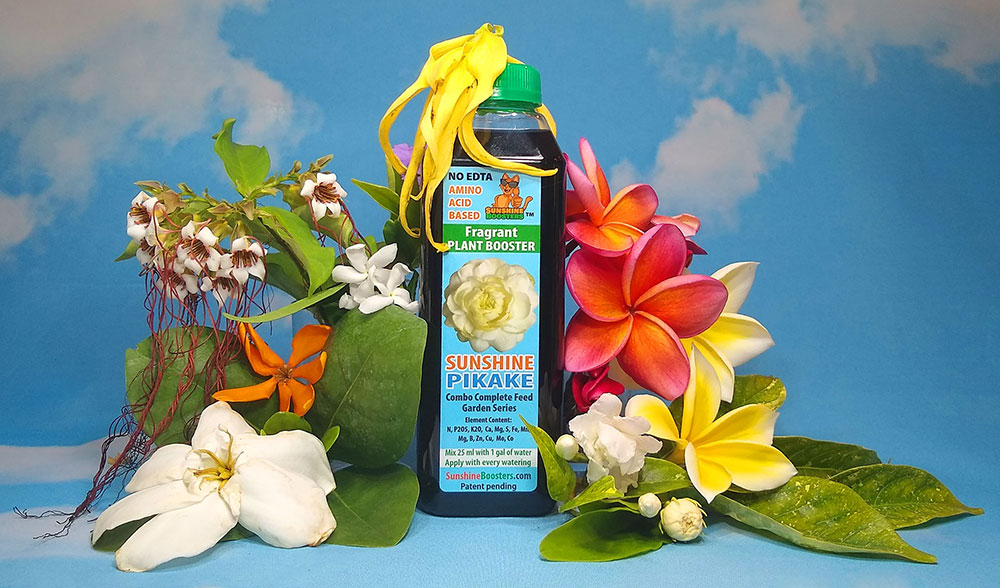
Make sure to keep it in the brightest spot of your home. The more hours of light, the better. When night temperatures stay above 65F, it is beneficial to bring the plant outside on a balcony, patio, or in a garden in full sun as a potted specimen (move to bright light gradually). You should give this Jasmine plenty of food with every watering. We recommend SUNSHINE Pikake - Fragrant Flower Booster. This is a natural fertilizer that can be applied to plants year round without risk of burning the roots or nutrient lock up in the soil. It provides all necessary elements for the flowering cycle - just add a bit into watering can, every time you water.

Date: 15 Jan 2021

Never-never be without one! Ctenanthe lubbersiana variegata

Stevie's Pick: what's special today?

Our exotic plant grower Steven Gowdy spotlights the most interesting plants he discovers and recommends today while working in TopTropicals greenhouses.

Year 2021 is celebrated as a Year of Variegated Foliage plants, and I have something special for those rare plant collectors. Besides exclusive Monstera variegata Thai Constellation, there are a few less expensive plants that are as much beautiful and yet fit into any budget.

Known as the Never-never plant, this beauty is native to Brazil. I think in South Florida a shade garden should never-never be without one!
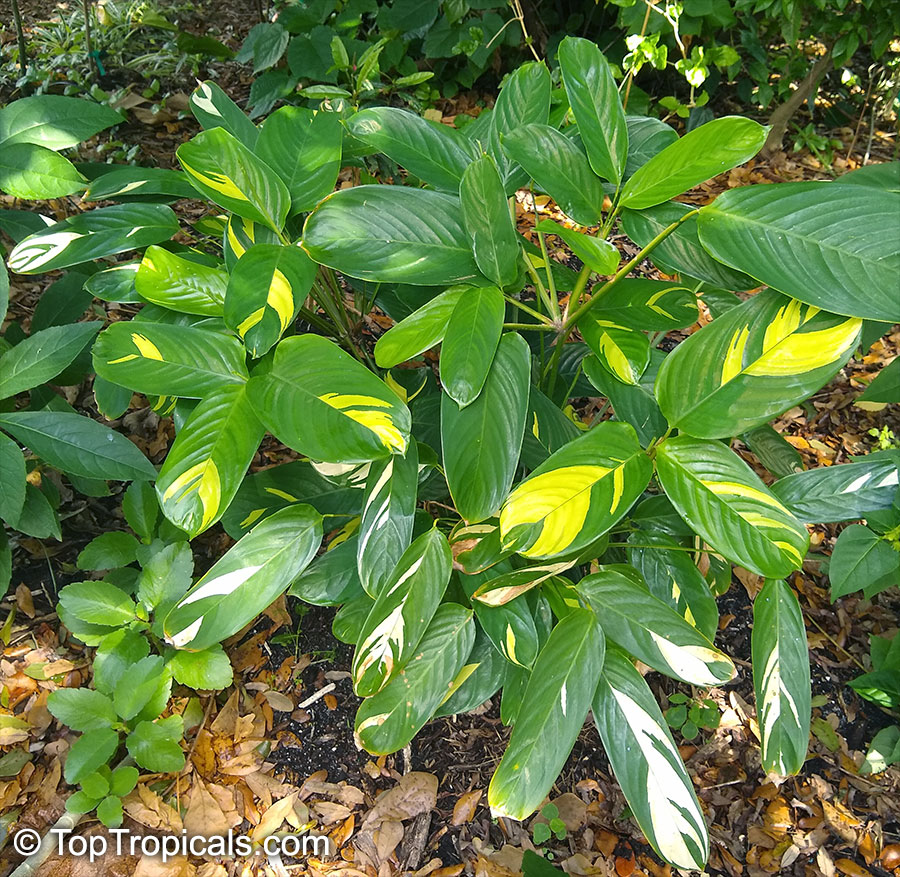
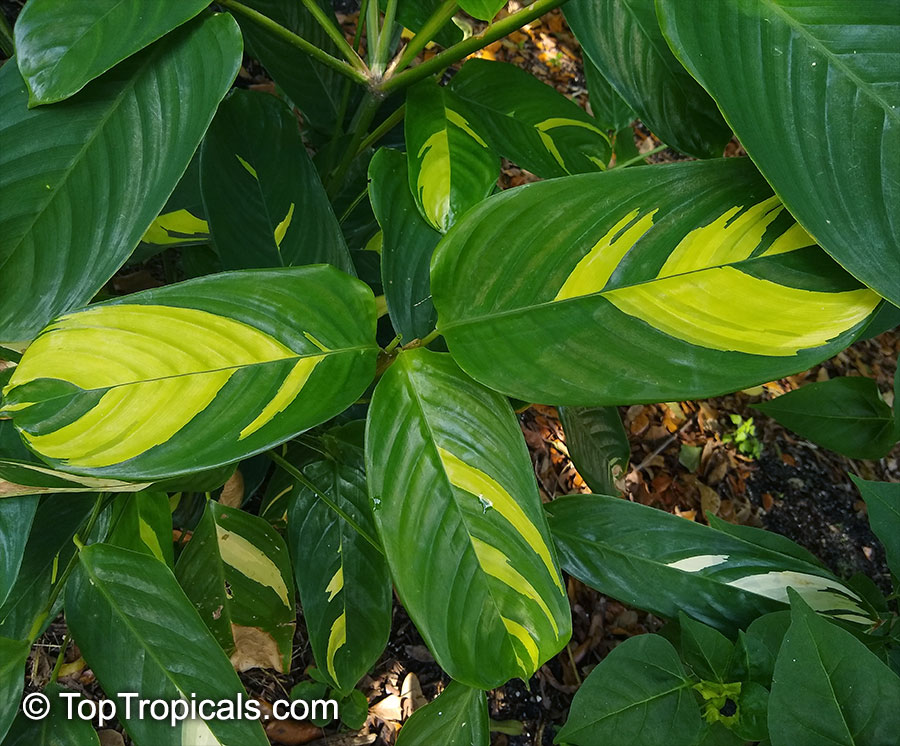
Ctenanthe lubbersiana variegata has deep variegation, with branching bamboo-like stems and oblong green, veined leaves that are mottled with cream and gold. Needing high humidity and indirect, bright filtered light, it just screams tropical and fun! Ctenanthe is a close relative of showy Marantas grown for the beauty of their foliage, and also makes a great house plant in cooler climates.
In warmer climates, it can be planted as an under story plant. The plant is growing to 2-3 feet high and 4-6 feet wide, with leaf patterns of indistinct cream and green marbling. It does have a rapid growth rate and liking soil moist, but not soggy. In the winter, water should only be given when the dirt is somewhat dry. Watch out for mealy bugs, spider mites, and aphids and apply Sunshine NoBug if you notice any - they will be easy to get rid of.

Give it a liquid fertilizer SUNSHINE Robusta - Rapid Growth Booster and divide as needed.

This plant is one of my favorites. I planted a nice specimen at TopTropicals entrance gate last year, and now we finally have beautiful baby plants propagated from it, looking great!

Date: 25 Dec 2019

EASY GROW-BOX

How to quickly germinate tropical seeds in winter

By Mark Hooten, the Garden Doc

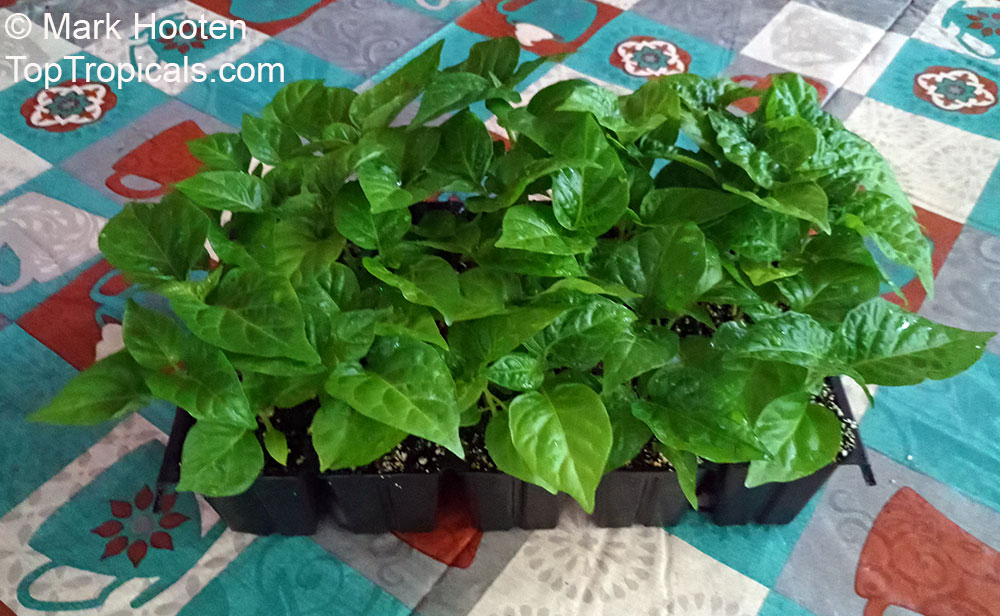
Q: I live in the New England area where the winters are very long and dreary. I plant both a veggie and flower garden during the warmer seasons and am especially fond of growing chili-peppers. On account of most chili's longer growing seasons, I need to get already established plants in the ground as soon as the weather is warm enough. My problem is that despite my best attempts to germinate and grow seedlings ahead of time - even in my sunniest window - I just can't seem to keep the soil evenly warm enough to get them to germinate, no matter how warm the room is kept. And on the occasion they do come up, the seedlings always seem to remain weak and stunted, likely owing to the especially low humidity of winter. I also tried using an electric seed-starting heating pad, and the results were only a little better. Are there any tips you could give me?

A: Yes, I understand your issues and can sympathize! While it might be surprising to some, even here in sunny S.W. Florida, there are long stretches of winter weather where the ambient temperatures are simply too cold for germinating many of the more tropical seeds, such as the notoriously warm-weather chili-peppers. Also, I am likewise a fan of chilis, and always have at least a few different kinds growing at any given time. I have two great suggestions...

CONTINUE READING >>

Date: 20 Dec 2019

Plumeria cold protection

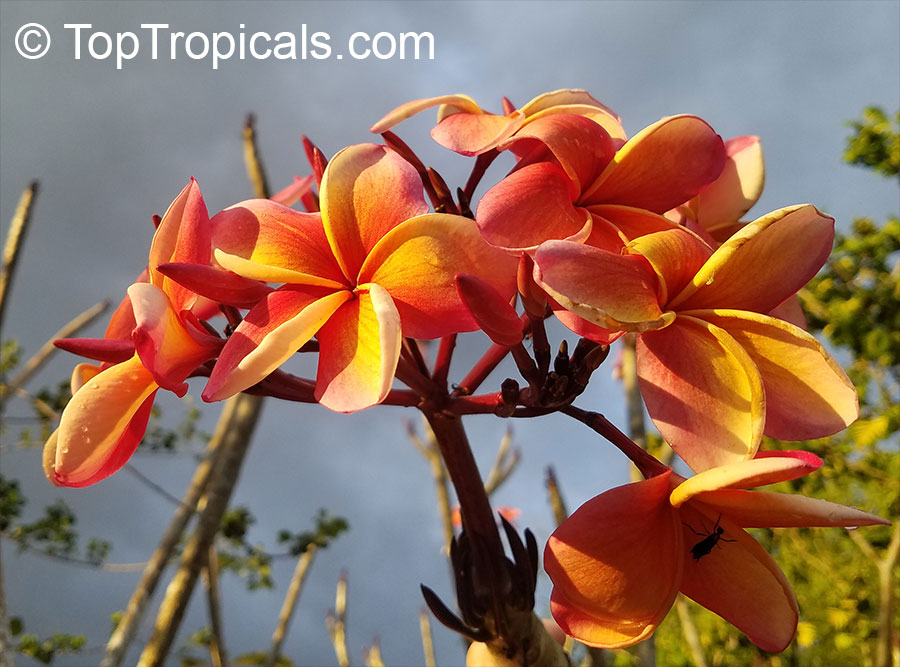
Q: We have a purple-flowering plumeria which resides on our sunny deck during the warm months and then Winter vacations on our back porch where we can close the plastic film windows and where it stays above 50 degrees (overnite) until it can get moved outside again. We live in zone 8+ in South Carolina and I would love to plant it outside. Do you think if we ghost-covered it when alerted that we would have an overnite freeze, that it would survive being planted in the ground and recover to flower when warm? I don't believe the soil in our yard has ever frozen below the top 1/2 inch or so, and never for more than a few hours at a time. What do you think?

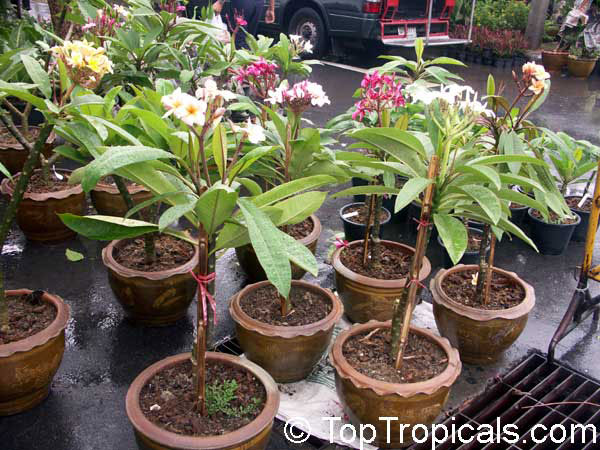
A: Plumerias are tropical plants, which means, they need frost-free environment. Even if the ground is frozen only on "the top ½" or so"- this may be enough to kill the plant. From our experience, plumerias can withstand a few hours of windchill frost (not frozen soil), but even if they survive, they may get some branches damage, and recovery may take so long that the plant may not even bloom the next year. So I wouldn't take that risk even with a ghost-cover cold protection. We have customers who grow tropical plants in the ground in colder areas, but they have greenhouse protection: this means, the soil is warm and the air temperature is maintained above 45-50F. For example, this Greenhouse in Virginia.

We recommend to continue growing your rare plumeria in container and move it inside when temperatures drop below 50F (recommended) and for sure when they drop below freezing. Plumeria can take a cold night (a few hours of upper 30's) as long as it is followed by a nice warm sunny afternoon with at least upper 50s. Otherwise, keep it indoors. The good news is, since plumerias are deciduous and have no leaves in winter, low light level won't affect the plant.
Just make sure to minimize watering and keep the plant on a dry side until it starts growing new leaves in Spring. You may continue fertilizing once a week with half-doze of Sunshine boosters - Sunshine TotalFeed. This will maintain the plant healthy and prepare for the blooming season in Spring.

Date: 4 Nov 2019

Hardy Plumeria Pudica

Q: I have ordered plumeria pudica from you in March and it is thriving really well here in Rancho Cordova, California. The current temperatures are ranging from 68 to 32 degrees Fahrenheit. My USDA zone is 9b. Does this plumeria pudica survive outside with temperatures dropping in coming winter in CA?

A: From our experience, Plumeria pudica is pretty cold hardy and takes some cold spells in spite of being a tropical species.
Our trees (well-established) took a few hours of freeze with no significant damage.
Potted plants are less hardy than in-ground plants. However, their advantage is, they are easy to move indoors or inside warmer place like garage, etc. If the temperature stays borderline around 32F for a few hours, the plant should be safe as long as warm day temperatures follow a cold night. For longer periods of cold, move the plant inside.
Make sure do not overwater and keep Plumeria on a dry side during winter, since cold and wet is a bad combination and may cause root problems.
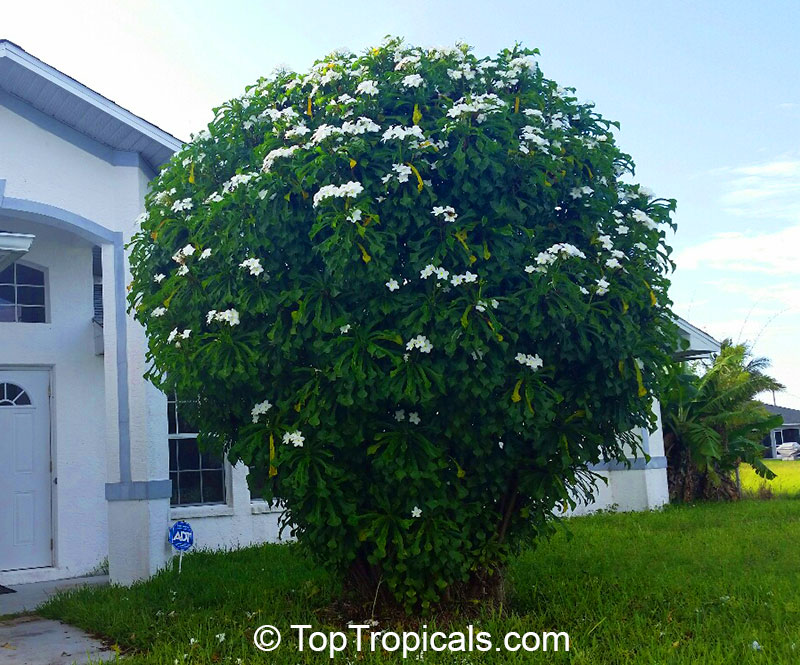
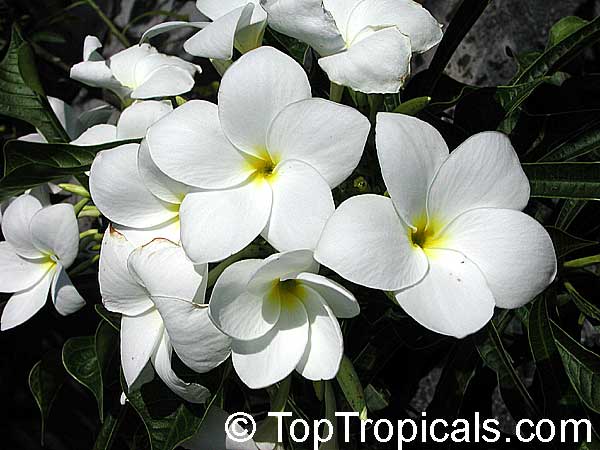
Above is the picture of Plumeria pudica tree growing in Cape Coral, FL where low temperatures in winter sometimes go down to upper 20's for a few hours.

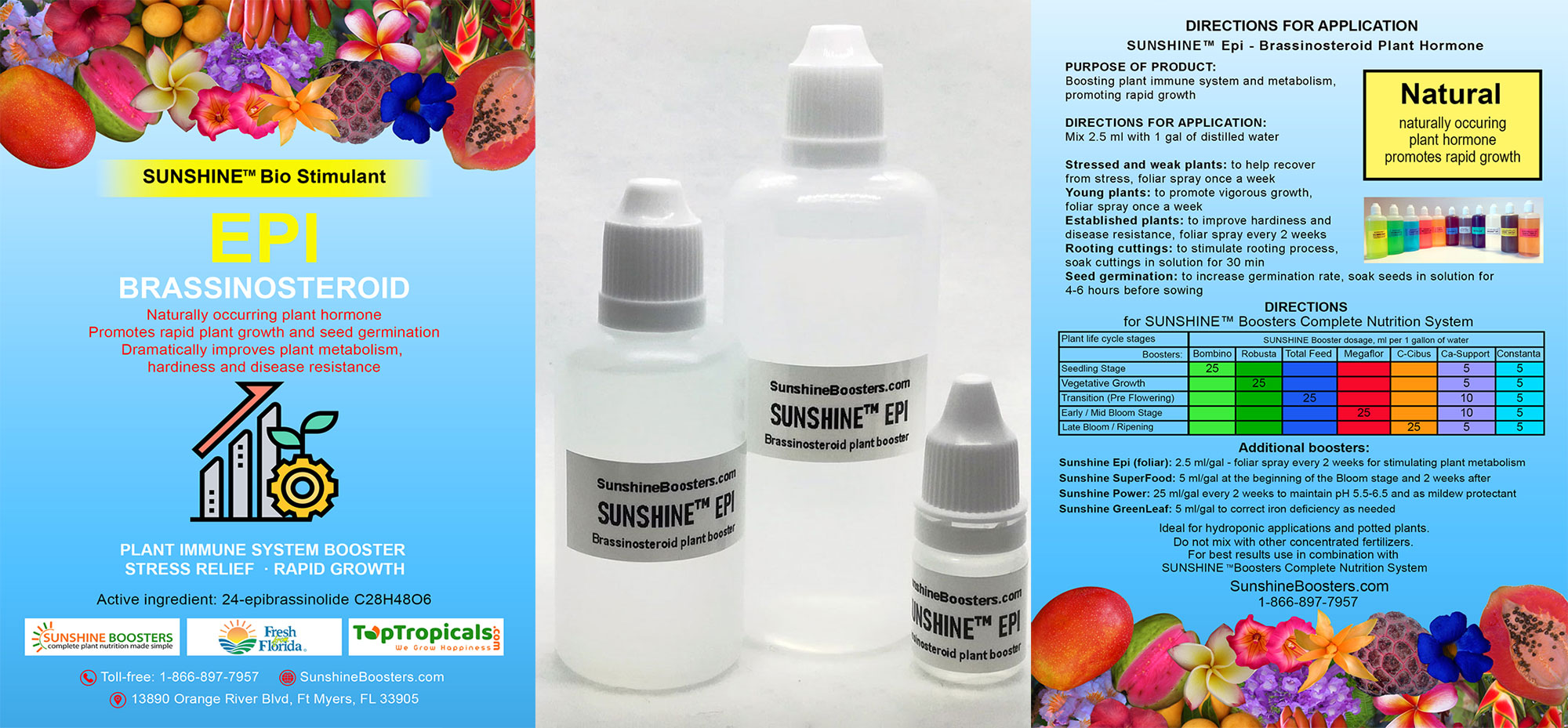
To improve cold hardiness of Plumerias and other tropical plants, use SUNSHINE-Epi-T for plant thermal protection and immune system boost.
Make sure to fertilize plants on regular basis to keep them strong and vigorous. The stronger and bigger the plant, the hardier it is!

RECOMMENDED FERTILIZERS:
Plumeria Top Dress - Smart-Release Booster
Pink N Good Daily Plant Food - Flower Booster
Tropical Allure - Smart-Release Booster