What does Sugar Apple look like and how does it taste?
🟢 What does Sugar Apple look like and how does it taste?
😋 Annona squamosa - Sugar apple, is considered by many to be the most delicious tropical fruit. The fruit is a true treat, with pulp that resembles creamy custard, offering a flavor experience that’s hard to beat.
🕺 This very small, compact tree is perfect for containers or small yards, making it an excellent choice for home gardeners. It starts fruiting within just three years from seed and is remarkably easy to grow and undemanding.
Night jasmine that disappears with sunrise: Parijat
Nyctanthes arbor-tristis - Parijat, Night Jasmine, Sad Tree, Tree of Sorrow
💔 Night jasmine that disappears with sunrise: Parijat
💔Nyctanthes arbor-tristis, Parijat, Night Jasmine, Sad Tree or Tree of Sorrow... What secret is hidden in this flower?
💔 Parijat is a small tree or shrub from South Asia known for its intensely perfumed white flowers with bright orange centers that open at dusk and fall by dawn.
Mostly for its scent and stories - but locals also use it in traditional remedies. The flowers are beloved in temple garlands and perfumery. Leaves, flowers, bark, and seeds are used in Ayurveda for treating fevers, sciatica, arthritis, and more. Extracts also show anti-inflammatory and liver-protective effects in modern studies.
It’s both fragrant and spiritual. Parijat is sacred in Hindu myth - some say Krishna brought it from heaven, others that it sprang from a grieving princess’s ashes. People plant it near temples or in small gardens not just for the scent, but for its cultural symbolism and graceful beauty.
Yes - if your climate cooperates. Parijat grows up to 10 feet tall, handles full sun or light shade, and thrives in well-drained soil with regular, moderate watering. It blooms best with monthly fertilizer and tolerates light cold (into the 30s F). In cooler areas, grow it in a container. Regular pruning helps it stay compact and flower more.
What spice comes from the small dried flower buds of a tropical tree?
Clove - Syzygium aromaticum
Clove - Syzygium aromaticum
Clove - Syzygium aromaticum
Allspice - Pimenta dioica, Jamaica pepper tree
Allspice - Pimenta dioica, Jamaica pepper tree
🌿 What spice comes from the small dried flower buds of a tropical tree?
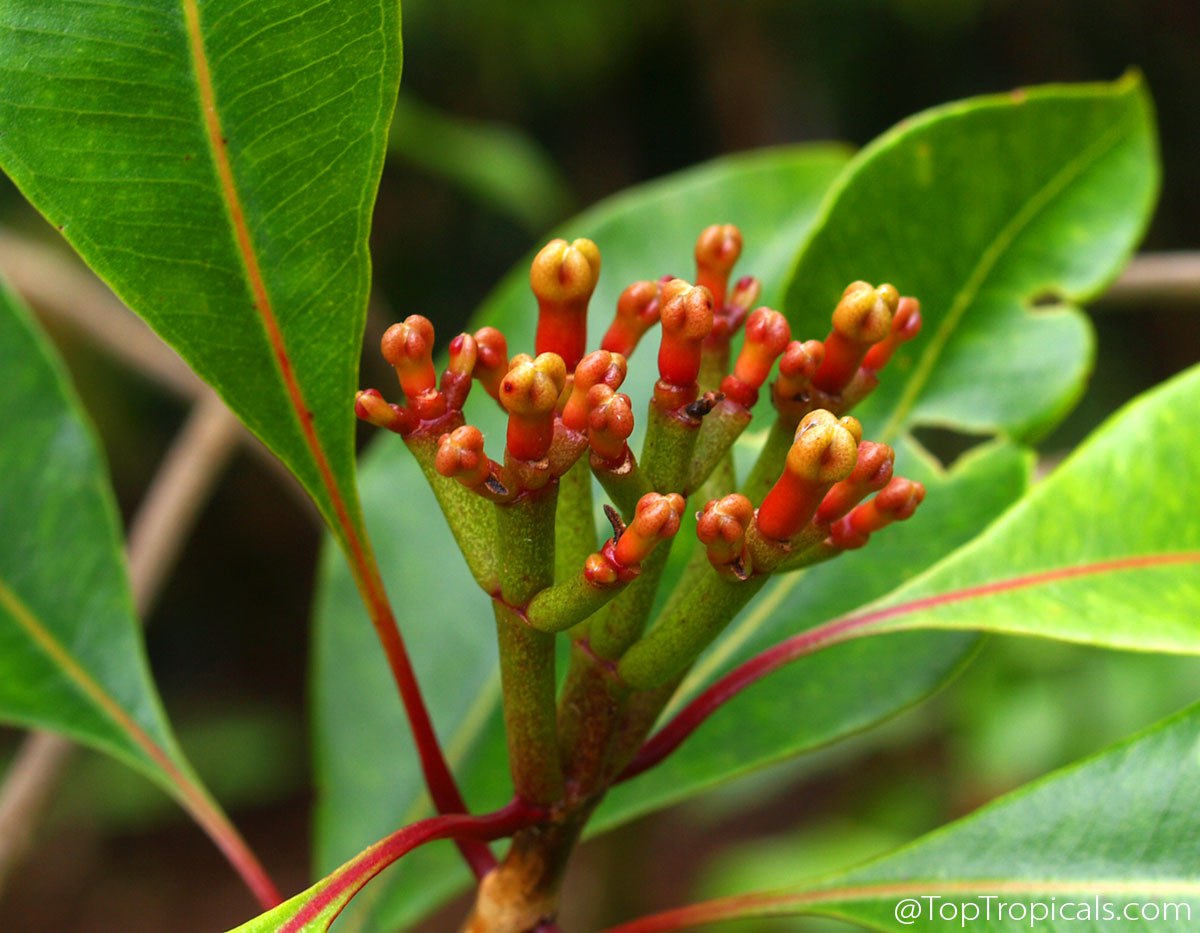
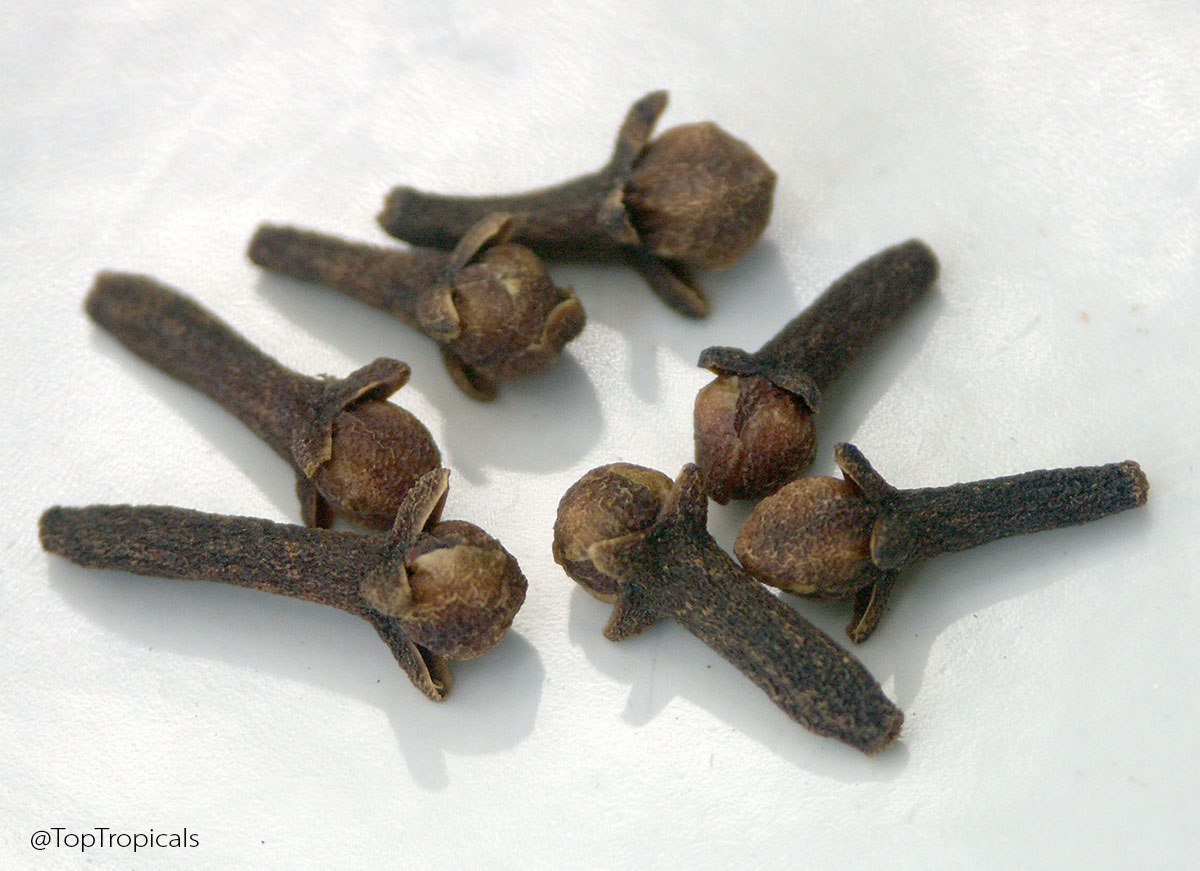
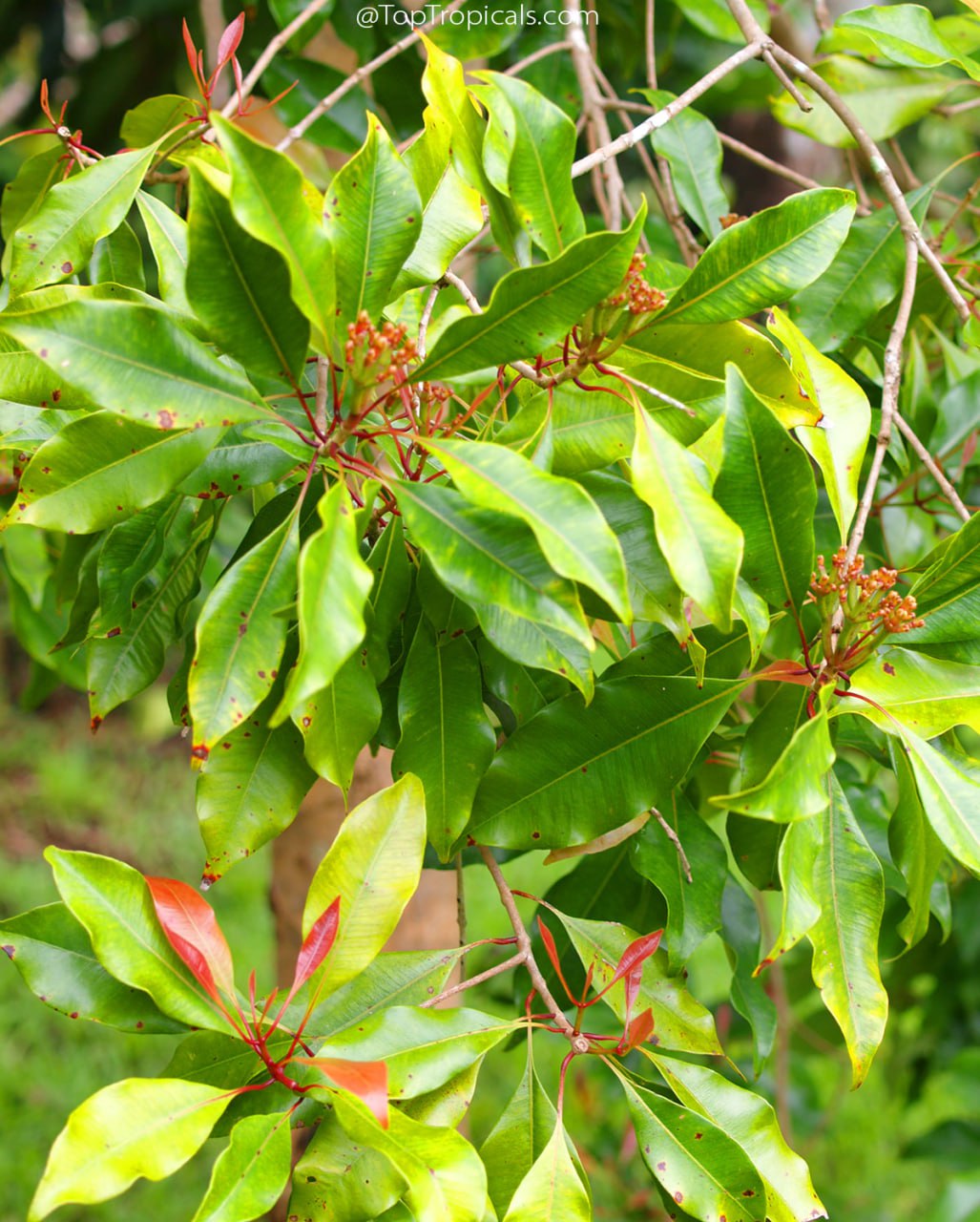
🌿 That would be Clove, from the tropical tree Syzygium aromaticum. The spice is actually the dried, unopened flower buds. They turn from pink to brown as they dry and release that powerful, warm aroma we associate with baking and holiday dishes. Cloves are native to the Moluccas, or Spice Islands of Indonesia, and are still grown widely across the tropics. The clove tree is ultra-tropical and very challenging to grow outside the true tropics, which is why it’s so rare in plant collections.
📸 Photos 1-3.
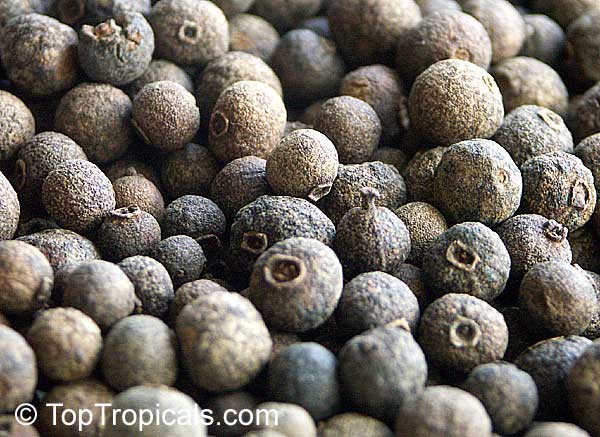
🌿 Another spice with a similar story is Allspice, from Pimenta dioica, also known as the Jamaica pepper tree. Unlike clove, it comes from dried unripe berries, not flower buds, but it earned its name because its flavor tastes like a mix of cloves, cinnamon, and nutmeg all in one! The Allspice tree is much easier to grow, as it isn’t as fussy as the clove tree - though still frost-sensitive. It's compact and easy to keep in a container. This tree brings joy to your life and spice to your kitchen right away, so you don’t need to wait for years for the fruit of your labor! 📸 Photos 4-5.
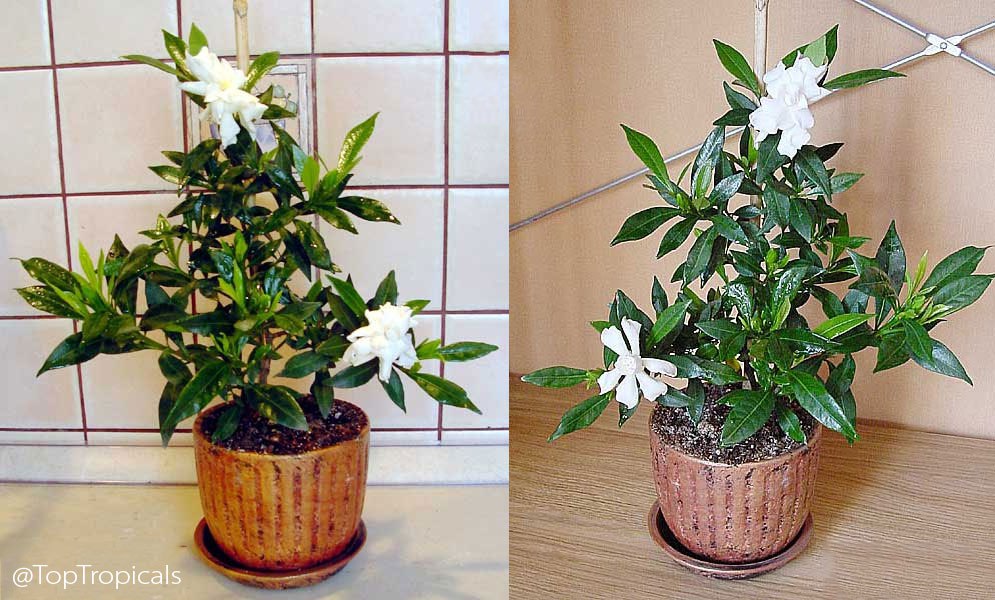
Gardenia radicans - Dwarf Miniature Creeping Gardenia - can surprise even longtime gardenia fans. It has all the charm of the classic shrub - glossy green leaves, pure white flowers, and that unforgettable fragrance - but in a smaller, easier form.
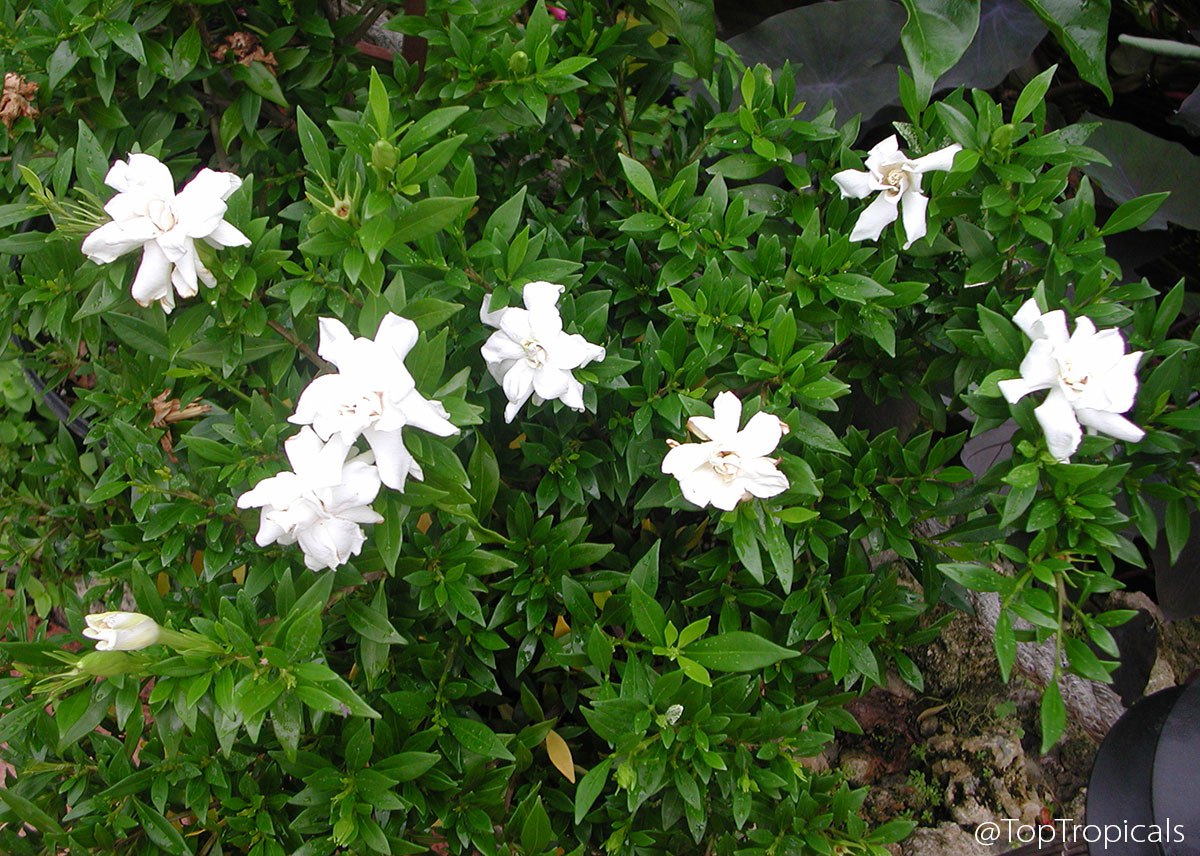
Natural bonsai. This little plant grows low and wide, staying under 1-2 feet tall and spreading up to 3-4 feet. It forms a dense mound or creeping groundcover that looks great along walkways or spilling from a pot. The leaves are tiny and shiny, giving it a neat, polished look all year.
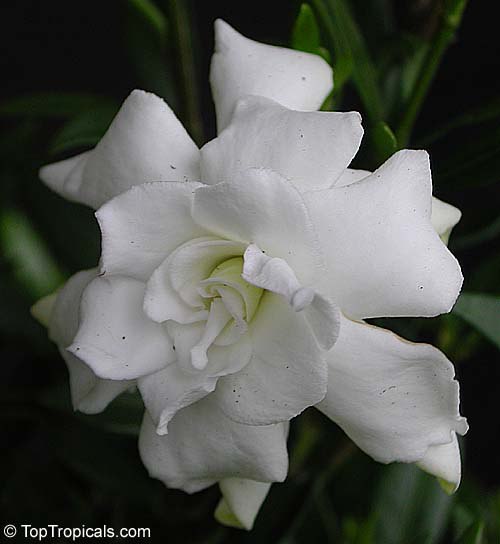
The flowers are about an inch across, double or semi-double, and smell just like the full-size gardenia. They bloom in spring and often return through summer, filling the air with perfume.
Easier than other gardenias. Gardenia radicans isn’t as fussy as most gardenias. It can handle clay, sandy, or loamy soil as long as it drains well. Once established, it’s fairly drought-tolerant and can even handle some cold, down to around 15F in protected spots.
Where to plant. It's perfect for small gardens, patios, or as a bonsai. You get the luxury fragrance of a gardenia without needing a big space. Use it as a groundcover, edging plant, or container specimen. It's one of those plants that stays tidy, looks refined, and keeps blooming. For anyone who loves gardenias but wants something compact and low-maintenance, Gardenia radicans is a great find.
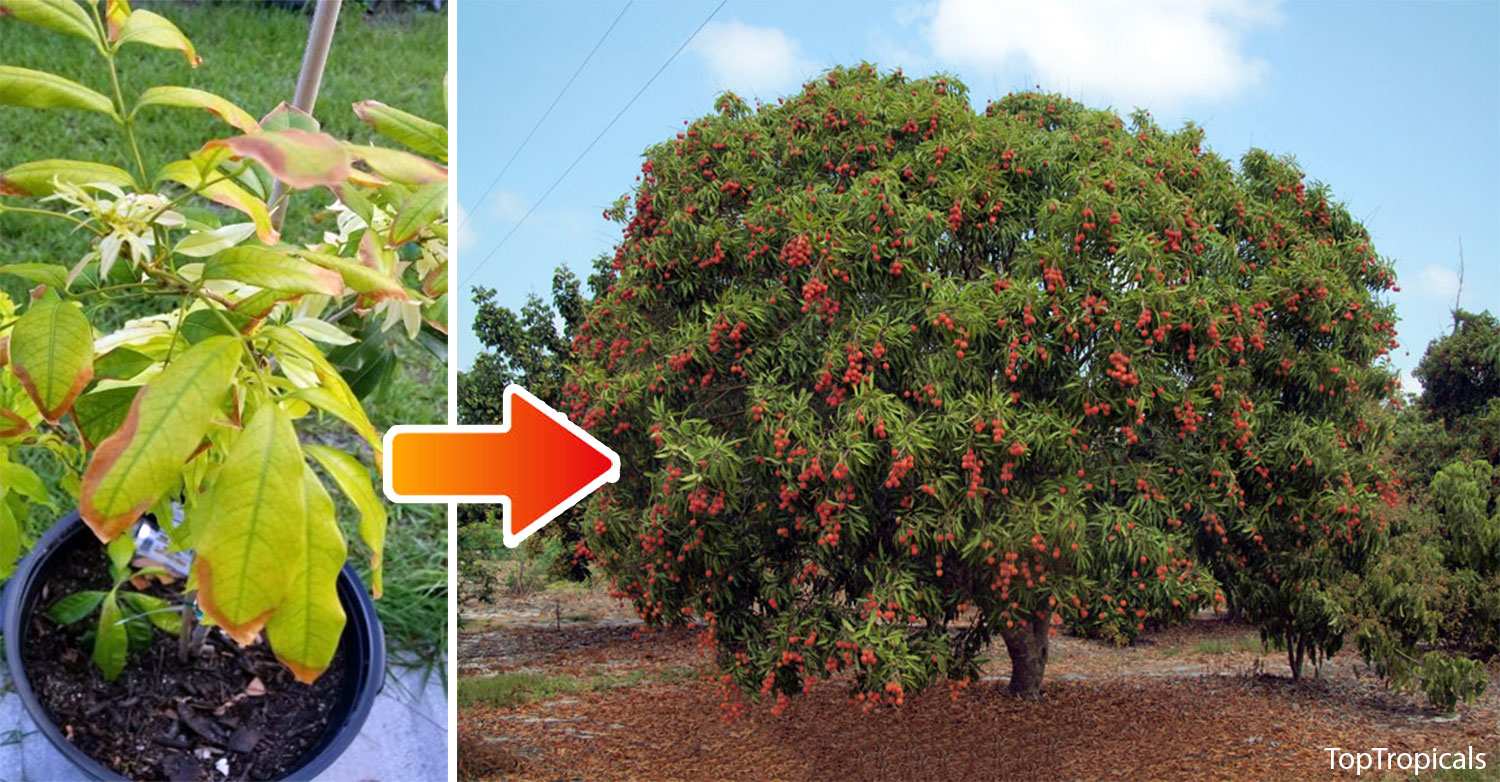
Q: Look at my sad looking Lychee tree. Can you share with me any ideas about this tree condition?
A: From the photo (left), we see a few potential issues. The problem might be due to a combination of factors such as a heavy potting mix with poor drainage, over-watering, an underdeveloped root system sensitive to these conditions, leaf burn, and a lack of nutrients.
Suggestions for fixing the problem
1. Soil mix. First, assess the quality of the soil. If the plant has been in the same pot for a while, the soil at the bottom may have become compacted, leading to poor drainage. If this is the case, carefully remove the root system from the existing soil (by removing excess soil around the roots without disturbing the roots themselves). Repot the tree into fresh, well-draining potting mix with good drainage characteristics, which typically contains materials like bark and perlite. Ensure that the new pot is exactly the size of the root ball; using a significantly larger pot can lead to soggy conditions that harm the roots.
2. Light. Place the potted tree in an area with filtered light, avoiding direct sunlight throughout the day.
3. Water. Control the watering. During this recovery period, your plant will need very limited water until it shows signs of improvement and new growth. After repotting, water it thoroughly just once, and avoid watering again until the top layer of soil becomes dry. Then, water as needed. Avoid keeping the soil consistently wet, especially during rainy periods. Protect the plant from excessive rain.
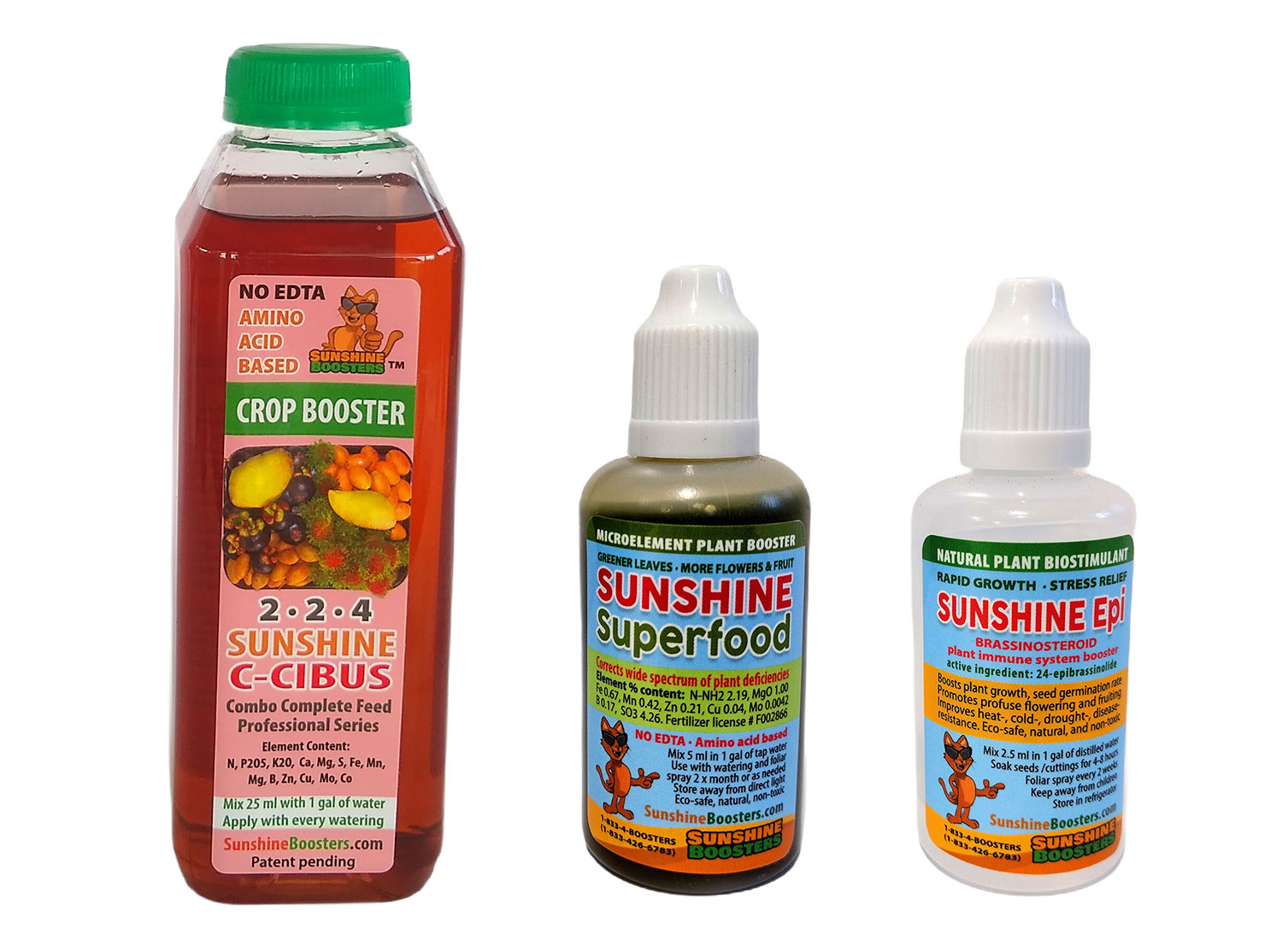
4. Supplements. Consider applying Sunshine Superfood micro-elements following the label instructions, once a month. Additionally, using Sunshine Epi bio-stimulant, sprayed every other week, can help the plant recover from stress and encourage growth. You can also use Sunshine C-Cibus at half the recommended concentration with each watering. Hold off on any other fertilizers until the plant has sufficiently recovered and begins to show signs of new growth.
5. Transplanting. If you plan to transplant the tree into the ground, it's advisable to wait until
spring when nighttime temperatures consistently stay above 65F for at least two weeks.
6. Temperature. Keep the tree in a warm environment. When temperatures drop below 50F, bring it indoors.
These steps should help the tree recover, grow healthy leaves, and establish a better root system, preparing it for successful transplantation into the ground or a larger container, ensuring a happy and productive life ahead.