Date: 24 Jun 2018
Plant Horoscope. Virgo Zodiac lucky plants: Crape Myrtle and Laurus nobilis
Virgo - 8/23-9/22. Virgo is an EARTH sign ruled by the planet Mercury, which also rules Gemini. Virgo is traditionally the Goddess of the Grain, and is associated with autumn. Her plants often have finely divided leaves or stems, subtle odors, or small, brightly-colored flowers. The most beneficial plants for Virgo are high in potassium and help to calm the nerves. In its rulership of Virgo, Mercury governs the abdomen and the lower intestinal tract and the entire digestive process. Herbs associated with Virgo assist in digestion (as do Cancer herbs) and help to reduce flatulence. The relaxing, calming scents help Virgo release stress and worries.
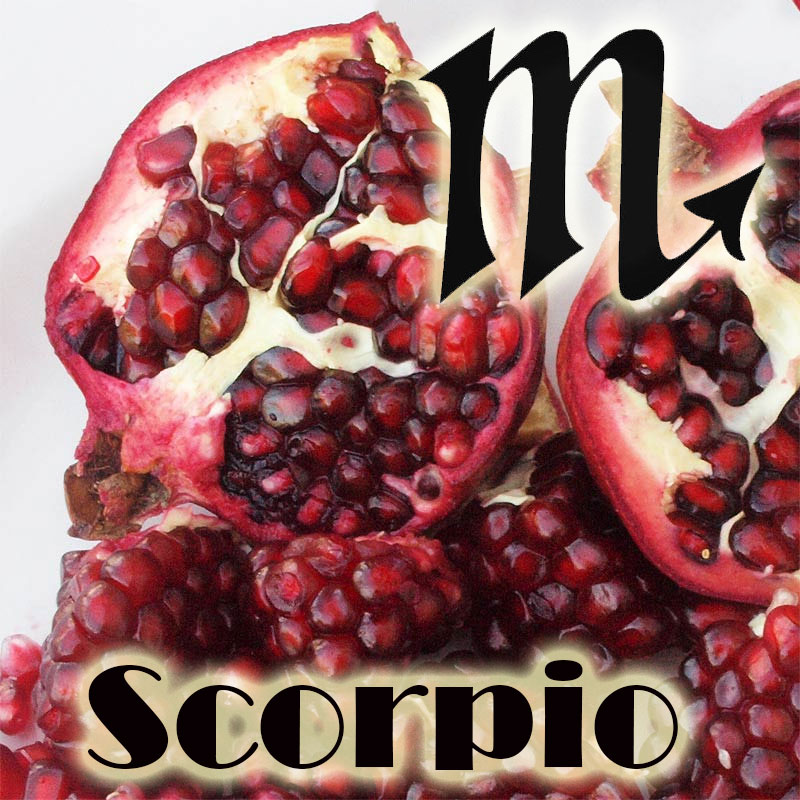
Virgo
Zodiac lucky plants: Amorphophallus, Dill,
Barringtonia, Bolusanthus, Dioscorea, Grewia asiatica
(Falsa), Hibiscus Karkade, Iboza riparia, Lagerstroemia
Queens Crape Myrtle, Laurus nobilis (Bay Leaf), Lippia,
Melissa, Catnip, Mint, Arugula, Piper betle, Piper
sarmentosum, Psychotria, Clove, Banisteriopsis, Papaya,
Mesua ferrea (Ironwood), Assai Palm, Jacaranda, Pimenta
dioica (Allspice), Petrea, Plumbago, Clitoria, Eranthemum,
Litchi, Cashew, Pecan, Nut trees, Cherries, Lavender,
Sansiveria, Aloe vera, Blackberry, Honey suckle, Satureja,
Vitex, Mulberry, Elaeocarpus, Feronia elephantum (Bel
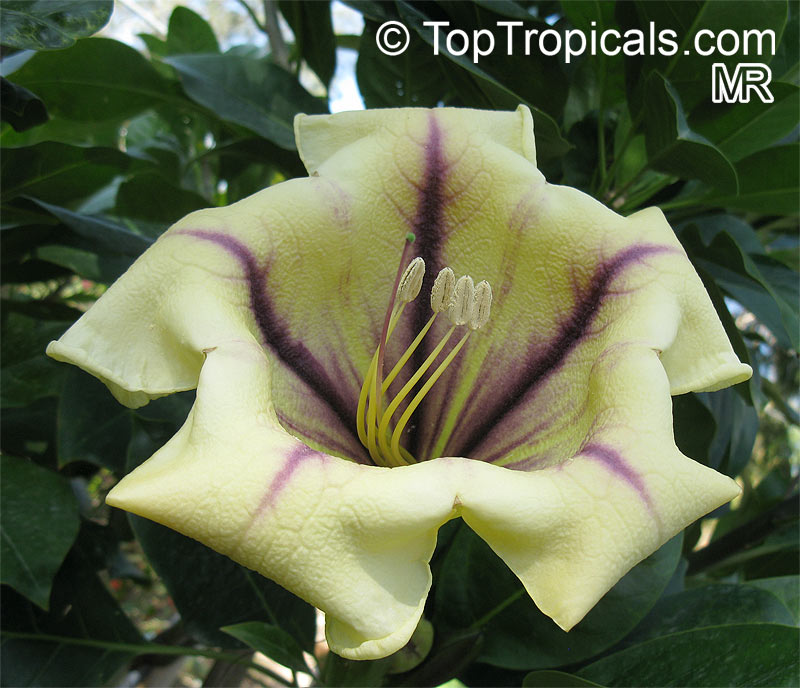
Fruit). On the photo: Sauromatum venosum - Voodoo Lily.
For links to these plants and other signs information, see
full Plant Horoscope
Date: 24 Jun 2018
Plant Horoscope. Sagittarius Zodiac lucky plants: Fig and Baobab
Sagittarius
- 11/22 - 12/21. Sagittarius is a FIRE sign
that is ruled by the large and optimistic planet Jupiter.
Archer's plants tend to be large in size and fairly
conspicuous, with a pleasant odor. They may have large, or
elongated leathery leaves and showy flowers.
The best plants for Sagittarius will support the body's
largest glandular organ, the liver. The planet Jupiter
also rules the hips, thighs, lower spine, and the
autonomic nervous system, as well as the process of growth
and preservation. Herbs related to Jupiter have
traditionally been used to treat lower back problems
(including sciatica and lumbago), arthritis, and
rheumatism. Herbs with a high silica content are related
to Sagittarius (they promote a positive frame of mind), as
are plants with large taproots and trees that produce
fruit and nuts. Illnesses of Jupiter are said to arise
from immoderate consumption. Basil is an herb that's both
expansive and cheerful - just like Sagittarius - and its
reputation as a money attractor resonates with this sign's
generous nature as well. Use this happy herb when you want
to infuse your life with fun and prosperity!
Sagittarius Zodiac lucky plants: Mulberry, Ceiba, Chonemorpha, Beaumontia, Baobab, Grapefruit, Anise, Sage, Cinnamon, Blueberry, Thistles, Nut trees, Lemon, all Ficus trees, Peepal, Fig, Coleus, Basil, Banana, Mango, Ironwood Mesua ferrea, Clematis, Peony, Jasmine, Nutmeg, Mint, Tea, Date palm, Guava, Jambul, Maple, Magnolia, Teak, Bird of Paradise, Heliconia, Showy Gingers.
For other signs information, see full Plant Horoscope
Date: 24 Jun 2018
How much water?
Q: I have purchased many tropical plants from you throughout the summer and now I need to think about how not to kill them overwintering in my NY apartment. I was told that overwatering can be a big problem for house plants in winter. How much should I water, and how many times per week?
A:
Overwatering in the number one cause of the houseplant
death. But be sure not to underwater, either.
- Don't water on the fixed schedule, get to know
your plant's needs instead. Most plants only need watering
when the top 1/2"of potting mix is try. gently poke your
finger into the soil to test it. Some experience gardeners
go by weight of the pot - a very light pot will have a dry
mix.
- Aim to make the potting mix moist, but not wet.
Most plants hate sitting in soggy potting mix, so always
let excess water drain away.
- Potting mix in terra cotta pots dries out more
quickly than that in plastic or ceramic pots,
because terra cotta is a porous material.
- Most plants need less water in winter because
they are not actively growing and need this period of
winter rest. However some plants are winter bloomers and they may
need regular watering providing bright light to produce
flowers, for example clerodendrums
Date: 8 Nov 2024
Six colorful plants for your indoor garden
Sanchezia stenomacra - Blood Red Feather
Anthurium vittariifolium- Long Leaf Anthurium
Clinacanthus nutans - Snake plant, Phaya-Yor
Aeschynanthus speciosus - Lipstick Plant
Tibouchina multiflora (grandifolia) - Glory bush, Quaresmeira
Calathea zebrina - Zebra Plant
🌈 Six colorful plants for your indoor garden
🎶 Q: I've read your post about growing tropicals indoors and you got me inspired! Can you recommend something unusual, colorful and bright, preferably with flowers, that I can grow as house plants?
🌸 A: House plants don't have to be boring and just green! Below are a few excellent choices for your indoor garden that will brighten your sunroom. Just make sure to follow the 10 key tips for growing tropical plants indoors.
- Sanchezia stenomacra - Blood Red Feather - spectacular red feathery blooms and and soft, fussy leaves.
- Anthurium vittariifolium - Long Leaf Anthurium - super rare, an eye stopper, with long leaves up to 2 ft long, and bright pink fruit.
- Clinacanthus nutans - Snake plant, Phaya-Yor - exotic flower from Thailand resembling snake's open mouth.
- Aeschynanthus speciosus - Lipstick Plant - popular house plant with bright showy orange blooms.
- Tibouchina multiflora (grandifolia) - Glory bush, Quaresmeira - can be grown outside in Southern gardens, as well as in a pot indoors. Showy purple flowers, velvet leaves are wonderfully soft 6-8"in diameter!
- Calathea zebrina - Zebra Plant - the brightest zebra-striped large leaves up to 1 ft long.
👍 What flowering plants do you grow in shade? Share in comments⬇️
🛒 Shop indoor garden
#Container_Garden
🔴 Join 👉 TopTropicals
Date: 31 Jul 2025
Anthurium Collector Set
These aren't your typical tropicals - they're collector-grade Anthuriums grown for foliage and texture. Each one brings something different, but they all thrive in the same kind of setting: shade or filtered light, warmth, and humidity. Perfect for growing in containers indoors or out.
Anthurium Black Dragon
This is the most dramatic of the trio. Upright, leathery leaves shift from dark green to nearly black depending on light. Instead of bright flowers, it produces a dark brown spadix and glowing red berries. A hybrid not found in the wild, it's grown from seed - no two are exactly alike.
- Best for: Indoor focal plant, shaded patio, black ceramic pot
- Height: 2–4 ft in container
- Texture: Thick, architectural leaves
- Highlight: Color shifts with light intensity
Read more about Black Dragon Anthurium
Anthurium hookeri – Giant Bird's
Nest
This one's about scale. Broad, crinkled leaves with a cardboard-like texture form a bold rosette. It can get huge with time - up to 6 feet across. Perfect for gardeners who want the "instant jungle" look.
- Best for: Shaded garden, large pots on porches
- Height: Up to 5 ft; width even more
- Texture: Wrinkled and leathery
- Highlight: Bright red berries in maturity
Buy Giant Bird's Nest Anthurium
Read more about Giant Bird's Nest Anthurium
Anthurium vittariifolium – Long
Leaf Anthurium
Graceful and rare, this species sends out narrow strap-like leaves that can reach 5–6 ft long. Ideal for hanging baskets or mounting. Bonus: it produces small pink fruit against deep green foliage.
- Best for: Hanging displays, vertical planters, bright bathrooms
- Height: Leaf length, not upright height - up to 6 ft
- Texture: Smooth, ribbon-like
- Highlight: Cascading growth and color contrast
Read more about Long Leaf Anthurium
✅ How to Care for Anthuriums
- Light: Bright, indirect light is best. Avoid direct sun, especially mid-day. These plants evolved in rainforest understory - think "dappled light under trees."
- Water: Keep the soil lightly moist but not soggy. Let the top inch dry before watering. They hate wet feet.
- Humidity: These are tropicals - they'll do fine in 50-60% humidity, but thrive at 70%+. Use pebble trays or place near other plants. Bathrooms with windows work great.
- Soil: Use an airy mix: orchid bark + perlite + peat or coco coir. Drainage is key. Never use plain potting soil.
- Fertilizer: Feed with SUNSHINE Robusta every 2–4 weeks during warm seasons. It's formulated for aroids and won't burn roots.
- Potting: Use shallow, wide containers. Repot only every 2–3 years, or when roots crowd the pot. They don't like frequent disruption.
- Temperature: Ideal: 65–85 F. Short dips to the 30s F are tolerated by mature plants, but avoid cold drafts.