Date: 5 May 2023
Severe weather:
How to help your plants survive
By Ed Jones, the Booster Guy
Q: A horrible hailstorm hit last night, damaging the majority of plants and trees on my property (piles of hail left like snow - crazy!). Do you have any advice on how to give plants some extra TLC while they recover? Any tips are appreciated.
A: Spring is here and in some areas of the country, so is severe weather season. So what can you do to give your plants a fighting chance when Mother Nature shows her ugly side? Here in Florida, spring and summer thunderstorms are a normal occurance. Unfortunately, those storms often come with small tornados, high winds and sometimes hail.
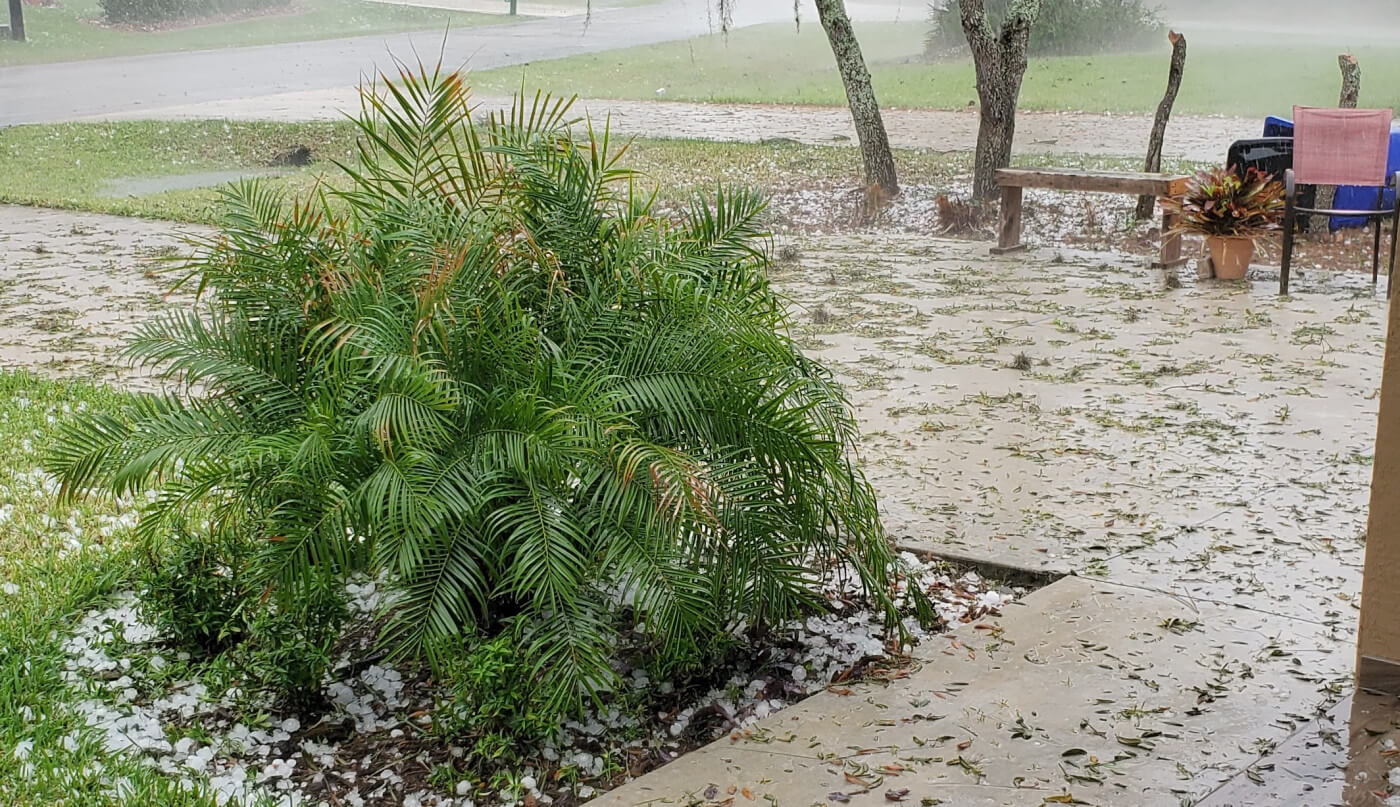
The photo below was from a hail storm that came through the north side of Sebring, Florida in April of 2022.
So the question remains. What can we do to help our plants when this type of weather strikes? Well the short answer is that there is not much we can do to prevent it from happening. These storms usually strike pretty quickly and most of us, given some warning, will chose to make sure vehicles are in the garage if possible and that loose items in the yard are brought in to a safe place. If you have time to move potted plants, that would be great, but it is not worth risking your own safety to do so.
The good news is that most plants will recover on their own. Even though they may look ugly for a while, patience is the best cure for most of them. Of course, the healthier the plant, the better chance it will have when it suffers damage due to severe weather. A good fertilizer plan along with regular doses of micronutrients will help your plants to be at their best so that they can recover quickly. And here is what you can do... CONTINUE READING >>
Date: 13 Aug 2019
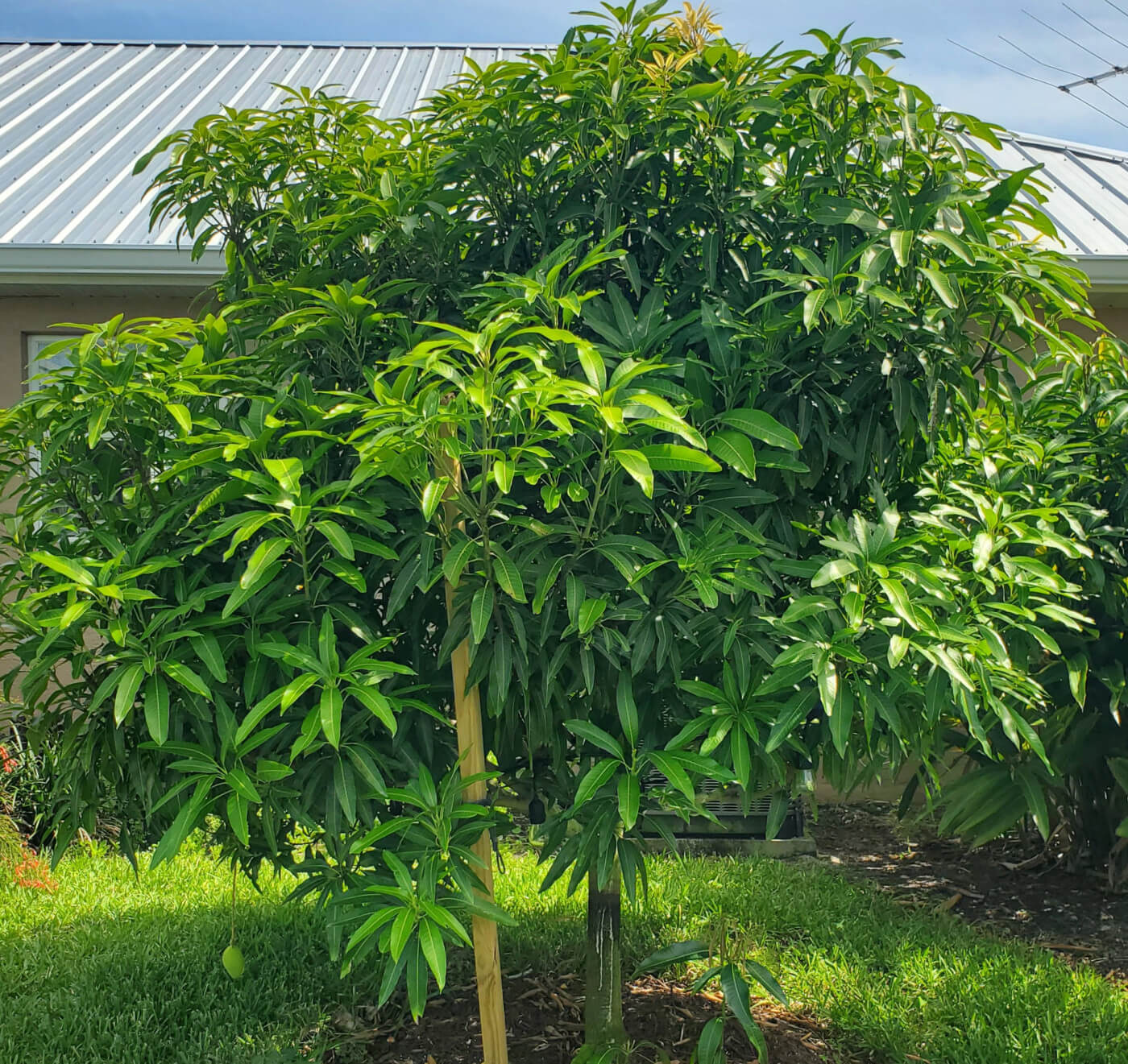
Caring of Soursop in container
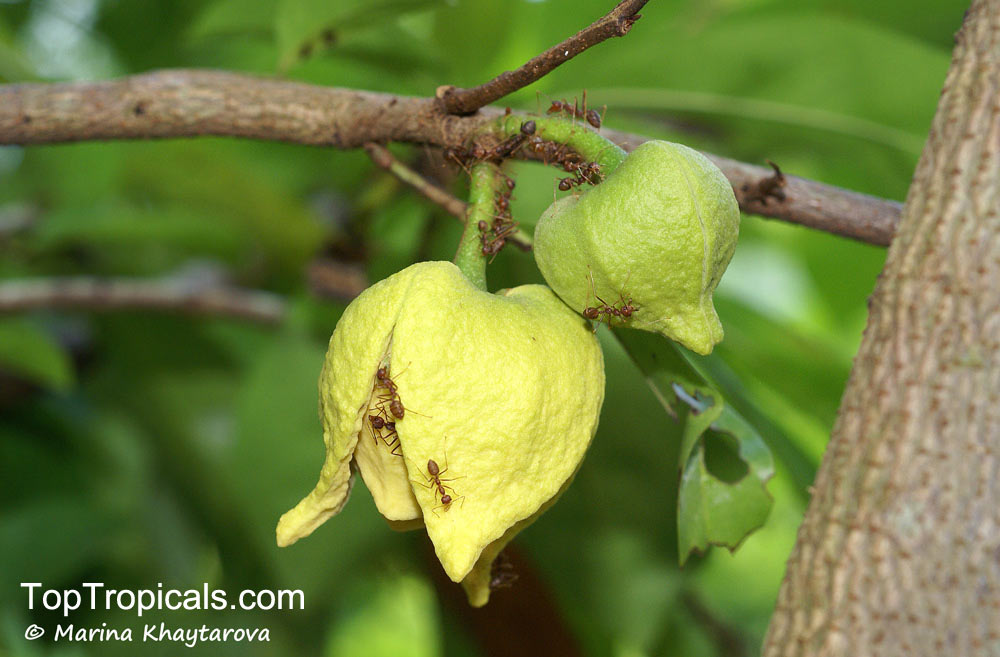
Q: I have ordered dozens of trees from you and have a question about Soursop. I have a Soursop in a container and ants and aphids are under new leaves. Do Soursop like little water? I water almost everyday living in southern Los Angeles it's been around 76-80F. I spray the aphids and ants off with a mist setting on my hose. They come back every day. They're only on new leaves...
A: First of all, you don't have to remove the ants iа they
don't bother you. Ants are good insects, they do not harm plants; most likely
they are attracted by a sweet sap - aphid by-product. Ants clean up a plant,
and they may even take care of some bad insects.
It is not difficult to get rid of aphids. Use a safe treatment: in a
small spray bottle, mix 1 cup of warm water, 1 teaspoon of dish soap and 2
tablespoons of any cooking oil (if you have Neem oil or Horticultural oil - even
better, but prepare, they are pretty stinky). Spray the leaves with this
solution to a dripping point. Repeat in a few days if needed. This simple remedy
will take care of the aphids.
Daily water may be ok for the plant during hot weather, as long as the
soil is not constantly moist. Let the surface of the soil get a little dry
between waterings.
Recommended fertilizers for fruit trees:
Fruit Festival Plant Food - Super Crop Booster
Mango-Food - Smart Release Fruit Tree Booster
SUNSHINE-Honey - for sweeter fruit
SUNSHINE SuperFood - microelement supplement

Date: 24 Jul 2019
Plants that are not for eating
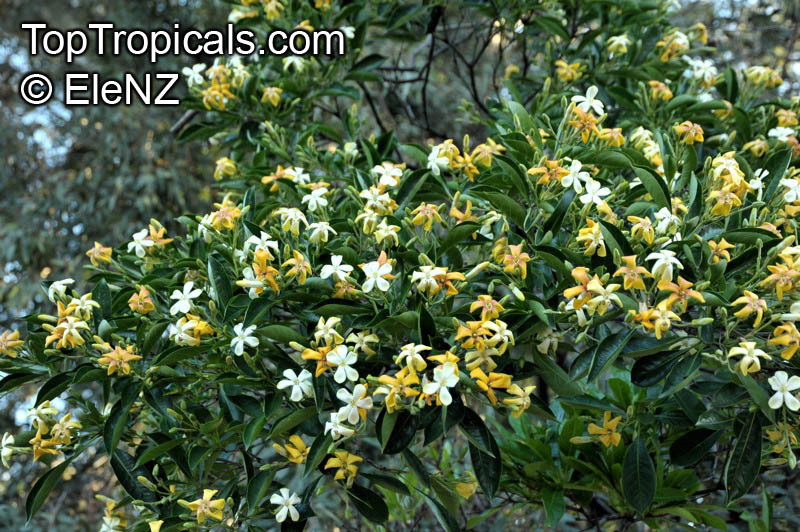
Q: On the website, it says that the pua keni keni tree is toxic. Do you know how toxic? Is it mild irritation or can someone die from ingesting any part of the plant?
A: Pua Keni Keni, Fagraea - seeds (and especially flesh of the fruit) are toxic, so we recommend to always wash your hands after handling them. Obviously, nobody in our team ever tried to eat them to check how toxic they are and if they are deadly.
In general, one must be careful when using plants for purposes other than ornamental growing, especially for consumption. While some obvious edibles (cultivated fruit, vegetables, herbs) are generally safe, but some individuals may have severe reactions - for example, many people are allergic to mangoes; other people may be sensitive to only mango leaves.
A number of plants that have parts commonly consumed for food, have other parts toxic or poisonous. Example: Potato - Solanum tuberosum - has edible tubers feeding the whole planet population, but this plant's fruit is highly toxic and even deadly if eaten. Fruit from a Potato plant look like tiny little green tomatoes since Potato belongs to the same family as Tomato - Nightshade, but it is super poisonous, while Tomato fruit is perfectly edible. So one must watch out and especially educate little children about not tasting anything directly from the garden.
As far as animals concern, in Nature they know what is poisonous and what is edible. Have you ever seen dead birds around a tree with poisonous fruit/seeds? Animals have their own sense for it. So if your concern is for pets, it is normally safe to have pets around plants with irritating or even poisonous parts. However, if your dog has a bad habit of chewing on stuff, you may use extra caution there.
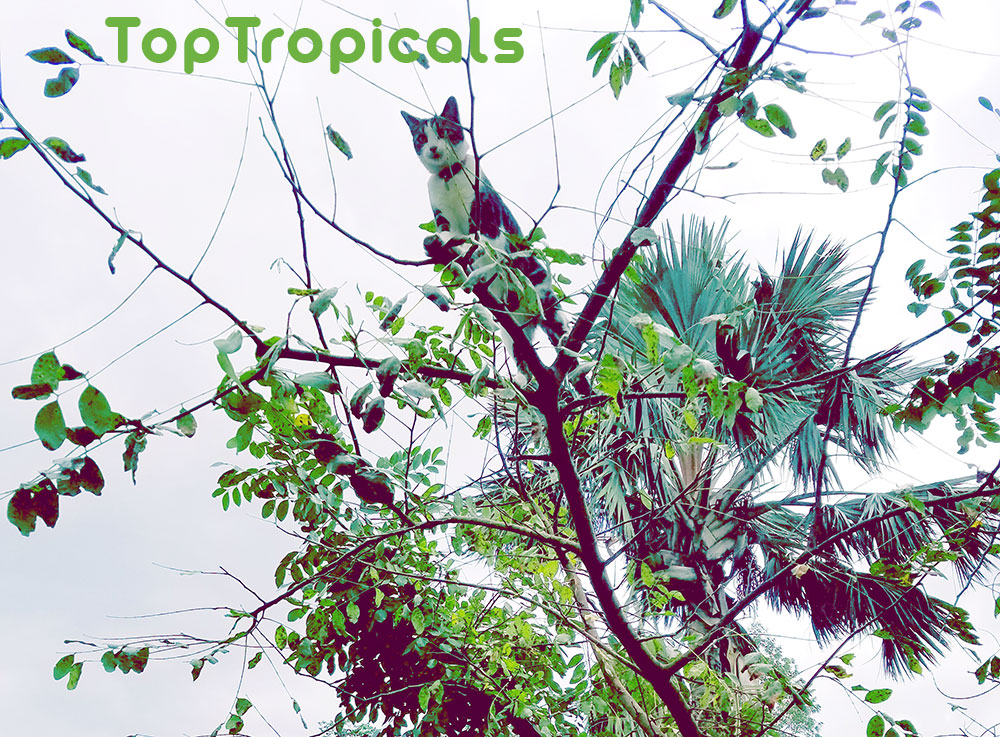
Photo below:
Riki-Tiki-Tavi exploring TopTropicals Gardens.
Date: 22 Apr 2022
Spend time among trees...
"...Time spent among trees is never time wasted..."
- Katrina Mayer -
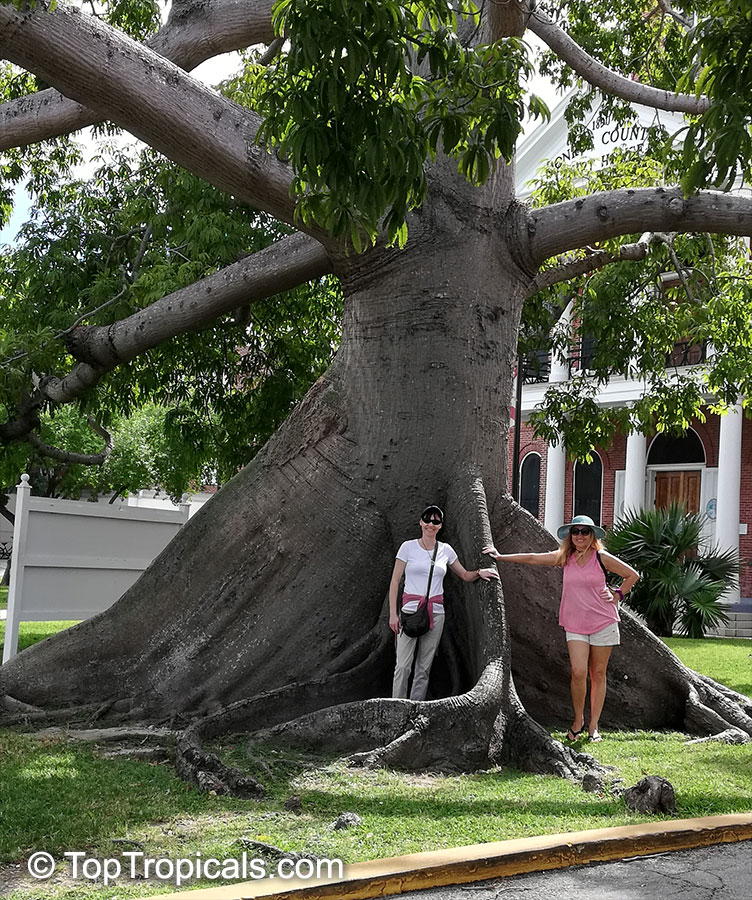
One of the most impressive and massive trees in the world - Ceiba pentandra - Kapok Tree. A majestic tropical tree! The ancient Maya of Central America believed that a great Ceiba tree stood at the center of the earth... Would you like to try growing it in the center of your backyard? Considering it will take decades to grow this big...
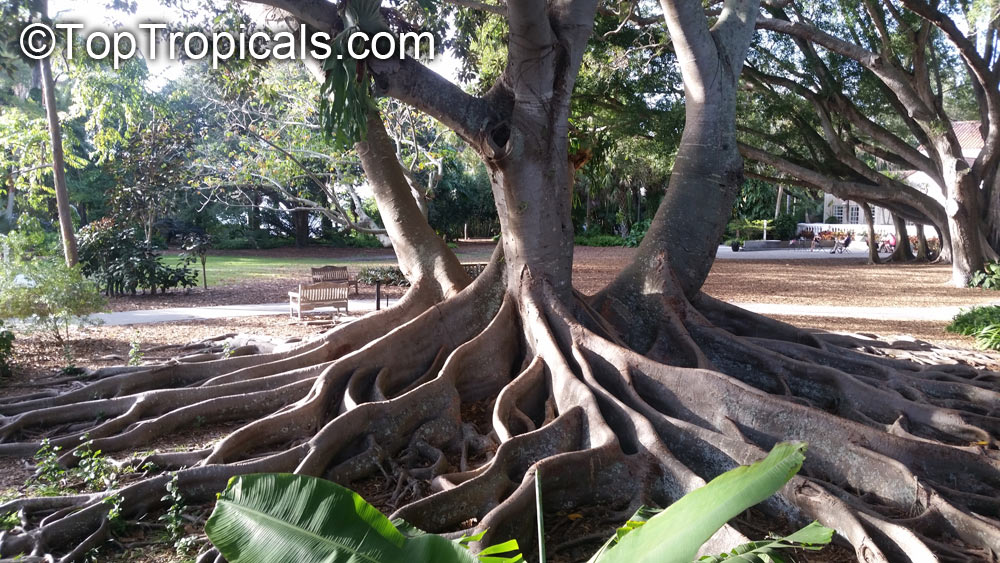
Ficus macrophylla (Banyan). Did you know that exotic Banyan Trees are close related to Fig trees
Date: 29 Aug 2021
Those mouthwatering Blackberries...
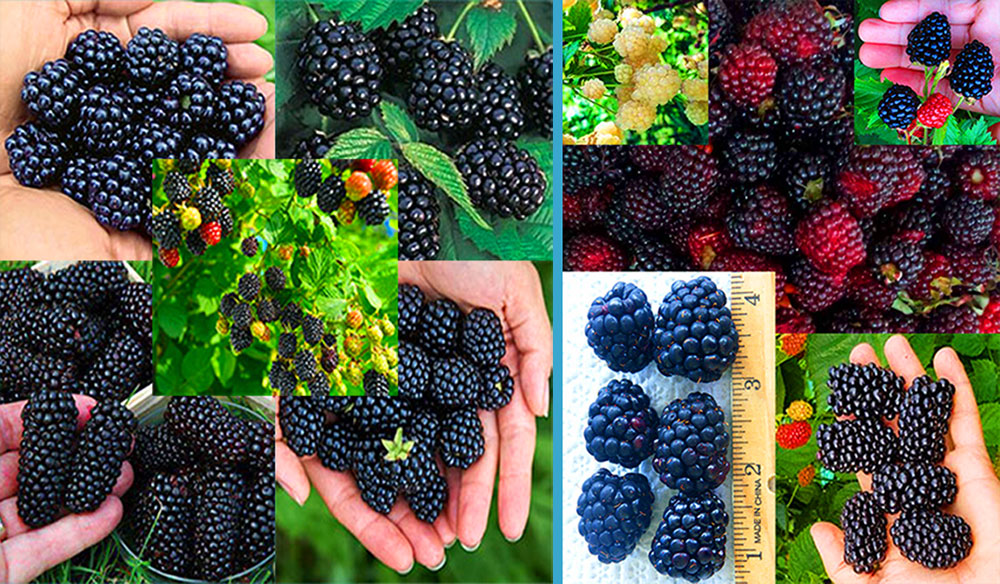
Blackberry Patch Bundle Exclusive Collection
Two Collections of Superior Blackberry Varieties, well adopted to tropical and subtropical climates. Mouth watering, all time favorite fruit will be always with you - these plants are so easy to grow!
Blackberry Patch Bundle Exclusive Collection - buy 3 get 2 free.
The Collection includes 5 blackberry varieties: Navaho, Osage, Ouachita,
Triple Crown Thornless, Iceberg White Blackberry.
Blackberry Patch Bundle Premier Collection - buy 3 get 2 free.
The Collection includes 5 blackberry varieties: Arapaho, Caddo, Kiowa,
Natchez, and Prime-Ark Freedom.

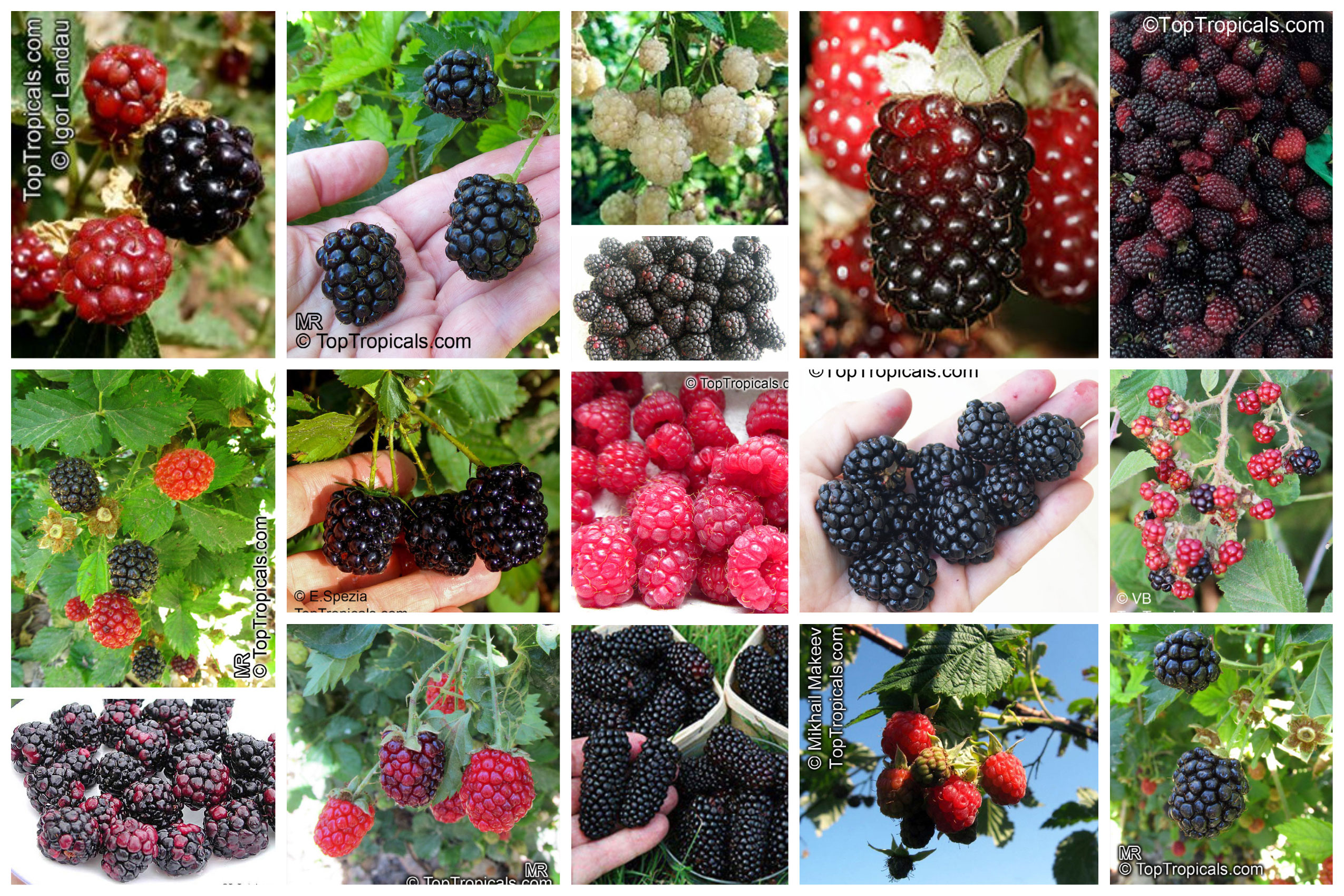
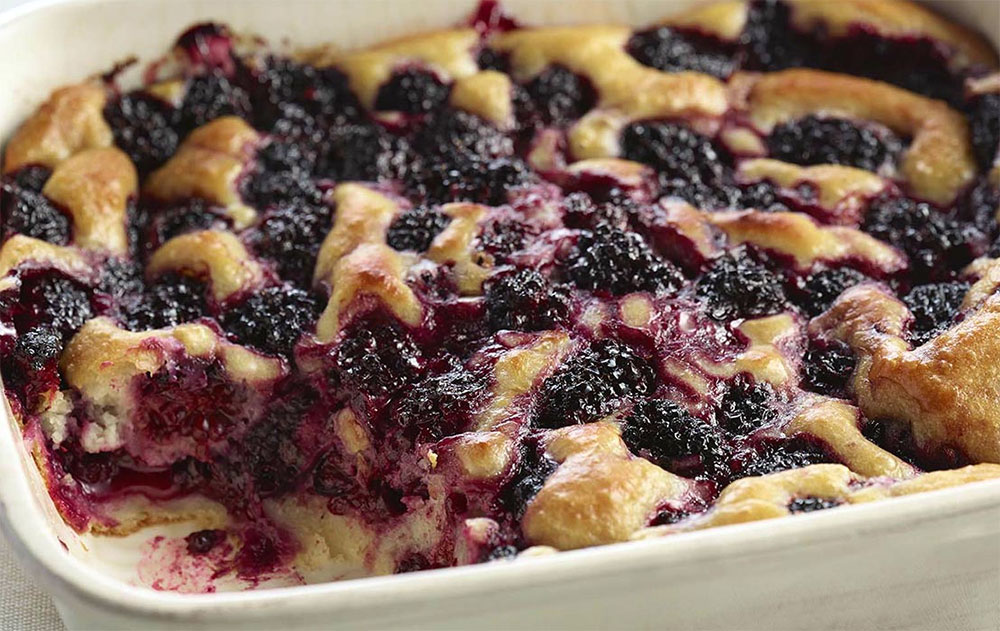
Mouth Watering High Protein Blackberry Cobbler
Ingredients
25g light butter
45g self-rising flour
33g vanilla whey
20g egg whites
50g almond or cashew milk
75g blackberries
Stevia/Splenda to taste
Instructions
Preheat oven to 350 degrees F. Melt butter half-way so it's just warm, not hot. In a mixing bowl, combine all ingredients except for blackberries. Pour into a 4-5"ramekin sprayed with Pam. Sprinkle blackberries on top of batter and bake for 15-20 minutes. It's best slightly gooey on the inside (not completely cooked). Enjoy!