Garden Blog - Top Tropicals

Date: 14 Jun 2025

Fathers Day Celebration at Top Tropicals on June 14, 2025

Father's Day Celebration at Top Tropicals on June 14, 2025

🎊 Father's Day Celebration at Top Tropicals on June 14, 2025 🎉

🎉 A huge thank you to everyone who joined us for our Father's Day Plant Market! We loved seeing so many familiar faces, welcoming new friends, and sharing the joy of nature together.

🎉Our friendly #PeopleCats were hard at work, guiding guests through the garden as they picked out the perfect plants to brighten their spaces. The energy was vibrant, and the smiles were endless!

🎉If you see yourself or your friends on the photos, save or forward to share the memories! We wish you the best of luck with all your new plants, and we can't wait to see you again at our next event. Happy planting!

🎉Your TopTropicals Team works hard in the field and is always happy to help with your garden needs, plant selection, delivery, and installation: Kristi, Jamie, Onika, Damien, Chiane, Ashley, Beatriz, Fermin, Mark... and the #PeopleCats! 🌈

📸 See more photos of the Event

🟢 Join 👉 TopTropicals
Date: 16 Jun 2025

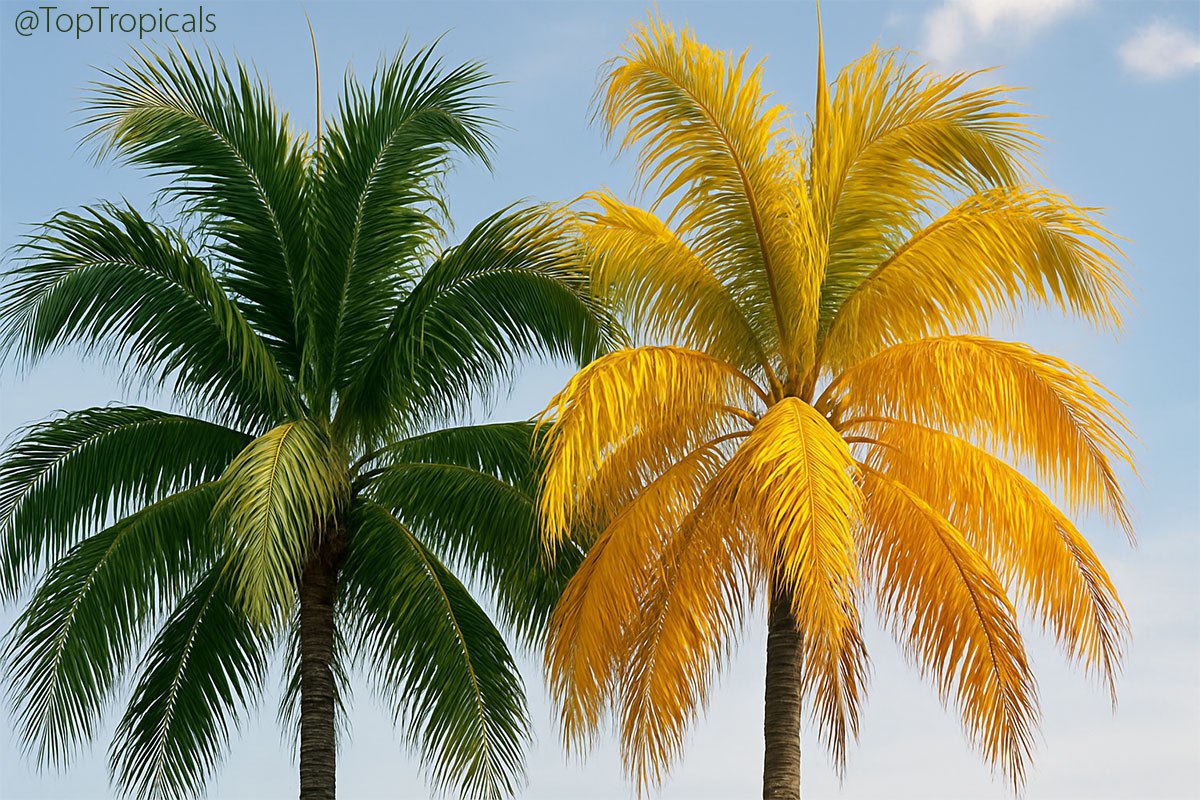
Why is my palm tree turning yellow?

Green and yellow palm

Green and yellow palm

🌴 Why is my palm tree turning yellow?


Yellowing leaves are a common concern with palms and can be a sign of several issues, most commonly: nutrient deficiency and pests or disease. Additionally, leaf yellowing may be a sign off overwatering or poor drainage, underwatering, or cold damage.

✔️ Nutrient deficiency


Nutrient deficiency is the most frequent cause of palm issues. Palms are heavy feeders, and even a slight imbalance can lead to yellowing. Lack of nitrogen, magnesium, iron, or potassium is the leading cause.

✔️ Signs of nutrient deficiencies:


Magnesium and Iron deficiency is one of the top culprits, especially in sandy soils. It causes older fronds to turn yellow with green veins.
Potassium deficiency causes yellow or orange spots on older fronds.
Nitrogen deficiency leads to overall pale yellowing, especially in new growth.

✔️ How to fix?


Use a slow-release fertilizer with high Nitrogen content, like Green Magic, that includes all these elements; with 16-6-11 grade and 6 months release, it turns plants green very quickly! You can also use a balanced liquid fertilizer like Sunshine Robusta. Additionally, a supplement of magnesium sulfate (Epsom salt) and micro-element supplement containing chelated Iron can help, like Sunshine Superfood (amino-acid based natural product).

✔️ Pests and Diseases


Pests and fungal diseases can lead to yellowing. Check for signs of scale, mites, or fungal and bacterial problems, especially if yellowing is uneven or spotted.

✔️ Signs of pests:


Thrips cause silvery-yellow streaks or mottling
Spider mites, especially in dry conditions, cause yellow speckling
Scale insects can suck sap and weaken fronds
Mealybugs often found in leaf bases and crowns

✔️ How to fix?


Inspect your palm regularly and treat pests early with neem oil, insecticidal soap, or horticultural oil.

✔️ Lethal yellowing


Lethal yellowing is a serious disease caused by a phytoplasma, a type of bacteria-like organism. It affecting mostly Coconut palms and some other species like Phoenix (Date) palms. It causes premature fruit drop, yellowing of fronds starting from the lower ones, and eventual death of the tree.

✔️ How to fix?


Unfortunately, there's no cure, but early removal of infected trees can slow the spread. Disease-resistant coconut varieties are available.

✔️ Other causes


Overwatering or Poor Drainage: Too much water can suffocate roots and lead to yellowing. Make sure the soil drains well and let it dry slightly between waterings.
Underwatering: Dry soil for too long will stress the palm. Water deeply but infrequently.
Cold Damage: Exposure to cold temperatures can turn fronds yellow or brown, especially in tropical varieties.

✔️In most cases, leaf yellowing isn't fatal, but it's a sign your palm needs attention. Focus on balanced feeding, proper watering, and pest checks to keep your palm healthy and green. Trim only fully dead fronds - yellow ones still provide nutrients to the palm. With proper care, your palm should green up again.

🛒 Shop garden supplies

#How_to #Fertilizers

🟢 Join 👉 TopTropicals

Date: 23 Jun 2025

What is the best tasting and most beautiful tropical cherry? Grumichama

Grumichama - Eugenia brasiliensis

🍒 What is the best tasting and most beautiful tropical cherry? Grumichama!

🍒 If you are hunting for a fruit tree that does it all - gorgeous looks, unbelievable flavor, and nonstop productivity - meet Grumichama (Eugenia brasiliensis), the tropical cherry you'll fall in love with!

🍒 Grumichamais a compact cherry tree that steals the show. In spring, the tree transforms into a cloud of delicate white starburst flowers, like fireworks frozen in bloom. The blossoms are pure white with long, golden-tipped stamens, giving them a soft, lacy glow. The entire tree hums with life - bees and butterflies swarm to sip the nectar, turning your garden into a pollinator paradise.

🍒 And then comes the fruit! The cherries are dark purple-black, glossy, and almost too juicy to believe. One bite and you're hooked- sweet, smooth, with hints of cherry, grape, and plum. It's our favorite tropical cherry at Top Tropicals, hands down. So good, you'll eat one - then a handful - and then realize you've picked half the tree. They're that good!

🍒 Grumichama tree is a dream come true for beginners. It tolerates heat, partial shade, even salt spray. It's drought-tough, yet grateful for a little water with a crazy fruit yield - up to 500 fruits per tree. And it's perfect container fruit, so even small-space gardeners in colder zones can grow it. Cold hardy to the upper 20s!

🍒 Even when not fruiting, Grumichama is a stunning ornamental. Shiny evergreen leaves, showy blooms, and a neat, upright form make it a standout in your landscape.

🍒 And the fruit? Packed with vitamin C, fiber, and even a bit of plant protein, it's a sweet treat that’s also healthy. Perfect fresh off the tree, or turned into jam or jelly - if you can stop eating them long enough.

🍒 Start your food forest with Grumichama. It's easy. It's beautiful. And it's the most addictive fruit!

🛒 Start your food forest with Grumichama

📚 Learn more:


Why grow Grumichama? Benefits of Brazilian Eugenia Tree - Cherry of the Tropics

#Food_Forest #Discover

🟢 Join 👉 TopTropicals

Date: 30 Jun 2025

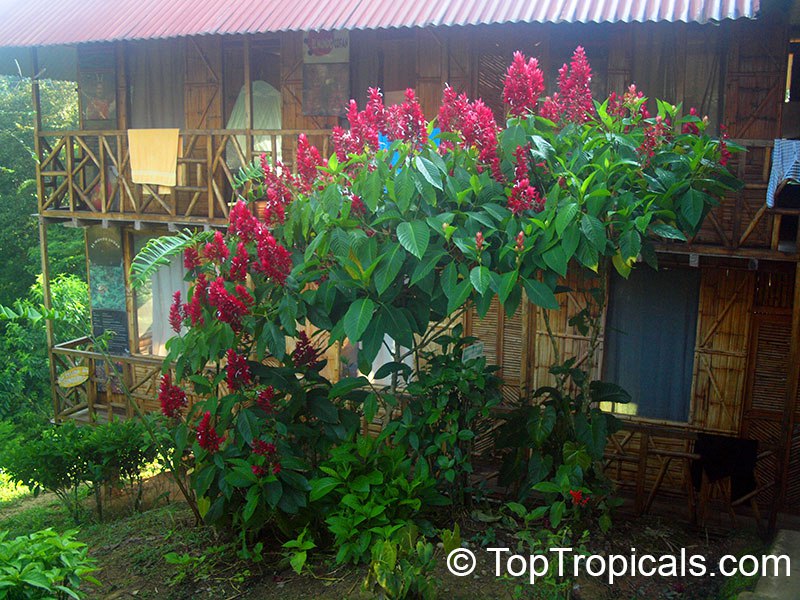
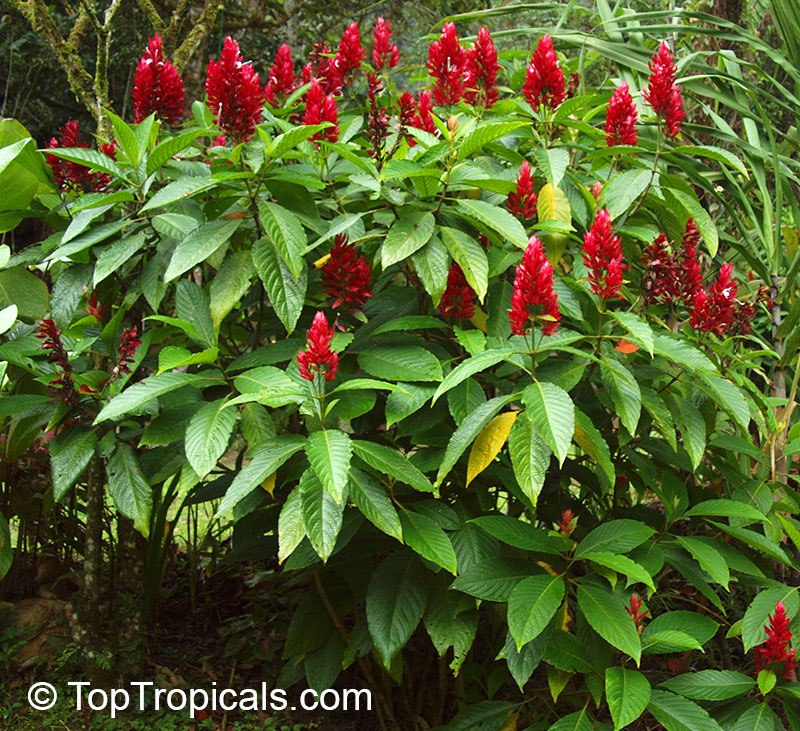
Turn up the color in your garden with the bold everblooming Brazilian plume

Megaskepasma erythrochlamys - Brazilian plume or Red Cloak

Megaskepasma erythrochlamys - Brazilian plume or Red Cloak

Megaskepasma erythrochlamys flowers

Megaskepasma erythrochlamys flowers

♨️ Turn up the color in your garden with the bold everblooming Brazilian plume


❣️Looking to add nonstop color, tropical flair for shade or sun, and pollinator appeal to your garden?
Megaskepasma erythrochlamys - Brazilian plume or Red Cloak, is the ultimate show-stopper shrub that takes both sun or shade.

❣️ With its big, bold leaves and eye-catching crimson-to-mauve flower spikes, this plant brings exotic beauty - without the need for a steamy jungle.

❣️The best part? It's surprisingly cold hardy. This lush-looking tropical can handle brief dips into the 30s (F), making it a top pick for USDA zones 9-11. Plant it in full sun or partial shade, and with regular watering, it rewards you with a steady burst of blooms that butterflies and hummingbirds can't resist.

❣️Reaching 5-7 ft tall in the ground, it fills out beautifully to anchor beds or soften fences. In colder regions, it can still thrive in large pots - just give it a sheltered spot, bring it indoors when temperatures drop, and enjoy its vivid flower show all winter long.

❣️If you want a garden that doesn’t fade with the season, the Brazilian plume delivers color, volume, and wildlife appeal - all year round.

🛒 Make your garden pop with color of Brazilian plume

#Hedges_with_benefits #Butterfly_Plants

🟢 Join 👉 TopTropicals

Date: 2 Jul 2025

The perfect ever-bloom beneath your shade tree

Tabernaemontana divaricata - Pinwheel Jasmine in bloom

🎡 The perfect ever-bloom beneath your shade tree


Tabernaemontana divaricata, also known as Pinwheel Jasmine or Crape Jasmine, is in bloom virtually year around at Top Tropicals garden.

➕ It is a charming, low-maintenance shrub that thrives under taller trees, like palms or oaks. With glossy green leaves and delicate white, pinwheel-shaped flowers, it adds brightness and elegance to shaded spaces.

➕ Blooming year-round, Pinwheel Jasmine brings steady beauty to your garden and can even be trained into a small ornamental tree.

➕ While it loves bright light for the best floral show, it's surprisingly shade-tolerant - making it a go-to choice for under-tree planting.

🛒
Let your shady spots bloom beautifully!

📚 Learn more:


What is the best showy shrub to plant under a shade tree?

#Hedges_with_benefits

🟢 Join 👉 TopTropicals