Date: 23 Oct 2020
Cashew Nut tricks and challenges
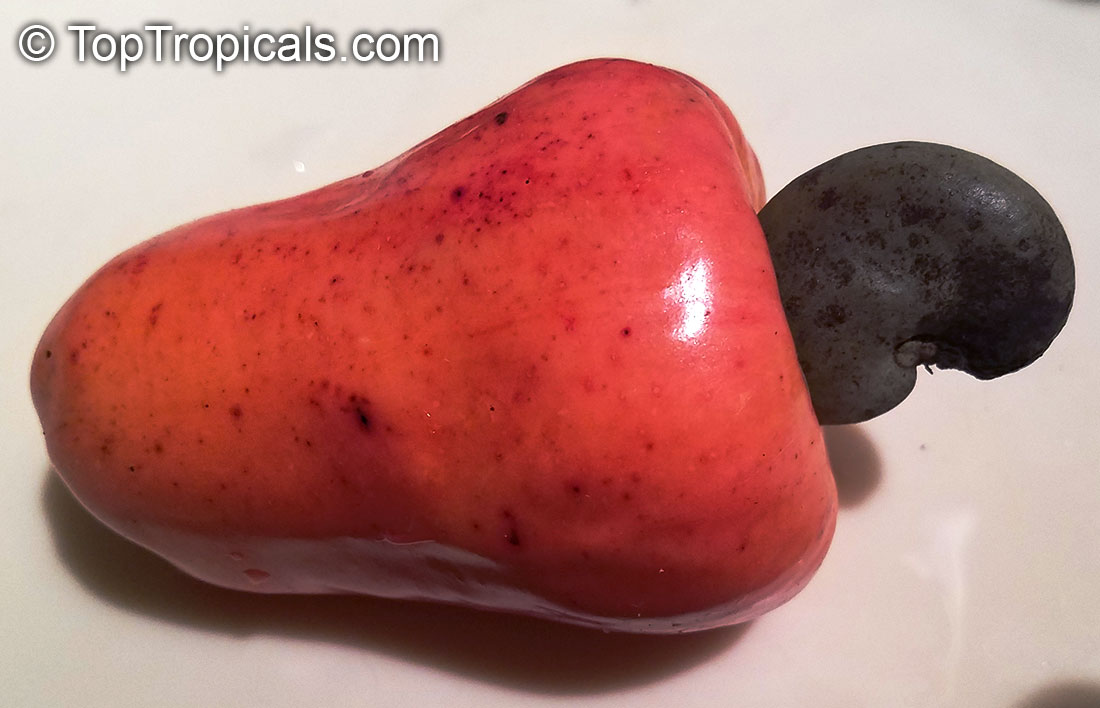
Q: I bought a cashew plant in May of this year it has been slow-growing well then all of a sudden it started dying. I have cut it back halfway down. So a plant that was close to 3 ft tall is now 1 1/2 feet. I see new leaves trying to spring closer to the root. Help! It's in a huge 18"wide pot, I have not put it in the ground yet. I am in the Orlando area.
A: Generally speaking, Cashew is not the easiest plant to grow. Cutting it down added more stress to the plant. A few thoughts:
1) Chances are, the tree was over-watered (possibly summer rains, we had pretty wet summer this year in FL). Cashew trees are very sensitive to over-watering while young. Considering it sits in pretty large pot, this may have created soggy conditions. Don't bother repotting the plant now, just try to reduce watering. We have less rains now. If you have automatic sprinklers, move it away from sprinkler so you can control moisture manually. Even better - move it under roof (lanai, etc) where it still can get lots of bright light, but you can control water.
2) In Orlando, winters are too cold for this tree. Make sure to protect it from cold - bring inside when temperature drops below 65F, especially considering that the plant is still struggling.
3) Keep in mind that Cashew is semi-deciduous tree, meaning it looses leaves during cooler period. If all leaves are gone but the stem still green (after nail scratch) - just give it time, it may start growing vigorously in Spring.
4) You may apply Sunshine Boosters with every watering (which should be once a week, or even less frequent if the soil is still moist) - SUNSHINE C-Cibus - Crop Nutrition Booster
Keep the plant in full sun or at least very bright filtered light. It must be always warm. Bring inside if below 65F.

Date: 26 Jul 2020
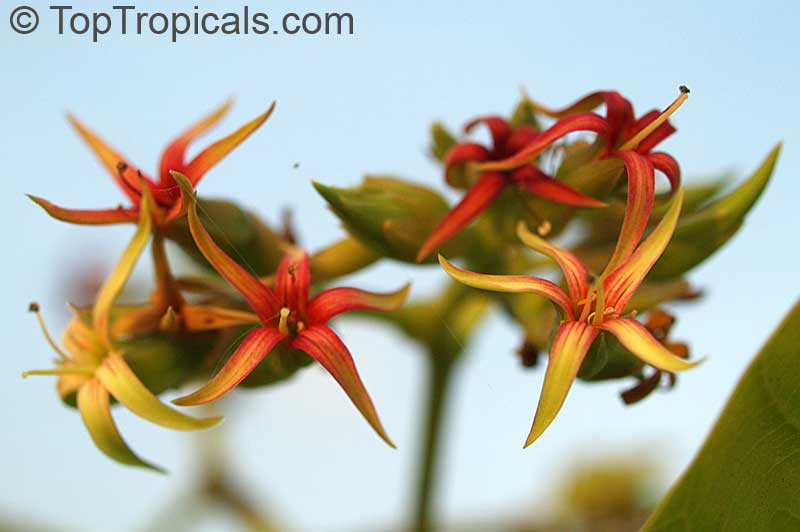
The best grafted Loquat varieties
at 15% OFF for 3 days!
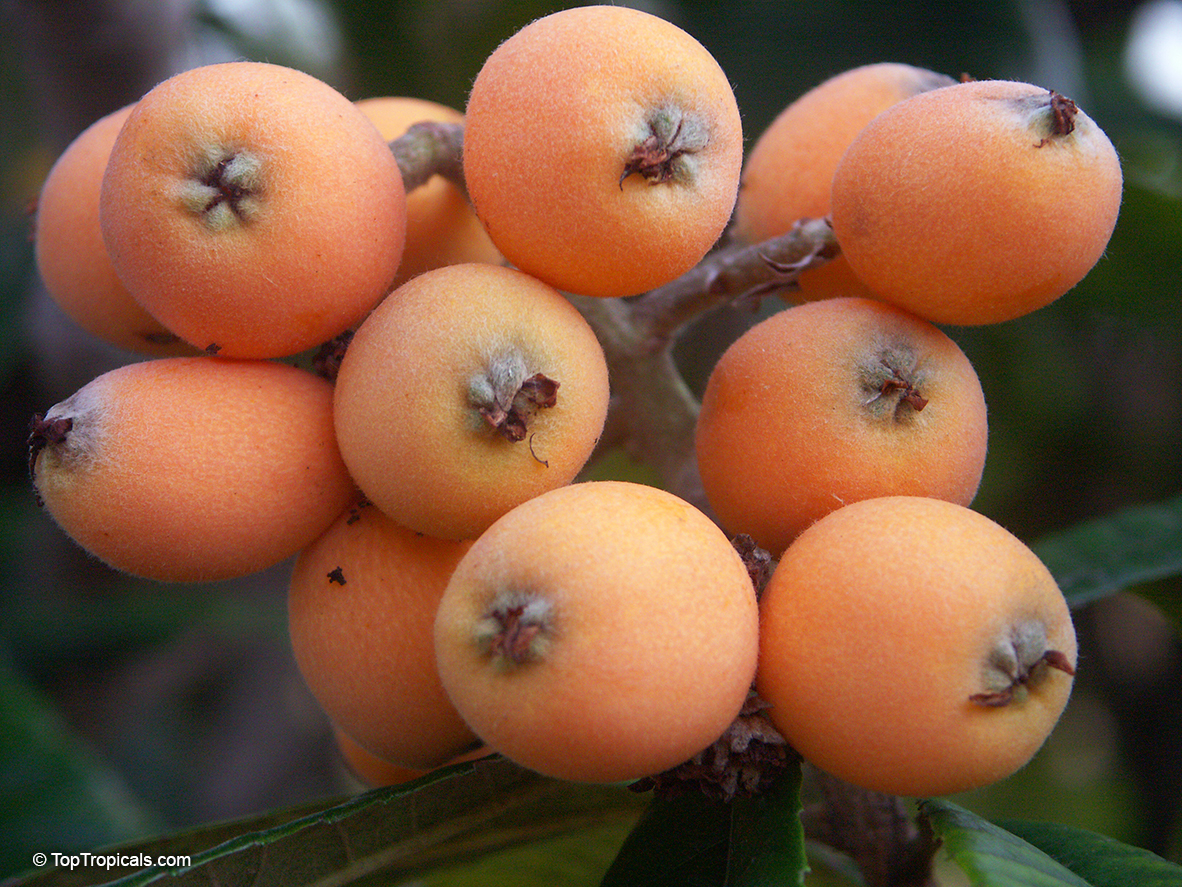
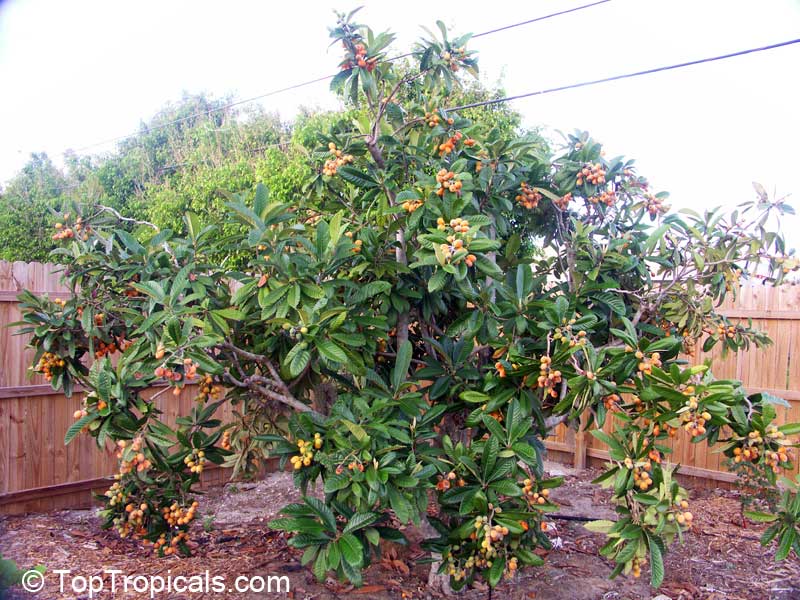
Q: I have a nice Loquat tree started from seed. I understand it will not bear fruit unless grafted. Can you graft the tree in your nursery? If this is not possible let me know the cost of Loquat tree and I buy it from your nursery.
A: From our experience, Loquat trees grown from seed bear fruit
much sooner (within 5-6 years) than seedlings of such trees as Mango and
Avocado (8-15 years). Also, unlike Mango and Avocado, the fruit quality of a
Loquat seedling is usually not too bad. However, in order to have a tree with a
superior fruit, it is recommended to plant grafted variety for a guaranteed
tasty crop. If your seedling is already a large plant (with a trunk diameter
over 5 mm), it may be too late to graft it, because quality graft requires fresh
wood.
If you have plenty of room in your yard with enough space for both grafted
tree and a seedling, you may still plant the seedling in the ground and give
it a chance to produce in a few years. If your garden space is limited, we
recommend you to plant a grafted variety and enjoy fruit as soon as the next
year.
The most popular grafted Loquat varieties, heavy
producers:
Champagne
Christmas
Gold
Nugget
Yehuda
SALE: 15% OFF now, no min. order!
- $20% OFF discount code PARENTS2020 for orders over
$200
- 5% automatically off all orders over $100
= make it a steal!
Offer expires 7-28-20
If you are local, stop by our Garden Center and we will pick the biggest
and the best tree for you. Or just order online and get it in just a few
days to your doorstep!
See full list of Loquat varieties available at the moment.
Date: 15 May 2020
Harvesting from a young mango tree
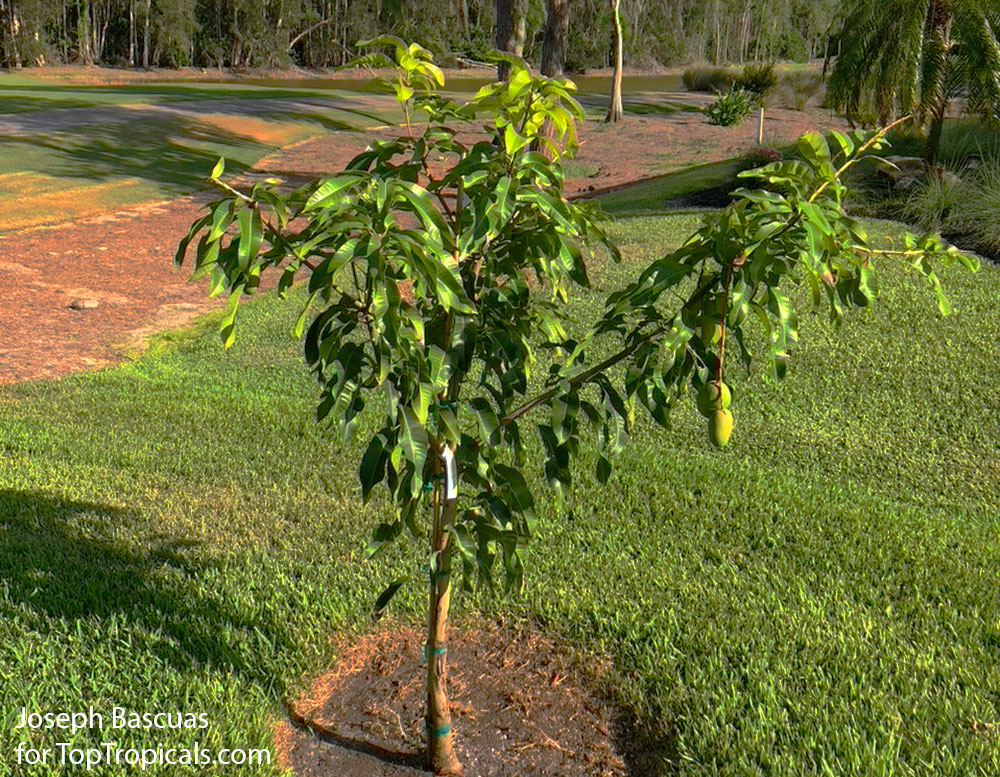
Q: About a year ago we bought a mango tree from you folks and planted it in our backyard in Estero. It has done well. It now has several mangoes and I am wondering if the tree is strong enough to support the fruit or if I should just cut off the fruit and wait until next year when the tree is a bit stronger. I am attaching some pictures. I am most concerned about the branch on the right which seems to be sagging. If you do not suggest that I cut off the fruit, can I wait until they ripen on the tree and eat them. They seem to be a bit on the small side for eating.
A: Your mango tree looks very healthy and happy, congratulation with a great job! For young mango trees, it is always recommended to minimize a number of fruit to 2-3 so
the tree has enough energy for vegetative growth rather than fruiting.
In your case, as we can see from the pictures, your tree is very well
established, has a strong root system, nice symmetrical shape, and vigorous new growth. In our opinion, you can save all
these fruit and let them ripen on the tree.
To support the plant's energy, make sure to fertilize it during summer with slow-release Mango Food, and year around - with Mango Tango booster. Use Sunshine Honey
supplement for sweeter fruit.
Secure the heavy fruit branch with a v-shape stake (a big branch may work), it can definitely use the support otherwise may break
under strong Florida winds.
You are all set to enjoy your first crop and be rewarded with fruit of your excellent work!
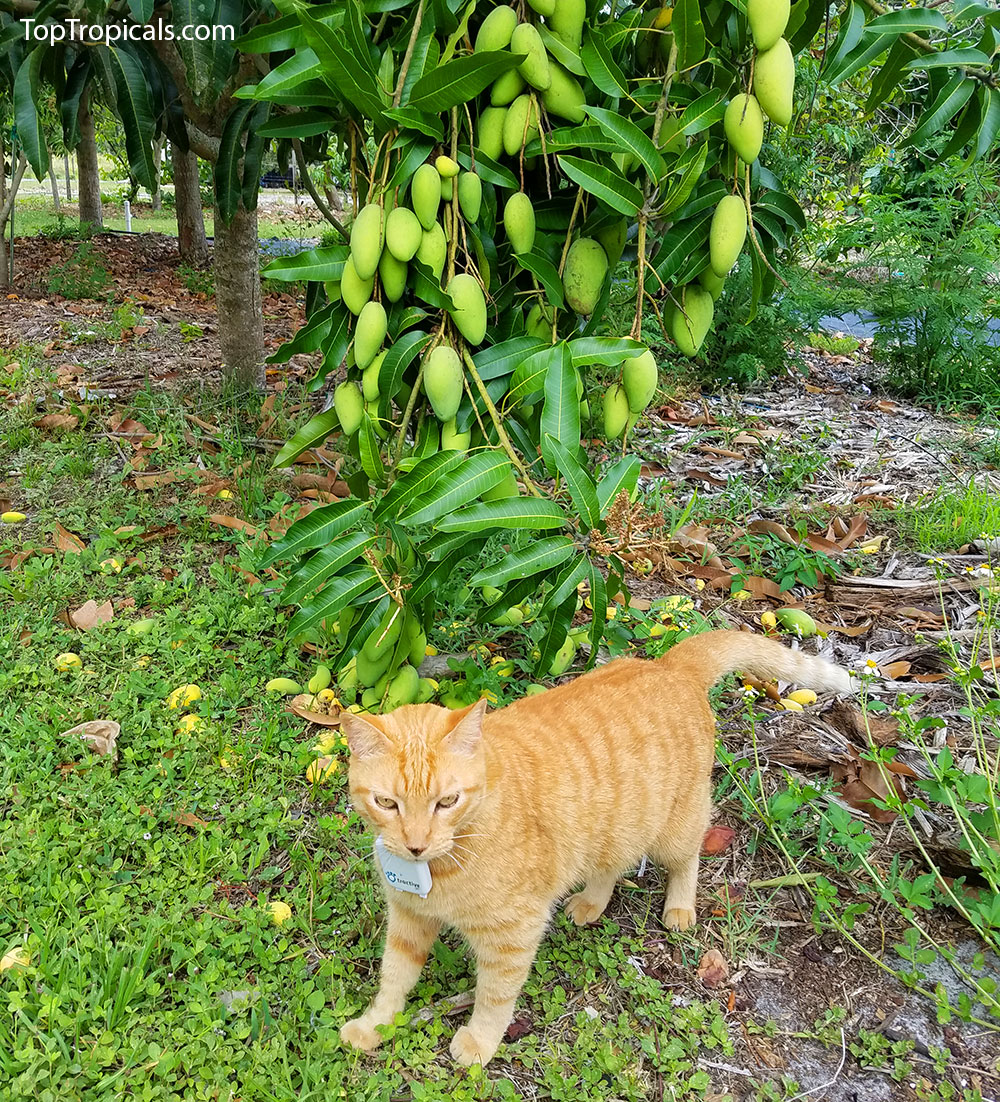
In the photo above: Mr B is harvesting Mango Pim Seng Mun after his successful Sunshine Boosters
Date: 21 May 2019
Perfecting a Mango Tree
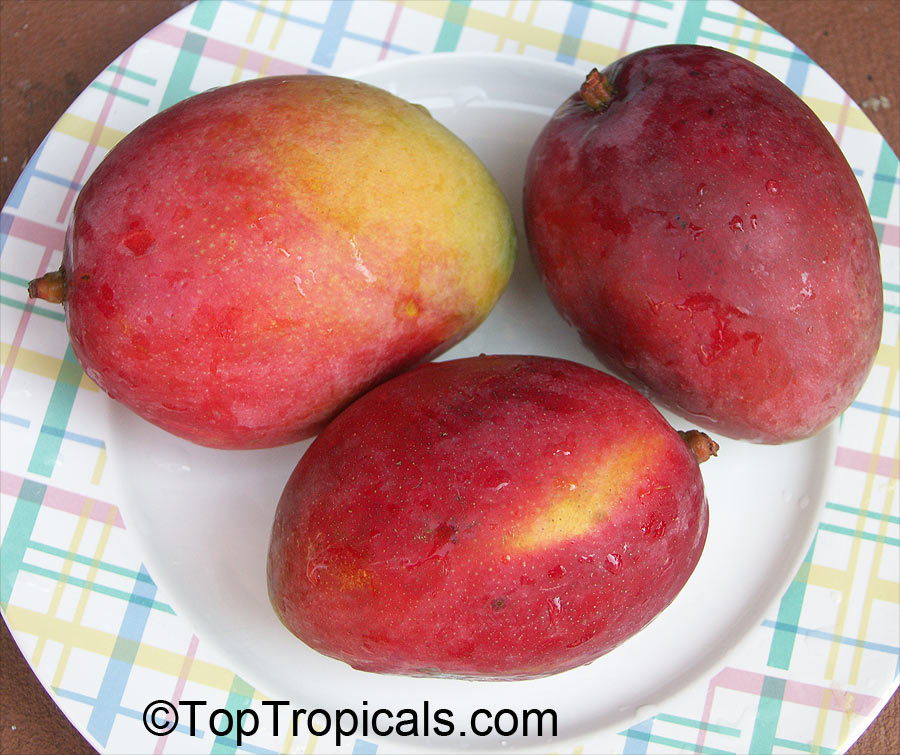
Q: I recently purchased a Mangifera indica - Coconut Cream Mango from you and would like to know if it is possible
to keep this in a large pot rather than putting it in the ground. If so, I
have a few questions:
1. How large would you expect this variety to get?
2. What are the ideal growing conditions? Full sun, partial sun,
etc...?
3. What is the ideal soil?
4. Any specific watering directions for ideal growth?
A: Coconut Cream mango tree has a moderate growth. We've planted
one in our garden 4 years ago and it is still under 10 ft tall. This variety
should be well suitable for container culture.
1. Keep the branches trimmed after fruiting is over. Mango trees can be
grown in 15 to 25 gal containers and can be trimmed under 7-8 ft high.
2. All mango trees need full sun, the more sun the better.
3. Mango needs very well draining soil, ideally with lots of bark and
perlite. We recommend our professional soilless mix or a similar formula.
4. Mango trees hate wet feet, and prefer to stay on a dry side: make
sure soil in a pot doesn't stay wet; allow it to dry a little between the
waterings.
Remember to apply Mango Food fertilizer during warm season for vigorous growth and heavy
crop!

Date: 20 Apr 2019
More about Mulberries
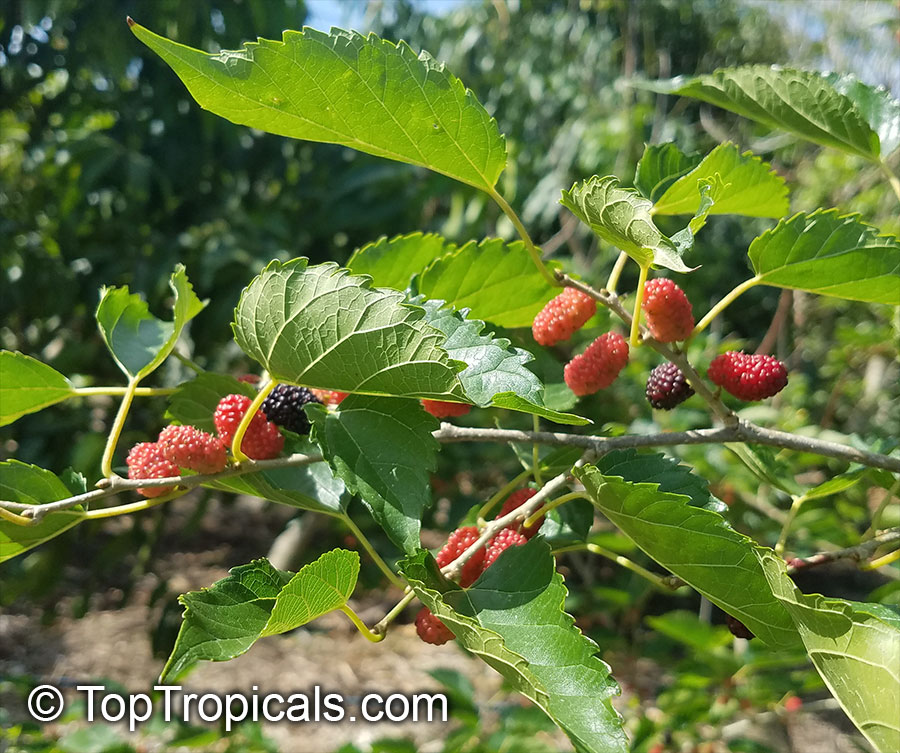
Customer comment on our Mulberry column in the previous newsletter:
...I planted a Himalayan mulberry, Morus macroura, about six years ago.
For several maddening years, it shot only very long, un-branching tentacles
out there, and it resisted my efforts to force some branching by pruning. It
would send another long, reaching shoot from the tip of the pruned branch,
with NO laterals. Several times, it did this. Finally, two years ago, it broke
buds that looked like they meant it all along those long branches, and in one
season, it fluffed out. The next season it elaborated on this, acting much
more like a proper tree. The fruit is fabulous, three or more inches long, very
sweet, with a rich berry flavor that's more raspberry than mulberry. I
guess it just needed more time. My understanding is that mulberries don't
really like to be pruned, but it needed to happen in this case, along a driveway,
so I reigned it in, and now it's a treasure. Be patient.
Cheers, your admirer, C
Check out our Mulberry trees.