Date: 21 May 2019
Perfecting a Mango Tree
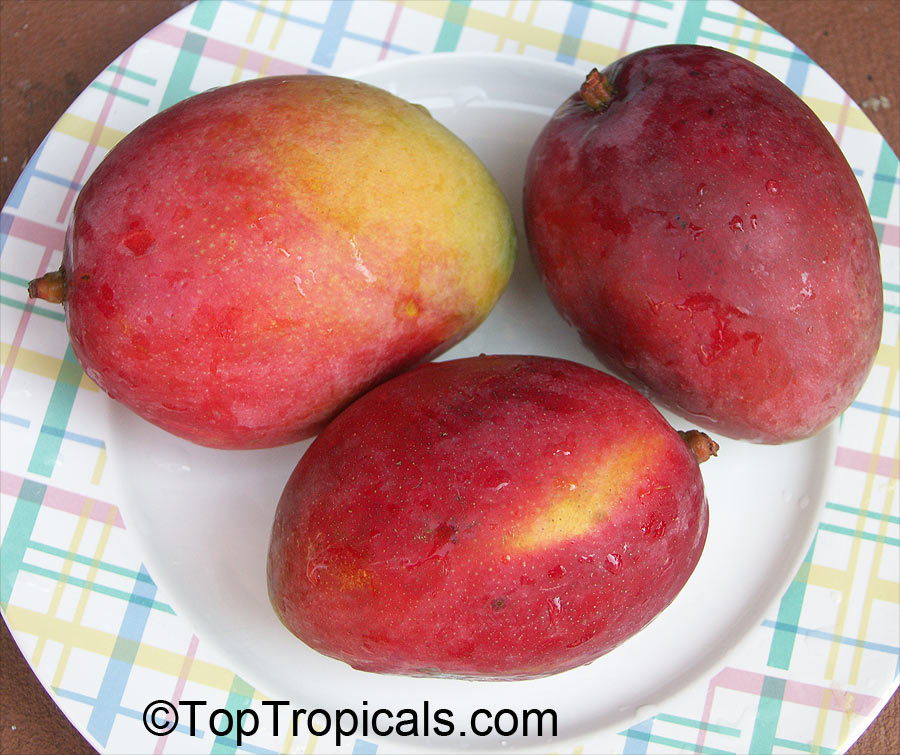
Q: I recently purchased a Mangifera indica - Coconut Cream Mango from you and would like to know if it is possible
to keep this in a large pot rather than putting it in the ground. If so, I
have a few questions:
1. How large would you expect this variety to get?
2. What are the ideal growing conditions? Full sun, partial sun,
etc...?
3. What is the ideal soil?
4. Any specific watering directions for ideal growth?
A: Coconut Cream mango tree has a moderate growth. We've planted
one in our garden 4 years ago and it is still under 10 ft tall. This variety
should be well suitable for container culture.
1. Keep the branches trimmed after fruiting is over. Mango trees can be
grown in 15 to 25 gal containers and can be trimmed under 7-8 ft high.
2. All mango trees need full sun, the more sun the better.
3. Mango needs very well draining soil, ideally with lots of bark and
perlite. We recommend our professional soilless mix or a similar formula.
4. Mango trees hate wet feet, and prefer to stay on a dry side: make
sure soil in a pot doesn't stay wet; allow it to dry a little between the
waterings.
Remember to apply Mango Food fertilizer during warm season for vigorous growth and heavy
crop!

Date: 17 Apr 2019
Mulberries - biggest, sweetest, and compact...
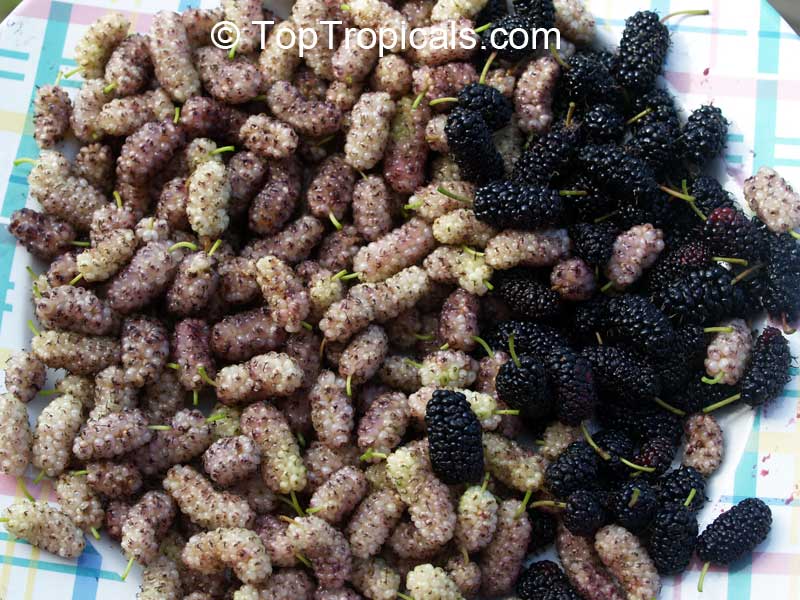
Q: What is the difference between Pakistani and Australian Mulberry plants? Would one be better suited for South Florida backyard? Can one be maintained/pruned to be a tall shrub vs a large tree? Which one has the sweetest fruit? Thank you for the previous plants we've purchased from you. They're all doing great.!
A: These two varieties are very similar indeed.
Both fruit are very large. Var. Pakistani fruit is a little longer than var. Australia and the tree is a more vigorous grower, but they both are
very sweet, even before the fruit fully ripen. Both trees are a good choice and
start fruiting at a young age.
We've had Australia in the ground in our garden for 4 years by now and
for some reason, it has been very slow growing which is normally not the case
with Mulberries. Maybe it is not fully happy with FL humid conditions.
There are two Mulberry varieties that can be maintained as bushes: Issai
and Dwarf
Everbearing. However, even vigorous Mulberry trees respond well to
pruning and can be kept compact for easy harvesting. Just make sure to prune before
the flowering season starts; here in S Florida Mulberries start flowering in
March, and fruit start ripening during April-May.
Check out our Mulberry trees.
Date: 22 Oct 2024
How
to grow Jackfruit in a pot:
the biggest fruit in the world
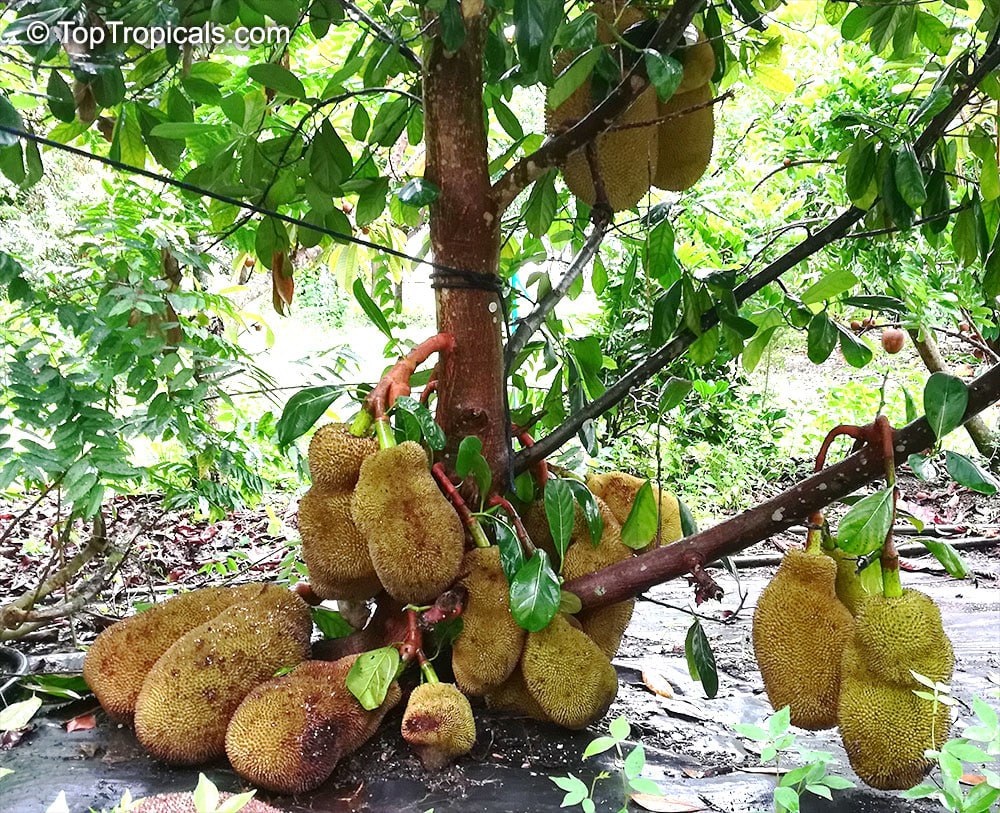
Q: Can I grow Jackfruit in a pot?
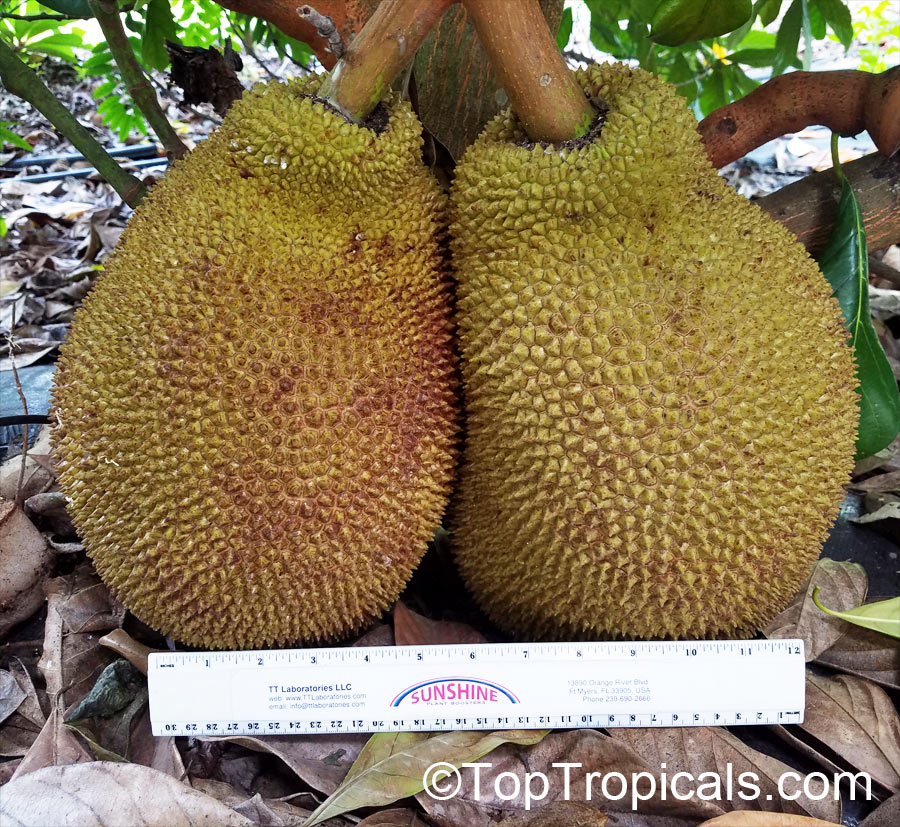
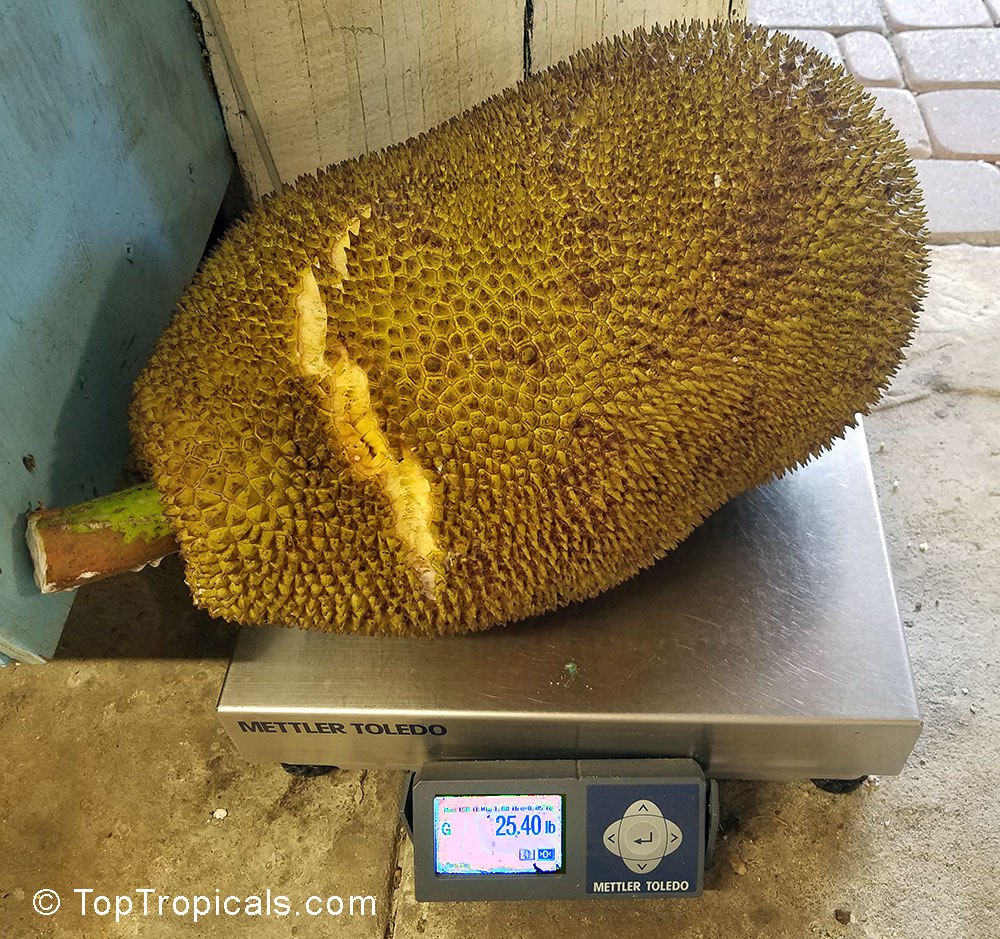
A: Yes, you can! Jackfruit trees, despite producing the largest tree-borne fruit in the world - up to 80 pounds and 36 inches long - can thrive and fruit in containers. The tree has a clever feature: it grows fruit only at the base of the trunk, allowing you to manage its height and size. With regular pruning, the tree can stay compact at just 6-7 feet tall, making it perfect for pot culture.
1. Getting started: pot sizes and growth tips
Start with: A 3-7 gallon container.
As it grows: Gradually increase to a 15-25 gallon pot by the time it
reaches fruiting size (2-4 years).
Pruning is key: Keep the tree topped at 6-7 feet to focus its energy
on fruit production.
Fertilize regularly: Use high-quality plant food like Sunshine Boosters C-Cibus to promote healthy growth and fruit
development. C-Cibus is the best natural plant food for fruit and edibles.
2. Fun facts about Jackfruit - Artocarpus heterophyllus
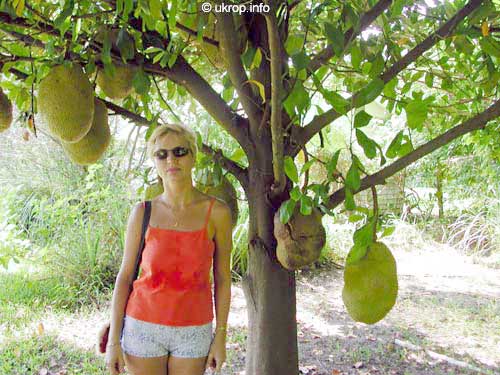
A mature Jackfruit tree can produce 200 pounds of fruit per year.
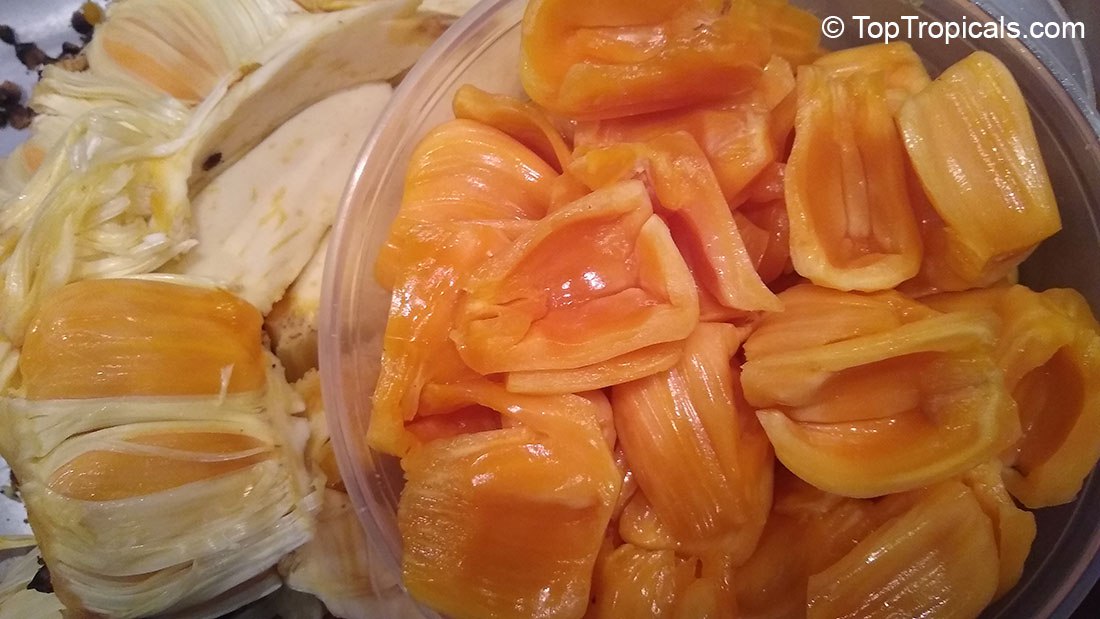
The fruit consists of large, sweet, yellow bulbs with a banana-like
aroma.
Seedlings start fruiting within 3-4 years, with fruits ripening in just 4-6
months after flowering.
3. Cold tolerance of Jackfruit trees
Though often thought of as ultra-tropical, mature trees can withstand light frost for short periods without major damage. Keeping Jackfruit in pots also offers an easy way to move them indoors during cold spells if you're in a cooler climate.
4. Secrets for successful Jackfruit production
- Frost-free temperatures are essential.
- Use rich, organic soil with compost, manure, or peat moss.
- Maintain moist soil with regular watering.
- Constant pruning to keep the tree under 7 feet promotes healthy
fruiting.
- Apply fertilizer and microelements regularly for better fruit quality.
By following these tips, you'll be able to enjoy the world's biggest fruit right from your patio!
Learn more:
About Jackfruit
How to grow the
biggest fruit on Earth
Cheena - Jackedack
Videos:
Jackfruit
Fruit
Date: 22 Dec 2024
What are the easiest, low maintenance plants?
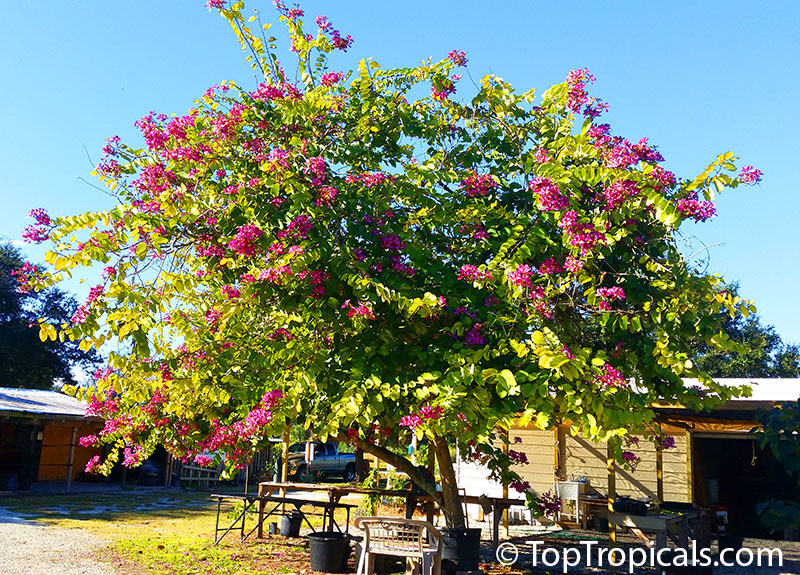
Photo above: Bauhinia blakeana - Hong Kong Orchid Tree. The most beautiful of all orchid trees. This winter bloomer starts flowering in very small size, when only 2-3 ft tall, and grows fast. (Bonus plant: makes it 7 easy plants!)
Six easiest to grow, effortless plants
Q: I'm seeking low-maintenance, tropical plants for my yard since I have limited time for gardening. Could you recommend some easy-to-care-for options that will still give my outdoor space a tropical feel?
A: Tropical plants don't necessarily require extensive care. Many options are low maintenance, effortless, and easy to grow, including a variety of plants, trees, shrubs, and vines that demand minimal upkeep. They are fast growing, not fussy about soil, cold- and heat- resistant, and can rely on regular sprinkler irrigation. Below are six our favorites - the easiest and most effortless tropical plants for your Southern landscape. You can find the full list here.
1. Fruit tree: Lolita Cherry
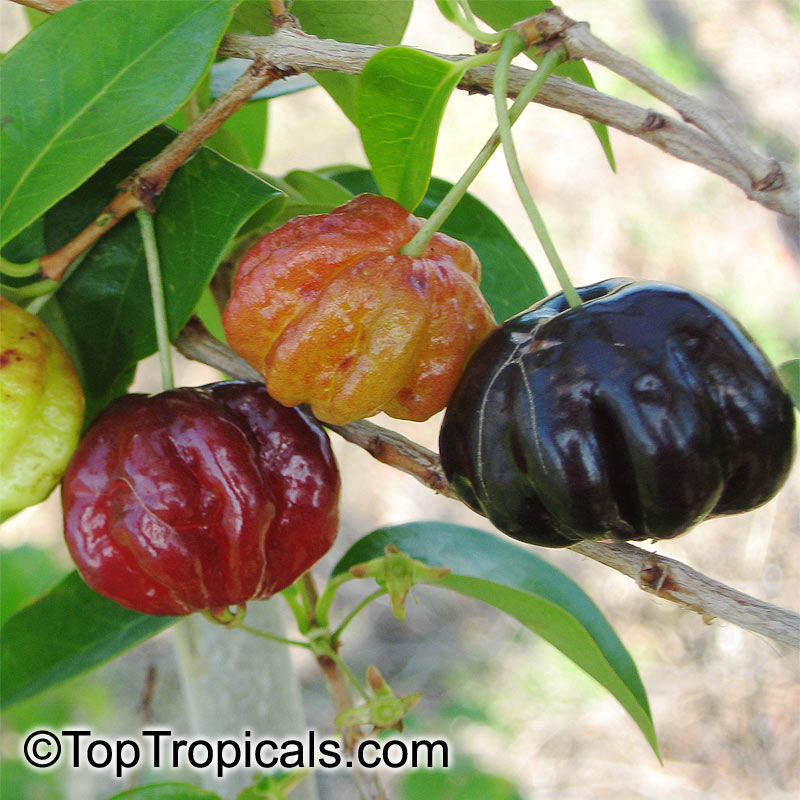
Eugenia uniflora - Black Surinam Cherry Lolita. The plant is vigorous and ready to fruit the same year. The fruit has exceptional flavor, very sweet, without aftertaste, large 1-1.2 inch, very juicy. Reliable producer. These cherries are cold hardy and can take short periods of frost.
2. Flowering tree: Shaving Brush Tree
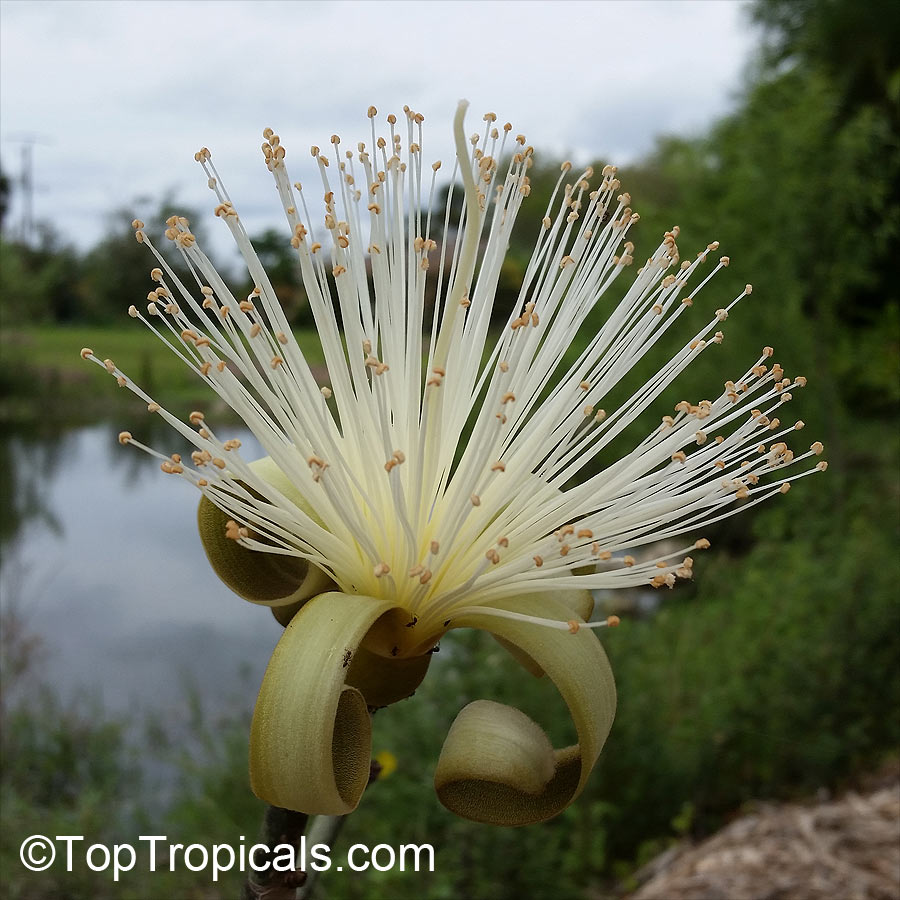
Pseudobombax ellipticum - Shaving Brush Tree is one of the coolest looking flowering trees, this fast-growing tree bears spectacular showy staminate flowers in the spring. It usually has no leaves at that time, which serves to show off the large and striking blooms. Very low water needs, grows fast!
3. Flowering shrub: Firespike
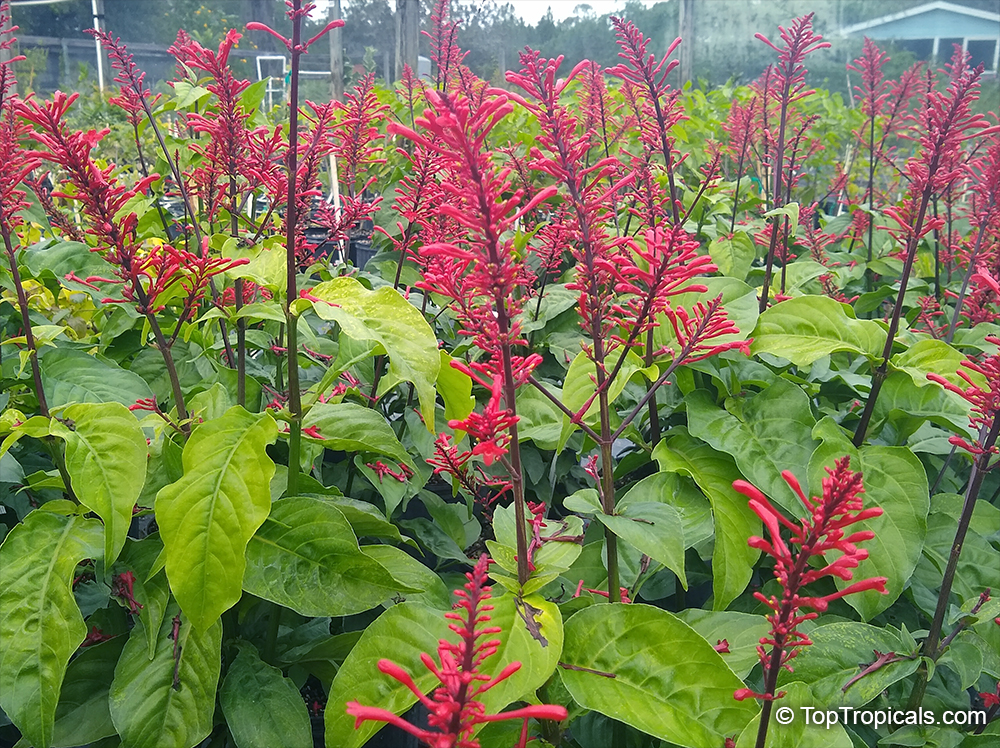
Odontonema cuspidatum - Firespike - ultimate butterfly magnet with showy bright red flowers. Will take sun or shade. Very easy and happy plant!
4. Flowering vine: Bleeding Heart
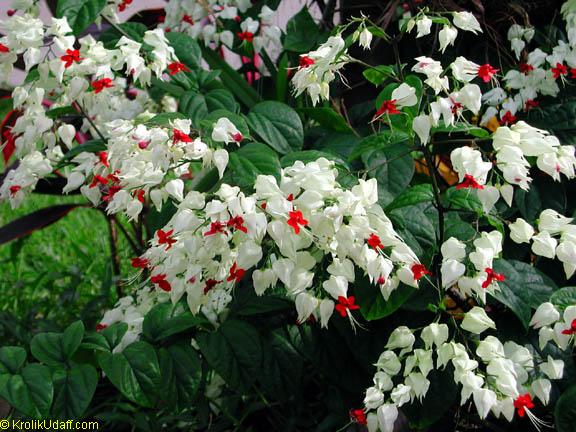
Clerodendrum thomsoniae - Bleeding Heart. One of the most spectacular blooming vines. Spectacular, dramatic flowers are slightly flat, they have white sepals on either side of bright crimson petals. The appearance may be liken to a line of dangling hearts, each emerging from the other. Very easy to grow and undemanding plant. Blooms in both sun or shade!
5. Small perennial: Ground Orchids - many colors!
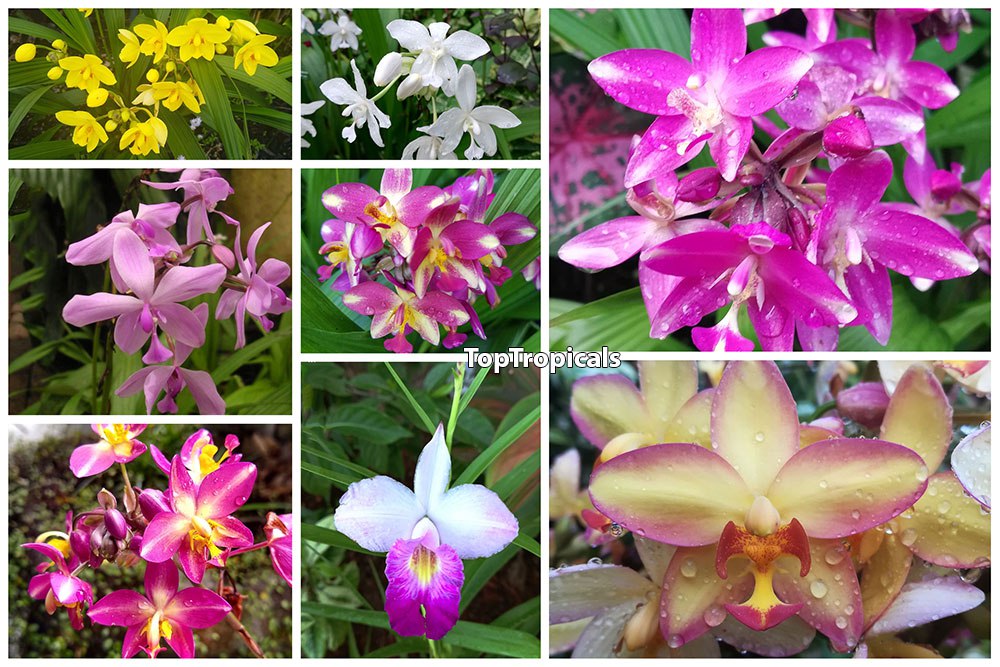
Ground orchids are the easiest and most rewarding flowers for a tropical garden. They thrive in regular garden soil or potting mix, tolerate both sun and shade, and bloom nearly year-round. They take both sun or shade, are cold-resistant and carefree. And look at these colors! From vibrant purples to soft pinks and yellows, ground orchids bring a splash of tropical beauty with minimal effort. Their consistent blooming makes them a must-have for gardeners seeking color all year.
6. Fragrant exotic: Queen of the Night
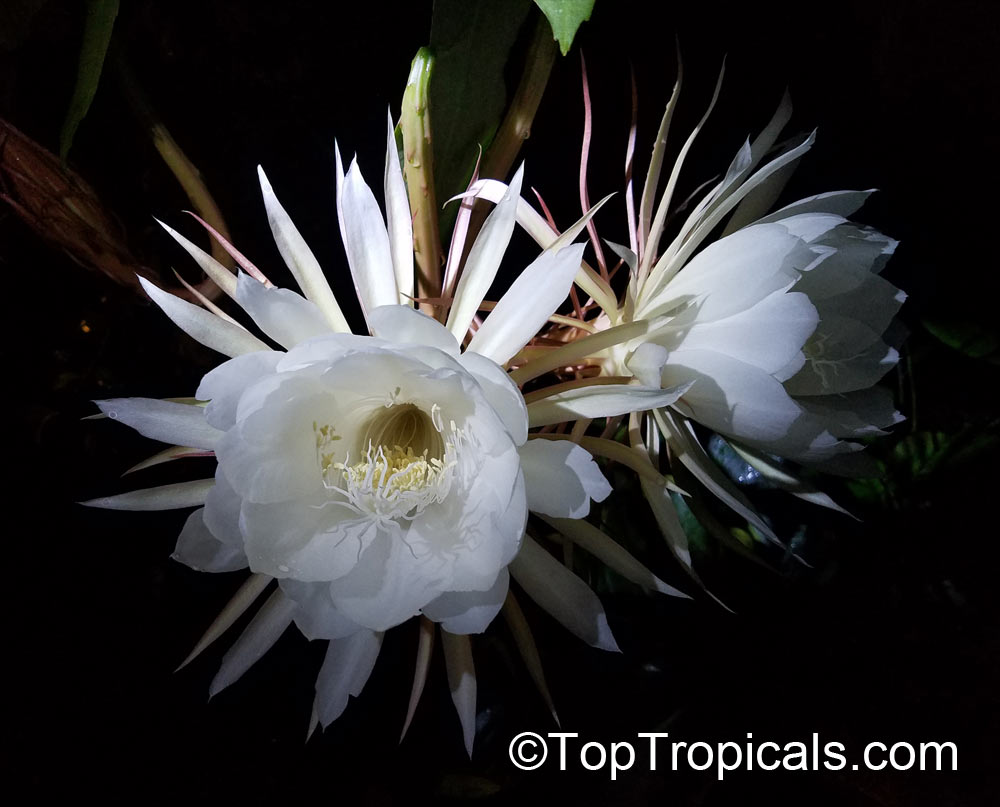
Epiphyllum oxypetalum - Queen of the Night - powerfully fragrant at night! This special cactus grows in tropical rainforests and has large wide meaty leaves. The flower is huge, white, and nocturnal. Blooms at night hours, hence the name. One of the most exotic indoor plants, great shade garden specimen. Easy to care, very low maintenance. Very low water needs.
Date: 18 Apr 2025
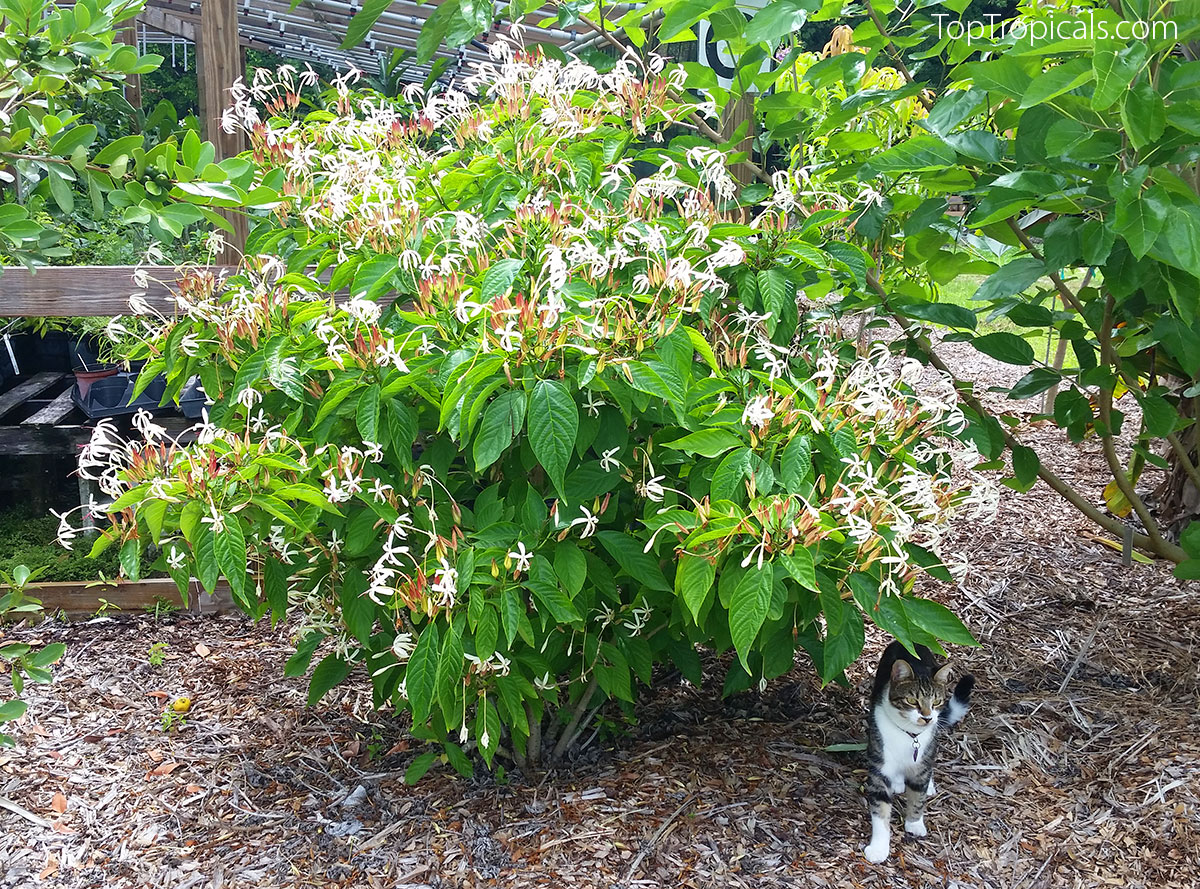
Want Constant Blooms? Plant Clerodendrums
Your Shortcut to a Colorful Garden
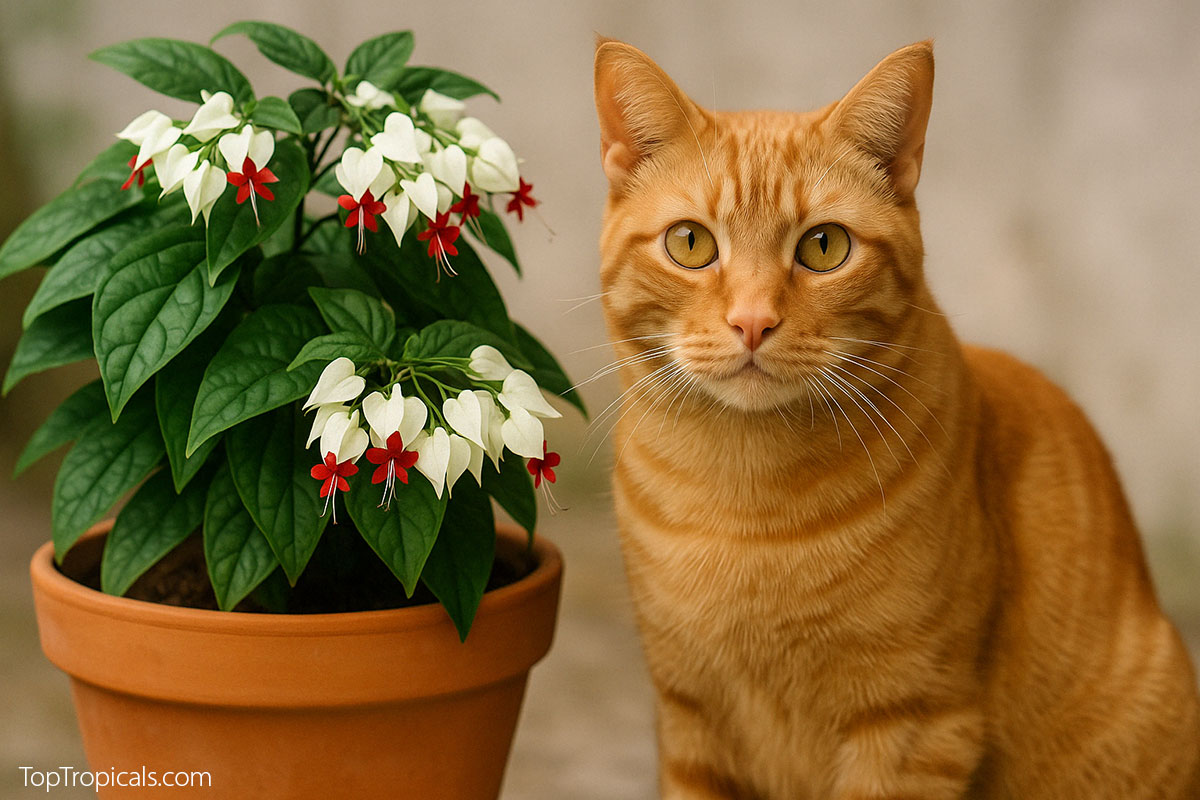
Q: Q: I live in Florida, and while everything is green, I want more color in my garden and patio. What low-maintenance perennials can add nonstop blooms without constant care? I'm tired of annuals that don't last. Do such plants even exist?
A: Yes, they do - and your perfect solution is Clerodendrums. These colorful tropical perennials grow fast, bloom for most of the year, and thrive in both sun and shade. They're easy to care for, relatively cold-tolerant, and come in many shapes: shrubs, vines, and even small trees. Ideal for both garden beds and containers.
Why Grow Clerodendrums?
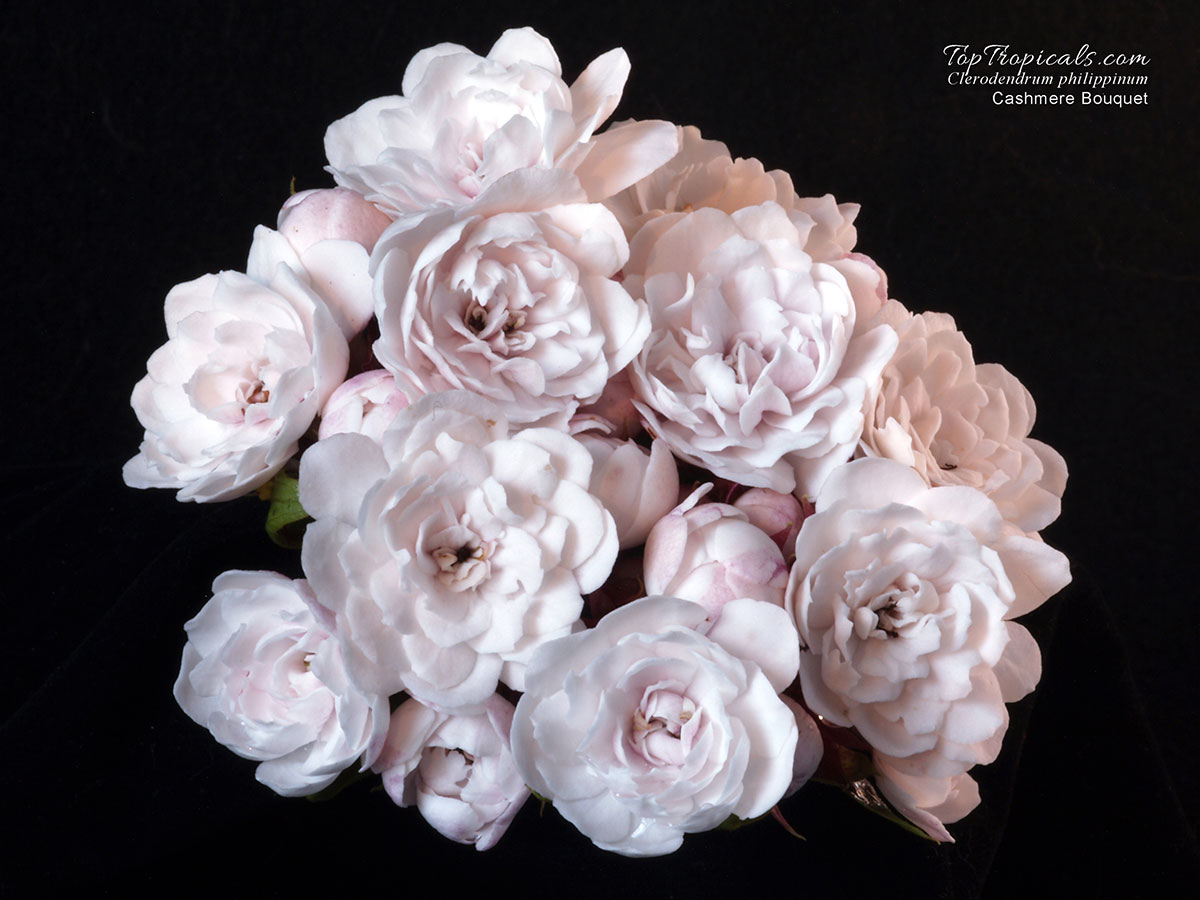
Clerodendrums are tough, reliable, and visually striking plants:
- Fast-growing with a compact habit
- Available in many forms: shrubs, vines, and small trees
- Colorful flowers, many of them are sweetly fragrant!
- Thrive in sun or shade; cold tolerant; not picky about soil
- Bloom repeatedly or continuously
- Excellent for pots, patios, or indoors
Clerodendrums as Shrubs
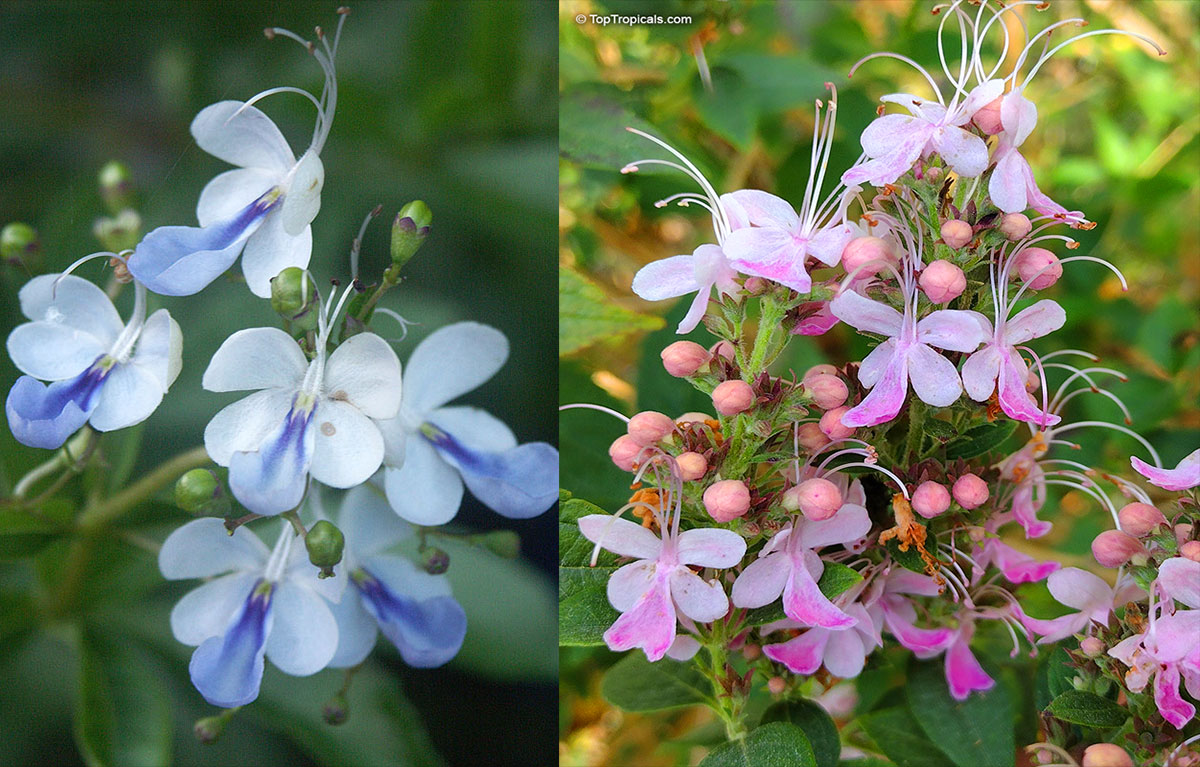
- Clerodendrum
bungei - Glory Bower: fragrant pink blooms, spreads quickly
- Clerodendrum
incisum - Musical Note: unique buds shaped like musical notes
- Clerodendrum
inerme - Wild Jasmine: salt-tolerant, good for seaside areas
- Clerodendrum
mastacanthum - Pink Butterfly Bush: long-blooming, eye-catching pink
- Clerodendrum
paniculatum - Pagoda Flower: layered red-orange towers of flowers
- Clerodendrum
philippinum - Cashmere Bouquet: double fragrant flowers, shade-tolerant
- Clerodendrum
ugandense - Blue Butterfly: delicate blue blooms that attract pollinators
Clerodendrums as Vines
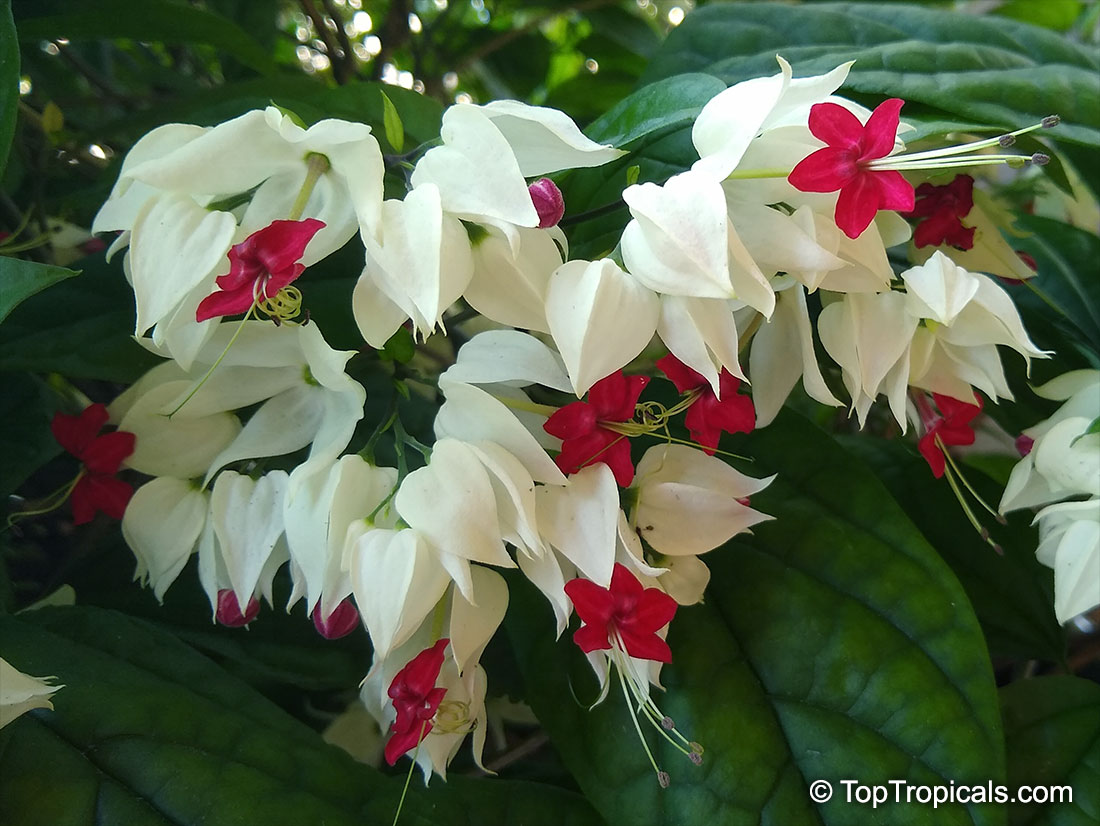
- Clerodendrum
thomsoniae - Bleeding Heart: classic red-and-white contrast, climbs
easily
- Clerodendrum
speciosum - Red Bleeding Heart: vivid magenta blooms, great on trellises
Clerodendrums as Small Trees
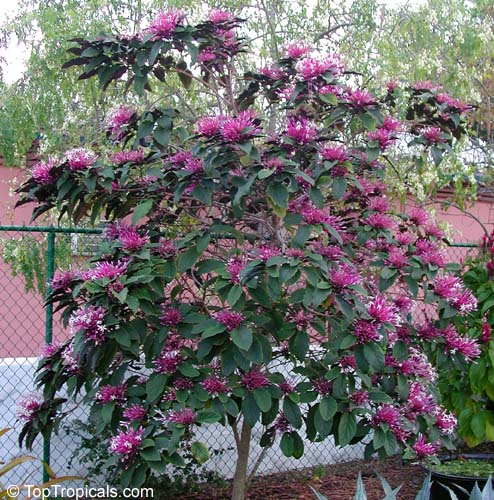
- Clerodendrum minahassae - Fountain Clerodendrum: upright, white flower
sprays
- Clerodendrum
sahelangii - Champagne Clerodendrum: cascading white blooms
- Clerodendrum
quadriloculare - Winter Starburst: purple leaves, late winter blooms
- Clerodendrum
schmitii - Chains of Glory: dangling flower clusters, unusual look
- Clerodendrum
wallichii - Bridal Veil: long white flowers, graceful arching branches