Garden Blog - Top Tropicals

Date: 20 Apr 2025

How to Grow Your Own Cinnamon Tree Spice and Health Right by the Kitchen

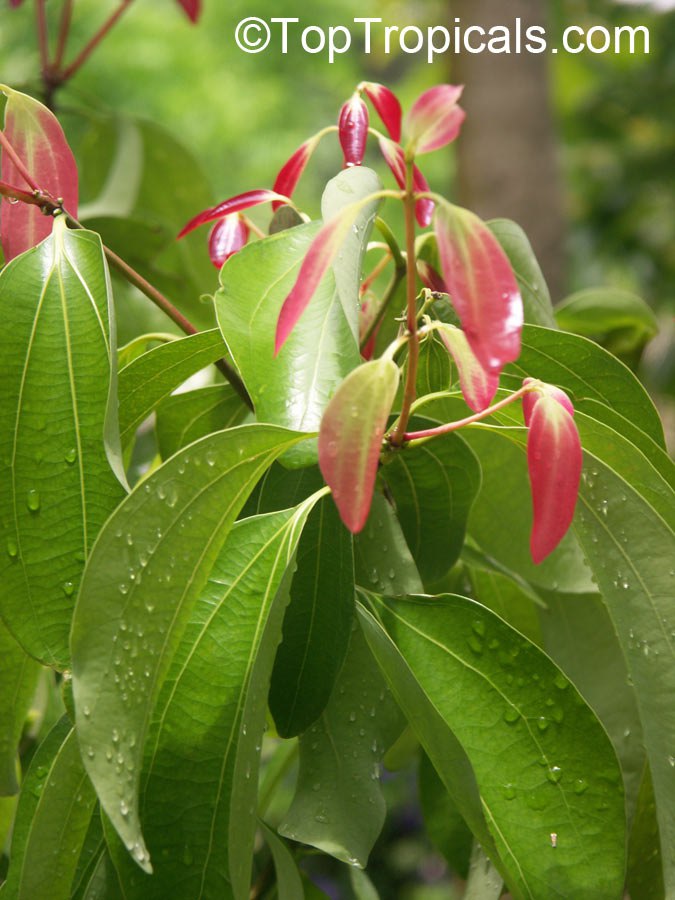
Cinnamon tree (Cinnamomum aromaticum, Cinnamomum zeylanicum), young leaves

Cinnamon tree (Cinnamomum aromaticum, Cinnamomum zeylanicum), young leaves

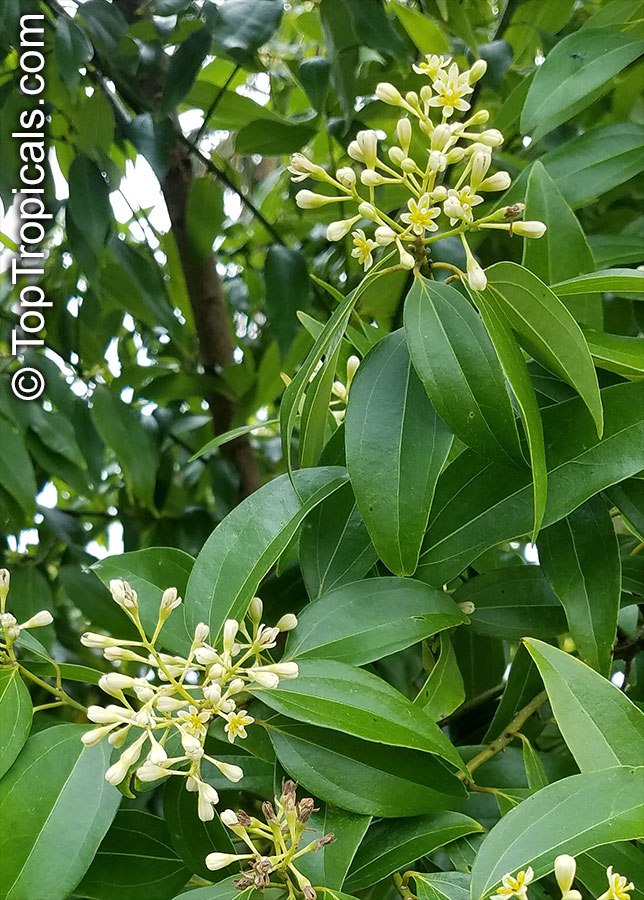
Cinnamon tree (Cinnamomum aromaticum, Cinnamomum zeylanicum), flowers

Cinnamon tree (Cinnamomum aromaticum, Cinnamomum zeylanicum), flowers

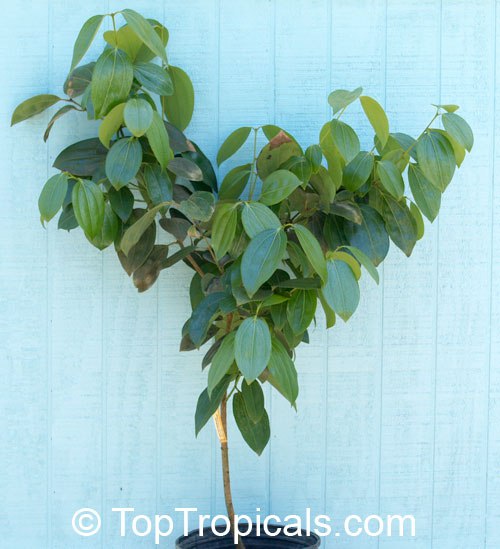
Cinnamon tree (Cinnamomum aromaticum, Cinnamomum zeylanicum)

Cinnamon tree (Cinnamomum aromaticum, Cinnamomum zeylanicum)

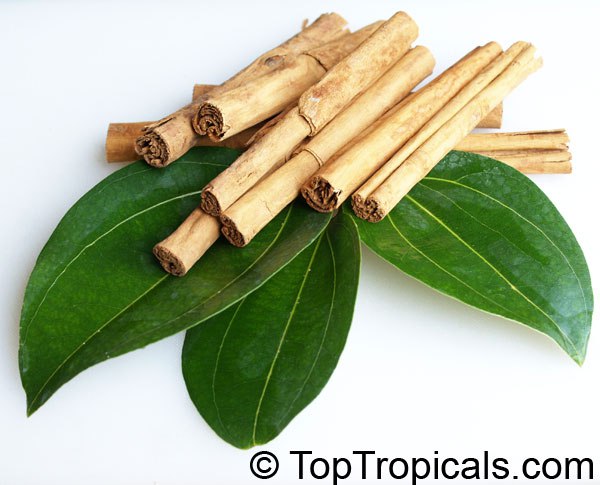
Cinnamon tree (Cinnamomum aromaticum, Cinnamomum zeylanicum), balk and leaves

Cinnamon tree (Cinnamomum aromaticum, Cinnamomum zeylanicum), balk and leaves

🏺 How to Grow Your Own Cinnamon Tree – Spice and Health Right by the Kitchen

  • 🌿 The Cinnamon tree (Cinnamomum aromaticum or zeylanicum), is an easy, fast-growing tropical plant that thrives in pots, making it perfect for patios, balconies, or even sunny indoor spaces.
  • 🌿 It naturally grows compact and bushy, so it's great for container gardeners - even those outside the tropics.
  • 🌿 You don't need to wait years for fruit - because cinnamon is the bark and the leaves!
  • 🌿 Once your tree is established, you can begin gently harvesting bark and fragrant leaves. Both parts of the plant are bursting with that signature warm aroma. Use the bark as a spice in baking, curries, or mulled drinks, and steep the leaves in teas or add them to savory dishes.
  • 🌿 Cinnamon has been treasured for over 4,000 years. Ancient Egyptians used it in rituals, and Roman emperors burned it at funerals to show wealth - it was once worth more than gold. Its value helped drive global trade and exploration.
  • 🌿 Today, cinnamon is celebrated not just for its flavor, but also its health benefits. It may help lower blood sugar, reduce inflammation, and fight bacteria and fungi. It's even linked to improved memory and brain function! The tree's powerful scent comes from cinnamaldehyde, a natural compound with medicinal properties.
  • 🌿 Two main types of cinnamon:


🟤 Cassia Cinnamon – stronger, spicier, and most common in supermarkets
🟤 Ceylon Cinnamon – milder and sweeter, often called "true cinnamon"

🌿 In short: With a cinnamon tree near your kitchen, you’re not just growing a plant - you're growing a spice, a medicine, a piece of world history, and a daily source of joy!

🛒 Start growing yours today - fresh, homegrown cinnamon is truly the spice of life!

📚 Lean more from previous posts:


#Food_Forest #How_to #Remedies

🔴 Join 👉 TopTropicals

Date: 24 Feb 2017

TopTropicals news, sales and updates

Extended sale 15% off on all fruit trees! Take advantage of our "Spring is coming!" fruit tree sale extension 15% off on all fruit trees and spices, including mango new exclusive varieties. No minimum order required. Hurry up, sale extension ends on Saturday, Feb 25.

Radio Top Tropicals Live Webcast upcoming event: Saturday February 25, at 11 am EST.
Topic: GROW YOUR OWN! DUDE!
1) Herbs, both annual and perennial.
2) Fruit trees.
3) Foods once thought to be only ornamental.
Our Host Robert Riefer - Internationally Certified Crop Adviser - answering all your questions.

Listen to Radio Top Tropicals, every Saturday, at 11 am EST! You may use our website radio player DURING AIR TIME and see the pictures of plants we are talking about. To ask questions using live chat, you need to log in at Mixlr.com or simply call our office 239-887-3323 during air time!
If you missed a live webcast, you may listen to recording by following Showreel item link.

Check out our upcoming radio shows and get your gardening questions ready!

Pisces Zodiac lucky plants

Pisces- 2/19 - 3/20. As a WATER sign ruled by both Jupiter and Moon (and Neptune, that was not discovered until 1846, after the plant correspondences were established; Neptune is considered a "higher octave" of the Moon), Pisces plants are often large but hard to find, and may grow near the ocean. The most healing plants for Pisces are those that strengthen the immune system or have an antibacterial effect. Pisces plants may also catalyze expanded states of awareness and be helpful in dream work.
Herbs connected to Pisces are ruled by its former ruler, the Moon (Neptune, the current ruler, was not discovered until 1846, after the plant correspondences were established; Neptune is considered a “higher octave” of the Moon). Diseases of Pisces have traditionally included psychotic disorders, various forms of substance addiction, lung diseases such as tuberculosis, and ailments of the foot; contemporary herbalists also add immune system diseases. Pisces is strengthened by rosemary's ability to promote an aura of centered grounding. This protective herb helps strengthen boundaries and cultivate a closer connection to the physical realm.

Pisces Zodiac lucky plants: Water lily, Lotus, Clematis, Wisteria, Lisianthus, Brunfelsia, Echinacea, English Lavender, Rosemary, Coconut palm, Cranberry, Clove, Coccoloba, Sea Oats, Mangroves, Ochrosia, Aquatic plants, Colocasia, Alocasia, Aralia, Ficus trees, Banyan, Peepal, Banana, Mango, Mimosa, Olive, Anise, Vilca and Yopo, Kava-kava, Nutmeg, Anthuriums, Eucalyptus, Bauhinia, Clusia, Caesalpinia, Callistemon, Bucida, Cassia fistula, Cordia, Calabash, Lipstick palm , Delonix, Elaeocarpus, Erythrina, Fatsia, Guaiacum, Mahoe, Koelreuteria, Kopsia, Macaranga, Pandanus, Peltophorum, Psychotria,Banesteriopsis, Tabebuia.


For links to these plants and other signs information, see full Plant Horoscope.

Date: 25 Sep 2016

Libra Zodiac lucky plants

Libra - 9/23-10/22. Libra is an AIR sign, and is ruled by the planet Venus. Because Venus is the planet of beauty and love, Libra's plants often have light, lovely flowers and gorgeous scents.
Libra has been related to the endocrine system, the kidneys, and the bladder. Venus (which also rules Taurus) is responsible for the harmony between the various body systems, as well as the abdomen, kidneys and urinary tract, and thyroid. Libra's plants help to bring balance to these areas of the body. Libra's romantic nature appreciates a spice that cultivates love and sensuality. Cardamom is a spice known for its gently warming nature, so add a sprinkle when you want to heat things up slowly.

Libra Zodiac lucky plants: Jasmine, Gardenia, Euclinia, Pua Keni Keni, Randia, Beaumontia, Faradaya, Butterfly Ginger, Kopsia, Hydrangea, Montanoa, Aglaia, Dwarf Ylang-Ylang, Desmos, Clematis, Almond Bush, Brunfelsia, Four oclock plant, Juniper, Moonflower, Carissa, White Chocolate Jasmine, Night blooming jasmine, Fiddlewood, Honeysuckle, Orchid, Clerodendrums, Millingtonia, Parijat, Fried Egg Tree, Oxyceros, Phaleria, Tuberose, Cubanola, Portlandia, Rothmannia, Allamanda, Nasturtium, Rose, Camellia, Ephedra, Fuchsia, Ylang-Ylang, Magnolia, Stemmadenia, White Plumeria, Appleblossom, Needle Flower Tree, Tree Jasmine, Guaiacum, Epiphyllum, Amazon Lily, India Hawthorn, Stephanotis, Talauma, Pakalana vine, Wrightia, White flowers, Cypress, Lucky Bamboo, Dracaena, Bakul, Apple, Pear, Fig, Raspberry, Olive, Pomegranate, Apricot, Peach, Plum, Loquat, Grape, Blackberry, Mango, Cherries, Chrysobalanus icaco, Berries, Neem tree, Asparagus, Spices, Mint, Catnip, Bergamot, Thyme, Cardamom.

For other signs information, see full Plant Horoscope.

15% OFF ON ALL FRAGRANT PLANTS! 3 day sale.

Date: 24 Jun 2016

Coastal plants. Suggestions for coastal regions


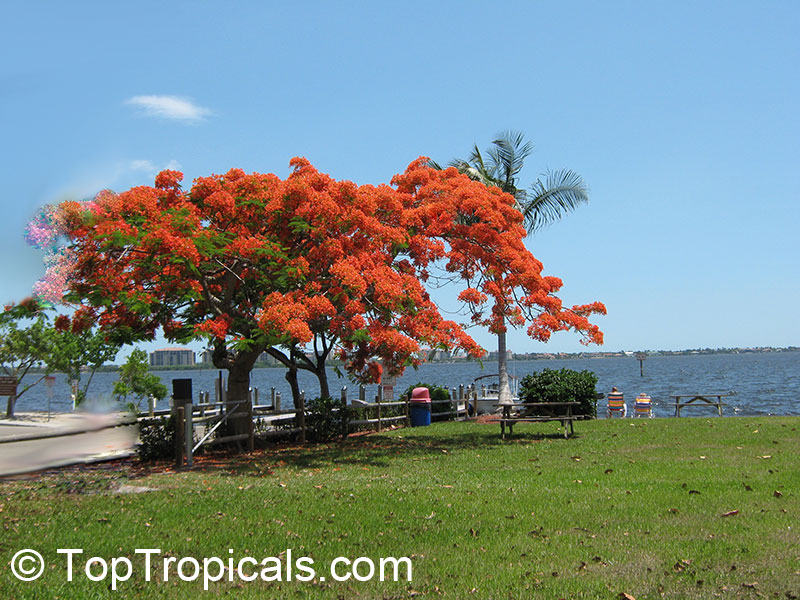
Spathodea campanulata - African Tulip Tree

Q: I'm looking for a plant to replace a Torrey pine that was sadly cut down. The pine made the soil very acidic and it's already silty, sandy, and salty from being near a coastal marsh. I was thinking of a Kei Apple. However, there are only seeds available on the website and I'd prefer a sapling to get things started faster. Are there other trees you'd suggest for that environment?

A: Here are some fast growing salt tolerant trees that we can suggest, just to name a few: Bucida buceras - Florida Black Olive Tree, Callistemon citrinus - Weeping red Bottlebrush, Capparis cynophallophora - Jamaica Caper, Cassia fistula - Golden Shower Tree, Coccoloba uvifera - Sea Grape, Cordias, Delonix regia - Royal poinciana, Flamboyant, Elaeocarpus grandiflorus - Fairy Petticoats, Ficus lyrata - Fiddle-Leaf Ficus, Ficus religiosa - Bo-Tree, Peepal, Sacred Ficus, Mahoe, Peltophorum pterocarpum - Yellow Poinciana, Plumeria, Spathodea campanulata - African Tulip Tree (shown on right). See full list of salt tolerant plants.

15% on all mango trees! This weekend only. Offer is valid through Sunday, June 26. See all mango varieties available.

Date: 30 Apr 2023

Attracting butterflies

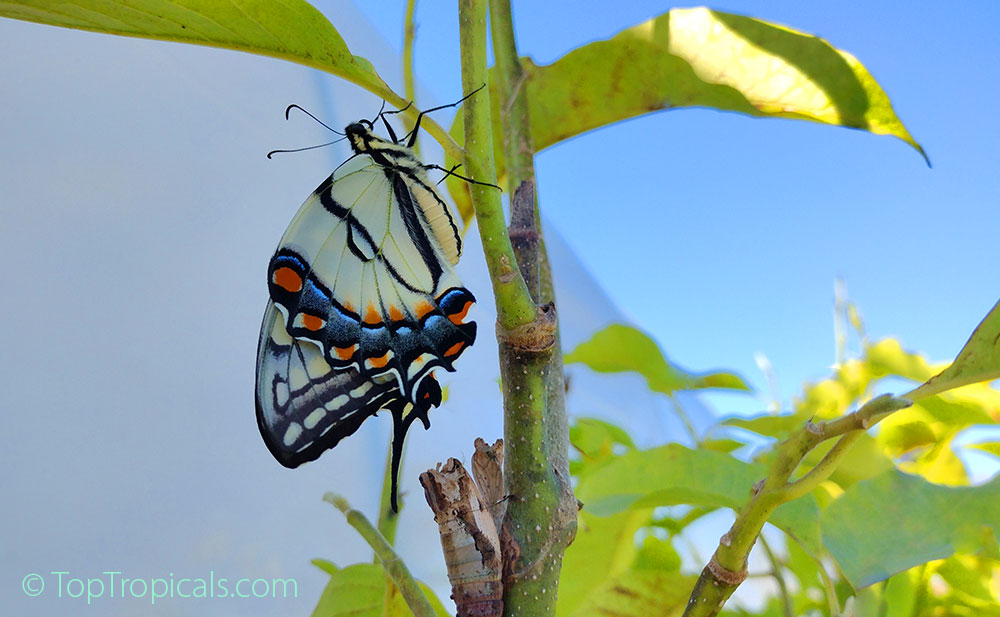
Cat  with  butterflies

Q: How to attract more butterflies to my garden?

A: Attracting butterflies to your garden can be a fun and rewarding experience. Here are some tips to help you create a butterfly-friendly environment.

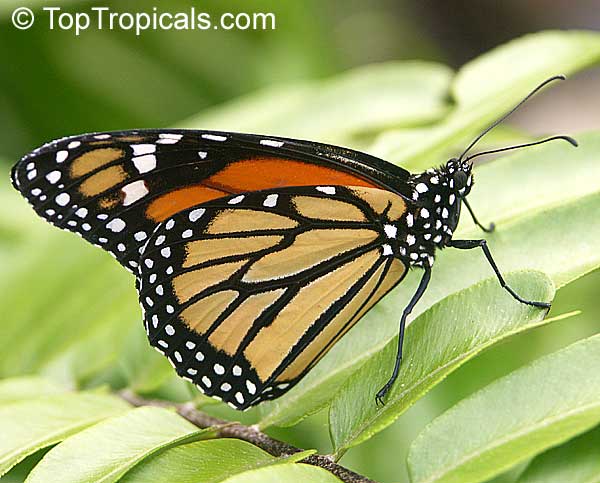
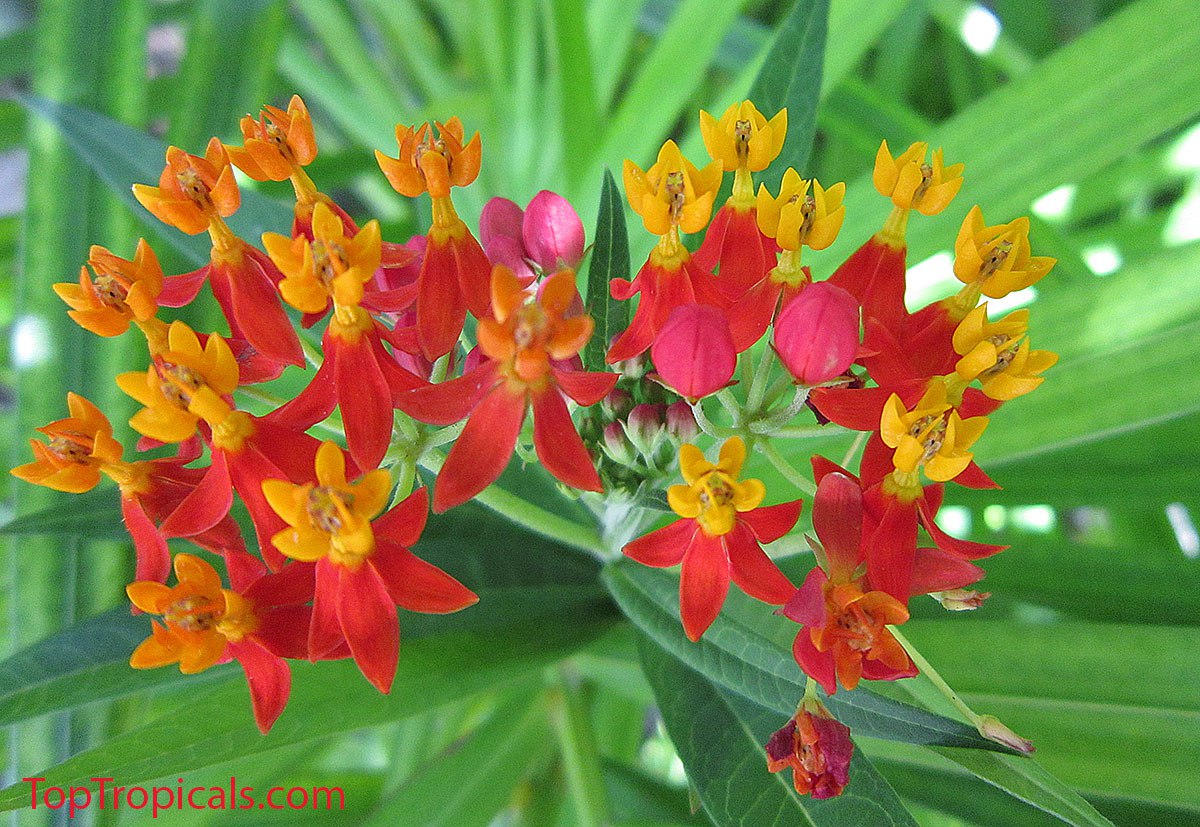
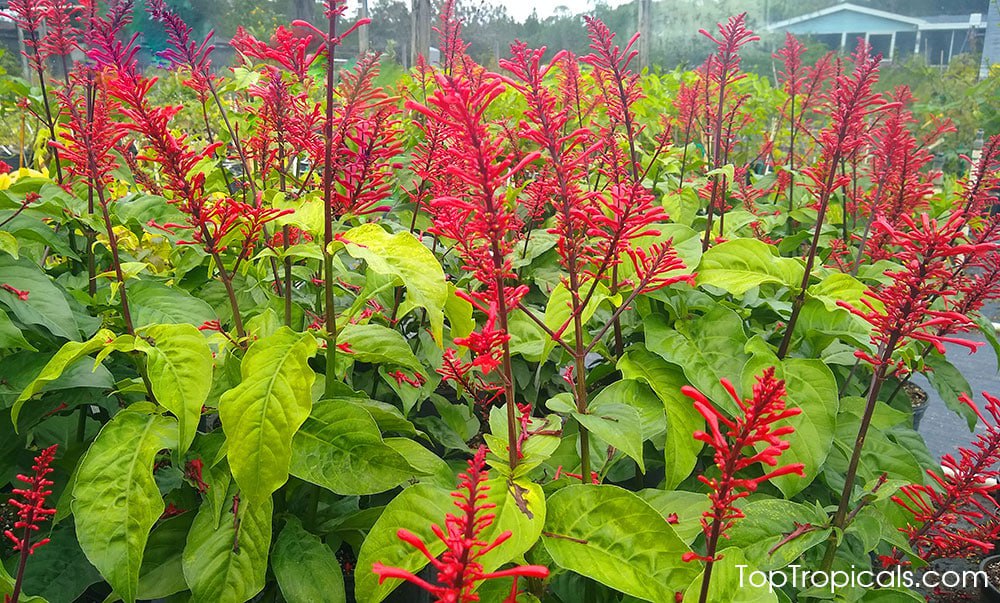
1. Choose the right plants: Butterflies are attracted to nectar-producing flowers such as milkweeds, butterfly bushes. Plant lots of bright flowers, especially of yellow and pink colors like some cassias which seem to be the pleasant to butterfly's eye. Use a variety of flowers to attract different species of butterflies. This is a full list of butterfly-attracting plants.

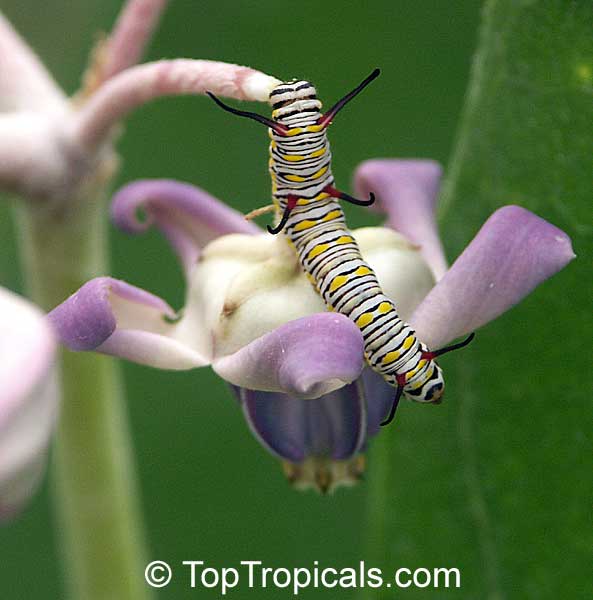
2. Provide food for caterpillars: Butterflies lay their eggs on specific host plants that caterpillars will eat. For example, monarch butterflies lay their eggs on milkweed. Passion flower is also a great butterfly host, but be prepared to sacrifice some leaves!

3. Provide a water source: Butterflies need a source of water to drink from. A shallow dish or birdbath with rocks in it will provide a place for butterflies to rest and drink.

4. Avoid using pesticides: Pesticides can harm butterflies and other beneficial insects. Try using natural methods to control pests in your garden, such as companion planting and hand-picking.

5. Create a sunny spot: Butterflies love warm, sunny spots. Plant your butterfly garden in an area that receives at least six hours of direct sunlight each day.

6. Add a butterfly house: A butterfly house can provide shelter for butterflies during bad weather and at night.

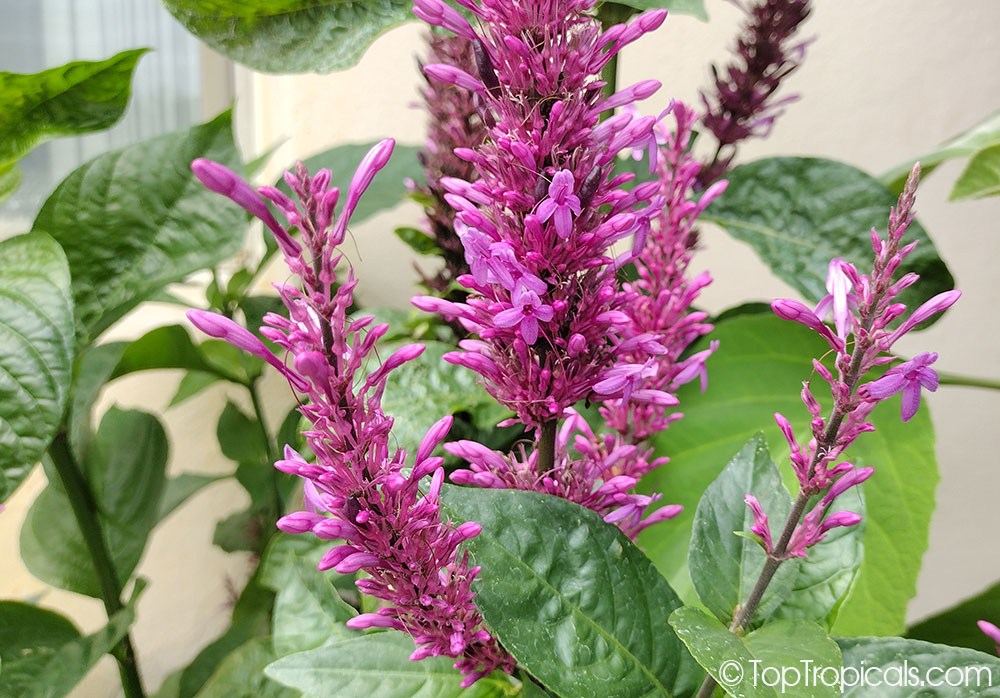
Odontonema  callistachyum  -  Lavender  Butterfly  Bush

In the photo: Odontonema callistachyum - Lavender Butterfly Bush. Showy bright lavender flowers, butterfly attractor. Blooms in both sun or shade.

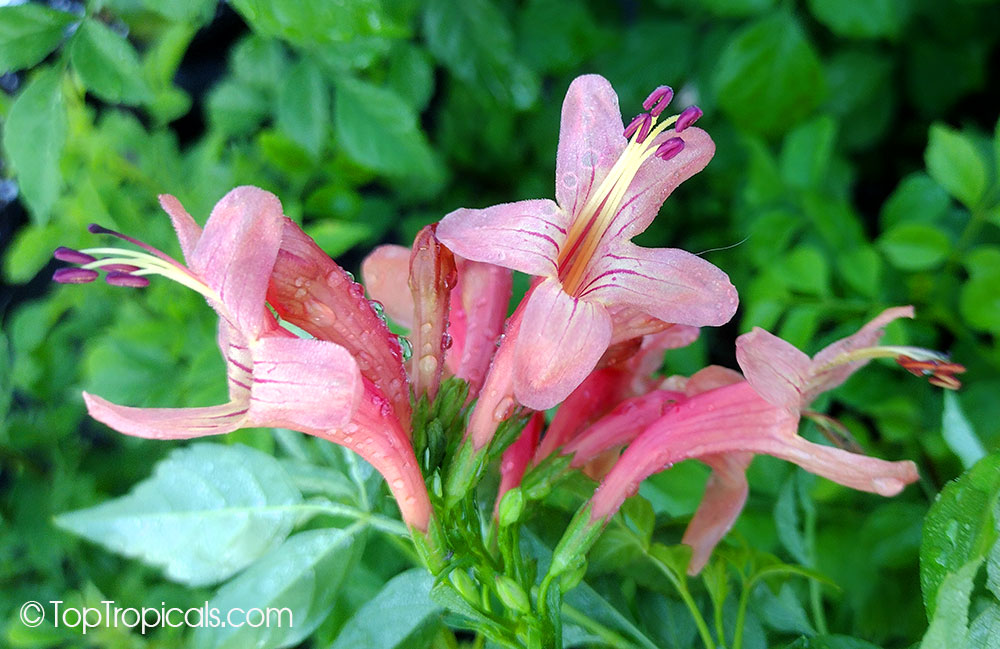
Tecomaria  capensis  Apricot  (Hammers 


Rose)

In the photo: Tecomaria capensis Apricot - Hammers Rose, Apricot Tecoma, Cape Honeysuckle. Very fast growing, it has attractive, light green foliage and frequent displays of long, tubular flowers that may be apricot or orange at the ends of the stems. Great for a privacy hedge that attracts butterflies!