Garden Blog - Top Tropicals

Date: 20 Feb 2026

Florida freeze damage - what to replant after a record cold winter
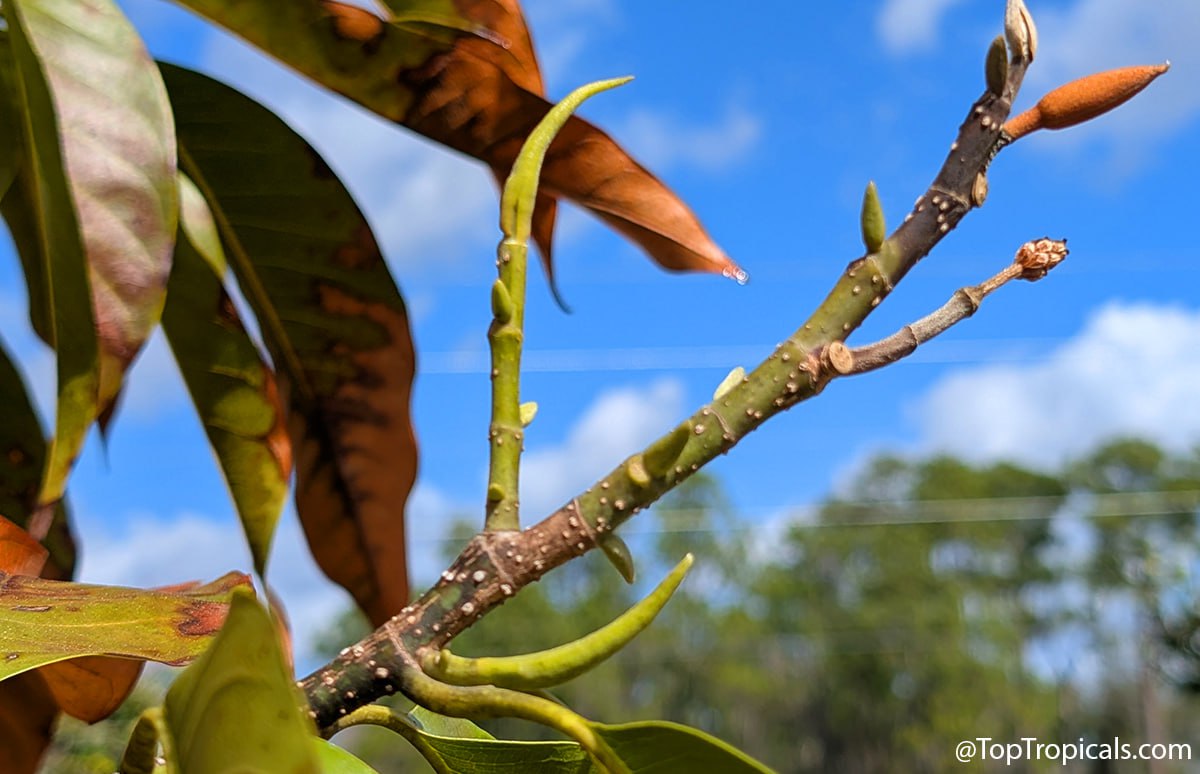
Magnolia champaka new shoots
Magnolia champaka new shoots

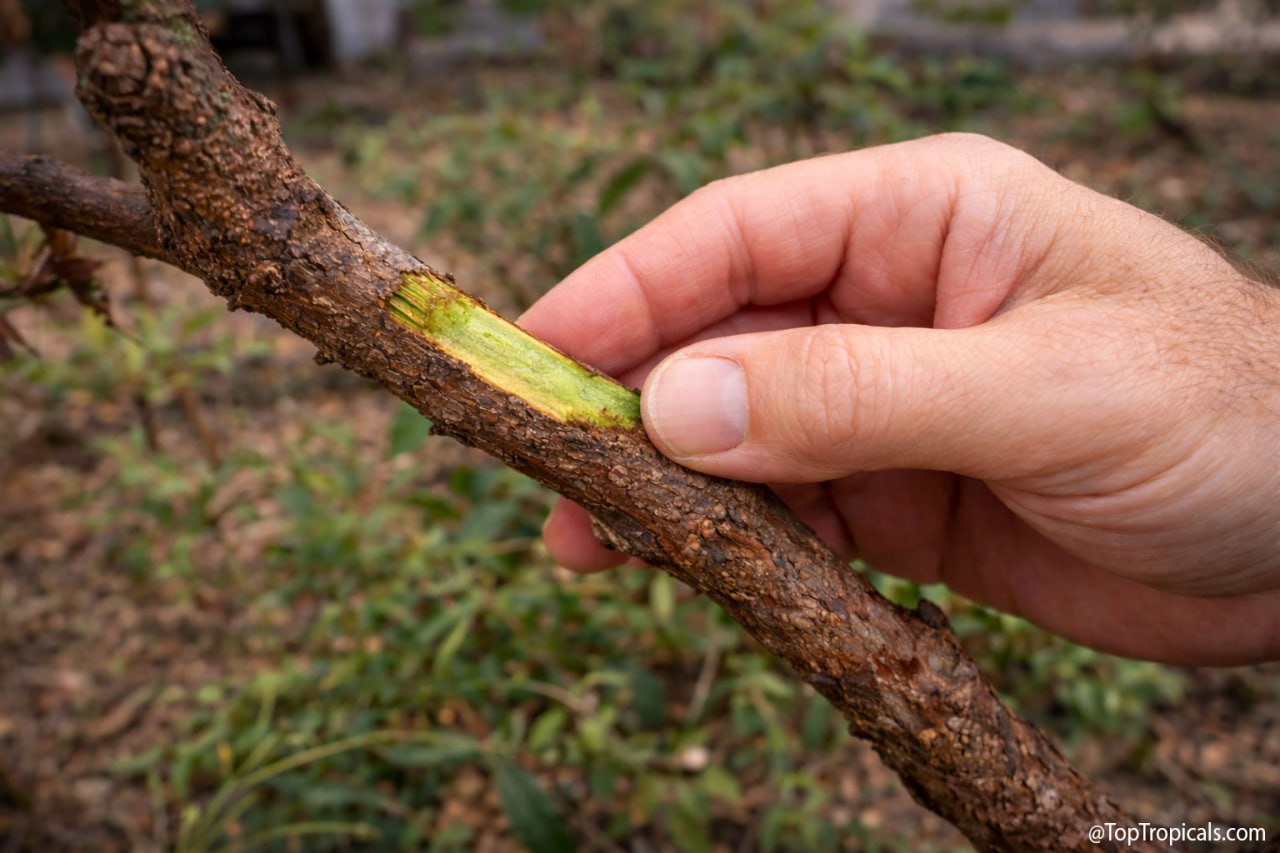
Scratch test on a bark

Scratch test on a bark

❄️ Florida freeze damage - what to replant after a record cold winter

  • 🌱 A record freeze changed Florida gardens


    After the recent record cold across Florida, many gardeners are now seeing the real damage - browned leaves, split stems, collapsed shrubs, and fruit trees that may not recover.
    Some plants surprised us with new growth. Others are clearly gone.
    The practical question is simple: what should you replant so it does not happen again next winter?
    The good news - you can build a more frost-resilient garden without giving up beauty or fruit.
  • 🌱 First - do not rush to rip everything out


    Before replacing anything, check carefully:

Scratch the bark lightly - green underneath means the branch is alive.
  • Wait for consistent warm weather - some plants re-sprout weeks or even months later.
  • Look for growth higher on the stem, not just at the base.
After freezes, many tropicals look worse than they are. Patience often saves money.
  • 🌱 Why some plants survived and others did not


    Freeze survival depends on several factors:

Duration of cold - 2 hours vs 8 hours makes a major difference
  • Microclimate - south-facing walls, wind protection, canopy cover
  • Plant maturity - established roots handle stress better
  • Pre-freeze health - overfertilized, soft growth freezes faster
This explains why two identical plants in the same yard can perform very differently.
  • 🌱 What to replant for a frost-resilient garden


    Instead of replacing losses with the same tender species, consider:

Cold-hardy fruit trees
  • Proven freeze survivors from this winter
  • Shrubs that tolerate brief dips below freezing
  • Layered planting for wind protection

  • When redesigning:
  • Plant tender species closer to structures.
  • Use hardy trees as windbreaks.
  • Avoid low frost pockets.
  • Improve drainage - wet roots freeze faster.
You do not have to remove tropical character. You just have to plant smarter.

✍️ Check the list of freeze survivors:


What tropical plants survived Florida's historic freeze without protection
  • 🌱 Rebuild with strategy, not emotion


    After freeze damage, many gardeners replant quickly - only to repeat the same losses.
    A better approach:

Identify what truly died.
  • Learn which species survived locally.
  • Choose varieties proven in your climate zone.
  • Design with cold in mind.
One freeze can become a turning point. Many Florida gardens become stronger after a hard winter because the plant list gets refined.

🌱 Spring Equinox - a natural reset


The Spring equinox marks equal day and night and the astronomical start of spring. From this point forward, daylight increases and active growth accelerates.
For Florida gardeners, it is a natural reset.
New growth begins. Roots wake up. Replacement planting becomes safer.
This is the right time to rebuild.

🛒 Explore cold tolerant tropical plants and cold hardy Avocados

📚 Learn more:


#Discover #How_to

🟢 Join 👉 TopTropicals
Date: 13 Aug 2025

🌸 Orchid Tree - Bauhinia: Winter Blooms & Year-Round Beauty

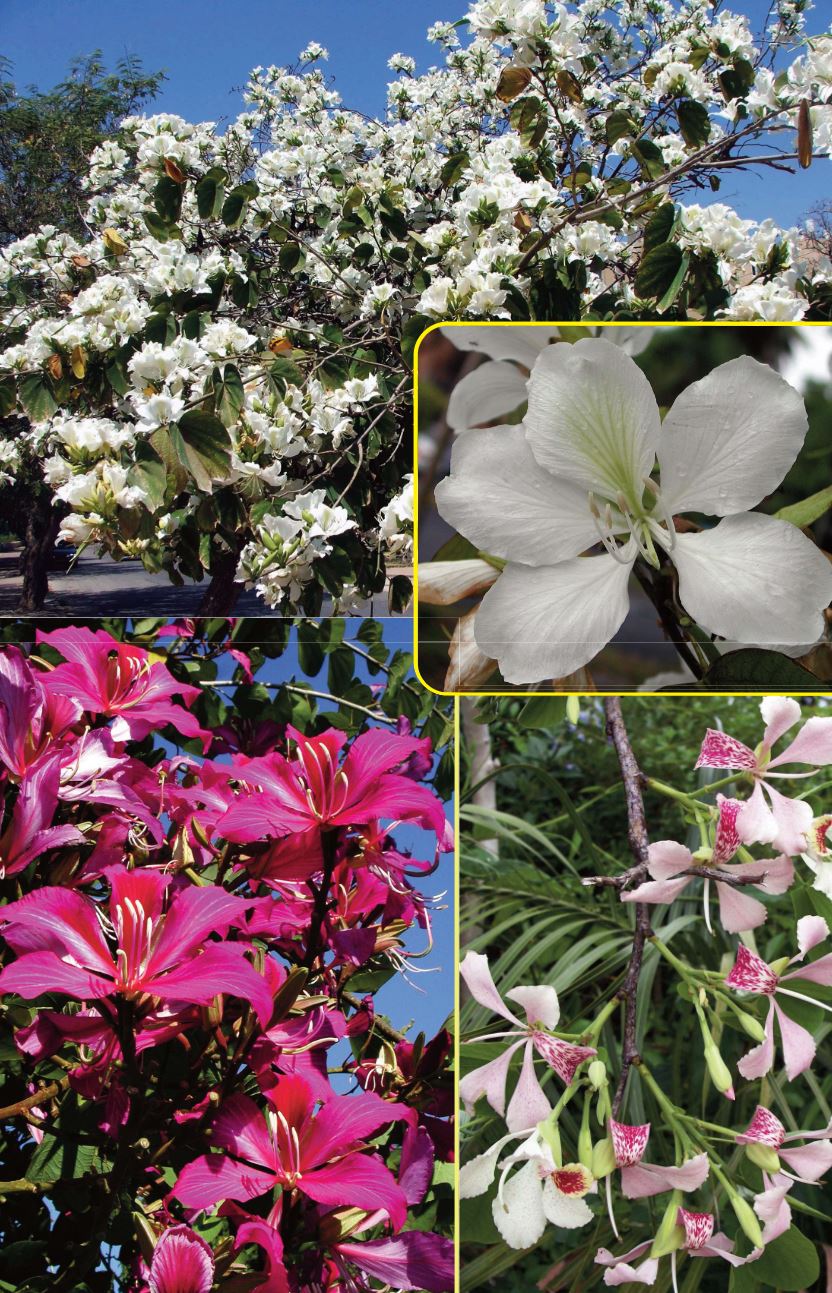
Collage  showing  Bauhinia  blakeana  with  magenta  flowers,  Bauhinia  variegata  var.  candida  with  white  blooms,  and  Bauhinia  monandra  with  pink  speckled  flowers;  all  suitable  for  gardens,  with  some  varieties  adapted  to  container  growing  if 
 trimmed.
Bauhinia blakeana, Bauhinia variegata var. candida, and Bauhinia monandra – Orchid Trees in Bloom

Sometimes a plant stops you midwalk. Flowers so bright they almost glow, leaves shaped like butterflies — that’s a Bauhinia, the Orchid Tree. These fast growers bring color when many gardens are quiet, with some blooming in the heart of winter.

🌟 Why Grow Bauhinia?

  • Exotic blooms in colors from white to deep magenta
  • Distinctive leaves — nature’s own butterfly design
  • Many varieties flower in the cooler season
  • Fast growth, easy shaping, more blooms after pruning
  • Varieties for large yards, small gardens, and sunny patios
  • Tolerant of heat, drought, and poor soils

Bauhinia Care Tips

🌞 Outdoor

Full sun for best flowering, well-draining soil, deep watering once established. Light pruning after bloom keeps shape and encourages more flowers. Protect young plants from frost. During the growing season (Spring - Fall), apply a balanced fertilizer - like top-dress slow release fertilizer or controlled-release Green Magic. Liquid fertilizer Sunshine Boosters Megaflor can be used year around - to promote vigorous growth and abundant blooms.

🏡 Indoor / Patio

Bright sun (south window or outdoors in warm months), large pot with drainage, even moisture during growth, and a bloom-booster feed in season. Feed regularly with a balanced fertilizer controlled-release Green Magic. Liquid fertilizer Sunshine Boosters Megaflor can be used year around - to promote vigorous growth and abundant blooms. Bring indoors before frost.

🍂 Seasonal Note – Bauhinias are Deciduous

Bauhinias drop their leaves in winter — even in warm climates. This is normal and part of their rest cycle. Bare branches in the cool season will leaf out again in spring, often just as flowers begin.

📝 Quick choice guide

Shop Bauhinas

Watch videos about flowering trees

Date: 23 Feb 2026

❄️ The Hardiness Report: February 2026 ❄️

🐾 Smokey & Sunshine’s real-world survival data from our Sebring, Florida Research Gardens. Smokey analyzed the data. Sunshine just stayed happy. Here is what they found.

Macadamia  tree  surviving  25F  freeze  as  Smokey  inspects  leaves  and 
 Sunshine  holds  steaming  coffee  in  frosty  garden.
Sunshine: Twenty five degrees. Wind chill fourteen. And it is still standing... like nothing happened?
Smokey: This is macadamia strength.
Sunshine: I should put a macadamia nut in my coffee and borrow some of that strength.
Smokey: Do not get too nutty yet. It still needs curing and cracking.

📊 Weather Data – February 1–6, 2026

Sebring, Florida – 132 years of recorded observations
This was not a light frost. It was a prolonged, windy, penetrating hard freeze.

  • 🌡 Minimum temperature: 25F
  • ❄️ Wind chill: 14F
  • ⏳ Duration: 3 nights of 8–10 hour hard freeze
  • ☀️ Daytime temperatures: around 50F for 7 days
  • 🌀 Wind: sustained 20 mph, gusts 40–50 mph

While all our plants in pots were protected in greenhouses, our in-ground plantings faced the freeze outdoors. We covered what we could. Even so, some plants were damaged, some died, and some surprised us by surviving.

In the next few newsletters, we will share the real survivors - the plants that proved themselves in the ground, under real conditions. Smokey and Sunshine have been out in the fields assessing the damage from the February 1–6 freeze. While many plants struggled, the Macadamia proved to be a true standout. This is how we grow them to handle the tough years.

Why does this matter? Because we have gotten used to warm winters, and this freeze was a rude awakening. Not everyone lives in Miami. If you garden in places where a real cold event can happen, you have to be prepared - and you have to plant what can take it.

🌰 Macadamia: Freeze Tested and Standing

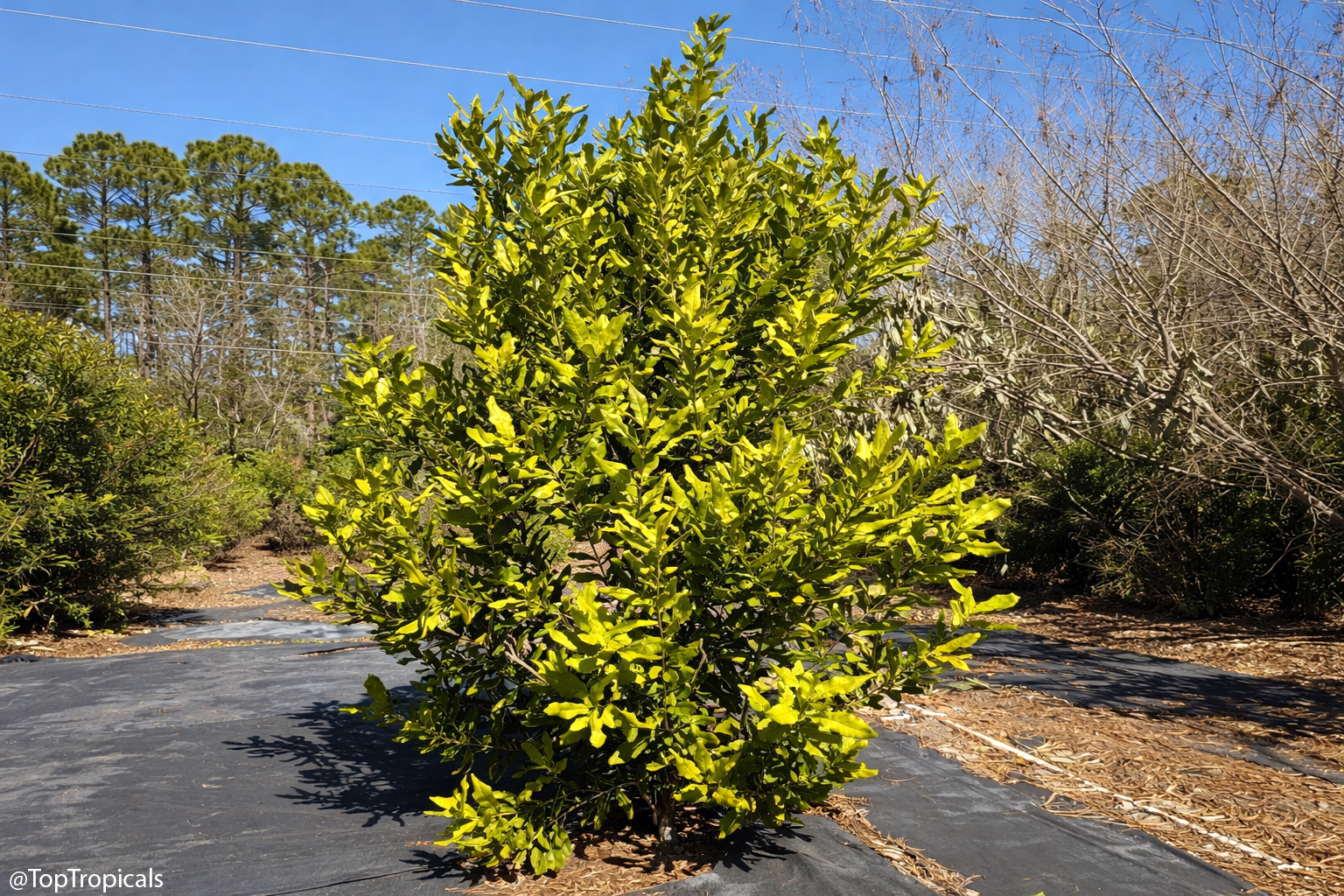
Three  year  old  macadamia  tree  after  three  nights  of  25F  hard  freeze  in 
 February  2026,  showing  healthy  foliage.

3 year old macadamia tree after 3 nights of hard freeze in February 2026 - standing strong.

When temperatures dropped to 25F with wind chill near 14F, our established macadamia trees remained upright, green, and structurally intact. Leaves held. Branches stayed firm. No collapse, no panic.

That is not luck. That is macadamia hardiness.

Often considered a "tropical luxury nut," macadamia proved it can handle more than many gardeners expect. In USDA Zones 9b-11, with proper drainage and site selection, it is not just ornamental - it is a long-term food tree with real resilience.

In a winter that reminded us not to take warmth for granted, macadamia earned its place on the survivor list.

The nut itself is famous for its strength. The shell is among the hardest in the nut world, requiring serious pressure to crack. Inside, the kernel is creamy, buttery, rich, and deeply satisfying. High in monounsaturated fats and naturally low in sugar, macadamias have long been valued both for flavor and for nutrition.

The tree is equally impressive. An evergreen with tough leaves and elegant spring flowers, it matures into a productive, manageable canopy. Nuts develop slowly over six to seven months. Production begins in a few years and increases steadily as the tree matures. Plant it once, and it can reward you for decades.

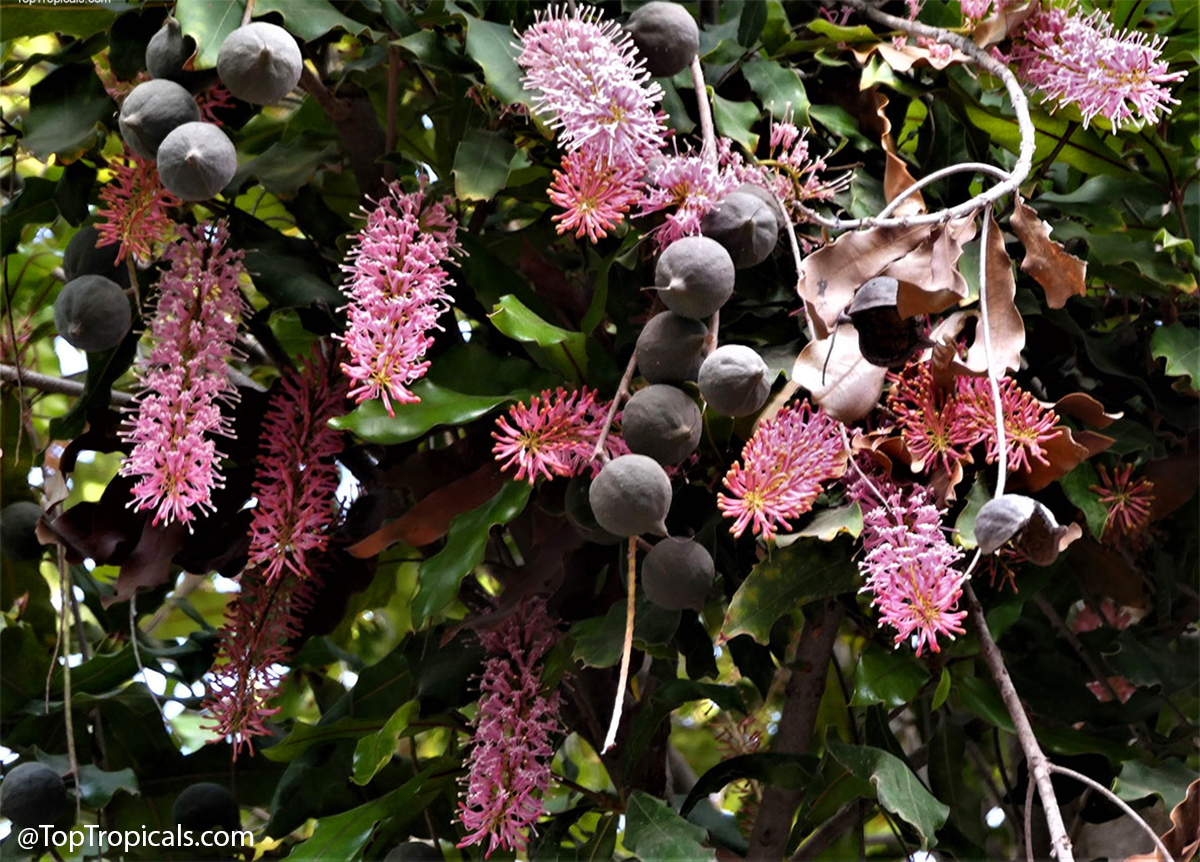
Macadamia  tree  with  pink  flower  racemes  and  developing  round  green  nuts
    on  branches.

Macadamia flowers and developing nuts on the tree.

Cold will come again. It always does. The question is not whether winter will test your garden. The question is whether your trees are ready. Macadamia proved it is. If you are building a garden that feeds you for decades, this is a tree worth planting.

🛒 Add Macadamia Tree to your garden

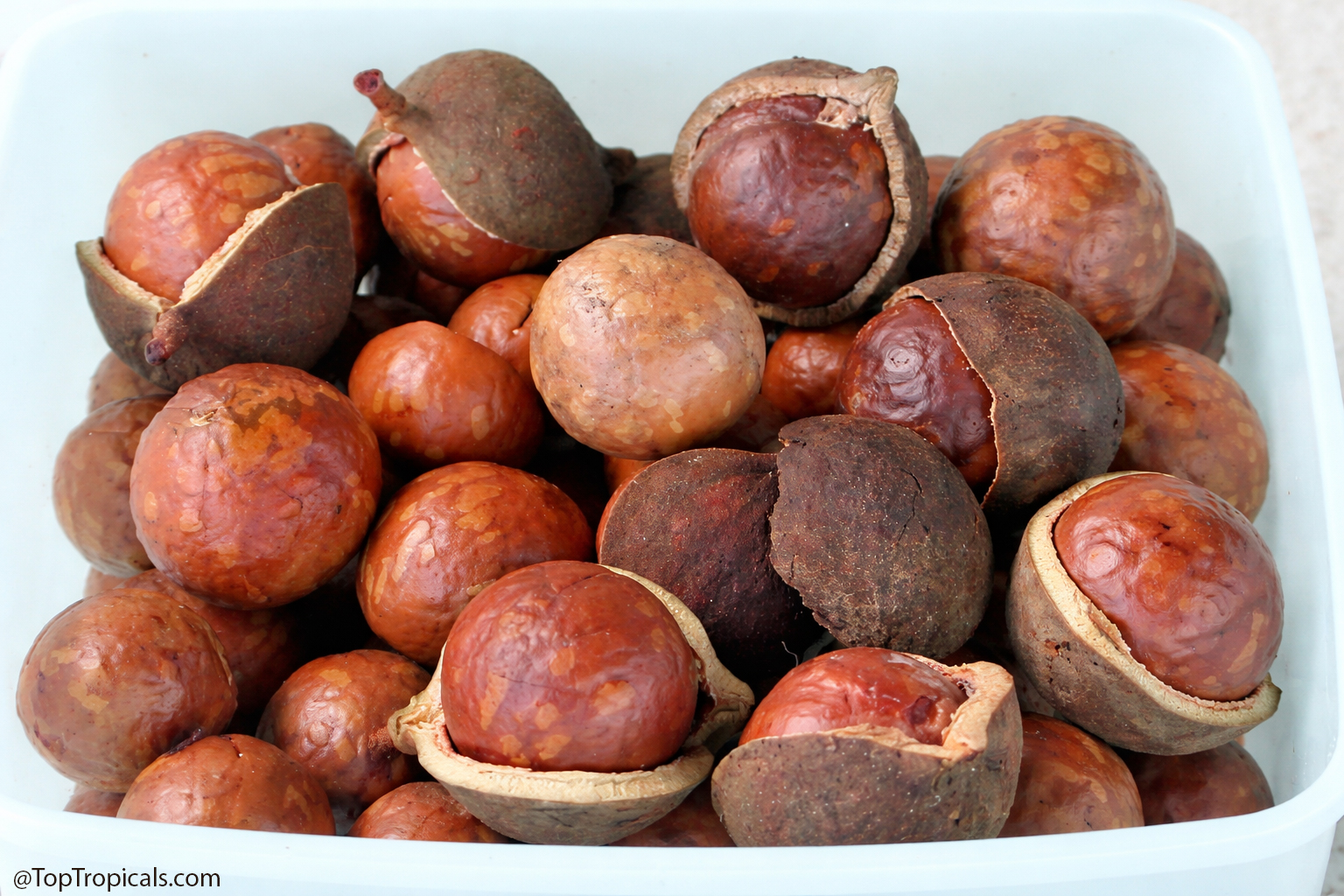
Fresh  macadamia  nuts  with  outer  husks  removed  and  hard  brown  shells 
 exposed  in  a  container.

Freshly harvested macadamia nuts with husk removed and hard shells visible.

Date: 22 Apr 2026

When Mango Ripens on the Tree, Everything Changes

Smokey  and  Sunshine  enjoying  fresh  homegrown  mango  harvest  in  garden
Sunshine: Never understood the passion for mango. I tried store mangoes. I really tried. Just disappointment. So this is what real mango is supposed to taste like?

Smokey: Now you know.

There is a moment when a mango is perfectly ripe — soft to the touch, warm from the sun, fragrant before you even cut it open. The skin gives way, and suddenly there is color, juice, and a sweetness that feels almost unreal. Not sugary, but deep and layered, like something that took its time to become what it is. In that moment, it feels less like fruit and more like something truly given, exactly as it should be.

What you find in most supermarkets is something else entirely. Picked early so it can survive shipping, it never gets the chance to finish ripening process. It softens, it turns yellow, but the depth never comes. The flavor stays thin, and the texture often turns fibrous — strings in the flesh that get stuck in your teeth instead of melting away. That fiber is not an accident. It helps the fruit stay firm enough to handle transport without damage. It looks like a mango, but it never becomes one.

The only way to close that gap is simple — let the fruit ripe where it belongs. On the tree. When you grow your own mango, you control that moment. You pick it when it is actually ready, not when it has to survive a truck ride across the country. And that one difference is everything you taste.

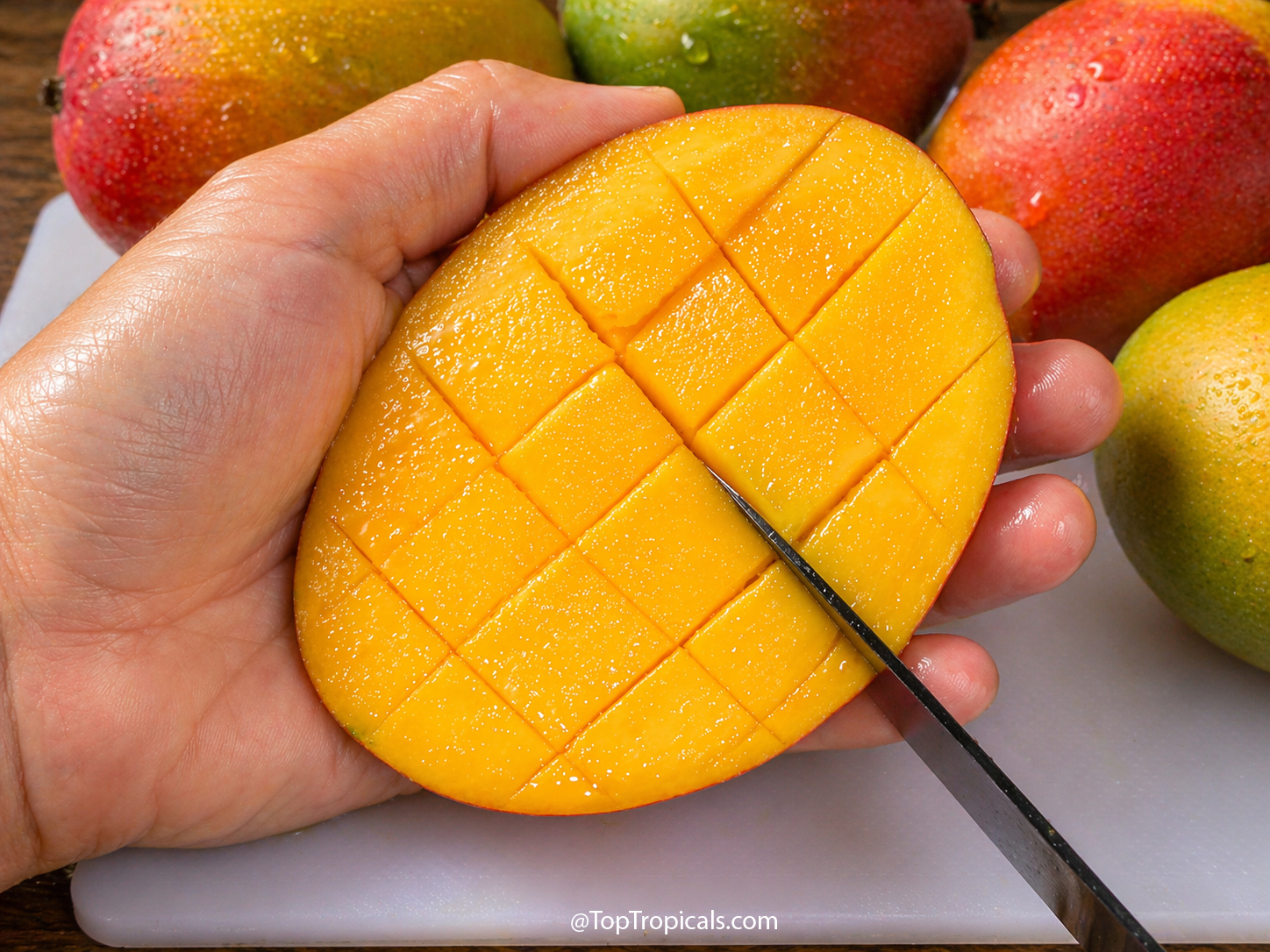
Close-up  of  a  hand  holding  a  mango  cheek  while  scoring  the  bright 
 orange  flesh  into  a  grid  pattern  with  a  knife,  with  whole  mangoes  in  the 
 background.

Scoring a mango cheek into cubes - the easiest way to prepare clean, ready-to-eat pieces.

📚 Learn more about mango varieties

🛒 Shop Mango Trees

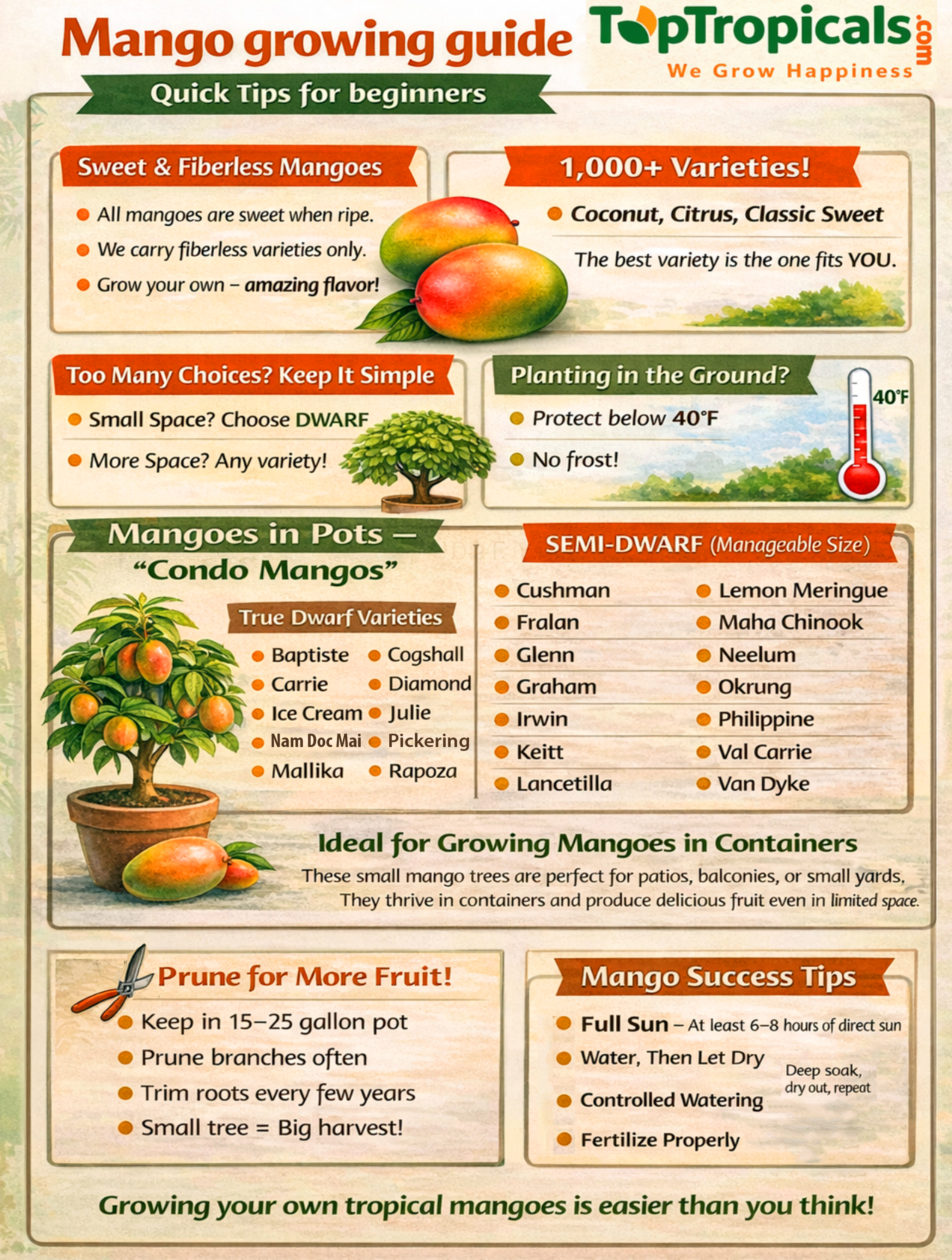
Educational  infographic  titled  mango  growing  guide  showing  beginner 
 tips  for  growing  mango  trees,  including  sweet  fiberless  varieties,  dwarf  and
    semi-dwarf  options  for  containers,  planting  tips,  pruning  advice,  watering,
    sunlight,  and  fertilizing  recommendations,  with  illustrated  mango  trees  and
    fruit.

Quick beginner guide to growing mango trees - from choosing the right variety to pruning, watering, and container growing tips.

Date: 10 Jul 2025

Instant rainforest for your yard - tropical vibes made easy!

Cyathea cooperi - Australian tree fern

🌴 Instant rainforest for your yard - tropical vibes made easy!

  • 🌴 How to create your own jungle retreat quickly? Bring a touch of the tropics to your yard with the Australian tree fern!
  • 🌴 Cyathea cooperi - Australian tree fern - grows fast and looks like it came straight from a Hawaiian rainforest.
  • 🌴 Its giant, lacy fronds can reach up to 8 feet long.
  • 🌴 It takes bright shade or sun, as long as it stays moist.
  • 🌴 The baby fronds of the Australian tree fern unfurl like little furry scrolls, each one slowly unrolling like a curious creature’s tail coming to life. They look almost animated!
  • 🌴 Even in windy spots, this fern holds its own and adds instant jungle vibes. Create your own jungle retreat!


🛒 Yes, I want tropical vibes! Add to my paradise

#Nature_Wonders #Trees #Shade_Garden

🟢 Join 👉 TopTropicals