Date: 12 Dec 2018
Plants which are family members

By Mark Hooten, the Garden Whiz
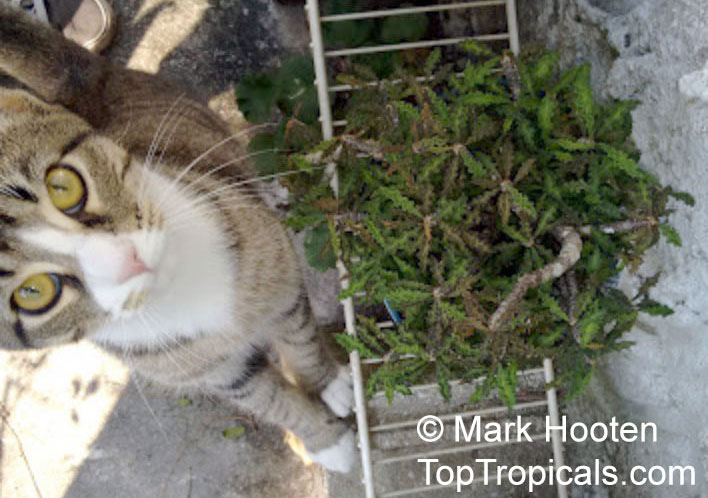
...Perhaps approaching the New Years Season makes me appreciate the plant people I've known. It also made me take stock of the great plants I've had for the longest time. Doing so, I've come to realize that I care for over a handful of potted plants which I have
owned for a number of decades. This Euphorbia decaryi is one of them... Read the story...
...I wonder about other folks' special plants which they have kept for so long they seem like family members. So I ask any of our online friends to send us images and the brief history of some special plant which they have cared for and loved for a LONG TIME! You know, heirloom type plants. We would love to share stories and pictures of these special plants with others!..
Check out our Euphorbias
Date: 24 Jun 2018
Tip of the Month: dealing with heat waves
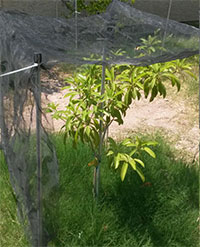
Q: I live in California and this summer has been super hot, with temperature above 100 degrees. This heat wave is killing my plants! Please help!
A: If
you live in Southwest, then you are familiar with heat
waves, when temperature raises above 110F and up to 120F,
while humidity is below 10%. Scorching heat can damage and
kill unprotected young plants. Especially if they're
recently planted.
Most tropical plants came from humid tropics and they
don't easily tolerate high temperatures and low humidity.
You can tell such plants immediately. Desert plants have
small, waxy succulent leaves, which are capable to reduce
evaporation. (See list of plants tolerant to hot
and dry conditions). Tropical plants have large soft
leaves and need high humidity.
These steps will help to protect them... Continue reading...
Date: 24 Jun 2018
Date: 24 Jun 2018
SUNSHINE boosters for recovering plants after shipping
Q: I live in Garden City, NJ and have a sun room with a tropical plant collection that I keep at about 40-45 degrees in winter. I used Sunshine booster during winter for my plant collection and results were amazing! I haven't lost a single plant. Now I see you have more products and I am planning to purchase more plants, how should I use Sunshine boosters to help plants recover after shipping?
A: Spray SUNSHINE-E solution right after receiving a plant from shipping. It will boost up the plant and make it 50-60% stronger and easier to recover after shipping stress. After that, apply SUNSHINE-SuperFood microelement booster to provide everything necessary for the plant to grow vigorously and happily. SUNSHINE-E is indeed a wonderful plant stimulant and stress reliever, although it is not a "magic-cure-all" medicine where one can't find its active ingredient. The hormone (epibrassinolide) is well-known and used in different countries along with other hormones for promote growth, fruiting, blooming, rooting, etc. One of the most amazing properties of SUNSHINE is that it works in extremely low dozes. Only a few drops will be enough to make a solution in distilled water, to treat a large size plant. If you want to try it out, one 5 ml bottle will last for several applications. Large bottles of SUNSHINE 50 ml and 100 ml - great for small and big gardens. It is a good idea to start bi-weekly applications to improve your plants tolerance to Summer heat, drought and improve disease resistance. The formula works through plant metabolism within 2-4 days, repeat application not sooner than in one week. After application of SUNSHINE-E, don't forget to boost your plants with SUNSHINE-SuperFood .
Check out SUNSHINE boosters... We offer FREE shipping on them, so you can make your plants happy!

Date: 15 Nov 2025
What to do and not to do before a cold snap?
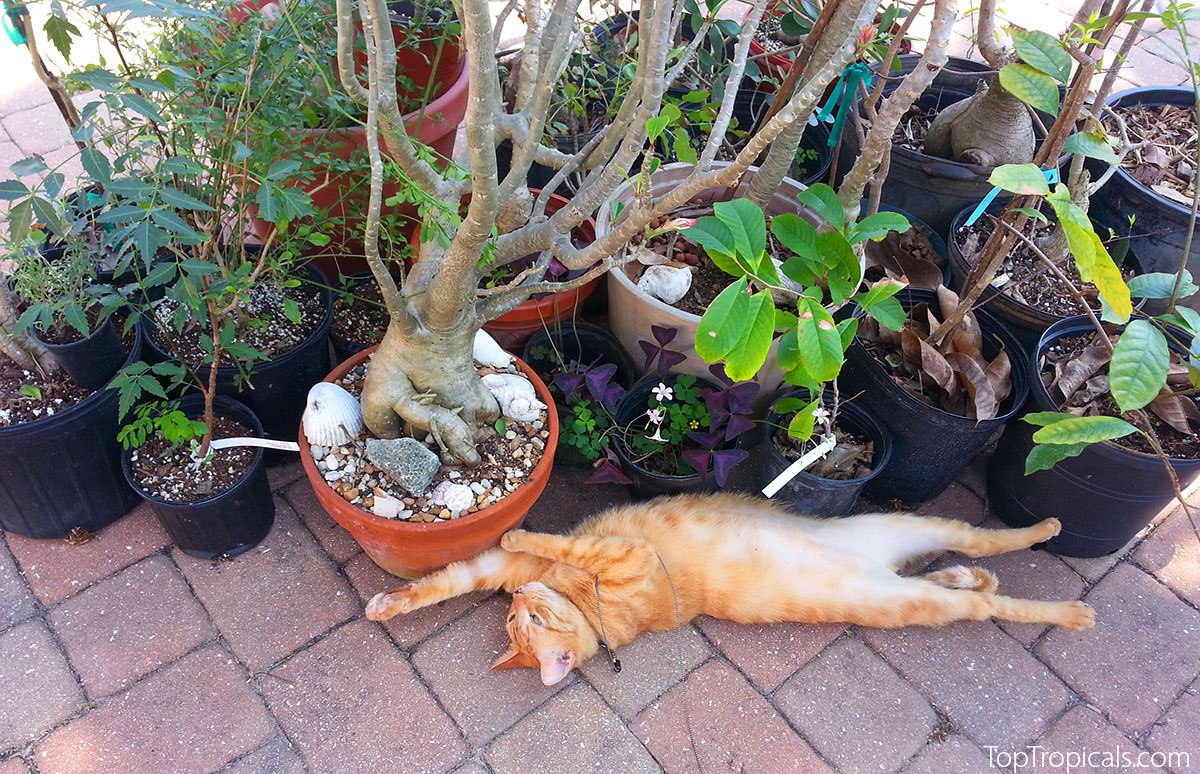
Cat and potted plants
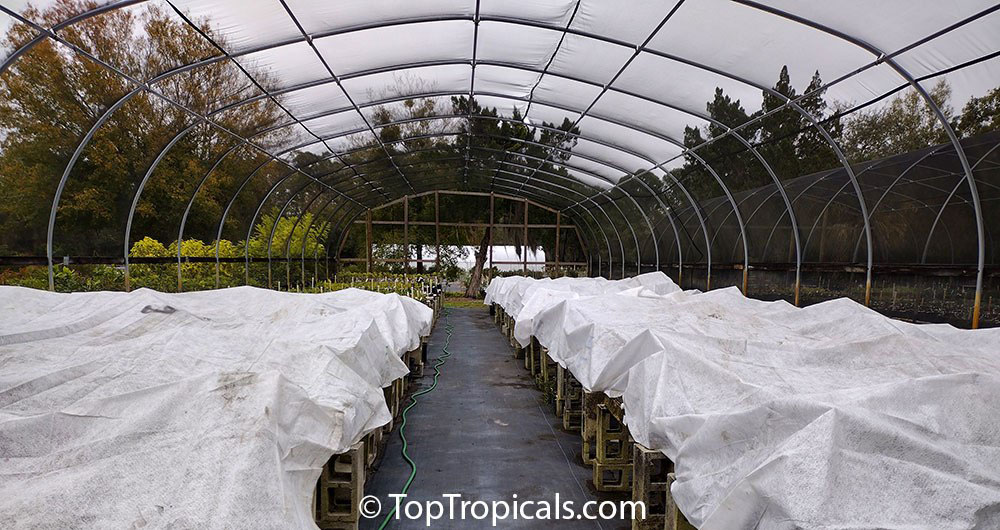
Frost covers
What to do and not to do before a cold snap?
Growing tropical plants outdoors? Here are a few practical notes for your cold protection guide.
⭕️ 5 things to DO to prepare your plants before a cold snap:
1. Water well. A well-hydrated plant is stronger. Juicy stems and leaves handle cold better than dry ones.
2. Add mulch. A thick layer around the base helps insulate the roots and keep them warm.
3. Block the wind. Move pots to a sheltered spot or set up a windbreak.
4. Cover at night, uncover by day. Use frost cloth, blankets, or plastic at night - but remove during the day so plants don’t overheat in the sun and can get as much light as possible.
5. Add gentle heat if needed. Christmas lights or a small heater can help - just use caution and make sure everything is safe.
❌ 5 most common mistakes, what NOT to do before or during a cold snap:
1. Don’t prune. Fresh cuts and new growth are tender and will freeze first.
2. Don’t overwater. Cold and soggy roots can rot. Keep soil moist, not soaked. Water just enough to quench the plant’s thirst and fill stems and leaves with moisture. Cold and wet is a dangerous combination.
3. Don’t let plants dry out either. Wilted, thirsty plants are more likely to suffer cold damage. Cold and dry can be just as harmful as cold and wet.
4. Don’t use dry fertilizer. It can burn roots in cold soil. A gentle liquid feed like amino-acid Sunshine Boosters is an exception and safe to use with every watering. Its intake naturally slows down as watering decreases.
5. Don’t just watch the thermometer. Duration and wind chill matter. A long cold night with wind can do more harm than a brief freeze.
✔️ Keep these in mind, and your plants will thank you when the cold passes!
#How_to
🟢 Join 👉 TopTropicals