Garden Blog - Top Tropicals

Date: 19 Jan 2026

You dont need to buy Gin any more!

Gin Berry, Glycosmis pentaphylla, Orangeberry, Limonia

🍸 You don't need to buy Gin any more!

🍸Guess what is this fruit that tastes like Gin - it's Gin Berry, Glycosmis pentaphylla. It's also called Orangeberry, or Limonia, and is one of those plants that surprises people the moment they touch it. Crush a leaf or rub one of the ripe berries, and the scent is unmistakable - fresh, citrusy, pure gin! Just add tonic.

Ash sheora Plant Facts

Botanical name: Glycosmis pentaphylla, Limonia pentaphylla
Also known as: Ash sheora, Orangeberry, Rum Berry, Gin Berry
USDA Zone: 9 - 10
Highligths Small tree 10-20 ftFull sunWatering: Moderate. Water when top soil feels dryWatering: Regular. Let topsoil dry slightlyWhite, off-white flowersEthnomedical plant.
Plants marked as ethnomedical and/or described as medicinal, are not offered as medicine but rather as ornamentals or plant collectibles.
Ethnomedical statements / products have not been evaluated by the FDA and are not intended to diagnose, treat, cure, or prevent any disease. We urge all customers to consult a physician before using any supplements, herbals or medicines advertised here or elsewhere.
Get personalized tips for your region


🍸 Why the berries smell like gin?


The leaves and berries are packed with aromatic oils rich in citrus terpenes, similar to compounds found in juniper and citrus peel. That shared chemistry is what creates the gin-like fragrance. It smells clean, sharp, and refreshing - more aroma than sweetness.

🍸 A lesser-known citrus cousin


Gin Berry belongs to the Rutaceae family, the same plant family as oranges, lemons, limes, and Curry leaf. You can see it in the glossy leaves and smell it in the oils, but the growth habit is different. Instead of becoming a tree, Gin Berry stays a compact, evergreen shrub.

🍸 Edible, but fragrance-forward


The small berries are edible and lightly sweet-tart, though most people notice the aroma before the flavor. In parts of South and Southeast Asia, the fruit is eaten fresh, added to chutneys, or used to scent drinks and infusions. It is subtle and aromatic rather than juicy.

🍸 Traditional uses and health benefits


🔸Gin Berry has a long history in folk medicine, especially in in Hindu medicine.
🔸Leaves used in teas for digestion and fevers
🔸Roots traditionally used for inflammation and pain
🔸Modern studies note antimicrobial and antioxidant activity

🍸 Easy garden and container plant


🔸Evergreen shrub with shiny leaves
🔸Naturally compact and easy to prune
🔸Small white flowers with a light fragrance
🔸Clusters of decorative berries
🔸Excellent for pots, patios, and warm climates
🔸Attracts pollinators, and birds enjoy the berries.

🍸 Why Gin Berry stands out


Gin Berry sits right between ornamental and edible. It has the citrus-family fragrance people love, stays manageable in size, and offers a unique sensory experience that most gardeners have never seen - or smelled - before.

🛒 Add Gin Berry to your rare fruit collection

#Food_Forest #Fun_facts #Remedies

🟢 Join 👉 TopTropicals
Date: 19 May 2026

The Tree That Looks Photoshopped (But Isnt)

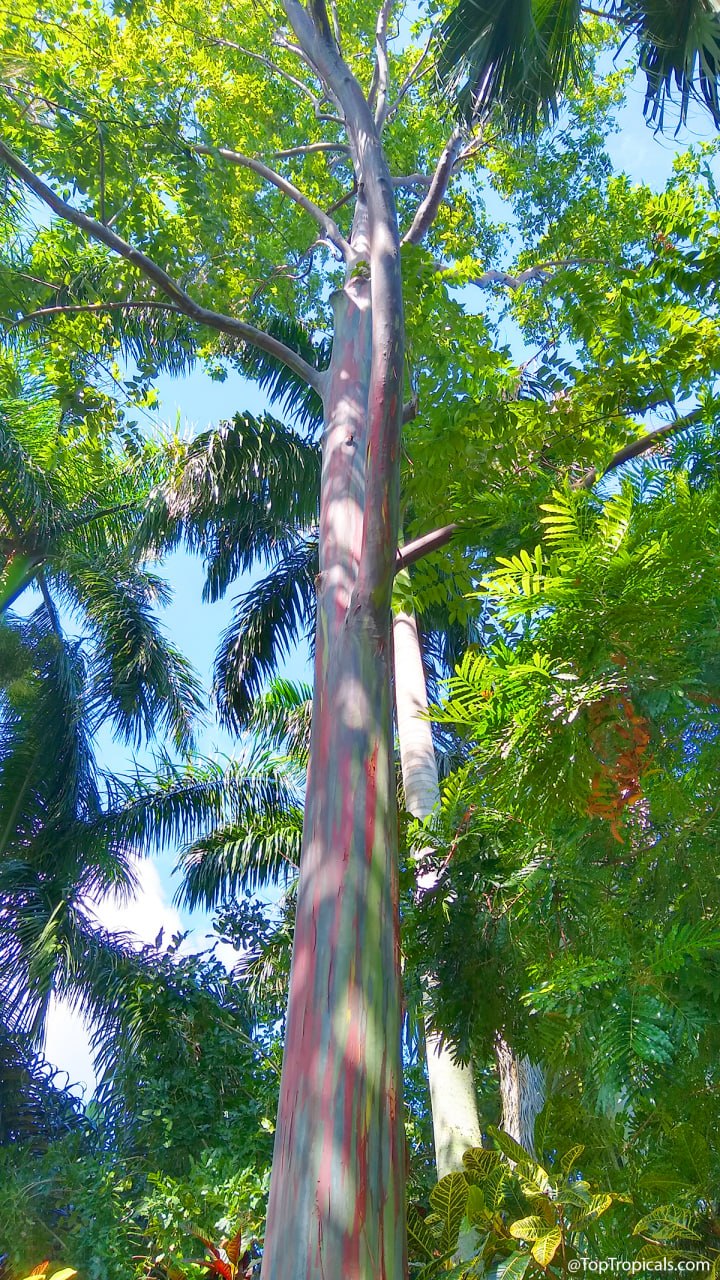
Rainbow Eucalyptus - Eucalyptus deglupta

Rainbow Eucalyptus - Eucalyptus deglupta

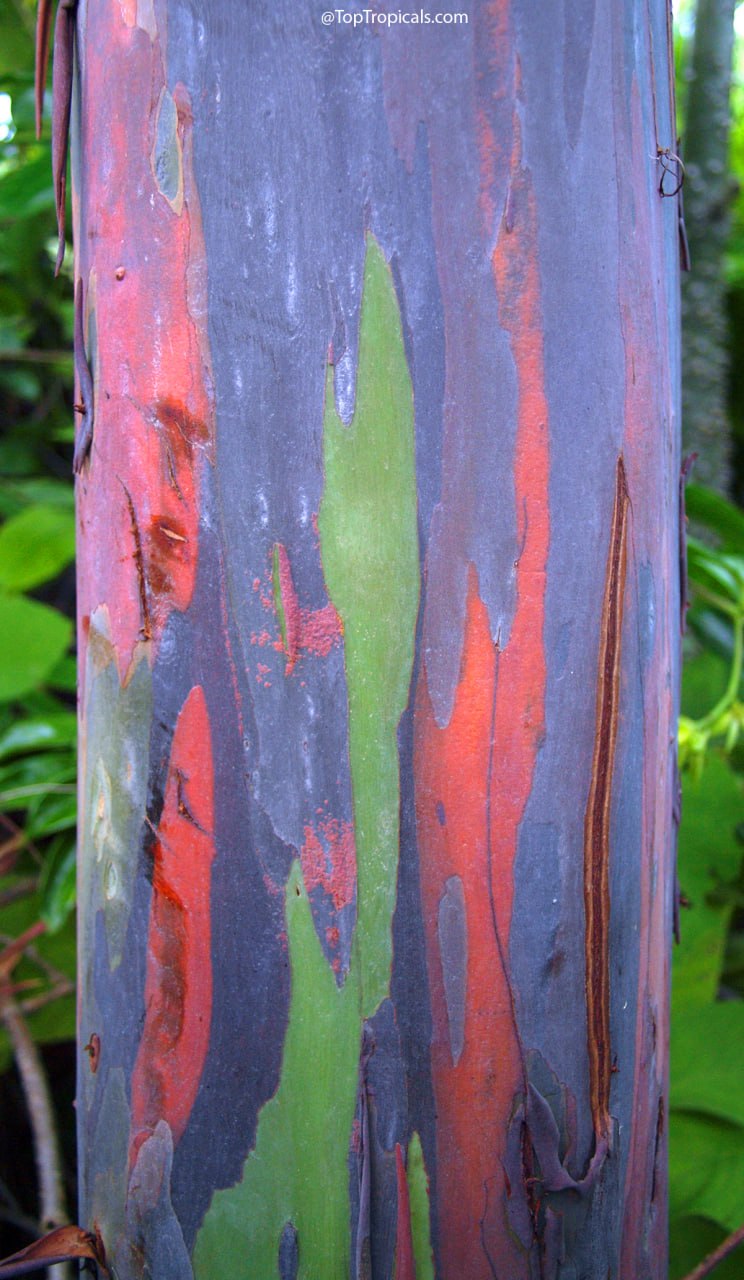
Rainbow Eucalyptus - Eucalyptus deglupta, close up bark

Rainbow Eucalyptus - Eucalyptus deglupta, close up bark

The Tree That Looks Photoshopped (But Isn't) 🌈

Most people see a photo of the Rainbow Eucalyptus and assume someone went heavy on the saturation filters. The trunk looks like an abstract artist got loose with neon greens, deep blues, purples, and burnt oranges - all on the same tree, all at once. It doesn't look real. But it is. And if you live in the right climate, you can actually grow one.

🎨 The Chemistry Behind the Watercolor Trunk


Eucalyptus deglupta does something no other tree quite pulls off at this scale: it sheds its bark in patches and strips throughout the year. While it seems entirely alien, this multi-colored, peeling bark is actually a family trait shared by many other members of the Myrtaceae (Myrtle) family - including common guava trees.

Rainbow Eucalyptus Plant Facts

Botanical name: Eucalyptus deglupta
Also known as: Rainbow Eucalyptus, Mindanao Gum, Rainbow Gum
USDA Zone: 10 - 11
Highligths Large tree taller than 20 ftFull sunWatering: Moderate. Water when top soil feels dryKeep soil moistRed, crimson, vinous flowersWhite, off-white flowersSpice or herb plantFlood tolerant plant
Get personalized tips for your region


However, the Rainbow Eucalyptus takes this family tradition to an absolute extreme. This constant shedding reveals a living, shifting canvas underneath:
The Fresh Layer: New bark starts out a shocking, vivid green because of the chlorophyll sitting just beneath the surface.
The Shift: As the bark is exposed to air, it oxidizes. Time and oxygen push the colors through a spectrum of blues, purples, and eventually into warm oranges and deep, reddish-browns.
The Living Canvas: Because different sections of the trunk shed at different times, the tree is never just one color. It looks like a living watercolor painting that's still drying.

🎨 A Rainforest Giant That Grows at Breakneck Speed


Native to the humid tropical rainforests of the Philippines, Indonesia, and Papua New Guinea, this isn't your average backyard sapling. In the wild, it can tower at nearly 200 feet tall.
While it stays a bit more manageable in residential landscapes, it remains fast-growing. If you give it full sun, rich soil, and plenty of humidity, a young tree can put on several feet of height per year.
Unlike its drought-tolerant Australian cousins, the Rainbow Eucalyptus loves water and can even handle occasional flooding. As a bonus, its leaves release a pleasant, spicy aroma when crushed, adding a sensory layer to its visual drama.

🎨 The Catch: It Hates the Cold


Before you run out to buy one, there is a major catch. While many eucalyptus species are surprisingly tough against the hard freeze, the Rainbow Eucalyptus is the tropical outlier of the family.

The Safe Zones: It thrives best in USDA Zones 10-11 (like South Florida and Southern California), where winters stay mild.
❄️ The Cold Threat: Hard freezes, frost, and biting cold winds will badly damage or kill it.

Can you grow it in colder climates? Yes, but you'll need a big container and a tall space to move it in. Many gardeners outside the tropics grow them in large pots so they can drag them indoors or into a greenhouse for the winter. It limits their ultimate size, but it keeps the theatrical effect alive.

🎨 Why It's Worth the Hype


If you are lucky enough to live in a climate where it can thrive, the Rainbow Eucalyptus makes the ultimate landscape centerpiece. Because its canopy is tall and airy rather than dense, it won't completely black out the sun for the rest of your garden. Instead, it just stands there looking impossible.

Photos actually undersell it. Standing next to the trunk in person, you find yourself looking for the trick. But there isn't one - just nature showing off.

🛒 Plant the Impossible Rainbow Eucalyptus

📚 Learn more: 


Eucalyptus deglupta - Rainbow Eucalyptus in Plant Encyclopedia

#Trees #Discover #Nature_Wonders #Fun_Facts

🟢 Join 👉 TopTropicals

Date: 21 Nov 2024

How this breath-taking flowering tree stays so compact

🌸 How this breath-taking flowering tree stays so compact


🌸 Ceiba hybrid - Dwarf Pink Princess - is one of the #Nature_Wonders that takes your breath away!

🌸 A compact marvel of nature that redefines beauty in small spaces, this exquisite hybrid of the Pink Silk Floss Tree (Ceiba speciosa) grows to a manageable height of just 8-12 feet, making it perfect for small yards or container gardening.

In bloom, the tree is a spectacle: nearly leafless, with its crown exploding into tens of thousands of pink flowers, creating a vibrant, colorful mass.

🌸 Its spreading crown and profusion of blossoms make it a showstopper, proving that you don’t need a giant tree to make a big impact.

🛒 Order Pink Princess

#Trees

🔴 Join 👉 TopTropicals

Date: 2 Jan 2020

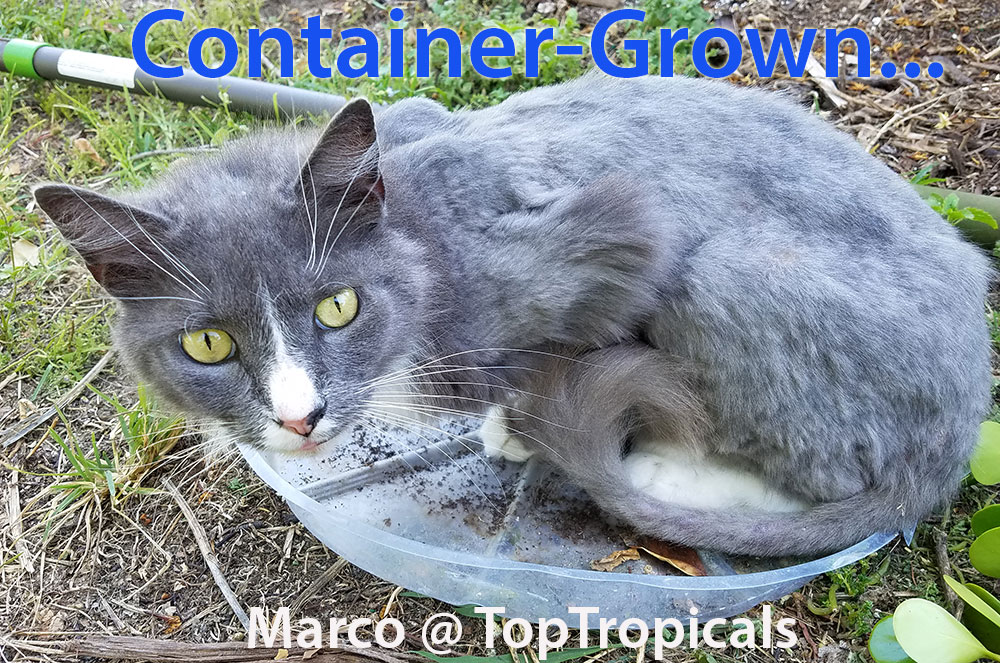
Meet PeopleCats of TopTropicals. Cat of the Day: Field Grown Marco

Marco loves growing plants and be involved in different projects outside. He is good at finding spots either on top, or inside some inappropriate objects. Yet simple boxes, that most cats find super comfy, do not interest him. Is has to be a plant container, saucer, or even a charcoal grill full of ash... He can sit in some weird places for hours like on top of a fence pole, or lay in the middle of a busy walking traffic while everybody have to step over or walk around him... We have quite a collection of Marco's special places and will be sharing with you!

Check out and more Cat of the Day stories.

Date: 5 Sep 2019

How to get Jasmines to flower

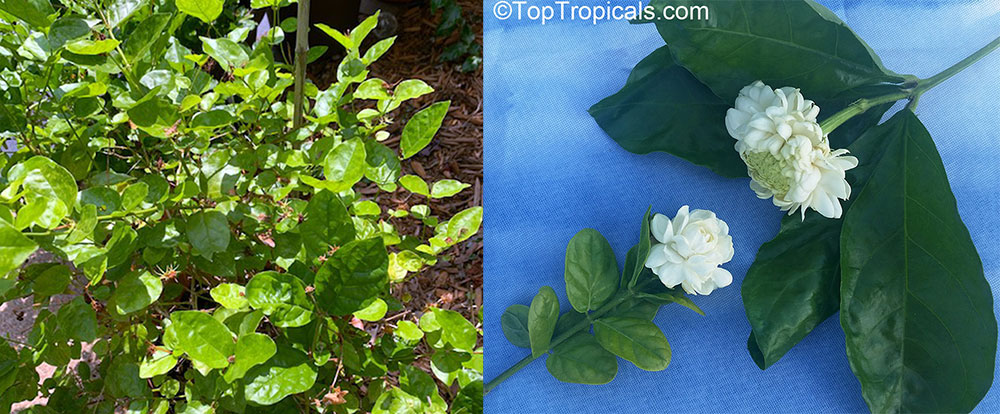
Q: On the picture, these are a few of the jasmine plants that I have from Top Tropicals. I have bought so many plants from you over the years, not just jasmine. I have several varieties of jasmine. They were all doing very well. However this year I didn't get a single flower. There are a lot of buds... But before the buds open they become brown and withered. I bought fertilizer from you. Fertilized the plants once a month like I always do. I water the plants once a week. I repotted the plants hoping that would take care of this problem. Some of the jasmine plants I pruned... the plants came back vigorous growth with a lot of buds... BUT it is the same problem! Please help.

A: One of the possible reasons why they have flower issues is - maybe they don't have enough sunlight. They need to be in full sun all day long for profuse blooming and proper flower forming. However since the buds are forming, there may be just enough light. In this case, dropping buds may be a sign of overwatering.

Important steps - how to make Jasmine Sambac flower:

1. Soil. Use only well-drained soil

2. Water. Keep plants on a dry side and never over water. If the top of the soil is still moist, do not water.

3. Sun. Keep in full sun all day long. The more sun, the more flowers.

4. Bloom booster. Use Flower booster fertilizers:
Pink N Good Daily Plant Food - Flower Booster
Fragrant Plant Special booster, this 90-day Smart-Release container plant food:
Plumeria Top Dress - Smart-Release Booster
Do not use fertilizers with high Nitrogen (1st number in NPK formula) - those will promote more leaves instead of flowers.

5. Micro-elements. Use Apply micro-elements, they will help the plant to develop healthy and long-lasting flowers:
SUNSHINE SuperFood - plant booster

Here is more information on growing Jasmine