Garden Blog - Top Tropicals

Date: 12 Feb 2025

How to grow a Guava Tree: Practical Guide to Growing Guava

Guava (Psidium sp.)

🍉 How to grow a Guava Tree: Practical Guide to Growing Guava

  • 🍑 Guava Trees (Psidium sp.) are beloved for their flavorful fruit and easy-growing nature. These fast-growing trees are reliable producers and can thrive in a variety of climates, making them a favorite among home gardeners. Guavas are compact and can be grown in containers, making them suitable for small spaces and urban gardens.
  • 🍑 Light and Soil


    Guava trees thrive in full sun, requiring at least 6-8 hours of direct sunlight daily to produce the best fruit. They prefer well-draining soils rich in organic matter but are adaptable to a range of soil types, including sandy or loamy soils. Slightly acidic to neutral soil is ideal. While guavas tolerate poor soils, enriching the soil with compost or manure will improve growth and yield.
  • 🍑 Pruning tips


    Pruning is essential for maintaining the shape, size, and productivity of guava trees.

· Frequency: Prune guavas annually, ideally after the fruiting season, to encourage new growth and improve airflow.
  • · Remove dead, diseased, or crossing branches to maintain tree health.
  • · Shape the tree to allow sunlight to penetrate the canopy, which enhances fruit production.
  • · For container-grown guavas, keep the tree compact by trimming back vigorous shoots regularly.


🍑 Guava in containers


Guavas are well-suited to container growing. Compact varieties like the "Nana" guava are ideal for pots. Use a large container (at least 15-20 gallons) with good drainage. Fill it with a high-quality potting mix enriched with organic matter. Place the container in a sunny location and water consistently. Regular pruning helps maintain a manageable size and promotes fruiting in container-grown guavas.
  • 🍑 Watering


· Guava trees require consistent watering, especially during dry periods and the fruiting season. While they can tolerate short periods of flooding, ensure the soil is not waterlogged. Water deeply once or twice a week, depending on your climate.
  • · Fertilize guavas 3-4 times a year during the growing season with a balanced fertilizer rich in potassium and phosphorus to promote flowering and fruiting. Adding organic matter like compost or manure annually boosts soil fertility and improves yields.


🍑 Harvesting

  • · Guava trees are quick to fruit, often producing their first harvest within a year of planting. For container-grown trees, fruiting can start in even smaller pots, such as 1-gallon containers.
  • · Signs of ripe guava fruit include:
  • - A change in color from green to yellow (depending on the variety).
    - A sweet, fruity aroma.
    - Slight softness when gently pressed.
  • · Harvest ripe guavas by hand or with pruning shears. Consume fresh or use them to make juices, jams, or desserts.


🍑 Health Benefits of Guava

  • · Guava is a nutrient powerhouse, offering numerous health benefits:
  • · Vitamin C: Boosts the immune system and helps protect against colds and infections.
  • · Potassium: Supports healthy blood pressure levels.
  • · Antioxidants: Contribute to glowing skin and may reduce the risk of cancer.
  • · Fiber: Aids digestion and helps regulate blood sugar levels.


🍑 Popular Varieties of Guava

  • · Tropical Guava (Psidium guajava): Sweet and aromatic, suitable for warmer climates.
  • · Cattley Guava (Psidium littorale): Cold-hardy with a slightly tart flavor.
  • · Cas Guava (Psidium friedrichsthalianum): Known for its sour taste, perfect for juices like Costa Rica’s traditional "Agua de Cas." Cold hardy, disease resistant and vigorous, productive variety.
  • · Pineapple Guava (Feijoa sellowiana): Fruity and floral, thriving in cooler climates.


🍑 Additional Tips

  • · Guava trees are relatively pest-resistant but may require monitoring in humid climates for mealybugs. Use neem oil if needed.
  • · Planting multiple guava varieties ensures a continuous supply of fruit.
  • · With their fast growth, compact size, and delicious fruit, guava trees are a fantastic addition to tropical garden, greenhouse or patio.


📚 More from previous posts about #Guava

🛒 Shop Guava Trees

#Food_Forest #Guava

🔴 Join 👉 TopTropicals
Date: 9 Mar 2025

How to grow tons of fruit in limited space - its incredible!

100 Papaya trees in 6"x100" strip

💥 How to grow tons of fruit in limited space - it's incredible!

  • 🍊 Yesterday we planted 100 Papaya trees in 6"x100" strip of the garden. That’s right - 100! This year, we’ll have BILLIONS and BILLIONS of fruit. Unbelievable! You should do it too. And here's how.
  • 🍊 Want to grow more fruit trees? Different varieties? But look at your space - it's never enough! What can you do? Most people have no clue. But we do.
  • 🍊 "Fruit cocktail trees" - great idea, right? Different varieties grafted onto one tree. Used to be very popular, especially citrus. But guess what? Doesn’t work well. The strongest variety takes over, dominates - very unfair.
  • 🍊 The best solution? It's called "One Hole Planting." Genius! Just plant several varieties in the SAME hole. Each variety gets its own root system - no fighting, no losers. Just winners.
  • 🍊 The absolute best candidates? Papaya Trees! (Carica papaya). They grow tall, straight, strong - just like a palm tree!
  • 🍊 Here’s the trick: plant several varieties together. Both male and female trees (you thought male papaya was useless? Plant it in, and watch what happens!). It's the best way! Saves space, supercharges pollination, maximizes fruit production. You get different flavors, non-stop harvests.
  • 🍊 Watch the video - 14 huge holes, 100 trees! It’s going to be HUGE! And guess what? We'll be back in just a few weeks - showing off the harvest! Stay tuned!


📚 Learn more from previous posts:


🛒 Shop Papaya Trees

#Food_Forest #Papaya #How_to

🔴 Join 👉 TopTropicals

Date: 8 Apr 2025

What makes Lolita so special and different from regular Surinam Cherry?

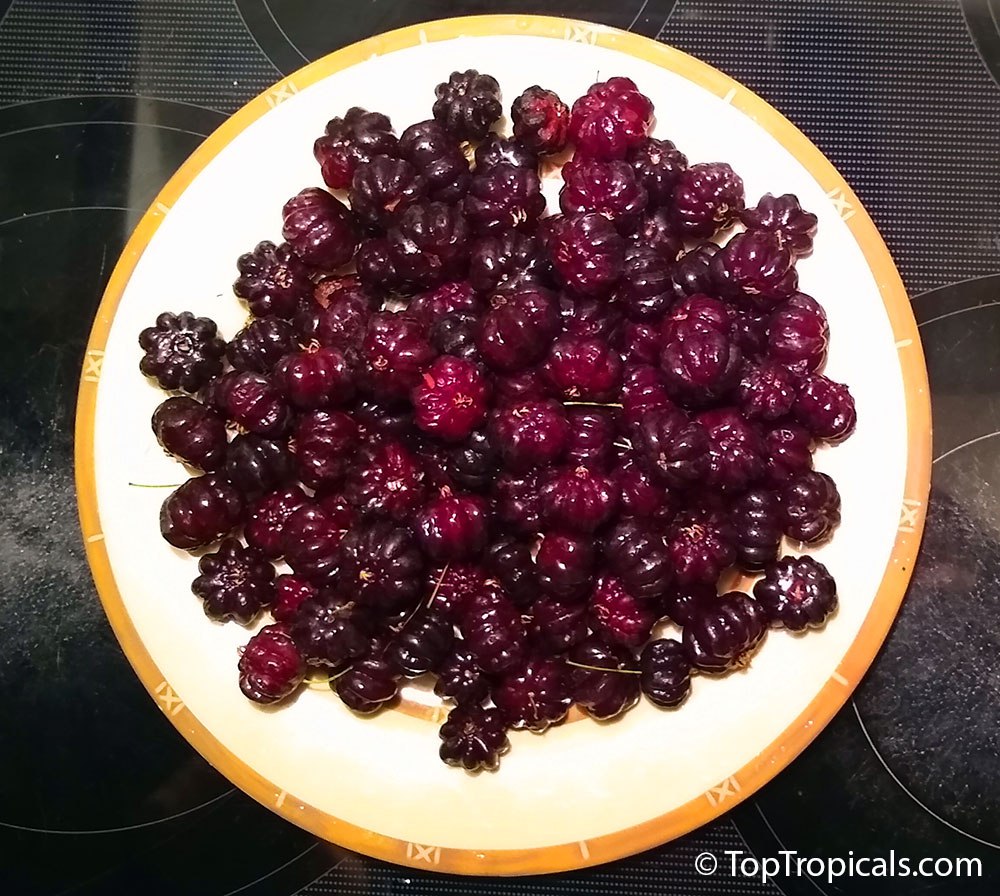
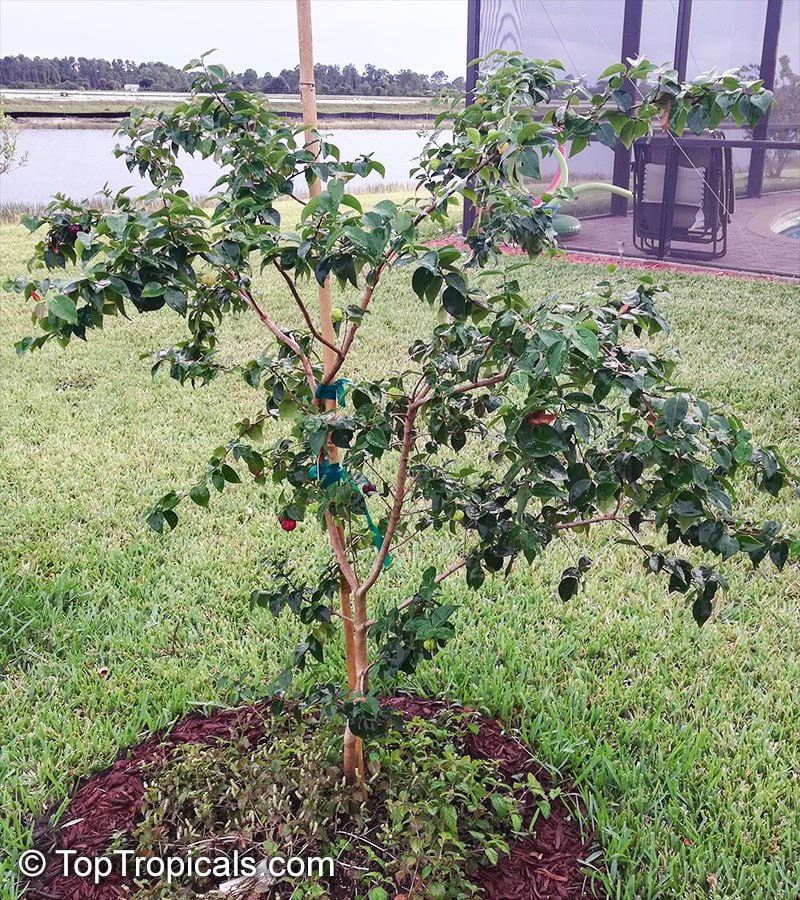
Black Surinam Cherry cv. Lolita (Eugenia uniflora)

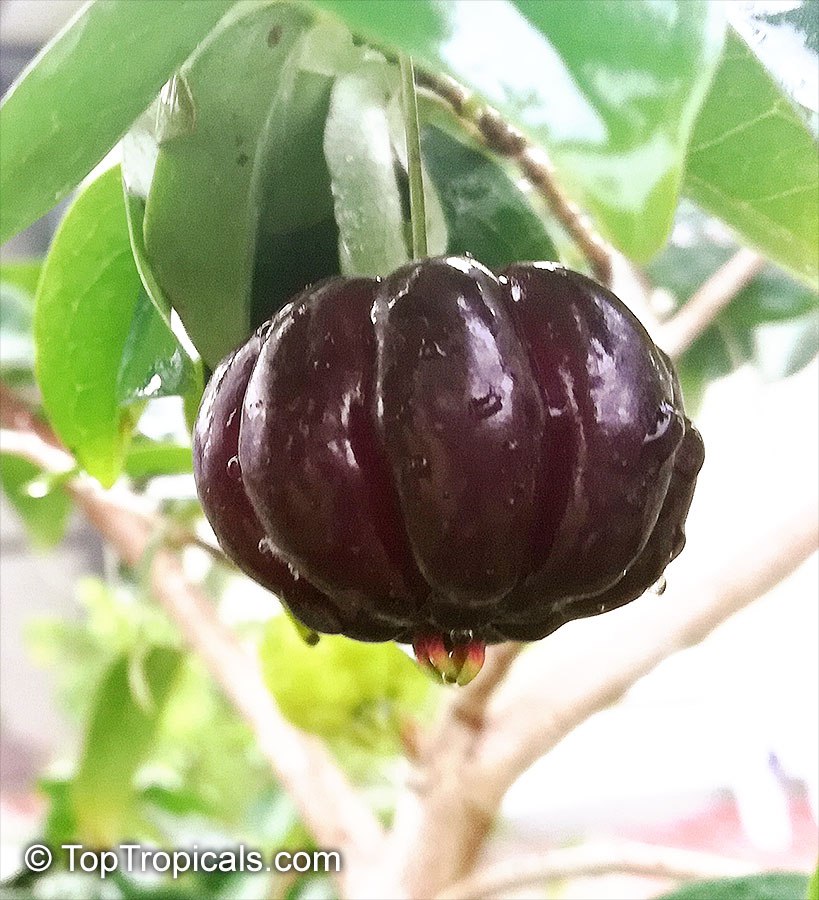
Black Surinam Cherry cv. Lolita (Eugenia uniflora)

Black Surinam Cherry cv. Lolita (Eugenia uniflora) fruit

Black Surinam Cherry cv. Lolita (Eugenia uniflora) fruit

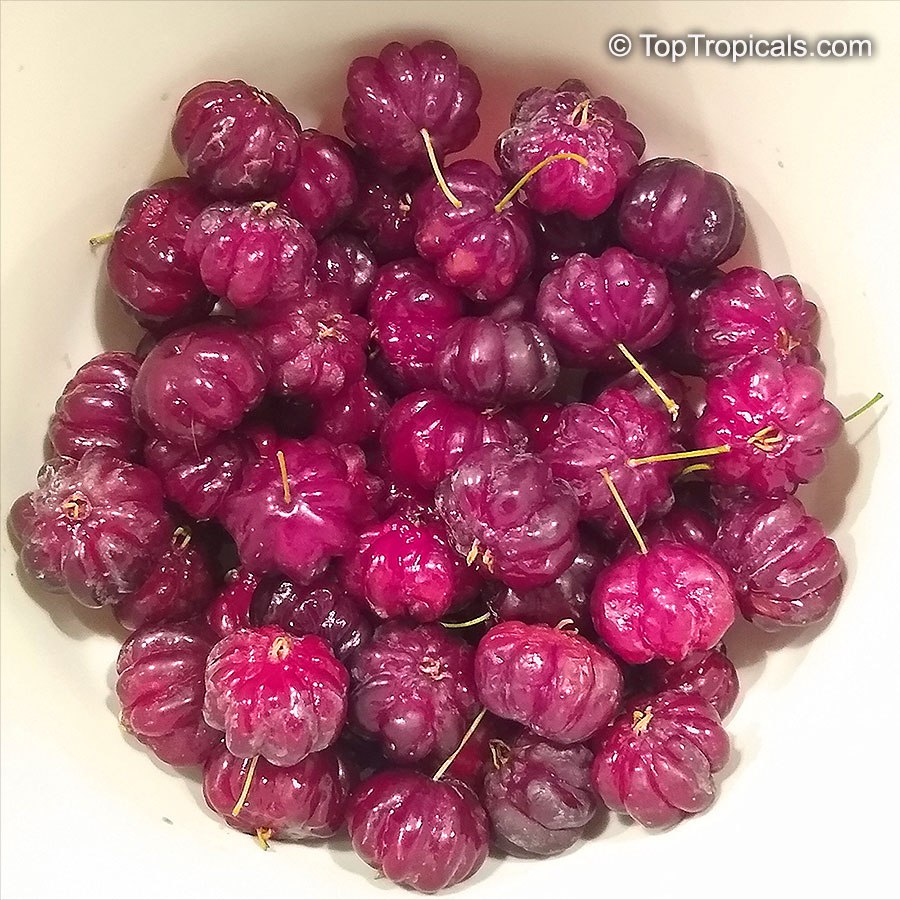
Black Surinam Cherry cv. Lolita (Eugenia uniflora) fruit

Black Surinam Cherry cv. Lolita (Eugenia uniflora) fruit

Black Surinam Cherry cv. Lolita (Eugenia uniflora) fruit

Black Surinam Cherry cv. Lolita (Eugenia uniflora) fruit

What makes Lolita so special and different from regular Surinam Cherry? 💋
  • ❣️ Black Surinam Cherry cv. Lolita (Eugenia uniflora) is Sweet, Juicy, and Cold-Hardy!
  • ❣️ Lolita Cherry is the cultivar you've been waiting for - also known as Black Star or Pitanga var. Black. This rare variety starts red and ripens to a rich black color, with a flavor tha'’s incredibly sweet, juicy, and free of the typical aftertaste found in regular Surinam cherries.
  • ❣️ The fruit is large (1-1.2 inches), packed with juice, and produced by a vigorous, upright, freely branching plant that often fruits in its first year. A reliable and heavy producer, this cherry tree is both ornamental and productive.
  • ❣️ Why grow Lolita?


💋 Delicious, black-colored cherries with exceptional sweetness
  • 💋 Fast to fruit, even in the first year. Seedlings grow true to type - a rare trait!
  • 💋 Cold hardy to the upper 20s F once established. Thrives in USDA zones 9–11 or in containers with winter protection
  • 💋 Upright, bushy habit makes it perfect for edible hedge or small garden spaces
  • 💋 Hard to find and easy to love, Lolita Black Surinam Cherry is a must-have for tropical fruit collectors.


🛒 Plant a Lolita Cherry and have lots of delicious fruit and juice

📚 More about Lolita Cherry from previous posts:


#Food_Forest #Remedies #Discover

🔴 Join 👉 TopTropicals

Date: 29 Nov 2024

Is it Cashew nut or Cashew Apple?

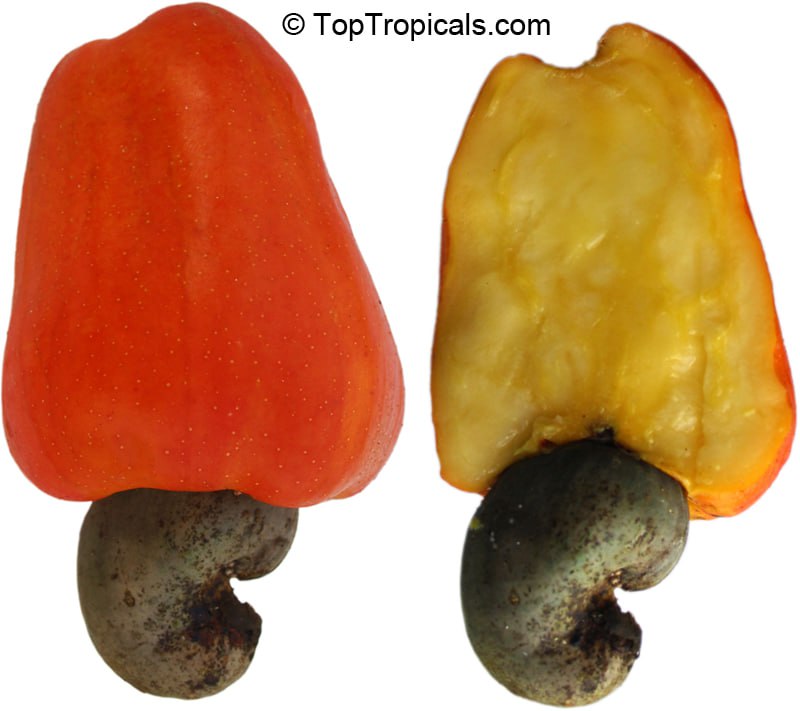
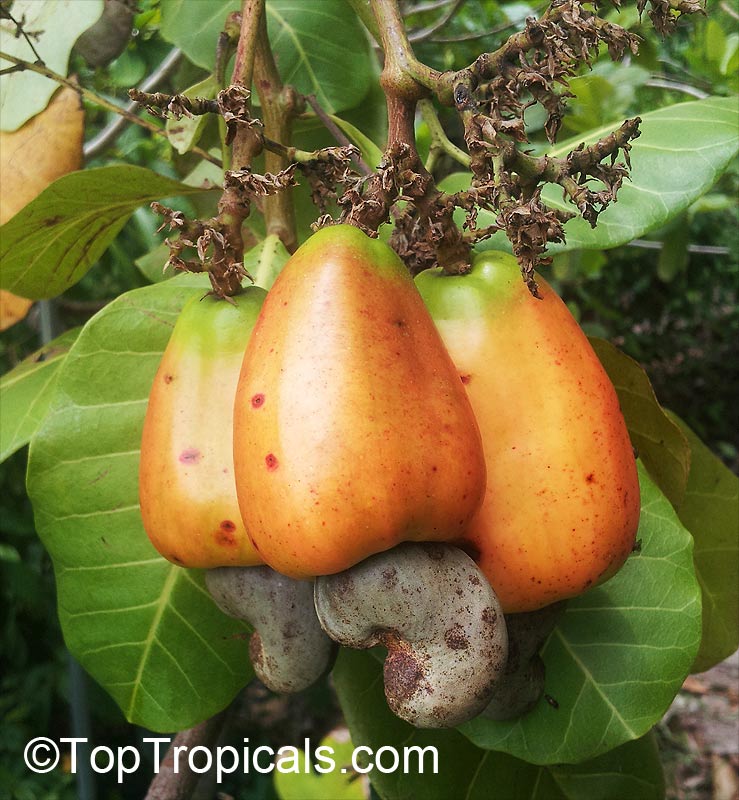
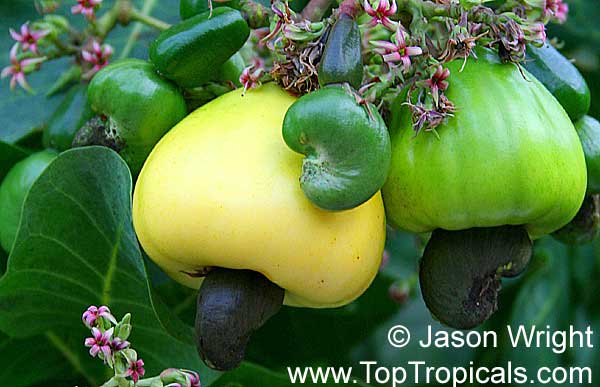
Cashew Tree (Anacardium occidentale) fruit

Cashew Tree (Anacardium occidentale) fruit

Cashew Tree (Anacardium occidentale) fruit

Cashew Tree (Anacardium occidentale) fruit

Cashew Tree (Anacardium occidentale) fruit

Cashew Tree (Anacardium occidentale) fruit

Cashew Tree (Anacardium occidentale) fruit

Cashew Tree (Anacardium occidentale) fruit

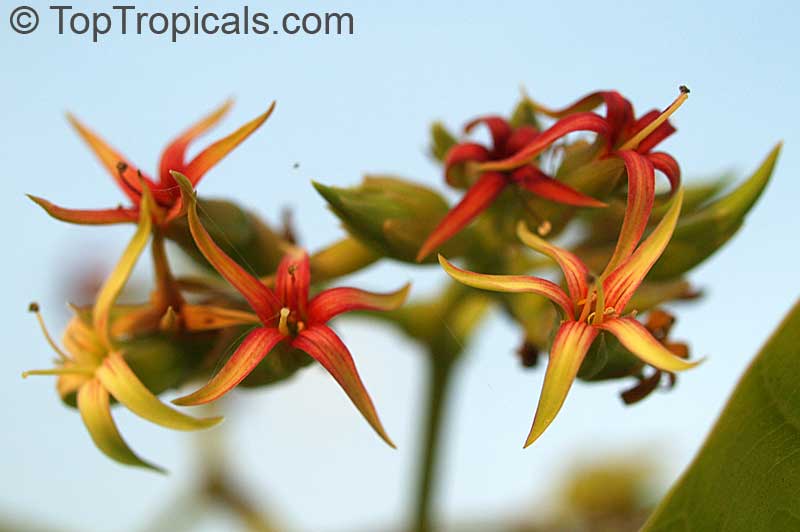
Cashew Tree (Anacardium occidentale) flowers

Cashew Tree (Anacardium occidentale) flowers

🌰 Is it Cashew nut or Cashew Apple? 🍏
  • Cashew Tree (Anacardium occidentale) is a small, fast-growing marvel that gives us both the crunchy cashew nut and the juicy, quirky "cashew apple"
  • It's a tropical multitasker, thriving in poor soils, drought, and salty winds, and can even fruit in a pot within two years!
  • Cashew #Fun_Facts:

  • ♦️The Fruit Switcheroo: The true fruit is the nut, while the brightly colored "apple" is actually a swollen stem. Talk about a fruit with an identity twist!
  • ♦️The cashew apple has a sweet-astringent flavor and can be eaten fresh, stewed, or turned into delicious fragrant juice. A tangy treat!
  • ♦️Nut Know-How: Raw cashews are caustic and must be roasted outdoors because their fumes are anything but friendly.
  • ♦️Whether in sandy soils or salty winds, this tree keeps thriving, proving it's as tough as it is tasty.
  • ♦️The cashew tree is not just a food source; it's a conversation starter! Perfect for gardeners who love both practicality and personality.


🛒 Get your own Cashew Tree

#Food_Forest

🔴 Join 👉 TopTropicals

Date: 4 Jun 2025

How long until I get fruit from my Lychee tree?

Lychee tree with fruit

💖 How long until I get fruit from my Lychee tree?

  • 🍓 Is your Lychee tree ever going to fruit? Yes!
  • 🍓 A Lychee tree grown from an air-layered plant (Litchi chinensis) can start flowering and setting fruit right away, with good crops to be expected within 3 to 5 years, but don’t expect fruit every season. Lychees are often alternate bearers, meaning they may produce a heavy crop one year and little to none the next. Factors like variety, weather, and the tree's health affect this cycle.
  • 🍓 Lychees cannot be reliably grown from seed or grafted, as seedlings lack the necessary mycorrhizal environment found under mature trees. For best results, always start with a quality air-layered tree from a trusted source.


🛒 Shop Lychee varieties

📚 Learn more:


🎥 In the video: This Lychee Mauritus tree (very productive variety) was planted last year, and already has fruited; this is the second year crop.

#Food_Forest #Discover
🟢 Join 👉 TopTropicals