Garden Blog - Top Tropicals

Date: 22 Dec 2025

Chaya Nutritious Omelet: quick-n-fun exotic recipes

Chaya Nutritious Omelet

Chaya Nutritious Omelet

Cnidoscolus aconitifolius (Chaya, Maya Spinach Tree)

Cnidoscolus aconitifolius (Chaya, Maya Spinach Tree)

🍴 Chaya Nutritious Omelet: quick-n-fun exotic recipes


Ingredients

  • Chaya leaves - about 2 cups packed, stems removed
  • Onion - 1 small, sliced
  • Eggs - 2
  • Cooking oil - 1 tablespoon
  • Salt - to taste

Instructions

  1. Boil chaya leaves in plenty of water for 10 to 15 minutes to remove natural toxins. Drain well and chop.
  2. Heat oil in a pan and saute the onion until soft and lightly golden.
  3. Add eggs and scramble gently.
  4. Fold in the cooked chaya and stir for 1 to 2 minutes until well combined.
  5. Serve warm. Flavor is similar to spinach with a firmer texture.

🛒 Add Chaya to your tropical Veggie Garden

📚 Learn more:

Plant Facts

Cnidoscolus aconitifolius
Spinach Tree, Tread Softly, Cabbage Star, Chaya
USDA Zone: 9-11
Large shrub 5-10 ft tallSmall tree 10-20 ftSemi-shadeRegular waterOrnamental foliageWhite, off-white flowersEdible plantSpice or herb plantEthnomedical plant.
Plants marked as ethnomedical and/or described as medicinal, are not offered as medicine but rather as ornamentals or plant collectibles.
Ethnomedical statements / products have not been evaluated by the FDA and are not intended to diagnose, treat, cure, or prevent any disease. We urge all customers to consult a physician before using any supplements, herbals or medicines advertised here or elsewhere.Irritating plantSubtropical plant. Mature plant cold hardy at least to 30s F for a short time

#Food_Forest #Recipes

🟢 Join 👉 TopTropicals

Date: 20 Dec 2025

Grumichama spoon drizzle: quick-n-fun exotic recipes

Grumichama spoon drizzle

Grumichama spoon drizzle

Eugenia brasiliensis fruit tree - Grumichama

Eugenia brasiliensis fruit tree - Grumichama

🍴 Grumichama Spoon Drizzle

Ingredients

  • Ripe grumichama fruit (Eugenia brasiliensis), pulp only
  • Water, a small splash
  • Vanilla ice cream, for serving

Instructions

  1. Remove seeds from ripe grumichama fruit and collect the pulp.
  2. Blend the pulp with a small splash of water until smooth and pourable.
  3. Spoon or drizzle over vanilla ice cream and serve immediately.

📚 Learn more:

Plant Facts

Eugenia brasiliensis, Eugenia dombeyi
Grumichama, Brazilian Cherry
USDA Zone: 9-11
Small tree 10-20 ftSemi-shadeFull sunModerate waterEdible plantSubtropical plant. Mature plant cold hardy at least to 30s F for a short timeSeaside, salt tolerant plant

#Food_Forest #Recipes

🟢 Join 👉 TopTropicals

Date: 10 Dec 2025

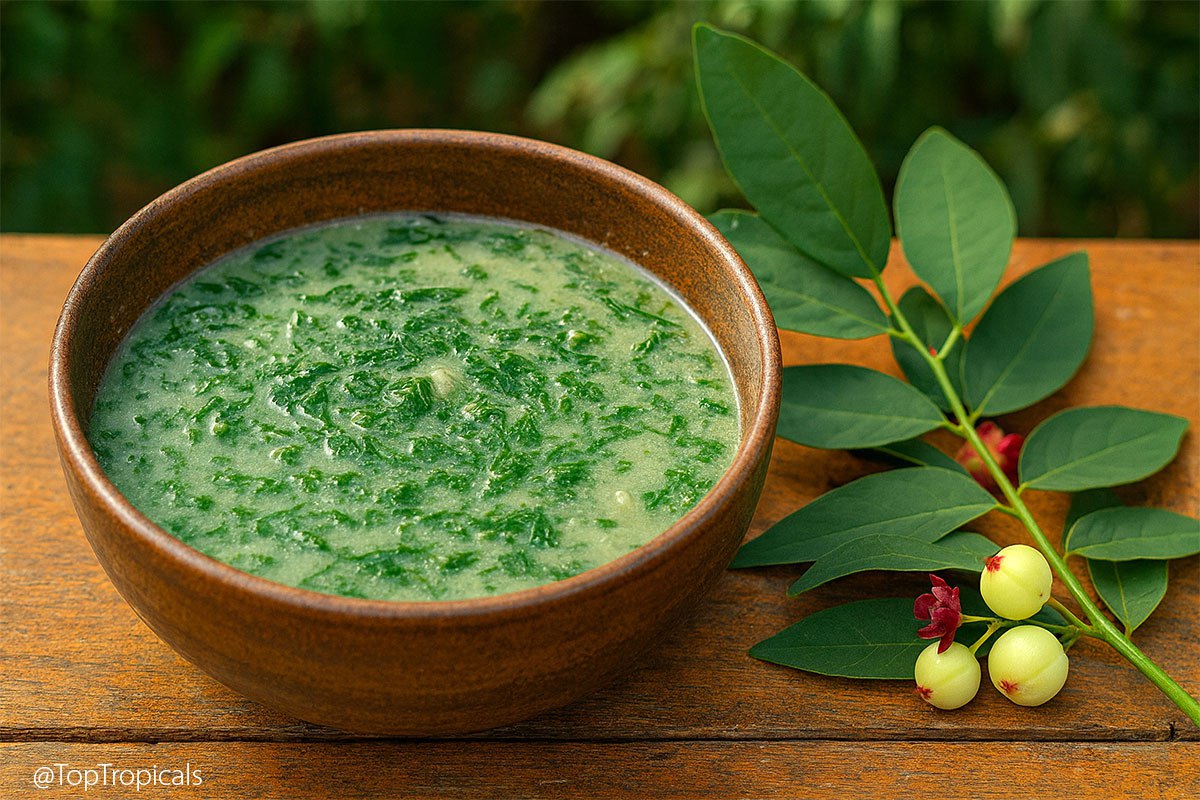
Katuk coconut soup: quick-n-fun exotic recipes

Katuk coconut soup

Katuk coconut soup

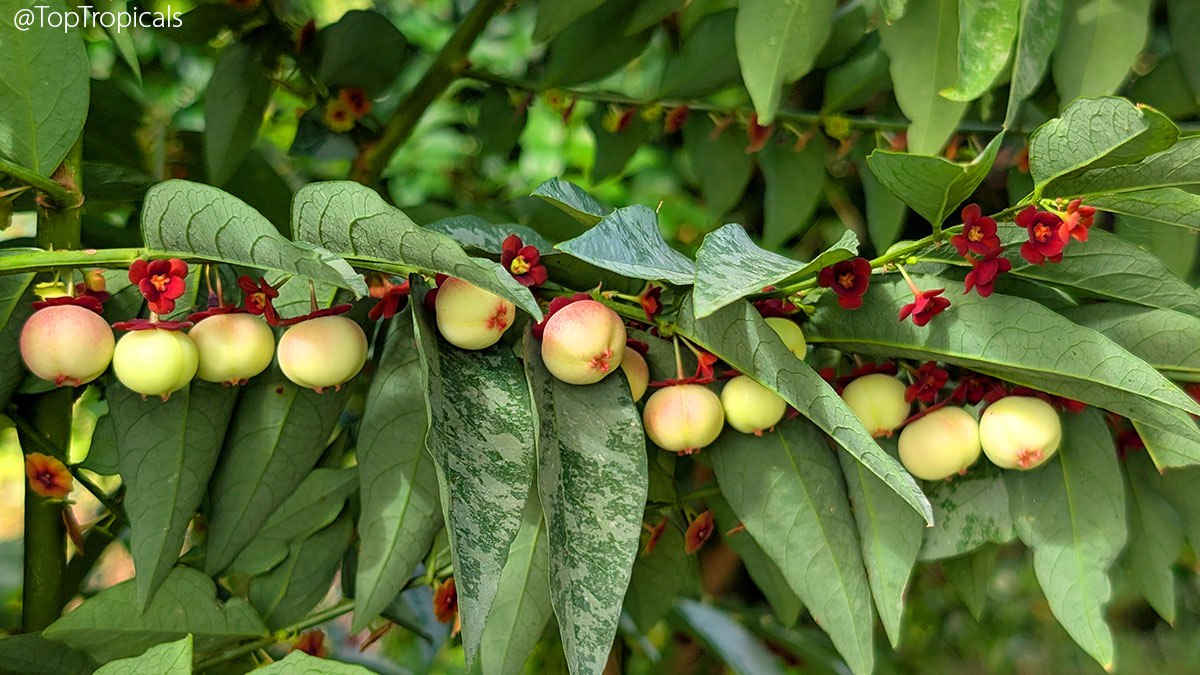
Katuk leaves - Sauropus androgynus, Tropical Asparagus

Katuk leaves - Sauropus androgynus, Tropical Asparagus

🍴 Katuk Coconut Soup

Ingredients

  • Katuk leaves (Sauropus androgynus), about 2 cups, stems removed
  • Coconut milk, 1 cup
  • Garlic, 1 clove, minced
  • Salt, to taste

Instructions

  1. Wash Katuk leaves thoroughly.
  2. Boil Katuk leaves in plenty of water for 15 minutes.
  3. Drain completely and discard the boiling water.
  4. Chop the cooked Katuk leaves.
  5. Warm coconut milk in a saucepan over low heat.
  6. Add garlic and simmer gently for 1 minute.
  7. Add the boiled Katuk leaves and cook for 3 to 5 minutes.
  8. Season with salt and serve warm.

Important Safety Note

Katuk leaves must always be boiled for at least 15 minutes and the water discarded. Do not consume raw or lightly cooked Katuk.


🛒 Add Katuk Superfood to your Food Forest

📚 Learn more:

Plant Facts

Breynia androgyna, Sauropus androgynus
Katuk, Star Gooseberry, Sweet Leaf, Tropical Asparagus, Chang Kok, Manis, Nutty Leaf, Rau Ngot
USDA Zone: 9-11
Large shrub 5-10 ft tallSmall plant 2-5 ftSemi-shadeFull sunRegular waterRed, crimson, vinous flowersOrnamental foliageEdible plantEthnomedical plant.
Plants marked as ethnomedical and/or described as medicinal, are not offered as medicine but rather as ornamentals or plant collectibles.
Ethnomedical statements / products have not been evaluated by the FDA and are not intended to diagnose, treat, cure, or prevent any disease. We urge all customers to consult a physician before using any supplements, herbals or medicines advertised here or elsewhere.

#Food_Forest #Recipes

🟢 Join 👉 TopTropicals

Date: 4 Jan 2026

Dont drink your coffee until you see this!

Coffea arabica - Coffee tree, fruit

☕️ Don't drink your coffee until you see this!

  • Our coffee trees, Coffea arabica, are growing in 7-gallon pots, and after months of waiting, the cherries are fully ripe!
  • They bloomed in May, set fruit in August, and now in winter the fruit has turned red and ready to harvest.
  • Coffee is one of the easiest fruiting plants you can grow at home. It does well in containers, loves shade, and can be grown indoors or outdoors in warm climates. With regular watering and a little patience, you can grow, harvest, roast, and brew your own coffee right from your home garden.
  • We are harvesting now, and the next video will show the full roasting process step by step.

  • 👉 Coming up next: Roasting video coming soon - stay with us!


🛒 Start your own coffee harvest

📚 Learn more:

Plant Facts

Coffea arabica
Coffee
USDA Zone: 9-11
Large shrub 5-10 ft tallSmall tree 10-20 ftSemi-shadeShadeKeep soil moistWhite, off-white flowersEdible plantEthnomedical plant.
Plants marked as ethnomedical and/or described as medicinal, are not offered as medicine but rather as ornamentals or plant collectibles.
Ethnomedical statements / products have not been evaluated by the FDA and are not intended to diagnose, treat, cure, or prevent any disease. We urge all customers to consult a physician before using any supplements, herbals or medicines advertised here or elsewhere.Fragrant plantSubtropical plant. Mature plant cold hardy at least to 30s F for a short time

🎥

#Food_Forest #Container_Garden #Shade_Garden

🟢 Join 👉 TopTropicals

Date: 10 Jan 2026

How to grow Patchouli indoors

Patchouli - Pogostemon cablin

How to grow Patchouli indoors

Patchouli - Pogostemon cablin is easy to grow indoors if you give it what it likes. It is one of those plants that does double duty - it looks great and makes your home smell amazing. Those big, soft leaves release that deep, earthy scent just by being there.
  • ☘️ Light and temperature


    Patchouli loves bright shade. Think filtered light near a window, not harsh direct sun. Too much sun can burn the leaves, especially indoors. In lower light, it still grows well and keeps its fragrance. It is a tropical herb, so keep in warm - at room temperature.
  • ☘️ Water and soil


    This plant loves water. Use a well-draining soil mix and a pot with drainage holes, but do not let it dry out. Daily watering is usually fine in warm conditions. Good air circulation is important.
    Growing patchouli is similar to growing herbs in containers - just be more generous with water than you would be with basil or oregano.
  • ☘️ Containers and growth


    Patchouli grows fast. Start in a 1-gallon pot, but plan to move it up to a 3-gallon container fairly quickly. More room means bigger leaves and a stronger scent.
  • ☘️ Feeding


    Feed regularly. You can use Sunshine Boosters Robusta with every watering, or apply Green Magic controlled-release fertilizer every 6 months and at each transplant. Patchouli responds quickly to feeding with lush growth.
  • ☘️ Pruning and uses


    Prune as the plant gets bigger to keep it full and bushy. Do not throw the leaves away - dry them for sachets or use fresh/dry leaves for tea.
  • ☘️ Propagation


    Patchouli roots very easily from cuttings. Snip a healthy stem, place it in water or moist soil, and it will root fast. It is one of the easiest plants to share with friends.

    If you want a plant that grows fast, smells incredible, and actually does something useful indoors, patchouli is hard to beat.


🛒 Grow calming Patchouli Scent at home

📚 Learn more:

Plant Facts

Pogostemon cablin, Pogostemon patchouli, Pogostemon heyneanous
Patchouli, Pucha-pat
USDA Zone: 9-11
Groundcover and low-growing 2ft plantSmall plant 2-5 ftSemi-shadeFull sunModerate waterRegular waterOrnamental foliageSpice or herb plantEthnomedical plant.
Plants marked as ethnomedical and/or described as medicinal, are not offered as medicine but rather as ornamentals or plant collectibles.
Ethnomedical statements / products have not been evaluated by the FDA and are not intended to diagnose, treat, cure, or prevent any disease. We urge all customers to consult a physician before using any supplements, herbals or medicines advertised here or elsewhere.Fragrant plant

#Perfume_Plants #Remedies #Food_Forest #How_to

🟢 Join 👉 TopTropicals