Garden Blog - Top Tropicals

Date: 16 Dec 2019

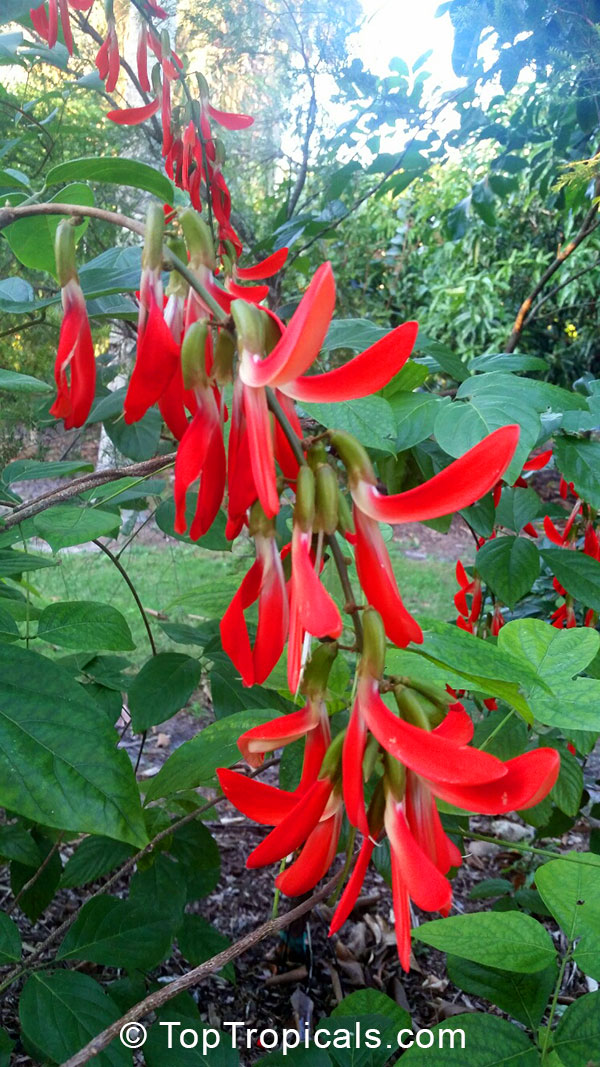
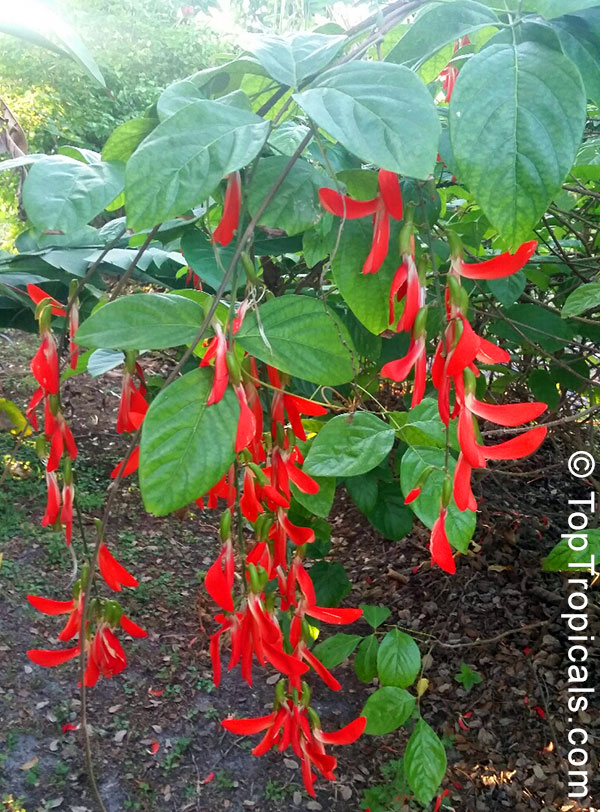
Hardy Dwarf Red Jade Vine
by Onika Amell, tropical plant specialist

Q: I simply adore Jade vines. I think they are the Queens of all the vines! I have been very been successful growing the green Strongylodon macrobotrys and purple Jade Mucuna pruriens vines here in Clewiston Florida but I am struggling to make the Red Jade vine (Mucuna benettii) thrive. It keeps dying on me during cold snaps. Any suggestions?

A: ...Here is our solution for you. Consider growing a Dwarf Red Jade Vine or Camptosema grandiflora. It is closely related to the regular and ultra tropical Red Jade Vine Mucuna benettii but much tougher and hardier. It is considered to be one of the more cold hardy of the Jade Vines...
This gorgeous, rare and unusual vine is a sheer showstopper. It is easy to grow and it will reward you with long fiery chains of dangling orange-red flowers that bloom from late fall to early spring. Even though it is listed as a dwarf do not be fooled. This vine will get quite large and will need a strong support over time. The flowers are long and heavy and will show best when planted on an arbor or pergola where they are able to hang down and wow you and your visitors. It puts on a wonderful display. Butterflies, bees and hummingbirds will all thank you for growing this stunner!...

CONTINUE READING >>

Date: 14 Oct 2019

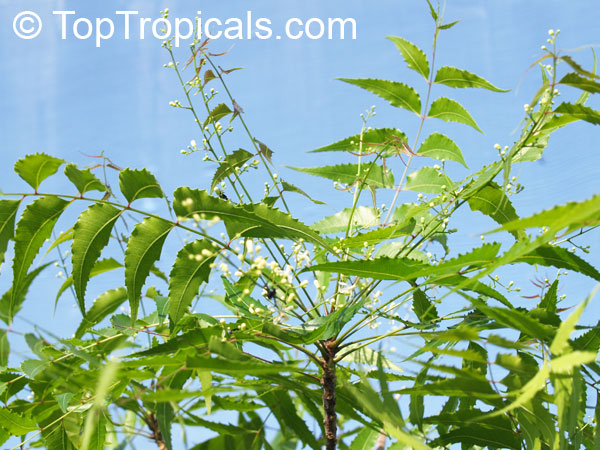
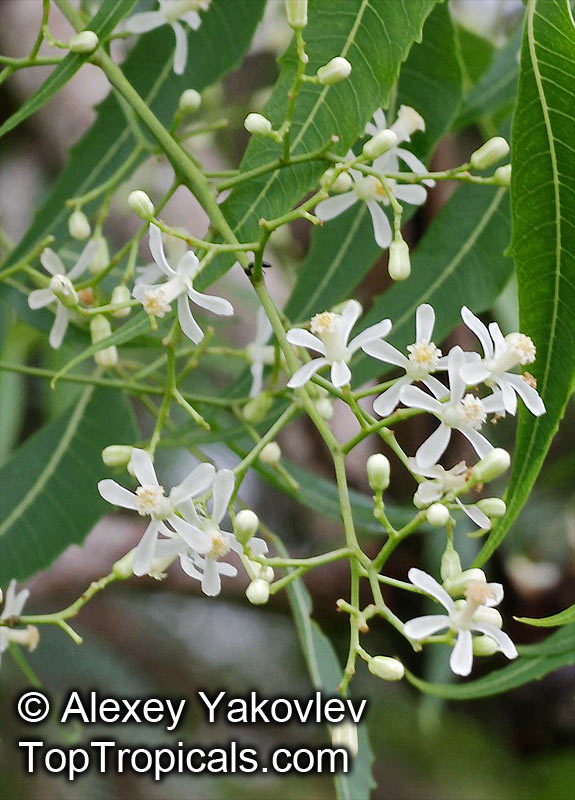
NEEM - The Free Tree of India

By Onika Amell, tropical plant specialist

Q: What is Neem oil and tree, and and can we grow the Neem tree here in the US?

A: Neem! What an extraordinary, fascinating tree! I'm personally convinced every garden should have one, if your climate allows it. Neem tree - Azadirachta indica - will very quickly become a valuable shade tree in your garden. They can grow up to eight feet per year! Neem trees are also known to grow very well in areas with infertile soil and under very dry conditions, which makes them perfect for xeriscaping. Not only is Neem fast-growing, but it's a beautiful tree with wide-spreading branches and dark green leaves. It will form a dense, round canopy, up to 60 ft wide.

This wonderful tree has been used by humans for thousands of years. Did you know Neem has more than 100 unique bioactive compounds? Surprisingly, a lot of gardeners are still unfamiliar with it!..

CONTINUE READING >>>

Date: 5 Oct 2019

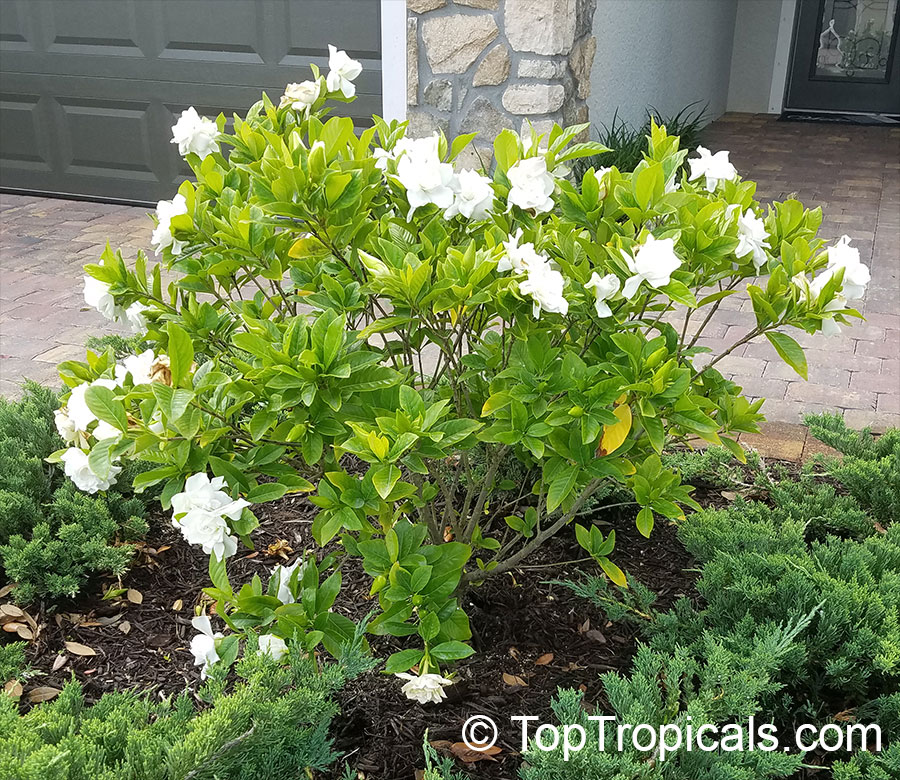
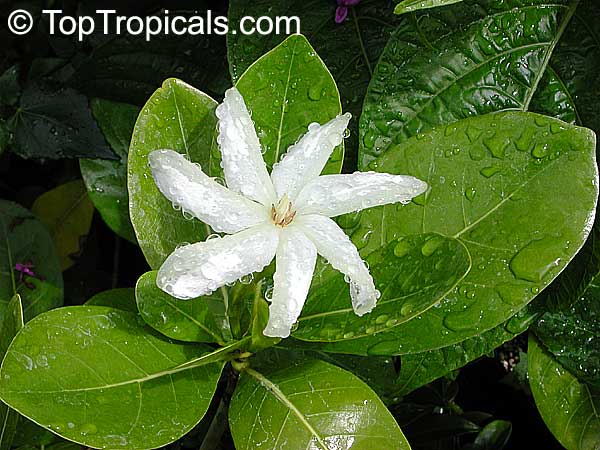
Gardenia flowers: how to prevent bud-drop

Q: My gardenia looks beautiful, but the flowers fall off of it before they even open up, the majority of them get this brown color at their base. Can you point me in the right direction.

A: There are 3 possible problems, either one, or a combination:
1) Lack of light
2) Too much water
3) Lack of micro-nutrients in soil
Try the following treatments:
- micro-elements SUNSHINE-SuperFood as foliar spray + drench rootball, once a month, it will improve quality of the flowers.
- Silicon protection: SUNSHINE-Power-Si. This supplement has Silicon as an active element (Si). Adding it to soil or/and over foliar spray can immensely enhance plants' resistance to external factors and boost their growth and health.
Make sure the soil is not soggy, reduce watering especially during fall/winter.

Date: 24 Sep 2019

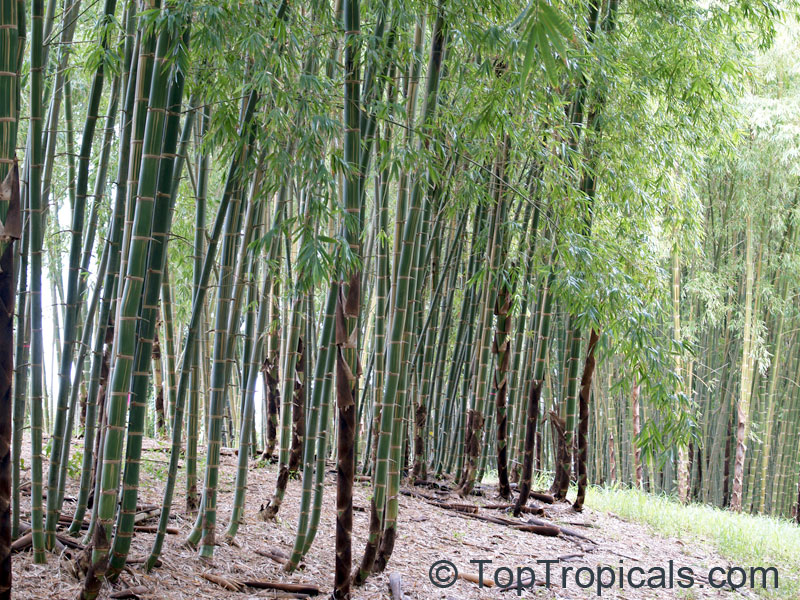
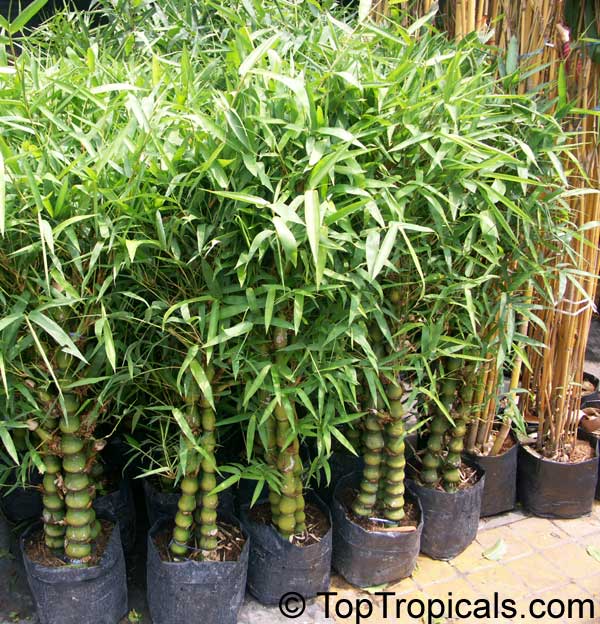
How to fertilize a bamboo?

Q: When do you fertilize new bamboo trees and can you use the same fertilizer you use for mango trees?

A: Bamboo is a tropical to subtropical plant with growing season year-round. You can start fertilizing it right away with the exception of colder months when temperatures drop below 65F.
Mango fertilizer is formulated for fruit trees, so bamboo won't benefit from it. Bamboo is not a fruiting plant and is not even cultivated for flowers. Its beauty is in healthy green foliage and beautiful stems. So you will need foliage-type of fertilizers for it.

We recommend the following fertilizers for bamboo plants:
Tropical Greenhouse Plus - Plant Booster
Tropical Allure - Smart-Release Booster

Remember to always use micro-elements that are essential for every green plant.

Date: 16 Sep 2019

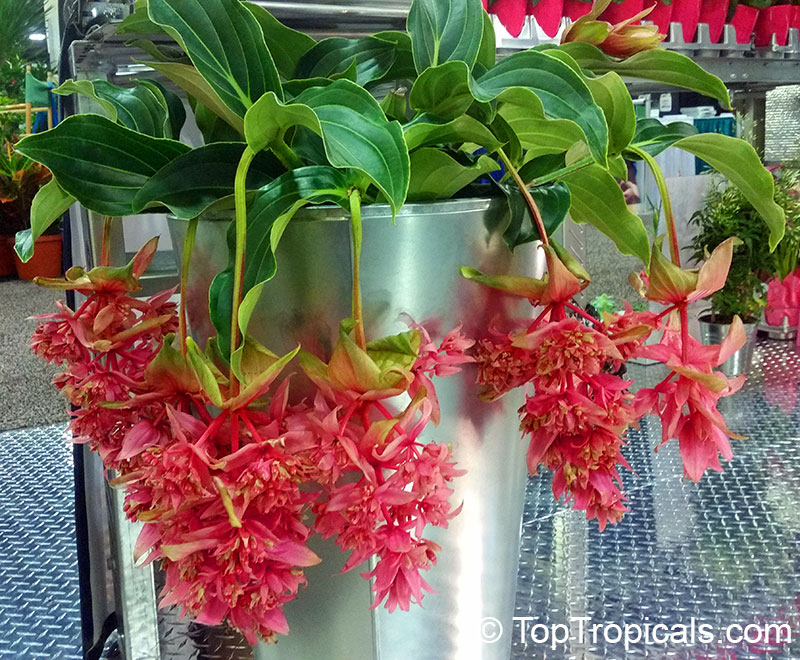
What pot is good for Medinilla?

Q: I just acquired a Medinilla plant. I have a cylindrical tall clay pot that I would like to repot this beauty into. Would like to know if a deep pot is good for this type of tropical plants even if the medium is lightweight with bark and perlite allowing adequate drainage. Would appreciate your advice.

A: Medinillas are very close to epiphytes, meaning they like high air humidity and very good soil drainage characteristics. Clay pots usually provide good air circulation, as long as they are not glazed. If you add a lot of soil conditioner into your mix, like orchid mix and perlite, the tall pot will provide a good drainage. Tall pot is also great for displaying the beautiful pendulous blooms!

Plastic pots work well too, as long as you provide a well-drained soil for the plant. If a nursery plastic pot is not pretty enough, you may place it in a fancy planter; however, make sure never let the pot sit in water, Medinillas do not like wet feet.