Garden Blog - Top Tropicals

Date: 29 Aug 2019

How to fertilize a Mango Tree
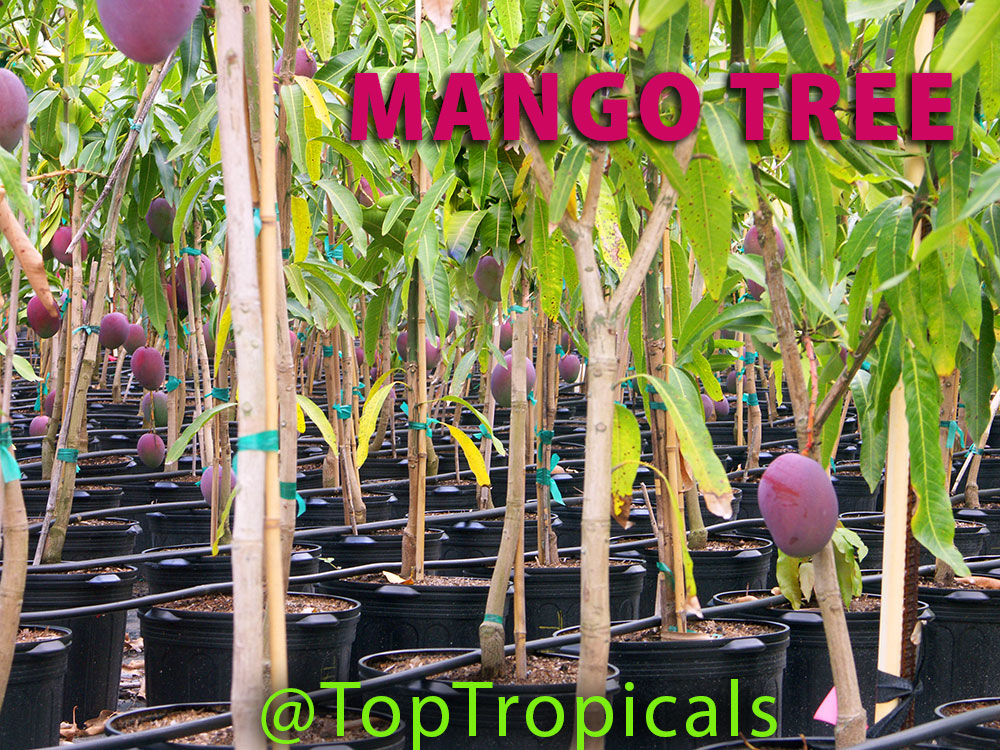
Q: I bought a Mango tree from you last month and planted it soon after it arrived. When is the best time to fertilize it? (I am in Florida)

A: We always recommend to wait on fertilizing until the plant is well established. If you planted your tree a month ago and it is doing well, showing new growth, then this is the time to start giving it some food.
For a mango tree, we recommend using 2 fertilizers - water-soluble and granulated:
Fruit Festival Plant Food
Mango-Food
Remember micro-elements that are essential for healthy and vigorous growth:
SUNSHINE SuperFood - plant booster

In Florida, this is the best time right now for fertilizing - while we still have a few months of nice warm weather - active growth period. This will help you Mango tree to establish well before winter rest.

Date: 13 Jun 2019

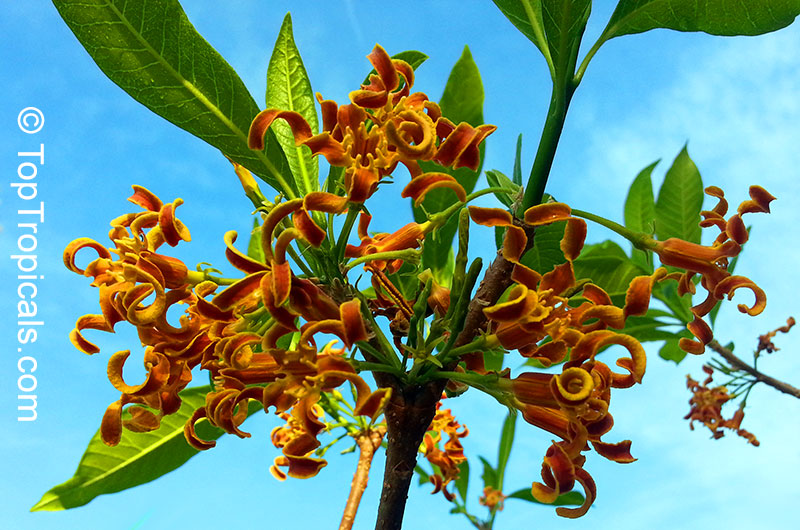
How to get Strophanthus tree to bloom?

Q: I purchased from you three of these plants - Strophanthus bovinii and I wonder if you could help me. The plants are out of control growing large limbs to the sides and I would like it to grow more upright. Is this possible? Second, it does not flower. What type of fertilizer should I use and how often? How about the watering schedule? I have them in an eastern exposure but possibly they are not getting enough sun? Right in front of them, there is a large tree outside the curb of my house. What should I do about that?

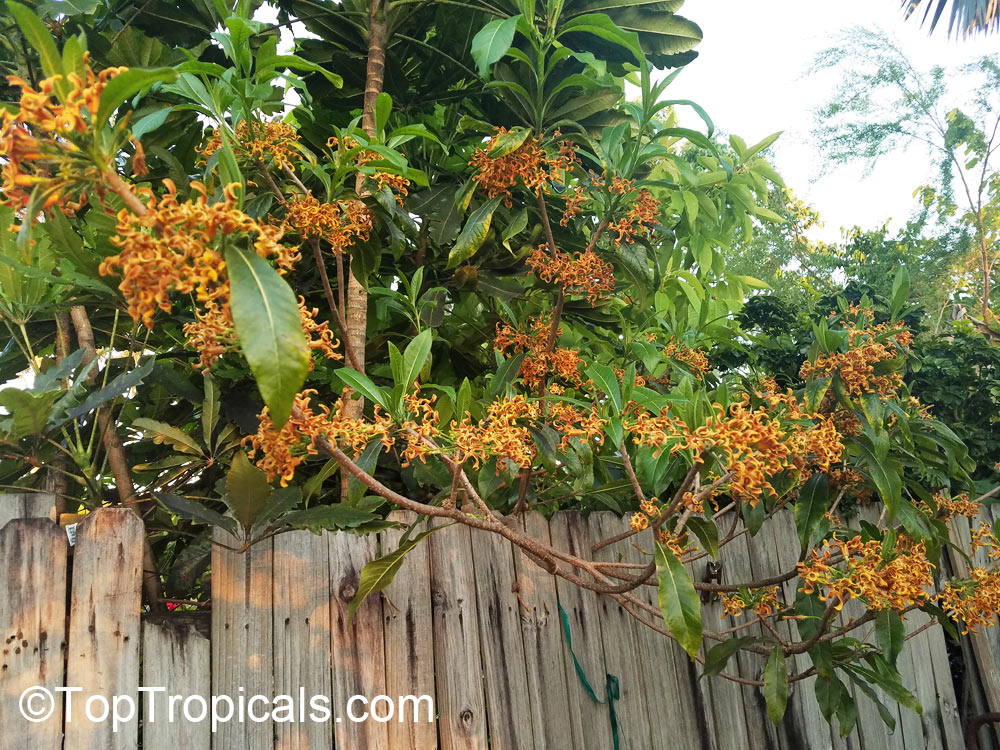
A: Strophanthus bovinii - Wood shaving flower, is quite a unique plant that is very rare in cultivation, this is why very little information is available on its cultivation due to limited experience among gardeners. We have had this plant in our garden for over 12 years and this is what we can advise.
In the nature (Madagascar) it supposedly grows into a large tree, however, from our experience, it tends to be rather bushy, umbrella-like large shrub. Yes, you can train it into a tree by trimming branches growing side-wise, and by removing lower branches. The best time for pruning is early spring when the tree starts new growth and re-leafs (it is semi-deciduous). As far as flowering, the plant is very particular about blooming season, with profuse flowering in Summer (here in SW Florida), however it may produce more flowers sporadically throughout the year.
It thrives in full sun but will tolerate bright filtered light. If a large tree is shading it too much, try to trim some limbs of that large tree to allow more light. Water needs of Strophanthus bovinii are very moderate, so you can rely on your sprinkler system or water once a week for established plants.
You should use 2 types of fertilizers - slow release (once a month) and water-soluble bloom booster (frequent applications are safe):
Pink N Good Daily Plant Food - Flower Booster
Tropical Allure - Smart-Release Booster

Date: 2 Jan 2025

New Year with New Plants:
Choose from 17 Tropical Paradise Resolutions!

Indoor  garden  and 
 greenhouse

"A garden is never so good as it will be next year..." - Thomas Cooper.

Happy New Year, dear fellow gardeners! As we step into a fresh new year, it's the perfect time to think about what exciting, special, and life-changing plants we can add to our gardens. The days are getting longer, and spring is just around the corner, so now's the time to make a plan and prepare for the season ahead. Let's take small steps each year to create the garden of our dreams. This winter, consider these fun resolutions:

  1. Hang a bird feeder and install a rain barrel
  2. Order some tropical plant seeds for an early start
  3. Ask your grandparents about their favorite garden plants
  4. Build a raised bed for succulents
  5. Plant a fruit tree or two to have some crop this year
  6. Start a compost pile
  7. Switch to organic fertilizers and plant boosters
  8. Fill empty spaces with flowering trees, shrubs, and vines
  9. Add butterfly attractors to your garden
  10. Provide water for bees and butterflies to help them thrive and pollinate your fruit trees
  11. Get a bonsai starter to try bonsai art
  12. Enjoy meals outside as often as you can
  13. Teach a child how to plant a tree
  14. Plant berry-bearing shrubs like Tropical Cherries to feed the birds
  15. Rake up leaves for winter mulch
  16. Add a few exotic plants to your indoor collection or container garden
  17. Share plants as gifts all year long

Happy gardening in 2025!

Cat  with  tropical  plants

Date: 4 Sep 2018

Checklist - Preparing for winter in subtropical areas

TopTropicals

Watering. Start reducing the amount you water your plants in early fall, once the temperature drops below 65F. Avoid watering your plants during cool nights, as this may cause serious root rot.

Mulch. When a plant is protected by a thick layer of mulch, the root system stays healthy.

No Pruning. Avoid pruning, trimming, or pinching branch tips altogether during the fall and winter which encourages new shoots that are soft, tender, and very cold sensitive. Last trimming should be done no later than September - early October.

No Fertilizer. Avoid fertilizers during the winter. The main reason being the same as above for pruning: fertilizing promotes growth of the upper plant parts which should be avoided during the winter months. The last time for fertilizer should be no later than October.

Date: 4 Mar 2026

The Magic Number 65: when tropicals finally wake and the 7-Day Rule you should know

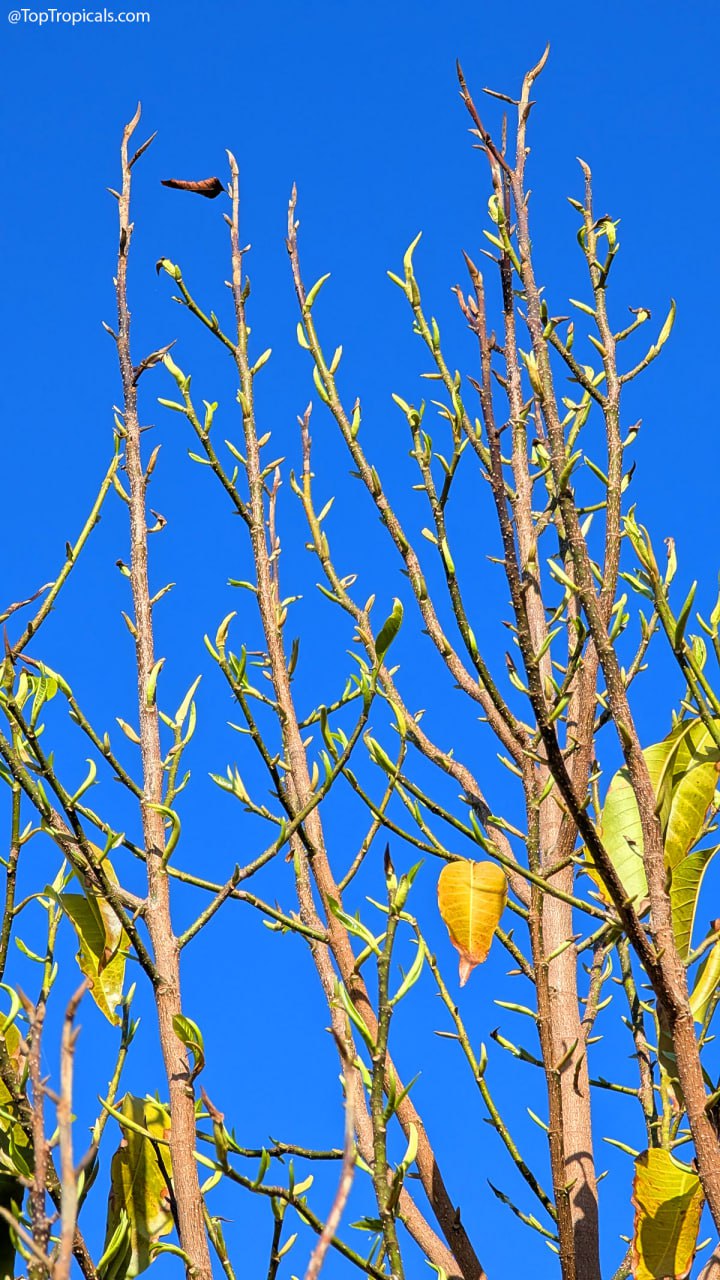
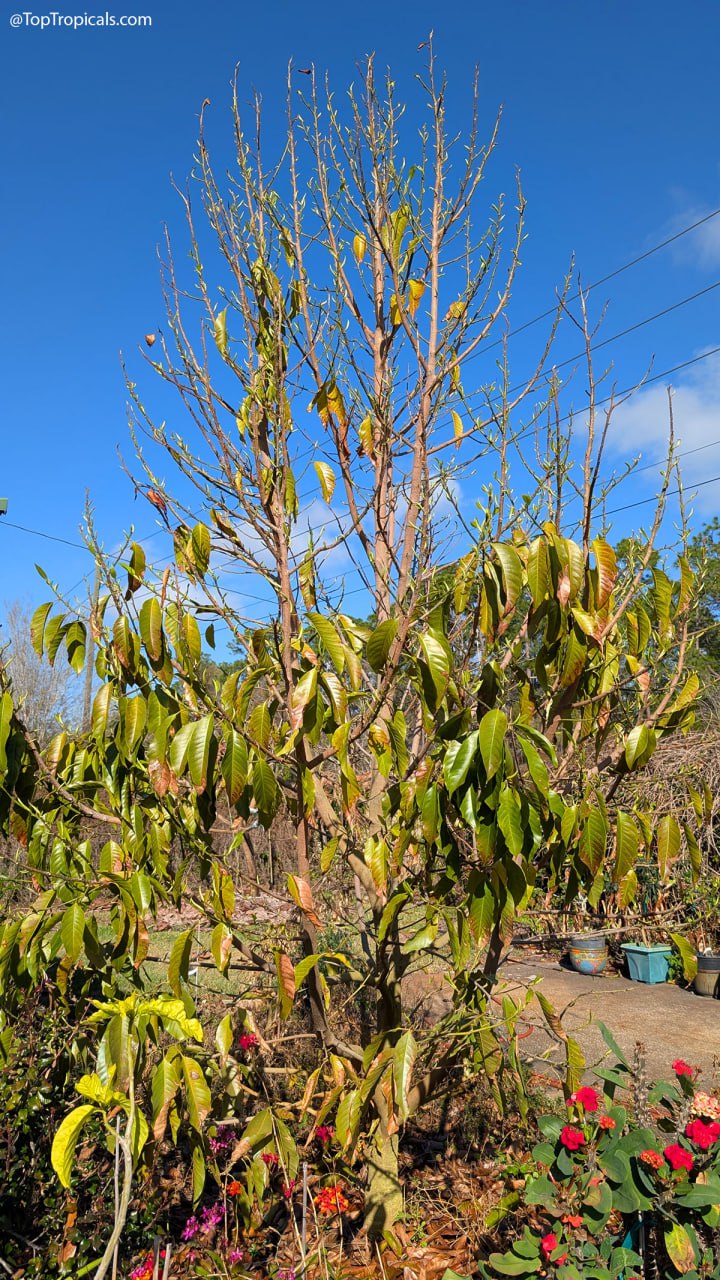
Champaka tree new growth sprouts

Champaka tree new growth sprouts

A Champaka tree (Joy Perfume Tree) first fresh sprouts

A Champaka tree (Joy Perfume Tree) first fresh sprouts

The Magic Number 65: when tropicals finally wake and the 7-Day Rule you should know 🌱

Discover the "Magic 65" rule for waking up your garden and the exact time to start fertilizing for maximum growth. Learn the specific temperature threshold that signals your tropicals to wake up and how to handle spring cold snaps.
  • 🌿 If you’ve been staring at your dormant trees and shrubs wondering if they survived the winter, you aren't alone. The most frequent question every spring is: "When will my tropical plants start sprouting?"
  • 🌿 While the calendar might say spring, tropical plants don’t use a watch - they use a thermometer. If you want to see green shoots and active growth, there is one "Magic Number" you need to watch: 65F 🌡
  • 🌿 The 7-Day Rule for Tropical Growth


    The gold standard for the tropical world is simple: plants generally wake up when minimum nighttime temperatures remain at or above 65F for at least one full week.
  • 🌿 Why 65°F?


    Tropical species are biologically programmed to stay dormant to protect their cell structure from cold damage. A single warm day won't fool them, but seven consecutive nights of 65F+ signals that the "growing season" has officially arrived. Once you hit that 7-day mark, you’ll see buds pushing and fresh leaves finally sprouting.
  • 🌿 Can You Force Them to Wake Up Faster?


    Patience is a virtue, but if you’re looking to "push" your plants, focus on two things:

🌞 Sun Exposure: Ensure they are in the brightest spot possible to warm the soil.
♨️ Heat Retention: Use dark mulch or move potted plants onto concrete surfaces that retain daytime heat.
  • 🌿 When to Start Fertilizing


Don’t reach for the fertilizer until you see that active growth. Feeding a dormant plant can lead to root rot or wasted nutrients.
  • 👉 The Signal: After that first week of 65F nights.

The Action: Once you see green tips, start your fertilization routine. This is when the plant actually has the metabolic "engine" running to use those nutrients.
  • 🌿 Watch Out for the "False Spring"


    Before you go all-in, ensure the risk of a hard freeze has passed. A minor cold snap - a few nights in the 50s - won't kill your progress, but it will act as a "pause" button. If cool weather persists, tropicals may "lock up" and return to dormancy. If that happens, simply reset your clock and wait for the next stretch of 65F nights.
  • 🌿 Ready for the Wake-Up Call? Fuel Your Tropical Growth!

Don’t get caught empty-handed when that 7th day of 65F hits. Stock up now so you can feed them the moment they wake up. Using the right nutrients during the active growth phase is key to lush blooms. Check out our curated selection of professional-grade fertilizers:

🛒 Get my growth boosters for every tropical type

📷 Recovery in Action: The Joy Perfume Tree - Champaka showing off its first fresh sprouts in March after a chilly Florida winter. This is exactly what happens once you hit that 7-day streak of 65F nights!

📚
Learn more:
Why is my Champaka Tree dropping leaves?

#How_to #Discover

🟢 Join 👉 TopTropicals