Garden Blog - Top Tropicals

Date: 29 Dec 2024

The best yellow Jasmine with sweet fragrance

Italian jasmine (Jasminum humile)

The best yellow Jasmine with sweet fragrance

  • ⭐️ Have you seen a yellow jasmine? If you saw the Primrose Jasmine in our earlier post, this one a must have for a yellow jasmine collection, because it is sweetly fragrant!
  • ⭐️ Italian jasmine (Jasminum humile) brings charm and fragrance with its sunny yellow flowers and sweet scent. Bright yellow blooms that radiate warmth and cheer.
  • ⭐️ Fragrant oil: The flowers produce a rich, warm, and sweet scent that is extracted as jasmine oil, often used in perfumes as a middle note.
  • ⭐️ Hardy and adaptable: This jasmine is pretty hardy - thrives in USDA Zone 8 and above,


🛒 Plant Italian jasmine

#Hedges_with_benefits

🔴 Join 👉 TopTropicals

Date: 5 May 2025

How to get a large, lush and fragrant bush in no time

Clerodendrum bungei - Glory Bower, Cashmere bouquet

💐 How to get a large, lush and fragrant bush in no time
  • 💐 Looking for a fragrant, fast-growing shrub that adds beauty and privacy to your garden? Clerodendrum bungei - Glory Bower, Cashmere bouquet - is an excellent choice.​

  • Key Benefits:
  • 💐 Fragrant Blooms: Enjoy clusters of sweetly scented, pink flowers that attract butterflies and other pollinators. They open in terminal panicles up to six inches across.
  • 💐 Versatile Growth: Dark green leaves often tinged purple are up to 8 inches long. This plant can be grown as a compact shrub or allowed to spread. This plant is incredibly vigorous and fast-growing, spreading quickly through root suckers. If you don’t want it to take over your yard in just one season, make sure to plant it in a contained corner or a container.
  • 💐 Hardy and Resilient: Cashmere Bouquet is hardy to USDA Zones 8-10 and can tolerate light freezes, rejuvenating each spring. ​
  • 💐 Low Maintenance: It thrives in full sun to part shade and is drought-tolerant once established. ​Keep the soil moist during the growing season. ​Regular pruning helps maintain its shape and encourages more blooms. ​


🛒 Buy Clerodendrum bungei – Cashmere Bouquet

📚 More about Clerodendrums in previous posts:
#Hedges_with_benefits #Perfume_Plants #Container_Garden #Butterfly_Plants

🔴 Join 👉 TopTropicals

Date: 13 Feb 2025

Tropical Seeds You Should Start Now for Spring Planting

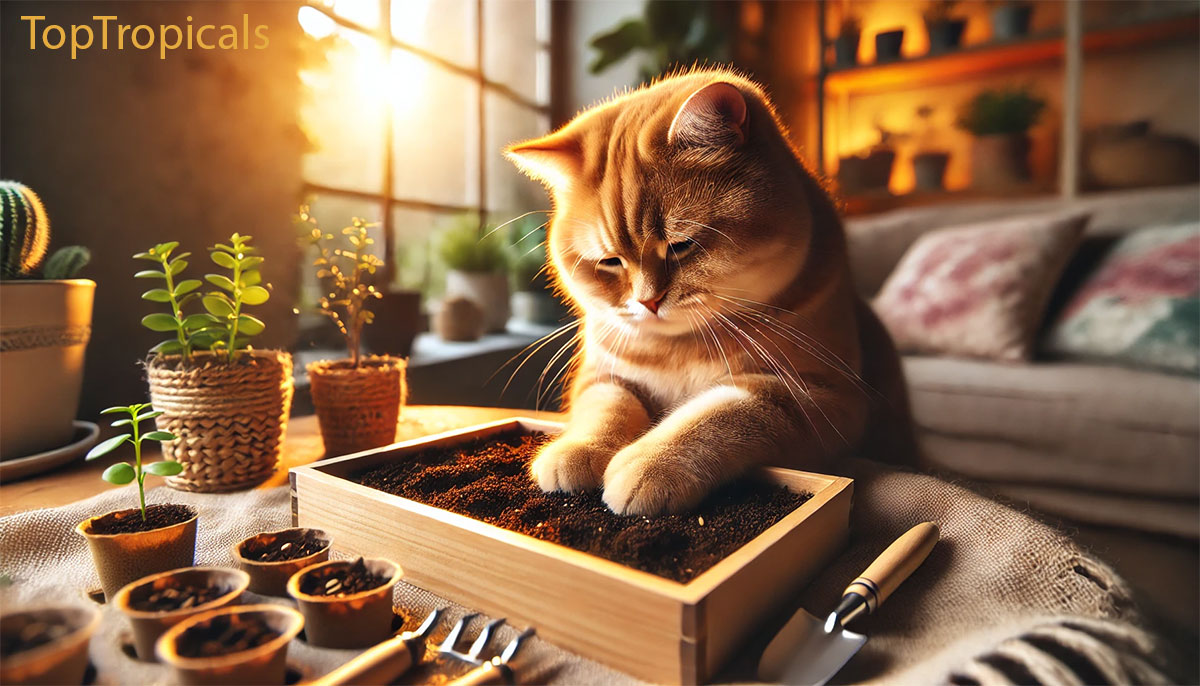
Cat  planting  seeds

Eight fast-growing, rewarding tropical perennials
to start from seed

Q: What tropical seeds can I start now so the seedlings will be ready for spring planting and produce flowers or fruit this year?

A: Many tropical plants grow quickly from seed and can mature within the same year, rewarding you with flowers or even fruit. Some of these tropical perennials can even be grown as annuals in cooler climates! The key is to start them early indoors, then transplant them outdoors as soon as warm weather arrives. With just a little planning, you can enjoy vibrant blooms and a harvest in just weeks or a few months. Below are some of the fastest-growing tropicals to try for a lush, same-year garden.

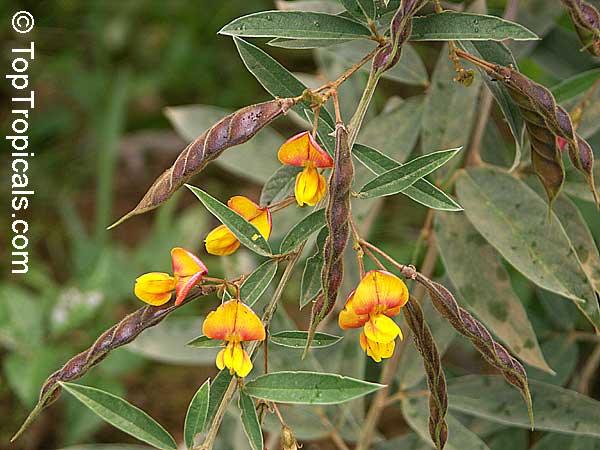
1. Pigeon Pea

Cajanus  cajan  Bicolor  Fuerte  -  Pigeon  Pea

Cajanus cajan Bicolor Fuerte - Pigeon Pea - is an ancient superfood cultivated for over 4,800 years, with roots in India and Ancient Egypt. This hardy, drought-tolerant perennial shrub produces nutritious, protein-rich beans used in rice dishes, soups, and even tofu. Easy to grow, it thrives in poor soils, improves soil quality, and offers medicinal benefits, making it a valuable plant for both gardens and kitchens. Seed to crop in just one season!

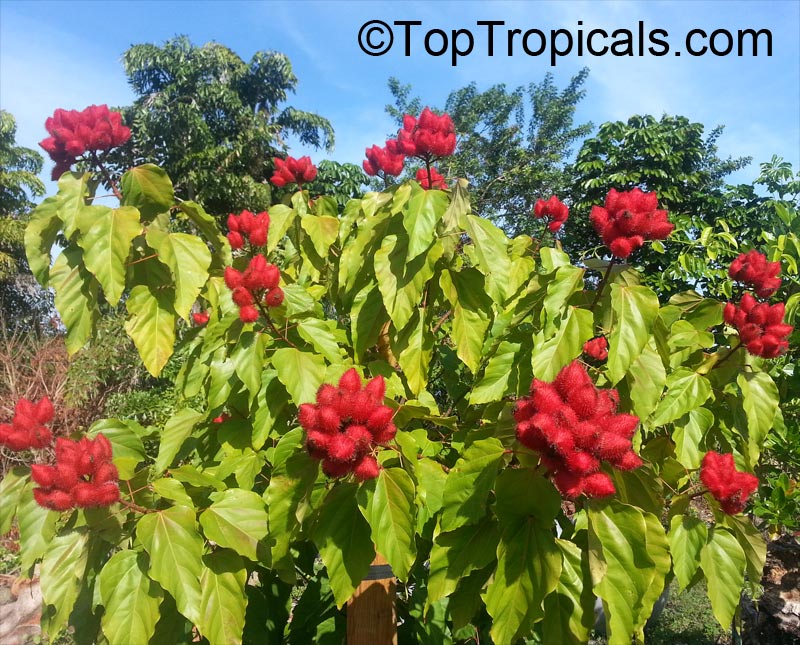
2. Lipstick Tree - Annatto

Bixa  orellana  -  The  Lipstick  Tree

Bixa orellana - The Lipstick Tree, native to South America, is a striking shrub with large leaves, pink flowers, and vibrant red seeds. Its seeds produce Annatto, a natural pigment used in cosmetics, especially lipstick, as well as in culinary applications for its color and mild, peppery flavor. Beyond its beauty and versatility, annatto offers antioxidant and anti-inflammatory benefits, while the plant itself makes an excellent hedge or ornamental feature.

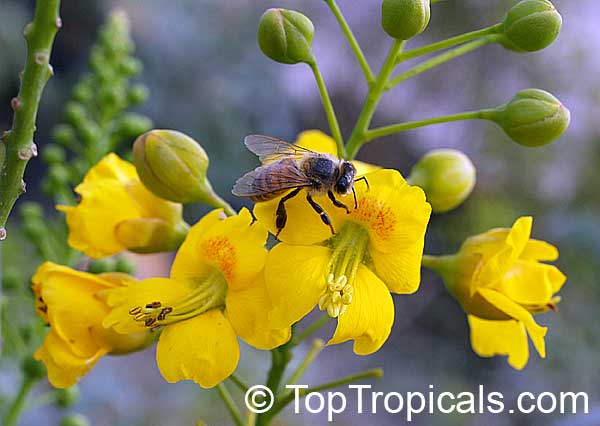
3. Mexican Bird of Paradise

Caesalpinia  mexicana  -  Mexican  Bird  of  Paradise

Caesalpinia mexicana - Mexican Bird of Paradise - is a rare gem among tropical shrubs, offering fragrant butter-yellow blooms that stand out against its feathery green foliage. A heat-loving, drought-tolerant plant, it attracts hummingbirds and can be grown as a compact shrub or small tree. Native to northern Mexico, it thrives in full sun with minimal water, making it a low-maintenance yet striking addition to any garden or patio.

4. Tree Calliandra

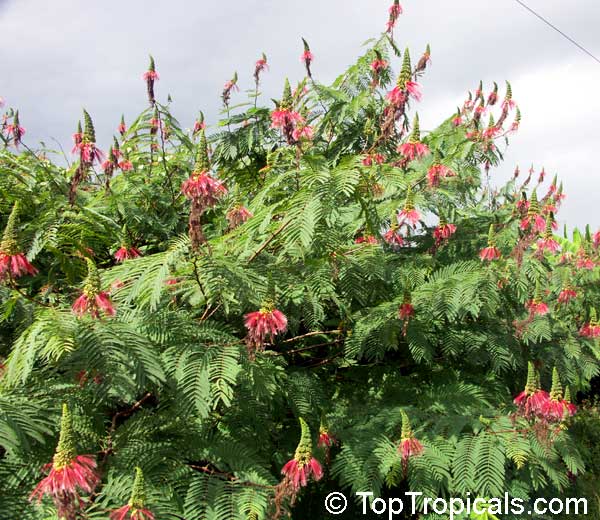
Calliandra  houstoniana  -  Tree  Calliandra

Calliandra houstoniana - Tree Calliandra is the only tree-form Powderpuff, growing into a lush, bushy tree in just one season. Its fluffy pink blooms appear year-round, drawing in hummingbirds and butterflies for a nonstop display of color and life. Super fast-growing and beautiful, it's a must-have for wildlife-friendly gardens!

5. Butterfly Pea - Clitoria

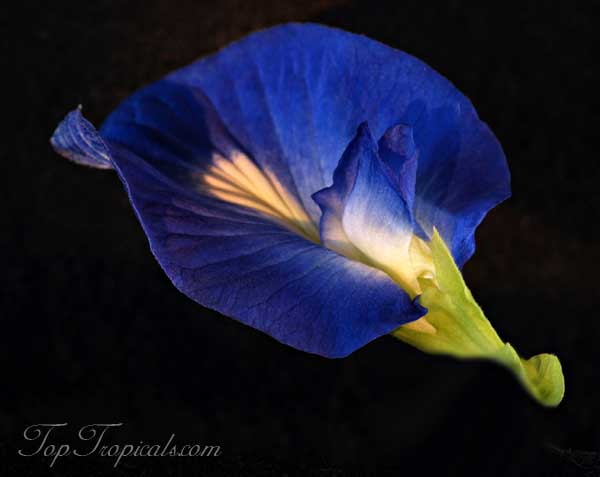
Clitoria  ternatea  -  Butterfly  Pea

Clitoria ternatea - Butterfly Pea - is a stunning vine with vibrant blue, white, or purple flowers that captivate both gardeners and pollinators. Beyond its beauty, it's prized for its herbal benefits, with its flowers used in teas for stress relief and cognitive support. The famous Blue Tea, a caffeine-free infusion, turns purple with a splash of lemon, making it both a visual delight and a health-boosting drink. Fast-growing and easy to manage, this delicate yet vigorous vine is perfect for fences, trellises, and containers. Seed to crop in just one season!

6. Cas Guava

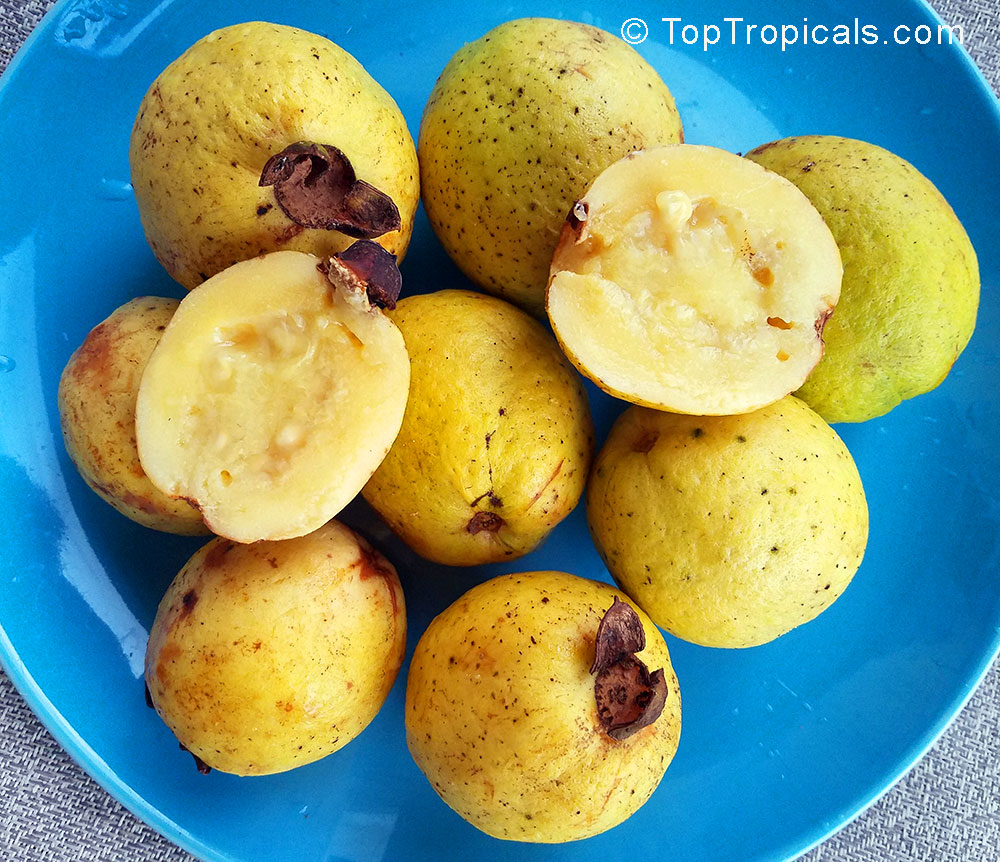
Guava  Cas,  Psidium  friedrichsthalianum

Psidium friedrichsthalianum - Costa Rican Guava, or Cas Guava, is a super sour fruit with four times more vitamin C than a lemon, making it a powerhouse for immune support. Popular in Costa Rica's "Agua de Cas", its tangy juice is perfect for refreshing drinks. Hardy and resilient, this low-maintenance tree thrives in poor soils while resisting pests and diseases. This is the fastest growing and the most productive guava tree with 2-3 crops per year! From seed to crop: 3 years.

7. Agua de Flor de Jamaica - Karkade Tea

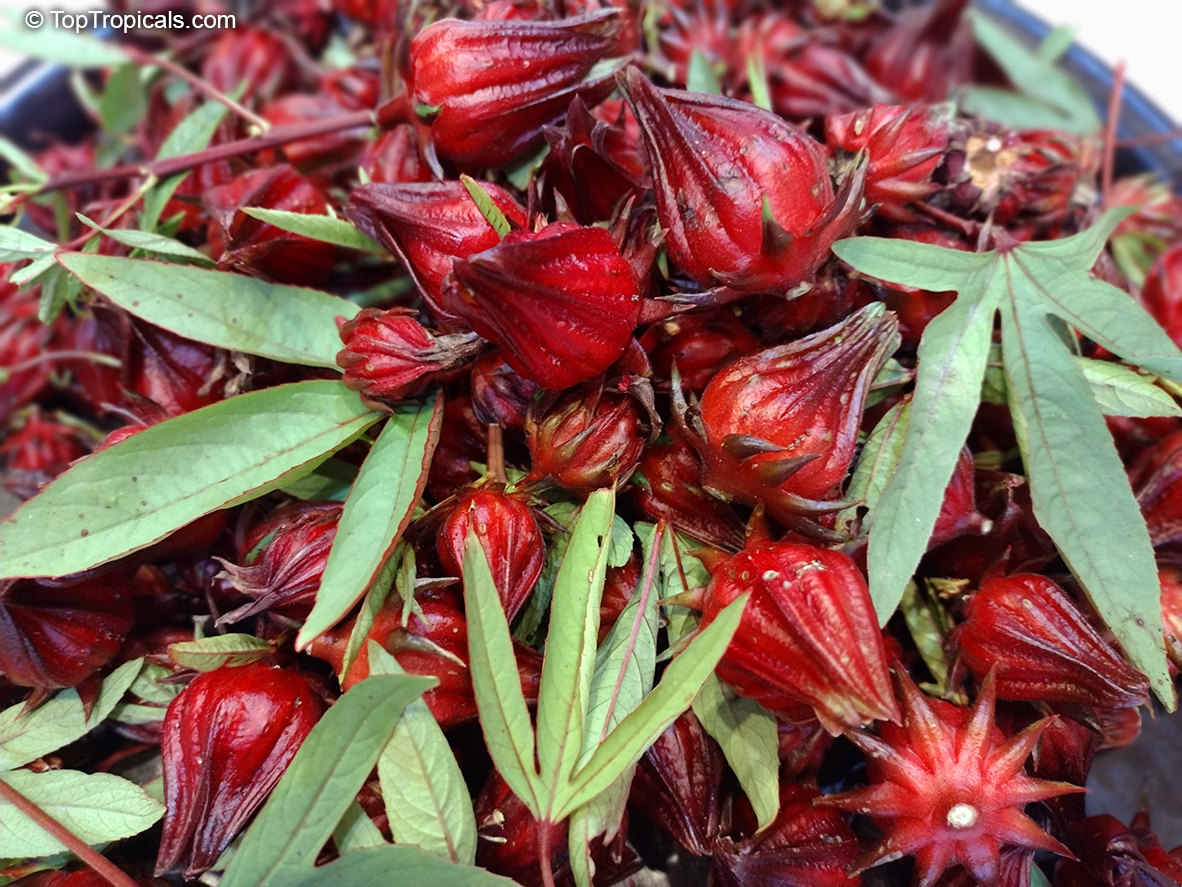
Hibiscus  sabdariffa,  Roselle),  Karkade  Tea

The most health-beneficial hibiscus is Hibiscus sabdariffa (Roselle), known for its deep red calyces used in Agua de Flor de Jamaica and Karkade Tea. This tart, refreshing tea is packed with antioxidants and supports heart health, digestion, and immune function. A fast-growing plant, it goes from seed to a lush, flower-filled bush in just one season! From seed to crop: in just 3 months!

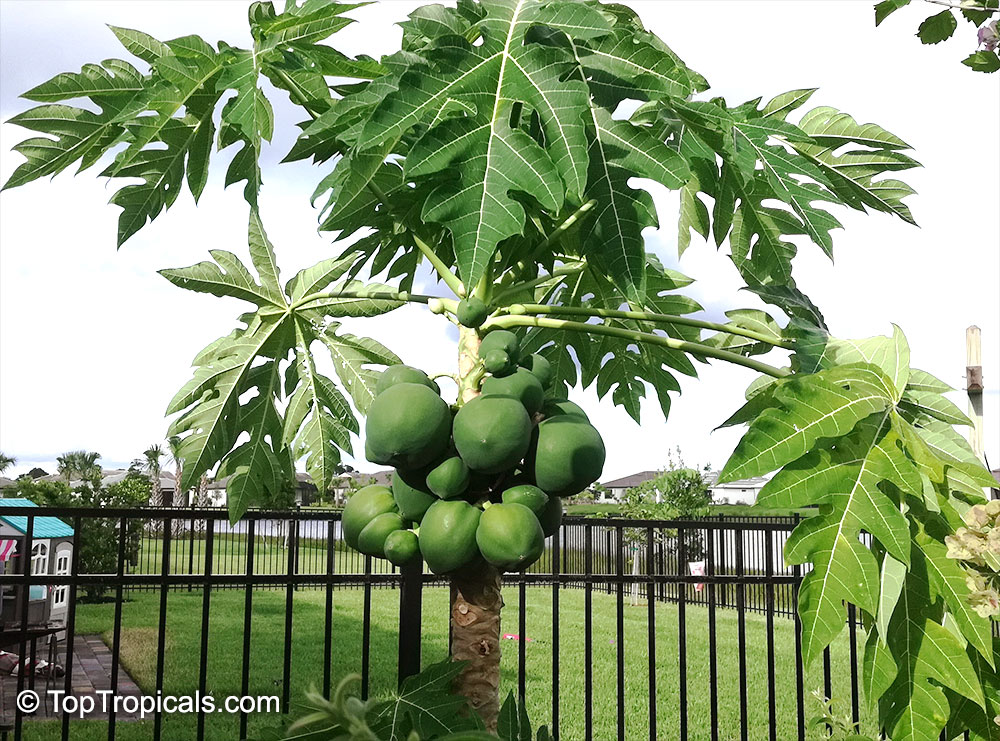
8. Dwarf Papaya TR Hovey

Guava  Cas,  Psidium  friedrichsthalianum

Papaya Dwarf TR Hovey, Carica papaya - is a dwarf marvel, reaching only 4-5 feet tall while producing giant, melon-sized sweet papayas! This compact variety is perfect for small gardens and container growing, offering big fruit on a tiny tree - a true space-saving tropical treasure! Only 2 years from seed to fruit.

Date: 15 May 2026

The Tropical Survivor: Why This Pink Plume Defied a 25F Freeze

The Tropical Survivor: Why This Pink Plume Defied a 25F Freeze The Tropical Survivor: Why This Pink Plume Defied a 25F Freeze

The Tropical Survivor: Why This Pink Plume Defied a 25F Freeze


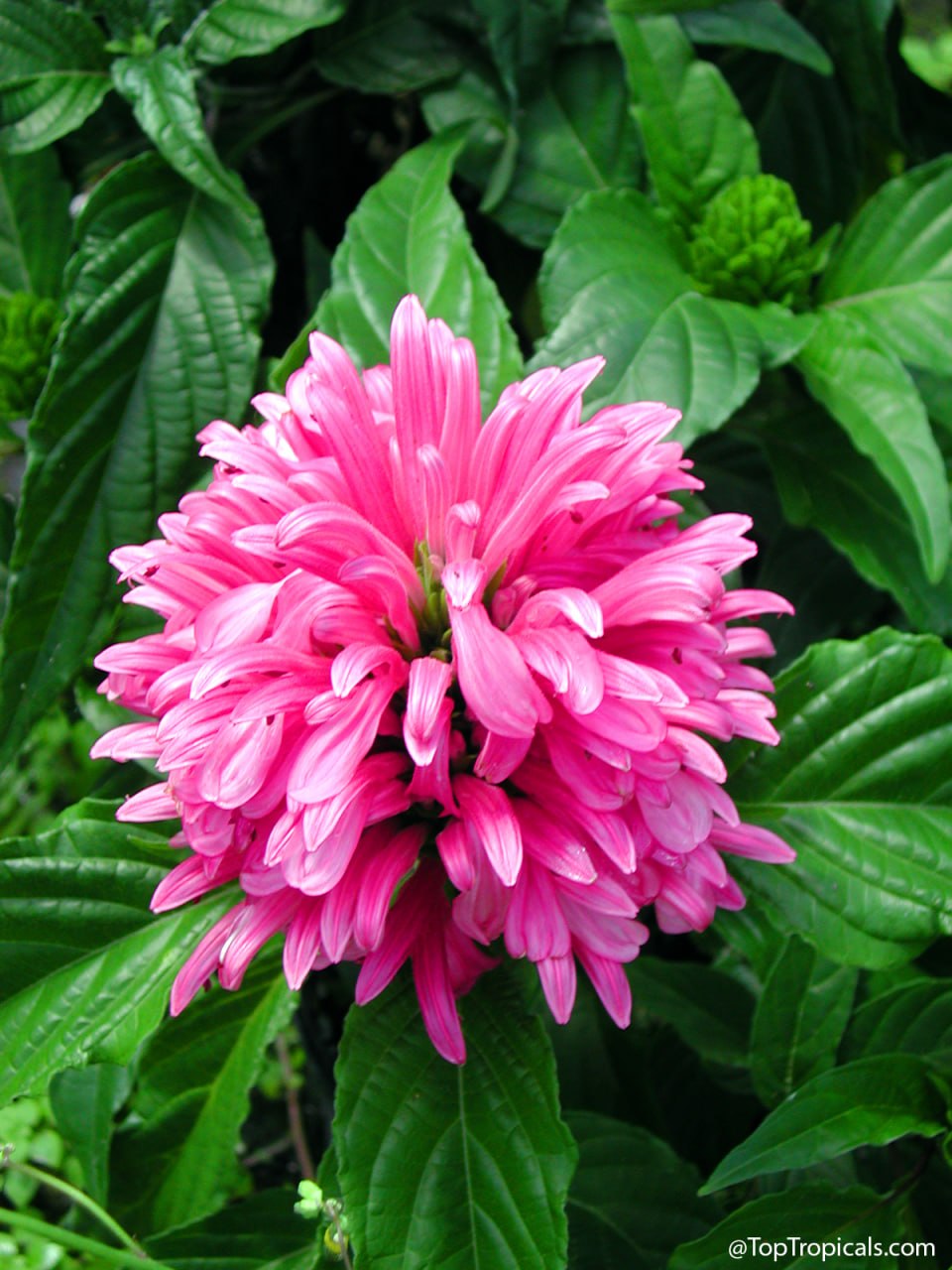
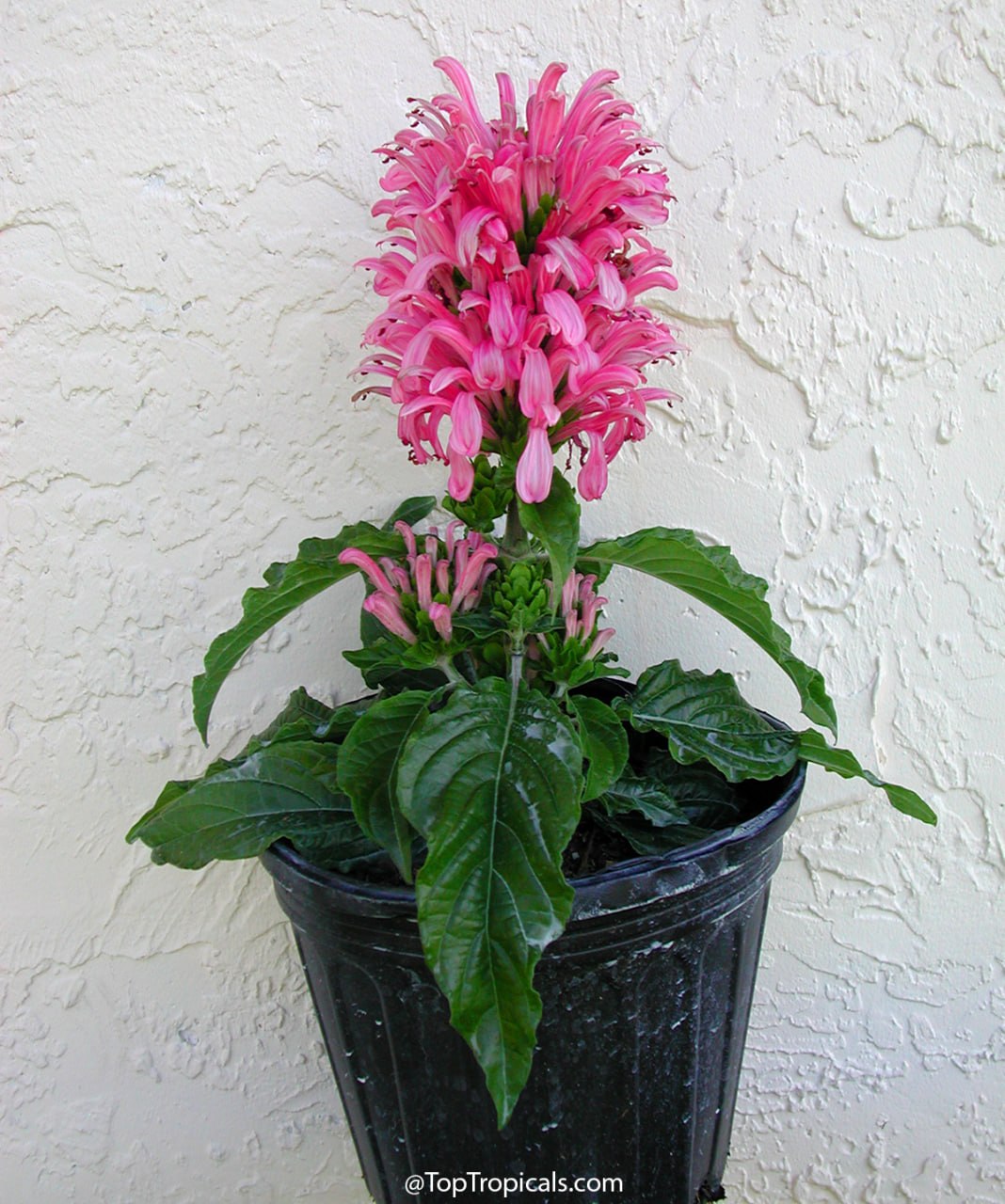
When Central Florida temperatures plummeted to 25F for two days, many gardeners braced for a total loss; and while most tropicals melted into black mush, Justicia carnea - the Pink Brazilian Plume or Jacobinia - proved that looks can be deceiving.

Tougher Than it Looks


As many other tropical plants from Acanthaceae family - Justicia plants are much hardier than they look.

At first glance, the Brazilian Plume looks like a greenhouse diva. It boasts huge, lush leaves and giant, cotton-candy pink flower clusters. However, it harbors a secret: it behaves more like a hardy perennial than a delicate shrub.

Even when a hard freeze burns the top growth to the ground, the root system remains remarkably resilient. Once the soil warms, fresh shoots often push through the dirt faster than expected.

A Hummingbird Magnet for the Shade


The real draw of Justicia carnea isn't just its survival skills - it’s the show-stopping blooms.

Large upright plumes can reach the size of a football. The tubular flowers are a primary target for hummingbirds and butterflies. Unlike most tropical bloomers, it thrives in filtered light and bright shade, making it perfect for understory planting.

  • 👉 Gardener’s Tip:


Don't dig it up too soon! Freeze-damaged stems may look finished for weeks, but patience usually rewards you with new growth by late spring.

🌱 Quick Care Guide


Light: Bright shade or filtered sun
Soil: Rich, well-draining
Water: Regular moisture during heat
Best For: Pool areas, woodland gardens, and pollinator beds

For gardeners wanting that high-impact tropical aesthetic without the heartbreak of constant replanting, this Jacobinia is the ultimate comeback kid.

🛒 Plant beautiful and hardy Jacobinia

📚 Learn more:

Hummingbird Plant Plant Facts

Dicliptera suberecta, Justicia suberecta
Hummingbird Plant, Uruguayan Firecracker Plant
USDA Zone: 9-11
Small plant 2-5 ftSemi-shadeFull sunModerate waterRegular waterYellow, orange flowersRed, crimson, vinous flowersPlant attracts butterflies, hummingbirds

#Butterfly_Plants #Discover #Container_Garden

🟢 Join 👉 TopTropicals

Date: 7 Aug 2025

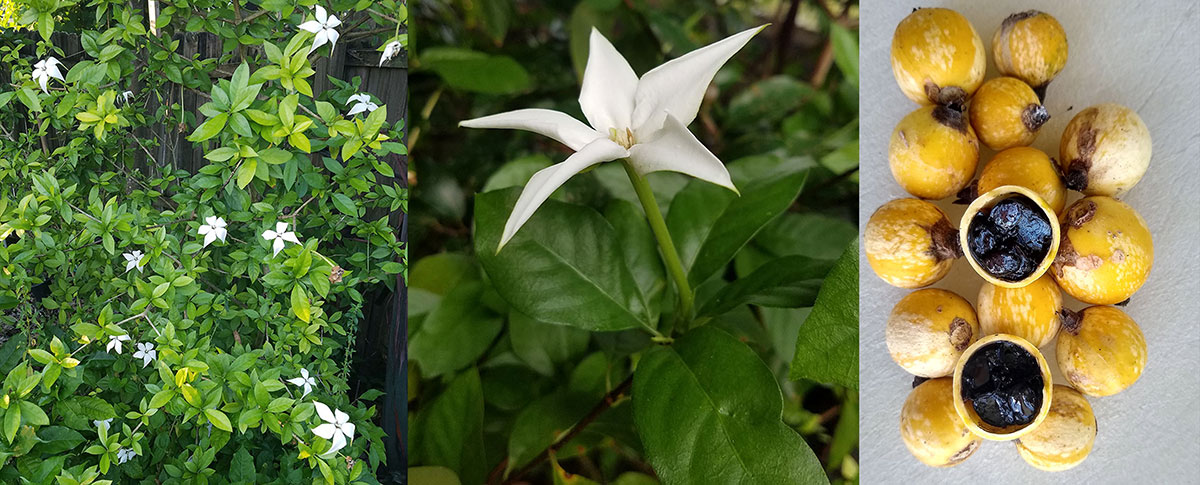
Randia  formosa  shrub  in  bloom  with  white  star-shaped  flowers,  close-up  of  single  bloom,  and  ripe  yellow  fruit  with  black  pulp  that  looks  like  blackberry  jam

Randia formosa - Blackberry Jam Fruit Tree with Flowers and Ripe Fruit

You know how some plants just surprise you?

That's Randia formosa - the Blackberry Jam Fruit Tree. At first, it just looks like a cute little gardenia-type shrub. Glossy leaves, sweet white flowers. Nice enough. But then the fruit shows up… and you crack one open and go, “Wait - this tastes like jam?!”

And not just any jam - like real, fresh blackberry jam. No sugar, no cooking. Just soft black pulp inside this golden little fruit. It's weirdly satisfying. One of those things you make everyone taste just to see their face.

What's even cooler is how easy it is. This thing starts blooming and fruiting when it's barely 2 feet tall. You can grow it in a pot on your porch, or even inside if it gets enough light. And while most of your other plants take the winter off, this one keeps going - flowers, fruit, the whole show.

If you've got a spot with filtered light and a little curiosity, it's absolutely worth a try. Honestly, it's just… fun.

This rare South American evergreen shrub checks all the boxes: fragrant, compact, easy, and edible.

✅ Grows in pots ✅ Indoors ✅ Small yards

Randia formosa – Blackberry Jam Fruit Tree – FAQ

What is Randia formosa?

Randia formosa, also known as Blackberry Jam Fruit or Jasmin de Rosa, is a compact tropical shrub that produces fragrant white flowers and small yellow fruits filled with soft, black pulp that tastes remarkably like blackberry jam. It belongs to the Rubiaceae family, the same as Gardenia and Coffea.

Why gardeners love Randia

  • Delicious jam-flavored fruit – no sugar needed.
  • Compact grower – perfect for patios and indoor spaces.
  • Fast results – blooms and fruits within 1–1.5 years.
  • Big yield in a small pot – 25–30 fruits at once!
  • Fall–Winter performer – keeps going when others stop.
  • Kid favorite – fun to grow, fun to eat.

What does the fruit taste like?

The pulp inside the fruit tastes just like fresh blackberry jam - sweet, tangy, and rich. It is edible fresh, without any processing or sweeteners, and is loved by both kids and adults.

How big does the plant get?

In the ground, Randia formosa typically reaches 4 to 5 feet tall. In containers, it usually stays smaller, around 3 to 4 feet, making it perfect for small gardens, patios, or indoor growing.

How soon will it fruit?

Very quickly! This is one of the fastest fruiting tropicals. Plants begin to flower and produce fruit within two years from seed. Еstablished plants in 3 gallon containers may begin fruiting at just 2 feet tall.

Does it need full sun?

No. It actually prefers filtered light or partial shade, especially in hot climates. Leaves tend to look healthier and greener when grown in dappled light.

Can I grow Randia formosa indoors?

Yes! Its compact size and shade tolerance make it an excellent choice for bright indoor spaces. Just be sure to provide good air circulation, high humidity if possible, and avoid cold drafts.

How cold-hardy is it?

Mature plants can tolerate temperatures down to about 26F for short period of time, but young plants are more sensitive and should be protected from frost. It is best grown outdoors in USDA zones 9b and up or kept as a container plant that can be brought indoors in winter.

What kind of soil does it need?

Randia formosa requires acidic, well-draining soil. Avoid alkaline soils, which may cause leaf chlorosis (yellowing with green veins).

How often should I water it?

Keep soil evenly moist but not soggy. It is sensitive to overwatering, especially in cooler weather. During winter, reduce watering. Underwatering may cause sudden leaf drop - but the plant usually recovers quickly once watered again.

What fertilizer does it need?

Yes. Use a slow-release fertilizer formulated for acid-loving plants. Regular applications of micronutrients (especially iron and magnesium) help prevent chlorosis. Foliar sprays can also be helpful. Apply Sunshine C-Cibus Booster or Green Magic controlled release fertilizer to keep your plant happy: Blackberry Jam Fruit is a heavy feeder!

When does it flower and fruit?

This plant can bloom and fruit for several months, often from summer through winter. It is known to bloom off-season, making it a fun and productive plant when others are dormant.

Are the flowers fragrant?

Yes, the white star-shaped tubular flowers have a light, sweet fragrance, similar to gardenias but less intense. The flowers open at night.

Is it self-pollinating?

Yes. A single plant can set fruit on its own, although insect activity can improve fruit set.

Are there any common problems?

The most common issue is chlorosis, which shows up as yellowing leaves with green veins - usually due to overwatering, poor drainage, or alkaline soil. It's fixable with acidification and micronutrients. The plant may also drop leaves suddenly if underwatered but tends to bounce back.

Is this plant related to Gardenia?

Yes. It is in the same plant family (Rubiaceae) as Gardenia and Coffee. That's why the flowers look similar and why it tolerates similar care needs.

Can it be used for bonsai or miniature tree styling?

Yes, due to its slow growth and branching habit, Randia formosa can be shaped into a miniature tree form and is quite attractive when trained.

Is it drought-tolerant?

Once established, it shows moderate drought tolerance. However, young plants need regular watering and are more vulnerable to drying out.

Read Garden Blog about Blackberry Jam Fruit

Get your Blackberry Jam Fruit