Garden Blog - Top Tropicals

Date: 11 Mar 2026

📅 Do Not Miss: March 21 - Spring Equinox Plant Market

🍩 Saturday, March 21, 2026: 9 am - 4 pm

Smokey  the  tuxedo  cat  in  work  clothes  studies  the  Spring  Equinox  Plant 
 Market  poster  at  the  Top  Tropicals  nursery  entrance  while  Sunshine  the 
 ginger  tabby  cat  rides  a  bicycle  balancing  coffee  and 
 donuts.
Sunshine: Smokey, look at me! See what I can do on my bike? I'm practicing to give people what they like: coffee and donuts.

Smokey: You'd be perfect for a Gulf beach cafe. But gardeners don't come here for donuts.

Sunshine: Really? Then why do they come?

Smokey: Some gardeners lost plants to the freeze. Others want trees that will handle winter better. Cold-hardy avocados. Macadamia. Grumichama. And some just come for fun - to see the PeopleCats.


Sunshine: And my charm... and my donuts will make it more fun.

Read more about Smokey & Sunshine

Ft Myers Garden Center: 13890 Orange River, Ft Myers, FL
Sebring B-Farm : 9100 McRoy Rd, Sebring, FL

More Spring Equinox Plant Market details

🌞 Welcome to our Spring Equinox Plant Market, proudly hosted by the PeopleCats of Top Tropicals.

This one feels different.

After Florida’s record freeze, many gardens are brown, trimmed back, or missing a few old friends. We felt it too. And now - we rebuild.

The equinox marks equal day and night. More light ahead. New growth beginning.

And the PeopleCats are ready🐾.

  • 🐱King is back on gate duty - inspecting every vehicle for proper plant-hauling capacity.
  • 😺Paisley is rearranging freeze survivors and new arrivals like a design consultant.
  • 😼Snitch is supervising recovery efforts from a comfortable chair.
  • 😸Persephone is checking under tables for "hidden spring energy."
  • 😻Sushi and Loki are preparing for guided garden tours - recovery edition.

This is not just a plant market. This is the spring reset.

👍 Why You Should Come

It is finally warm in Florida. After several nights of hard freeze, some plants survived - and some didn’t. This event is your chance to see real freeze champions in person.

If you lost plants, you are not alone. If you are ready to plant smarter, this is your moment.

Walk the gardens. See proven winter survivors. Discover cold-hardy fruit trees and resilient ornamentals. Get practical advice about replanting after freeze. This is rebuilding - Florida style.

♥️ What Makes This Event Special

We are featuring:

  • Verified freeze survivors
  • Cold-hardy fruit trees
  • Tough flowering trees and shrubs
  • Replacement plants for damaged landscapes
  • Smart layering ideas for frost-resilient gardens
  • You will see which species handled 25F with wind and multiple nights of freeze - with no protection.

Real-world test. Real results.

Cold hardy fruit favorites include:

Avocado Plant Facts

Botanical name: Persea americana, Persea gratissima
Also known as: Avocado, Alligator Pear, Aguacate, Abacate
USDA Zone: 9 - 11
Highligths Large tree taller than 20 ftSmall tree 10-20 ftFull sunWatering: Regular. Let topsoil dry slightlyEdible plantSubtropical plant. Mature plant cold hardy at least to 30s F for a short time
Get personalized tips for your region

🌸 Cold hardy subtropical flowering trees including:

And many other cold hardy plants

Mexican Bird of Paradise Plant Facts

Botanical name: Caesalpinia mexicana
Also known as: Mexican Bird of Paradise, Dwarf Poinciana
USDA Zone: 9 - 11
Highligths Small tree 10-20 ftSemi-shadeFull sunWatering: Moderate. Water when top soil feels dryYellow, orange flowersIrritating plantFragrant plantSubtropical plant. Mature plant cold hardy at least to 30s F for a short timeSeaside, salt tolerant plant
Get personalized tips for your region

🎉Event Highlights

  • 30% OFF online prices
  • FREE plants with purchase
  • $5-10 specials
  • Exciting raffle prizes

🌳Don't just mow - grow!

Start your food forest, beat rising prices, and plant a future your family will thank you for.
🌿 Friendly Reminder
Just a quick reminder before we go: Sunshine Boosters are still shipping free. If you were thinking about stocking up for the season, now is a great time to do it while the offer is still active.

🛒 Feed your plants

Date: 5 May 2025

🎀 Five plant gifts she'll love this Mother's Day

Q: My mother loves gardening and I am thinking to buy her a live plant to make her happy. What plant do you recommend?

A: At Top Tropicals, we have a big selection of wonderful gift plants . Below are a few suggestions for you, these plants are large, developed and ready to bloom or fruit!

1. Joy Perfume Tree

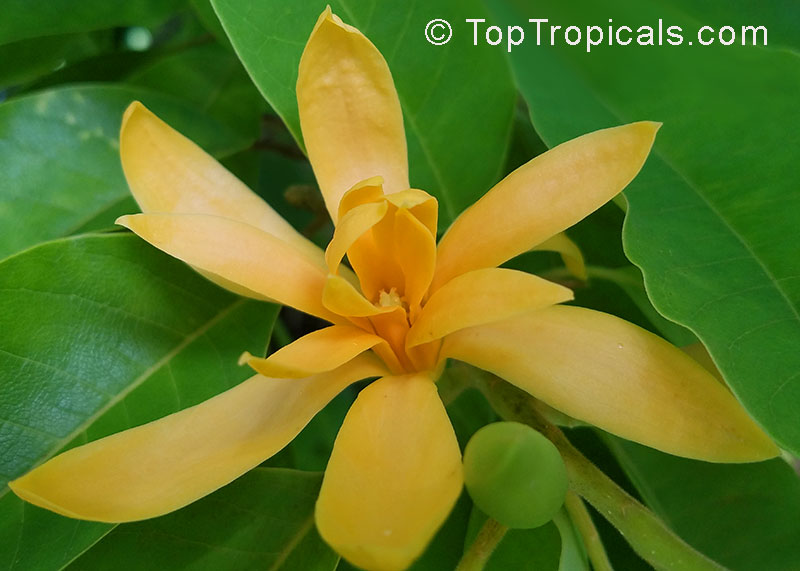
Magnolia  (Michelia)  champaca,  Joy  Perfume  Tree,  Champaka

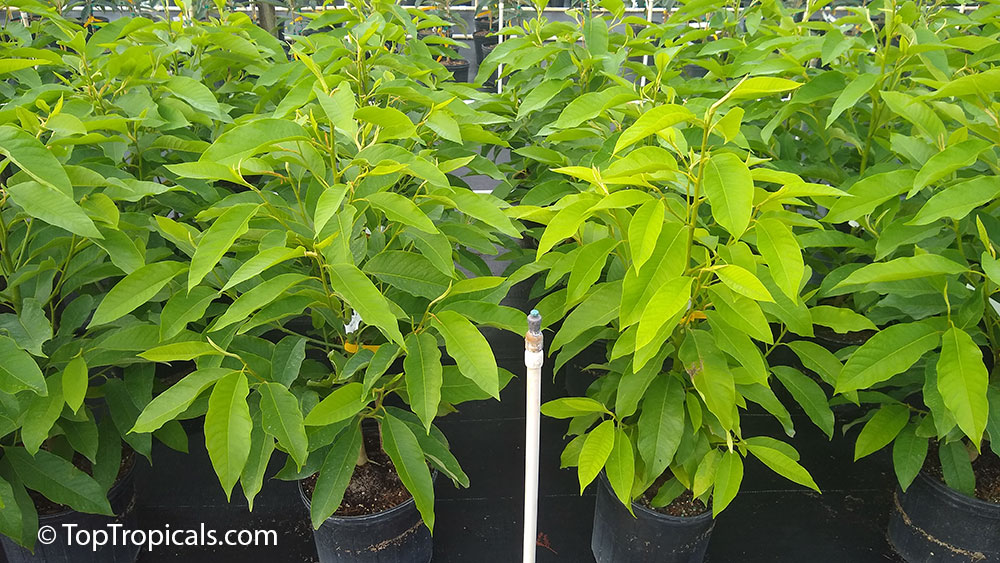
The Champaka or Joy Perfume Tree (Magnolia champaca) - is a top choice for Southern landscapes, prized for its striking columnar shape and fragrant, fruity bubble gum-scented blooms - you won't be able to stop sticking your nose in this flower! A signature plant at Top Tropicals, it's known for producing the world's most expensive perfume, Joy. The Joy Perfume Tree blooms on and off year-round and is currently in full bloom at our farm in Sebring, FL, filling the air around with fantastic sweet scent. This tree thrives in both pots and the ground, growing bushy and full as it matures. At Top Tropicals, we have beautiful Champaka trees in all sizes, from 3-4 ft tall (ready to bloom in a year) to 6-10 ft tall (already bloomed) for local pick up or delivery.
Learn more, with a short video.

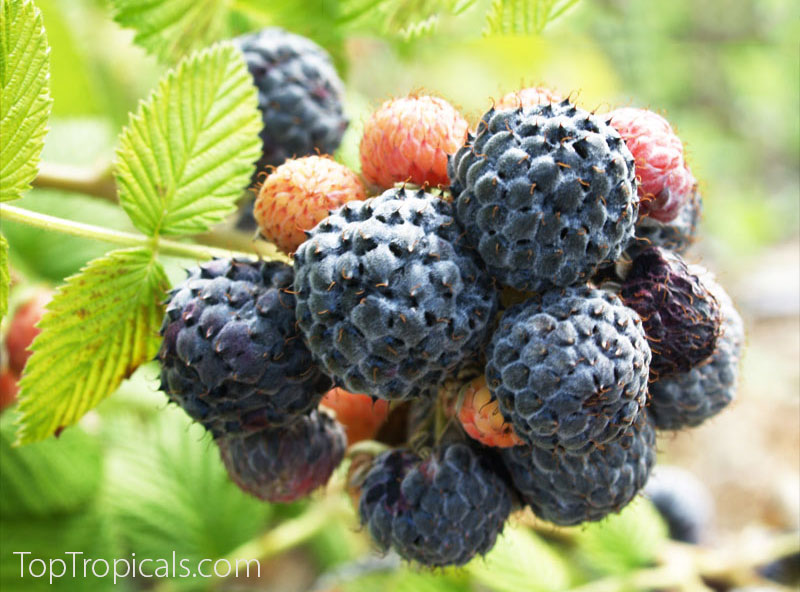
2. Tropical Raspberry Mysore

Raspberry  Mysore  Tropical,  Rubus  albescens  (niveus)

Tropical Raspberry Mysore (Rubus albescens) - is the perfect solution for those missing Northern fruit in hot climates. Unlike traditional raspberries that can't handle the heat, this fast-growing Raspberry from India thrives in humid, hot conditions and produces juicy, sweet fruit almost year-round! The clusters of purple-black fruit are packed with flavor, and the plant is perfect for large containers, producing plenty of fruit in no time. Cold-hardy to the upper 20s F, it's an easy-to-grow, fast producer. We have beautiful, fruit-ready 3 gal Raspberry bushes, ready to add a burst of sweetness to your garden!
Learn more, with a short video.

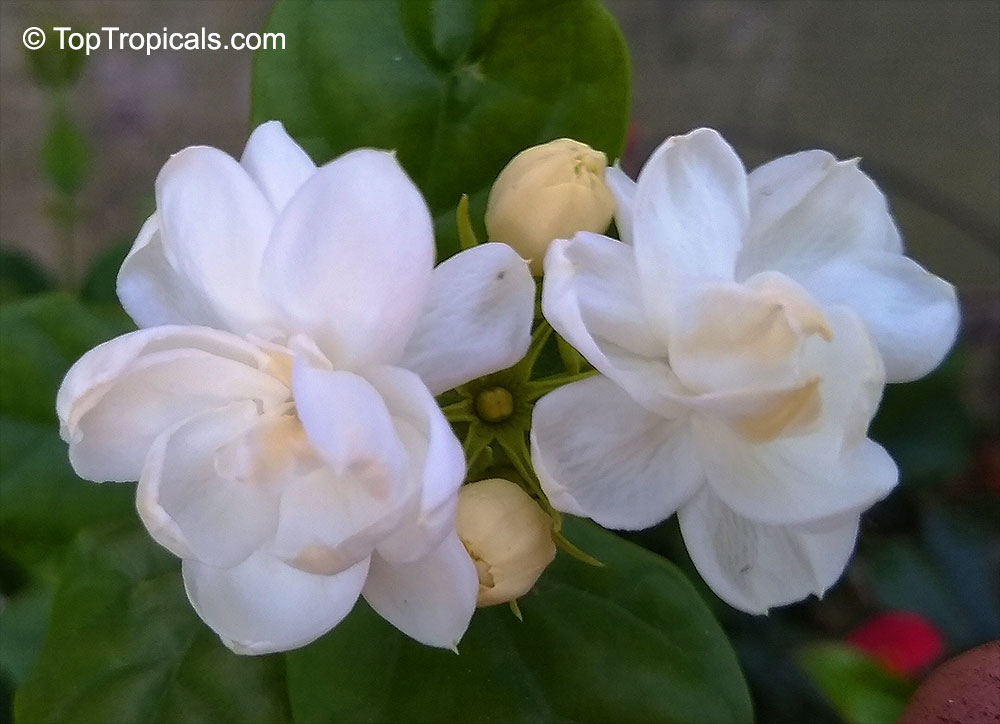
3. Fragrant Jasmine Sambac

Jasminum 
 sambac

Jasminum Sambac is widely regarded as the most fragrant jasmine, cherished by tropical gardeners and plant collectors alike. Native to India, this jasmine is the source of jasmine perfume oil and the signature ingredient in jasmine tea. With various varieties offering unique flower sizes, shapes, and growth habits, it’' perfect for both sun and shade, thriving as a container plant or indoor favorite. Its delightful fragrance fills the air, and with the help of Sunshine Pikake plant booster, you can enjoy even more blooms. Jasmine Sambac, along with Champaka, is another signature plant of Top Tropicals. Through the decades, we've collected all the available varieties in cultivation - check them out!
Learn more about Jasmine Sambac varieties, with a short video.

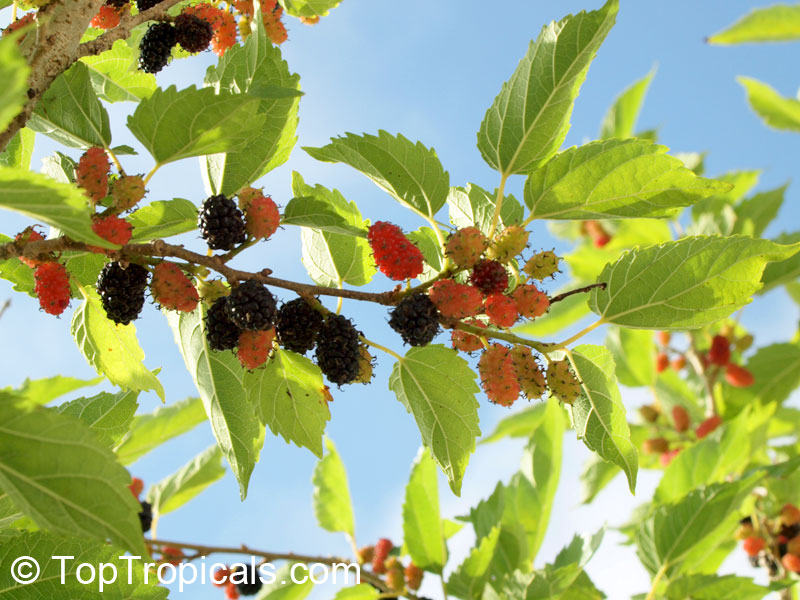
4. Everbearing mulberry

Mulberry  tree  Dwarf  Everbearing  (Morus 
 sp.)

The Dwarf Everbearing Mulberry (Morus sp.) - is the perfect way to enjoy fruit year-round! This beautiful, cold hardy bush produces sweet, juicy mulberries starting from the very first year - often the same season you plant it. With its dwarf habit (easily maintained at 4-6 ft), it's perfect for containers and small spaces. Cold-hardy and drought-resistant, this productive plant thrives in various climates, from USDA zones 5 to 10! The fast-growing Mulberry will provide fruit year-round, and with minimal care, it will flourish in almost any soil. Our Everbearing Mulberry bushes produce enough fruit for both birds and breakfast - we pick a handful every day!
Learn more, with a short video.

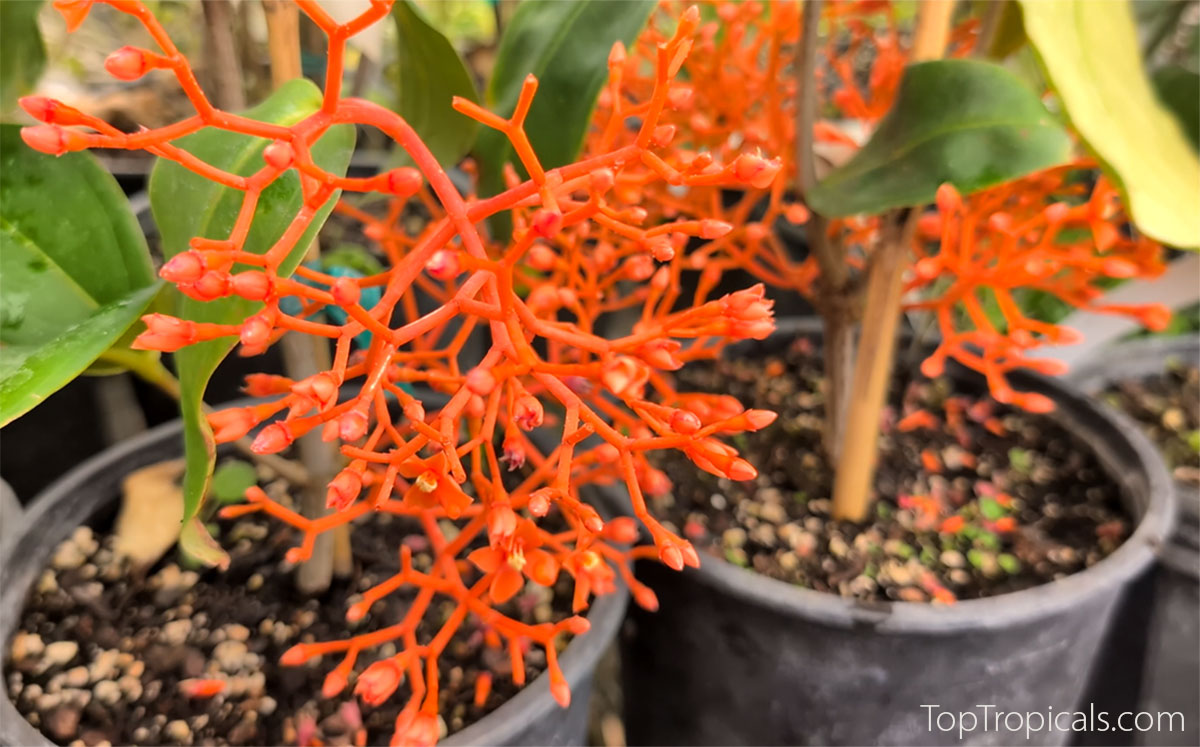
5. Medinilla Coral Spike

Medinilla  scortechinii  -  Orange  Coral  Spike

Rare Medinilla scortechinii - Orange Coral Spike - is a rare gem that brings a touch of the ocean to your garden! With bright orange stems bursting into star-shaped blooms, it looks like something straight from a coral reef. Compact and easy to grow, this plant stays under 2-3 ft tall, making it perfect for pots, hanging baskets, or as an epiphytic accent. The glossy dark leaves contrast beautifully with the vibrant orange panicles, and it thrives in bright shade. A must-have for collectors of unusual tropical plants, this coral spike adds a bold pop of orange wherever it grows - but hurry, it doesn't stay in stock for long!
Learn more, with a short video.

Date: 12 Dec 2023

Easy compact bush for sandy soil

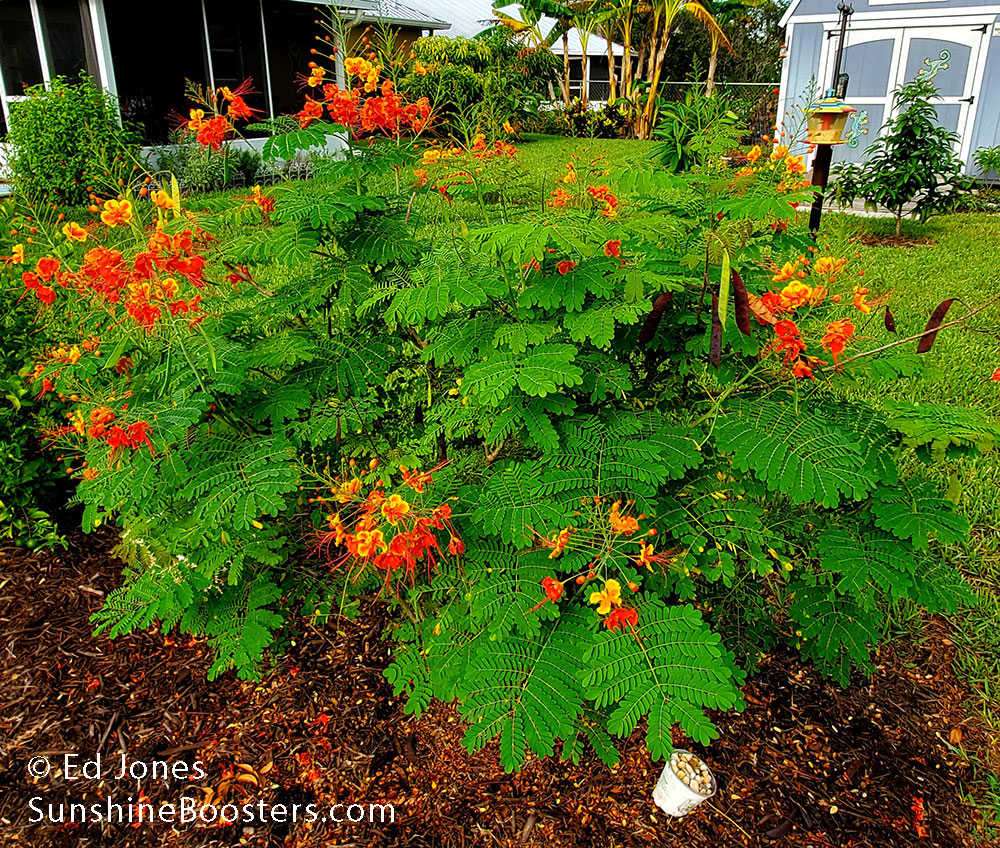
Caesalpinia  pulcherrima  -  Red  Dwarf  Poinciana,  Bird  of  Paradise

Caesalpinia pulcherrima - Red Dwarf Poinciana, Bird of Paradise.

Q: Can you recommend a flowering bush that will be in full sun and in sandy soil. I do not want it to exceed 10 feet.

A: For a garden specimen bush that is medium size and tolerates poor soils, we can recommend to choose from the plants below. These are all easy to grow, not fussy about soil and water, and stay compact and require minimal or no trimming at all.

Calliandra surinamensis - Powderpuff - 6-8 ft
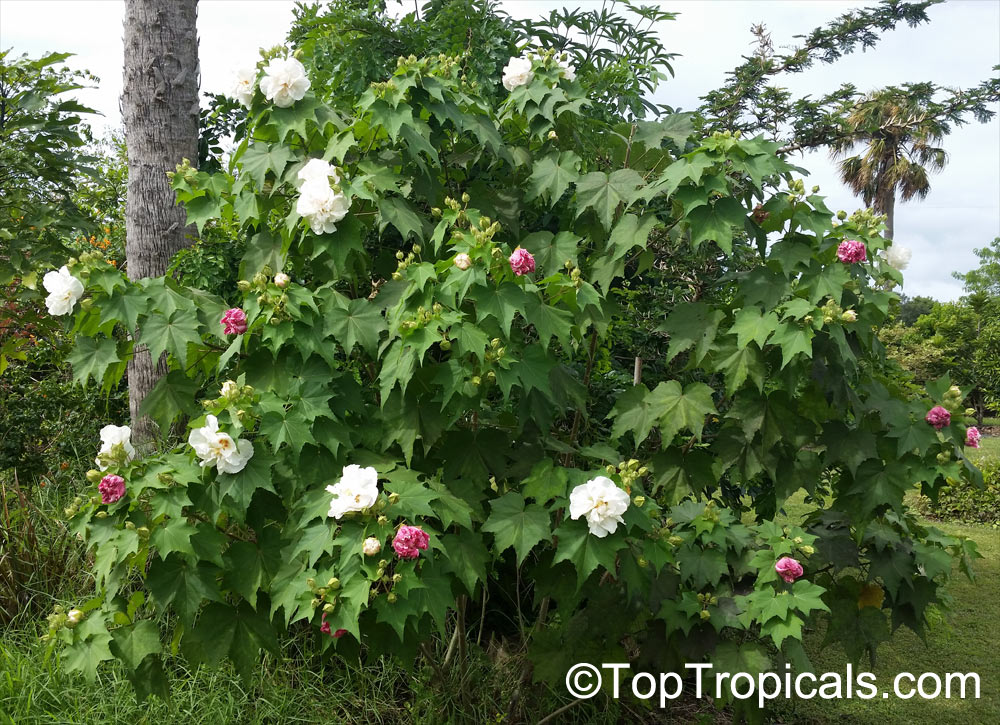
Hibiscus mutabilis Cotton Candy - Mallow Hibiscus - 5-6 ft
Dombeya seminole - Tropical Rose Hydrangea 4-6 ft
Allamanda schottii - Dwarf Allamanda Bush 3-4 ft
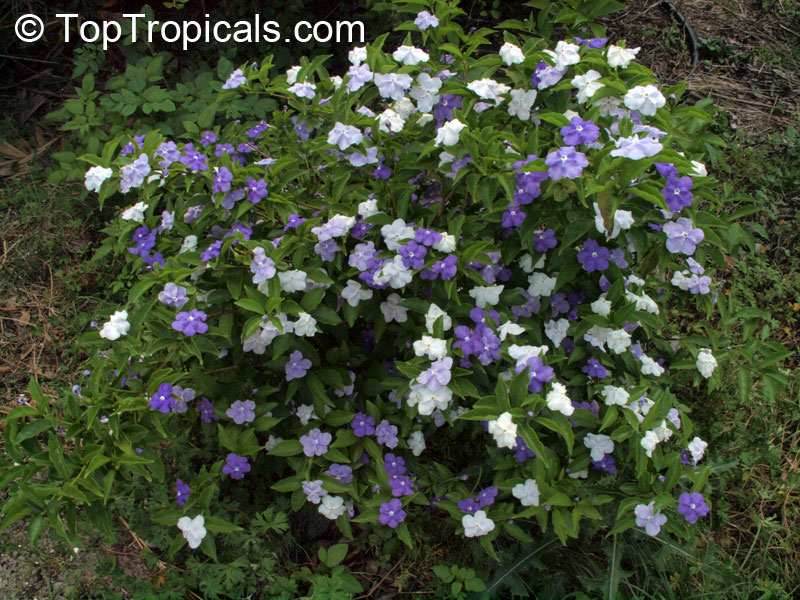
Brunfelsia pauciflora Compacta - Dwarf Yesterday-Today-Tomorrow - 4-5 ft
Calliandra schultzii - Dwarf calliandra - 4-5 ft
Plumbago auriculata Imperial Blue
Caesalpinia pulcherrima - Red Dwarf Poinciana, Bird of Paradise - 2-4 ft
Hibiscus schizopetalus - Coral Hibiscus - 5-6 ft
Jatropha integerrima compacta - 4-5 ft
Clerodendrum bungei - Glory Bower - tolerates shade, 4-5 ft
Eranthemum pulchellum - Blue Sage, Lead Flower (prefers shade) - 4-5 ft
Magnolia figo - Banana Magnolia - small tree, 6-8 ft
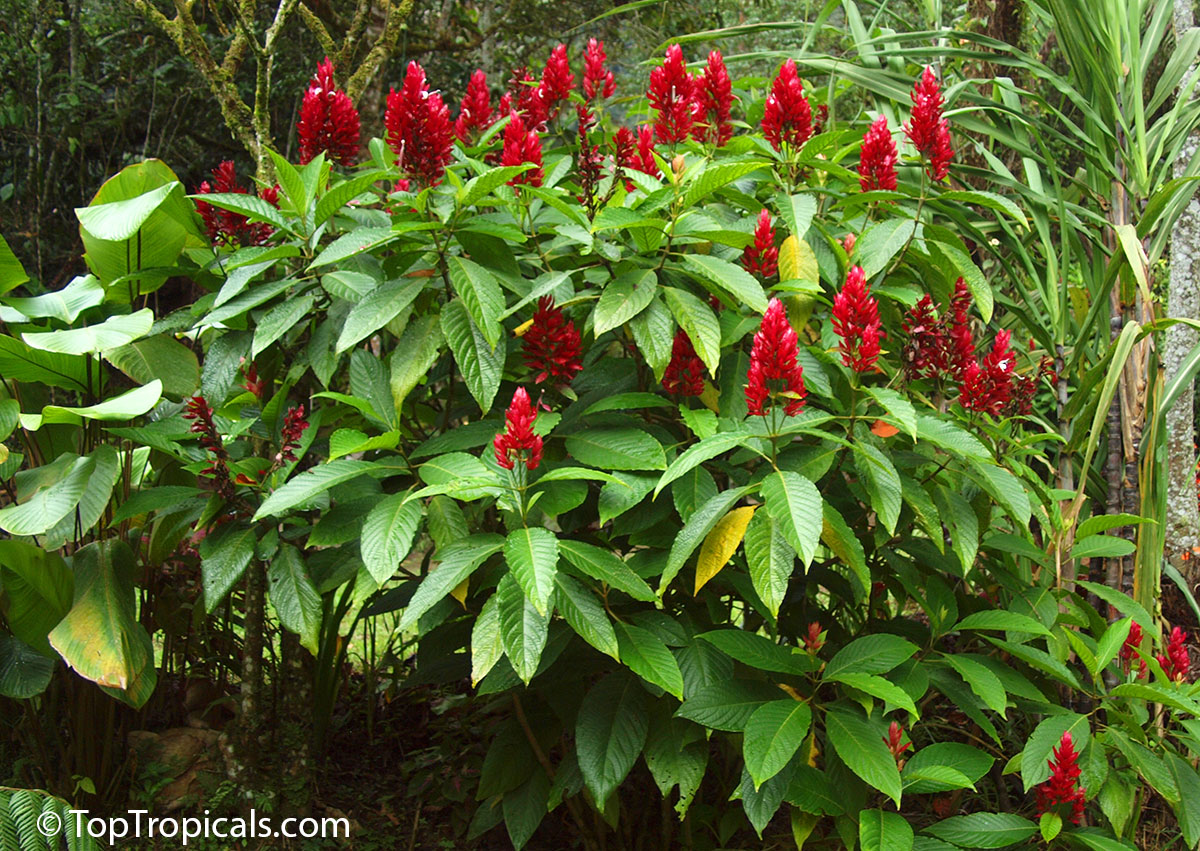
Megaskepasma erythrochlamys - Brazilian plume (tolerates shade) - 5-6 ft
Tibouchina lepidota - Ecuador Princess, Jules Dwarf - 3-4 ft
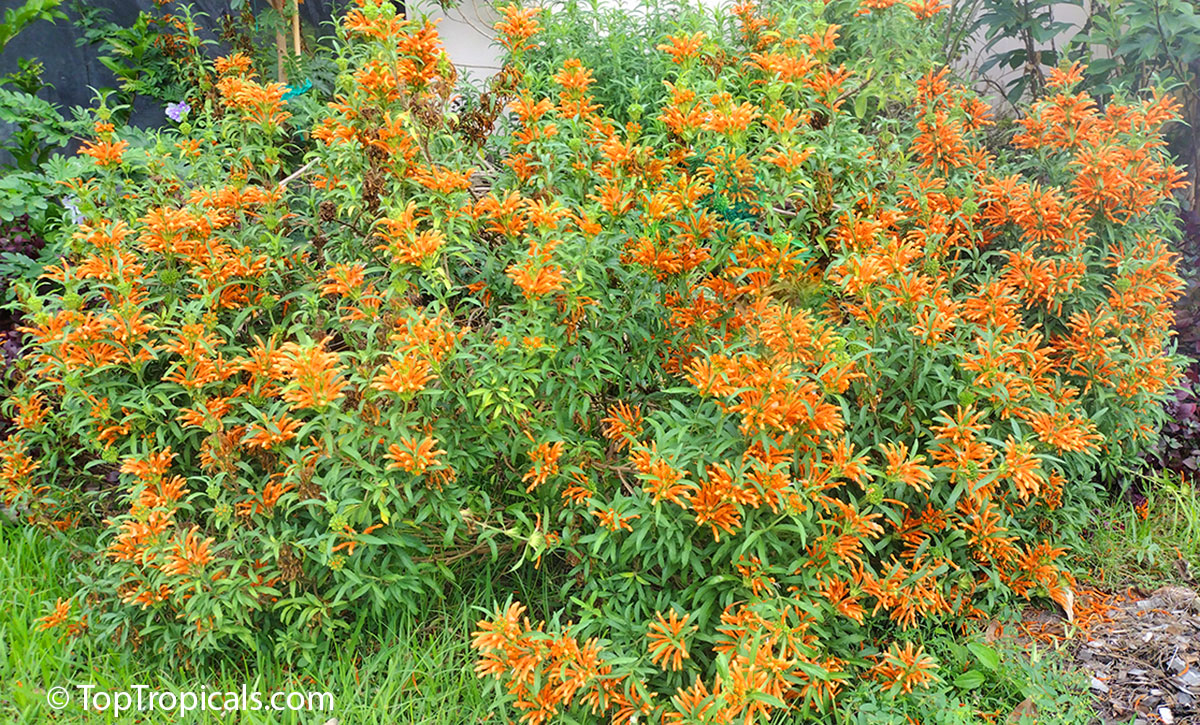
Leonotis leonurus - Lions Ears - 3-4 ft

Also, for your further reference, check out the reference chart Hedges with Benefits Chart to see different flowering bushes that are great for hedges as well as garden specimens, depending on your specific needs.

Megaskepasma  erythrochlamys  -  Brazilian  plume

Megaskepasma erythrochlamys - Brazilian plume.

Brunfelsia  pauciflora  Compacta  -  Dwarf  Yesterday-Today-Tomorrow

Brunfelsia pauciflora Compacta - Dwarf Yesterday-Today-Tomorrow.

Leonotis  leonurus  -  Lions  Ears

Leonotis leonurus - Lions Ears.

Date: 17 Nov 2023

Hedges with Benefits
Reference Chart

Hibiscus  mutabilis  flowering  hedge

Large and fast growing

Tithonia diversifolia - Sunflower tree
Acacia farnesiana - Sweet Mimosa
Calliandra surinamensis - Powderpuff
Aloysia virgata - Almond Bush
Dombeya x wallichii - Tropical Hydrangea
Cornutia grandifolia - African lilac
Gmelina philippensis - Parrots Beak
Hibiscus mutabilis Cotton Candy - Mallow Hibiscus
Senna alata - Empress Candle, Candelabra Plant

Medium or easy-trim

Acalypha hispida - Cat tail, Chenille plant
Bauhinia galpinii - Pride of De Kaap
Cestrum nocturnum - Night blooming jasmine
Dombeya seminole - Tropical Rose Hydrangea
Gardenia thunbergia - Forest gardenia
Hamelia patens - Fire Bush
Hibiscus variegated Snow Queen
Jasminum sambac Maid of Orleans
Ochna integerrima - Vietnamese Mickey Mouse, Hoa Mai
Odontonema callistachyum - Lavender Butterfly Bush
Odontonema cuspidatum - Firespike, Red
Rondeletia leucophylla - Panama Rose
Tecoma stans - Yellow Elder

Short or slow growing

Aglaia odorata - Chinese Perfume Plant
Allamanda schottii - Dwarf Allamanda Bush
Brunfelsia pauciflora Compacta - Dwarf Yesterday-Today-Tomorrow
Clerodendrum incisum - Musical Note
Calliandra schultzii - Dwarf calliandra
Gardenia vietnamensis - Vietnamese Gardenia
Leonotis leonurus - Lions Ears
Neea psychotrioides - Pigeon Plum, Hoja de Salat
Plumbago auriculata Imperial Blue

Garden Specimens

Combretum constrictum Thailand, Ball of Fire
Caesalpinia pulcherrima - Red Dwarf Poinciana, Bird of Paradise
Clerodendrum quadriloculare - Winter Starburst
Euphorbia leucocephala - Snows of Kilimanjaro, Pascuita
Gardenia nitida - Shooting Star Gardenia
Hibiscus schizopetalus - Coral Hibiscus
Jatropha integerrima compacta
Kopsia fruticosa - Pink Gardenia
Malvaviscus x penduliflorus Variegata - Summer Snow
Mussaenda philippica x flava - Calcutta Sunset (Marmelade)
Plumeria pudica - Bridal Bouquet

Semi-Shade to Shade

Clerodendrum bungei - Glory Bower
Clerodendrum paniculatum - Pagoda Flower
Eranthemum pulchellum - Blue Sage, Lead Flower
Clerodendrum speciosissimum - Java Glorybower Mary Jane
Justicia carnea - Pink Brazilian Plume, Jacobinia
Magnolia figo - Banana Magnolia
Megaskepasma erythrochlamys - Brazilian plume
Thunbergia erecta - Kings Mantle
Tibouchina lepidota - Ecuador Princess, Jules Dwarf

Edible Hedges

Eugenia uniflora - Black Surinam Cherry Lolita
Camellia sinensis - Tea Leaf
Hibiscus sabdariffa - Flor de Jamaica, Karkade Sorrel
Laurus nobilis - Bay Leaf
Manihot esculenta - Yuca Root
Nashia inaguensis - Moujean Tea, Bahamas Berry
Sauropus androgynus - Katuk, Tropical Asparagus
Sauropus Variegata - variegated Katuk

Date: 10 Jun 2021

Growing Champaka in Virginia

Q: I purchased a Magnolia champaca 1 gallon a few years ago. It is still growing as I bring it into my greenhouse in the winter. I live in VA. This spring I planted it in the ground hoping it might bloom which it did not. Will it survive our fairly mild winters with several freezing days with some special attention? What would you do?

A: Magnolia champaca is a tropical tree and won't survive winter in VA. It can not take hard freeze. Your only option is, to keep it in a pot and bring inside. If the temperature inside your greenhouse is too low, this may affect the plant's ability to flower. For example, if it stays 35-40F for a whole month - although it is not a hard freeze and the plant may survive, but the duration of the cold period is more critical than the low temperature itself. Champaka can survive a few hours even at upper 20's, but not many days with cool temperatures. The temperature in winter should be maintained at least above 55F during day time (the higher the better) and at least above 45F at night.
If the tree has grown too big, you may trim it. If the root ball is too large, roots can be trimmed too (similar way like they do with bonsai) before repotting. However, trimming must be done either during warm season and active growth, or in Spring, when the tree starts waking up and promotes new growth.
To encourage flowering, start fertilizing your Champaka with a liquid bloom booster - SUNSHINE Pikake - Fragrant Flower Booster. It can be used year round including winter months, and it is safe to apply with every watering. This way you will provide to the tree enough energy for the next flowering season, so flowers can be expected in late Spring - Summer.

Read more about greenhouse growing: Greenhouse in Virginia.