Mulberries are tough, low-maintenance fruit trees that adapt to many
conditions.
Climate: Hardy from USDA zone 5 to 10.
Soil: Grow well in almost any soil; prefer good drainage.
Watering: Regular watering during dry spells; drought tolerant
once etablished.
Growth: 3–5 feet per year, producing fruit early.
Pruning: Annual pruning controls size and improves
branching.
Pot culture: Dwarf types thrive in containers, staying 6–7
feet tall. Use a large pot, water consistently, and prune lightly. Use Abundance
potting mix for best results.
Fertilizer: For reliable production, fertilizer regularly. Apply
Sunshine C-Cibus liquid booster with every watering, or GreenMagic controlled release fertilizer every 5-6 months.
❓
Mulberry FAQ
How soon will a mulberry fruit?
One to two years, sometimes the very first season.
What climates are suitable?
USDA zones 5–10, from -20F winters to hot summers.
How tall do they get?
Standard trees 20–30 ft; dwarfs 6–10 ft in
pots.
Do I need more than one tree?
No, they are self-pollinating.
What do they taste like?
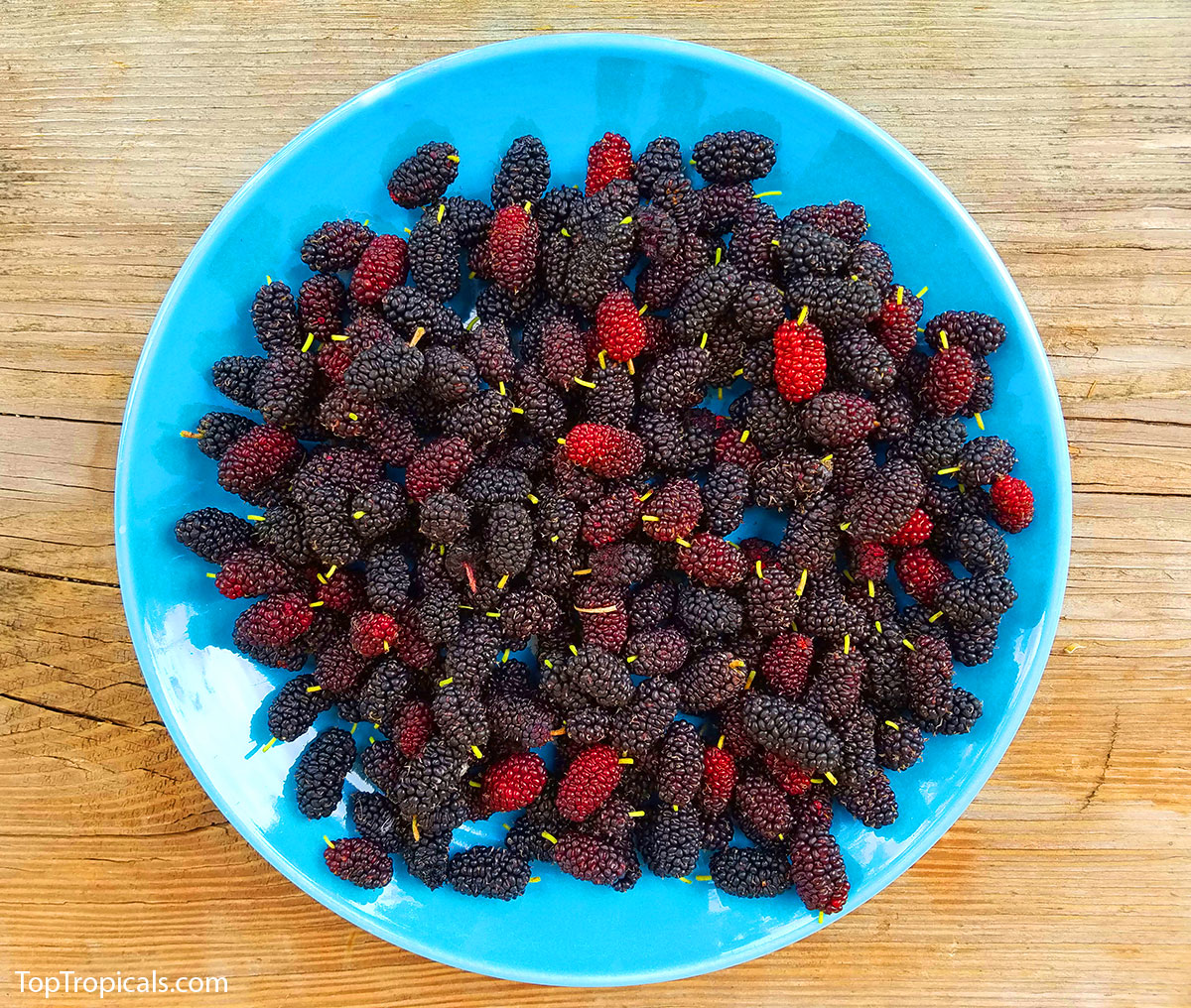
Sweet and juicy, like a blend of blackberry and raspberry.
How long is the harvest?
Everbearing types ripen gradually from summer into fall.
Do birds eat them?
Yes, but trees are so productive there’s plenty to
share.
Are they messy?
Dark-fruited varieties can stain; white mulberries do not.
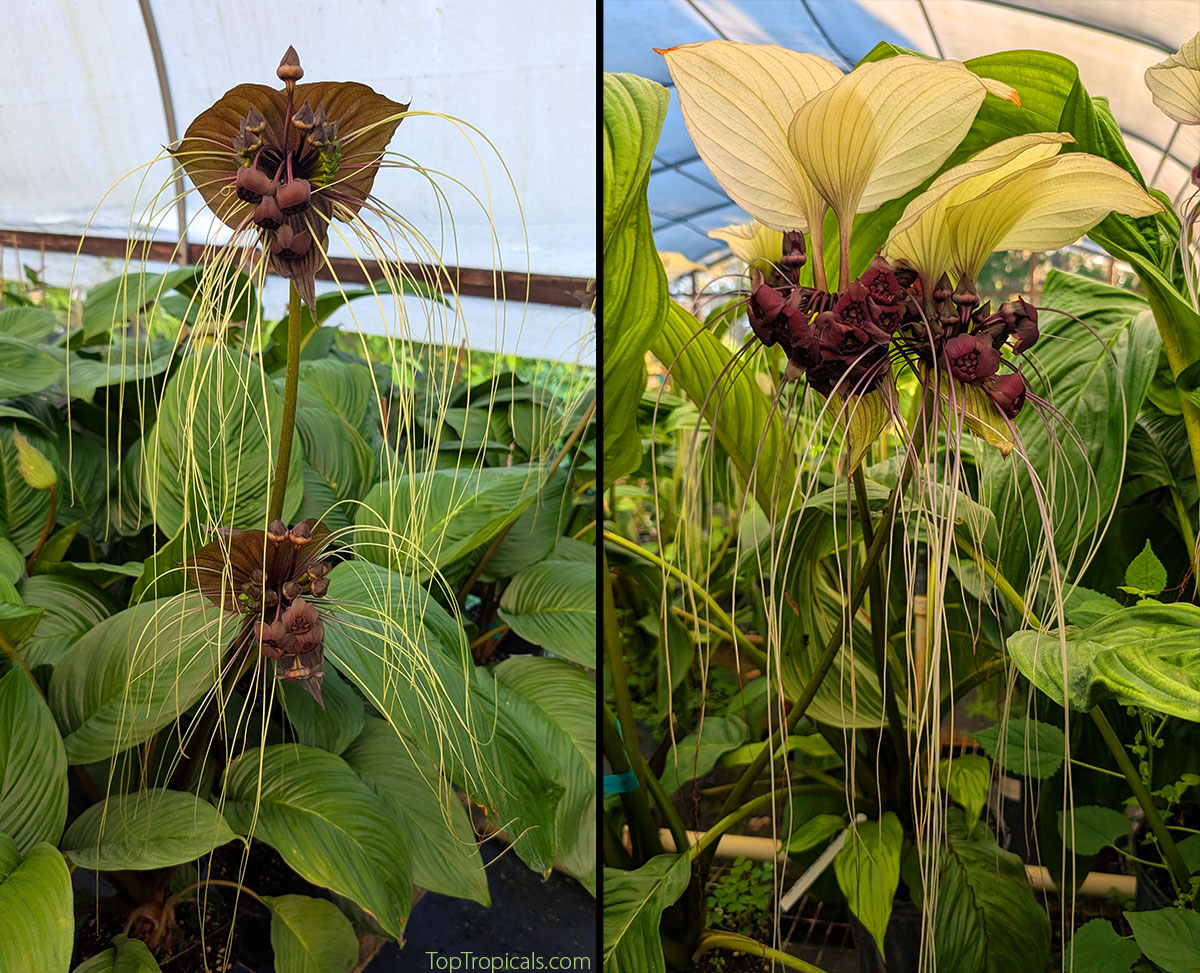
Black and White Bat Lilies (Tacca chantrieri and Tacca
nivea) side by side in bloom
How to Care for Bat Lilies
by Top Tropicals
Plant Expert Tatiana Anderson
🌞 Light
Bright, filtered light. Morning sun or dappled shade is perfect.
Avoid direct midday sun outdoors — it can scorch the leaves.
Indoors, place near a bright window with sheer curtains or use a grow
light.
🌡️ Temperature
Warm and stable, ideally 70-85 F during the day.
Protect from cold drafts or sudden chills.
Ideally, do not let temperature drop below 45 F, although Taccas can
tolerate short period of upper 30's.
💧 Watering
Keep soil evenly moist but not soggy.
Water when the top inch feels barely dry.
Use lukewarm water.
Avoid letting the pot sit in water.
💨 Humidity
High humidity (60-80%) is key.
Mist leaves often, use a humidity tray, or keep near a humidifier.
In greenhouses or bathrooms with a skylight, it thrives naturally.
🌱 Soil
Use rich, loose, well-draining mix
Combine bark, peat, and perlite for ideal airflow around the roots.
Best mix for growing tropical Tacca in pots - soilless potting mix Abundance
. It provides perfect drainage and has a texture similar to a jungle
rainforest media.
🍽️ Feeding
During growth season (Spring through Fall), feed with Green
Magic controlled release fertilizer every 6 months. For even
better results, you may apply liquid fertilizer Sunshine
Boosters Rubusta.
Stop feeding dry fertilizer in cooler months when growth slows. Liquid
Sunshine Boosters are safe to use with every watering, year around.
🏡 Indoor Growing
Great for bright bathrooms, sunrooms, or any warm, humid corner.
Rotate pot occasionally for even growth.
Keep away from heating vents and AC drafts.
🌴 Outdoor Growing (in warm climates)
Partial shade or filtered light under trees.
Excellent in large containers that can be brought inside for
winter.
Shelter from heavy rain and wind.
Sunshine: "So… it’s a diva?"
Smokey: "Exactly. But take care of it - and it rewards you with wings!"
Smokey and Sunshine: "Happy Halloween!"
Orchids have a mystique that sets them apart — elegant, exotic,
almost unreal in their perfection. But let’s be honest, not everyone
has
luck with the fancy ones that cling to trees or need greenhouse tricks.
Ground orchids are different. They grow in regular garden soil, bloom in
sun or shade, and come in all sorts of shapes and colors. They’re the
orchids you don’t have to fuss over.
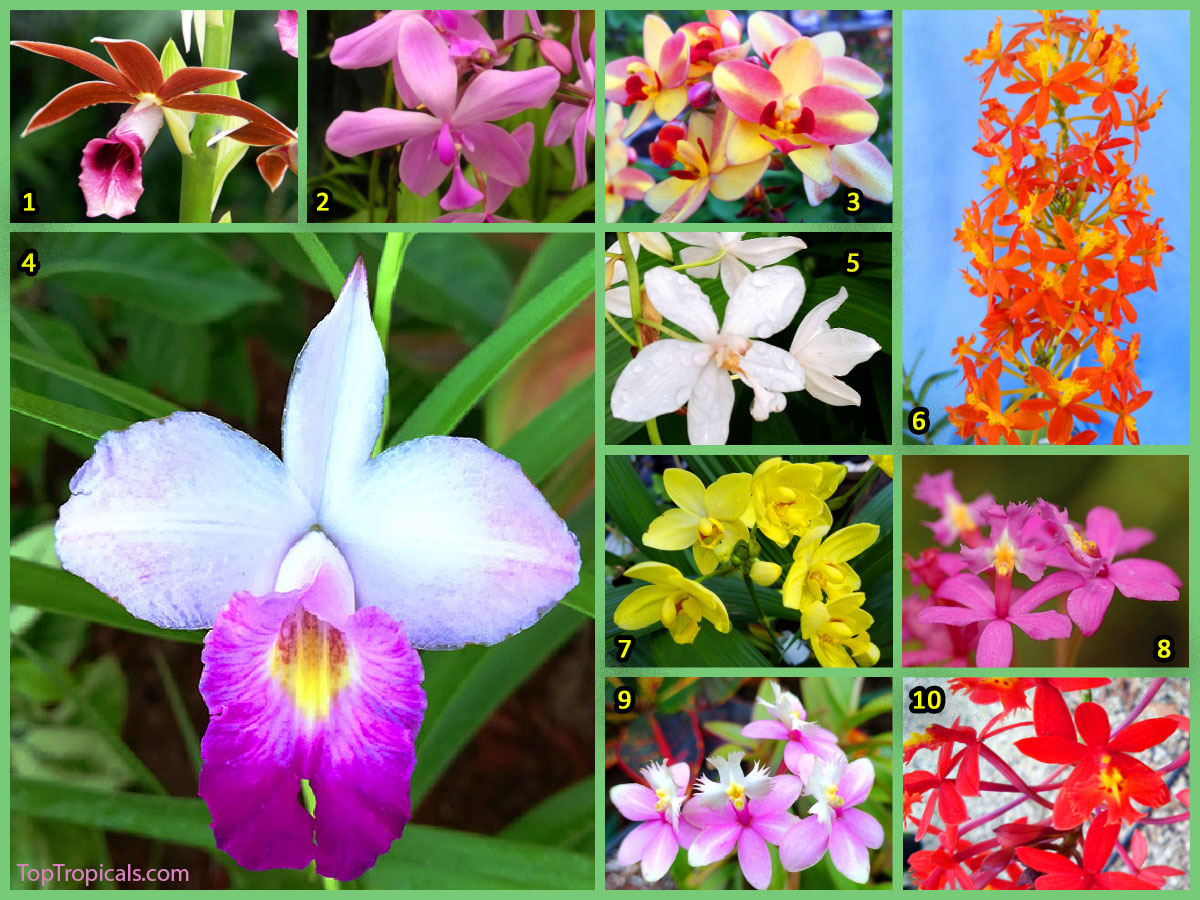
Nun Orchid
(Phaius tankervilleae) – Ever wonder why it’s called the
Nun
Orchid? The flowers really do look like the white veil and brown habit nuns
used to wear. The plants send up spikes 3–4 ft tall with 10–20
fragrant blooms that open one after another for weeks. I like them best
tucked
under trees where they just keep spreading year after year.
Spathoglottis – The nonstop bloomer – If you want flowers
that
just don’t quit, this one’s it. Spathoglottis clumps up and
throws
spikes of purple, pink, or yellow that last for weeks, then keep coming back
through the summer. In warm spots they’ll bloom almost year-round.
Honestly, it’s one of the easiest orchids you’ll ever grow.
💲
Special Offer – 20% off Ground Orchids!
Get 20% OFF ground orchids with code
ORCHID2025
Min order $100. Excluding S/H, valid online only,
cannot be combined with other offers.
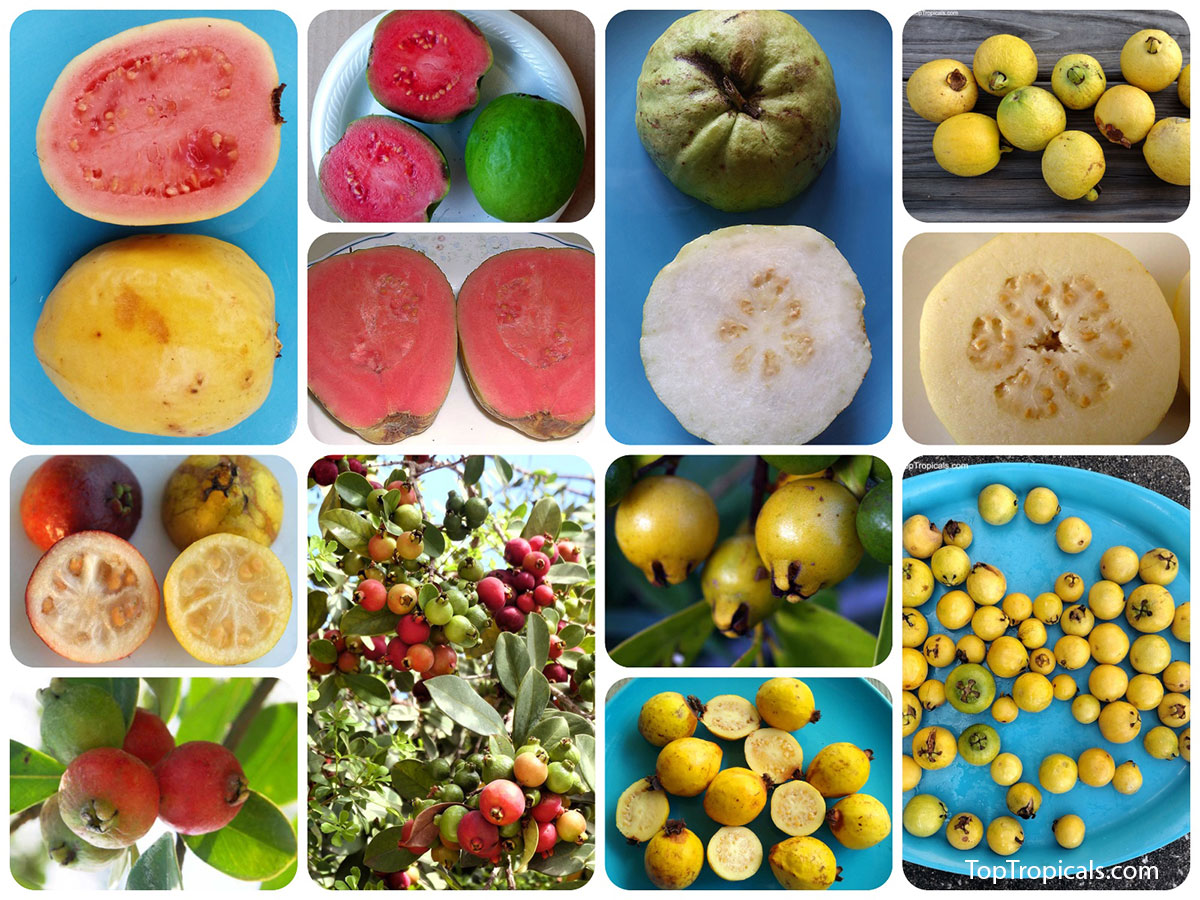
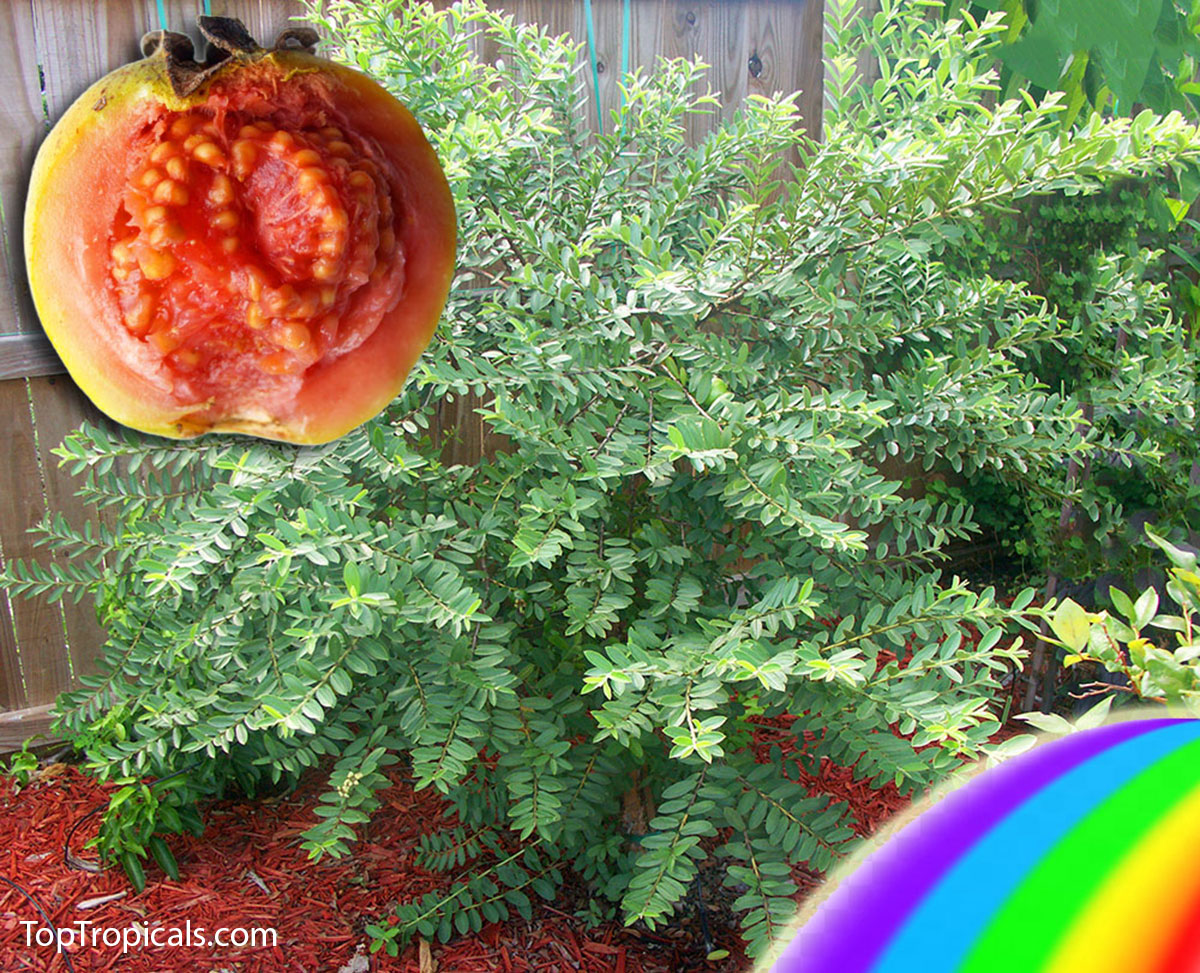
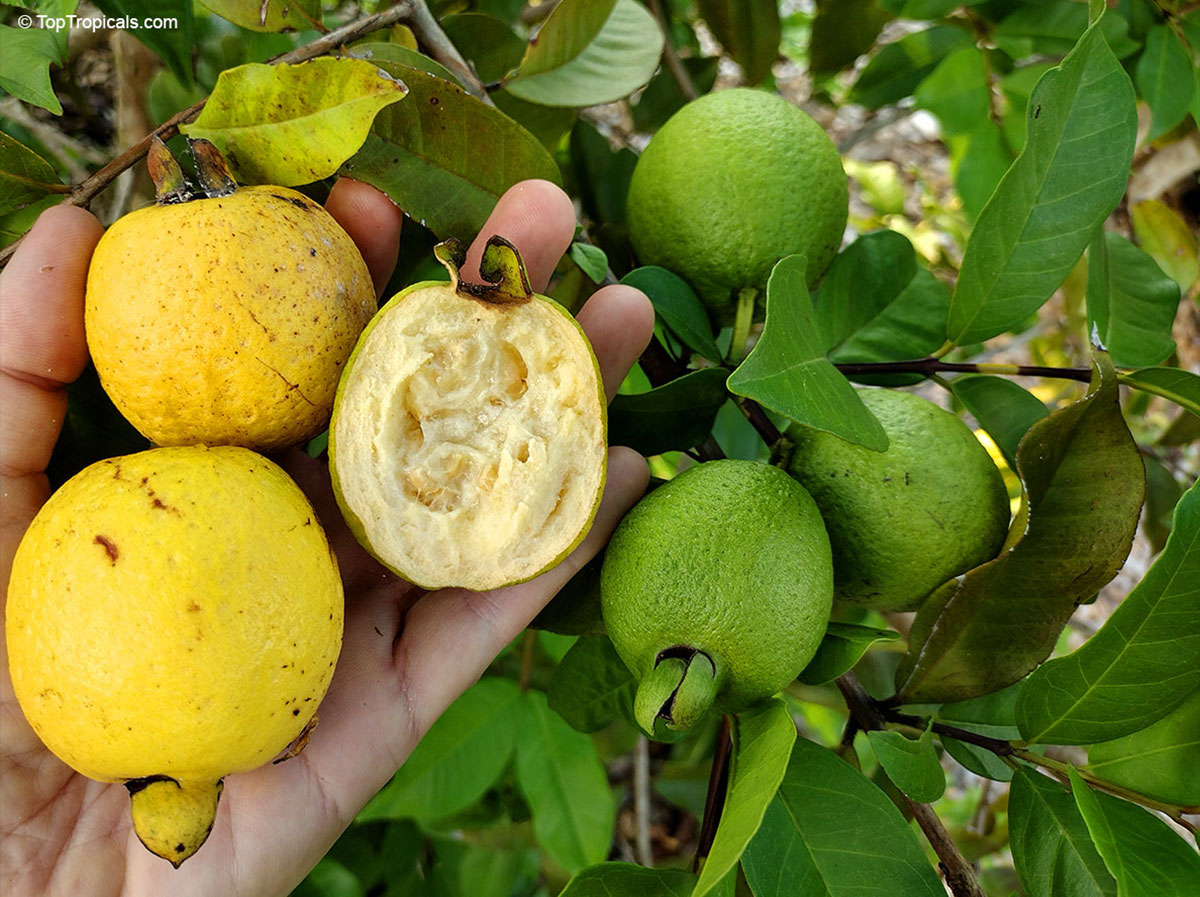
Guava varieties: Pink flesh (upper left quarter), White flesh and Cas
(upper right quarter), Red Cattley Guava (bottom left quarter) and Golden
Cattley (bottom right quarter).
Let’s talk Guava. Few fruits check as many boxes: flavor,
productivity, health, and adaptability. We’ve grown guava trees at Top
Tropicals for years here in Florida, and it never fails to surprise people
with how
easy it is — and how quickly it rewards you.
🌿 Health Benefits
We know the first question:"Why guava in addition to all the other
fruit trees I could plant?"Because guava is one of the healthiest tropical
fruits you can eat and grow — and it produces faster than almost
anything
else.
Vitamin C powerhouse — guava has four times more vitamin C than
oranges. One fruit covers your daily needs and then some.
Potassium and fiber — good for balancing blood pressure and
keeping your heart strong.
Antioxidants like lycopene and vitamin C — these keep your skin
glowing and help protect your cells from damage.
Dietary fiber — aids digestion and helps keep blood sugar
steady.
Guava is a true"food as medicine"tree you can plant right in your
backyard or in pot.
♥️ Our Favorite Varieties are Available Now
We currently have a DOZEN excellent guava varieties in stock selected by
our plant expert Tatiana Anderson — something special for every
garden. Our top picks are:
Pink Guavas
Barbie Pink
– Yellow pear-shaped fruit with thick pink flesh, sweet and juicy.
Cold
hardy for a tropical fruit. The best seller.
Hong Kong
– Large, round, smooth pink fruit. Sweet flavor, very few seeds, and
very
productive.
Tikal
– Our top pick. Fast-growing, disease-resistant, and produces the
sweetest
pink guavas with very few seeds.
White Guavas
Indonesian White
– Aromatic, classic white-fleshed guava with an excellent
tropical flavor.
Kilo White
– Giant fruit up to 2 lbs (1 kilo) each! Few seeds, creamy white
flesh,
and fruits even in containers.
Brazilian Araca
Pera – Rare hybrid used for Guava Wine in Brazil. Tart,
concentrated juice makes excellent wine, sorbet, or jelly. Learn more...
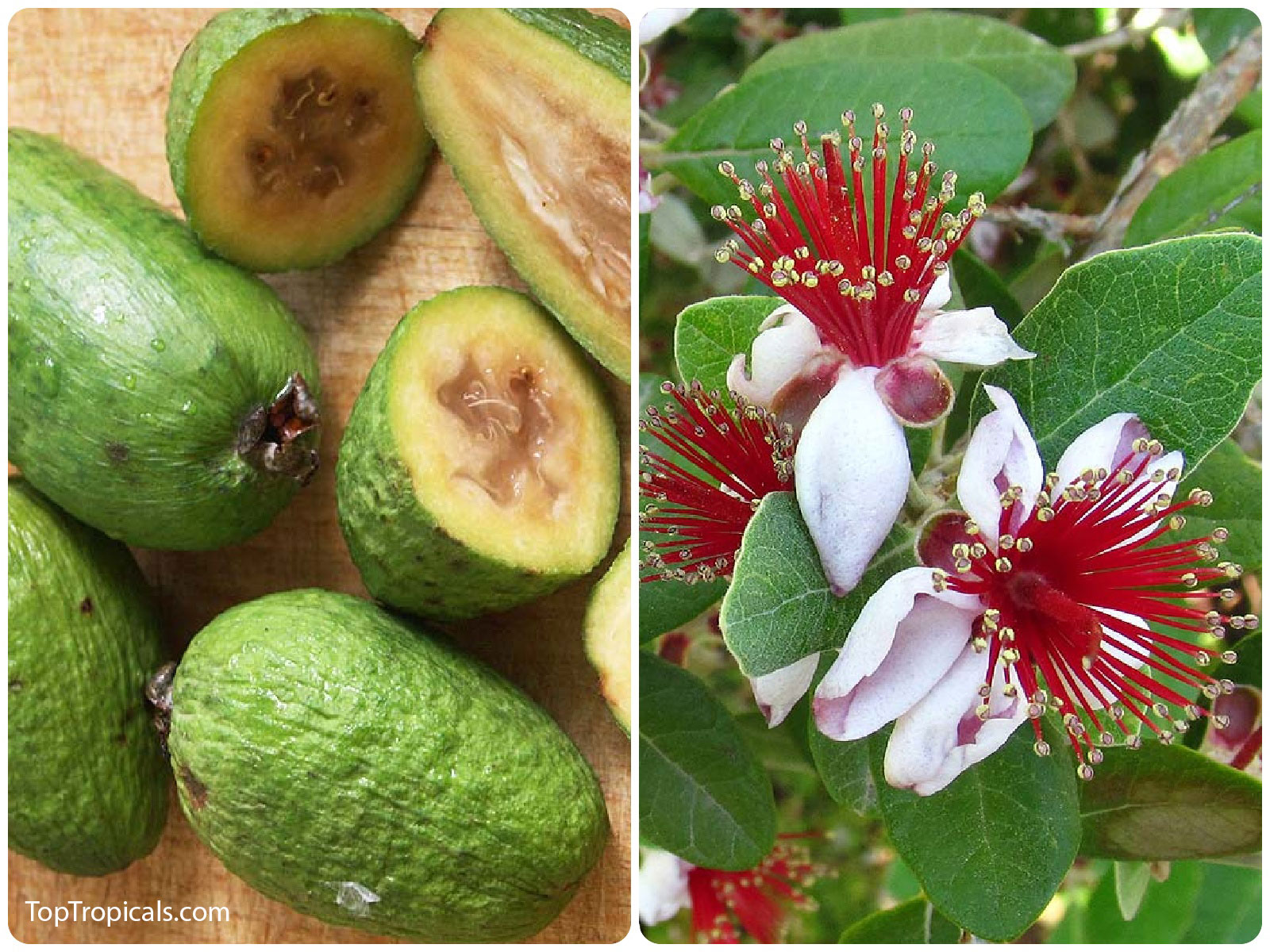
Pineapple Guava,
Guavasteen – Feijoa sellowiana. Strongly perfumed fruit, best
enjoyed when the pulp is mixed with sugar – like forest strawberries.
Cold-hardy, tolerates freeze, and doubles as a great windbreak. Learn more...
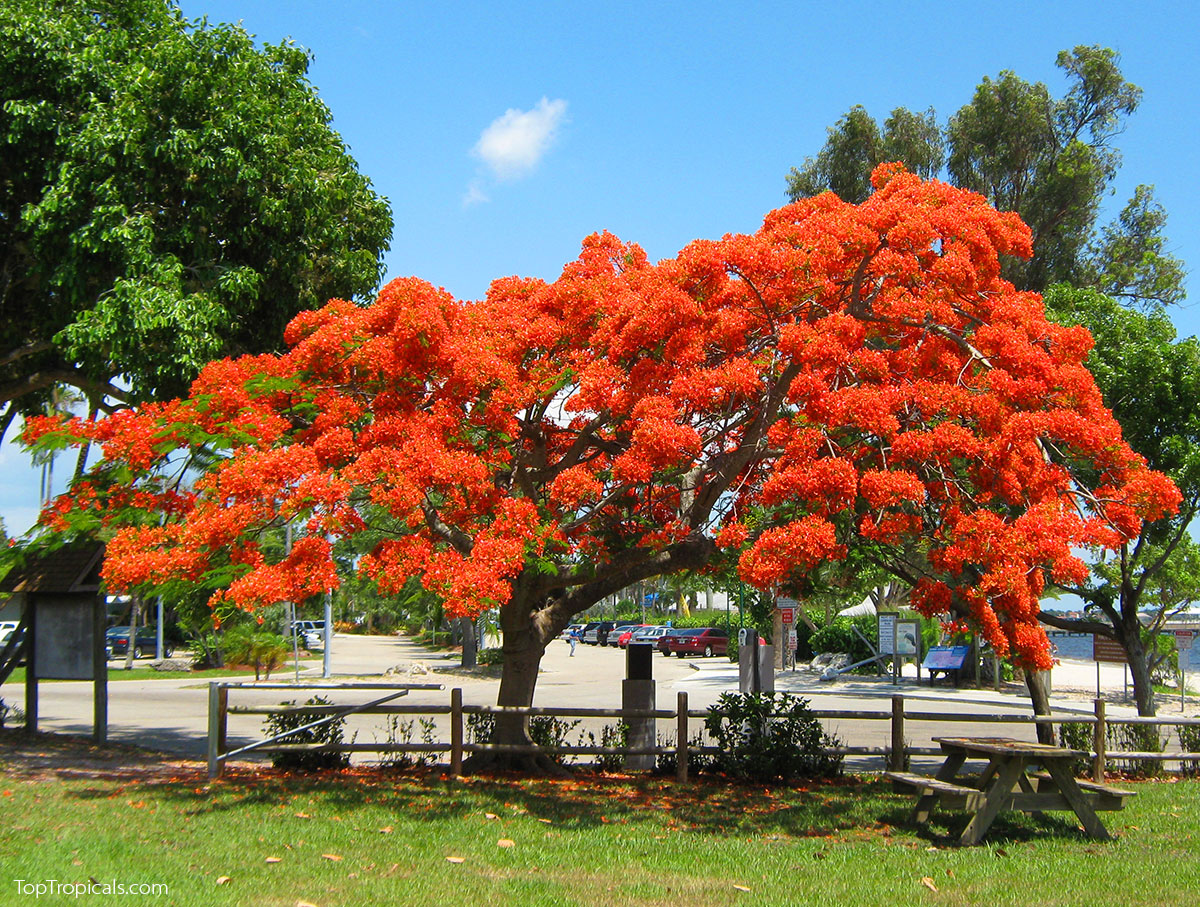
When northern gardens fade into gray, our tropicals wake up. Winter is
color season here - and even if you live up north, you can still enjoy these
same flowering trees indoors or on a sunny patio.
From the fiery Royal
Poinciana to the golden Tabebuia and
violet Jacaranda,
these eight trees prove that winter can bloom anywhere
How to Care for Winter-Flowering Trees
We're often asked, at Top Tropicals, “Can I really grow tropical
trees in winter?”
Yes — with the right light and care, you can.
Here’s what works best both outdoors and indoors, according to our
expert, Tatiana Anderson.
🌡️ Fall Planting Guide
Let’s talk about timing, because that’s the part most people
get nervous about.
Everyone asks: “Isn’t it too cool to plant now?” —
and the answer is no!
Fall and early winter are actually the best months for tropicals in Zones 9
to 11.
Here’s why: the air has cooled off, but the soil is still warm.
Roots love that combination. They quietly spread underground while the rest
of
the plant takes a break.
By spring, those roots are ready to feed a burst of new growth — and
that’s when you’ll see the first big flush of flowers.
Pick a sunny spot that gets plenty of light — six to eight hours
if you can.
Loosen the soil and mix in compost or pine bark so it drains well.
Dig a hole about twice as wide as the pot and just as deep.
Set the plant level with the ground, backfill, and water it deeply to
settle everything in.
Then add mulch — two or three inches is plenty — but keep it
away from the trunk so it can breathe.
Tatiana’s tip: “Fall planting builds roots while everyone
else is resting. By spring, your tree wakes up ready to grow.”
🌳 Outdoor Care (Warm Climates Zones 9–11)
Now, let’s talk about what happens after planting — because
real gardening starts once the plant is yours. Tropical trees thrive on
routine: steady sunlight, deep watering, and just a bit of attention.
Water them about once a week when the weather is mild, more often if
it’s dry or windy.
Always check the soil first — if it feels dry two inches down, go
ahead and water.
Mulch helps more than most people realize — it keeps roots cool in
summer and warm in winter, and it saves you from watering as often.
Now, for those of you in Zone 9, here’s the truth: your trees can
take a chill, but they don’t love surprises.
A quick night in the upper 20s F won’t hurt mature plants, but young
ones appreciate a little help — a frost cloth or being planted at the
south side.
And don’t underestimate the wind. Cold, dry gusts can burn leaves
faster than frost.
Use fences, hedges, or taller shrubs as windbreaks, and take advantage of
microclimates — those warm pockets next to the house, brick patios, or
corners that get extra afternoon sun.
Tatiana’s tip: “A tropical garden in Zone 9 isn’t
about fighting nature — it’s about cooperating with it. Find the
warm corners, protect from the cold wind, and your trees will thank you with
flowers all winter.”
🏚️ Indoor & Patio Care (Cooler Climates)
For our northern friends — yes, you can grow tropicals indoors!
You just need good light, warm air, and a little attention.
Pick a large pot, with drainage holes and a light tropical soil mix.
Place it in a bright window — south or southwest if you can —
or under grow lights for about 12–14 hours a day.
Keep temperatures between 65 and 85 F, and water when the top inch of soil
dries out.
Misting helps keep leaves clean and adds humidity.
Rotate the pot every couple of weeks so all sides get sun. In summer, move
your plant outdoors gradually so it can enjoy real sunlight — then
bring it back in before nights drop below 40 F.
Tatiana’s tip: “Don’t be afraid of growing trees in
pots. They adapt beautifully — just select the right trees and pay
attention to their needs.”
 Mulberry Care and Growing Tips