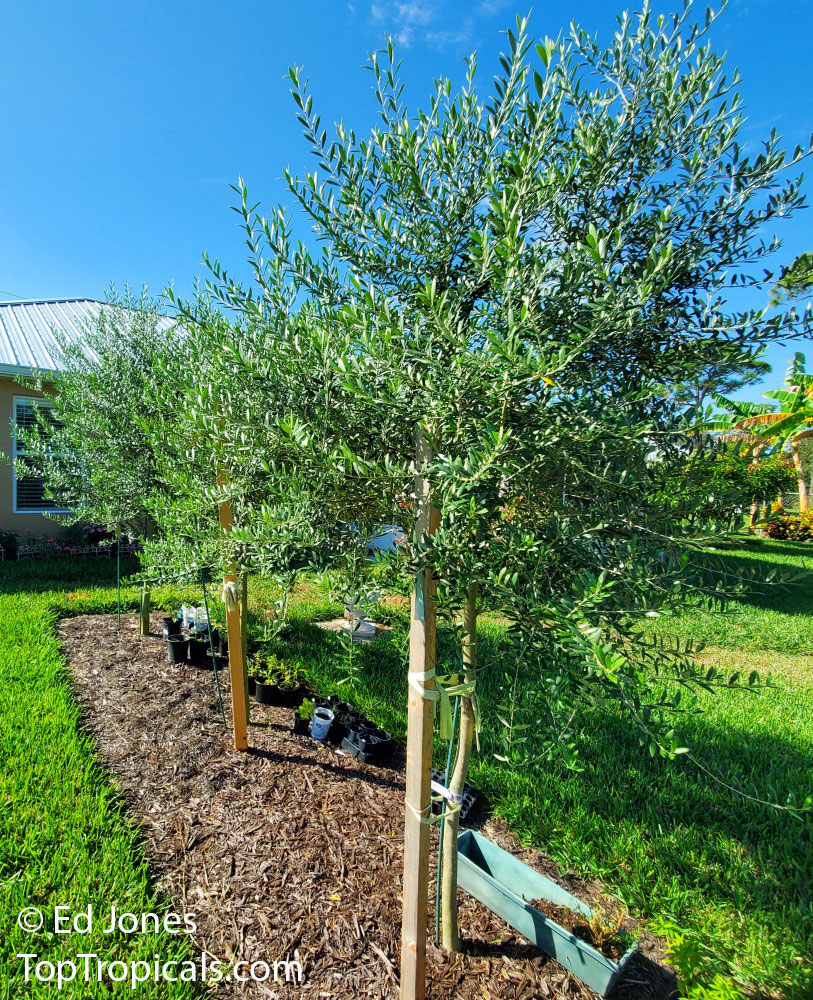
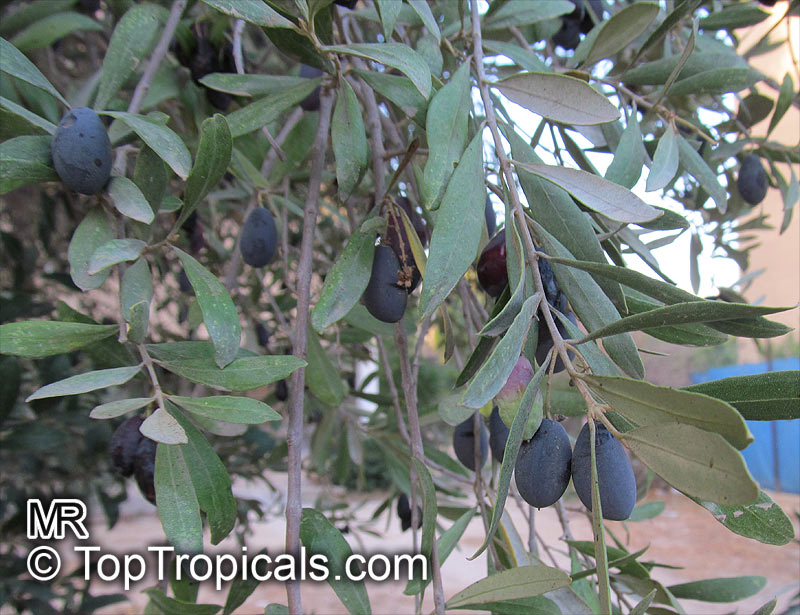
Q: I got an Olive tree from you a few months ago, planted in the ground and it is
doing well, but I don't see any active growth. The tree looks healthy but
still about the same size when I planted it in June. I'm old and I want to see
the olives sooner than later. Any suggestions, should I give it some
fertilizer?
A: Olive trees are relatively slow growers, however, with
balanced nutrition they can grow much faster, as fast as a few feet per year. Check
out this Article by Ed Jones where he describes how he grew nice, bushy Olive
trees just within one season with a help of Sunshine Boosters fertilizers. The
article shows in details how to properly use liquid fertilizer on your fruit
trees.
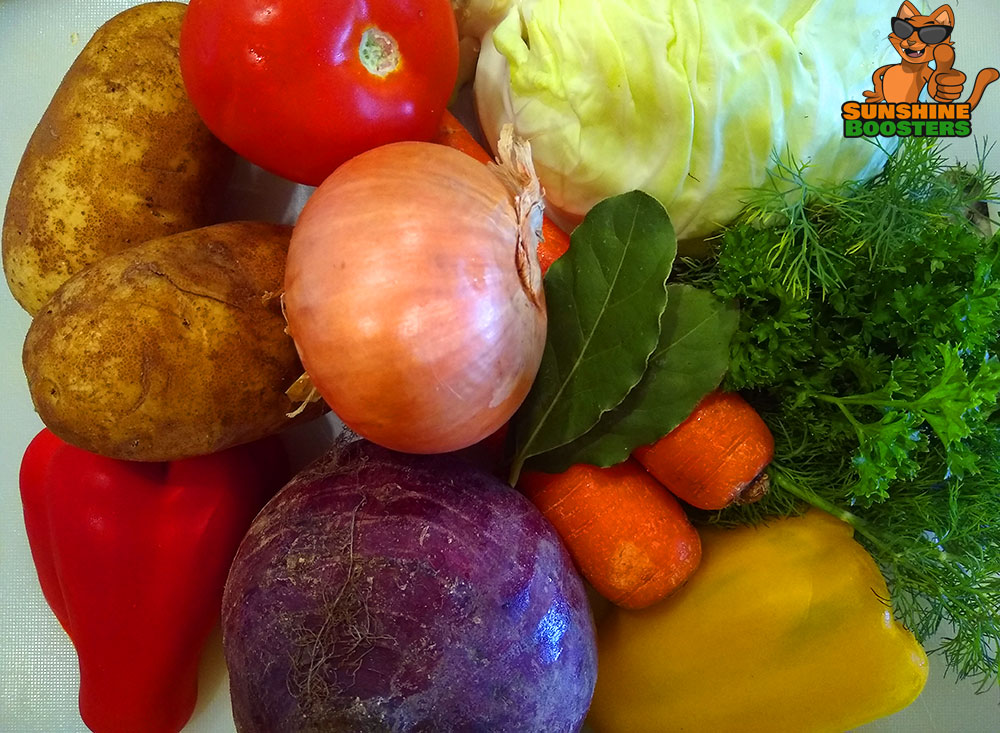
Q: We moved to Florida from New York earlier this year. My wife
and I used to grow many fresh veggies and herbs in our garden up North during
Summer, but it seems like in hot Florida the season for them is not until
Fall. So we are preparing the beds and also looking for some organic fertilizer
solutions. We've heard a lot about your natural Boosters and wonder if they can be used in our vegetable garden?
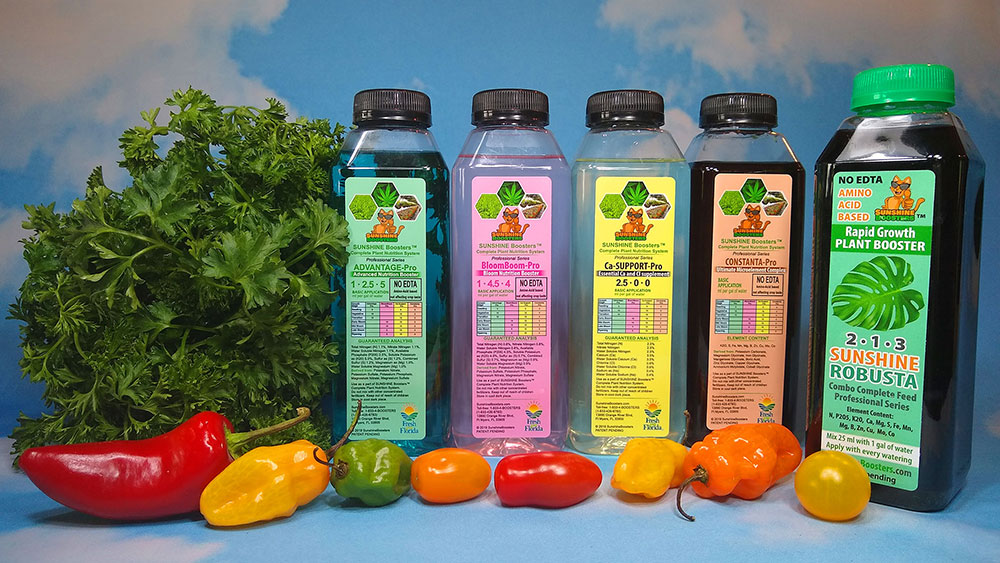
A: You came to the right place for organic fertilizer solution.
Sunshine Boosters are based on organic amino-acids and are completely natural,
non-toxic, eco-friendly, and do not build up nutrients in the soil. Their
mild formulas designed specifically for edibles.
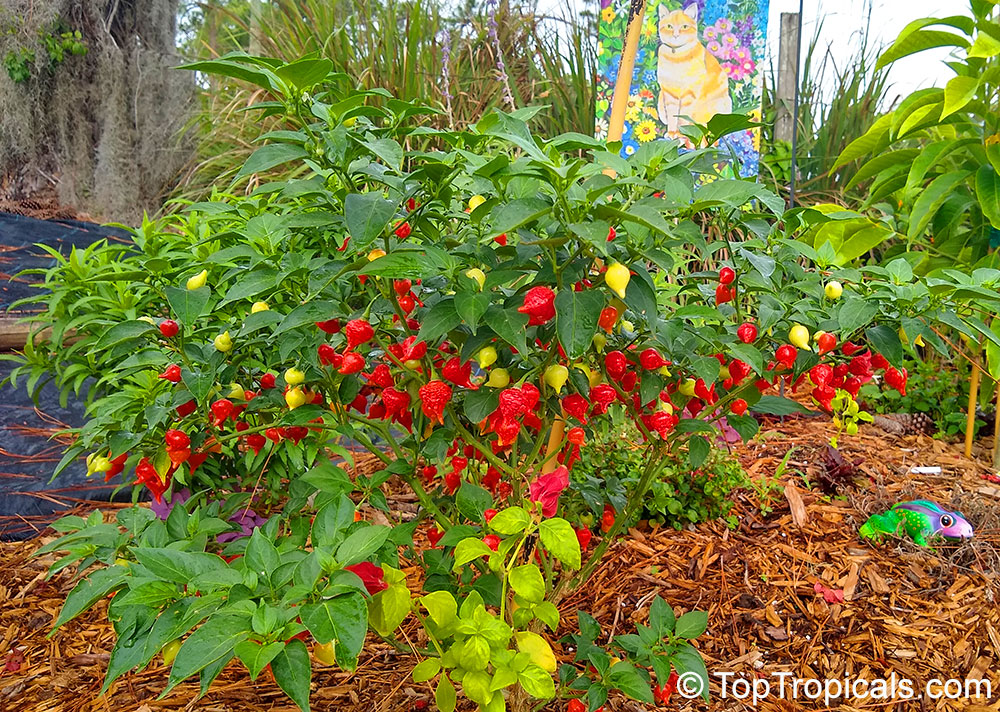
We just have started our own vegetable garden with some Biquinho and Wiri Wiri peppers, cherry tomatoes, and basil, and will be adding more
as the the weather cools down.
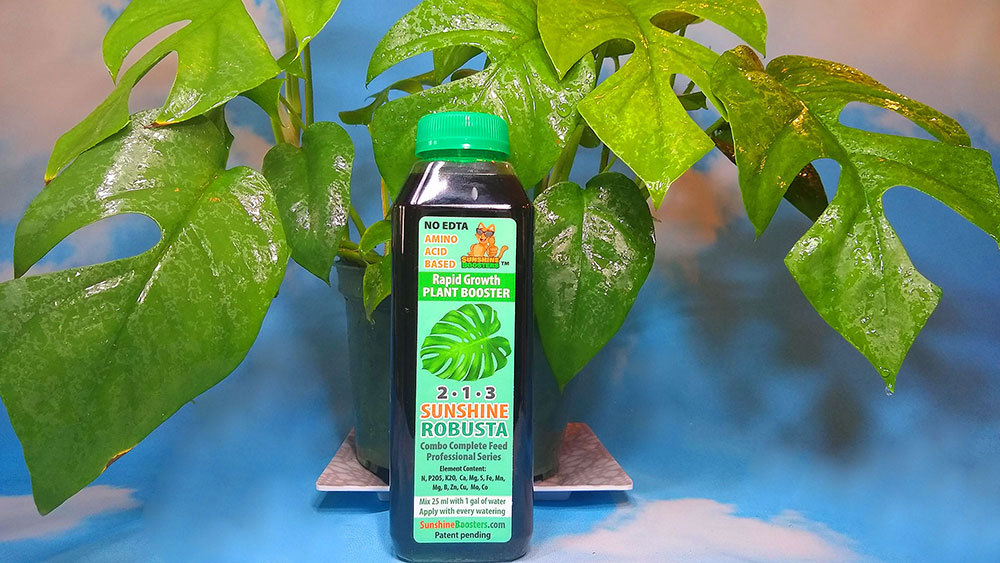
For small scale gardens (both vegetables and herbs), you can start with Sunshine Robusta - a total feed "all on one". All necessary elements are provided in just one bottle, both macro- and micro-elements, it is a scientifically balanced formula. For larger gardens, especially if you have fertilizer injector system, we recommend
Sunshine Boosters Pro Series - this product is much more economical, and
you will need to mix only 3 solutions into your watering tank at the time of
watering.
For more information, please contact our Booster guy Ed Jones, he can help you with selection and dosage information. Sample Discount program
is available for samples of Sunshine Pro.
Q: I have a large collection of Aroid plants, different
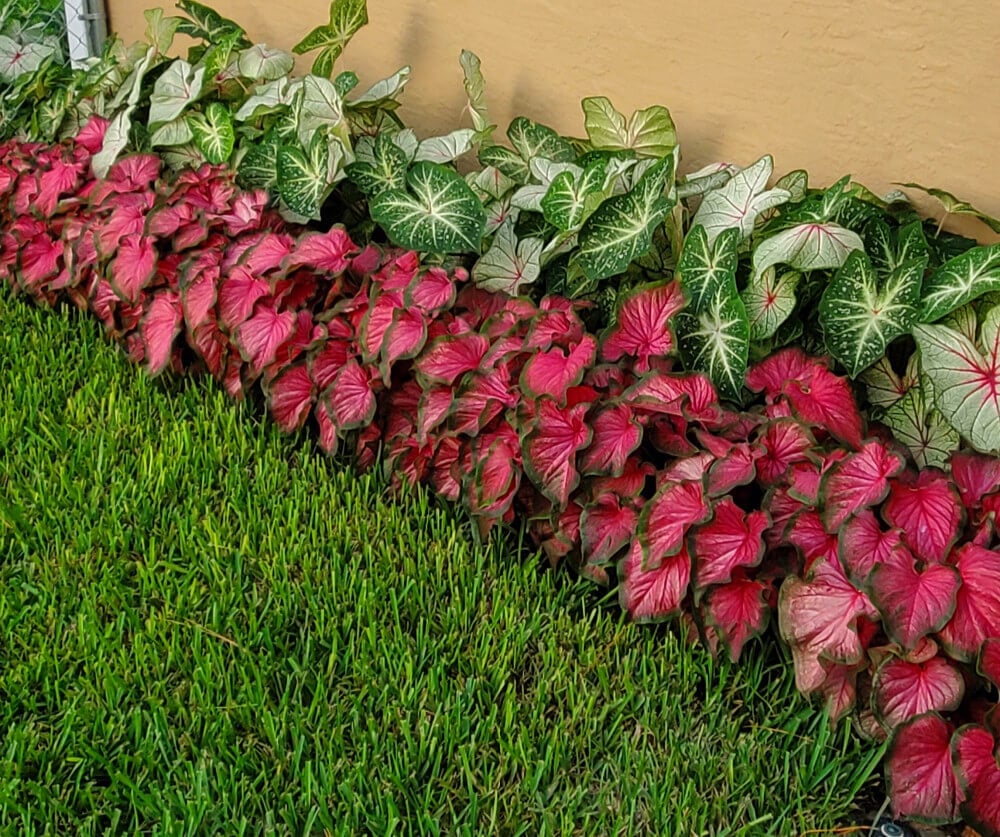
Monsteras, Philodendrons, and several unique varieties of Caladiums. I've been always told that Caladiums should not be fertilized, they
don't like it. Is it so?
A: Caladium farmers often say that these plants don't need any additional fertilizer and that they really don't like it... The thing
is, caladiums do not like DRY fertilizers, and this is why. Most Aroid plants do not like being watered too often, so dry fertilizers in combination
with infrequent watering create excessive salinity for the root system. We have run some tests on the proper fertilizers for caladiums and the best results were
performed after using SUNSHINE
Robusta. It is amino acid based, so the delicate, large-leaved Aroid plants will not have to work quite so hard to take up the nutrients, and there will be no nutrient
lock up in soil. The nutrients are readily available to these plants.
In this article, you will see some test results of caladiums fertilized with
SUNSHINE Robusta vs. other brands of fertilizer, with more vigorous growth and larger leaf size occurring after use of Sunshine Robusta...
Caladiums do not have to be just an accent plant. They can also be
the focus point of a garden area. It is said that as many as 98% of the world's caladium tubers come from right here in
Highlands County, Florida, also home to the Sunshine Boosters manufacturing facility. It is such a big deal that they have a
Caladium Festival here each summer. The fields are absolutely stunning in all of their colors. This year the festival runs this weekend, July 23 - July 25.
Healthy Plants. Q&A from Mr Booster: How to get Ylang Ylang to flowering
Q: I am writing in reference to my Ylang ylang tree. I purchased
this from top tropicals a few years ago and although the plant is doing well,
I don't see any flowers yet. Can you tell me when it will flower? Do I need
to do something special for it to flower?
A: Cananga odorata, Ylany Ylang tree, takes a few years until it
starts flowering, hopefully it will bloom for you any time soon.
However, keep in mind that it may be a bit challenging for a potted plant.
In natural conditions, this is a large tree that requires lots of room not
only for the tree itself, but also for the root system. It is still possible to
get Cananga odorata to bloom in container, considering the plant has all
necessary nutrients for flowering. Here is the trick.
When grown in the ground, root system can reach out to all necessary
elements in surrounding soil (considering soils are not too poor on necessary
elements). In a pot, a supply of nutrients can be exhausted very quickly, so a
quality fertilizer program is very important. Fertilizer must include all
necessary nutrients in easy accessible (soluble) form, and a plant must have
their constant supply for proper development.
SOLUTION:
prescribe Ylang Ylang tree the following combination of plant food:
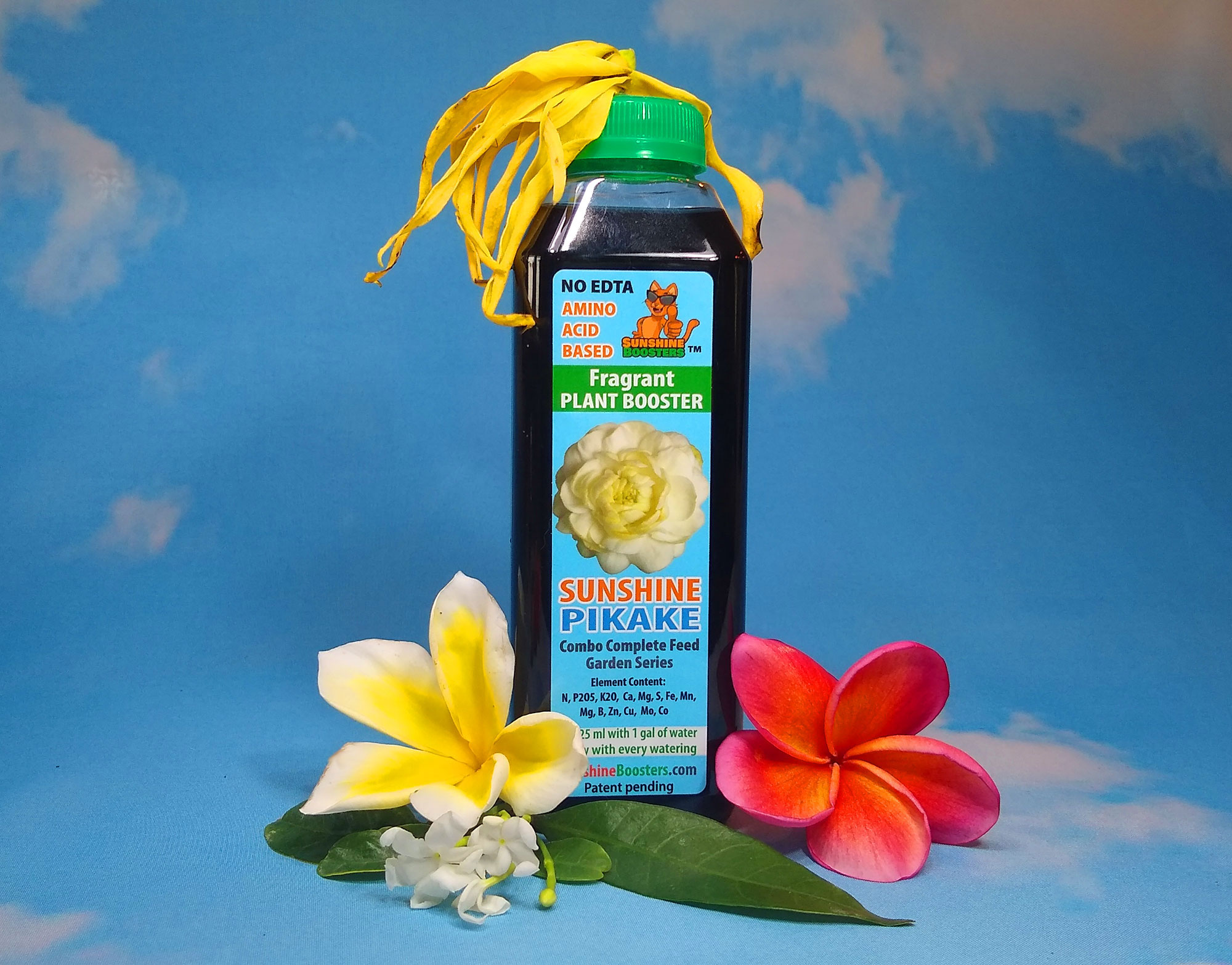
- SUNSHINE Pikake - Fragrant Flower Booster
It will provide well-balanced amounts of high absorption Phosphorus (P) and
Nitrogen (N), as well as Potassium (K) - to provide enough flowering energy
to the tree, plus a combination of all necessary micro-elements. It is safe
to apply this fertilizer as frequent as with every watering, including winter
time.
- SUNSHINE-Honey - sugar booster
This supplement has a high content of elements Mo and B - once the tree
starts getting them on regular basis (a few times a year, according to the
label), it will trigger flower production.
You may also consider getting dwarf varieties of Ylang Ylang that starts
flowering in container right away:
Cananga fruticosa - Dwarf Ylang-Ylang
Currently these high demand plants are sold out, but new plants are
establishing and will be ready for sale within couple months. You may add your email
to wishlist ("Notify me when available") to get notification as soon as we
have it back in stock. Ylang Ylang vines also start flowering within a year.
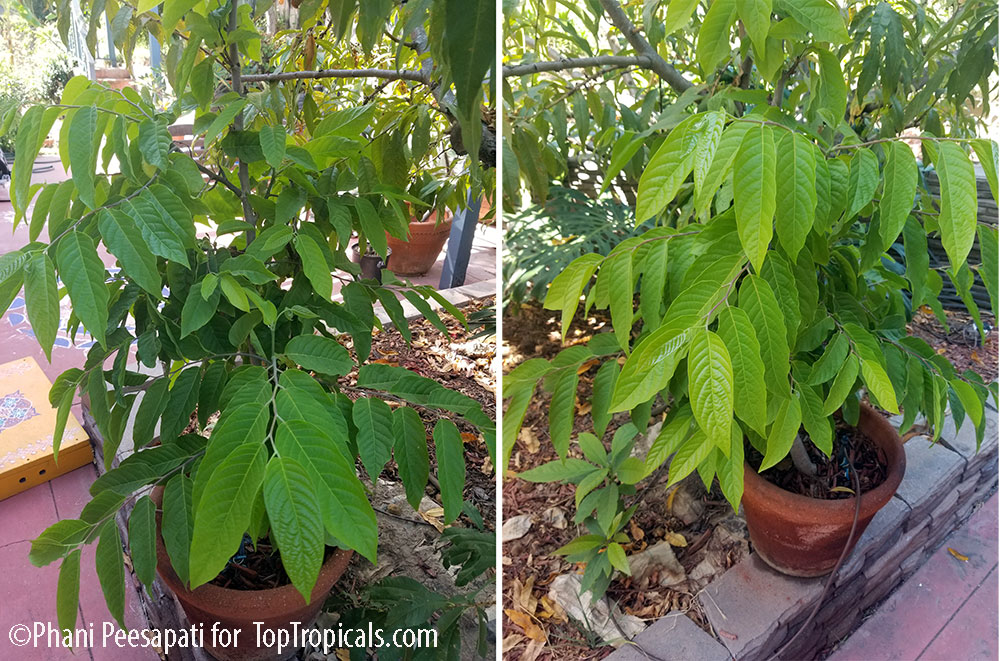
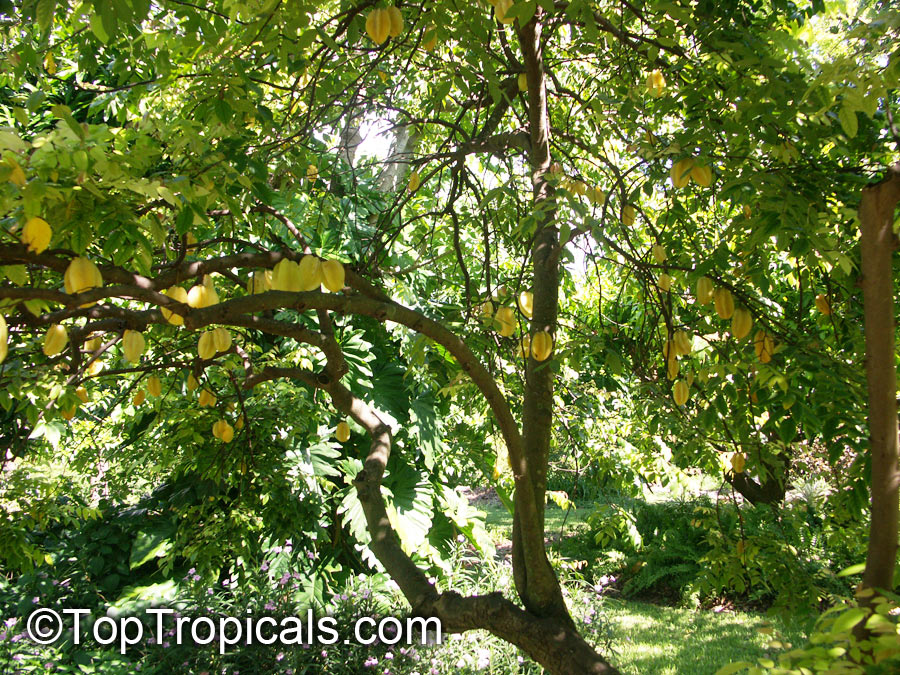
Q: I have 2 Starfruit plants from you. One on the left is B10 has a lot of flowers
but no fruit is developing. On the rite is Kenjeng. This one has no flowers
at all. Both plants are growing very well. Plenty of sun and water. I am
located in Boynton Beach Florida. So what to do?
A: Your trees on the pictures look very healthy, congratulations
with a great care!
Starfruit, as well as other grafted fruit trees (like mango, avocado, etc)
usually flower/fruit easily and readily while in pots in the nursery.
Sometimes, once planted in the ground, they may reduce flowering or even stop
flowering. What happened?
The answer is simple. In pots, we fertilize them on regular basis. In our
nursery, we have fertilizer injector inline with irrigation system that dozes
plant food with EVERY watering. In other nurseries, they may also use
slow-release fertilizers, but it is still a regular routine to provide plant food to
potted plants.
In the ground, especially in Florida poor soils, fruit trees may stop
flowering or delay fruiting due to lack of nutrients, or dis-balance of elements
in the ground. Without fertilizer, a tree may take extra time to develop
bigger root system to reach out for necessary elements, and eventually will start
fruiting anyway.
But we want it to fruit soon! The only way to fix the problem is to provide
fertilizer on regular basis for a young tree. It is especially important
during hot summer months when plant metabolism is fast due to high temperatures,
plus nutrients may get washed away with frequent summer rains (like we have
in Florida) even if you've added some fertilizer at time of planting.
But the most effective way to get a tropical tree to flowering and
fruiting, is frequent applications of liquid fertilizer. We use Sunshine Boosters
with every watering on our plants. They work great even on hard cases and
weak plants, and you see the difference in a matter of weeks, sometimes even
days.
We recommend the following fertilizer that contains all necessary elements
for young fruit trees:
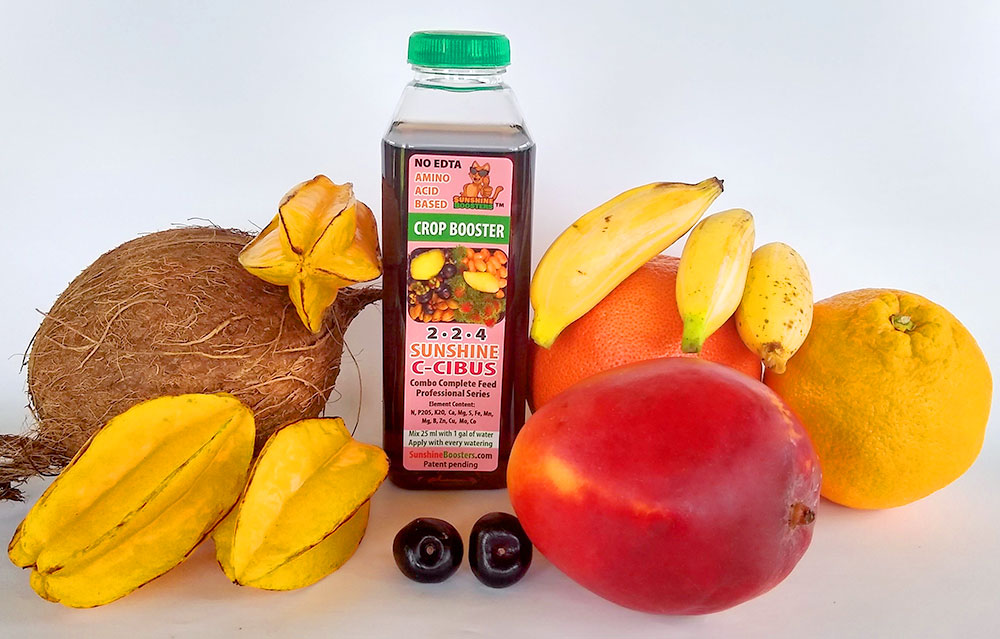
SUNSHINE C-Cibus - Crop Nutrition Booster
SUNSHINE C-Cibus - Crop Nutrition Booster from Garden Series, or Combo
Total Feed Collection - all nutrients in just one bottle, for fruit trees and
edibles.