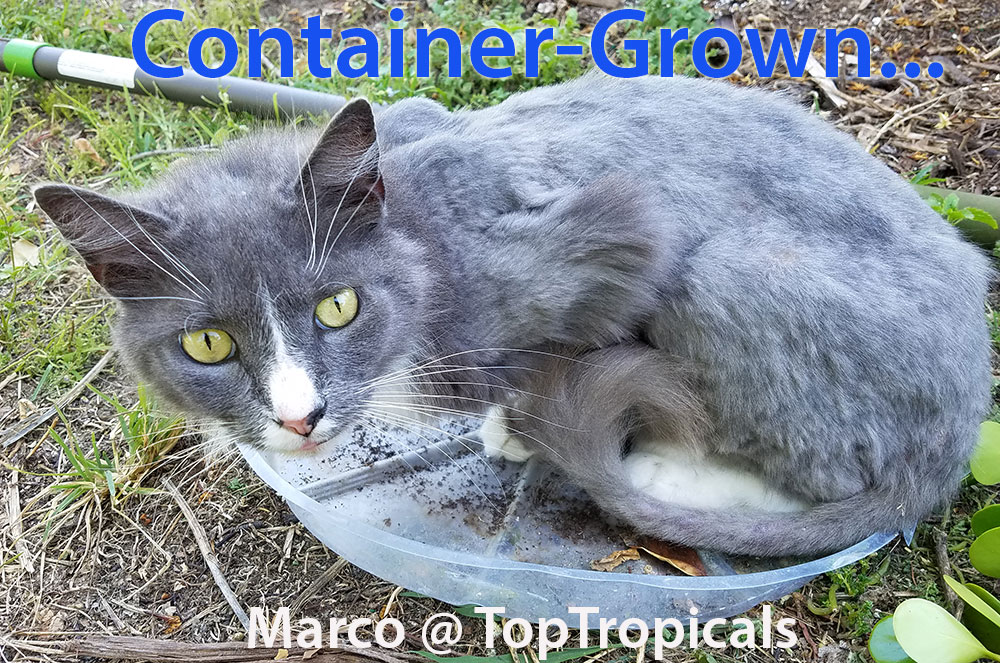
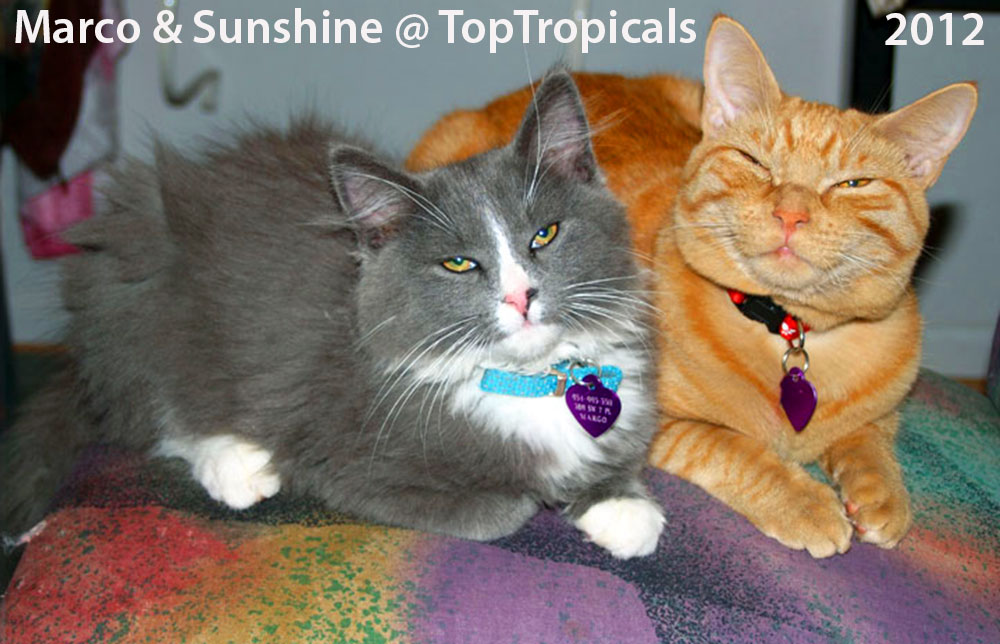
Meet PeopleCats of TopTropicals. Cat of the Day: Field Grown Marco
Marco loves growing plants and be involved in different
projects outside. He is good at finding spots either on top, or inside some inappropriate objects. Yet simple boxes, that most
cats find super comfy, do not interest him. Is has to be a plant container, saucer, or even a charcoal grill full of ash...
He can sit in some weird places for hours like on top of a fence pole, or lay in the middle of a busy walking traffic while
everybody have to step over or walk around him... We have quite a collection of Marco's special places and will be sharing with
you!
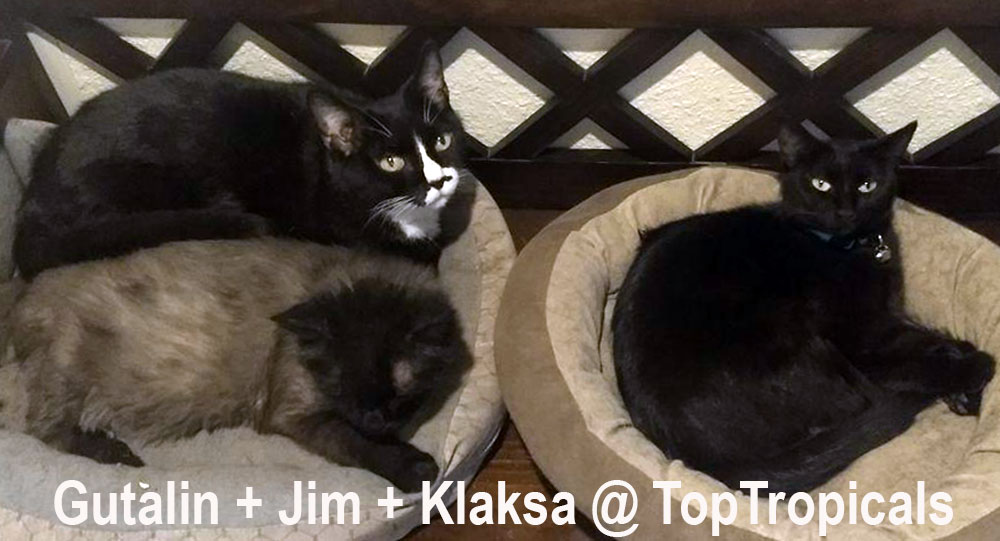
Meet PeopleCats of TopTropicals. Cat of the Day: Klaksa - the Mini Cat
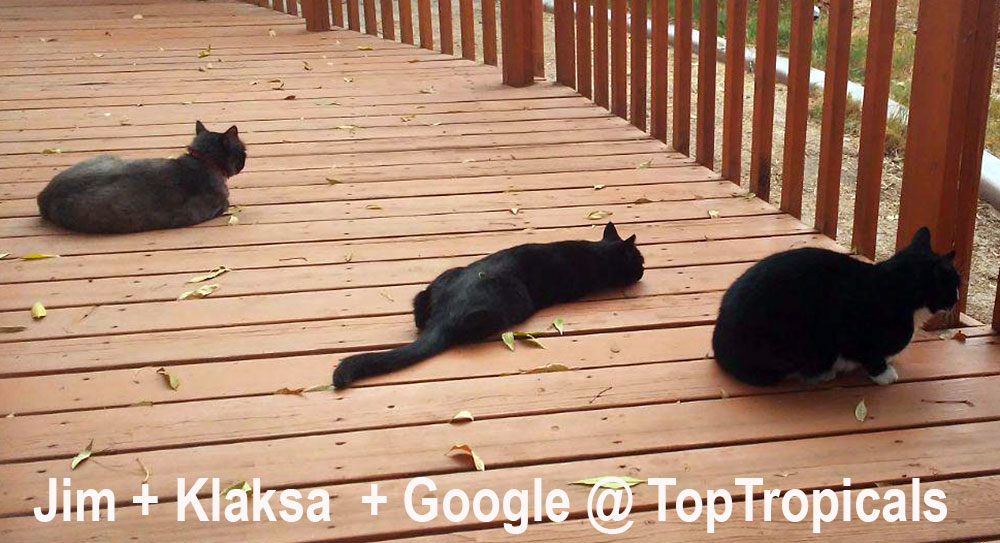
Klaksa is a miniature 6 lb cat that lives together with Jim and Google. You can see all three of them wishing you Merry Christmas at
the top of this Newsletter.
Klaksa is the tiniest Purrson and yet she is the most energetic one. It is
almost impossible to take a picture of her because she never stops moving for
a second!
Klaksa came in 2016 as a little kitten, but she never grew up since!
She saw Google and Jim and said she could be a good addition to this "Man in Black" team. So she stayed.
Klaksa likes to attach/cling to someone. The boys can't avoid her company even if they wanted too! But who can say no to woman's attention?
PeopleCats of TopTropicals: Shipping
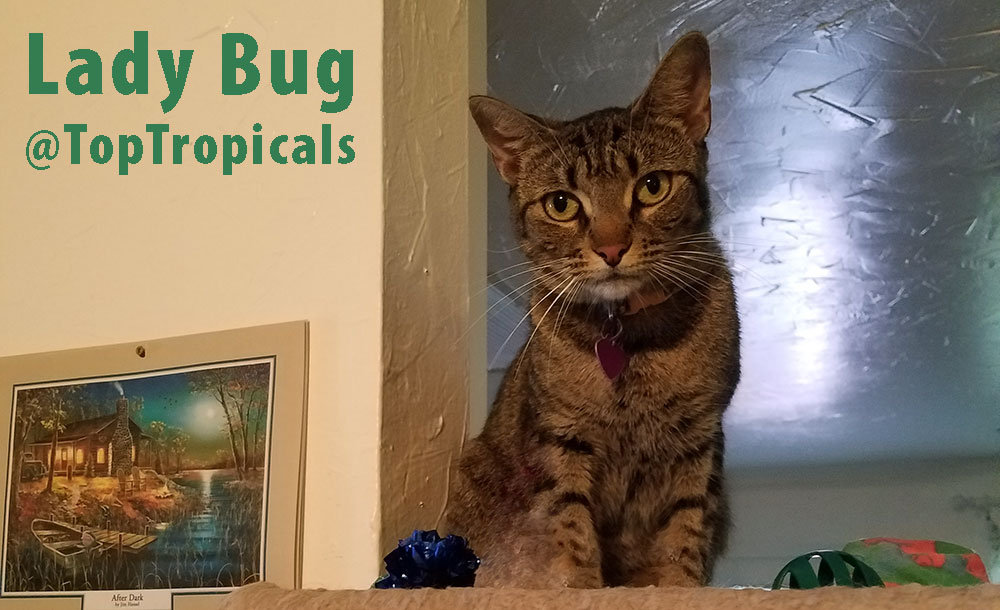
Department cat - Lady Bug
We have been getting many messages from customers saying they really
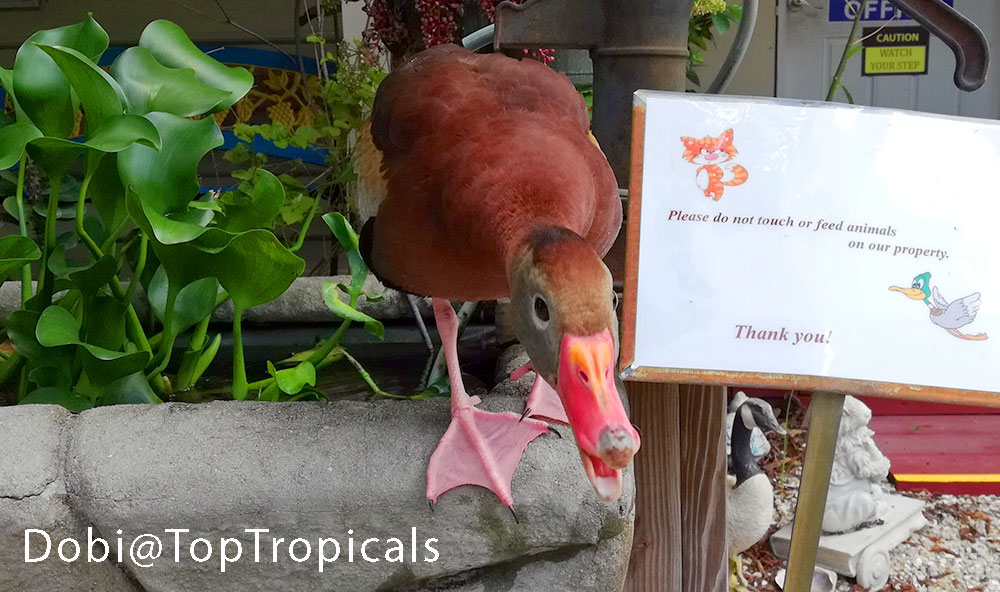
love the postings of our Cats and Dobi Duck... and they want more updates. So we
decided to open this new section for the animal fans.
As you well know, TopTropicals is not just a plant Nursery. Like most of
the gardeners and all Cool Plant People, we love our pets and we have many
of them here, enjoying the Garden. Our cats and the Duck are members of
TopTropicals Team. They help customers, participate in packing plants, and of
course keep the nursery mice-free. As employees of the marketing department, they
get their paychecks, free lunches, and other company benefits like full
healthcare coverage and stuff... They are taken care of by TopTropicals Shipping
Crew every day: whether its a meal or taking a medicine, it's all scheduled in
our daily task list!
This First Issue of PeopleCats Fan Club is dedicated to our Shipping
Department cat - Lady Bug. Originally she came to our nursery 3 years ago in a
box with her other 3 baby brother-sisters and they just opened their eyes.
Someone dropped the box with the litter at our gate... guessing this is the Good
Place! When Lady Bug grew up, she became a Shipping Department Supervisor,
helping Chief the Cat to manage plant shipments.
Lady Bug went missing a few days ago and all our team is crying for her.
We are praying she is OK. We miss you, Lady Bug! Please come back and bug us
again!
As a friendly reminder to our local walk-in customers: you are welcome
to visit TopTropicals ZOO, just please do not feed or pick up the animals!
Some of them are of old age, have special needs or special diet. All our pets
are friendly, however, we ask you to please do NOT pet them. They work hard all
day long and may have their own rules and emotions.
Date: 5 Sep 2019
How to get Jasmines to flower
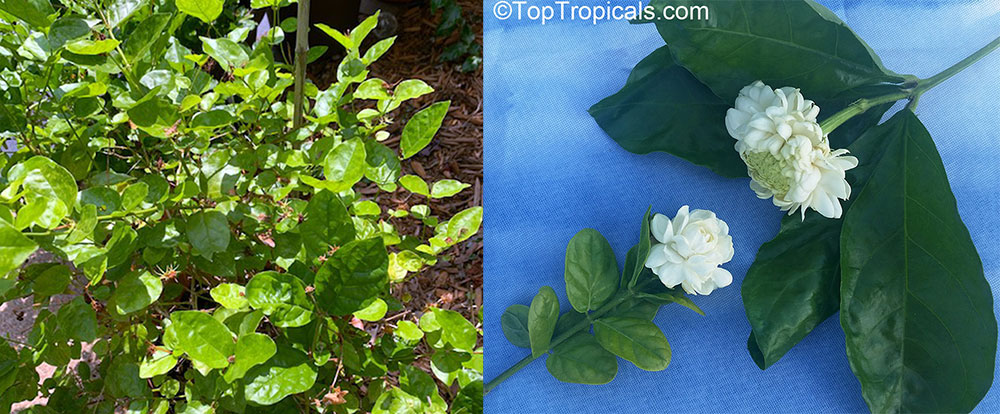
Q: On the picture, these are a few of the jasmine plants that I
have from Top Tropicals. I have bought so many plants from you over the years,
not just jasmine. I have several varieties of jasmine. They were all doing
very well. However this year I didn't get a single flower. There are a lot of
buds... But before the buds open they become brown and withered. I bought
fertilizer from you. Fertilized the plants once a month like I always do. I
water the plants once a week. I repotted the plants hoping that would take care
of this problem. Some of the jasmine plants I pruned... the plants came back
vigorous growth with a lot of buds... BUT it is the same problem! Please
help.
A: One of the possible reasons why they have flower issues is -
maybe they don't have enough sunlight. They need to be in full sun all day
long for profuse blooming and proper flower forming. However since the buds are
forming, there may be just enough light. In this case, dropping buds may be a
sign of overwatering.
Important steps - how to make Jasmine Sambac flower:
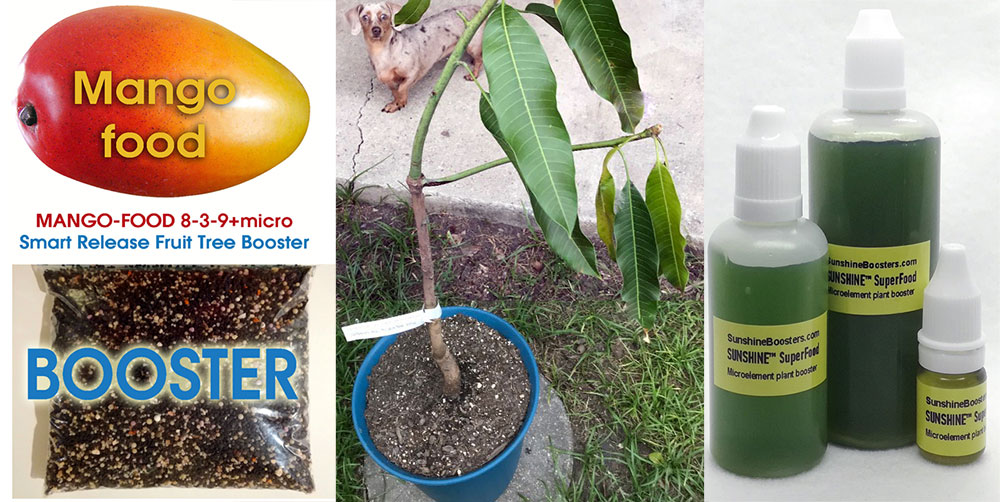
Q: I received my mango tree from you on Monday and it looked
beautiful. I followed the instructions and kept it out of direct sun. I watered
it a little each day when the potting mix was dry to the touch. But the leaves
are turning yellow and brown then falling off. Should I have removed the
tree from the soil it was packed in?
A: Leaf drop and dry/yellow leaves are normal symptoms of
shipping stress.
Your mango tree looks healthy overall. Considering you have high humidity
now in Louisiana, the plant should recover soon under proper care. These are
important tips:
- Keep the plant in bright shade, away from direct sun - at least for a
week, then you may start moving it gradually to semi-shade, then to full sun
within a few days.
- Do not over-water. If the top of the soil is still moist, do not
water until it dries a little bit. Mango prefers to stay on a dry side. From this
point, over-watering is more dangerous than under-watering. You may skip a
watering if in doubt.
- If it rains every day, make sure to keep the pot under the roof to
protect from excessive water.
- Do not remove original soil and do not disturb roots.
- You used the right container size and looks like you have a quality soil with good drainage. Keep the plant in this container at
least for a few months. You may step it up only when you see a lot of active
growth of branches and leaves - this means, the root system is developing fast
too.
- do not fertilize until you see new growth. Then use Mango Food Smart release.
- to help the plant recover from stress, you may use SUNSHINE-E booster and micro-element foliar spray with SUNSHINE-Superfood.