Picture this: it’s July, the sun is warm, and you step outside to
a tree dripping with berries. You reach up, and your fingers come away
stained purple. The taste? Like blackberries kissed with raspberry —
sweet,
juicy, unforgettable.
That’s what a Mulberry gives you. And the best part? You
don’t wait years. Many trees fruit the very next season. Dwarf types
can even
fruit nearly year-round in pots — fresh berries on your patio, without
leaving home.
🌟 Varieties gardeners
swear by:
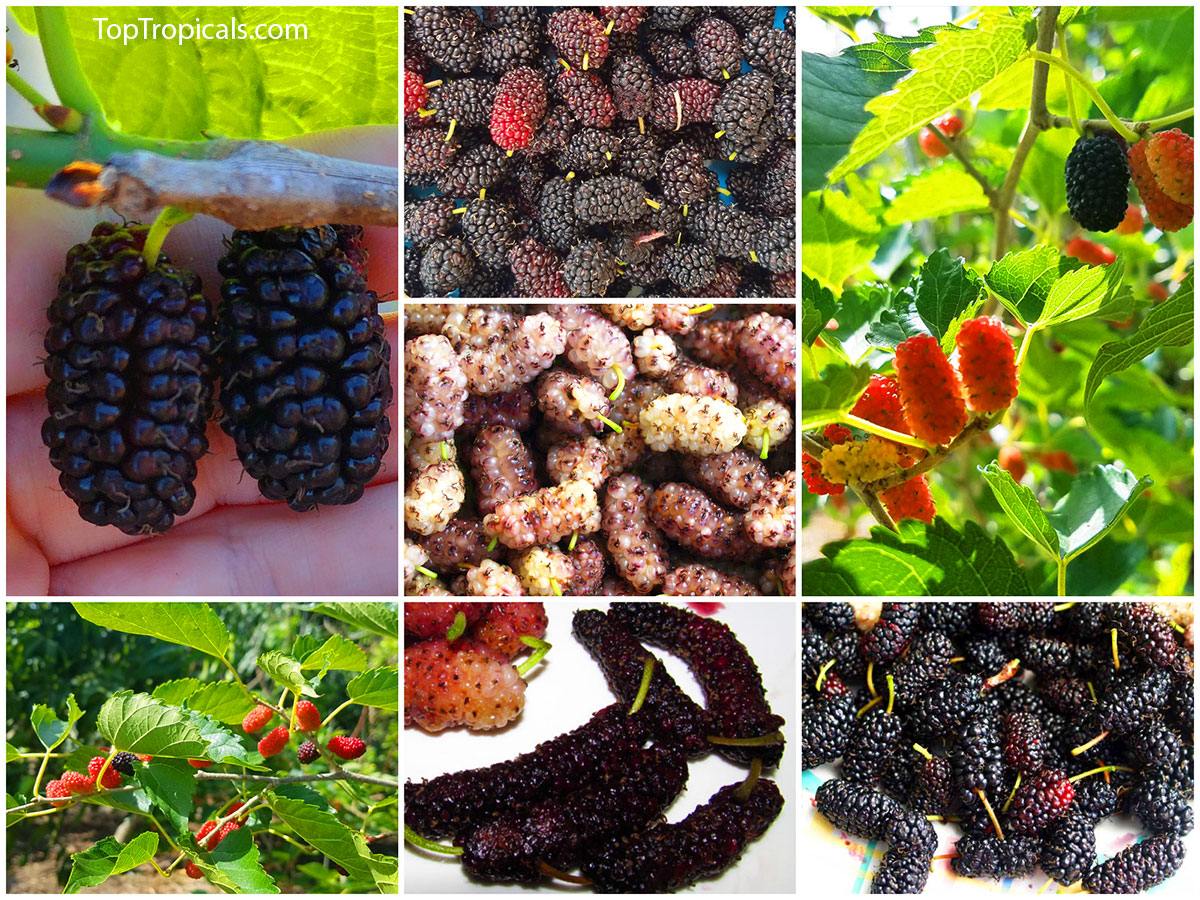
In the photo above: mulberry varieties - Illinois
Everbearing, Dwarf Everbearing, Shangri-LA, White Mulberry, Pakistani Giant,
Issai, Florida Giant
Mulberries aren’t just delicious — they’re loaded
with antioxidants, help
balance blood sugar, and make your garden come alive with birds and
shade. Don’t wait another season. Plant your Mulberry now and taste
the
difference by next summer.
Watch
short videos:
💲
Special Offer – 20% off Mulberry Trees!
Get 20% OFF already discounted Mulberry Trees with
code
MULBERRY2025
Min order $100. Excluding S/H, valid online only,
cannot be combined with other offers.
The Alien Lily: why this rare Peruvian bulb is taking over garden feeds
Eucrosia bicolor - Peruvian lily
The Alien Lily: why this rare Peruvian bulb is taking over garden feeds 🔥
Most bulbs are predictable, but Eucrosia bicolor is a total showstopper. Discover why this rare Peruvian lily looks like a firework and how to grow it.
💥 I planted a simple, nondescript bulb and honestly? I wasn’t prepared for what came out of the soil. This one feels like it belongs in a museum, or on a tiny stage with spotlights!
💥 Eucrosia bicolor is not your typical garden plant - it’s a rare bulb from the dry regions of Peru, and when it blooms, it puts on a theatrical performance. It’s rare, it’s a bit dramatic, and it looks like something designed for a sci-fi movie set.
Peruvian Lily Plant Facts
Botanical name: Eucrosia bicolor Also known as: Peruvian Lily
USDA Zone: 8 - 11
Highligths
Picture this: you’ve got a simple tulip-like bulb sitting quietly for months. Then suddenly, a flower stalk shoots up, and out comes this wild bloom - bright red base with long, thin golden “whiskers” sticking out like fireworks frozen mid-burst. It doesn’t even look real at first glance.
💥 Move over, Orchids: why Peruvian Lily is the ultimate conversation starter
The Eucrosia bicolor is a rare bulb from the dry forests of Peru. For months, it sits quietly in its pot, looking like a plain onion. But then, the magic happens:
· The "Fireworks" Bloom: A tall stalk shoots up, topped with bright red flowers and impossibly long, golden-tipped "whiskers. · The"Museum"Look: The stamens are so long and delicate they look like frozen explosions or a tiny botanical chandelier. · Lush Foliage: Even when it isn't blooming, its broad, soft leaves offer a"Lily of the Valley"elegance that keeps your shelf looking green.
💥 The"introverted"bulb: why you should stop watering this plant to make it bloom
Being part of the Amaryllis family, Peruvian Lily has a unique quirk: it craves a"disappearing act."
It requires a dry dormancy period where it completely dies back.
It’s essentially a"don't call me, I'll call you"plant.
But when it decides it's time? It comes back stronger every year.
💥 Quick Care Guide for Collectors
How to Master the"Peruvian Performance"? Caring for this rarity is actually quite simple once you understand its rhythm.
· Light. Yes, it blooms in shade! To get those museum-quality blooms, you’ll want to place it in a spot with warmth and bright, indirect sunlight - a sunny windowsill is usually its happy place. · Water. During its active growing season, keep the soil moist, but here is the"secret sauce": once the leaves begin to yellow, stop watering entirely. This mimics the dry season in Peru and allows the bulb to rest. · Placement. Because of this specific"on/off"cycle, it’s best kept in a container where you can easily control its environment and move it to a place of honor the moment those firework-like stalks appear. · The Verdict: It’s not a constant bloomer, and that’s exactly why it's special. When that stalk finally appears, it feels like an event. It’s the kind of plant that makes you run to the living room every morning just to see if"today is the day."
🎩 How to grow Chinese Hat Flower - when winter colors most needed
The Holmskioldia sanguinea, better known as the Chinese Hat Flower, gets its name honestly. Each bloom looks like a tiny hat or parasol - a little tube backed by a flat, round disc. Once you notice it, you cannot unsee it!
Chinese hat Plant Facts
Botanical name: Holmskioldia sanguinea Also known as: Chinese hat, Cup and Saucer, Parasol Flower, Mandarins hat
USDA Zone: 9 - 11
Highligths
What really makes this plant special is when it blooms. While most gardens slow down, Chinese Hat Flower kicks into gear from winter through early spring. The branches fill with flowers first, and the leaves follow later. It is one of those plants that quietly steals the show when everything else is taking a break.
More than one color
Most people know the classic red form, but there are several color varieties worth mentioning: 🔴 Red - the most common and bold 🟡 Yellow - Holmskioldia citrina, bright and cheerful, harder to find 🟠 Bronze / orange-bronze - warm tones that glow in winter light
Having different colors makes it easy to mix them or use just one as a winter focal point.
How it grows and where it works best
Chinese Hat Flower is a fast-growing, scrambling shrub. It is not stiff or formal. Think loose, graceful branches that like support. It does great when trained on: · Trellises · Fences · Arbors · Large containers with a support · You can also let it grow as a free-form shrub and lightly prune to keep it tidy.
Care, the practical version
· Light: Full sun to light shade · Water: Regular watering, especially while establishing · Soil: Well-drained, not picky · Pruning: After flowering to shape and encourage new growth
Once established, it is easygoing and forgiving.
Bonus points
· Blooms when the garden needs color most · Attracts butterflies and hummingbirds · Works as a flowering screen or accent plant · Looks tropical without being high-maintenance
If you like plants that earn their space and do something interesting in winter, Chinese Hat Flower is one to keep in your garden.
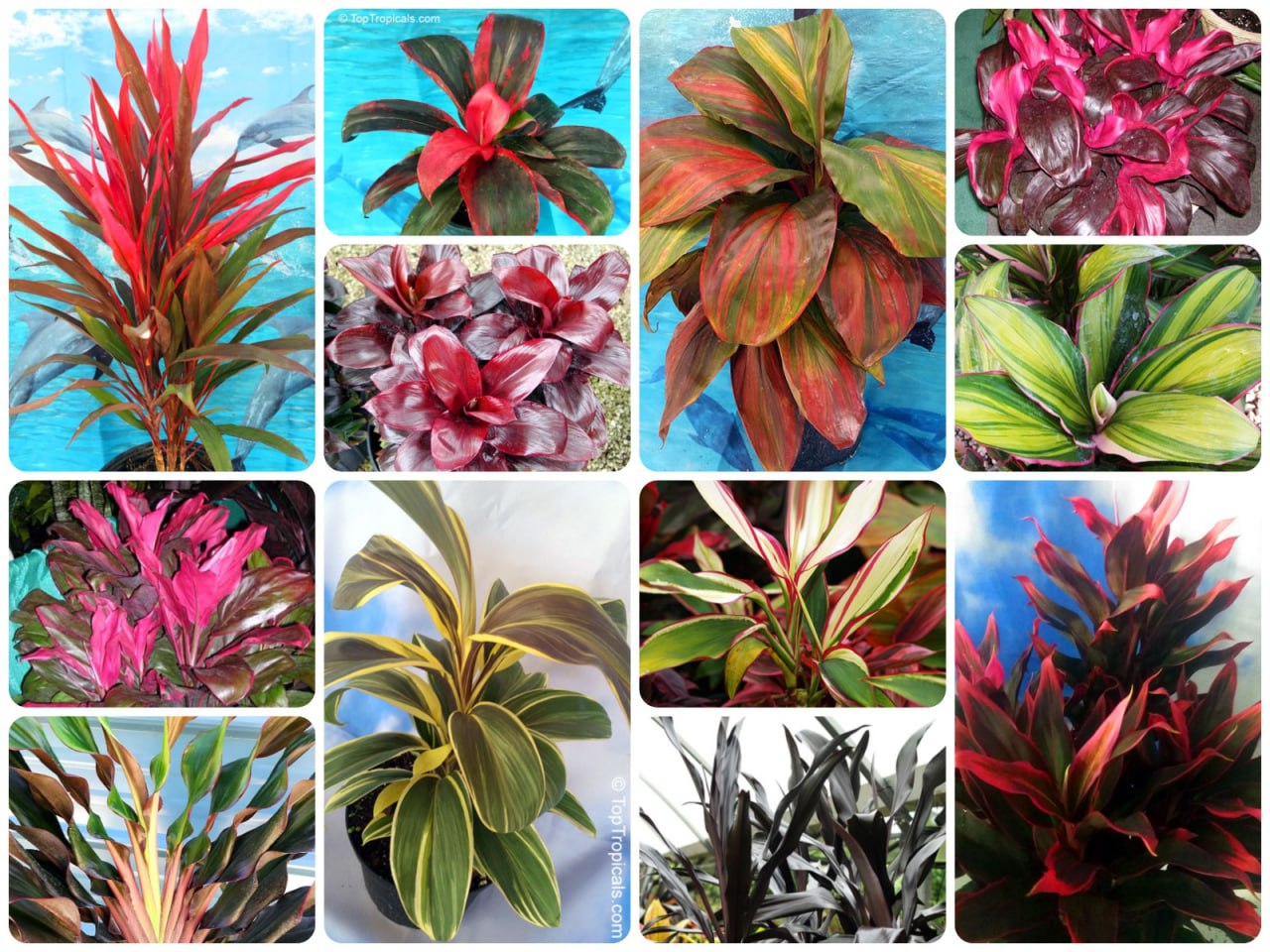
The Hawaiian Ti plant (Cordyline fruticosa) is more than just a colorful tropical accent. Across Polynesian, Hawaiian, and Southeast Asian cultures, the color of ti plant leaves has long been associated with different meanings, moods, and uses - both symbolic and practical.
Hawaiian Ti Leaf Plant Facts
Botanical name: Cordyline fruticosa, Cordyline terminalis Also known as: Hawaiian Ti Leaf
USDA Zone: 10 - 11
Highligths
🌈 Green leaves
Green ti plants are linked to peace, balance, and steady growth. Traditionally, they were planted around homes for protection and good fortune. In the garden, green varieties are usually the toughest and most shade-tolerant.
🌈 Red and deep burgundy leaves
Red ti plants are associated with strength, power, and protection. In Hawaiian tradition, red ti leaves were believed to ward off negative energy and were often used in ceremonies. Garden-wise, deeper reds usually mean more sun exposure and stronger pigmentation.
🌈 Pink, magenta, and multicolor leaves
These colorful ti plants symbolize joy, celebration, and creativity. They are often used as ornamental focal points and in festive plantings. Variegated and pink types tend to prefer brighter light to keep their colors sharp.
🌈 Purple and dark-toned leaves
Purple ti plants are linked to mystery, spirituality, and transformation. Their dramatic color comes from high anthocyanin levels and usually intensifies in bright light with good nutrition.
🌈 Yellow or light variegation
Yellow tones often represent optimism and new beginnings. Plants with lighter variegation may grow a bit slower and need protection from harsh sun, but they add a softer contrast in tropical landscapes.
🌈 One practical note
Leaf color is influenced not just by variety, but also by light, temperature, and nutrition. Fading color usually means too little light or depleted soil, while rich, bold tones signal a happy plant.
Ti plant colors tell a story - part cultural tradition, part plant health, and part personal style in your garden.
🟢 Alocasias and Colocasias, or Elephant Ears, are both remarkable and popular plants that can bring a touch of tropical elegance to any garden.
🟢 Striking Foliage: large, lush foliage. The leaves can be enormous, resembling the shape of elephant ears, hence the common name. The foliage is usually rich green, but there are also varieties with hues of purple, black, or variegated patterns. These vibrant leaves create a dramatic focal point.
🟢 Tropical Aesthetic: large, architectural leaves add a sense of drama and create a stunning backdrop for other plants.
🟢 Versatility: work well in containers, making them suitable for patio gardens. In larger landscapes, colocasias and alocasias can be planted directly in the ground, either as standalone specimens or as part of mixed border plantings. They can also be utilized around water features or in bog gardens since they enjoy moist conditions.
🟢 Low Maintenance: thrive in full to partial shade. Regular watering and occasional fertilization will help them grow vigorously.
🟢 Impressive Size: Some varieties can grow several feet tall, creating a stunning vertical element in the garden.
📸 Colocasia esculenta Jacks Giant: This astonishing elephant ear is well-named, it really does look like something that would grow for the giant! The foliage is absolutely massive, many feet long and wide, with a glossy texture, prominent ribbing, and a rich blue-green cast that lightens to chartreuse around the edges.