Garden Blog - Top Tropicals

Date: 21 Apr 2026

13 tropical flowers to plant in spring to attract pollinators year around
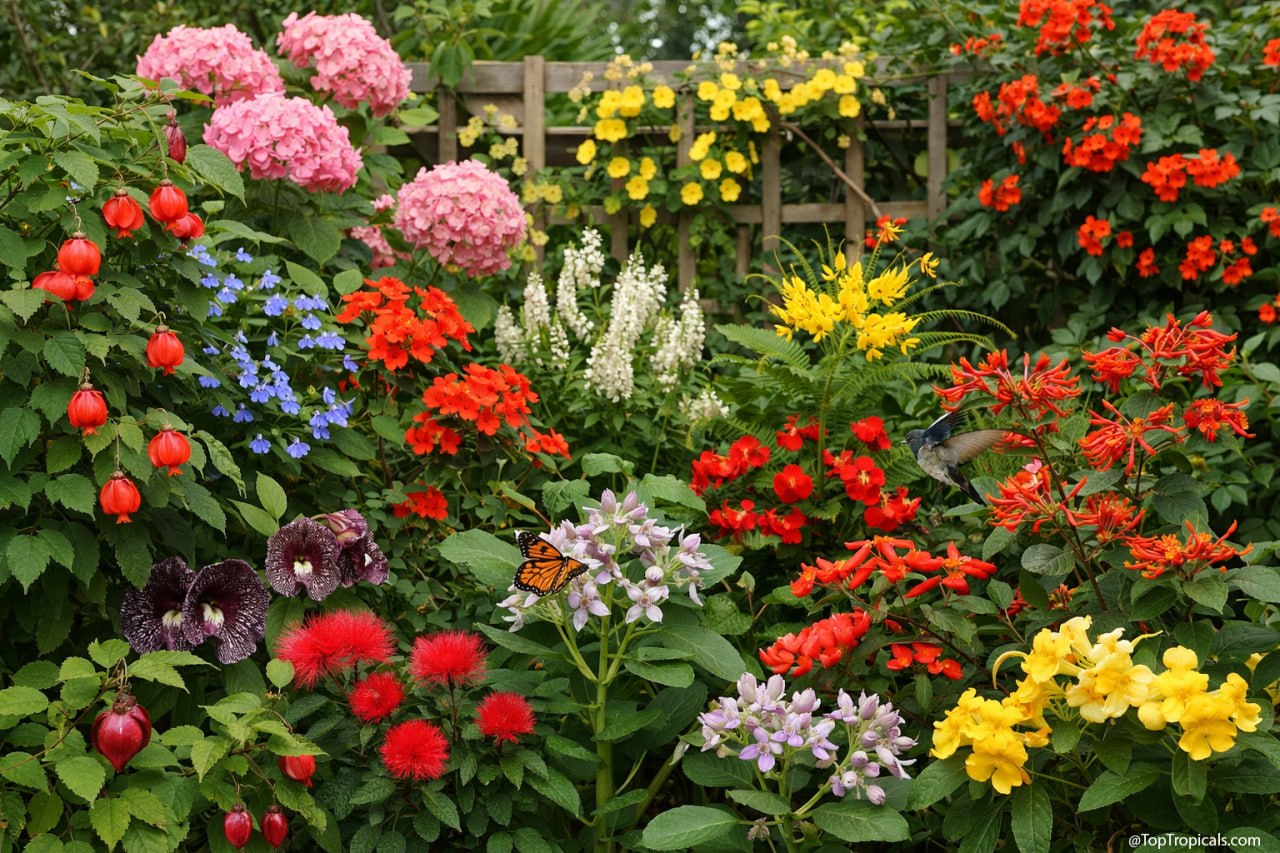
13 tropical flowers to plant in spring to attract pollinators year around: Abutilon Fireball (Abutilon darwinii x striatum), Almond Bush (Aloysia virgata), Calico Flower (Aristolochia littoralis), Pride of De Kaap (Bauhinia galpinii), Mexican Bird of Par

13 tropical flowers to plant in spring to attract pollinators year around: Abutilon Fireball (Abutilon darwinii x striatum), Almond Bush (Aloysia virgata), Calico Flower (Aristolochia littoralis), Pride of De Kaap (Bauhinia galpinii), Mexican Bird of Paradise (Caesalpinia mexicana), Red Tassel Flower (Calliandra tweedii With Love), Giant Milkweed (Calotropis gigantea), Blue Butterfly (Clerodendrum ugandense), Tropical Hydrangea (Dombeya wallichii), Fire Bush (Hamelia patens), Butterfly Orchid

13 tropical flowers to plant in spring to attract pollinators year around


Spring is when everything wakes up - and if you plant smart now, your garden can stay alive with butterflies, bees, and hummingbirds all year long. The key is mixing tropical bloomers that flower in waves, not all at once. These plants don’t just look good - they keep pollinators coming back season after season, turning your yard into a living, moving ecosystem.

1. Abutilon Fireball (Abutilon darwinii x striatum)


Bell-shaped flowers in warm red and orange tones hang like little lanterns. Very cold hardy, blooms on and off through the year, especially in mild climates. A steady nectar source for hummingbirds. More 👉

2. Almond Bush (Aloysia virgata)


Light, airy clusters of tiny white flowers with a strong almond scent. Bees absolutely cover this plant when it’s in bloom. Flowers repeatedly through warm months. More 👉

3. Calico Flower (Aristolochia littoralis)


One of the most unusual flowers you can grow - patterned like fabric. More importantly, it’s a host plant for butterflies, giving them a place to lay eggs. More 👉

4. Pride of De Kaap (Bauhinia galpinii)


Bright orange-red blooms cover this shrub for months. Tough, fast-growing, and constantly visited by butterflies and bees. More 👉

5. Mexican Bird of Paradise (Caesalpinia mexicana)


Sunny yellow flowers with a light fragrance. Handles heat, freeze, and poor soil easily. A reliable nectar plant for bees and butterflies. More 👉

6. Red Tassel Flower (Calliandra tweedii With Love)


Very showy red-flowered powderpuff, fast-growing and spacey shrub. Cold tolerant to hard freeze, making it a strong choice for subtropical gardens. Forms a dense, many-stemmed plant with fine, feathery foliage that folds at night or by touch. Large scarlet tassel flowers bloom from spring to autumn and attract pollinators nonstop. More 👉

7. Giant Milkweed (Calotropis gigantea)


A bold plant with thick leaves and waxy flowers. Important host plant for butterflies, especially monarchs. Handles heat and drought well. More 👉

8. Blue Butterfly (Clerodendrum ugandense)


Flowers really do look like little blue butterflies. Blooms frequently and attracts actual butterflies along with bees. More 👉

9. Tropical Hydrangea (Dombeya wallichii)


Large clusters of soft pink flowers appear in cooler months when little else is blooming. A major nectar source in winter. More 👉

10. Fire Bush (Hamelia patens)


One of the best all-around pollinator plants and a tough bush - takes both cold and heat. Tubular orange-red flowers attract hummingbirds nonstop, plus butterflies and bees. More 👉

11. Butterfly Orchid Vine (Mascagnia macroptera)


A climbing, cold hardy vine covered in bright yellow flowers and butterfly-like seeds. Great for fences or trellises, adding vertical color and feeding pollinators. More 👉

12. Mexican Flame Vine (Senecio confusus)


Fast-growing, hardy vine with intense red blooms. Flowers heavily and brings in butterflies quickly. More 👉

13. Yellow Elder (Tecoma stans)


Bright yellow trumpet flowers that bloom over a long season. A dependable plant for both bees and hummingbirds. More 👉

✔️ Planting a mix of these gives you something in bloom almost every month.
That’s the real trick - not just planting for spring, but building a rotation of flowers that keeps pollinators fed all year long.

🛒 Transform your yard into a Butterfly Haven with exotic plants

📚 Learn more:


#Butterfly_Plants
Butterfly Haven or a Heaven on Earth?
Top 20 plants for a Butterfly Haven
Five best butterfly attractors for a Southern garden
Top Eight irresistible vines for a hummingbird haven: Part 1 - Part 2

#Hedges_with_benefits #Butterfly_Plants #How_to #Discover

🟢 Join 👉 TopTropicals
Date: 18 May 2026

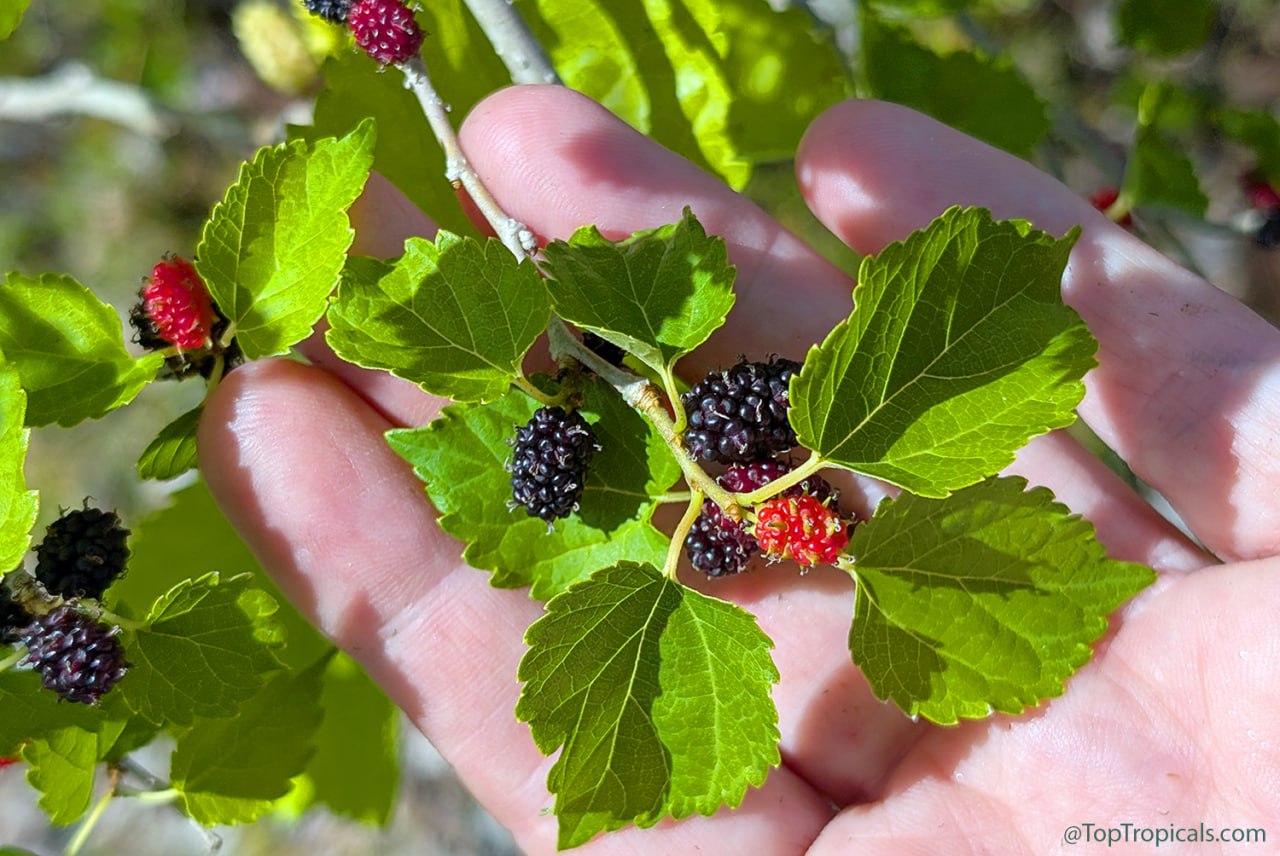
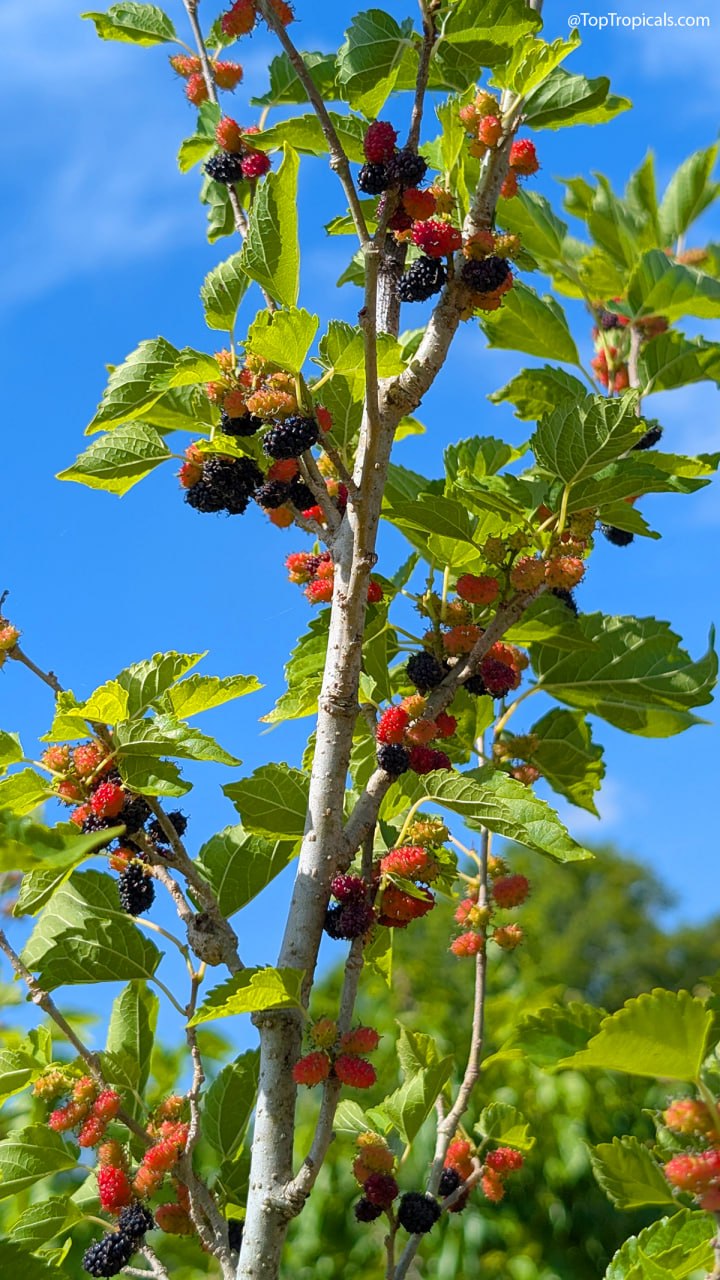
Want Massive Mulberry Harvests? Do These 5 Things Before May Ends

Want Massive Mulberry Harvests? Do These 5 Things Before May Ends Want Massive Mulberry Harvests? Do These 5 Things Before May Ends

🍇 Want Massive Mulberry Harvests? Do These 5 Things Before May Ends


Don’t let your mulberry tree fool you. While they are incredibly low-maintenance, what you do in May dictates your summer harvest. Avoid these common mistakes for a bumper crop of juicy berries.

Mulberry trees are famously bulletproof, handling intense heat and pumping out massive crops with little care. But May is the month that decides it all. Right now, they are pouring energy into fruit development. A few simple mistakes this month can quietly sabotage your harvest.

Fortunately, maximizing your crop is easy if you follow these five simple rules:
  1. 1. The Deep Soak Rule
    While established mulberries tolerate drought, moisture stress causes them to drop young berries early. Drop the sprinkler—frequent, shallow watering only wets the surface. Instead, give the tree a slow, deep soak that penetrates the root zone. Check the soil two inches down; if it’s dry, water thoroughly.
  2. 2. Lock it in with Mulch
    Late spring heat evaporates soil moisture fast. Apply a 2-to-4-inch layer of pine bark or compost to keep roots cool and suppress weeds. Crucial rule: Leave a 4-inch gap around the base of the trunk. Piling mulch against the bark traps moisture and invites devastating fungal rot.
  3. 3. Don't Over-Fertilize
    Mulberries are naturally vigorous. If you feed them this month, use a balanced, slow-release organic plant food. Avoid high-nitrogen fertilizers. Excess nitrogen triggers a massive explosion of green leaves, causing the tree to completely forget to grow fruit.
  4. 4. Put the Pruning Shears Away
    Heavy spring pruning clips off active fruiting wood and decimates your harvest. Mulberries are also notorious "bleeders" - cutting now causes them to lose significant sap, stressing the tree during fruit set. Only remove dead or damaged wood. Save major shaping for winter dormancy.
  5. 5. Exploit the Softwood Cuttings Window
    Want more trees? May is prime time for softwood cuttings. Cut a few 6-inch flexible green stems, strip the lower leaves, dip in rooting hormone, and tuck into moist potting mix in partial shade. They root incredibly fast!

    Mulberry Plant Facts

    Botanical name: Morus sp.
    Also known as: Mulberry
    USDA Zone: 8 - 11
    Highligths Large tree taller than 20 ftSmall tree 10-20 ftFull sunWatering: Regular. Let topsoil dry slightlyEdible plant
    Get personalized tips for your region

    🛒
    Choose from Mulberry varieties


📚 Learn more:


Mulberry (Morus hybrids) in Plant Encyclopedia
Mulberry yogurt swirl: Quick-n-Fun exotic recipes
Why gardeners say this is the best Mulberry ever
What are the best Mulberry varieties

#Food_Forest #Discover #How_to

🟢 Join 👉 TopTropicals

Date: 19 May 2026

The Tree That Looks Photoshopped (But Isnt)

The Tree That Looks Photoshopped (But Isnt) The Tree That Looks Photoshopped (But Isnt)
The Tree That Looks Photoshopped (But Isn't) 🌈

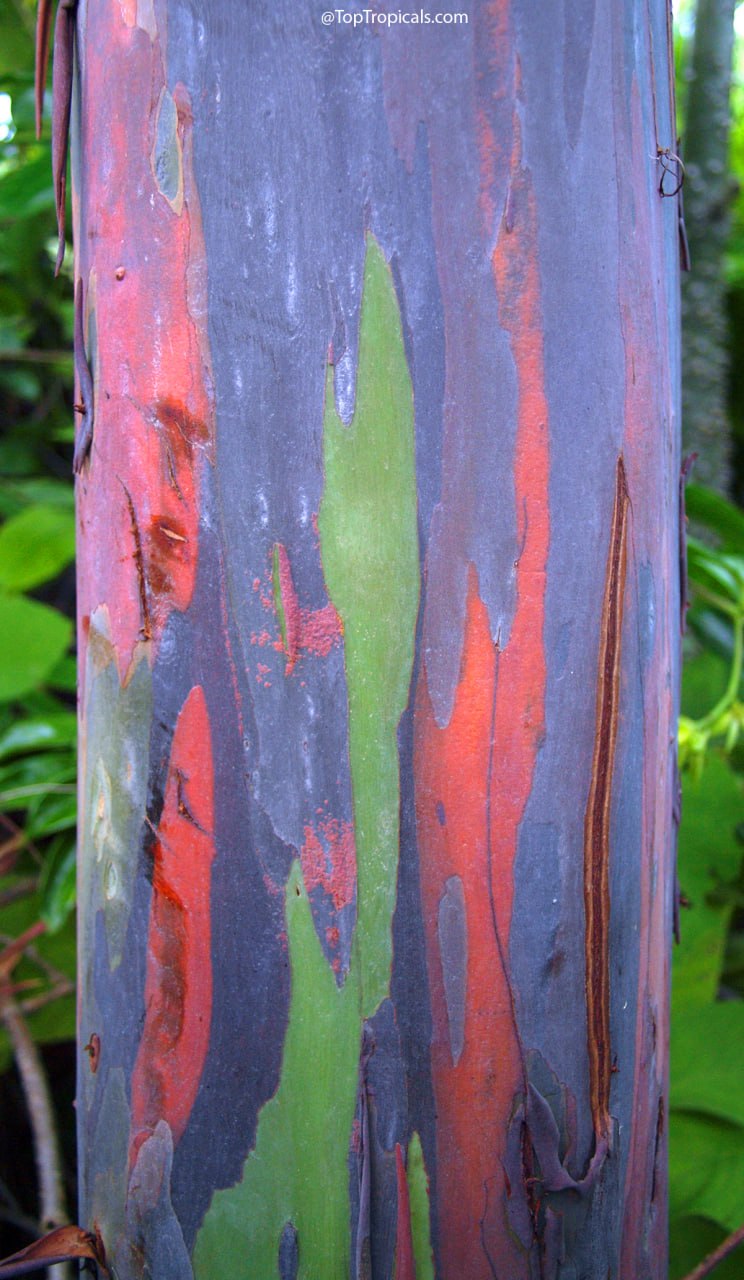
Most people see a photo of the Rainbow Eucalyptus and assume someone went heavy on the saturation filters. The trunk looks like an abstract artist got loose with neon greens, deep blues, purples, and burnt oranges - all on the same tree, all at once. It doesn't look real. But it is. And if you live in the right climate, you can actually grow one.

🎨 The Chemistry Behind the Watercolor Trunk


Eucalyptus deglupta does something no other tree quite pulls off at this scale: it sheds its bark in patches and strips throughout the year. While it seems entirely alien, this multi-colored, peeling bark is actually a family trait shared by many other members of the Myrtaceae (Myrtle) family - including common guava trees.

However, the Rainbow Eucalyptus takes this family tradition to an absolute extreme. This constant shedding reveals a living, shifting canvas underneath:
The Fresh Layer: New bark starts out a shocking, vivid green because of the chlorophyll sitting just beneath the surface.
The Shift: As the bark is exposed to air, it oxidizes. Time and oxygen push the colors through a spectrum of blues, purples, and eventually into warm oranges and deep, reddish-browns.
The Living Canvas: Because different sections of the trunk shed at different times, the tree is never just one color. It looks like a living watercolor painting that's still drying.

🎨 A Rainforest Giant That Grows at Breakneck Speed


Native to the humid tropical rainforests of the Philippines, Indonesia, and Papua New Guinea, this isn't your average backyard sapling. In the wild, it can tower at nearly 200 feet tall.
While it stays a bit more manageable in residential landscapes, it remains fast-growing. If you give it full sun, rich soil, and plenty of humidity, a young tree can put on several feet of height per year.
Unlike its drought-tolerant Australian cousins, the Rainbow Eucalyptus loves water and can even handle occasional flooding. As a bonus, its leaves release a pleasant, spicy aroma when crushed, adding a sensory layer to its visual drama.

🎨 The Catch: It Hates the Cold


Before you run out to buy one, there is a major catch. While many eucalyptus species are surprisingly tough against the hard freeze, the Rainbow Eucalyptus is the tropical outlier of the family.

The Safe Zones: It thrives best in USDA Zones 10-11 (like South Florida and Southern California), where winters stay mild.
❄️ The Cold Threat: Hard freezes, frost, and biting cold winds will badly damage or kill it.

Can you grow it in colder climates? Yes, but you'll need a big container and a tall space to move it in. Many gardeners outside the tropics grow them in large pots so they can drag them indoors or into a greenhouse for the winter. It limits their ultimate size, but it keeps the theatrical effect alive.

🎨 Why It's Worth the Hype


If you are lucky enough to live in a climate where it can thrive, the Rainbow Eucalyptus makes the ultimate landscape centerpiece. Because its canopy is tall and airy rather than dense, it won't completely black out the sun for the rest of your garden. Instead, it just stands there looking impossible.

Photos actually undersell it. Standing next to the trunk in person, you find yourself looking for the trick. But there isn't one - just nature showing off.

🛒 Plant the Impossible Rainbow Eucalyptus

📚 Learn more: 

Rainbow Eucalyptus Plant Facts

Botanical name: Eucalyptus deglupta
Also known as: Rainbow Eucalyptus, Mindanao Gum, Rainbow Gum
USDA Zone: 10 - 11
Highligths Large tree taller than 20 ftFull sunWatering: Moderate. Water when top soil feels dryKeep soil moistRed, crimson, vinous flowersWhite, off-white flowersSpice or herb plantFlood tolerant plant
Get personalized tips for your region

Eucalyptus deglupta - Rainbow Eucalyptus in Plant Encyclopedia

#Trees #Discover #Nature_Wonders #Fun_Facts

🟢 Join 👉 TopTropicals

Date: 20 Sep 2025

How to make lots of Insulin Ginger plants quickly and get more health benefits

Costus igneus (Chamaecostus cuspidatus) - Fiery Costus or Spiral Flag

💚 How to make lots of Insulin Ginger plants quickly and get more health benefits


Costus igneus (Chamaecostus cuspidatus) - Fiery Costus or Spiral Flag is believed to help lower blood glucose levels naturally and managing diabetes.

Have you heard of Insulin Ginger? Everyone wants to have it in the garden!

Gardeners in India grow it not just for its pretty spiral leaves, but for what those leaves do. People with diabetes often chew them fresh or brew them into tea, saying it helps keep their blood sugar under control.

Researchers have found something interesting: the leaves contain an insulin-like compound, along with antioxidants and anti-inflammatory properties. In animal studies, extracts from the plant lowered blood sugar, protected the liver and kidneys, and even made the body more sensitive to insulin.

The way folks use it is simple. You can chew a leaf right off the plant, steep dried leaves for tea, or find it in powders and capsules. It's one of those plants that shows how tradition and science sometimes meet in the garden.

Its lush, turmeric-like leaves spiral around upright stems, with a glossy dark green top and a striking light purple underside. In warm months, it produces bright orange, cone-like flowers that stand out beautifully in the garden.

Beyond its beauty and natural insulin effects, the insulin plant is credited with aiding digestion, reducing cholesterol, boosting energy, improving skin health, supporting weight loss, relieving stress, and promoting heart wellness. A real botanical multitasker!

🎥 In this video, we’ll show you how to multiply Insulin Ginger fast, so you’ll have plenty of plants for yourself and even extras to share with friends and family.

✅ Don’t forget to use Green Magic fertilizer for the best results. Gingers absolutely love this plant food - they thrive on it and respond better than any other plant, with vigorous growth, lush foliage and loads of leaves you’ll need for all the benefits.

🛒 Grow your own sugar-fighter - the Insulin Ginger

📚 Learn more:


🟡The fiery plant that fights sugar: Nature secret insulin?
🟡Most interesting edible gingers

#Food_Forest #Remedies #Shade_Garden #Discover

🟢 Join 👉 TopTropicals

Date: 21 Nov 2024

How this breath-taking flowering tree stays so compact

🌸 How this breath-taking flowering tree stays so compact


🌸 Ceiba hybrid - Dwarf Pink Princess - is one of the #Nature_Wonders that takes your breath away!

🌸 A compact marvel of nature that redefines beauty in small spaces, this exquisite hybrid of the Pink Silk Floss Tree (Ceiba speciosa) grows to a manageable height of just 8-12 feet, making it perfect for small yards or container gardening.

In bloom, the tree is a spectacle: nearly leafless, with its crown exploding into tens of thousands of pink flowers, creating a vibrant, colorful mass.

🌸 Its spreading crown and profusion of blossoms make it a showstopper, proving that you don’t need a giant tree to make a big impact.

🛒 Order Pink Princess

#Trees

🔴 Join 👉 TopTropicals