Garden Blog - Top Tropicals

Date: 19 Jul 2025

☀️ When tropical plant takes a Summer break
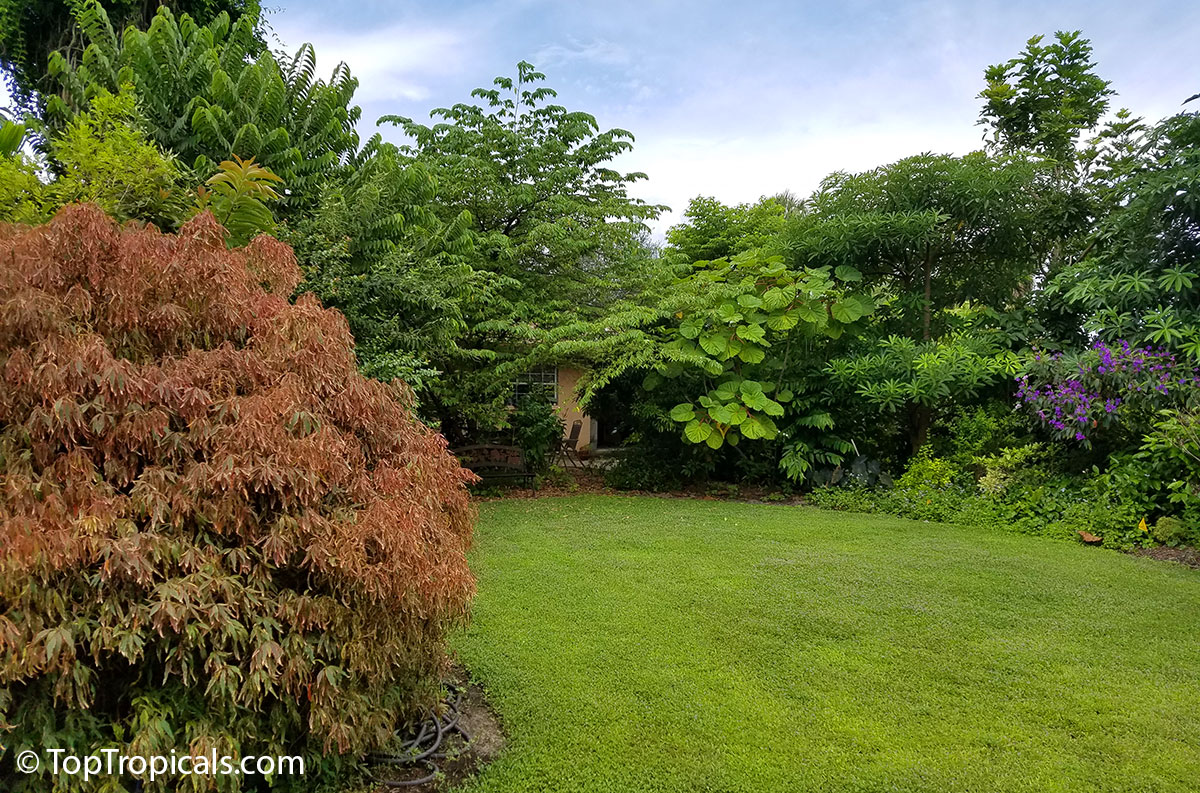
Tropical  landscape

Why your plants might stop growing in mid-Summer
and what to do about it

Q: Why some tropical plants stop growing when it gets too hot? Aren't they supposed to like the heat? Should I use more fertilizer during hot Summer?

You've been watching your tropical tree thrive all spring. New leaves, steady growth, maybe even a flower or two. Then July hits, and… nothing. The heat cranks up, and your once-busy plant just sits there. No new shoots, no blooms, not even a twitch. If it feels like your plant ghosted you - but don't worry! It's not dying. It's just hot!

Q: What happens to tropical plants when it gets extremely hot?

When the heat hits, plants hit pause. In the peak of summer, especially with temperatures above 90F, many tropical and subtropical plants go into heat survival mode. Growth above ground may slow down or stop entirely. It's not because you forgot to water or skipped a fertilizer dose - it's just too hot. The plant's energy shifts underground, where roots may still be growing. Think of it like a tropical version of a siesta - less margarita, more mulch. This stage might last a few weeks or longer, depending on how intense the heat gets. But the important thing is: it's normal.

Q: What NOT to do?

  • Don't drown it in extra water. That leads to root rot.
  • Don't dump dry fertilizer on it. That can burn the roots or just get flushed away. Use controlled release or liquid fertilizer dozed proportionaly to the plant's water usage.
  • Don't prune aggressively, hoping to jolt it awake.

None of that helps - in fact, it can make things worse.

Q: What you CAN do?

  • Water deeply in the early morning, and let the soil dry a bit between waterings.
  • Add mulch to help keep the root zone cool and reduce evaporation.
  • Provide temporary shade for potted plants or young trees.
  • Hold off on pruning or heavy feeding until you see new growth.

Just like you wouldn't run a marathon in a heatwave, your plant needs a break too.

Q: Why you shouldn't fertilize stressed plants with dry fertilizer?

Fertilizing seems like the obvious solution when a plant stalls, but in the heat of summer, it can backfire. When temperatures soar, roots slow down, and absorption becomes inefficient. You might pour in nutrients, but your plant can't use them - and what's worse, any tender new growth that does emerge can get scorched or sunburned before it has a chance to harden.

Feeding a plant with strong fertilizers during a heatwave is like telling someone to sprint in a sauna. It's not just unhelpful - it's risky. That's why you need a fertilizer that’s engineered for hot weather - not just any slow-release formula.

Liquid Sunshine Boosters mild formulas are safe to use year around. Controlled release fertilizer like Green Magic are safe as well, just make sure to follow directions and dosage.
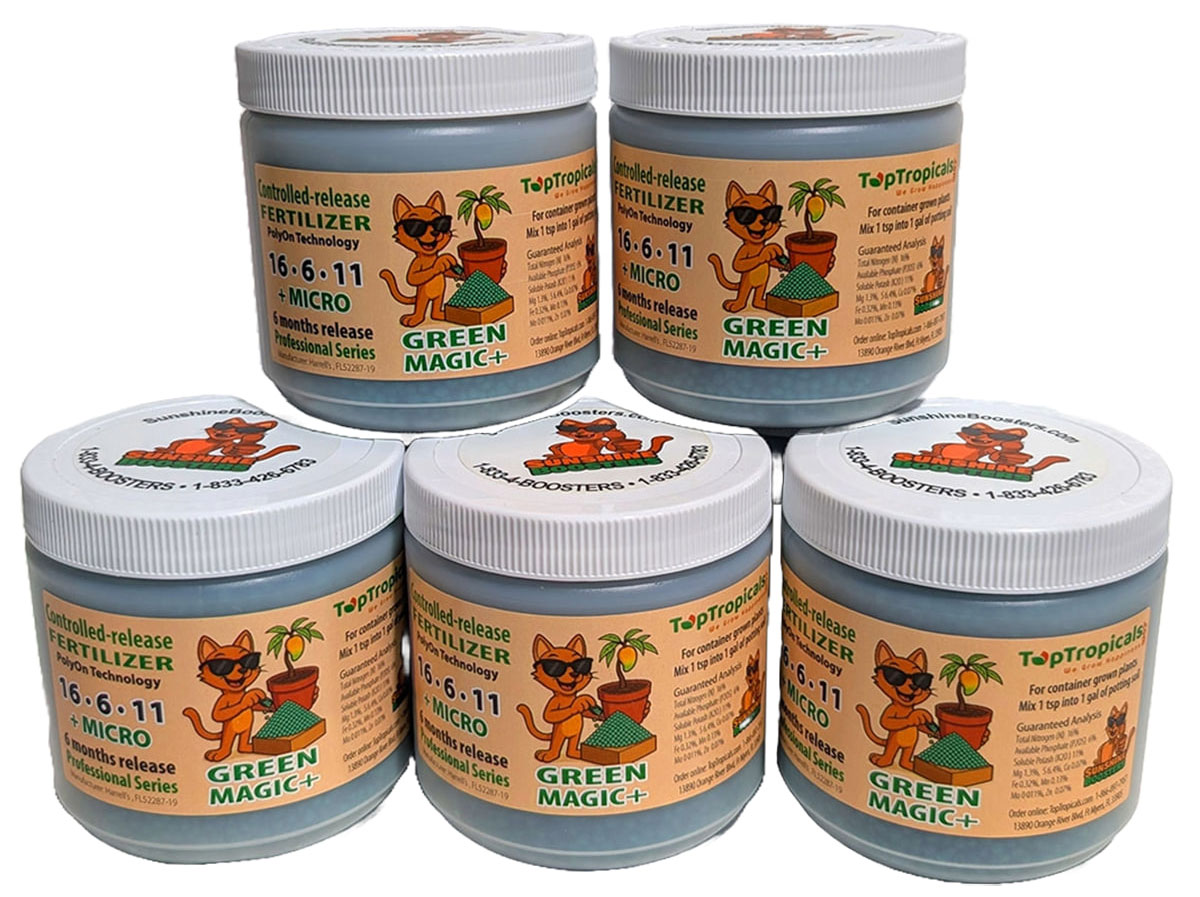

Q: Why Green Magic fertilizer works in heat better that Osmocote?

Green  Magic  controlled  release  fertilizer

Not all slow-release fertilizers are built for hot summer. Some popular brands might seem like a good choice - but they’re optimized for soil temperatures around 70-75F. That's a mild Spring day in the South, but in real-world Florida or Arizona heat? Not even close.

Here's the problem: Osmocote releases nutrients based on moisture, not temperature. When it's hot and humid - or worse, when you water heavily - it can dump too many nutrients at once. That nutrient surge can:

  • Burn your plant's roots
  • Force tender new growth that gets fried in the heat
  • Leach straight out of the pot, wasting both fertilizer and money

It's unpredictable, especially in containers that heat up faster than ground soil. What you think is "slow-release" can behave more like a fertilizer bomb.

Green-Magic, by contrast, uses a temperature-sensitive polyurethane coating that responds gradually and consistently as the soil warms. That means:

  • No sudden nutrient spikes
  • No wasted runoff
  • And no risk of heat-triggered burn

It's designed to feed steadily and predictably - even when temps hit 90F and stay there. For potted tropical plants, that kind of control is the difference between stressed and thriving.

Q: How does Sunshine Boosters help with daily plant recovery in summer?

Once your plant begins to show signs of life again - maybe a new bud, or evening perkiness - it's safe to resume feeding. But skip the salts, and reach for something gentler: Sunshine Boosters.

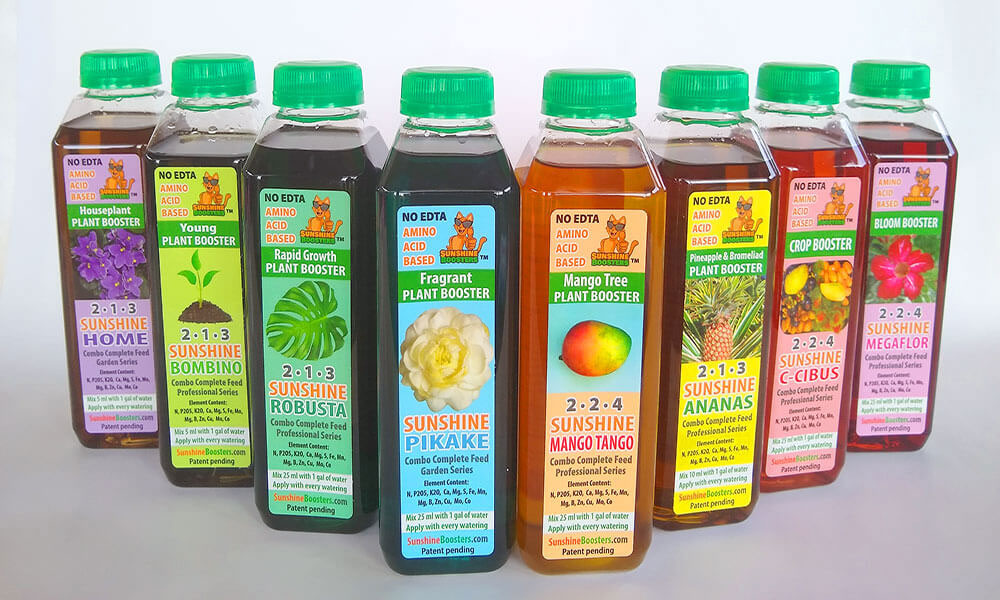
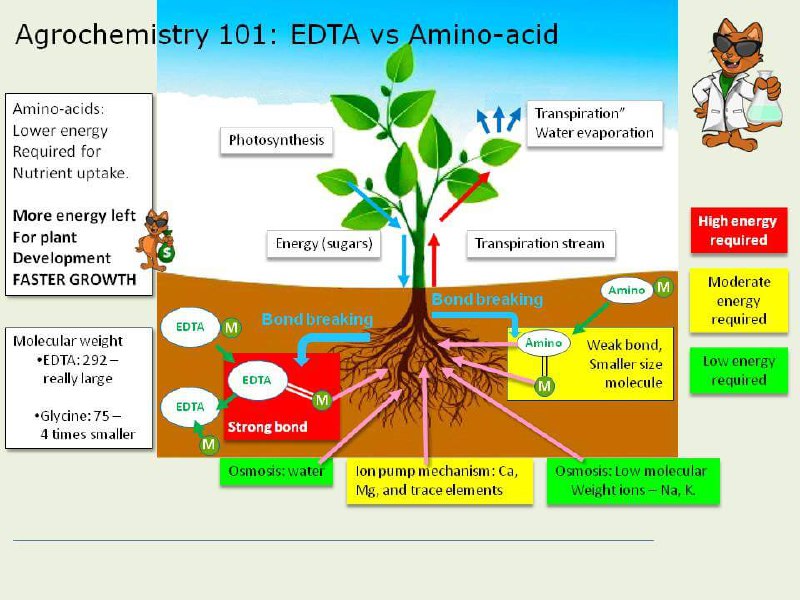
These amino-acid based liquid fertilizers are designed for daily use, even in containers during the hottest days. They enhance nutrient uptake, even when roots are stressed or sluggish. Unlike synthetic chelators like EDTA, Sunshine Boosters won't bind nutrients or burn root system. They stay gentle, available, and effective. Learn more from this short video.

Use SUNSHINE Robusta for foliage support, or Ca-Support PRO for strong structure and recovery. It's like hydration and nutrition in one - perfect for tropical plants fighting through summer heat.

Q: How can I help my plants during extreme heat?

Don't fight the heat - work with it. If your tree looks stalled this summer, don't panic. It's following a rhythm older than all of us. Support it with smart watering, the right fertilizer combo, and a little patience. Before long, you'll see buds again - and know your plant made it through the heat.


Shop fertilizers and garden supplies


Read more plant care tips in Garden Blog
Date: 20 Oct 2023

Prepare your plants for Winter with Sunshine Boosters

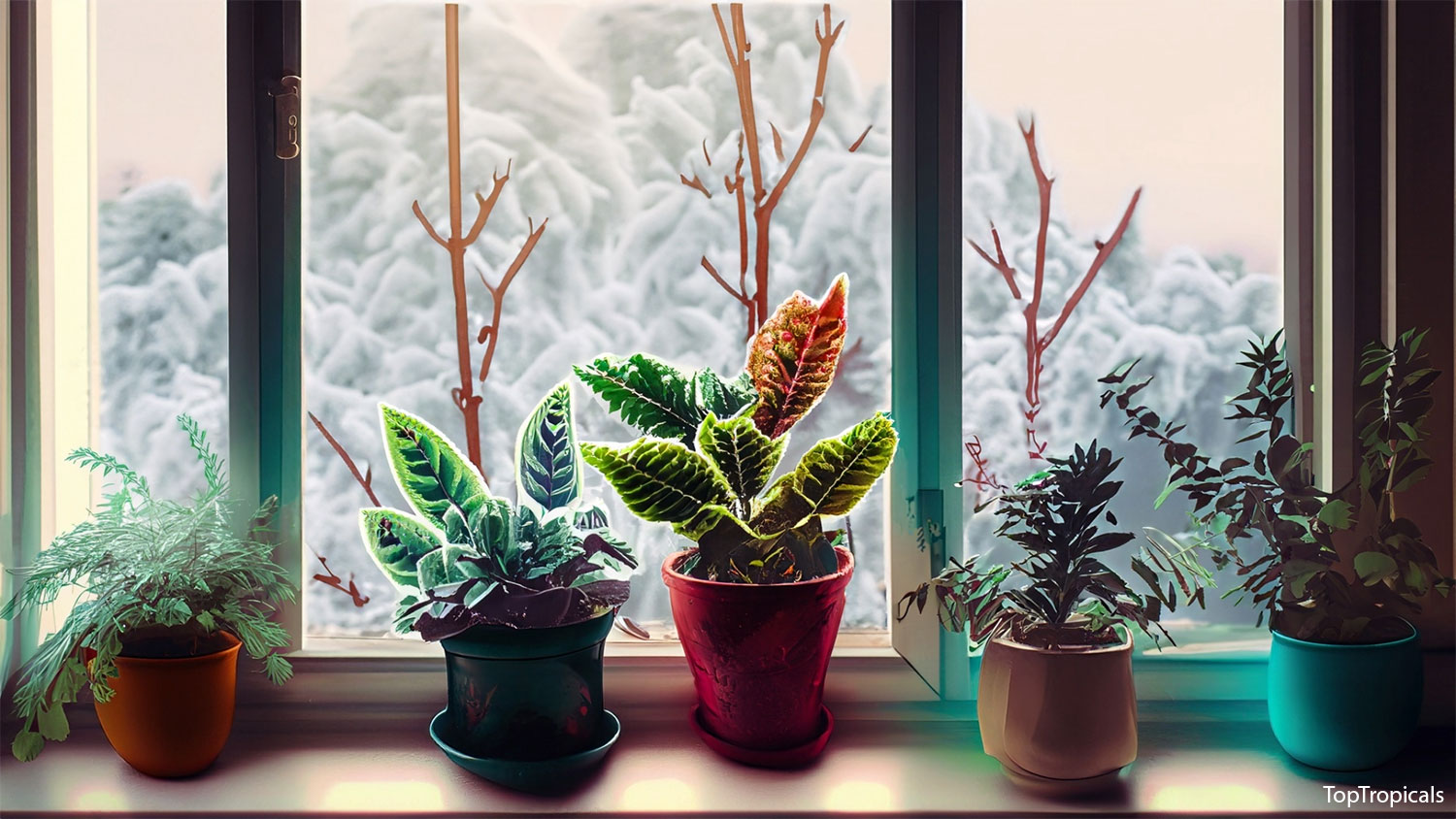
Tropical  Plants  on  Winter  Windowsill

We usually stop using dry slow-release fertilizers from November to March. However, liquid Sunshine Boosters, which are natural plant food, can be used all year. They help your plants survive winter. When it gets colder, we water less, so the fertilizer decreases too. The plants only use what they need. To learn more about how Sunshine Boosters work and why they're safe and helpful, check out this blog: Using Sunshine Booster during Winter.

Sunshine  boosters  formulas

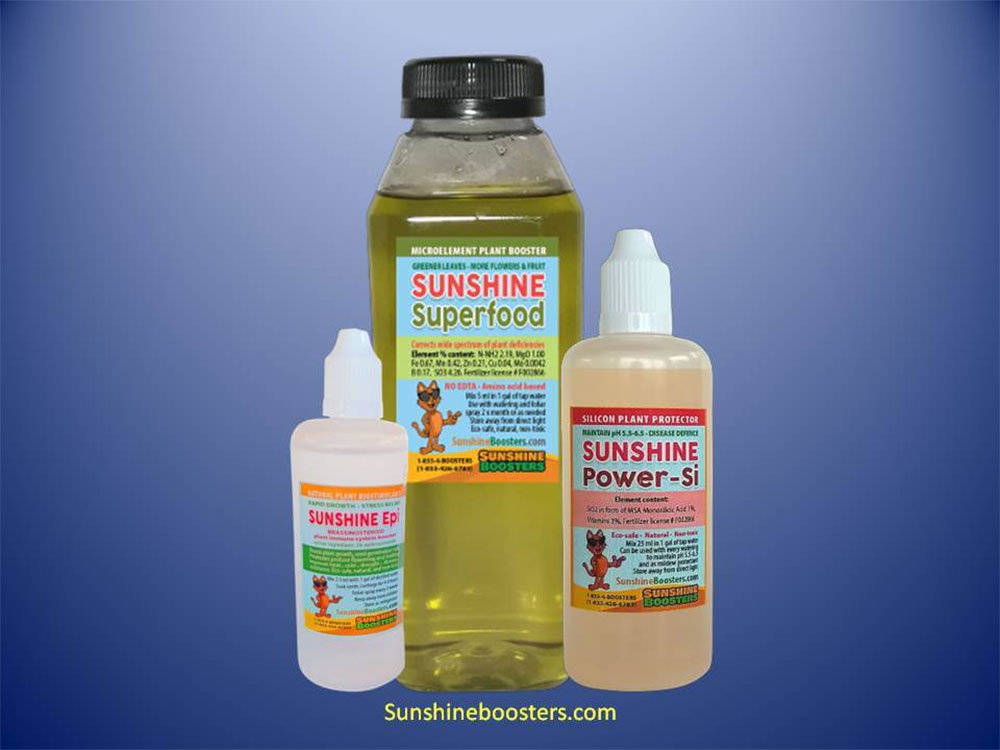
Apart from giving your plants nutrients during winter, you also can improve their ability to handle the cold. Try the Sunshine Boosters supplement kit for tropical plants. Follow the schedule and use three different supplements: SUNSHINE Superfood, SUNSHINE Epi, and SUNSHINE-Power-Si. Read more about treatment with Sunshine boosters supplement kit.

Sunshine  boosters  supplement  kit

Sunshine  boosters  supplement  kit

Date: 17 Oct 2024

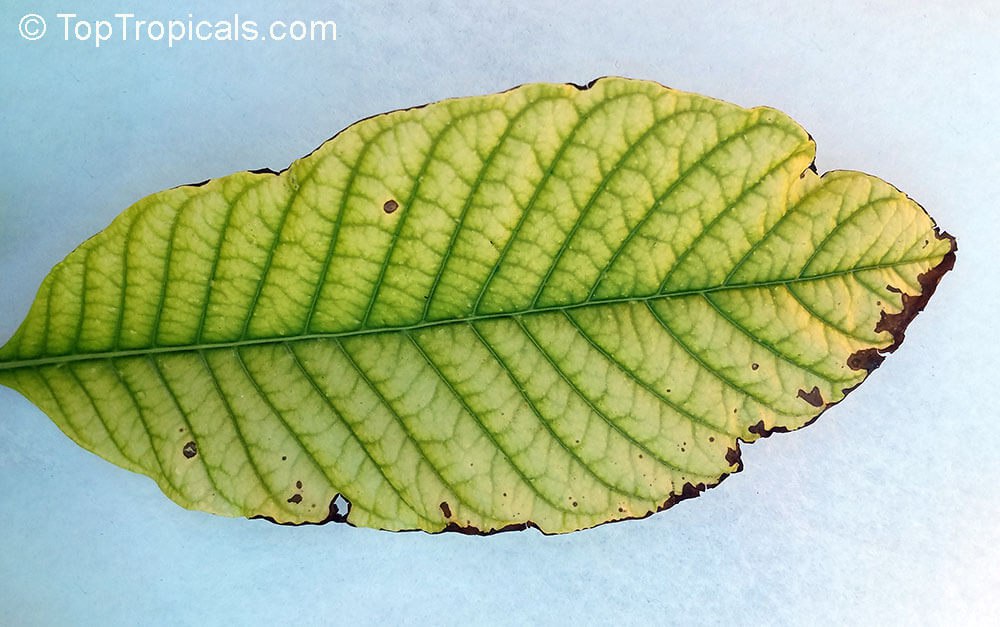
Why my plant turned yellow? And why plants need Micronutrients? The answer is:

Why my plant turned yellow? And why plants need Micronutrients? The answer is: Why my plant turned yellow? And why plants need Micronutrients? The answer is: Why my plant turned yellow? And why plants need Micronutrients? The answer is: Why my plant turned yellow? And why plants need Micronutrients? The answer is:

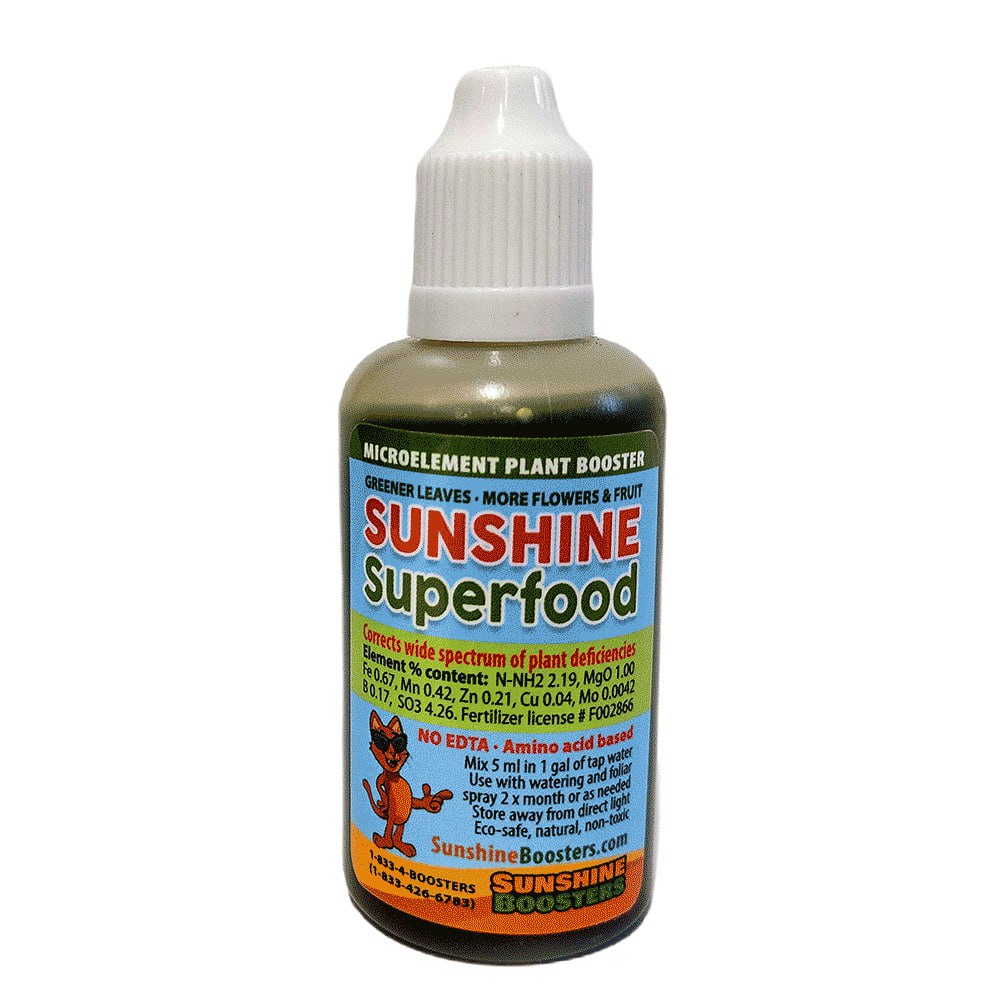
🍴 Why my plant turned yellow? And why plants need Micronutrients? The answer is: they need Superfood!


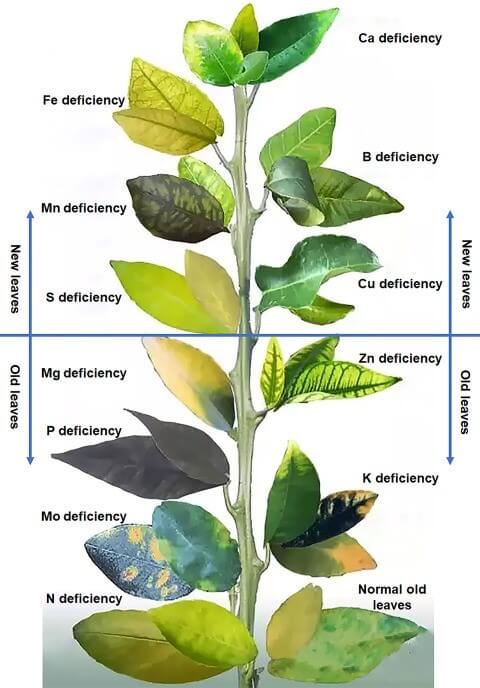
Nothing is more disappointing than when your plant’s bright green leaves begin to turn yellow. Too often gardeners blame pests for these issues, but at the root of the problem is almost always a nutrient deficiency.

Plants need both macronutrients and micronutrients.
Macronutrients (nitrogen, phosphorus, and potassium) help plants grow big and strong.
Micronutrients (like iron, zinc, copper, and manganese) are just like vitamins, needed in small amounts but are just as important for plant health.

Why are micronutrients important?

  • 📌 They help plants with vital processes like making food (photosynthesis) and building strong roots.
  • 📌 Without enough micronutrients, plants can look weak, turn yellow, or grow poorly.


Why use Sunshine Superfood for micronutrients?

  • 📌 Effective and fast: plants get the right amount of micronutrients quickly and efficiently.
  • 📌 Balanced formula: your plants get everything they need in the right proportions.
  • 📌 Sunshine Superfood is the ultimate micro-element supplement that can fix all deficiencies.
  • 📌 Easy to apply - just mix with water and feed your plants.
  • 📌 The quick absorption helps prevent nutrient deficiencies.


👍 Even if your soil is lacking in certain micronutrients, Sunshine Superfood ensures your plants get exactly what they need.

📚 Learn in details:


Micronutrients Delivery Systems
Element Deficiencies in Your Garden

🛒 Shop Sunshine Boosters

#Fertilizers #How_to

🔴 Join 👉 TopTropicals

Date: 5 Nov 2024

How much water is too much?

Cat  in  the  pool  with  umbrella

"Always over-water your plants: just improve their soil drainage!" - Murray Corman, horticulturist, rare tropical fruit tree expert.

Q: I always tend to overwater my plants. How often should I water container plants and how to determine if it's too much water?

A: One of the most common challenges in tropical plant care, including houseplants, is overwatering, particularly in container gardening. So, how much water is too much?

The rule of thumb: let the soil dry out a bit before watering again, and never water if the soil feels wet to the touch. For indoor plants with saucers underneath, ensure they don't sit in standing water by removing any excess from the saucer after watering. However, remember that the watering schedule alone isn't the only key to success!

Improve drainage. Surprisingly, water itself isn't harmful to plants, no matter how generous your watering is. The real issue is poor drainage, which leads to stagnation and bacterial buildup, ultimately causing root rot.

In the nature. If you've traveled to places like Hawaii or explored tropical jungles, you might have noticed plants thriving between rocks with minimal soil, receiving a near-constant fine mist of rain. Conversely, swamps support very few trees - only bog or water plants adapted to wet conditions can survive there. The lesson? It's not the water, it's the growing medium!

The Soil Solution: for potted plants, always use a high-quality potting mix with excellent drainage properties. This should include ample "soil conditioners" such as perlite, vermiculite, and pine bark. At our nursery, we use a professional soil mix called Abundance. Learn more about potting soil.

Pot size matters. And the last but not least: if you tend to overwater your potted plants, consider using the smallest container size that comfortably fits the root system. A pot that's too large can mean excess wet soil, increasing the risk of root rot. With proper fertilizer program, container plants don't need to much soil to thrive.

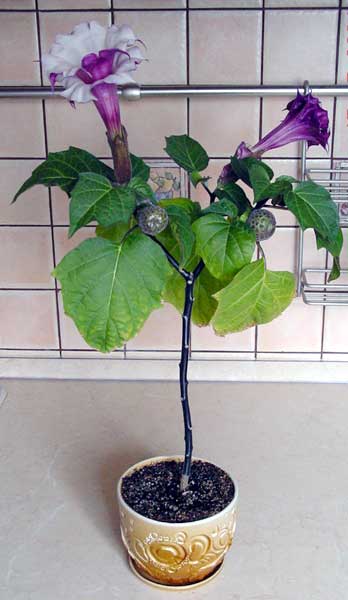
Datura  Metel  -  Horn-of-Plenty

Photo above: Datura Metel - Horn-of-Plenty - doesn't need a large container for happy blooming indoors!

Date: 15 Dec 2024

How to take care of house plants in Winter

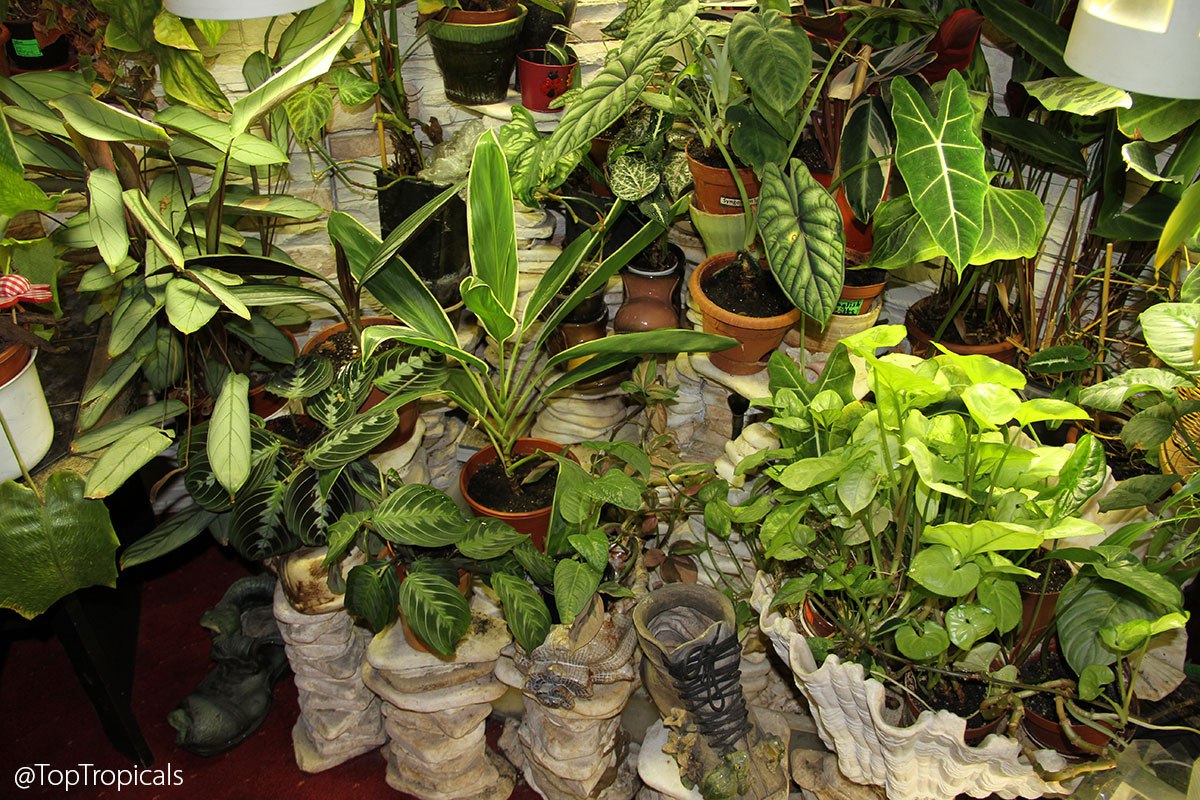
Indoor House plants

Indoor House plants

🎩 How to take care of house plants in Winter


💡 Let There Be (Enough) Light!


Shorter days mean less light. Move plants closer to windows but avoid freezing drafts.

🚽 Water, but Sparingly


Overwatering is a winter no-no. Check soil dryness before watering—your plants won’t mind a little thirst.

🌈 Humidity is Happiness


Dry air isn't their friend. Use a humidifier or group plants together for a moisture boost.

👀 Wise Snacks


Use only amindo-acid based liquid Fertilizer in winter, like Sunshine Boosters. Let plants take their seasonal nap from dry plant food.

Keep It Cozy


Protect plants from cold windows and heat vents - consistent warmth is key.

🍀 Dust Those Leaves


Clean leaves help plants soak in the limited light. They'll thank you with a brighter look!

🌱 Your plants may slow down for winter, but with a little care, they’ll thrive until spring!

🛒 Shop Indoor Garden

#Shade_Garden #How_to #Container_Garden

🔴 Join 👉 TopTropicals