Q: I got a large mango tree from your garden
center recently, planted in the ground, but noticed the corners of the leaves
turning brown. It was full of little fruit when I planted it but now they are
falling off... I wonder how much should I water the mango tree? We have lawn
sprinkler system that runs daily, is this enough?
A: Generally speaking, never rely solely on your
sprinkler system when planting a new tree, especially during the first week
or even several weeks if you have no rain. By rain, we mean a nice downpour.
Here in Florida, we usually have a hot and dry spring, and while springtime is
great for starting new trees, additional hose-watering becomes essential for
establishing them during the first months.
Dry leaves are a signal of under-watering. Make sure to hand water your
mango tree every day for at least the first week after planting. Even if you
have an individual sprinkler for the tree, ensure that the soil around the
rootball receives enough water, not only around the trunk. Surprisingly, the
bigger the tree, the more it may suffer from a lack of water, and sprinkler
watering does not saturate the large root system, sometimes only reaching around
the trunk. Big tree means lots of leaves and branches - they all get
thirsty!
Mangos are pretty drought-tolerant trees, but only once established.
They even benefit from hot, drier air (means less leaf fungus). However, young
trees require regular irrigation until they start growing new leaves and
branches.
Note that fertilizing your Mango tree is especially important during the
spring and summer seasons - the period of active growth. This ensures that
the tree takes the best advantage of nutrients with a faster metabolism
encouraged by high temperatures. Give your tree a chance to build up lots of energy
for the cooler winter as well as for the next flowering and crop season. To
ensure a strong tree and reliable crop with no fruit drop, apply Sunshine Mango Tango liquid fertilizer with every watering and watch
your mango tree become a Champ!
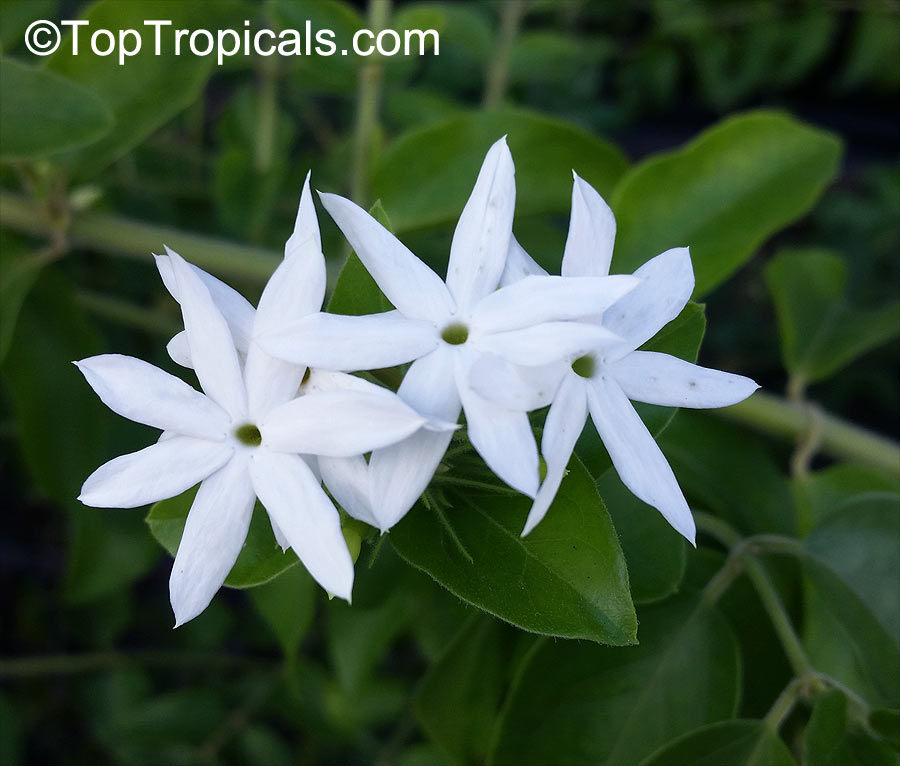
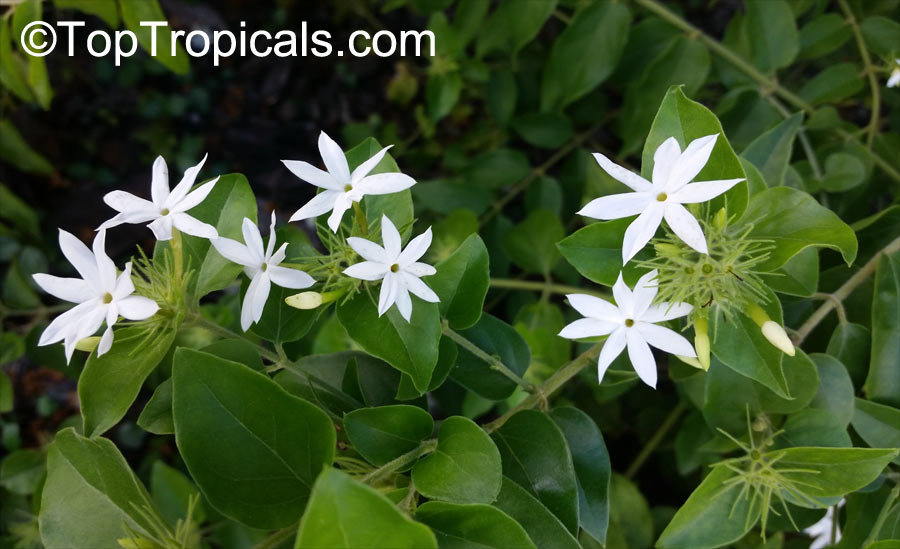
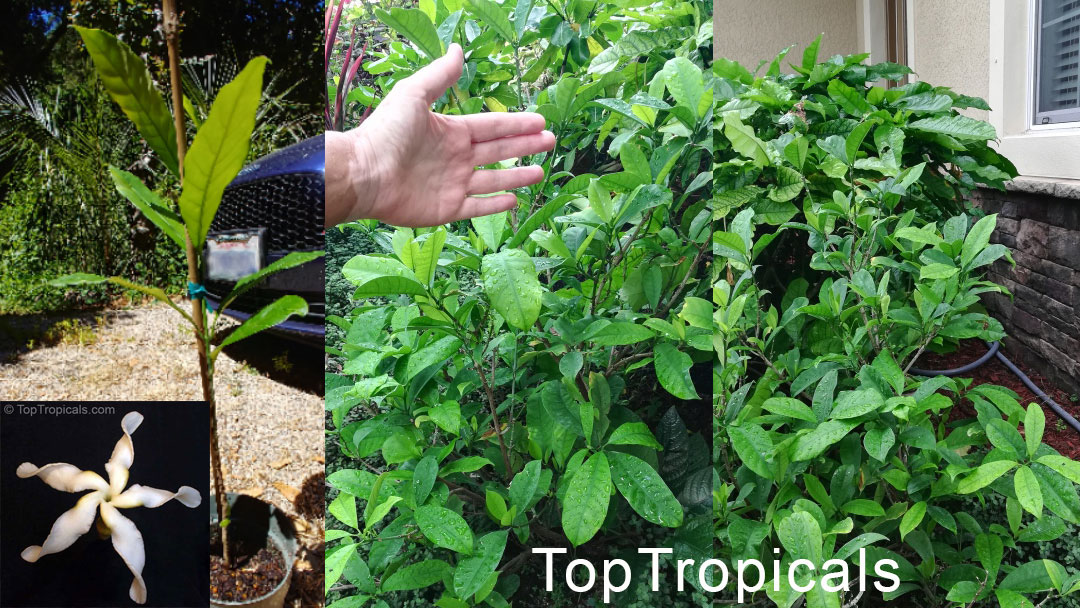
Ixora odorata - exclusive flower with fine perfume
Q: I see you have a very special plant - Ixora odorata with fragrant flowers, I've heard that the fragrance is heavenly. Is it easy to grow? Can I plant
it as a hedge, like a regular ixora bush?
A: Indeed, Ixora odorata is quite special. It's a must-have for any tropical plant enthusiast, often likened to esteemed fragrance collectibles like Ylang Ylang or the Joy Perfume Tree. While it shares the genus with the common Southern landscape plant, Ixora, cultivating Ixora odorata requires some special attention. We wouldn't recommend using this rare
exotic as a hedge; it's best suited as a centerpiece or specimen in your garden. The effort is certainly rewarded, as the sweet fragrance of its flowers is truly remarkable, reminiscent of Jasmines. Here are some tips for growing Ixora odorata:
1. Temperature. Ixora odorata is sensitive to cold and can't withstand even light frost. Protect it by growing it in a container that can easily be brought indoors during cold weather. 2. Soil. Like all ixoras, Ixora odorata prefers acidic soil. This is easily achieved since it's typically grown in a pot. High-quality potting soil, such as Sunshine Abundance, tends to have a lower pH (acidic), has low pH (acidic). 3. Light. Unlike most ixoras, Ixora odorata prefers shade to filtered sunlight, unlike most ixoras that are full sun plants. 4. Water. Ixora odorata prefers drier conditions during winter, so reduce watering in the winter months. In summer, regular watering is necessary, as it won't tolerate drying out. 5. Insect control. Ixora odorata can be susceptible to insects during winter. Keep an eye out for mealybugs during winter. Monitor the leaves, especially underneath. 5. Prune after flowering. 6. Fertilizer. Feed Ixora odorata with Sunshine Boosters Megaflor for most profule flowering and healthy waxy leaves.
Ixora odorata blooms in winter, making it a delightful addition to your home during the colder months. What can be better having this perfume factory! It's a true gem that's
worth the extra care and attention - it deserves to be pampered!
We bring our Ixora odorata indoors during winter. It is happy to sit in a large bathtub with a skylight above it. It flowers all winter long, filling the air with light perfume not only in the bathroom and bedroom, but in the whole house. And of course, cats love it too!
The
Robuster: smart and simple
Automatic care-free plant feeder!
Affordable Smart Fertilizer Injector and Doser
Tired of mixing fertilizer in watering cans?
Struggling to keep up with the growth of your garden?
Need to adjust fertilizer schedules for different plants and weather conditions?
Professional injectors are expensive and complicated?
Look no further! Affordable and user-friendly solution for any gardener
-
The Robuster.
Set up... Sit back...
...enjoy your garden!
The Robuster is a unique smart device for irrigation systems
and is designed to help make fertilizing your garden easier. Simple to install, The Robuster utilizes a computerized controller
that injects liquid fertilizer into your irrigation system based on your
preset dosage. The Robuster will work in your yard, garden or farm, small or large. Designed to be used with Sunshine Boosters amino acid based liquid fertilizers, it also works with any liquid plant food that requires a dosage from 5 - 25 ml per gallon of water.
Let The Robuster do the feeding so you have more time to enjoy your garden! Your first gallon of
Sunshine Boosters is available to you at a 50% discount with the purchase of
this unit! Sunshine Boosters are also available at deep discounts with our
subscription program (coming soon). Contact us for more information.
Developed in Ukraine. Manufactured in the USA.
Introductory low price! Only 4 units available at this time.
Contact us for installation availability
Learn more:
Did you know orchids can be grown in the ground?
Orchids have a mystique that seems to set them apart from most other
flowers... they are elegant and almost unreal in their perfection... The symmetry
of the flowers has led to the orchid being a symbol of a perfect beauty.
But not every gardener has luck growing traditional orchids. Some complain
about their special maintenance:
"Mount them on a tree, do not overwater... and all that hassle just for
once-a-year flower?" Sounds familiar?
Terrestrial orchids (a.k.a. ground orchids) grow in regular garden soil
instead of in the air on tree branches. And they bloom almost year round!...
Stay updated with TopTropicals Videos by subscribing to
our channel at
YouTube.com/TopTropicals and get our latest video news of what is fruiting and
blooming!
Remember to get plant food for your orchids and Ground
orchids!
In the photo:Sunshine-Home, plant booster for tender house plants and orchids.
Date: 22 Oct 2025
💞 Cassia or Bauhinia?
Looking for a small tree that blooms like fireworks but still fits on
your patio? We hear this question all the time at Top Tropicals: Cassia or
Bauhinia? Both are tropical showstoppers, but they shine in very different
ways.
🌞
Cassias: Sunshine Fireworks
Cassia trees
are some of the most rewarding tropical bloomers you can
grow. Fast-growing, free-flowering, and surprisingly cold-tolerant, they
thrive in full sun and summer heat. Their bright clusters come in shades of
yellow, orange, pink, red, and even multicolor blends. The famous Rainbow
Cassias
show swirls of coral, gold, and rose on the same tree, creating a living
fireworks display.
Cassias can also be grown in pots with pruning and
patience. Once mature, they reward you with breathtaking color that turns
any patio
or pool deck into a tropical show. Most showy cassias (numbers correspond to
the photos in the collage above):
Cassia
bicapsularis (Butterfly Bush) - is a fast-growing,
low-maintenance shrub covered in bright yellow, butterfly-like blooms from
fall
through winter.
Cassia roxburghii (Ceylon Senna) - graceful tree with spreading,
drooping branches appearing to be overweighed by its wealth of clustering
red
blossoms.
Cassia
x nodosa (Pink Shower) - is a spectacular medium-sized, fast-growing
tree with cascading clusters of fragrant pink-and-white appleblossom blooms
in spring and summer.
Cassia fistula (Golden Shower) - to many tropical gardeners, the
most beautiful of cassias with masses of bright gold flower clusters appear
on
almost every branch.
Cassia javanica (Apple Blossom) - dazzles with dense clusters of
pink-to-white blossoms that change shades as they bloom, creating a
spectacular
display that lasts for months.
"Cassias love the heat and sunshine," says Tatiana
Anderson, Top Tropicals Plant Expert. "They are perfect for anyone
who wants big
bursts of color and doesn’t mind giving them space and light to grow."
Bauhinia Magic: Orchid-Like Blooms in a Compact Size
Bauhinia orchid trees: top left
– Bauhinia acuminata (Dwarf White Orchid Tree), middle left –
Bauhinia blakeana (Hong Kong Orchid Tree), bottom left – Bauhinia
monandra
(Napoleon’s Plume Orchid Tree), top right – Bauhinia
madagascariensis (Red Dwarf Orchid Tree), and bottom right – Bauhinia
tomentosa
(Yellow Orchid Tree)
Bauhinia trees
known as Orchid Trees, bring a touch of tropical luxury
to any space. Their butterfly-shaped leaves and orchid-like blossoms appear
in shades of red, pink, purple, white, and yellow, often lasting up to ten
months a year. Bauhinias are ideal for gardeners who want nonstop color in a
manageable size. Most species grow well in large pots and bloom young, often
within the first season.
The following compact varieties stay neat and flower almost
continuously in warm weather:
Bauhinia blakeana (Hong Kong Orchid Tree). A large tree in the
ground, but compact in pots if trimmed. Grafted trees flower right
away.
Winter bloomer, cold hardy to light frost.
The Hong Kong Orchid Tree is especially prized because it
is sterile and produces no messy seed pods, keeping patios clean. Grafted Buhinia
blakeana trees begin blooming while still small, making them perfect for
containers or tight spaces.
"Bauhinias are generous bloomers," Tatiana explains. "They respond
beautifully to regular feeding and full sun. If nights turn too cold, just
move the
pot to a sunny porch - they’ll keep their tropical charm most of the
year."
Give them full sun, regular fertilizer, and a well-drained
mix such as Sunshine
Abundance, and they will reward you with months of vivid
blooms. When nights turn too cold, simply move the pot to a sunny porch or
bright
window. Bauhinias adjust beautifully and keep their tropical grace year
after
year.
🎥
Watch Short Videos:
💲
Special Offer – 20% off Cassias and Bauhinias!
Get 20% OFF Cassias and Bauhinias with code
RAINBOW2025
Min order $100. Excluding S/H, valid online only,
cannot be combined with other offers.