Garden Blog - Top Tropicals

Date: 24 Jun 2018

Full Sun Garden vs Shade Garden

"Someone is sitting in the shade today because someone planted a tree a long time ago." (Warren Buffett)

Q: I live in California and I have a large area of my garden in full shade. Are there any plants that will be happy there? I am looking for something colorful. I also have a smaller area in front of the house that has full sun almost all day long, but I am afraid this can be too hot for flowering plants? Can you recommend something?

A: Full sun gardens have a strong, bright look while shade gardens have cooler, subdued appearance. Both types of gardens are fun to design and maintain as long as you pick the right plants.
Full Sun Garden is the easiest to grow. Depending on exposure, it may require some plants that can tolerate the hottest summer days and the dry conditions in your area. The good news is, the majority of tropical and subtropical plants prefer full sun, so you have a large selection to pick from - fruit trees, flowering trees, shrubs, vines, and small perennials. The more sun, the more flowers and fruit you will get! However, keep in mind that sun gardens require more water, but generous mulching will help to minimize watering.
Shade Garden is much more restful in appearance, but sometimes may be a little more difficult to work with. As shade trees grow bigger and thicker, it may become too dark; nothing will grow in total darkness. In this case you need to prune back some branches to let more light in. Filtered sunlight or dappled light coming through the leaves of the trees is beneficial and considered light shade, which would be the best light conditions for shade loving plants to thrive. Although shady cooler spaces attract more insects and will require more attention to control them, they also have some advantages over sun gardens. You can enjoy working in cooler conditions, and your garden will require less water. Many foliage plants look more deeply colored and healthier than in full sun; white flowers shine instead of looking washed out!
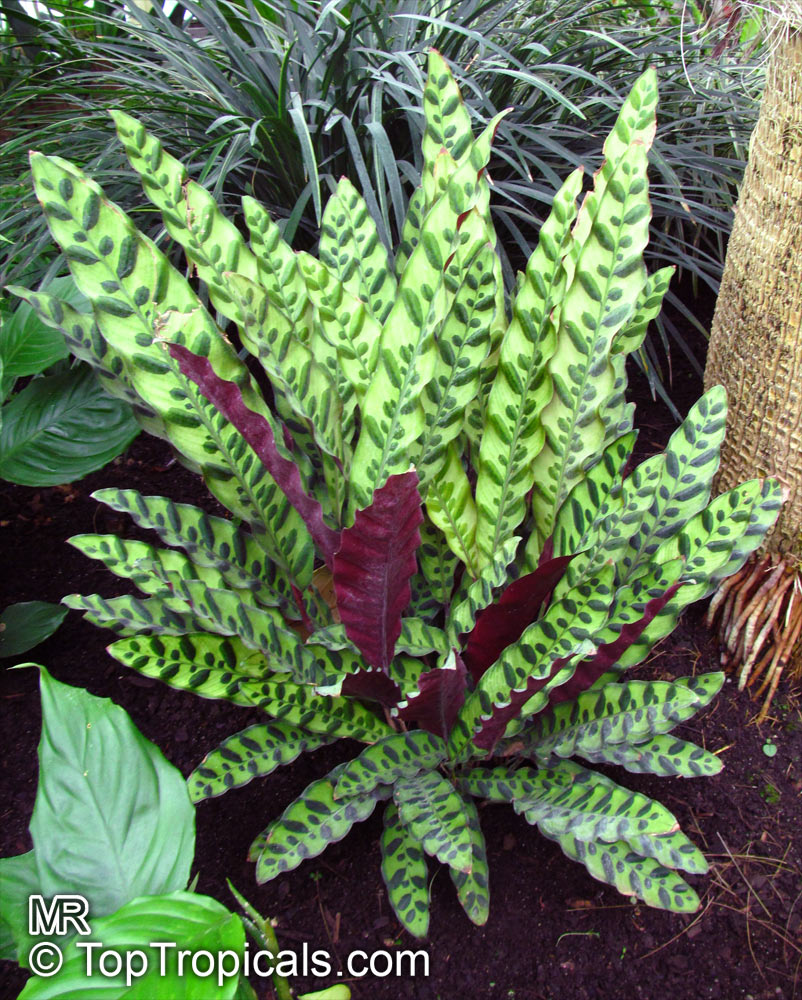
Our favorite shade plants are fragrant brunfelsias , clerodendrums, and of course colorful gingers and heliconias. You may also consider ornamental foliage of Calatheas, lush Alocasias, Colocasias, and colorful Cordylines. Check out our shade loving plant list for more colorful suggestions. These are also great for indoor gardens!

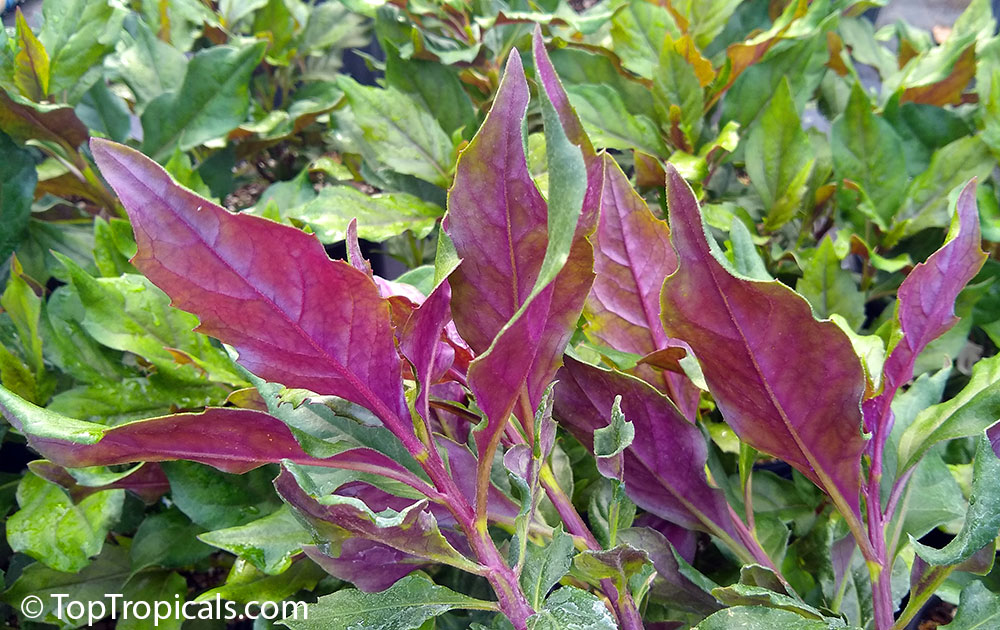
On the photo: Calathea lancifolia Rattlesnake

Date: 24 Jun 2018

TopTropicals

SUNSHINE boosters for recovering plants after shipping

Q: I live in Garden City, NJ and have a sun room with a tropical plant collection that I keep at about 40-45 degrees in winter. I used Sunshine booster during winter for my plant collection and results were amazing! I haven't lost a single plant. Now I see you have more products and I am planning to purchase more plants, how should I use Sunshine boosters to help plants recover after shipping?

A: Spray SUNSHINE-E solution right after receiving a plant from shipping. It will boost up the plant and make it 50-60% stronger and easier to recover after shipping stress. After that, apply SUNSHINE-SuperFood microelement booster to provide everything necessary for the plant to grow vigorously and happily. SUNSHINE-E is indeed a wonderful plant stimulant and stress reliever, although it is not a "magic-cure-all" medicine where one can't find its active ingredient. The hormone (epibrassinolide) is well-known and used in different countries along with other hormones for promote growth, fruiting, blooming, rooting, etc. One of the most amazing properties of SUNSHINE is that it works in extremely low dozes. Only a few drops will be enough to make a solution in distilled water, to treat a large size plant. If you want to try it out, one 5 ml bottle will last for several applications. Large bottles of SUNSHINE 50 ml and 100 ml - great for small and big gardens. It is a good idea to start bi-weekly applications to improve your plants tolerance to Summer heat, drought and improve disease resistance. The formula works through plant metabolism within 2-4 days, repeat application not sooner than in one week. After application of SUNSHINE-E, don't forget to boost your plants with SUNSHINE-SuperFood .

Check out SUNSHINE boosters... We offer FREE shipping on them, so you can make your plants happy!

Date: 30 Oct 2021

New Video:
Secrets of Longevity

Best Hot Humid Weather Spinach Crops:
Longevity and Okinawa Spinach

by David Mortimer, Tropical Edibles Expert

...This video is all about the greens. Most find it difficult to grow vegetables year round in hot climates. In this video we show you two different spinach varieties that not only handle the heat but thrive in it...

Even more: Longevity Spinach recipes!

...Can healthy food taste delicious? Healthy Longevity Spinach... it tastes like... spinach. You can add it to your salads, but let's face it, you can only eat so much of... a salad. So try it cooked!..

CONTINUE READING >>

Date: 2 Dec 2021

New Video:
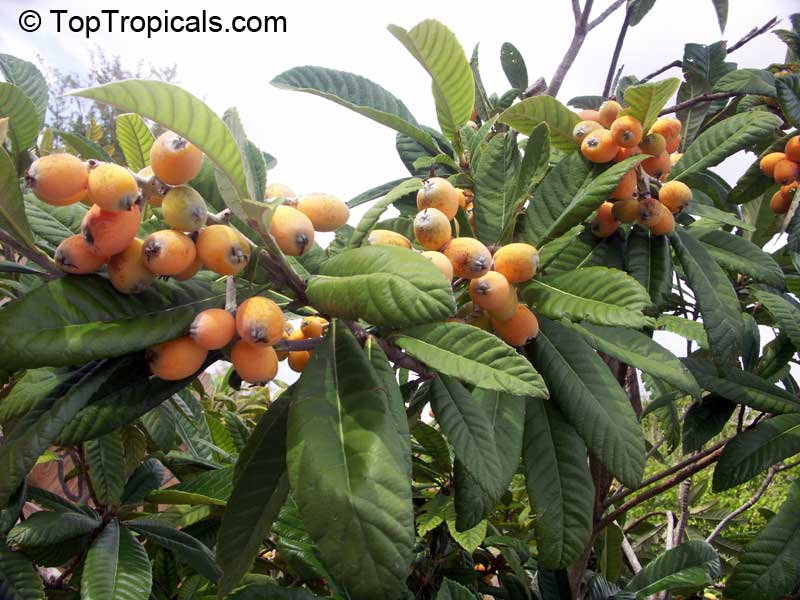
What is a Loquat?

Loquat is one of the easiest tropical/subtropical fruit trees to grow, with delicious fruit resembling Apricots (in fact, from the same family!). This video presented by our video host David Mortimer.

More information on Loquat trees:

Golden Loquat - the symbol of Prosperity
Kristi's Loquat Tropical BBQ sauce
Overlooked fruit: tasty Loquat recipes (PDF from Tropical Treasures Magazine)

WATCH NEW VIDEO >>

Stay updated with TopTropicals Videos by subscribing to our channel at YouTube.com/TopTropicals and get our latest video news of what is fruiting and blooming!

Date: 22 Apr 2022

Spend time among trees...

"...Time spent among trees is never time wasted..."
- Katrina Mayer -

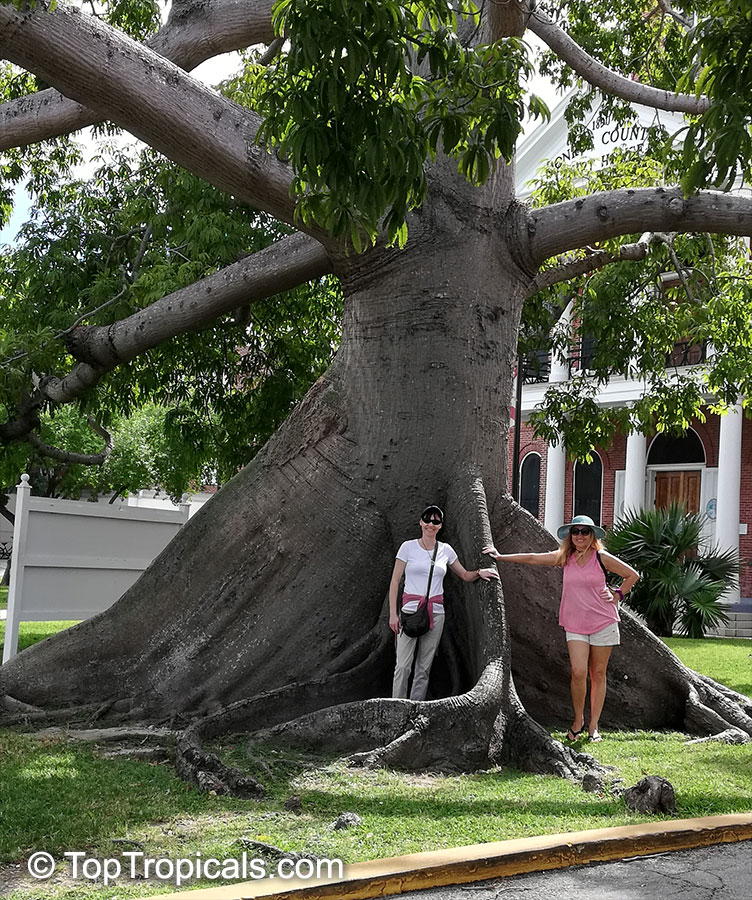
Ceiba  pentandra

One of the most impressive and massive trees in the world - Ceiba pentandra - Kapok Tree. A majestic tropical tree! The ancient Maya of Central America believed that a great Ceiba tree stood at the center of the earth... Would you like to try growing it in the center of your backyard? Considering it will take decades to grow this big...

Ficus

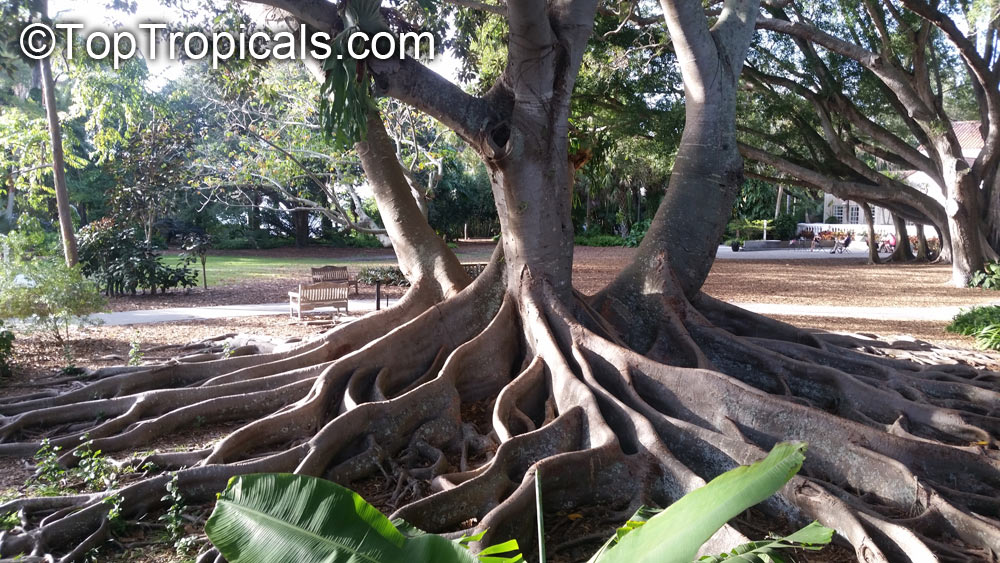
Ficus macrophylla (Banyan). Did you know that exotic Banyan Trees are close related to Fig trees?..