Date: 10 Oct 2016
Cold protection - winter action for your plant collection
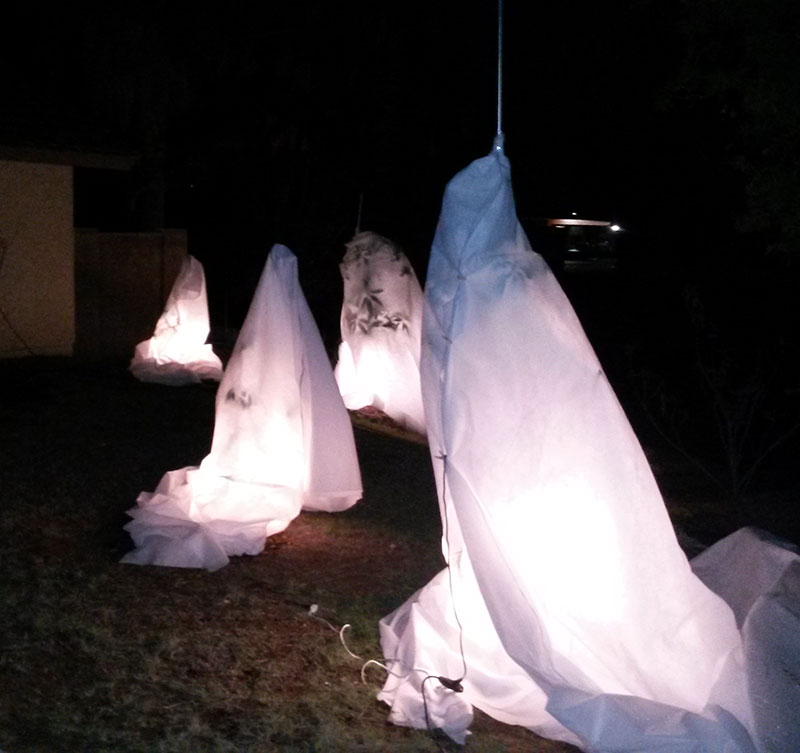
A note from our customer: Last winter was very cold here in Arizona, lower 30's. I used white synthetic sheets (called frost cloth, it is very light and yet effective) to cover my fruit trees, and kept simple light garlands on for the whole night. Sending you couple photos so you can share with others. It worked pretty well for my plants and no cold damage!
With winter approaching, it is time to take some actions to protect your rare plants from cold stress and damage.
If you live in a mild climate, you still need to get ready for the cold nights. When expecting a cold night, individual plants and trees can be wrapped with sheets, or blankets, to protect them from the wind chill. Christmas lights is a good idea for an additional warm up.
For large collections of tropical plants, temporary winter greenhouse doesn't have to be expensive. An easy-assembly mobile carport from a hardware store covered with a plastic or fabric will cost you $100-200. It can fit a hundred plants or more!
If you live in area with a hard freeze, Southern exposure windowsill will work for most of the compact tropicals providing proper care. Larger collections may also move into your garage for a few cold nights, or for longer periods if the garage has a bright light source.
Factors affecting tropical plant winter survival:
1. Duration of cold period. Tropical plants can't stand long periods of cold. A few days of even upper 30's may kill a tropical plant. A few hours of frost may cause leaf drop but the plant will recover.
2. Minimum temperature - of course, the warmer the better. But see 1) - if cold is not for too long, it may be OK.
3. Wind-chill can be more dangerous than low temperatures.
4. Exposure. Southern slopes get warm during daytime and stay warm longer.
5. Protection with a house, fence, larger trees - where a "pocket" of warm air forms and stays - is beneficial.
6. Humidity. A lake or a river nearby (especially ocean) will mild the micro-climate.
7. Individual species hardiness. Don't try to grow Orchid Tree outdoors in New York.
8. Plant maturity and health. A well-established plant with developed root system has more chances to survive cold. If a plant had a good change to develop during warm season (bright light, enough water, fertilizer), it will be more cold hardy. Healthy plant can withstand lower temperature, so proper nutrition is important, including micro-element applications. Large specimens, even ultra-tropical, may survive cooler winter than they normally do in their natural habitat. The Nature provided plants with better hardiness level than it is normally used. To boost plant immune system and improve cold tolerance even more, use SUNSHINE plant boosters. SUNSHINE-T
Date: 19 Jul 2025
☀️ When tropical plant takes a Summer break
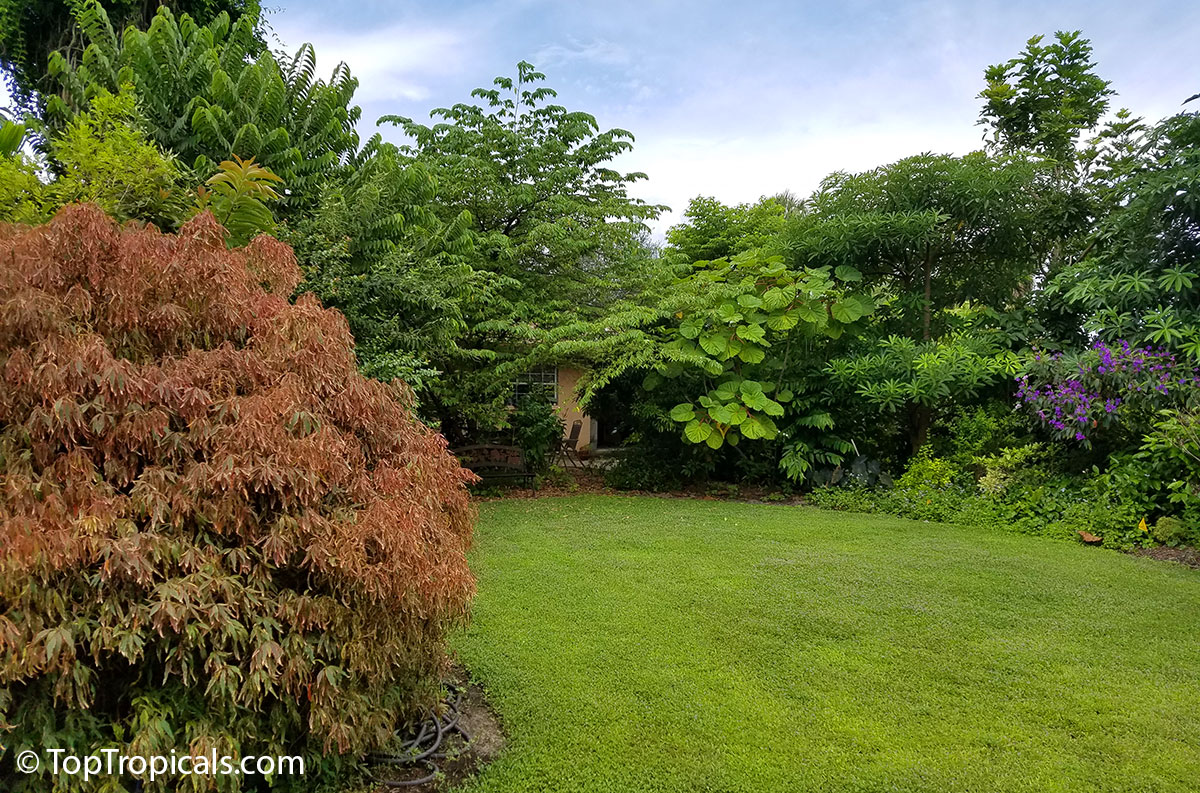
Why your plants might stop growing in mid-Summer
and what to do about it
You've been watching your tropical tree thrive all spring. New leaves, steady growth, maybe even a flower or two. Then July hits, and… nothing. The heat cranks up, and your once-busy plant just sits there. No new shoots, no blooms, not even a twitch. If it feels like your plant ghosted you - but don't worry! It's not dying. It's just hot!
When the heat hits, plants hit pause. In the peak of summer, especially with temperatures above 90F, many tropical and subtropical plants go into heat survival mode. Growth above ground may slow down or stop entirely. It's not because you forgot to water or skipped a fertilizer dose - it's just too hot. The plant's energy shifts underground, where roots may still be growing. Think of it like a tropical version of a siesta - less margarita, more mulch. This stage might last a few weeks or longer, depending on how intense the heat gets. But the important thing is: it's normal.
- Don't drown it in extra water. That leads to root rot.
- Don't dump dry fertilizer on it. That can burn the roots or just get flushed away. Use controlled release or liquid fertilizer dozed proportionaly to the plant's water usage.
- Don't prune aggressively, hoping to jolt it awake.
None of that helps - in fact, it can make things worse.
- Water deeply in the early morning, and let the soil dry a bit between waterings.
- Add mulch to help keep the root zone cool and reduce evaporation.
- Provide temporary shade for potted plants or young trees.
- Hold off on pruning or heavy feeding until you see new growth.
Just like you wouldn't run a marathon in a heatwave, your plant needs a break too.
Fertilizing seems like the obvious solution when a plant stalls, but in the heat of summer, it can backfire. When temperatures soar, roots slow down, and absorption becomes inefficient. You might pour in nutrients, but your plant can't use them - and what's worse, any tender new growth that does emerge can get scorched or sunburned before it has a chance to harden.
Feeding a plant with strong fertilizers during a heatwave is like telling someone to sprint in a sauna. It's not just unhelpful - it's risky. That's why you need a fertilizer that’s engineered for hot weather - not just any slow-release formula.
Liquid Sunshine Boosters mild formulas are safe to use year around. Controlled release fertilizer like Green Magic are safe as well, just make sure to follow directions and dosage.
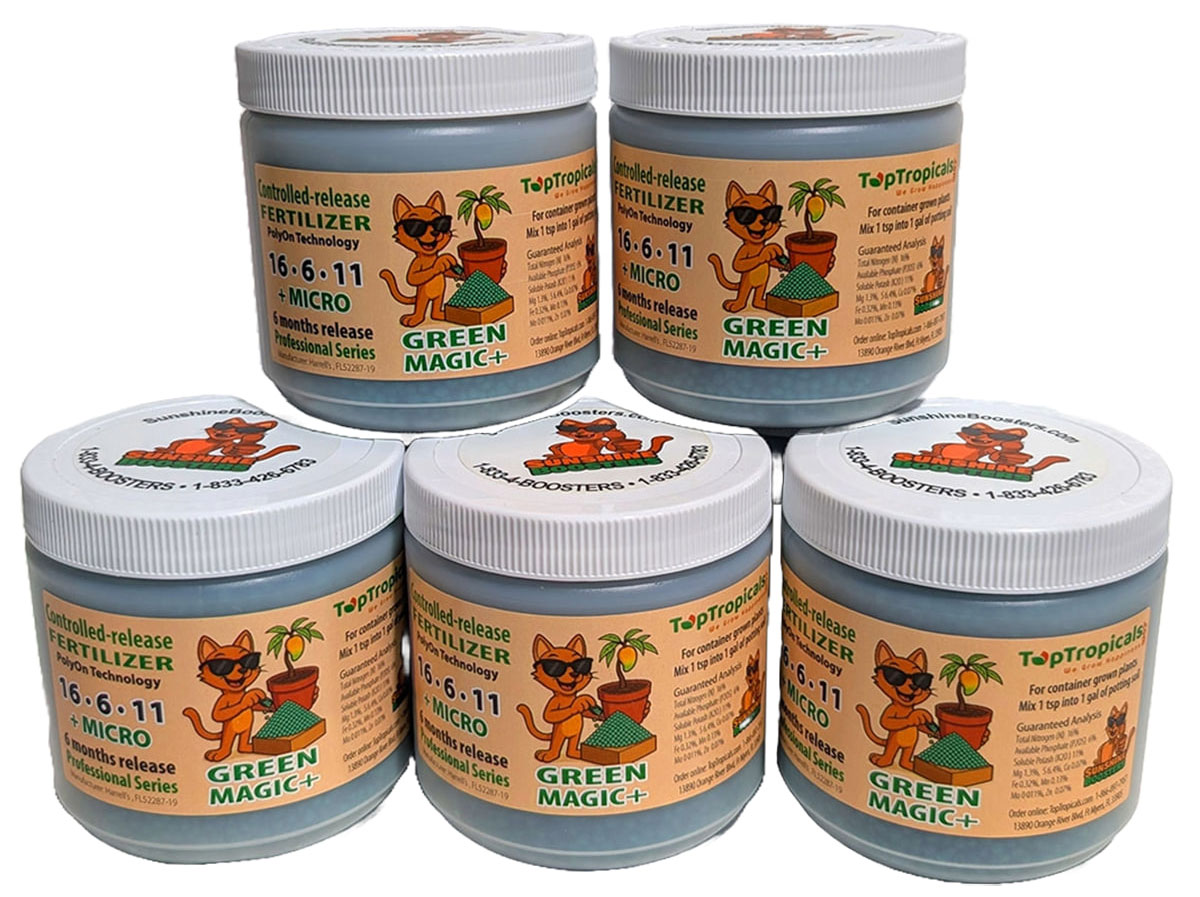
Not all slow-release fertilizers are built for hot summer. Some popular brands might seem like a good choice - but they’re optimized for soil temperatures around 70-75F. That's a mild Spring day in the South, but in real-world Florida or Arizona heat? Not even close.
Here's the problem: Osmocote releases nutrients based on moisture, not temperature. When it's hot and humid - or worse, when you water heavily - it can dump too many nutrients at once. That nutrient surge can:
- Burn your plant's roots
- Force tender new growth that gets fried in the heat
- Leach straight out of the pot, wasting both fertilizer and money
It's unpredictable, especially in containers that heat up faster than ground soil. What you think is "slow-release" can behave more like a fertilizer bomb.
Green-Magic, by contrast, uses a temperature-sensitive polyurethane coating that responds gradually and consistently as the soil warms. That means:
- No sudden nutrient spikes
- No wasted runoff
- And no risk of heat-triggered burn
It's designed to feed steadily and predictably - even when temps hit 90F and stay there. For potted tropical plants, that kind of control is the difference between stressed and thriving.
Once your plant begins to show signs of life again - maybe a new bud, or evening perkiness - it's safe to resume feeding. But skip the salts, and reach for something gentler: Sunshine Boosters.
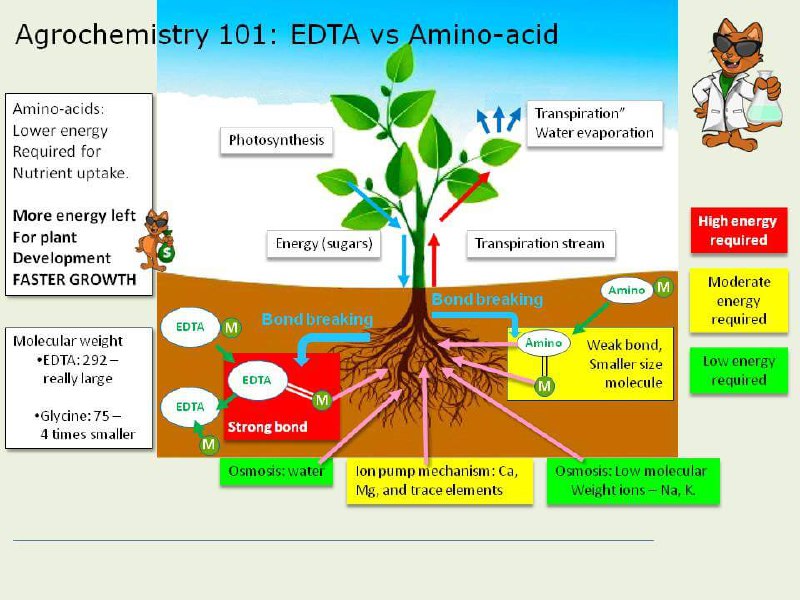
These amino-acid based liquid fertilizers are designed for daily use, even in containers during the hottest days. They enhance nutrient uptake, even when roots are stressed or sluggish. Unlike synthetic chelators like EDTA, Sunshine Boosters won't bind nutrients or burn root system. They stay gentle, available, and effective. Learn more from this short video.
Use SUNSHINE Robusta for foliage support, or Ca-Support PRO for strong structure and recovery. It's like hydration and nutrition in one - perfect for tropical plants fighting through summer heat.
Don't fight the heat - work with it. If your tree looks stalled this summer, don't panic. It's following a rhythm older than all of us. Support it with smart watering, the right fertilizer combo, and a little patience. Before long, you'll see buds again - and know your plant made it through the heat.
Shop fertilizers and garden supplies
Read more plant care tips in Garden Blog
Date: 20 Oct 2023
Prepare your plants for Winter with Sunshine Boosters
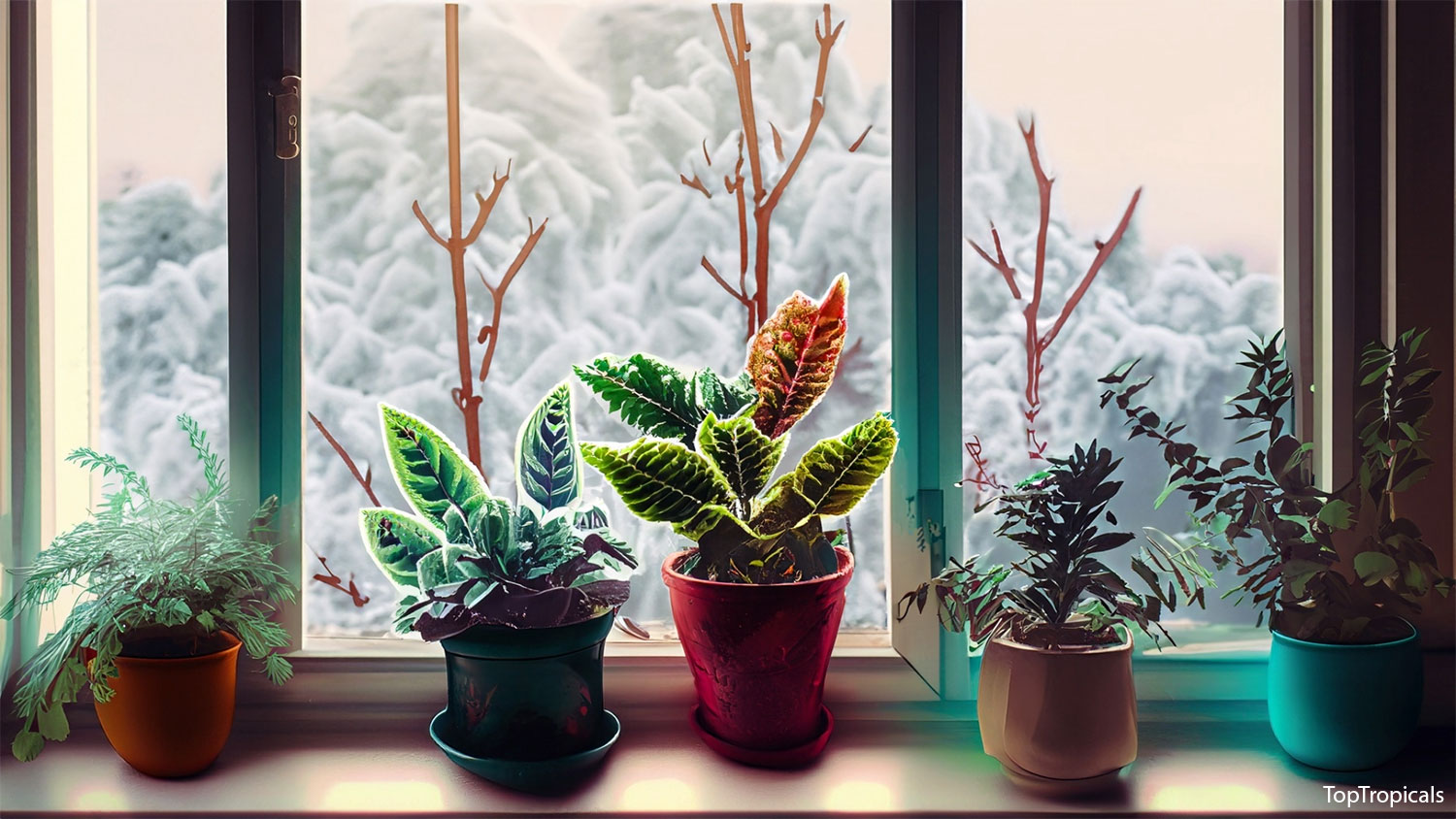
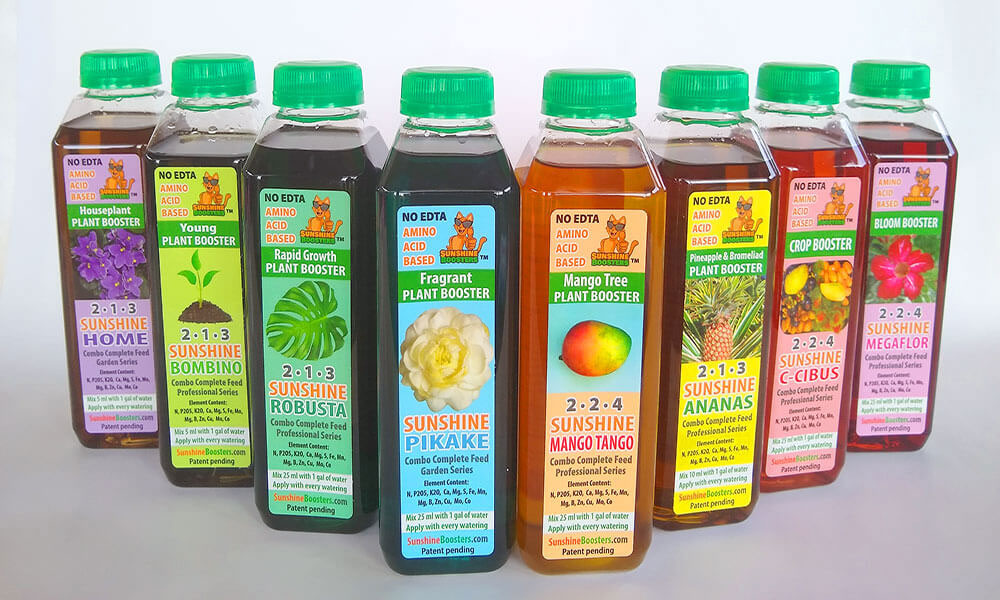
We usually stop using dry slow-release fertilizers from November to March. However, liquid Sunshine Boosters, which are natural plant food, can be used all year. They help your plants survive winter. When it gets colder, we water less, so the fertilizer decreases too. The plants only use what they need. To learn more about how Sunshine Boosters work and why they're safe and helpful, check out this blog: Using Sunshine Booster during Winter.
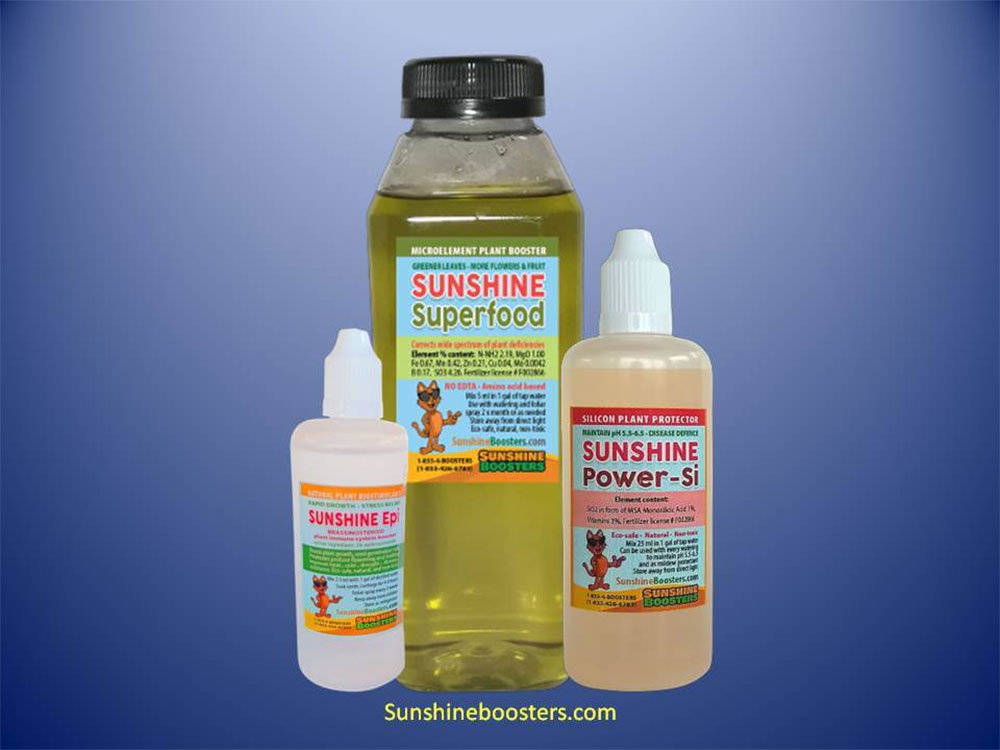
Apart from giving your plants nutrients during winter, you also can improve their ability to handle the cold. Try the Sunshine Boosters supplement kit for tropical plants. Follow the schedule and use three different supplements: SUNSHINE Superfood, SUNSHINE Epi, and SUNSHINE-Power-Si. Read more about treatment with Sunshine boosters supplement kit.

Date: 5 May 2023
⛈
Severe weather:
How to help your plants survive
By Ed Jones, the Booster Guy
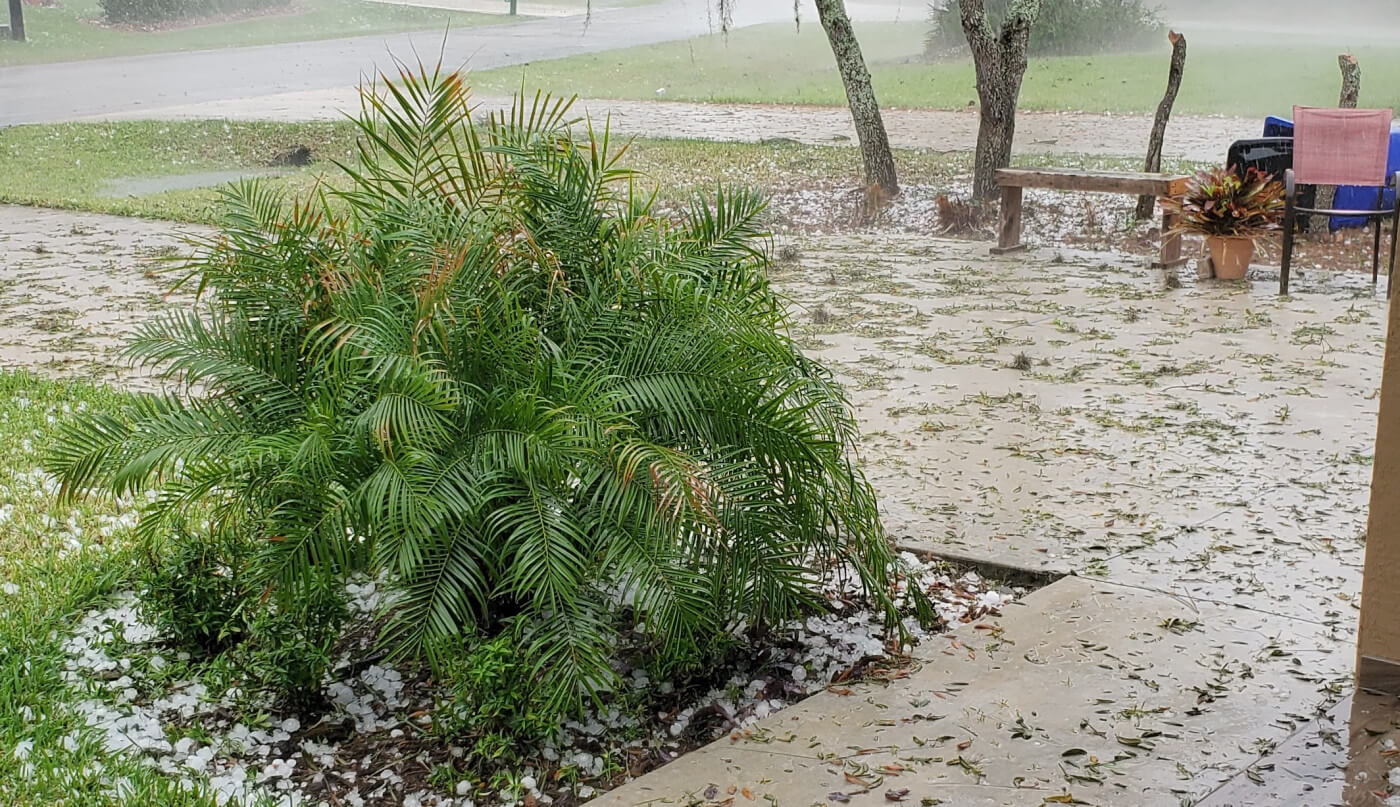
Q: A horrible hailstorm hit last night, damaging the majority of plants and trees on my property (piles of hail left like snow - crazy!). Do you have any advice on how to give plants some extra TLC while they recover? Any tips are appreciated.
A: Spring is here and in some areas of the country, so is severe weather season. So what can you do to give your plants a fighting chance when Mother Nature shows her ugly side? Here in Florida, spring and summer thunderstorms are a normal occurance. Unfortunately, those storms often come with small tornados, high winds and sometimes hail.
The photo below was from a hail storm that came through the north side of Sebring, Florida in April of 2022.
So the question remains. What can we do to help our plants when this type of weather strikes? Well the short answer is that there is not much we can do to prevent it from happening. These storms usually strike pretty quickly and most of us, given some warning, will chose to make sure vehicles are in the garage if possible and that loose items in the yard are brought in to a safe place. If you have time to move potted plants, that would be great, but it is not worth risking your own safety to do so.
The good news is that most plants will recover on their own. Even though they may look ugly for a while, patience is the best cure for most of them. Of course, the healthier the plant, the better chance it will have when it suffers damage due to severe weather. A good fertilizer plan along with regular doses of micronutrients will help your plants to be at their best so that they can recover quickly. And here is what you can do... CONTINUE READING >>
Date: 17 Oct 2024
Why my plant turned yellow? And why plants need Micronutrients? The answer is:
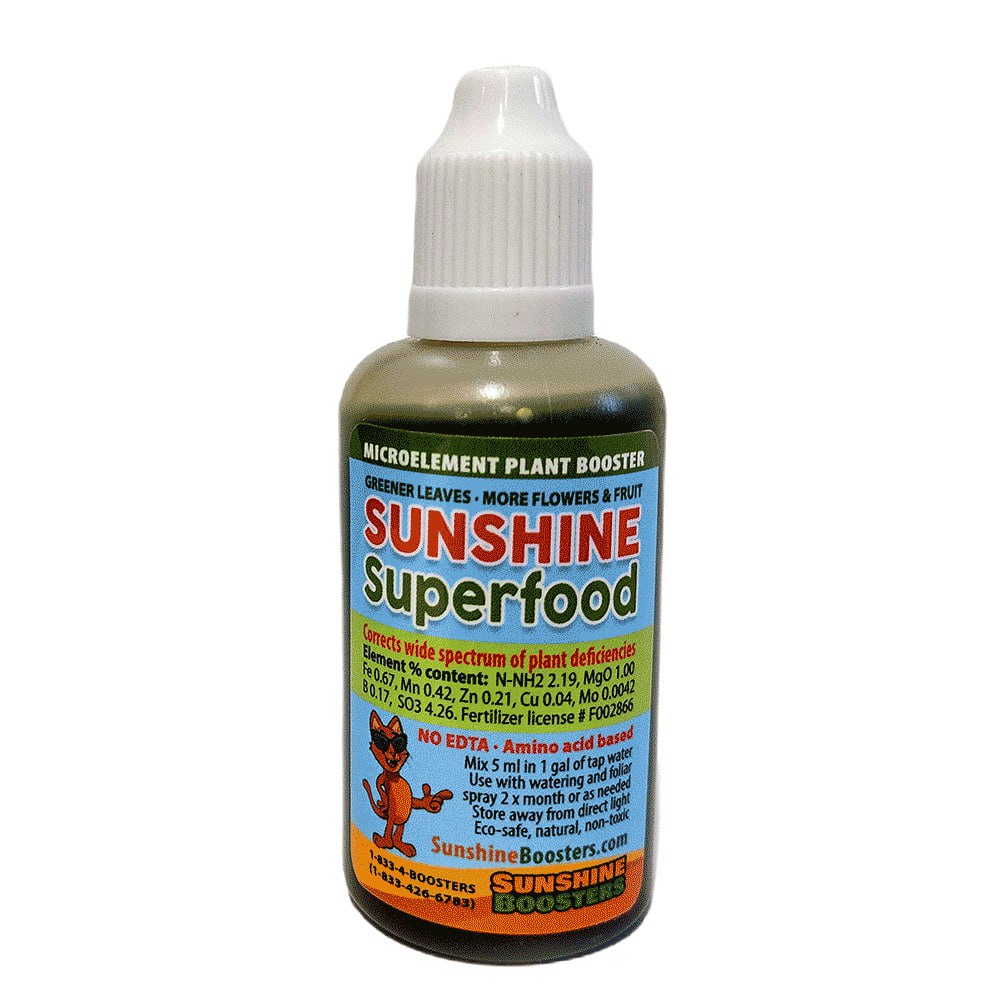
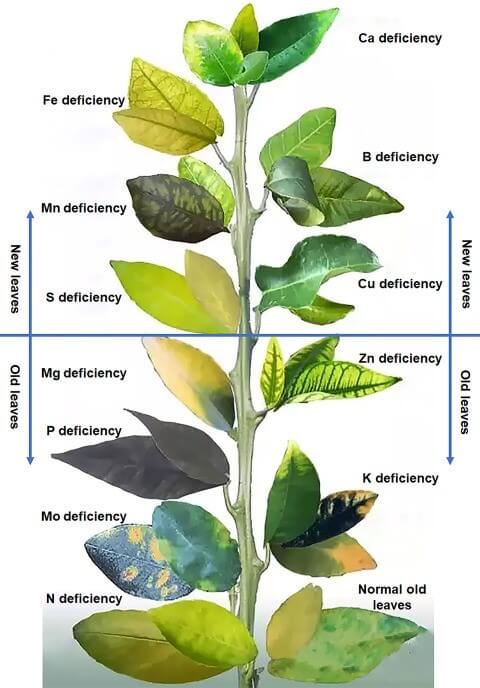
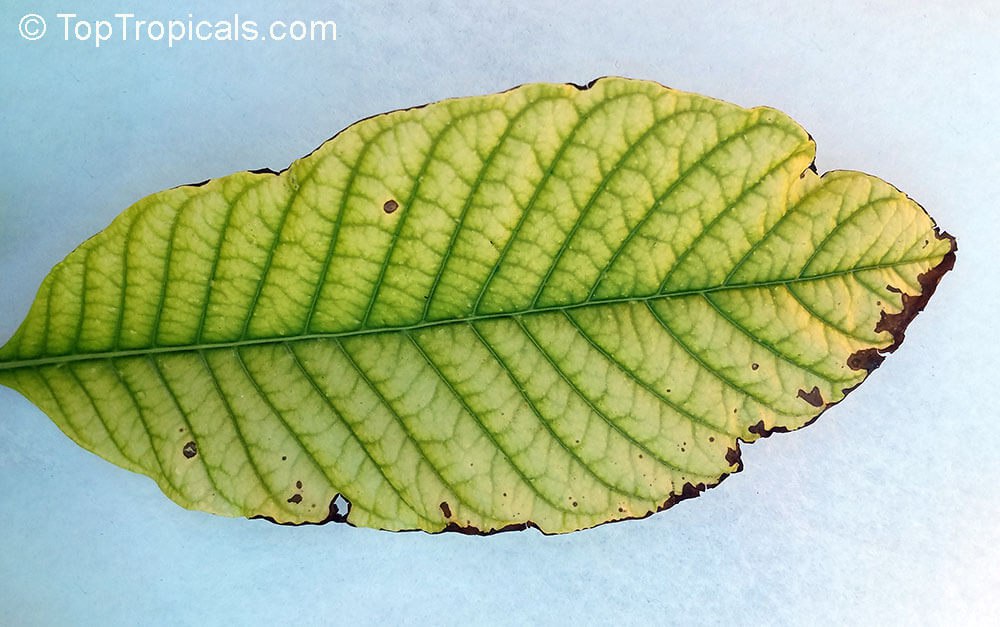
🍴 Why my plant turned yellow? And why plants need Micronutrients? The answer is: they need Superfood!
Nothing is more disappointing than when your plant’s bright green leaves begin to turn yellow. Too often gardeners blame pests for these issues, but at the root of the problem is almost always a nutrient deficiency.
Plants need both macronutrients and micronutrients.
Macronutrients (nitrogen, phosphorus, and potassium) help plants grow big and strong.
Micronutrients (like iron, zinc, copper, and manganese) are just like vitamins, needed in small amounts but are just as important for plant health.
Why are micronutrients important?
📌 They help plants with vital processes like making food (photosynthesis) and building strong roots.- 📌 Without enough micronutrients, plants can look weak, turn yellow, or grow poorly.
Why use Sunshine Superfood for micronutrients?
📌 Effective and fast: plants get the right amount of micronutrients quickly and efficiently.- 📌 Balanced formula: your plants get everything they need in the right proportions.
- 📌 Sunshine Superfood is the ultimate micro-element supplement that can fix all deficiencies.
- 📌 Easy to apply - just mix with water and feed your plants.
- 📌 The quick absorption helps prevent nutrient deficiencies.
👍 Even if your soil is lacking in certain micronutrients, Sunshine Superfood ensures your plants get exactly what they need.
📚 Learn in details:
Micronutrients Delivery Systems
Element Deficiencies in Your Garden
🛒 Shop Sunshine Boosters
#Fertilizers #How_to
🔴 Join 👉 TopTropicals