Date: 30 Dec 2022
Cold protection for tropical plants
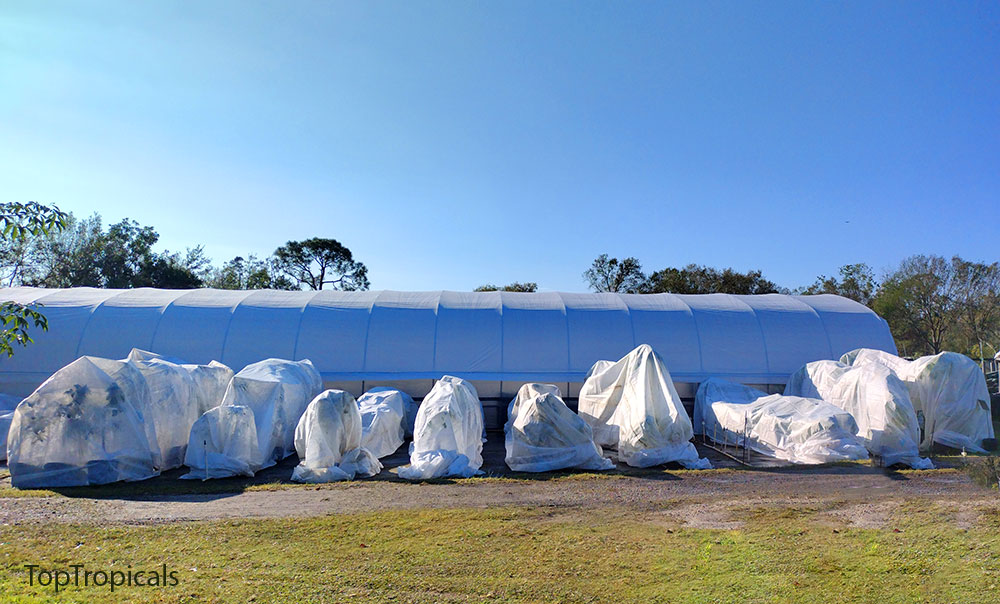
Pushing the limits of tropical gardening
The year is almost over but the winter is not. This Christmas weekend at our Sebring B-farm we had it down to 30F. As a tropical gardener, winter can be challenging, especially if you grow plants outside of tropical zones.
To protect your garden from the cold, consider the following:
1. Monitor freeze watches and be prepared to take action if
necessary.
2. Create temporary structures like mini-greenhouses using PVC pipes,
carport frames, or bamboo sticks to support covers.
3. Use covers such as frost cloth, cardboard boxes, blankets, and bed
sheets.
4. Use Christmas lights and other heating elements, including propane
heaters, to keep plants warm.
5. Add a layer of heavy mulch around plant trunks to protect them from the
cold.
6. Apply plant boosters that improve cold hardiness, such as Sunshine Epi,
Sunshine-Si, and Sunshine Superfood.
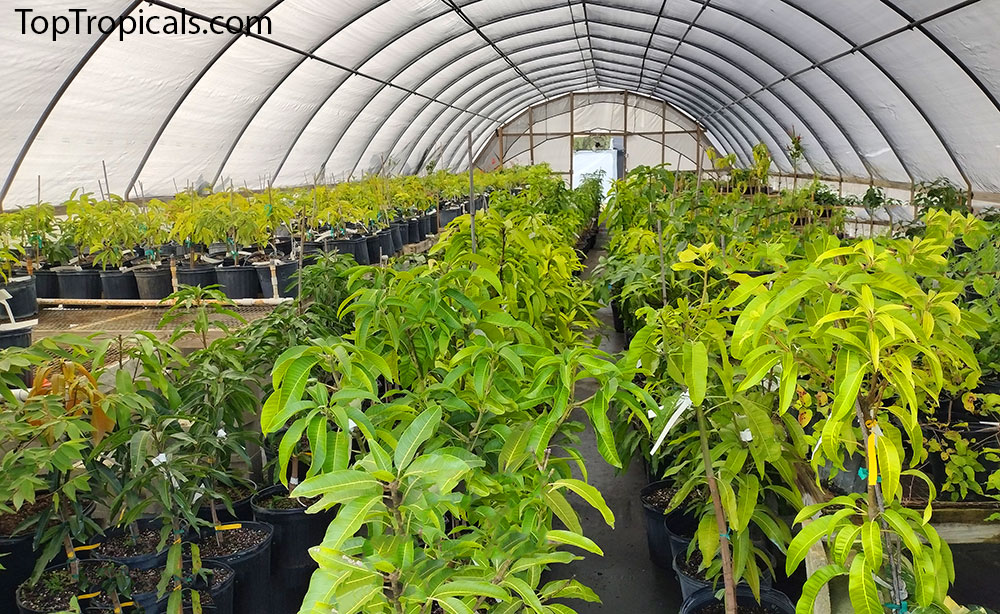
At TopTropicals B-Farm, we sprayed our plants with a special cold hardiness treatment Sunshine-Si and covered and wrapped everything we could. We also moved cold sensitive species inside greenhouses. All of our plants are looking great and happy!
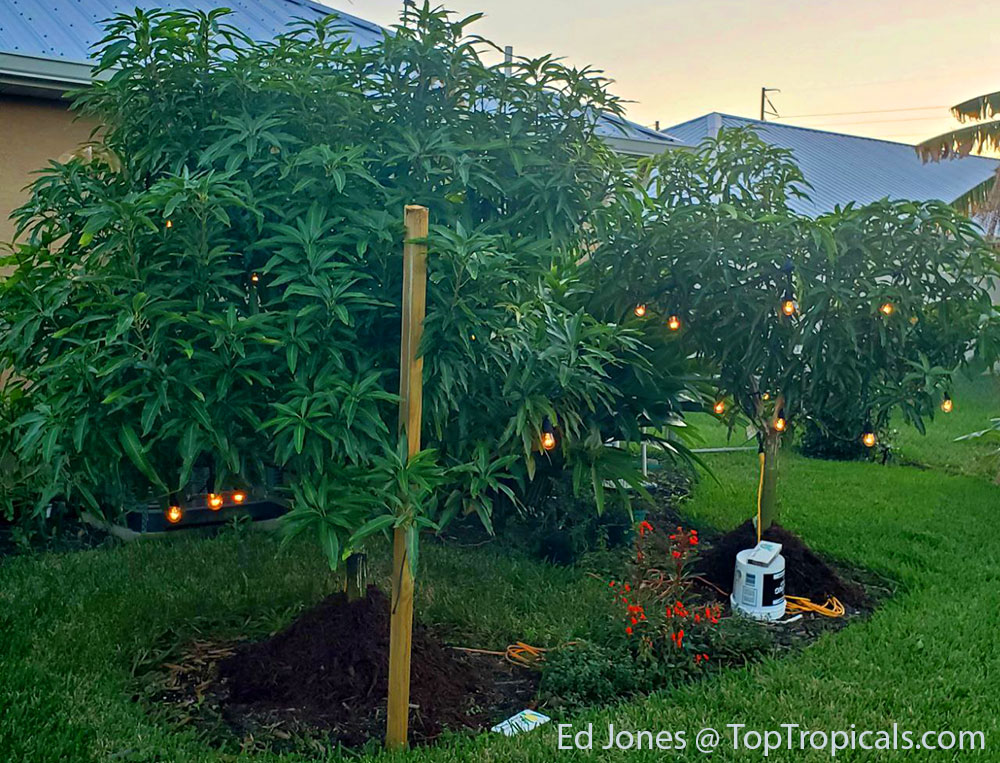
Photo above: Mulching mango trunks and using Christmas lights for cold protection
Read more about this special treatment plan: Cold Hardiness Improvement Kit.
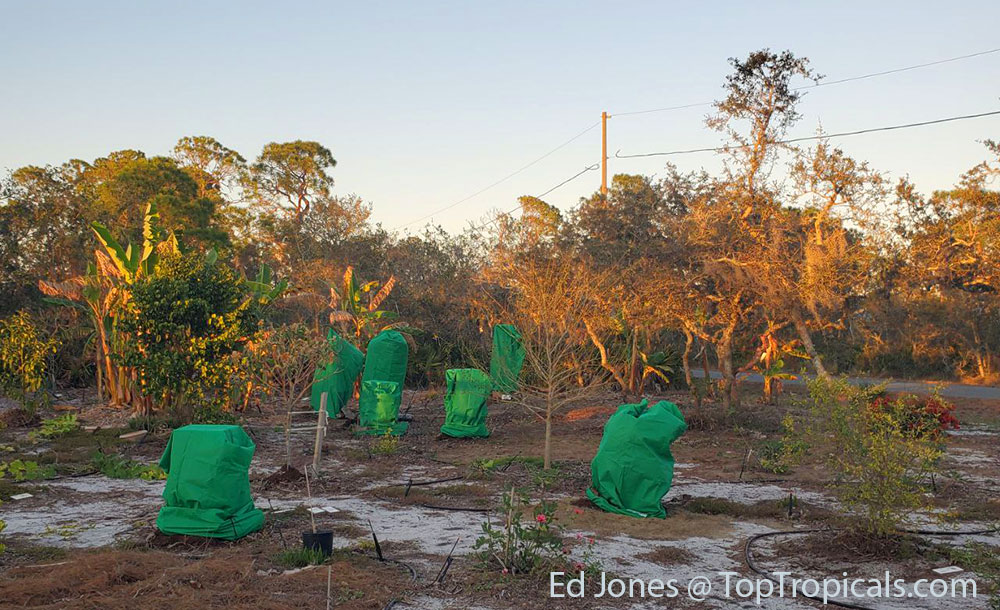
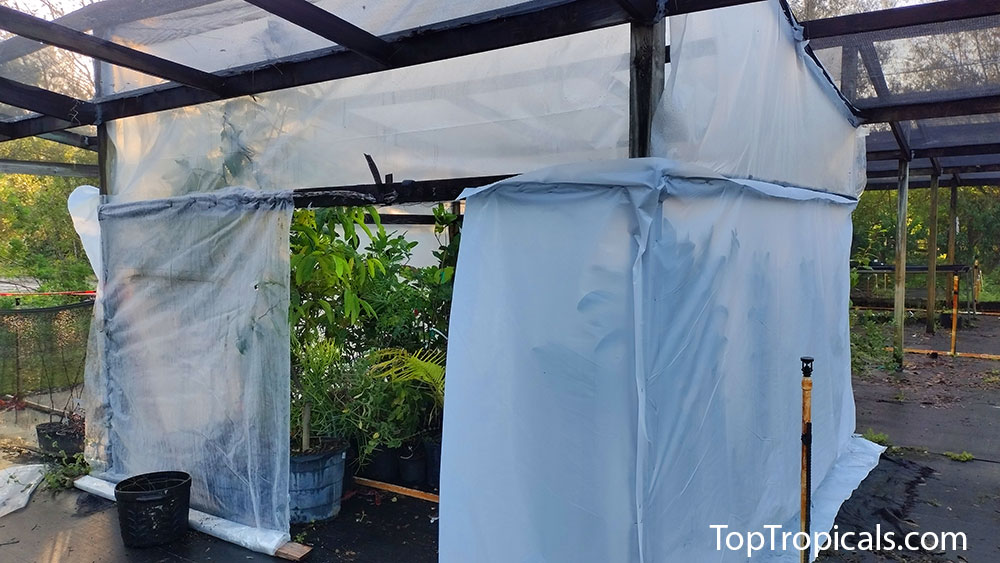
Photo above: Temporary wrapping of a section of a greenhouse with a plastic or frost cloth protects from a windchill. It may also win you a few degrees even without a heater. In this particular case, according to our temp sensors, it was 30F outside, and 41F inside this "dome", no heaters used.
Sunshine Boosters:
Last chance to stock up
at a lower price!
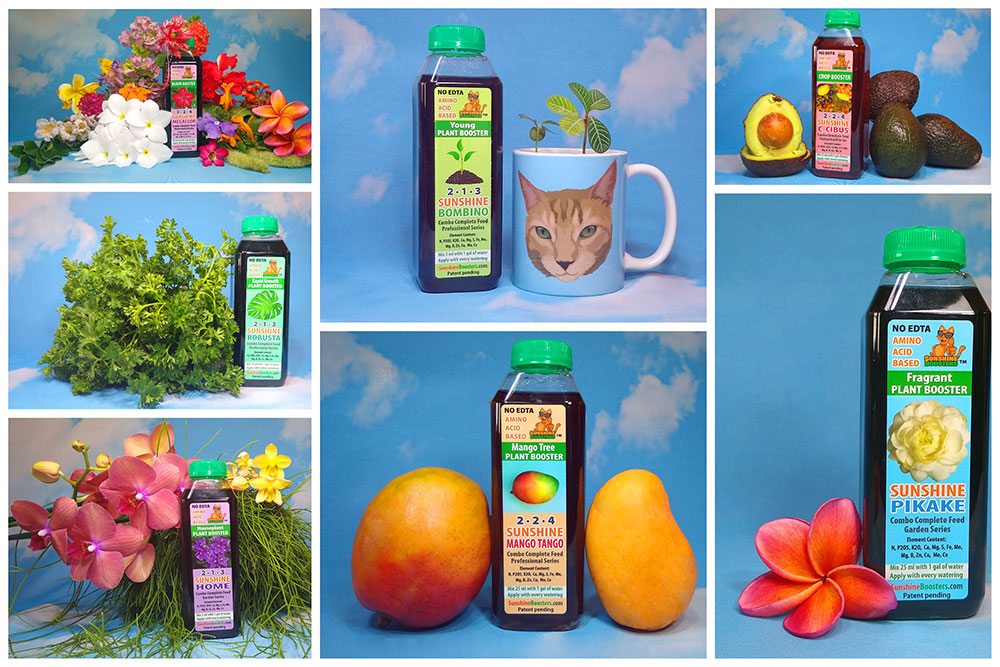
Sunshine Boosters are natural, amino acid-based liquid fertilizers made with only the highest quality ingredients. Starting in 2023, the pricing for Sunshine Boosters will be adjusting to reflect the increasing cost of supplies. This is your last chance to stock up on Sunshine Boosters before the end of the year! Sunshine Boosters are safe to use year around, with every watering.
Don't miss out on this opportunity to get the best value for your money!
Use discount for even better deal:
22FOR22
for 22% off orders $220+
Min order $220. Offer expires 12-31-22
Date: 21 Jun 2019
The Flower of Gold
By Onika Amell, tropical plant specialist
Q: I am concentrating on adding more fragrance to my garden. I've had great success growing gardenias and I have many different varieties, but their flowers are all white, and I would like to add some colors to my garden too. Are there any gardenias available in different colors? I live in Waipio Acres, Hawaii.
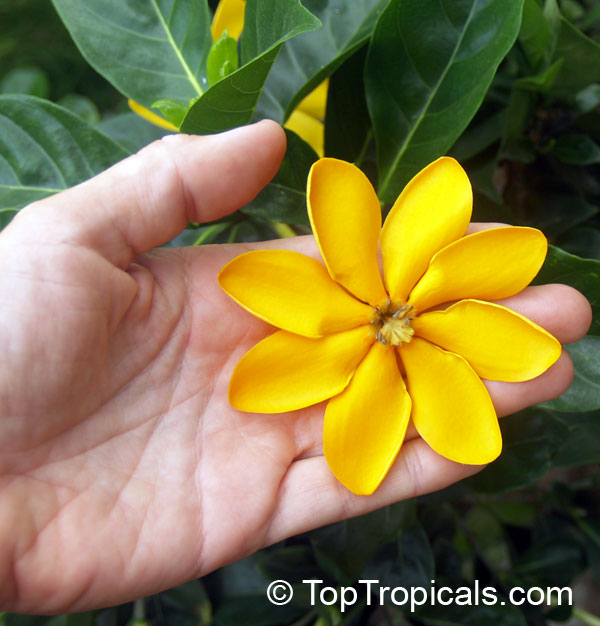
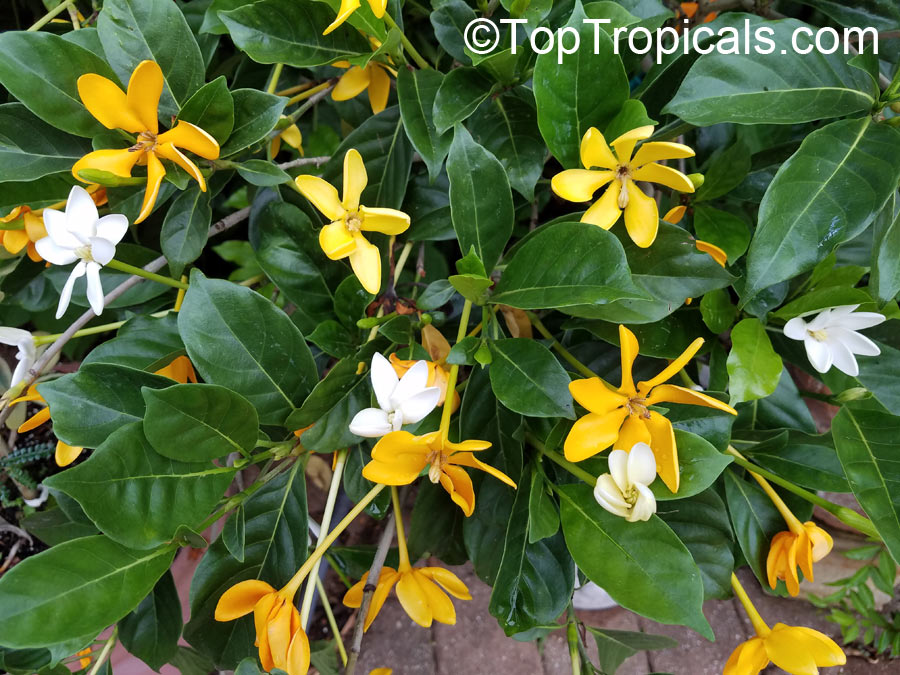
A: Meet the very rare and highly fragrant, tropical Gardenia tubifera Kula or Golden gardenia. Kula flowers change color as
they mature, which is a unique feature! Kula flowers start out as cream,
then change to yellow and finally to a beautiful gold. In addition to the
spectacular flowers, this gardenia also has beautiful, leathery, deep green
foliage.
This is a slow-growing and compact plant. Like all the other members in
the Gardenia family, the Golden gardenia will do best in an acidic,
well-drained, and fertile soil. It will appreciate a good deal of direct sunlight but
will be very happy if provided with midday and afternoon shade. As with with
gardenias, the more sunlight the more flowers.
It will eventually grow into a rounded shrub if left unpruned, but also
can be trained into a small tree, maintainable to a height of under 7-8
feet. Blooms will appear from spring onward. Prune after flowering, this will
encourage more flowers in a few months.
Gardeners living in colder areas, do not fret. Gardenias make perfect
container plants and can be grown indoors in colder climates. Just be sure to
provide high light when bringing them indoors.
The fragrance and changing colors of a Gardenia Kula is unforgettable.
They are most fragrant near sunset and during early evening hours. Plant them
near walks and patios where their lovely fragrance can be enjoyed.
This
rare tropical Gardenia is sure to be a conversation piece in any garden.
Great collector's plant!
Recommended fertilizers:
Pink N Good Daily Plant Food - Flower Booster
Tropical Allure - Smart-Release Booster
Limited time special offer:
Instant $5 OFF Golden Gardenia!

Date: 14 May 2019
How to get gingers to bloom
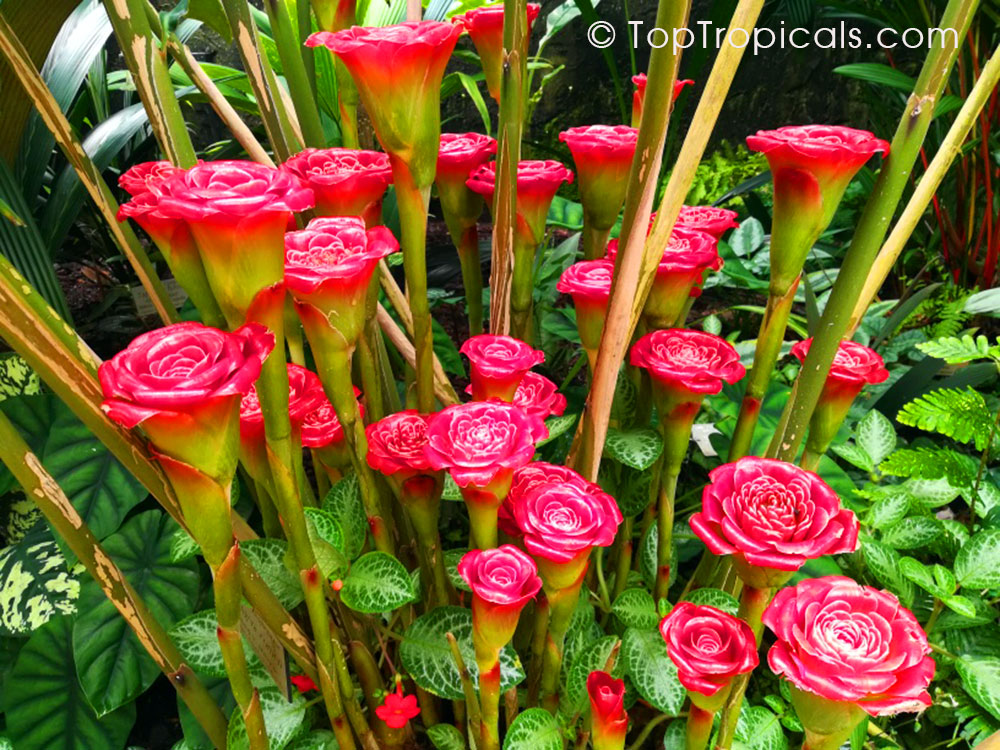
Q: I have several gingers in my yard, including Red Torch, Lobster Claw, and Red Bamboo Ginger, they grow beautifully but only produce large dark green leaves and no flowers. Is there anything I can do to make them bloom? Do they need any special fertilizer?
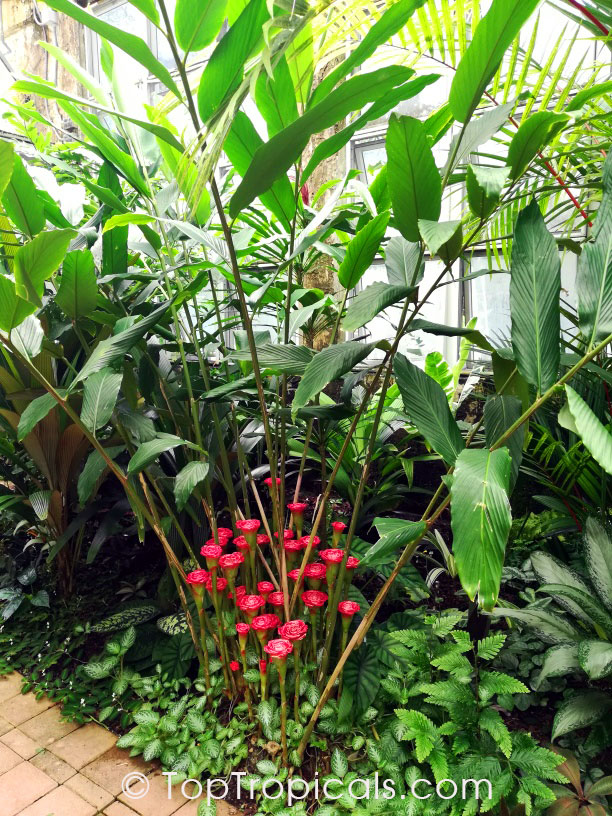
A: Gingers are easy to grow tropical plants with so many benefits, giving us unique spice, and showy flowers (including long-lasting cut flowers!) - where other plants fail, especially in deep shade. They are not fussy about soils and even water once established. To keep your gingers happy, follow these simple steps:
1. Bright light is essential for flowering, but planting gingers in
semi-shade or filtered light will keep them stress-free from burning summer rays.
2. Water gingers regularly until they established and start producing
new leaves and stems. Once they start clumping, you may reduce watering to a
minimum 9once a week or so), or rely on your sprinkler system.
3. Once the plant is established, start using fertilizer to induce
flowering and healthy growth.
- We recommend granulated "smart release" fertilizer for all tropical
plants. For gingers, the best formula is Tropical Allure. It provides all macro- and microelements essential for
the healthy growth of the plant.
- Apply balanced water-soluble plant food for Gingers, Heliconias and
Bananas -
Broad Leaf Plus - once a month.
- Additionally, you may also add to the menu flower booster Pink N Good Daly Plant Food - this fertilizer is used in very low
concentration and can be used with every watering.
4. Remove old dry and yellowing leaves with sharp cutters to avoid pest
problems and keep good air circulation around these clumping plants.
5. Keep soil covered with 1"mulch to protect from weeds and maintain
the optimal amount of moisture for the rhizomes.
Check out our specialized fertilizers for different plants - for all your gardening needs!
Date: 23 Apr 2019
Fruit tree size and production
Q: I am interested in a Strawberry Tree... does this tree produce fruit while still small or do I have to wait until it is large before it produces? Should I fertilize it so it produces sooner? I ask because my garden is not large and I prefer to keep my fruit growing trees in a smaller size. Also, how big is the fruit and does it have a seed?
A: Strawberry Tree, Muntingia Calabura, is one of those fascinating fruit trees that starts
flowering and fruiting in small size. We have plants growing in 1 gal
containers that already have flowers. This tree is nearly year-round producer
providing warm conditions. It is a fast grower, although a compact tree when
mature, and can be trimmed to desirable size without affecting production.
Muntingia fruit is one of our favorites. It is super sweet and juicy,
and the seeds are tiny small, not bigger than the strawberry seeds, so you
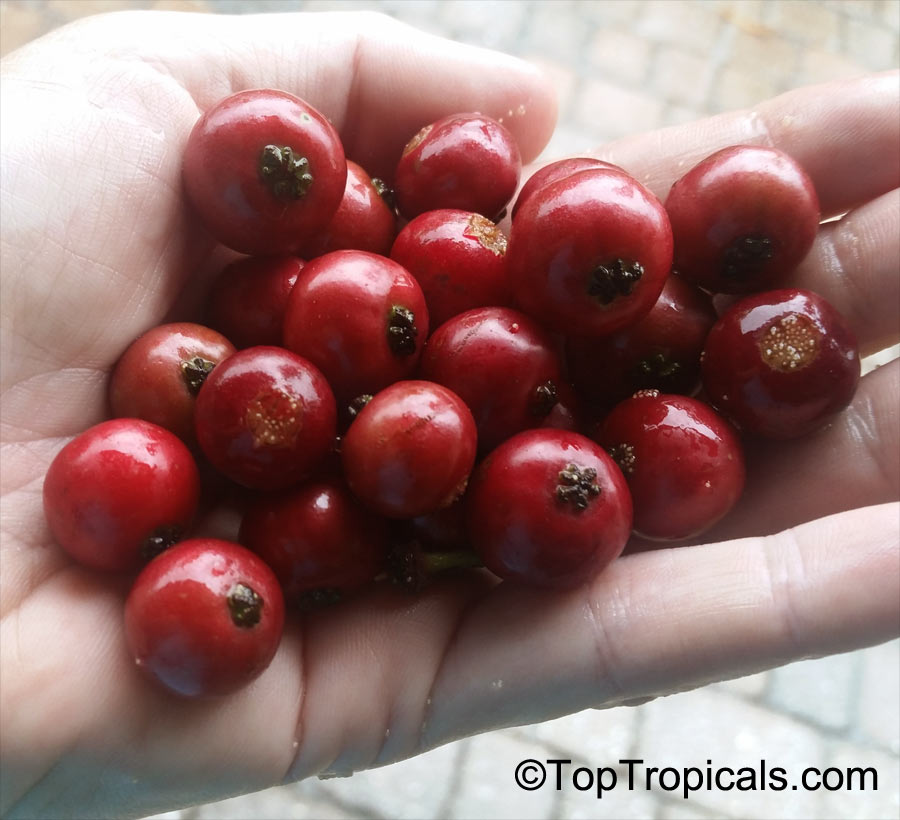
don't have to spit them out. The fruit size normally about 1/2 inch, but we have
a tree in our garden that produces almost cherry-size fruit! See picture
above. The secret is, good watering and using fruit booster - SUNSHINE honey micro-element supplement. We also fertilize our fruit
trees using Fruit Festival and Mango-Food fertilizers.
Date: 17 Apr 2024
How to make a Mango tree fruit?
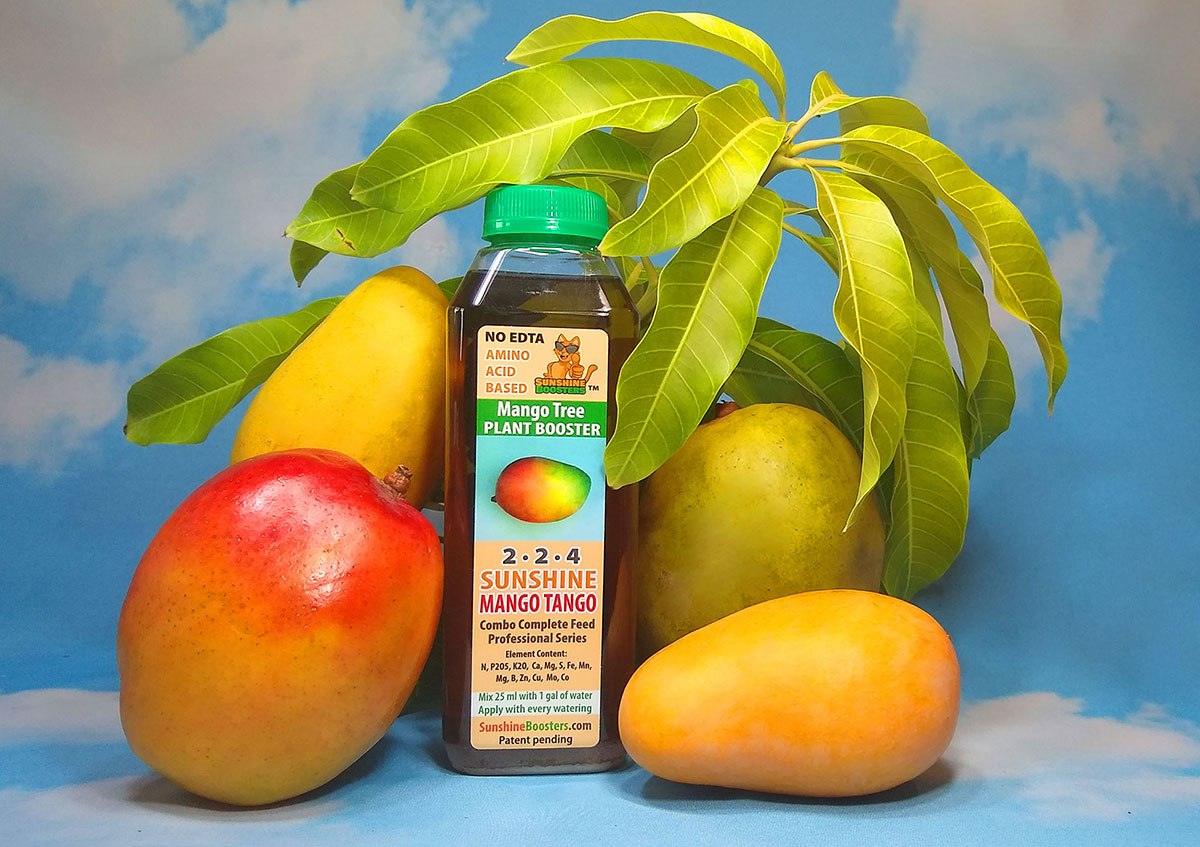
🥭 How to make a Mango tree fruit?
We use SUNSHINE Mango Tango - Mango Tree Booster, for healthy mango trees and profuse fruit production.
📚 Learn how to make a Mango tree fruit
#Food_Forest #How_to #Fertilizers
TopTropicals.com