Garden Blog - Top Tropicals

Date: 2 May 2026

What makes Sunshine Boosters different
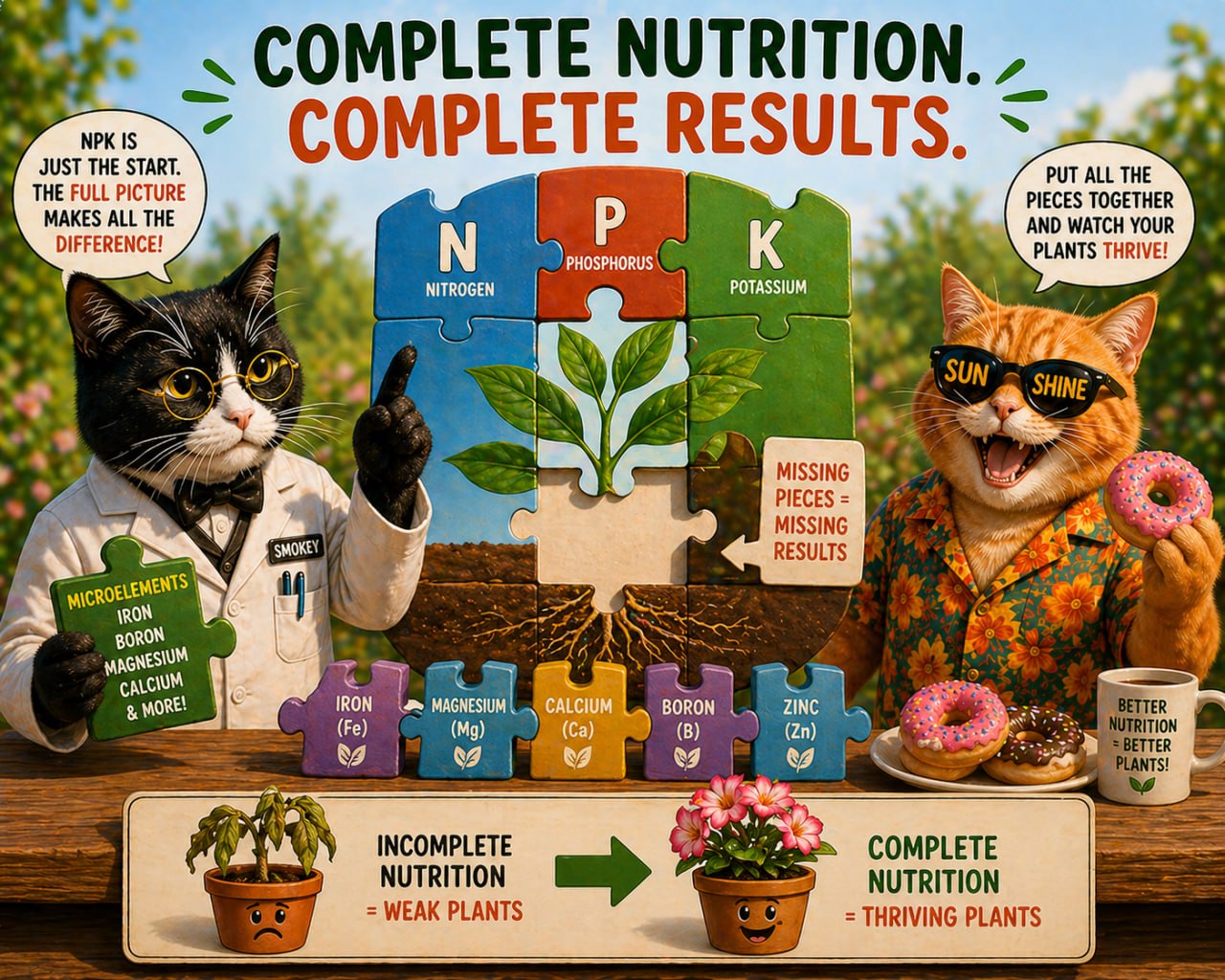
What makes Sunshine Boosters different

What makes Sunshine Boosters different


If your plants look stressed, slow, or inconsistent, the issue might not be your care - it might be how you’re feeding them. Most fertilizers are harder to use than they should be. Once you understand why, everything starts to make sense.

  • ☘️ Why fertilizers are so confusing?


If you’ve ever stood in front of a shelf full of fertilizers thinking "what do I even pick?" - you’re not alone.
Most feeding programs are a mess. Different brands, different formulas, different schedules. One for growth, one for bloom, one for micros, one more "just in case".
And somehow it still feels like guesswork.
Easy to overfeed. Easy to underfeed. Easy to waste money.
That’s exactly the problem Sunshine Boosters were built to solve.
The formulas are balanced and mild, so you can use them regularly without stressing about mistakes.
Now here’s where it gets interesting.

  • ☘️ The problem with traditional fertilizers


Most traditional fertilizers weren’t made for how we actually grow plants today. Dry fertilizers are built for large field use. They often carry excess salts and don’t work well in containers or soilless mixes. Many don’t even include enough trace elements.
And over time, they can build up in the soil.
Sunshine Boosters works differently.

  • ☘️ Why liquid feeding wins


First - it’s liquid.
Plants don’t eat nutrients, they drink them. Liquid feeding means nutrients are available right away. Every watering becomes feeding. No waiting, no uneven supply.

  • ☘️ Amino-acid chelation - the real difference


Second - the way nutrients are delivered is completely different.
Most fertilizers use synthetic chelators like EDTA. They keep nutrients stable, but plants have to spend energy to use them.
Sunshine Boosters use amino-acid chelation instead.
That means nutrients come in a form plants already recognize and use naturally. Less effort for the plant, more energy for growth, flowers, and fruit.
And there’s no salt buildup over time.

  • ☘️ Low salt index - better water uptake


Speaking of salts - this is a big one.
High salt levels in fertilizers actually make it harder for plants to absorb water. That’s why plants can look stressed even when the soil is wet.
Sunshine Boosters has a low salt index.
Less resistance, better water flow into the roots, better hydration, stronger plants.

  • ☘️ Faster growth without the risk


Put it all together and you get faster growth, stronger structure, more flowers and fruit - without the usual risk of burning or overdoing it.
Because the nutrient levels are balanced and not overly concentrated, they do not affect the natural taste of fruits and edibles.
The products are also safe for regular use and friendly to pollinating insects, which is important for fruit production.

☘️ Feeding made simple


And the best part?
It’s simple.
Mix Sunshine Boosters with water. Use it when you water. That’s it.

  • 👉 Stay with us - next we’ll break down how different formulas match different plant needs, so you can get even better results. 👉 More...


🛒
Get your plants real food

📚
Learn more:
📱 What are Sunshine Boosters

#Discover #Fertilizers #How_to
🟢 Join 👉 TopTropicals

Date: 15 Sep 2024

10 common mistakes to avoid with mail order plants

10 common mistakes to avoid with mail order plants

⚠️ 10 common mistakes to avoid with mail order plants


⁉️ Q: How to get happy and healthy plants from mail order? Will they survive the trip and grow well after transportation? What mistakes should I avoid?

A: At Top Tropicals, we have over 20 years of experience shipping plants. We know how to pack them properly and ensure the safest journey possible. We ship the biggest and healthiest plants, and our customers are often amazed at how great they look after a few days in a dark box. But receiving a healthy plant is only half the adventure. Now that the plant is in your hands, it's up to you to keep it thriving. The first couple of weeks after shipping are critical. With the right care, your new plant can reward you with beautiful flowers and fruit for years to come. Here are 10 common mistakes to avoid when buying plants by mail order.

  • ⏺1. Not unpacking plants immediately
  • Leaving plants in the box too long can cause stress or damage. Unpack them as soon as they arrive to let them breathe and adjust.

  • ⏺2. Ignoring acclimation
  • Plants need time to adjust to their new environment. Don't place them in full sun or extreme conditions (heat, wind) right away.

  • ⏺3. Overwatering right after arrival
  • Many people water their new plants too much. Plants often need time to recover from transit, and too much water can cause root rot.

  • ⏺4. Stepping up too soon
  • Repotting immediately in a large pot can cause root rot. Plant in a pot just the size of a root ball, step up only after the plant is showing new growth.

  • ⏺5. Ignoring the plant's needs
Research the specific needs of your plant before it arrives. Light, water, and soil requirements vary greatly, and misunderstanding them can lead to issues.

⬇️ Continued in next post 👇

#How_to

🔴 Join 👉 TopTropicals

Date: 18 Aug 2023

Does Size Matter?

TopTropicals plants vs other mail order plants

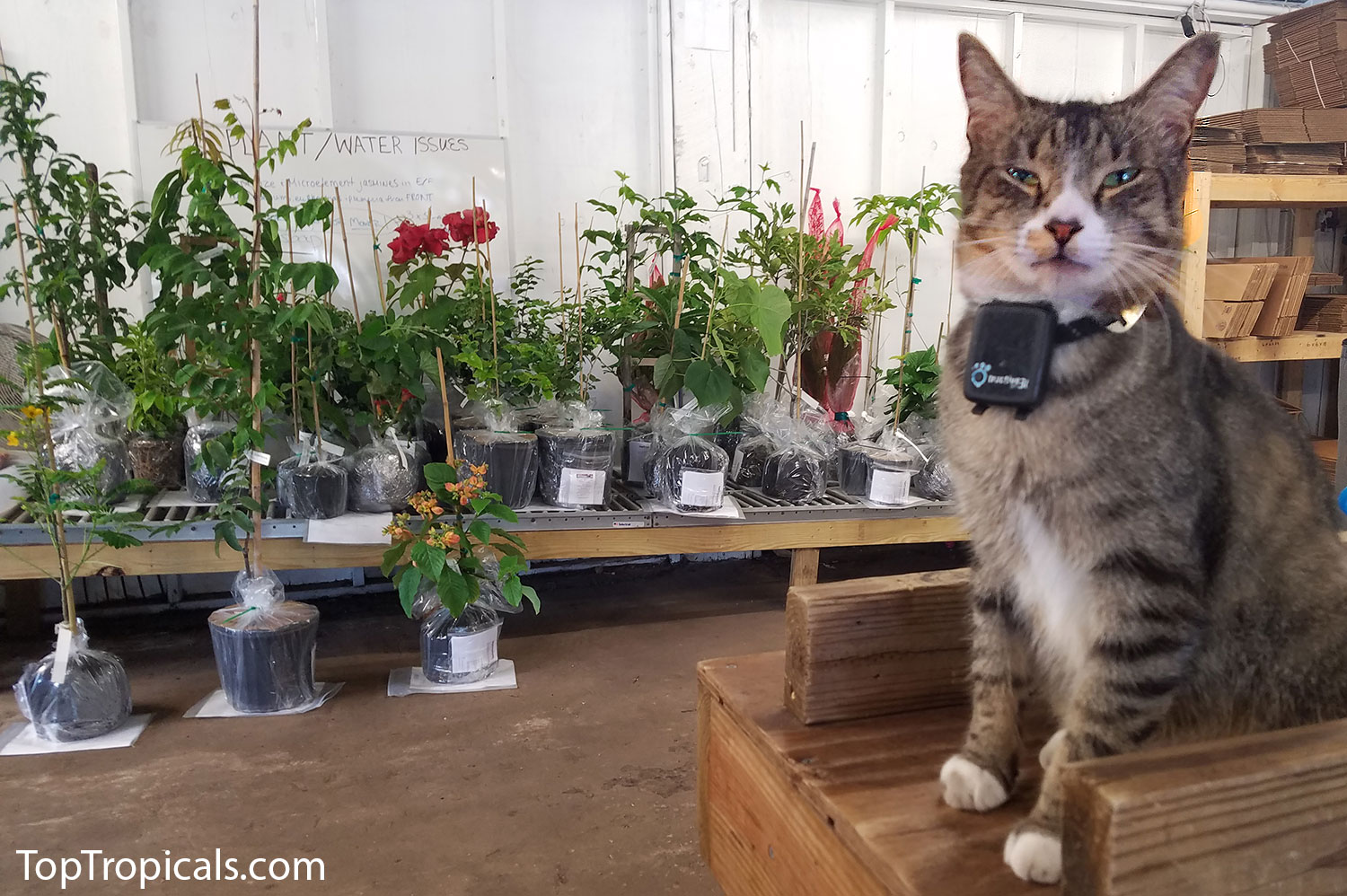
Cat  shipping  plants

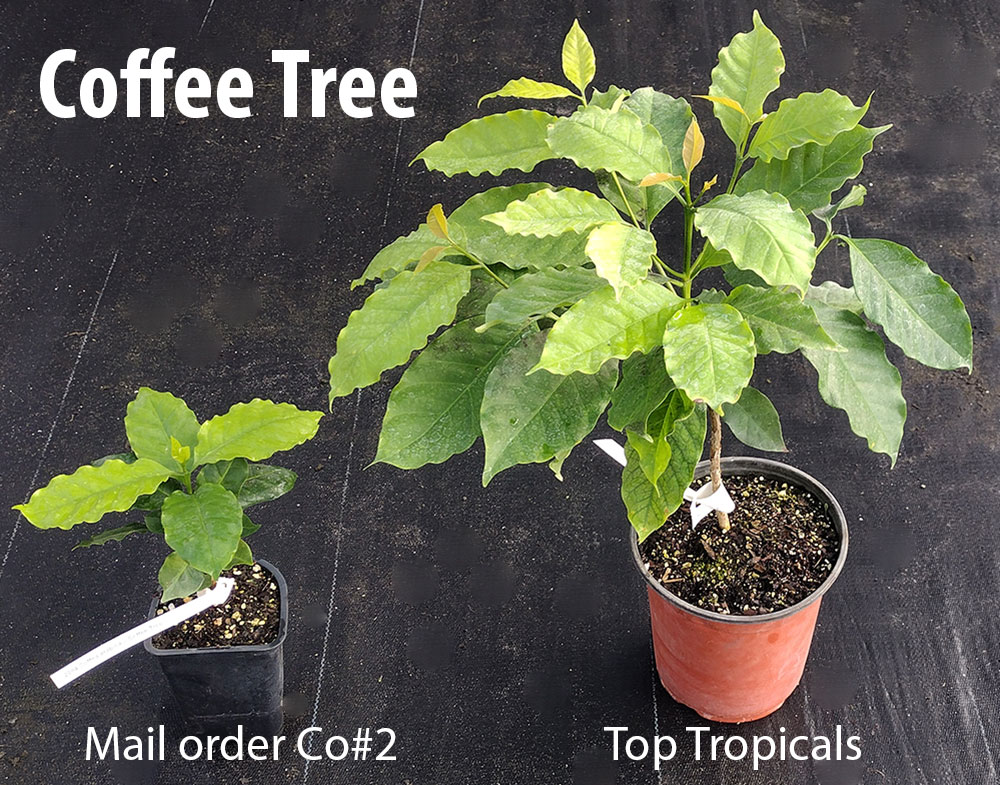
Q: I purchased various plants via mail order (including a Coffee tree and some flowering vines) from companies *** and ***, but they did not survive, possibly due to their small size and the stress of shipping. Could you provide information about the size of your plants, their resilience to shipping stress and the time required for establishment?

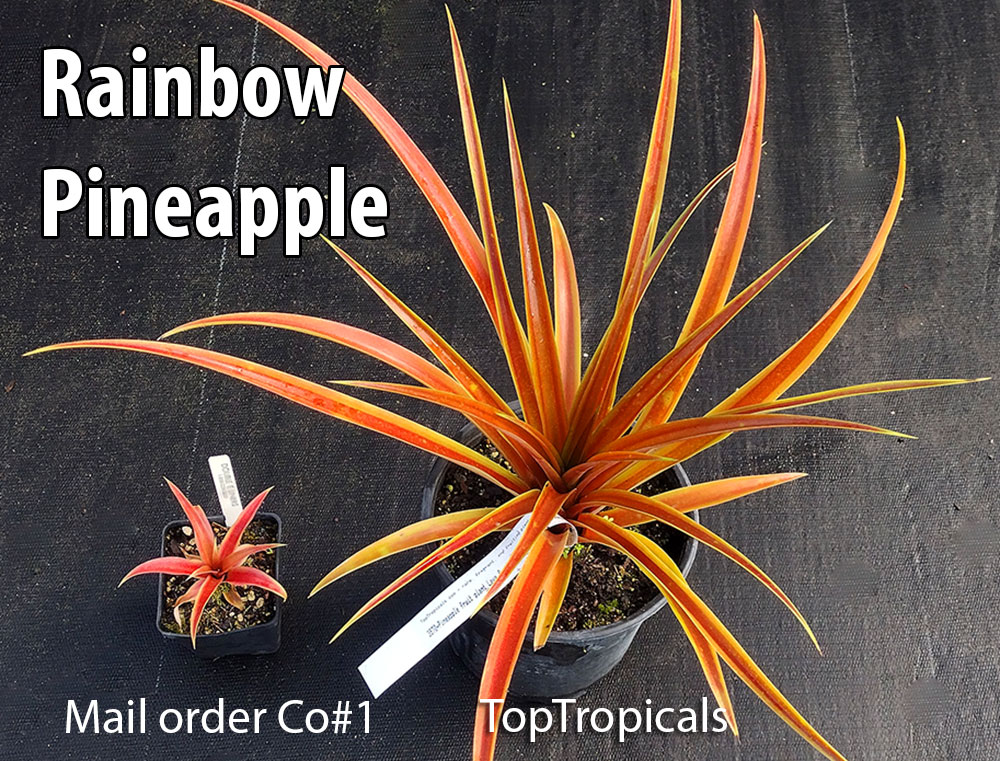
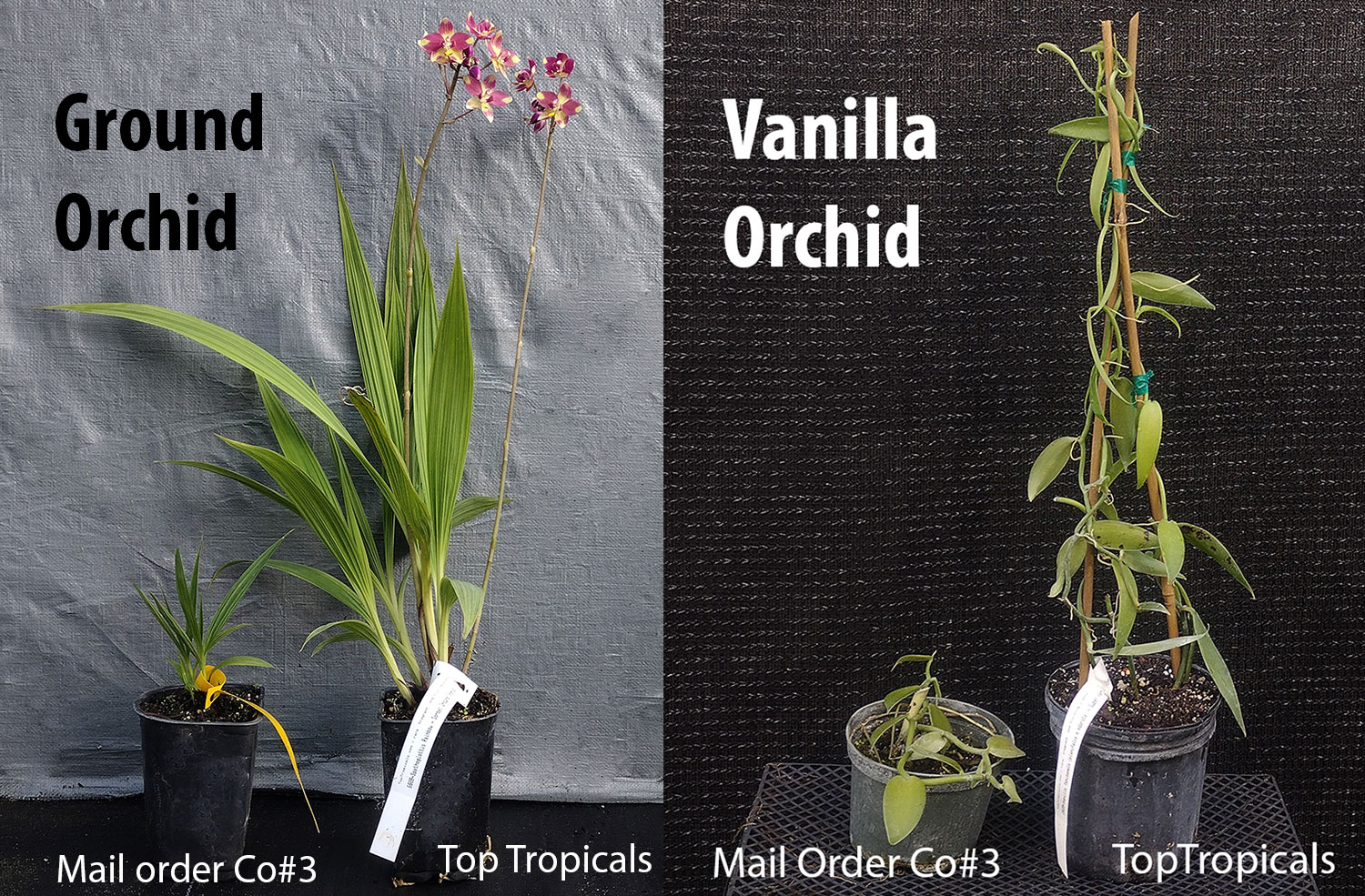
A: Plants, as living beings, may experience stress during a few days of travel in a dark box. However, the critical factor influencing their survival is the plant's size. Most of our plants are grown in pots ranging from 1 to 3 gallons, have established root systems and developed branches. Some even feature flowers and fruit, although these may drop during transit. We've included images comparing our 1 gallon size plants with those from other mail-order firms we previously obtained for our own collection.

Understanding that post-shipping plant establishment is a gradual process is crucial. Yet, most plants handle shipping well and commence new growth within days to a couple of weeks post-arrival. Here are some success pointers:

1) Opt for a container matching the root ball size, avoiding excessive sizing until growth initiates.
2) Begin in a shaded area, progressively transitioning to brighter spots.
3) Apply Sunsine Epi spray to lessen stress and enhance vitality. 4) Initiate fertilization once the plant displays fresh growth.

For more information on how to establish mail order plants, simply download our Plant Care Guide.

Side-to-side  pineapple  plant  from  Top  Tropicals

Side-to-side  coffee  tree  from  Top  Tropicals

Side-to-side  orchids  from  Top  Tropicals

Date: 19 Jan 2023

Plants and Cats... do they mix well?

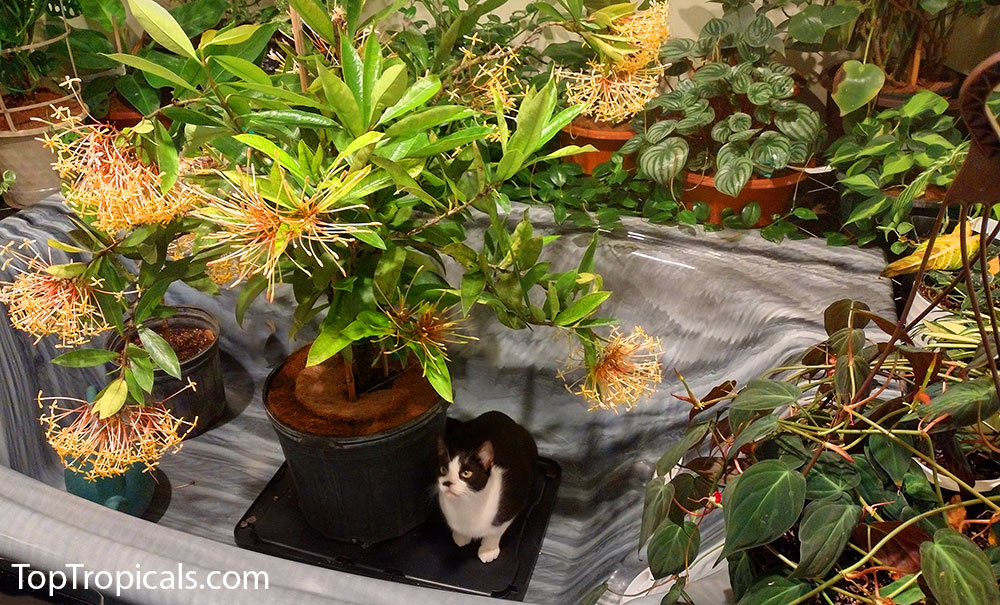
Cat  with  houseplant  collection  in  a  tub

How to keep cats and plants together without going crazy

Growing indoor plants is a great hobby because it provides a sense of accomplishment and allows you to have a piece of nature inside your home. Many people know that indoor plants improve air quality and have a calming and stress-relieving effect...
Having cats in the house is also fun: they provide companionship and can be very affectionate. Just like plants, they also have a calming effect on people and can be very entertaining to watch. Taking care of a cat can provide a sense of responsibility and can be very rewarding...
When it comes to keeping both of these rewarding hobbies in the same house, the question is: are they compatible? Cats may be attracted to houseplants because they like to chew on leaves or dig in the soil... others pull the vines or even swing in hanging baskets!

To keep cats and houseplants in the same house follow these tips:
1. Grow a potted "cat grass" so a cat has some greens to chew
2. Provide alternatives such as chew toys
3. Train your cat... yes, sometimes it takes a spray bottle to teach staying away from a plant!
4. Create barriers/screens
5. Consider keeping plants in hanging baskets out of reach.
This will help keep your cats and plants happy and healthy together! As a purrfect start - order rare indoor plants online...

Cat  James  Coconuts  working  with 
 screws

In the photo: James Coconuts is planning his handyman project

Date: 11 Oct 2022

Fertilizing in Fall:
Plants need food too!

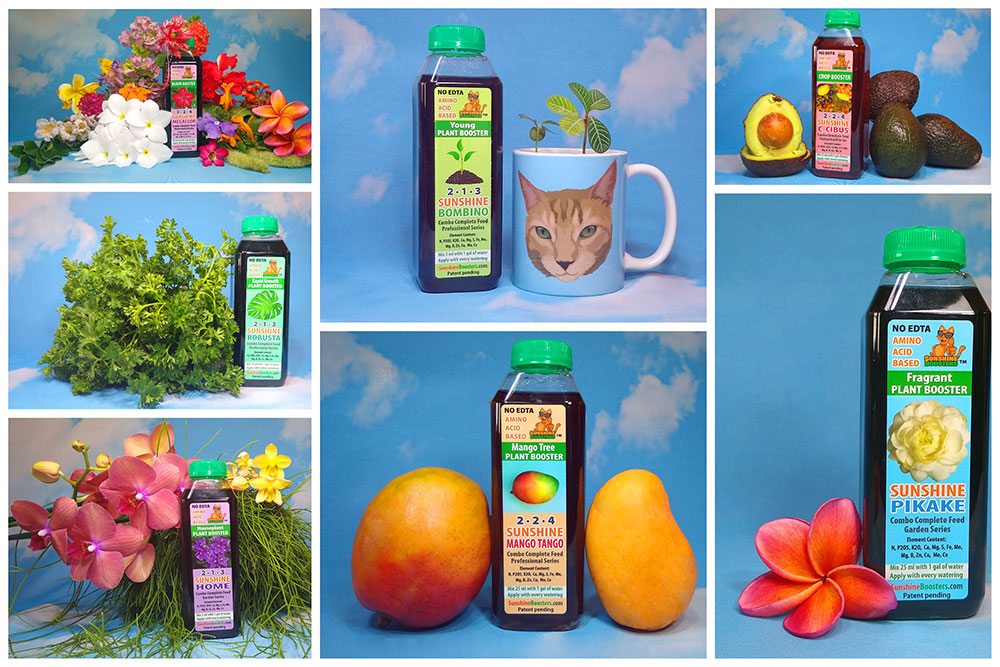
Sunshine  boosters  products  collage

Q: I know that I am not supposed to fertilize plants in winter. But I just bought several ground orchids from you, they are blooming now and I wonder if I can give them some food to support their bloom energy? When should I do the last application of fertilizer? I will keep them in a sun room during Winter until Spring.

A: Traditionally, end of October to November is the time when we give the last dose of fertilizer to our tropical plants. Liquid fertilizers, and especially amino-acid based Sunshine Boosters, are safe to apply year around. This means, you can continue feeding your plants with Sunshine Boosters through the Winter without risk of over-feeding or burning roots. Why?
The answer is very simple: even with their metabolism slowed down in Winter, plants will use all that food.
Sunshine Boosters have special mild formulas that are scientifically designed and based on Amino Acids. Plants will use all essential elements from the solution as needed.
Liquid fertilizer is diluted in water, and will be applied only when you water the plant. During Winter, water needs are lowered = watering times are less frequent, with less amount of water = the plants will get less water and less fertilizer accordingly.

Importance of micro elements
in combination with plant food during winter

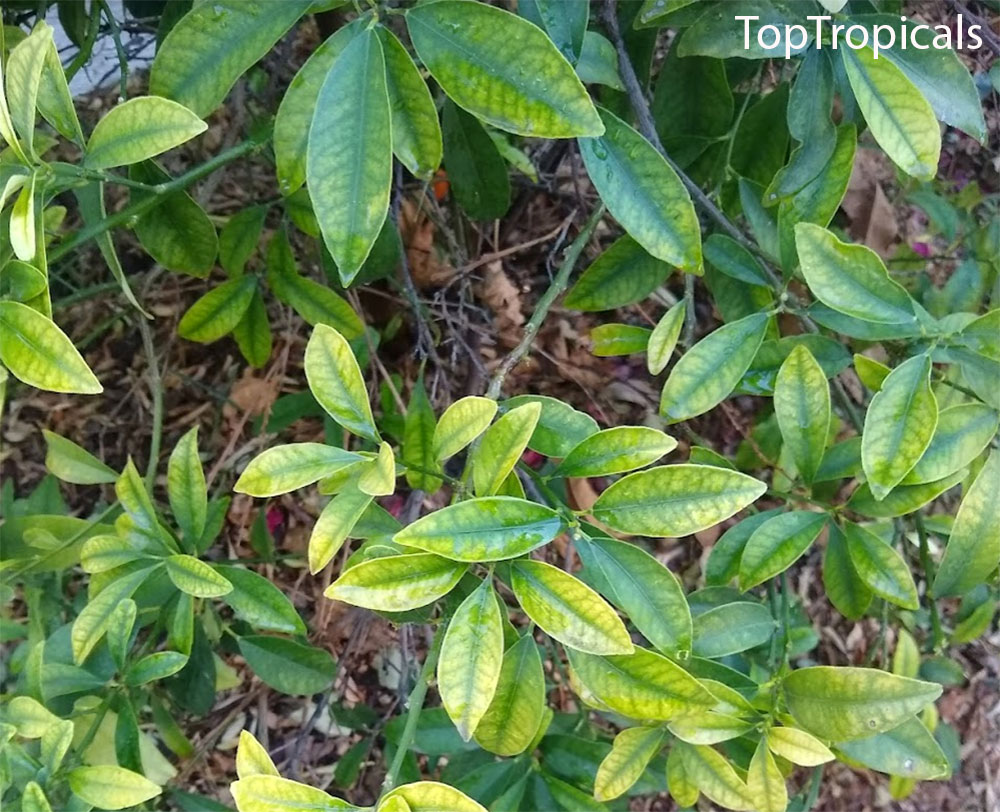
winter  chlorosis  on  Kumquat  leaves

In the photo: winter chlorosis on Kumquat leaves that is very hard to treat and should be prevented instead

Keep in mind that feeding your plants regularly during Winter will help to avoid "winter chlorosis" and other deficiency problems. So called "cool-temperature-induced chlorosis" (CTIC) is especially common in Spring on young, actively growing leaves. Unless chlorosis is prevented by micro-element applications, affected leaves may remain in this condition for the rest of the growing season.

Make sure to select proper type of fertilizer for your over-wintering plants. We have special formulas for foliage, flowering plants, fruit trees, young seedlings, even for for orchids and bromeliads. Check out our selection!

Cats  looking  for  food  in  grocery  bags