Garden Blog - Top Tropicals

Date: 10 Oct 2025

Why this Elephant Ear is breaking the internet: the hottest houseplant of the year

Alocasia macrorrhiza Variegata - Variegated Elephant Ears

Why this Elephant Ear is breaking the internet: the hottest houseplant of the year


🍀 This is Alocasia macrorrhiza Variegata - Variegated Elephant Ears - the tropical showstopper that collectors can’t stop talking about.

🍀 One look at those giant leaves splashed with creamy white and deep green, and you'll see why it's always sold out. Every leaf is different - some half white, some marbled like abstract art. Some leaves can be completely white!

🍀 Unlike most elephant ears, this one stays a bit more compact, which makes it perfect for a big decorative pot on a patio or shady corner. It still has that bold, jungle look but behaves better in containers.

🍀 Give it bright, filtered light, warmth, and humidity. Keep the soil moist but never soggy. The white parts of the leaves can burn easily, so skip harsh direct sun.

🍀 Here's a tip: if you see a solid green shoot, cut it off - it can take over and make the plant lose its variegation. That’s because this plant’s variegation is a chimera, meaning it can shift from leaf to leaf.

🍀 Feed it lightly during the growing season. The white parts can’t make food for the plant, so it relies on the green sections to do all the work. A little boost with Sunshine Robusta or Green Magic controlled release fertilizer help it stay balanced without overloading the roots.

🍀 This plant’s got everything: beauty, rarity, and a bit of mystery. No wonder it’s the one everyone wants to show off!

🛒 Get yours before it’s gone or add to wishlist

📚 Learn more:


How can you use Elephant Ears?
Charming Elephant Ears: Alocasia vs. Colocasia - which one is better?
A Beautiful and Edible Delight: Colocasia antiquorum Illustris
What to plant by the pond?
Pharaoh Mask with stunning 3D effect
Mojito Elephant Ears
Colocasia vs Alocasia - what is the difference?

#Shade_Garden #Container_Garden

🟢 Join 👉 TopTropicals
Date: 12 Jun 2023

What is Akee?

Grow Your Own Food

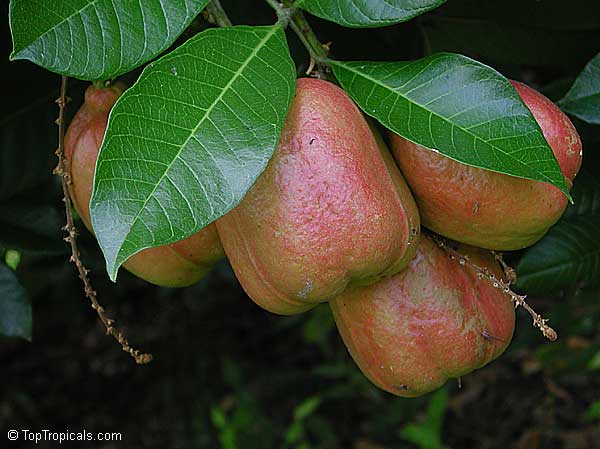
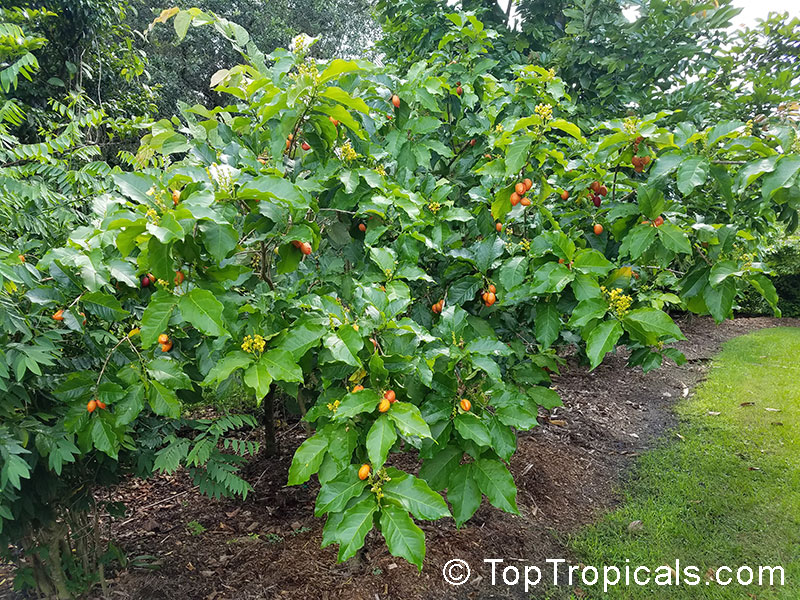
Akee  fruit  on  the  branch

Q: What is Akee and how do you eat it? Is it a fruit or a vegetable?

A: Blighia sapida, commonly known as Akee, holds a special place as the Jamaican National Fruit. The fruit of this medium size, fast growing subtropical tree is used as a vegetable, is renowned for its delicious taste, vibrant red pods, and creamy texture. Akee is primarily grown in Jamaica and is an integral part of Jamaican cuisine. Its unique ripening process and the need for careful preparation make it distinctive.

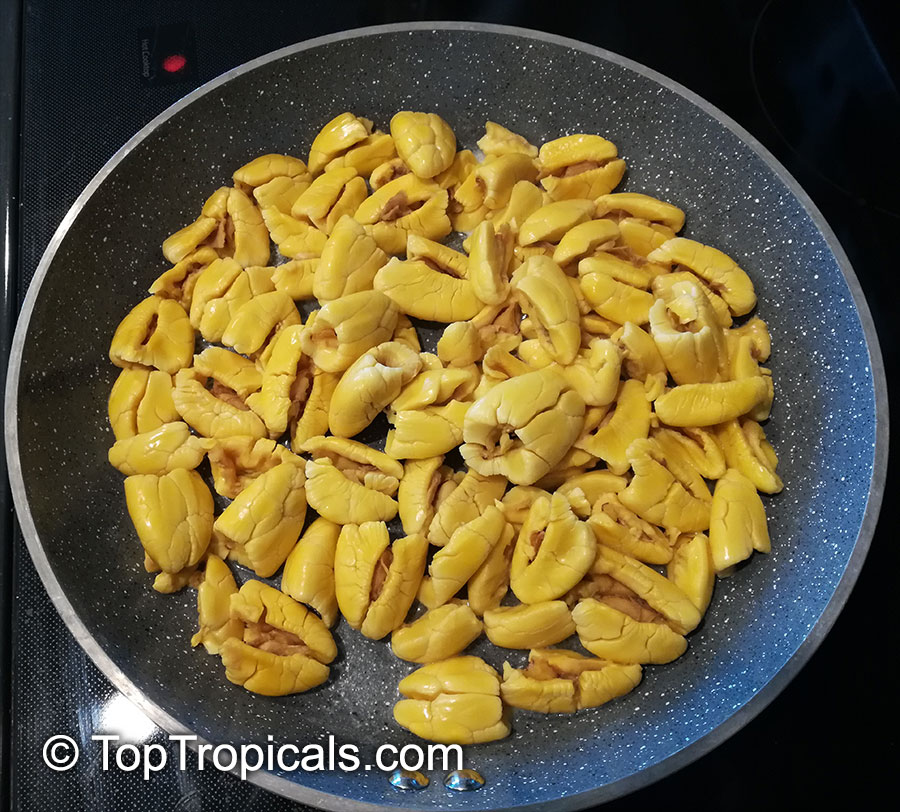
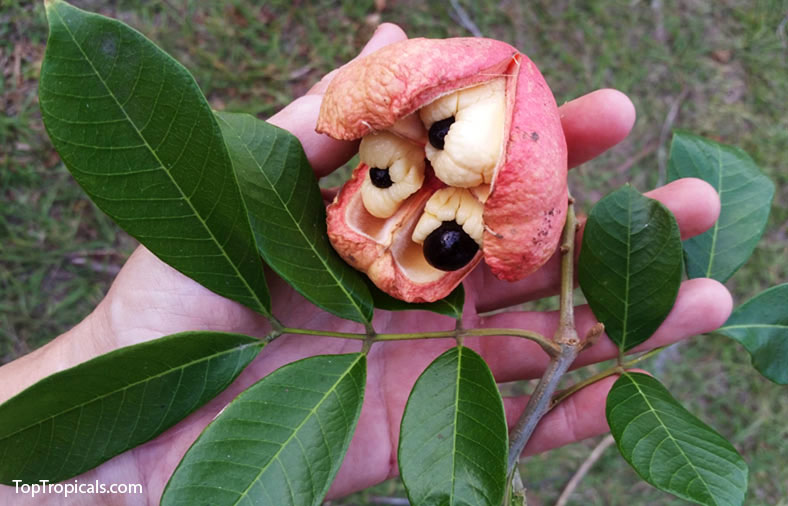
The fruit starts off green and gradually transforms into a vibrant red hue when it matures. To enjoy Akee, the pods must be harvested when fully ripe, and the skin should be orange to red. They are then carefully opened, revealing three distinct sections: the creamy white or yellow flesh, the central seed, and a thin, dark membrane. The seed and the membrane are not edible, only the ripe yellow flesh is consumed, which has a soft, buttery consistency and a mild, nutty flavor.

Akee is often cooked and served in various traditional Jamaican dishes. It is famously paired with salted codfish, creating the popular national dish known as "Ackee and Saltfish." This dish is a flavorful combination of sauteed Akee with flaked salted codfish, onions, peppers, tomatoes, and spices. Akee is also used in stews, curries, and salads, adding a rich and distinct taste to the culinary preparations.

Beyond its culinary significance, Akee holds cultural and historical importance in Jamaica. It is believed to have been brought to the Caribbean region from West Africa during the transatlantic slave trade era. Today, Akee symbolizes national pride and is a source of cultural identity for Jamaicans.

Akee tree is fast growing and easy to grow. It will start producing within 2-3 years after planting.

Akee  fruit  on  a  plate

Akee  fruit  on  a  tree

Date: 22 Nov 2022

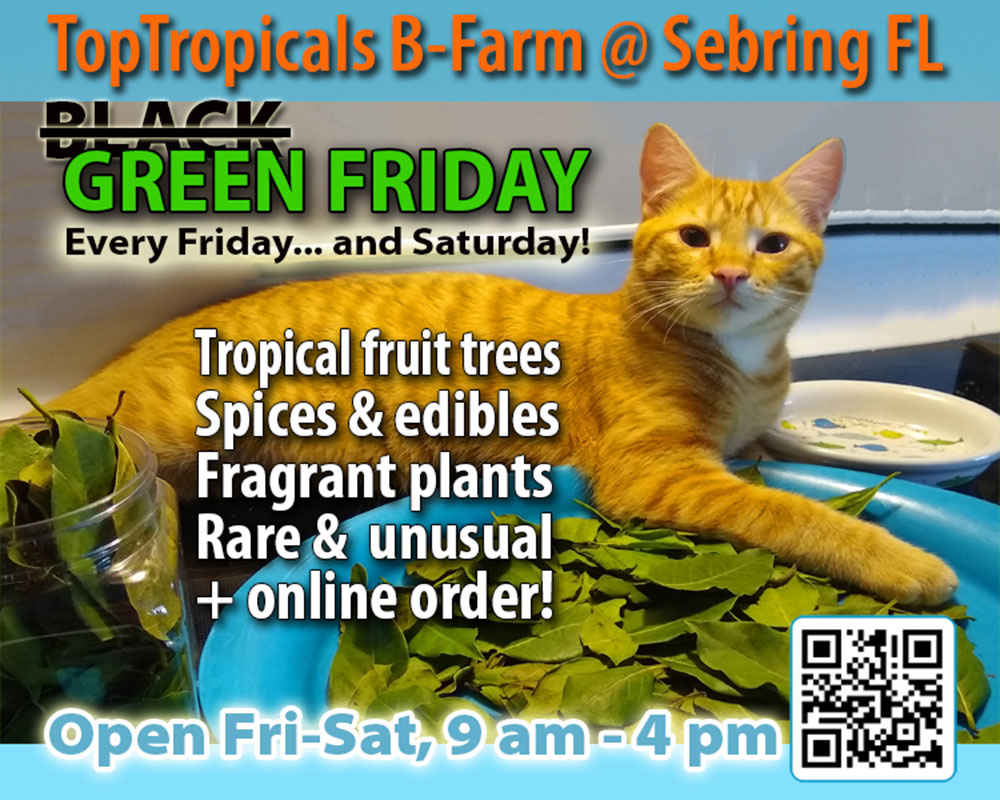
This Friday: Green Friday...
and every Friday and Saturday!

Green  Friday  with  orange  cat

Welcome to TopTropicals B-Farm in Sebring FL

Starting this coming Friday, November 25, our farm in Sebring (B-Farm) will be open to the public every Friday and Saturday.
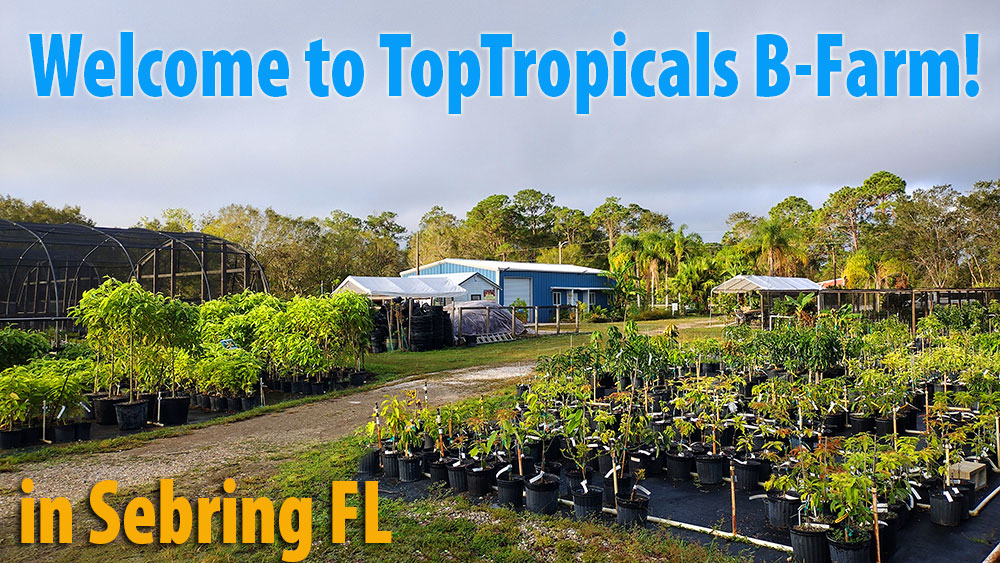
B-Farm is a 10-acre growing facility with hundreds of varieties of rare and much wanted tropical plants. Fruit trees, flowering trees, shrubs, vines, fragrant plants and rare collectibles - we grow the biggest selection of tropical plants known in cultivation.
Come over to select the best Mango, Avocado, any other fruit tree or rare spice for your edible landscape. Shop our biggest in the world variety of flowering and fragrant tropical plants - directly from our growing farm!

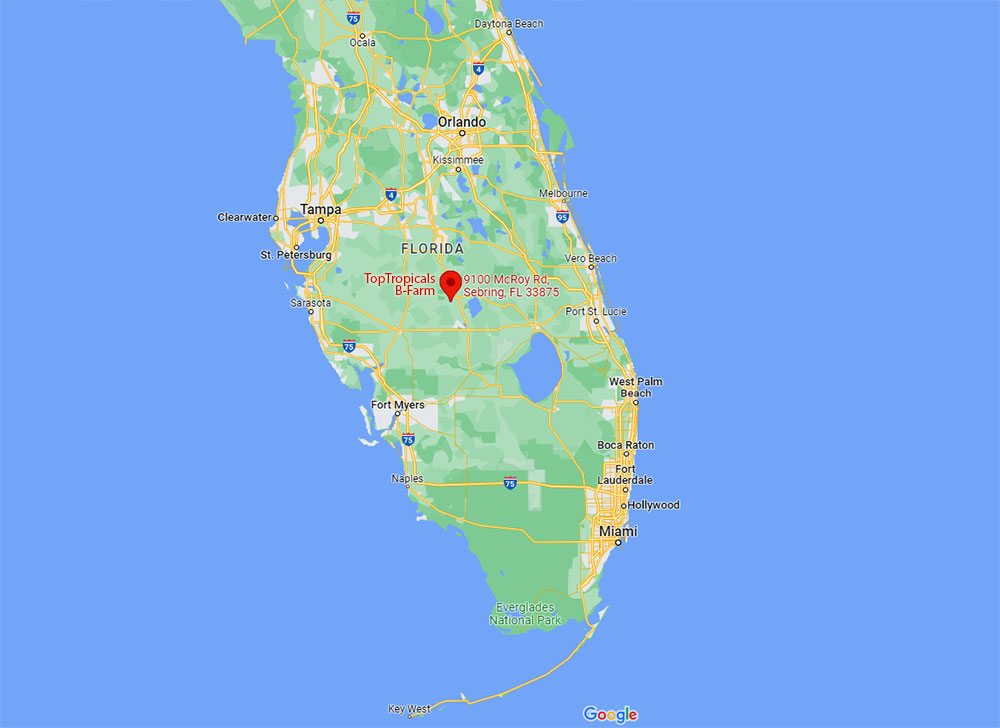
Conveniently located right in the heart of Florida, Highlands County, Top Tropicals B-Farm is within about an hour from most Florida destinations.

Welcome  to  Top  Tropicals  B-Farm

Welcome  to  Top  Tropicals  B-Farm

B-Farm:
9100 McRoy Rd, Sebring, FL 33875

Date: 8 Jul 2022

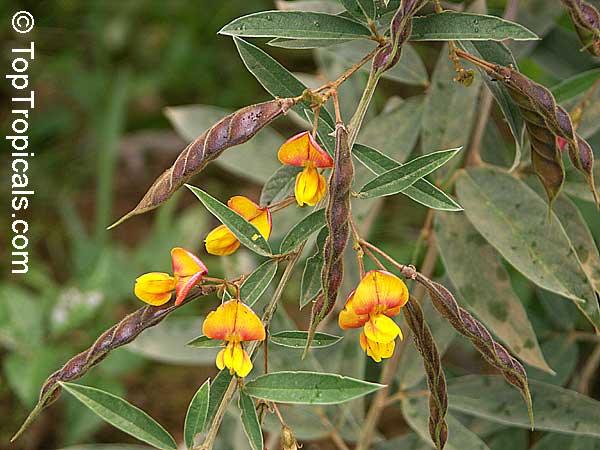
Cajanus cajan - Pigeon Pea.
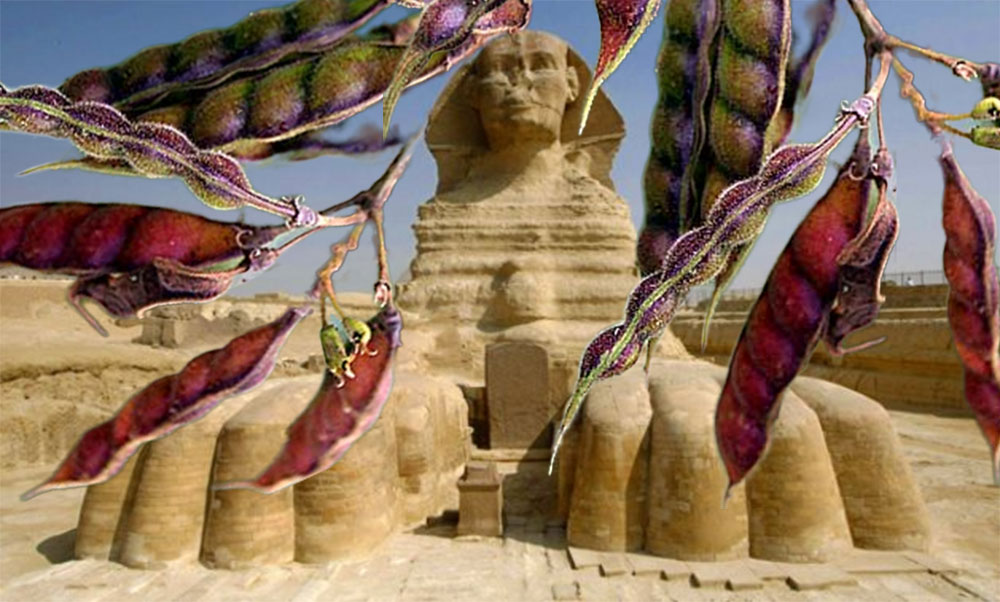
The plant that saw paws of the newborn Great Sphinx...

Cajanus  cajan  -  Pigeon  Pea

Grow Your Own Food!

by Alex Butova, the Witch of Herbs and Cats

...The plant I am going to tell you about is very ancient. It has been existed among people for more than 4800 years. Although there are much older plants that trace their history back to the age of dinosaurs, and exist today, perfectly adapted to modern conditions, this one is edible, tasty, and healthy. It still successfully feeds half of the world's population. Surprisingly, some people from the Western world haven't even heard about it...
...The earliest notion of Pigeon peas in Africa was found in Ancient Egypt with the presence of seeds in Egyptian tombs dating back to around 2,200 BC. Pigeon peas could be the food of the people who built the pyramids in Giza; it could be seen between paws of the newborn Great Sphinx... CONTINUE READING >>

Cajanus  cajan  -  Pigeon  Pea

Date: 4 Dec 2021

Sunday Breakfast with Peanut Butter and Blackberry Jam...

It's time for our favorite day and another Easy stroll through Top Tropicals' Garden with savings of 50% and MORE! What a wonderful way to start the day.

Speaking of wonderful, is there any memory as wonderful as a peanut butter and jelly sandwich from back in the day?! PB&J's, a true Classic, easy, savory and delicious and a universal favorite... And for a truly Top Tropicals variation of the Classic sandwich, have we got something special for you...
Bunchosia argentea and Randia Formosa. OK, we admit it may not roll off the tongue quite as easily as PB&J, but your tongue and taste buds will be thankful for the delicious flavors of the Peanut Butter Fruit Tree - Bunchosia argentea, and Blackberry Jam Fruit - Randia formosa.

Combine the rich and creamy delicious Peanut Butter with the not too sweet and fresh pulp of the Blackberry Jam Fruit and you have a unique and tasty combination destined to be a classic of its own while making your garden look even more beautiful!

Saving on your favorite plants is Easy.
Easy like Sunday Morning...

For this Easy Sunday we have priced these at incredible savings:
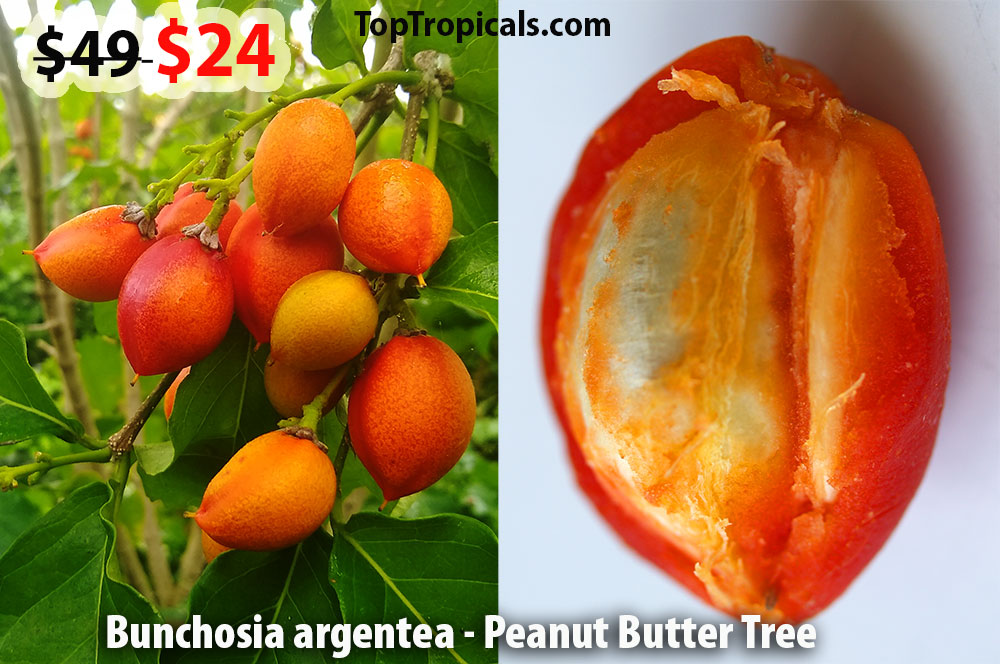
The Peanut Butter Tree, regularly $49, is on Easy Sunday sale for only $24
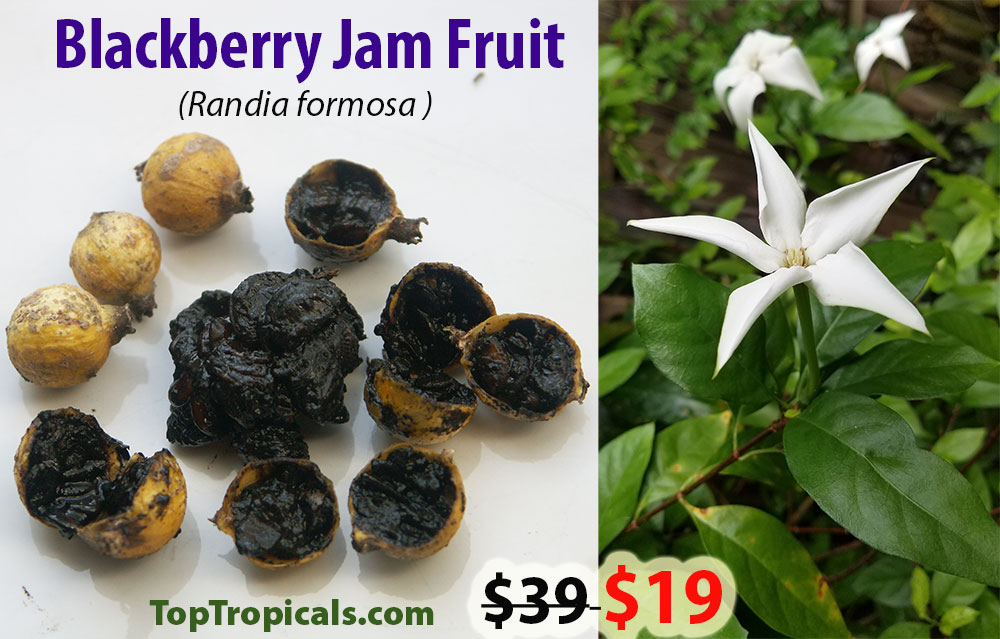
The Blackberry Jam, regularly $39, is on Easy Sunday Sale for only $19

Classic Combination

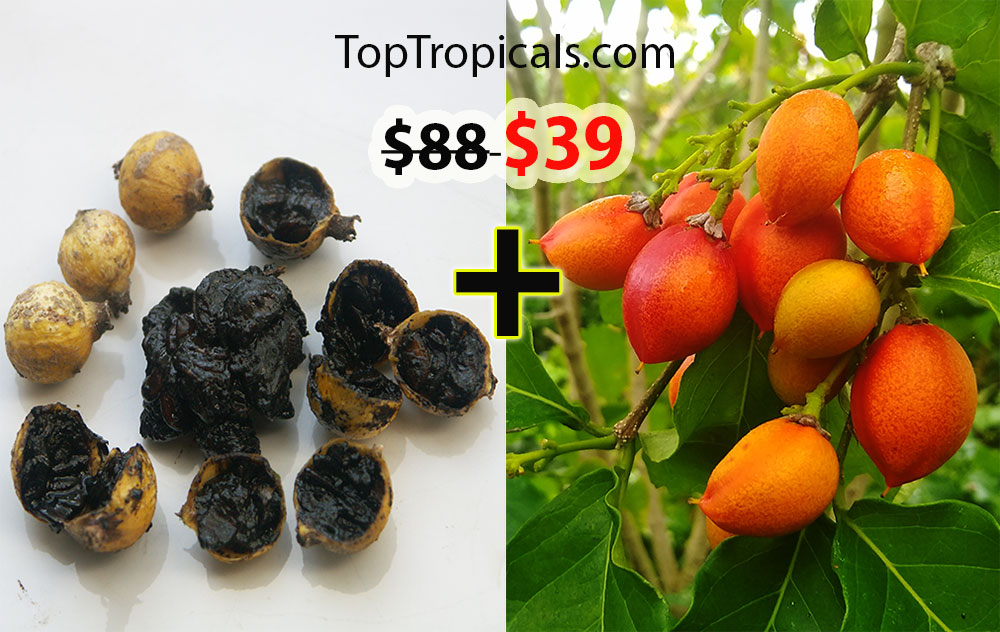
Combine the two for your own Classic Combination and save even more, instead of full price $88, it's only only $39 for the set!

Blackberry Jam Fruit

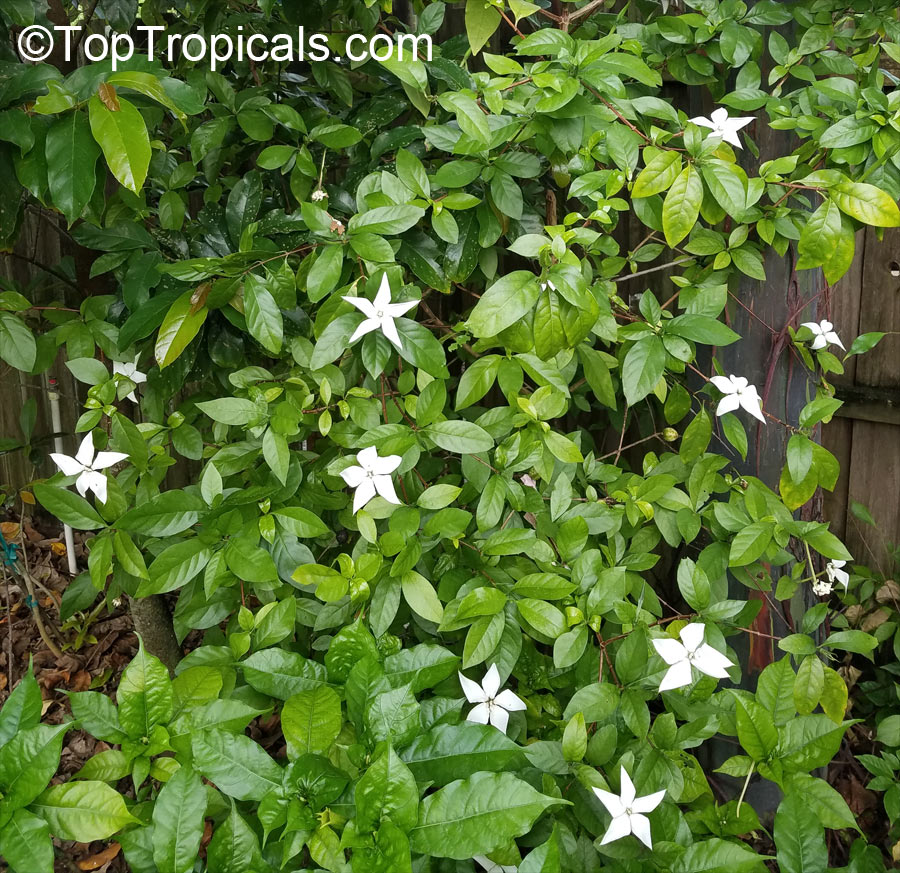
Randia formosa - Blackberry jam fruit, Jasmin de Rosa - fragrant white flowers of this Gardenia relative and edible fruit that tastes like blackberry jam... Kids love the fruit! Many claim that it's even better than preserves. This exotic shrub will fruit in a container within a year and produces as many as 25 to 30 fruits at a time. It is relatively cold hardy, blooms for a few months in the fall and winter, so fruiting and flowering can be enjoyed when many other plants are dormant.

Picture of 2 y.o. plant full of fragrant flowers, ready to set fruit:

Peanut Butter Tree

Bunchosia argentea - Peanut Butter Tree.
One of the most fascinating exotic fruit, as amazing as Miracle fruit, Peanut Butter Fruit is loved by both kids and adults. Yes, it tastes exactly like peanut butter! Sweet, soft pulp with peanut flavor. The tree is small in size, grows 10-15 ft max, or can be kept as a bush. Starts fruiting within 2-3 years from seed! Keep it in a pot if you have limited space, it can be grown indoors, too. The fruit can be eaten fresh or made into milk shakes. Very rare in cultivation, and relatively cold hardy.

Picture of 2 y.o. tree full of fruit:

Remember, the special prices are good for only 24 hours and expire Monday morning at 7 am EST.
Limited to availability, while supply lasts, hurry up!

Enjoy!