Garden Blog - Top Tropicals

Date: 18 Feb 2026

⭐️ Choosing the Right Variety of Jasmine Sambac

By Tatiana Anderson, Horticulture Expert at Top Tropicals
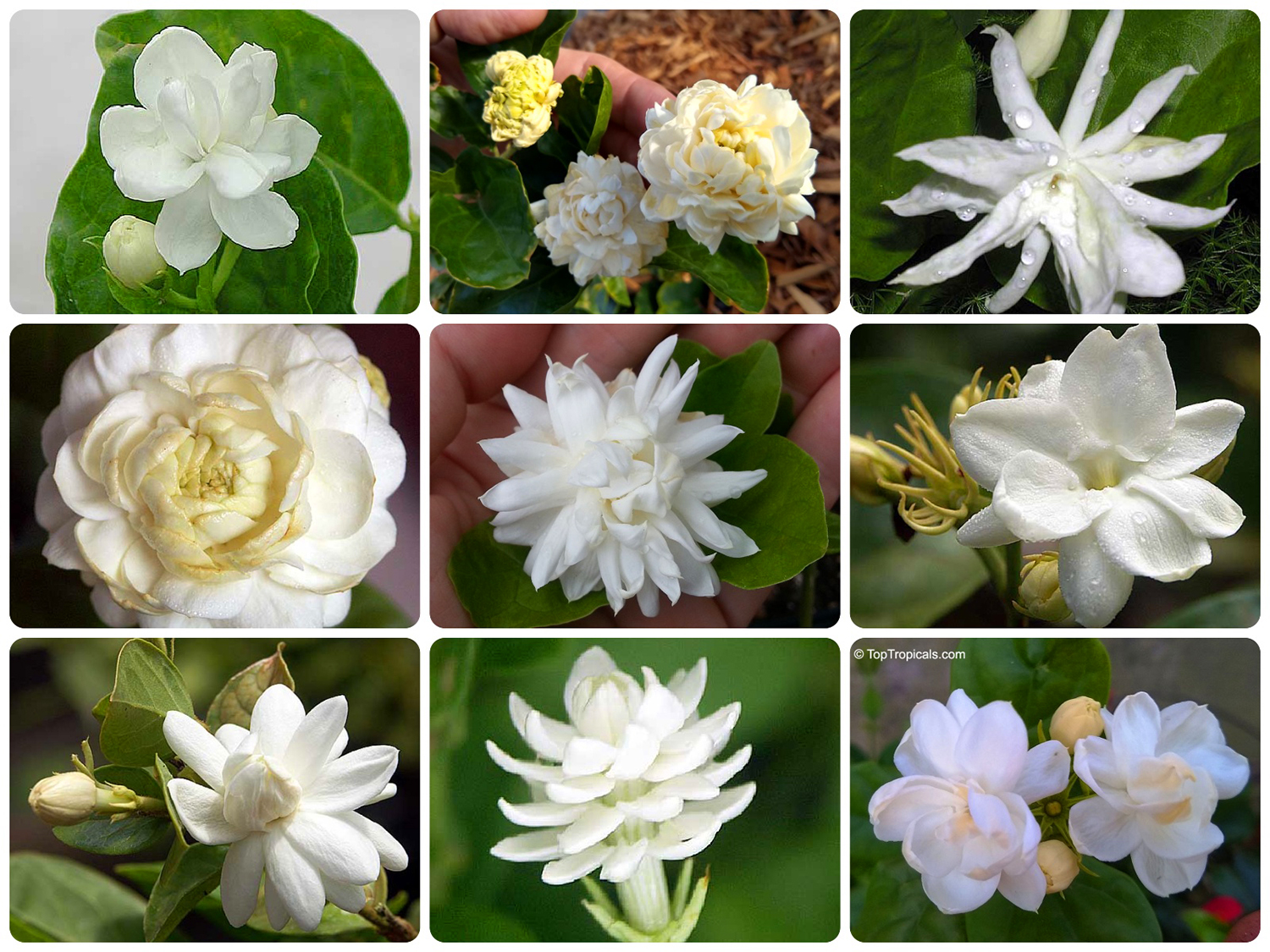
Jasmine  Sambac  varieties  collage  showing  single,  double,  and 
 multi-layered  white  fragrant  flowers  including  Belle  of  India,  Grand  Duke, 
 Arabian  Nights,  and  other 
 forms.

Jasmine Sambac varieties: Arabian Nights, Little Duke, Belle of India, Grand Duke, Duke Supreme, Maid of Orleans, Mysore Mulli, Malichat, Gundu Mallii

One of the reasons Jasmine Sambac is so fascinating is that it does not come in just one form. Each variety has its own personality.

If you want a compact patio plant, Arabian Nights or Little Duke are excellent choices. They stay tidy, bloom generously, and are easy to manage in containers.

If you prefer elegant, elongated petals and a refined look, Belle of India is a favorite. It can be grown as a small bush or trained lightly as a vine.

For those who love full, carnation-like double flowers, Grand Duke of Tuscany and Grand Duke Supreme are classic selections. They are vigorous and make impressive shrubs in warm climates.

If you need a stronger climber for fences or hedges, Maid of Orleans performs beautifully in full sun while Mysore Mulli prefers semi-shade.

Collectors often enjoy rare forms like Mali Chat or newer hybrids such as Gundu Malli, which combine traits from different lines.

How to Grow Jasmine Sambac Successfully

Sambac is not difficult, but it responds best to consistency.

Light: Full sun produces the most flowers. In very hot climates, light afternoon shade is acceptable. Indoors, place it in the brightest window available.

Soil: Use a well-draining potting mix such as Sunshine Abundance. Sambac does not like heavy, constantly wet soil.

Water: Water thoroughly, then allow the top layer to dry slightly before watering again. Reduce watering during cooler months.

Pruning: Light trimming after a bloom cycle encourages branching. More branches mean more flower buds.

Feeding: Sambac is a heavy bloomer, and fragrance takes energy. During active growth, feed regularly with a balanced fertilizer that supports flowering such as Green Magic (controlled release every 6 months) or liquid Sunshine Boosters Pikake (formulated especially for fragrant flowers) - with every watering. I prefer formulas slightly higher in potassium to encourage stronger bud formation and richer bloom cycles. Consistent feeding during warm months makes a visible difference in both flower count and intensity of scent.

With proper care, Jasmine Sambac will reward you not just with flowers, but with perfume that changes the atmosphere of your entire garden.
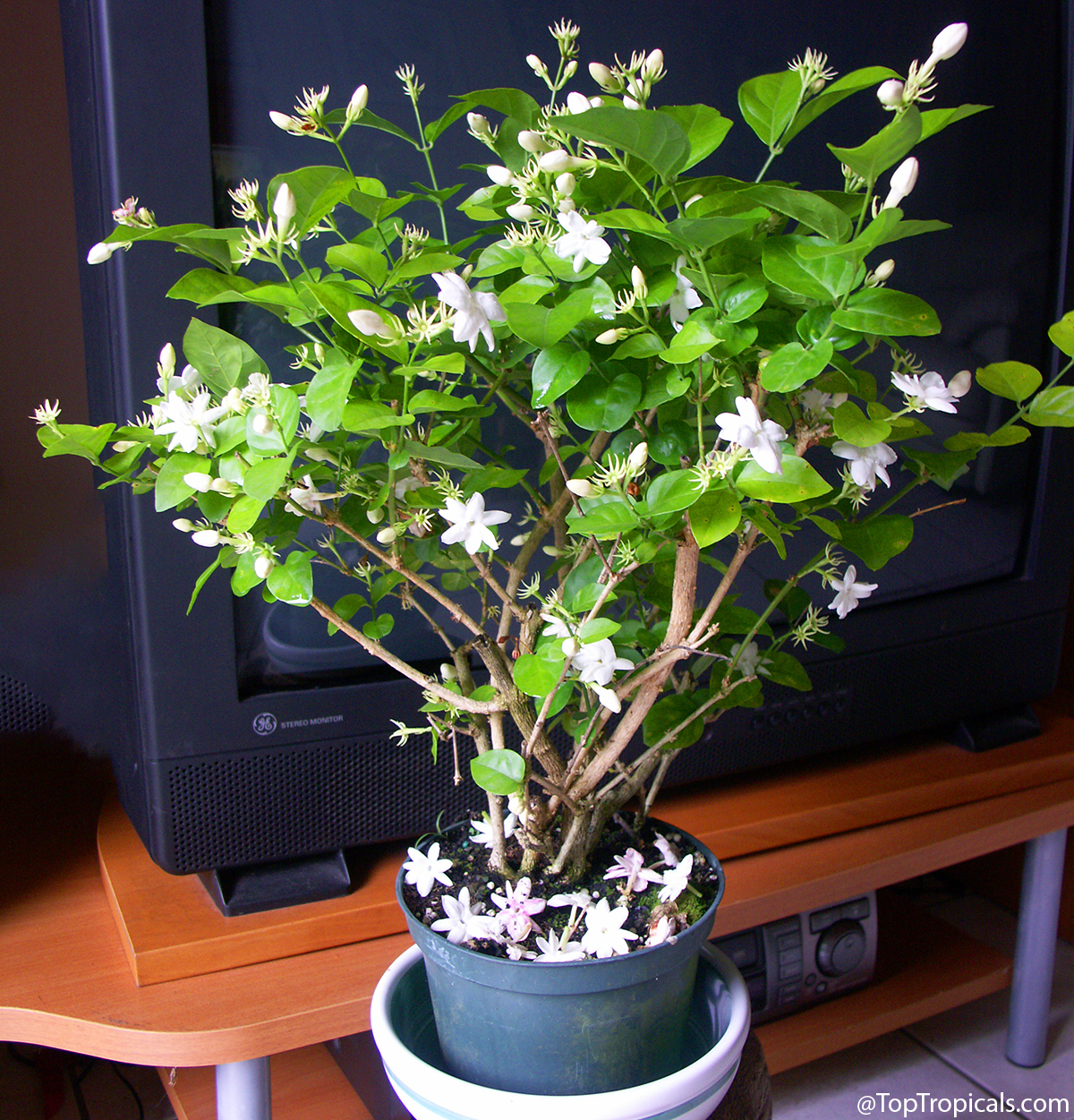
Jasmine  Sambac  Maid  of  Orleans  blooming  indoors  in  a  container  with 
 numerous  white  star-shaped  flowers  and  glossy  green 
 leaves.

Jasmine Sambac Maid of Orleans flowering indoors in a container under bright light.

❓Frequently Asked Questions About Jasmine Sambac

  • Does Jasmine Sambac need full sun?
    It flowers best in full sun. In very hot climates, light afternoon shade is acceptable. Indoors, give it the brightest window possible.
  • Can I grow it in a pot?
    Yes. Sambac performs beautifully in containers. Many gardeners prefer pots because it is easier to control size and move during cold weather.
  • How often does it bloom?
    With proper light and feeding, it blooms in cycles throughout the warm season. Consistency in care makes flowering more reliable.
  • Why is my plant not blooming?
    The most common reasons are insufficient light or irregular feeding. Increase light first, then review your fertilizing routine.
  • Is it difficult to grow indoors?
    Not if you provide strong light and good air circulation. Compact varieties adapt especially well.
  • Is it frost tolerant?
    No. Jasmine Sambac is tropical. Protect it from temperatures below 40F and bring it indoors before frost.

🌸 Year of the Horse Special – Jasmine Bonus

Celebrate 2026 with the fragrance of Jasmine plants. For a limited time, enjoy special savings when you grow one of the most wanted perfume plants in cultivation.

Jasmine Sale - 15% Off
Save 15% on all Jasmine plants. Discount is already applied in the online store - no code needed.
Offer valid through 02/28/2026.

🛒 Explore varieties of Sambac

Date: 4 Jun 2021

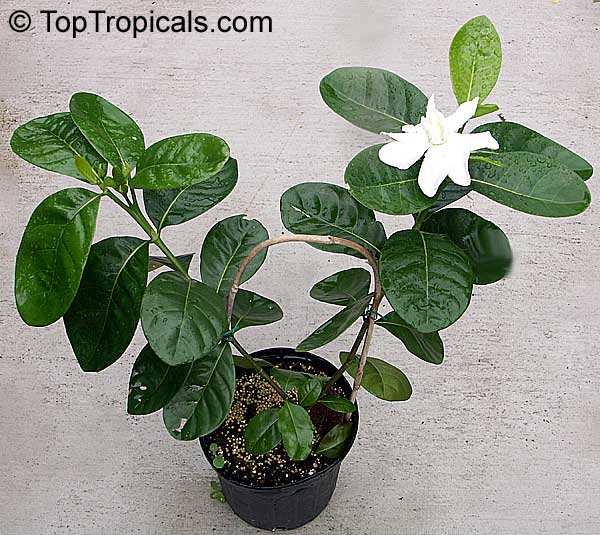
Tahitian Gardenia

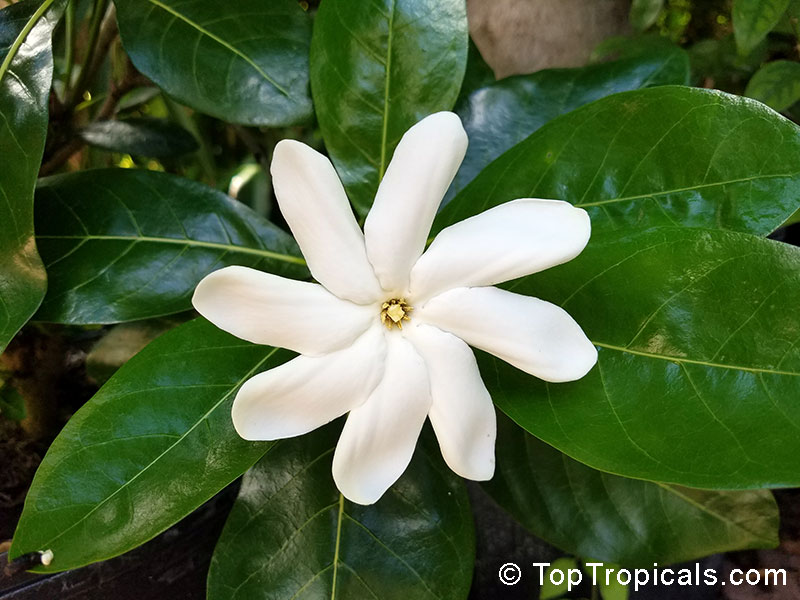
Q: I am interested in your Tahitian Gardenia and I would love to try and grow this plant in a large container/fabric pot. The soil here where I live is terrible as it's hard rock, clay, and sand! So I'm not sure if amending the soil would help to plant in the ground? Can you tell me if this will do okay in a container or best in ground? I live here in Las Vegas, NV (zone 9a). Any information would be great to help me make a this decision, I love the selection of cool tropical plants you offer! Also my daughter does Tahitian/Polynesian dance and this would be a cool "topping on the cake" if she could have a live Tiare flower in her performances.

A: Tahitian Gardenia will be doing best if grown in container in your area. In its natural habitat, it grows full sun but also it enjoys mild weather conditions and high air humidity. All gardenias prefer acidic soils. In your area, if planted in the ground, it may be exposed to some harsh conditions: too high temperatures, too hot sun, dry air, and as you mentioned - heavy clay and sandy soil. You can enjoy this plant grown in container, which can be moved as needed away from too much sun during summer months. Use well-drained potting mix. Use plastic pot, do not use fabric or clay pots - soil will dry out too quickly.
Also remember to fertilize this plant on regular basis with a liquid fertilizer SUNSHINE Pikake - Fragrant Flower Booster.
Grow gardenia in full sun or semi-shade during the hottest months. You may spray it with pure water if the air too dry and hot. Enjoy your Tropical Beauty and good luck!

Date: 21 Apr 2021

Healthy Plants: Q&A from Mr Booster

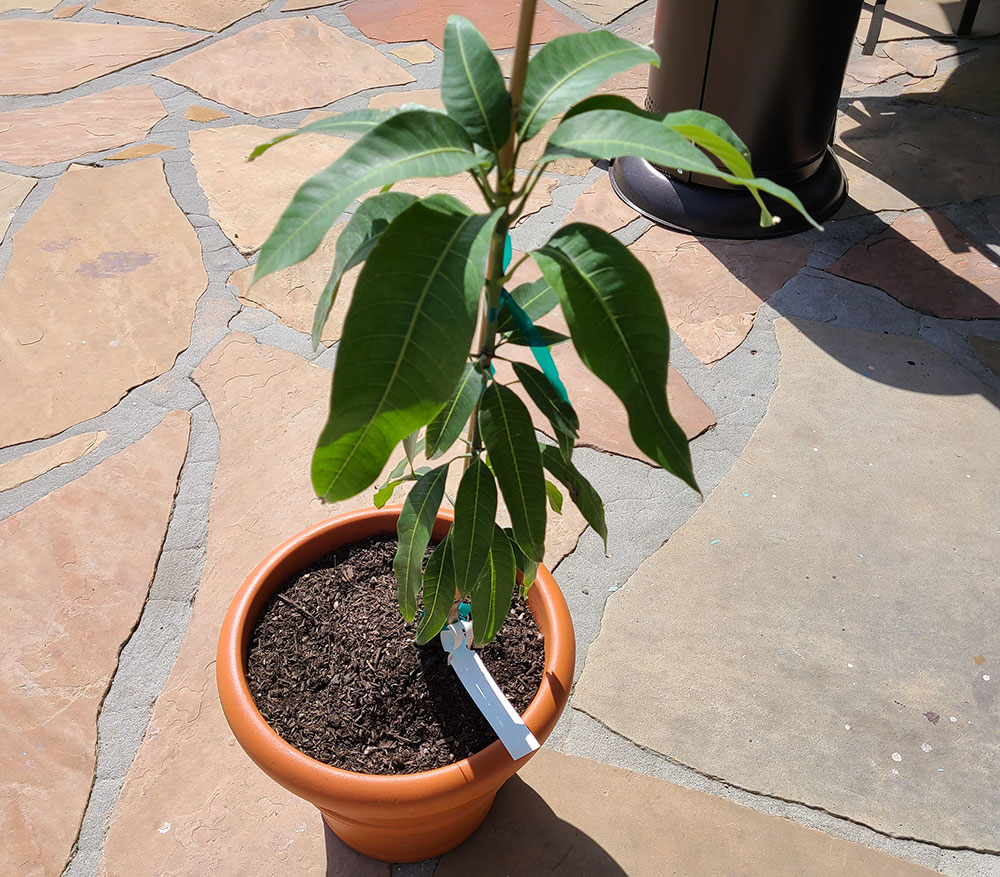
Mango leaves and fertilizing

Q: I received a mango tree we ordered last week (I am in California) and am trying to make sure we take care of it properly. I noticed the corners of some leaves have began drying out. I wanted to see if there was anything else we should be doing or if it is something normal. Overall the tree looks good and the leaves have perked up, but I noticed the dry tips on a handful of leaves. Any help is appreciated! I have not fertilized in the pot yet or applied the mango sunshine booster.

A:Your mango tree looks pretty healthy, and these dry leaf tips may be caused by overall shipping stress. You have dry air in California, and temperatures may be getting up, this may cause additional drying effect. You may start fertilizing with a liquid fertilizer, it will help the plant to get stronger and grow faster - then heat and dry air won't be a problem as soon as the plant becomes better established and hopefully go into a bigger pot soon, or in the ground. Make sure to provide regular water if you have hot dry summers.

Date: 28 Sep 2019

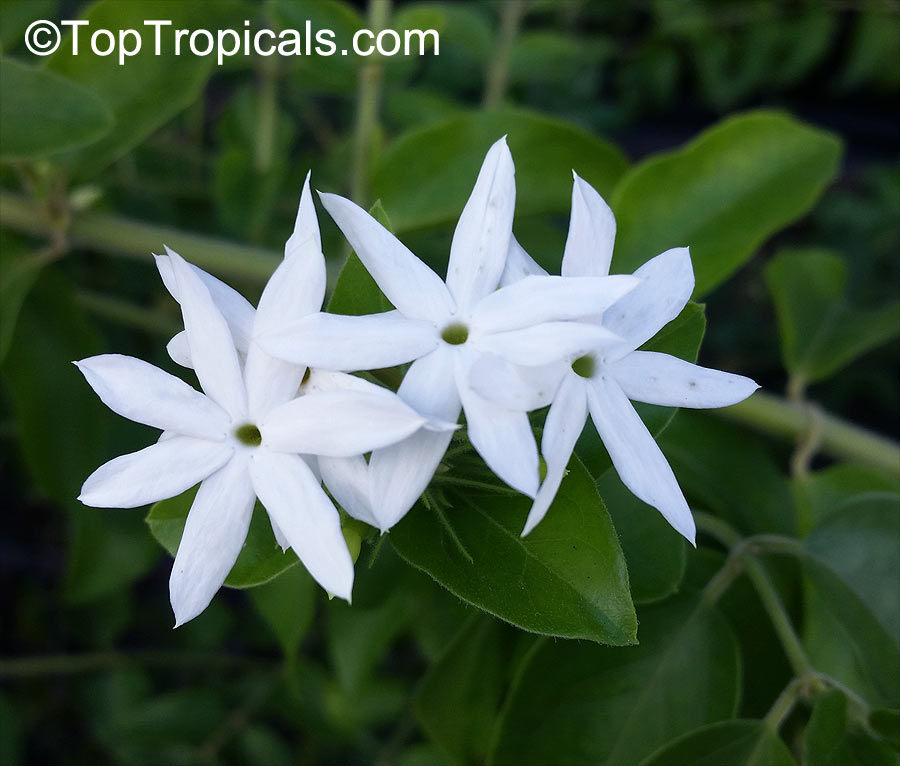
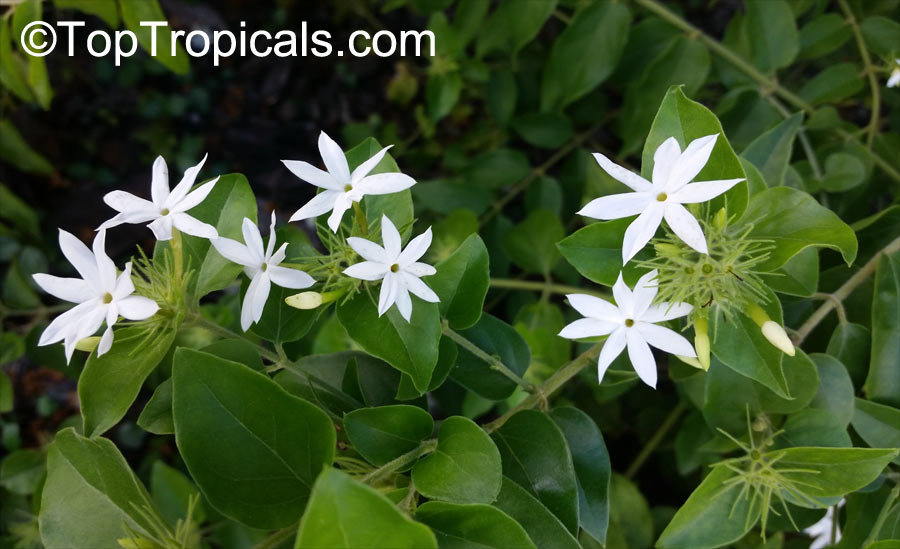
Fragrance of Angel Hair Jasmine

Q: I got angel hair jasmine, it started flowering, but it does not have any smell. What can be done?

A: Jasminum pubescens - Angel Hair Jasmine has very fine fragrance. It is not as strong as some other jasmines like Sambac for example. However flowers do have a sweet scent especially in the early morning hours, as long as the plant is well-established, grows in a warm and humid environment. Keep in mind that flowers on young small plants that do not have a developed root system, may not be as fragrant as on mature vigorous specimens. Also, this jasmine needs a full sun location and regular fertilizer for profuse flowering.
We recommend the following fertilizers to boost flowering energy:
- Pink N Good Daily Plant Food - Flower Booster
- Plumeria Top Dress - Smart-Release Booster
Use microelements at least once a month to improve plant vigor and quality of flowers

Date: 24 Sep 2019

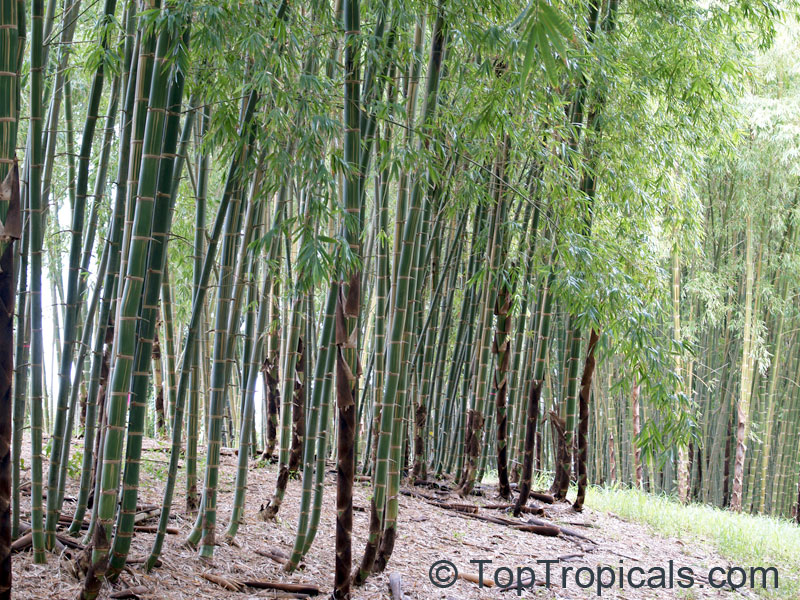
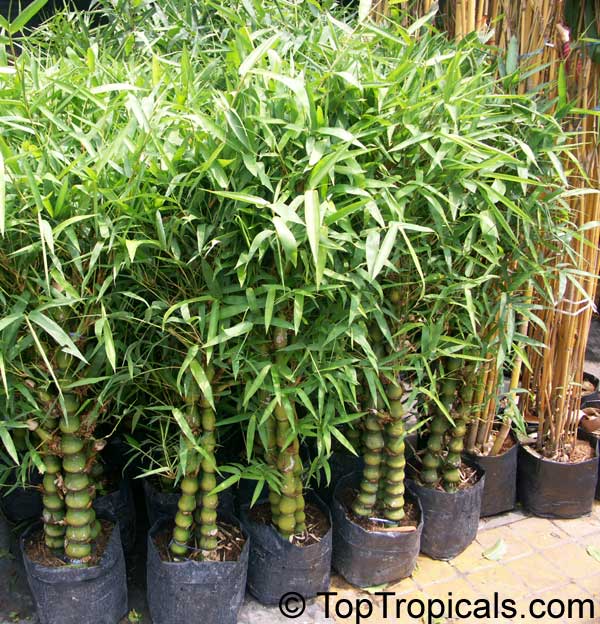
How to fertilize a bamboo?

Q: When do you fertilize new bamboo trees and can you use the same fertilizer you use for mango trees?

A: Bamboo is a tropical to subtropical plant with growing season year-round. You can start fertilizing it right away with the exception of colder months when temperatures drop below 65F.
Mango fertilizer is formulated for fruit trees, so bamboo won't benefit from it. Bamboo is not a fruiting plant and is not even cultivated for flowers. Its beauty is in healthy green foliage and beautiful stems. So you will need foliage-type of fertilizers for it.

We recommend the following fertilizers for bamboo plants:
Tropical Greenhouse Plus - Plant Booster
Tropical Allure - Smart-Release Booster

Remember to always use micro-elements that are essential for every green plant.