Garden Blog - Top Tropicals

Date: 25 Jun 2019

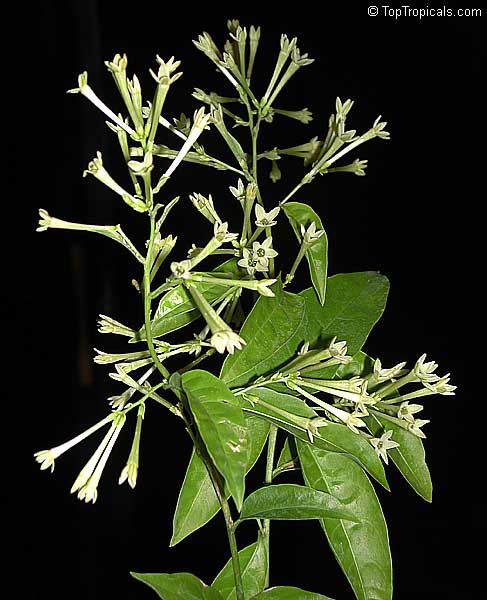
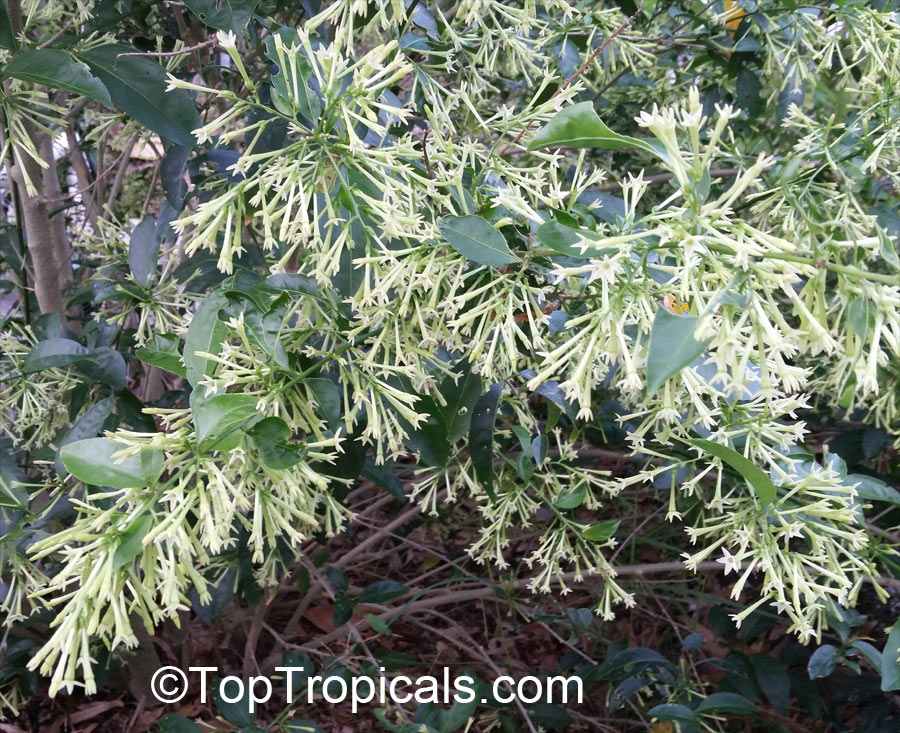
True love of Night Blooming Jasmine
By Onika Amell, tropical plant specialist

Q: I live in New Cumberland, West Virginia. I love the smell of Night-Blooming jasmine. Is it possible to grow it in the northern panhandle of West Virginia? Do I have to plant it every year or do I keep it in a pot and take it inside during the winter months?

A: Technically, Night Blooming Jasmine is not a true jasmine (those plants belong to Oleaceae, or Olive family). Night Blooming Jasmine belongs to the Solanaceae family, also known as the Nightshade or "Potato" family of plants. Yes, this sweet fragrant flower called Jasmine for its perfume is related to potatoes and tomatoes!
Night Blooming Jasmine - Cestrum nocturnum - is loved by many gardeners for its beautiful fragrance at night. It is one of the most fragrant tropical evergreen shrubs available. Cascading clusters of tiny, tubular pale yellow to white flowers open at night and release a heavenly fragrance throughout the garden, especially on warm summer evenings. The fragrance is much lighter during the day. Night Blooming Jasmine is grown year-round in zones 9-11. It is at its happiest in a sunny to a partially sunny spot in your garden in well-drained soil but can be grown in cooler climates as a container or greenhouse plant.
You would absolutely be able to enjoy this plant during the warm months in West Virginia, but it will most certainly not survive outside during the winter. You will have to bring it inside. Take it outside again only once you are confident there is no more possibility of frost. When grown indoors, be sure to give it the sunniest, South facing window in your home. When grown in a container, you will need to re-pot it every two to three years so it doesn't become root-bound.
For those who are lucky to live in frost-free areas, in ideal growing conditions outside, it can easily reach 8 feet with a spread of 5 feet. It has a lovely informal look that can soften a more manicured garden. Add organic matter to the planting hole when you plant to enrich the soil around the root ball. Water well in the summer, but allow them to dry out a bit between watering in the winter. Plant this Jasmine near pools, porches, doors, windows, and walkways where its lovely fragrance can be enjoyed. The shrub is also an excellent plant for privacy hedges and screens. When grown as a hedge, plant 3 feet apart.
Trim lightly after a bloom cycle to shape and then do a hard pruning in fall or spring to control the size of this plant. Fertilize 3 times a year - in spring, summer, and autumn - with a good quality granular fertilizer.

Recommended fertilizers:

Pink N Good Daily Plant Food - Flower Booster
Tropical Allure - Smart-Release Booster

Interesting facts:

Night-blooming jasmine is an excellent mosquito repellent. The powerful scent of the flowers attracts moths and bats that feed on mosquitoes and other small insects.
The flowers of the Night Blooming jasmine are widely used in India and other countries of South Asia for perfumery, medicinal applications and in religious ceremonies.

Limited time special offer:
Instant $5 off Night Blooming Jasmine

Date: 14 May 2019

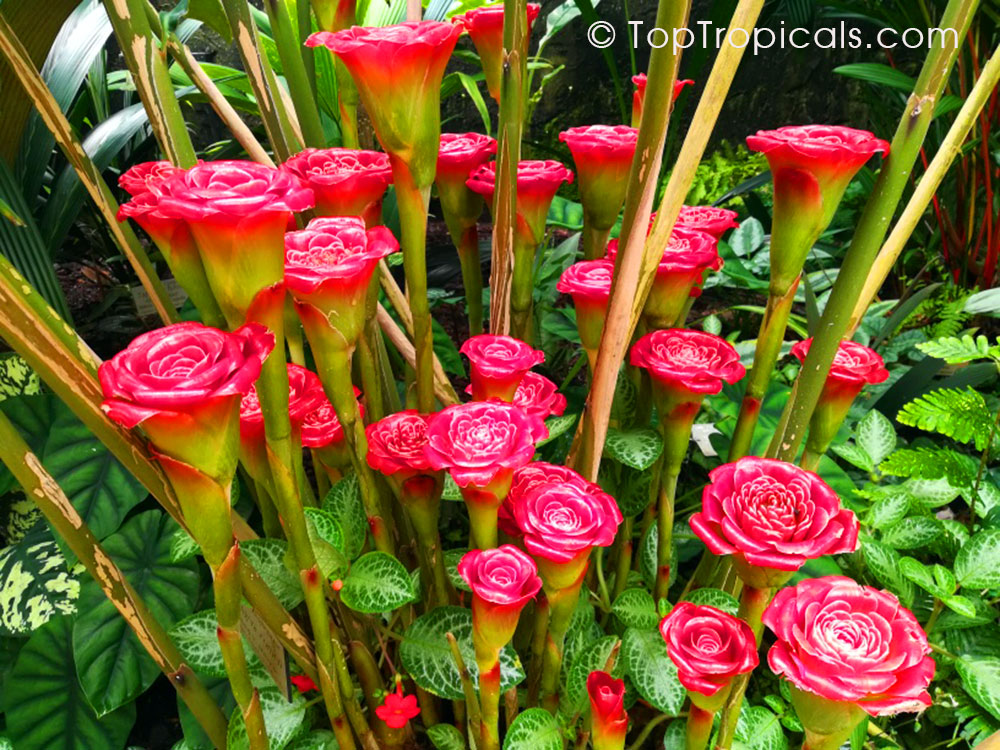
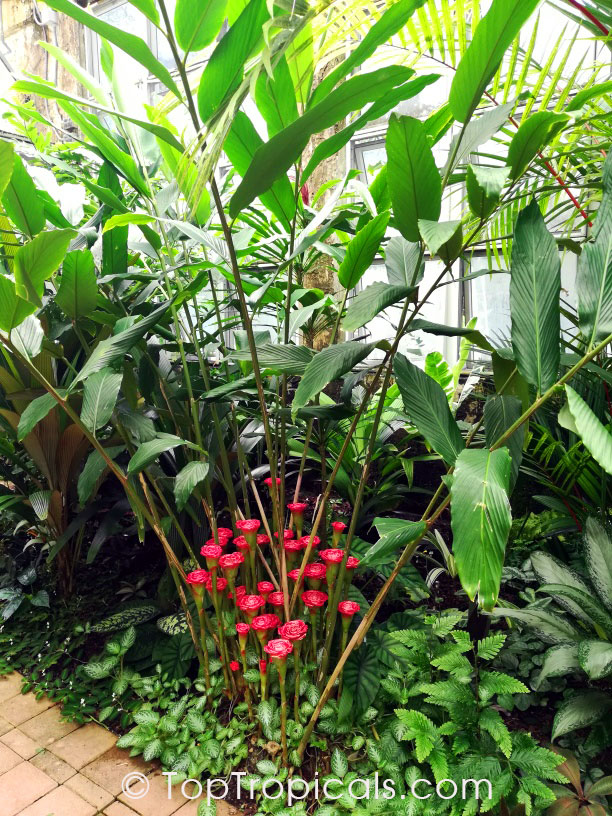
How to get gingers to bloom

TopTropicals.com

Q: I have several gingers in my yard, including Red Torch, Lobster Claw, and Red Bamboo Ginger, they grow beautifully but only produce large dark green leaves and no flowers. Is there anything I can do to make them bloom? Do they need any special fertilizer?

A: Gingers are easy to grow tropical plants with so many benefits, giving us unique spice, and showy flowers (including long-lasting cut flowers!) - where other plants fail, especially in deep shade. They are not fussy about soils and even water once established. To keep your gingers happy, follow these simple steps:

1. Bright light is essential for flowering, but planting gingers in semi-shade or filtered light will keep them stress-free from burning summer rays.
2. Water gingers regularly until they established and start producing new leaves and stems. Once they start clumping, you may reduce watering to a minimum 9once a week or so), or rely on your sprinkler system.
3. Once the plant is established, start using fertilizer to induce flowering and healthy growth.
- We recommend granulated "smart release" fertilizer for all tropical plants. For gingers, the best formula is Tropical Allure. It provides all macro- and microelements essential for the healthy growth of the plant.
- Apply balanced water-soluble plant food for Gingers, Heliconias and Bananas - Broad Leaf Plus - once a month.
- Additionally, you may also add to the menu flower booster Pink N Good Daly Plant Food - this fertilizer is used in very low concentration and can be used with every watering.
4. Remove old dry and yellowing leaves with sharp cutters to avoid pest problems and keep good air circulation around these clumping plants.
5. Keep soil covered with 1"mulch to protect from weeds and maintain the optimal amount of moisture for the rhizomes.

Check out our specialized fertilizers for different plants - for all your gardening needs!

TopTropicals.com

Date: 10 May 2024

5 best plant gift ideas for any occasion

These plants are large, developed and beautiful NOW!

Chonemorpha  fragrans  -  Frangipani  vine

The Chonemorpha fragrans, also known as the Frangipani vine, is truly a botanical marvel. With its exquisite clusters of perfume-fragrant, large flowers and lush green foliage, this vine captivates with its beauty and charm. Not only does it adorn gardens with its elegant presence, but its intoxicating scent also fills the air, creating a sensory delight for anyone nearby. The leaves, reaching up to 12 inches in size, further enhance its appeal. As a large, woody vine, it requires sturdy support such as a fence or robust structure to thrive, adding to its majestic presence in any garden landscape or indoor setting.


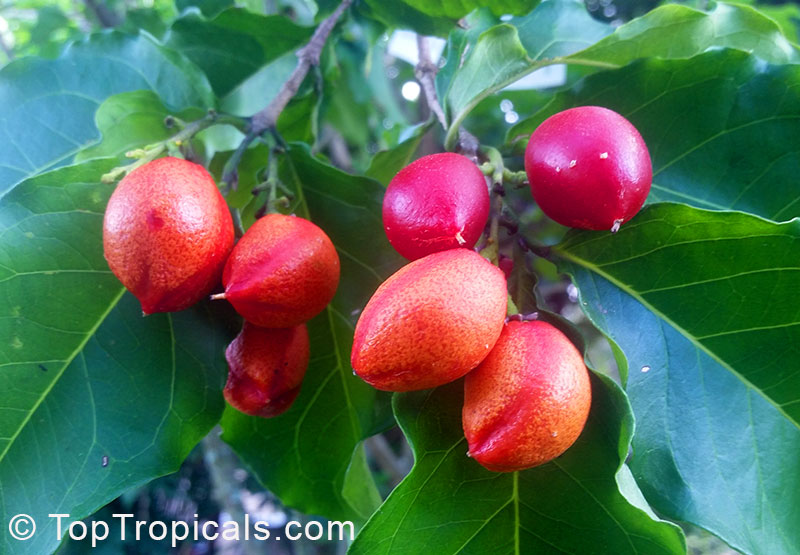
Bunchosia  argentea  -  Peanut  Butter  Tree

Bunchosia argentea - Peanut Butter Tree - gets its name because its small fruits taste like peanut butter. Isn't that cool? This attractive small tree has clusters of yellow flowers that are followed by an abundance of dark red fruit. The rich, sweet flesh has a texture very similar to peanut butter. Yes, it tastes exactly like peanut butter! Sweet, soft pulp with a peanut flavor. One of the most fascinating exotic fruits, as amazing as Miracle fruit, Peanut Butter Fruit is loved by both kids and adults. The tree is small in size, grows only 10-15 ft, or can be kept as a bush. It starts fruiting within 2-3 years from seed! Keep it in a pot if you have limited space; it can be grown indoors, too. Very rare in cultivation.


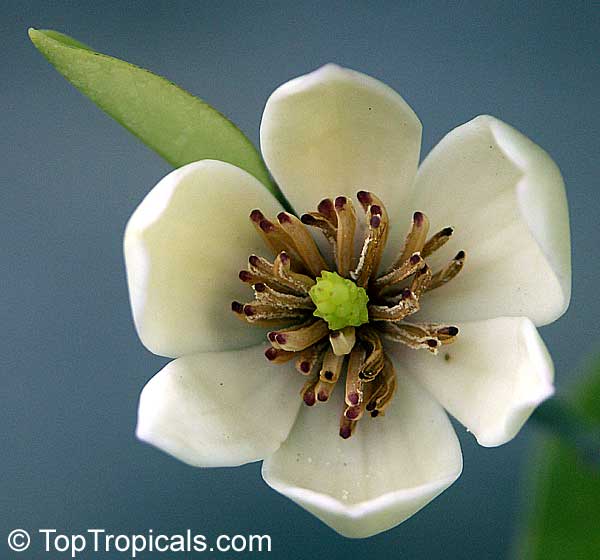
Magnolia  Michelia  figo  -  Banana  Magnolia

Magnolia figo commonly known as the Banana Magnolia, is a botanical wonder. Its creamy yellow, banana-shaped flowers release a sweet, fruity fragrance that fills the air with a delightful aroma (slightly resembling banana), making it a standout among flowering shrubs. The glossy, deep green foliage provides an elegant backdrop to the striking blooms, further enhancing its visual appeal. Growing up to 10 feet tall, this dense and bushy evergreen shrub or a small tree adds a touch of sophistication to any landscape, whether as a focal point in a garden bed or a graceful accent in a container. As a very cold-hardy tropical plant, it thrives in zones as low as zone 8. Great container plant.


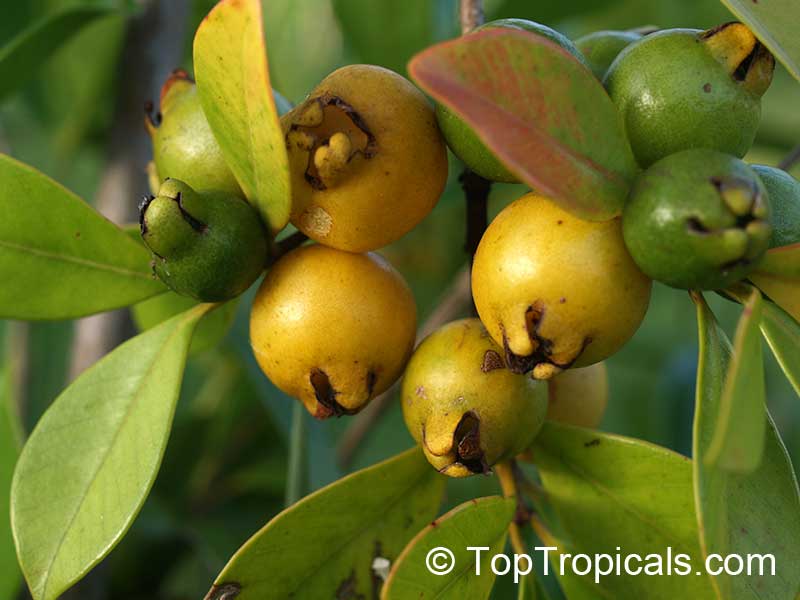
Cattley  Guava  tree,  Psidium  littorale

The Cattley Guava, scientifically known as Psidium littorale, is a delightful small tropical fruit tree that adds both beauty and flavor to any landscape. With its pretty round fruits - miniature guavas - this tree offers a unique culinary experience. The fruits boast a sweet and tangy flavor, making them perfect for jams, jellies, and desserts. You can make lots of guava juice just out of one tree! Cattley Guava is not only a tropical delight but also surprisingly cold-hardy plant. Great container fruit tree.


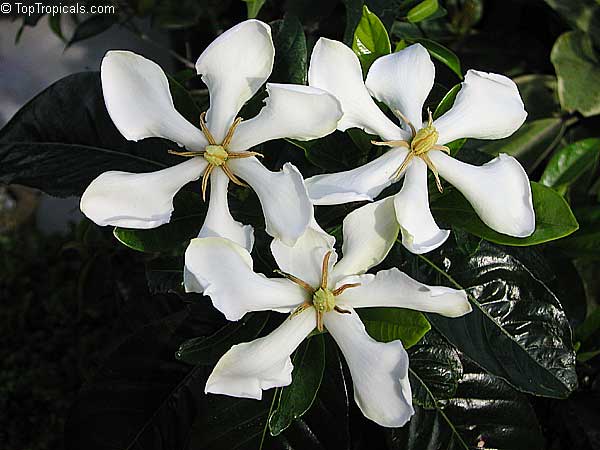
Gardenia  (Kailarsenia)  vietnamensis  -  Vietnamese  Gardenia

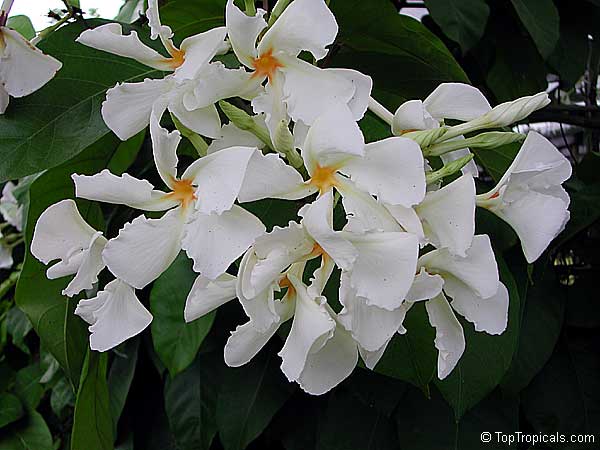
Kailarsenia vietnamensis - Vietnamese Gardenia, is a stunning botanical treasure. It stands out for its large, fragrant flowers and remarkable ease of cultivation. Unlike most gardenias that can be not easy to grow, this variety demonstrates resilience, tolerating overwatering, poor soils, and showcasing exceptional cold hardiness. The flowers are like beautiful artworks, and they give off a lovely smell that fills the air. Whether grown in containers or planted directly in the ground, this bushy beauty thrives, offering versatility and charm to any garden or indoor setting. Learn more about Vietnamese Gardenia.

Date: 27 Apr 2024

Top Tropicals is now in Telegram!

Top Tropicals is now in Telegram!
🌴 Top Tropicals is now in Telegram!

TopTropicals.com - the World's leading authority on tropical plants - is now in Telegram. If you grow a tropical garden or indoor collection of rare plants, this is your channel!

Join to get exclusive updates on tropical gardening:

Fun Facts and Nature Wonders
🌺 How to make your plants flower and stay happy
🥭 How to get the biggest fruit crop
🏆 Sweepstakes and Contests
Butterfly and Container Garden
Food Forest
⚜️ Perfume Plants
🍲 Exotic Recipes and Remedies
...and of course, your favorite -
🐾 PeopleCats in the Garden!

JOIN and share with friends! 👇

🏵 TopTropicals
We Grow Happiness

Date: 15 Jul 2024

How to create indoor jungle vibe

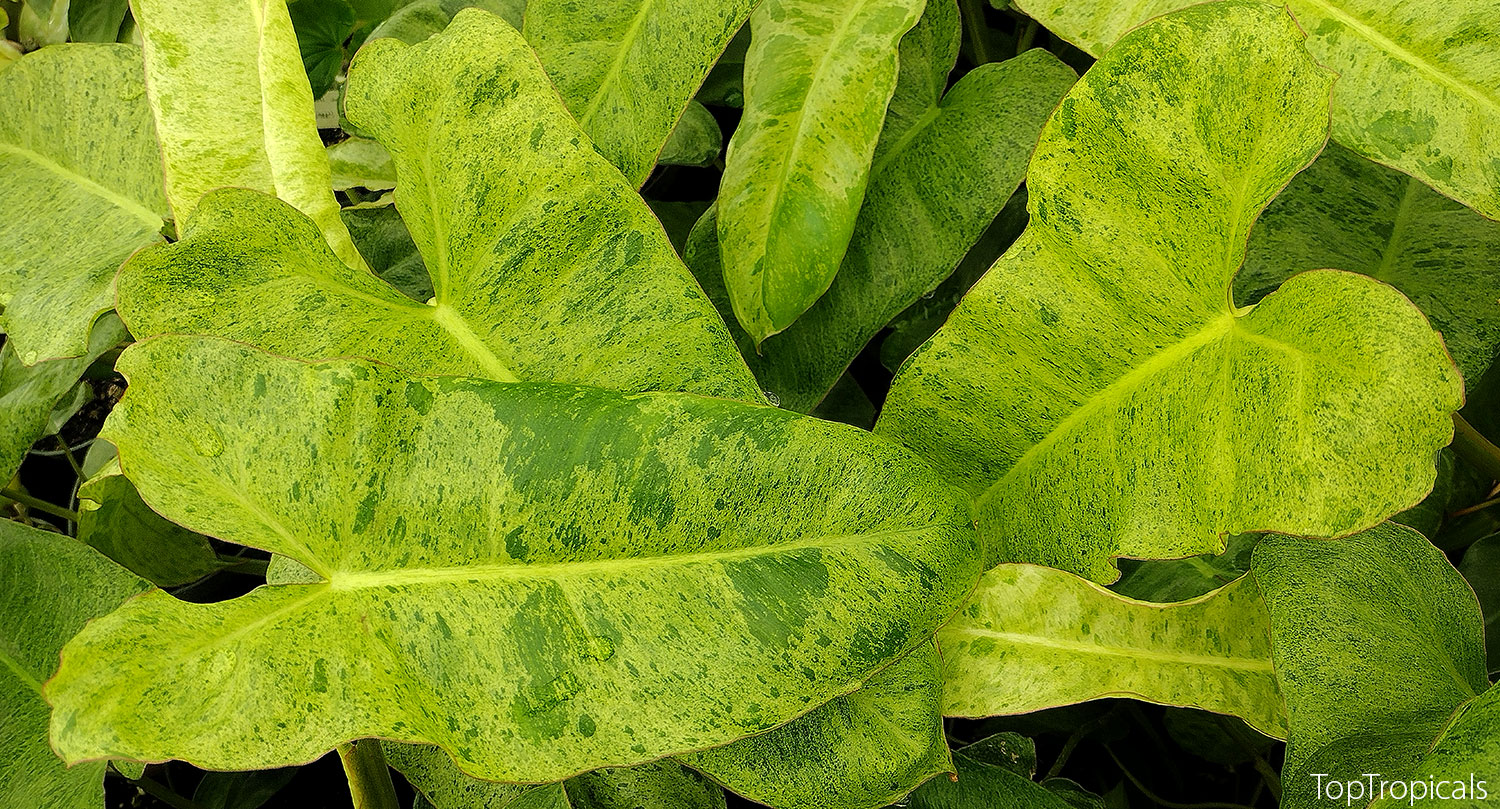
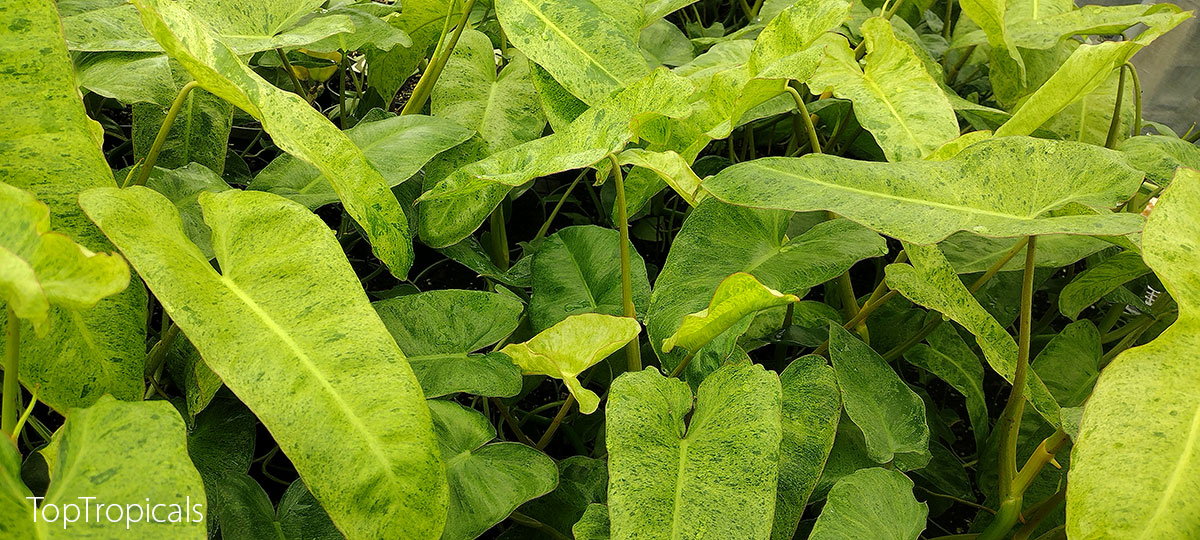
Philodendron x Paraiso Verde

Philodendron  x  Paraiso  Verde

Q: What rare and unusual showy plant will thrive indoors?

A: Philodendron x Paraiso Verde is a unique and visually striking, large-leaf plant that perfect for growing indoors, virtually care-free!

Stunning leaves: long, variegated leaves with a mix of green, cream, and sometimes pinkish hues.

Rare and exotic: it is highly sought after by plant enthusiasts and collectors due to its rarity and exotic appearance, and may be pretty expensive in trade.

Fast climber: capable of climbing up to 10 feet in a single season, with stems growing over an inch thick. Just provide a support and you will have a lush tropical paradise in no time.

Low maintenance: easy to care for, thriving in indirect light and requiring minimal watering. In captivity, indoors on a totem, Paraiso Verde is easy to grow and may only need to be trimmed once a year or so.

Air-purifying: helps purify the air by removing toxins, making it great for indoor environments - home or office.

Unique patterns: each leaf has a unique pattern, just like fingerprints! It is making every plant distinct and adding a touch of individuality to your plant collection.

Tropical aesthetic: brings a lush, tropical feel to any space, perfect for creating an indoor jungle vibe. Truly beautiful!

Philodendron  x  Paraiso  Verde