🌸 Plumeria Power: The Signature Scent of the
Tropics
Q: What is the most fragrant variety of
Plumeria? Are some colors more fragrant than others? How do you keep Plumeria
blooming?
A:From Kristi, TopTropicals Flower Expert:
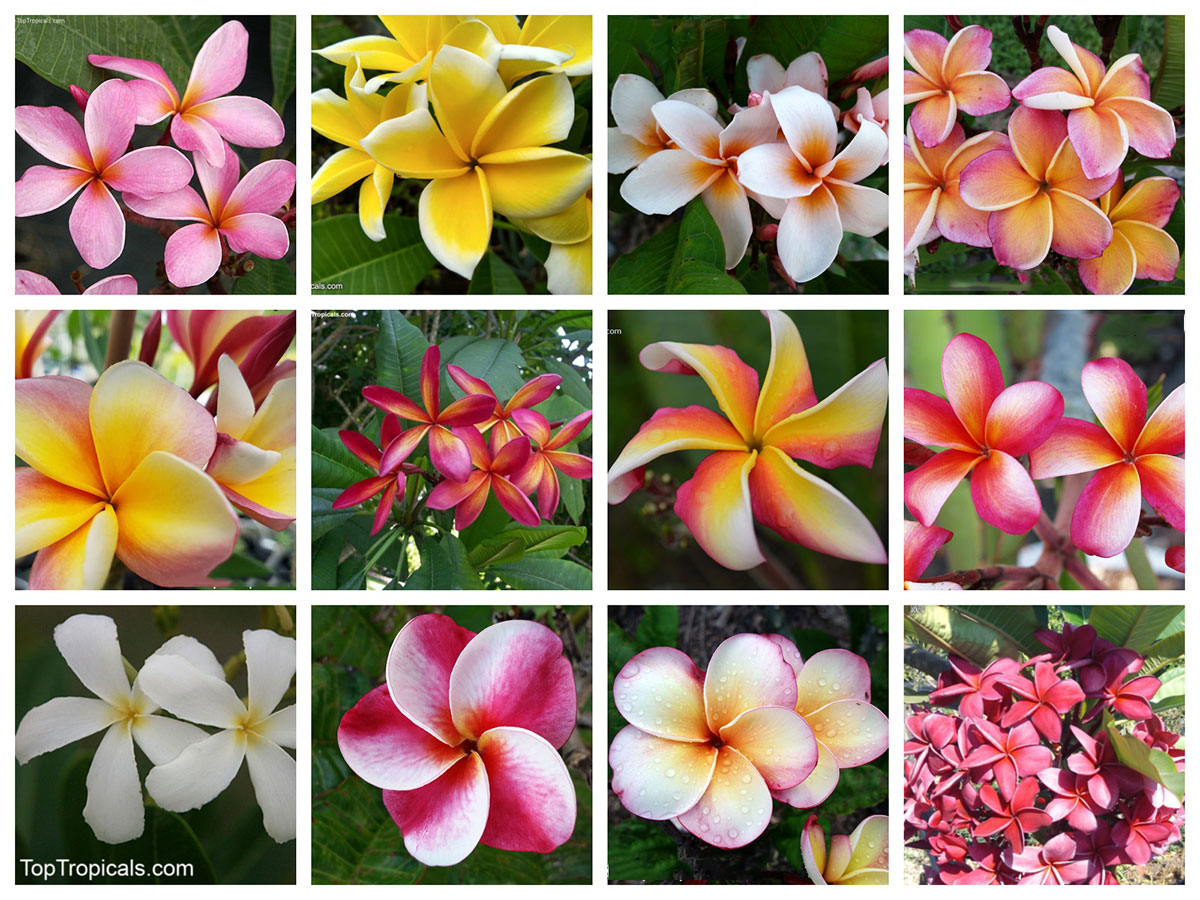
At Top Tropicals, we used to think yellow Plumeria was the most fragrant.
That was until we discovered multi-colored hybrids and stunning "rainbow"
varieties! These rare beauties are prized not just for their sweet, strong
fragrance but also for their dazzling mix of tropical colors.
We just received new arrivals of stunning new Plumeria varieties - but
quantities are limited, so don't wait! Choose your favorite colors and bring home the irresistible scent of the
tropics.
Plumerias are famous for their rich colors and unforgettable fragrance.
With just a few simple steps, you can grow your own blooming tree and enjoy
flowers just like in the pictures.
5
simple rules how to grow a fragrant Plumeria
1. Use well-drained soil. Choose a potting mix rich in perlite,
bark, and coconut fiber. We recommend Sunshine Abundance professional soil mix for best results.
2. Choose the right container. Use a pot just slightly larger
than the root ball to prevent water-logging. Plumeria prefers dry conditions -
water only when the soil is slightly dry.
3. Give it full sun. Plumeria needs plenty of light to bloom. If
grown indoors, place it in the brightest spot and bring it outside for
sunbathing whenever possible.
4. Let it rest in winter. Plumeria drops its leaves and goes
dormant during the cooler months. When this happens, reduce watering to a minimum
and let the plant rest until new growth begins.
5. Feed it to bloom. Plumeria is a heavy feeder and needs
fertilizer to flower well. Use a plant food high in phosphorus, like Sunsine Megaflor Bloom Booster liquid fertilizer. It's safe to use with
every watering, all year round.
Q:
I have recently moved from New Jersey to Florida (Orlando
area) and I am so excited to start my own Tropical
Paradise Garden! A few years ago I visited Hawaii and saw
many beautiful colorful Bougainvilleas as well as fragrant
Frangipani. Do they grow well in Florida? These are
flowers of my dream!
A:
Both Bougainvillea and Plumeria grow well in most
parts of Florida, especially South and Southwest.
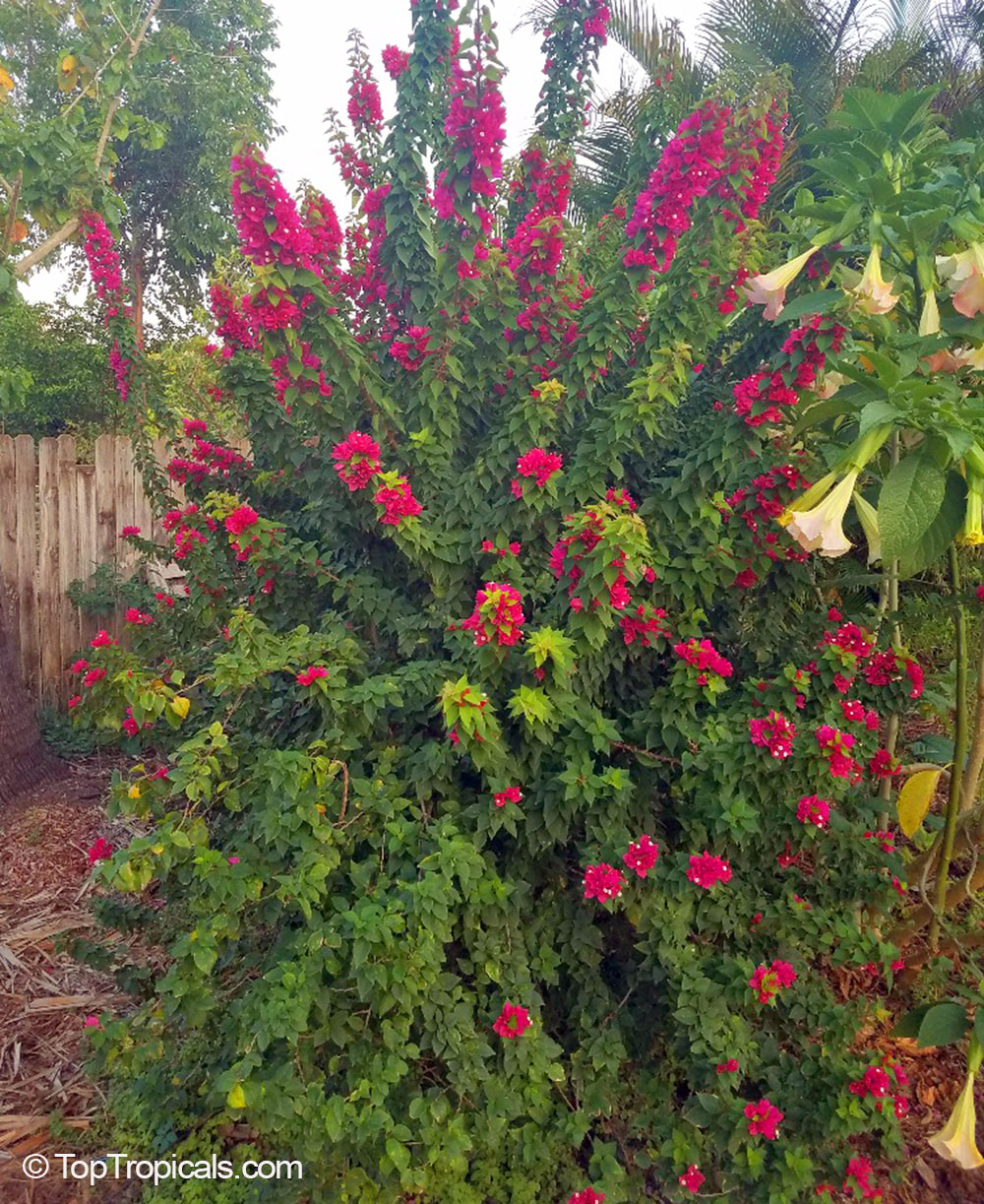
Bougainvillea can tolerate some light freeze and can be
seen in the streets of Central Florida (young plants
require some cold protection for the first year), so it is
a very good candidate for your new garden. Keep in mind
that unlike in Hawaii, where they bloom year around,
Bougainvilleas tend to have a distinctive flowering season
which in Florida is winter time - these plants enjoy dry
weather that triggers their bloom. To enjoy Bright
bougainvillea flowers for a long time, apply balanced fertilizer, prune
regularly (this promotes flowering on new growth) and keep
established plants on a dry side. Dwarf cultivar Pixie is super compact and
can be grown in pots or in a small garden without any
pruning! See photo of Pixie on the left. Plumerias, all-time perfume
favorites and symbols of Hawaii, are also residents of
many gardens and collections throughout state of Florida.
Their cold hardiness is close to the one of Bougainvillea,
however keep young plants protected from frost. There are
also many new exciting cultivars including multiple
"rainbow" colors, and several dwarf varieties, some of
them are evergreen - Plumeria obtusa
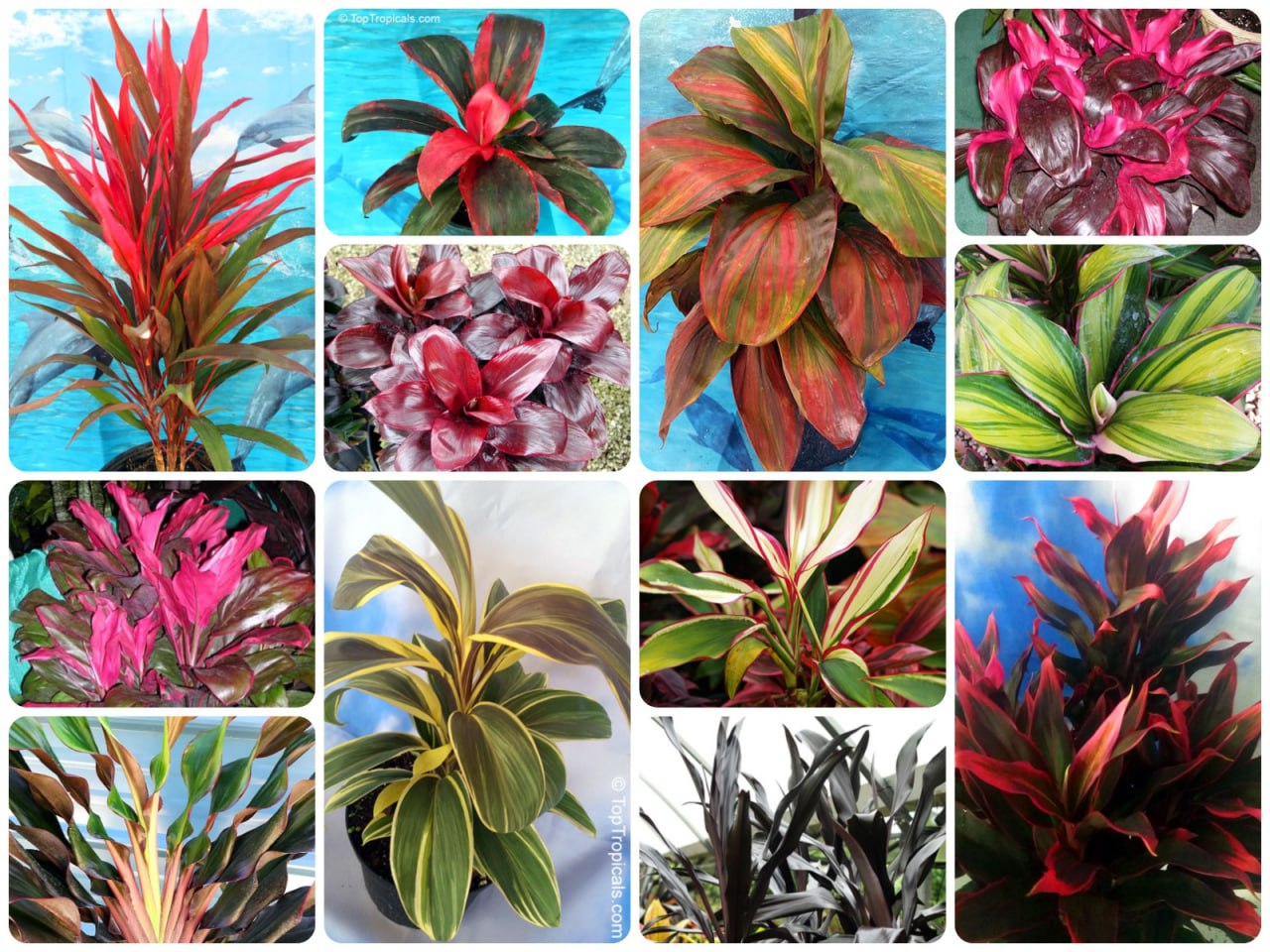
The Hawaiian Ti plant (Cordyline fruticosa) is more than just a colorful tropical accent. Across Polynesian, Hawaiian, and Southeast Asian cultures, the color of ti plant leaves has long been associated with different meanings, moods, and uses - both symbolic and practical.
🌈 Green leaves
Green ti plants are linked to peace, balance, and steady growth. Traditionally, they were planted around homes for protection and good fortune. In the garden, green varieties are usually the toughest and most shade-tolerant.
🌈 Red and deep burgundy leaves
Red ti plants are associated with strength, power, and protection. In Hawaiian tradition, red ti leaves were believed to ward off negative energy and were often used in ceremonies. Garden-wise, deeper reds usually mean more sun exposure and stronger pigmentation.
🌈 Pink, magenta, and multicolor leaves
These colorful ti plants symbolize joy, celebration, and creativity. They are often used as ornamental focal points and in festive plantings. Variegated and pink types tend to prefer brighter light to keep their colors sharp.
🌈 Purple and dark-toned leaves
Purple ti plants are linked to mystery, spirituality, and transformation. Their dramatic color comes from high anthocyanin levels and usually intensifies in bright light with good nutrition.
🌈 Yellow or light variegation
Yellow tones often represent optimism and new beginnings. Plants with lighter variegation may grow a bit slower and need protection from harsh sun, but they add a softer contrast in tropical landscapes.
🌈 One practical note
Leaf color is influenced not just by variety, but also by light, temperature, and nutrition. Fading color usually means too little light or depleted soil, while rich, bold tones signal a happy plant.
Ti plant colors tell a story - part cultural tradition, part plant health, and part personal style in your garden.