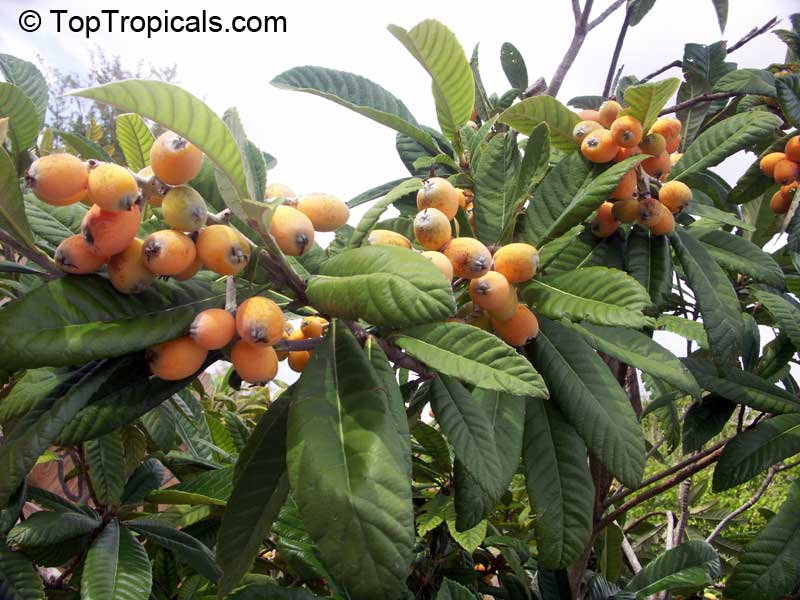
Loquat is one of the easiest tropical/subtropical fruit trees to grow,
with delicious fruit resembling Apricots (in fact, from the same family!).
This video presented by our video host David Mortimer.
Stay updated with TopTropicals Videos by subscribing to our channel at
YouTube.com/TopTropicals
and get our latest video news of what is fruiting and blooming!
Date: 28 Oct 2025
Before opening a jar, see where the natural peanut butter comes from!
Peanut Butter Tree (Bunchosia argentea)
Before opening a jar, see where the natural peanut butter comes from!
Peanut Butter Tree (Bunchosia argentea) is a small tropical tree with one of the most surprising fruits on earth. Its red, fleshy berries taste just like peanut butter - creamy, nutty, and sweet, with a texture that melts in your mouth. No nuts, no sugar, no processing - just pure tropical flavor, straight from nature!
Native to Central and South America, this rare fruit has been a favorite among tropical fruit collectors for decades. The tree stays compact, reaching only about 8-10 feet tall, and can even be kept as a bush. It's perfect for small gardens, patios, or large containers, and it can thrive indoors with enough light. Within just 2 to 3 years from seed, it begins to reward you with clusters of yellow flowers followed by rich, red fruits that taste like peanut butter candy.
The fruit isn't just fun - it's healthy, too. It's rich in antioxidants, vitamins, and beneficial plant compounds that support the immune system and overall wellness. Kids love it, adults can’t stop talking about it, and gardeners love how easy it is to grow.
If you’re looking for something truly unique - an edible curiosity that sparks conversation and delights the taste buds - the Peanut Butter Tree is the one. Grow your own, and the next time someone opens a jar of peanut butter, you can smile and say, "Mine grows on a tree!"
Class @ 11:00am by Robert Riefer. How to keep pests off of maturing fruit.
Class @12:00pm Super foods by Zoe Merring. Benefits of Soursop, barbados cherry, goji, moringa. Benefits and recipes.
Discounts on all edibles
Prize giveaways at 12:00pm and 2:00pm (must be present to win)
20% off After-Cyber-Monday sale! Now that everybody is done with shopping for monitors and speakers, it is time to get some happy stuff! 20% off on all fruit trees, 1 day only! Enjoy your shopping and get the plants you always wanted at a low price!
Guavas love full sun — aim for 6–8 hours of direct light.
They’re adaptable to many soils but do best in well-drained, organic-enriched
mixes. Plant them in a spot where you can water
easily; guavas are thirsty trees during fruiting.
Container & Indoor Growing
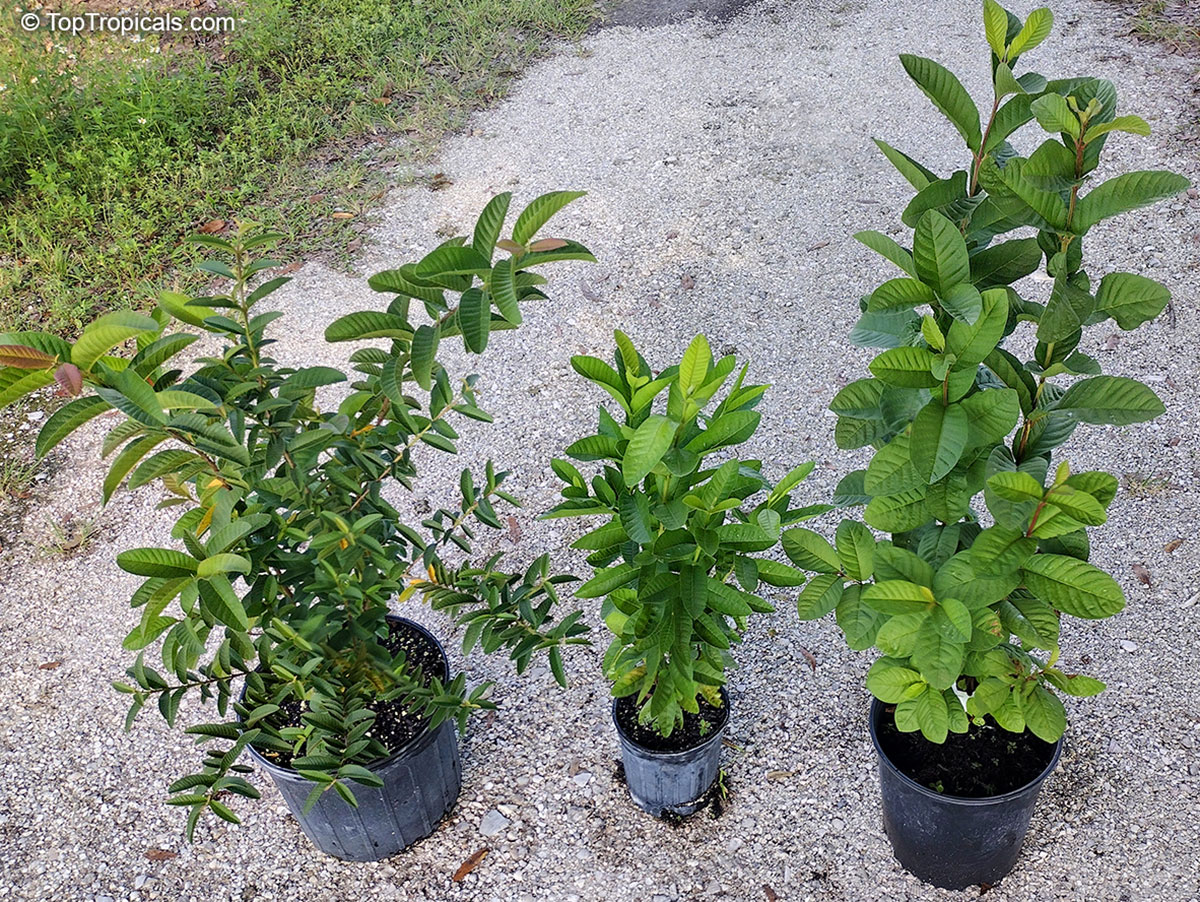
Don’t have space or live in a cooler climate? Guavas thrive in
large pots. Use well-drained potting mix. LINK TO OUR SOIL Keep them on a
sunny
patio during warm months and bring them indoors when nights dip below
freezing. Compact varieties like Dwarf Hawaiian
Rainbow or Tikal are especially
good for pots.
Winter Care
Mature guavas can handle a light frost (down into the high 20s F), but
young plants need protection. If planted outdoors, cover them with frost
cloth
on cold nights. Container guavas can be wheeled into a garage, greenhouse,
or bright indoor window until the weather warms.
Watering and Fertilizing
Water deeply once or twice a week, more often in hot weather or when
fruit is developing. They don’t like soggy soil, but they won’t
complain about short floods either. Fertilize 3–4 times a year during
the
growing season with a balanced fruit tree fertilizer. Guavas especially love
potassium and phosphorus for strong flowering and heavy crops. We recommend
liquid crop booster Sunshine
C-Cibus and balanced controlled release fertilizer Green
Magic.
Pruning
Prune after fruiting to keep them compact and open up airflow. Remove
crossing or dead branches. In containers, trim back vigorous shoots
regularly
to manage size and encourage more fruiting wood.
Pests and Problems
Guavas are generally tough and pest-resistant. The main thing to watch
for in humid or rainy climates is mealybugs - those cottony white clusters
on
leaves or stems. They're easy to manage with neem oil or a quick spray of
horticultural soap.
Fruit time
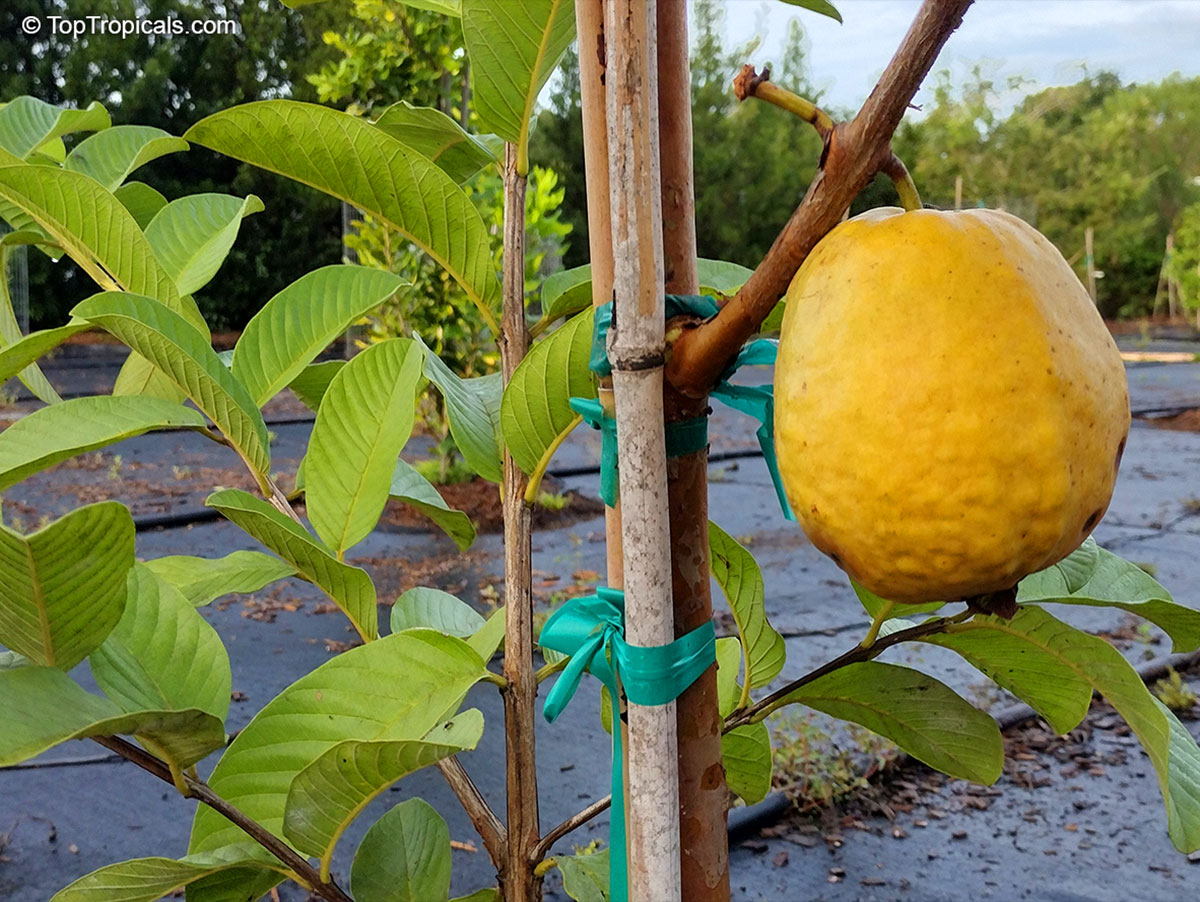
Guavas fruit young - often within a year or two.
Pollination
Guavas are self-pollinating, so you'll get fruit even with a single
tree. Planting more than one tree, however, often boosts harvests and gives
you a
longer fruiting season.
If you've ever wanted instant gratification from a fruit tree, guava is
it.
🍴
Guava Recipes
With all that fruit, the next question is always: "What do I do with
it?" Here are our favorites:
Cas Guava: Make Agua de Cas
Boil halved Cas Guava fruits with sugar, simmer, strain, and bottle.
Dilute with water when serving. The concentrate keeps for months in the
fridge.
Check out the recipe.
Hawaiian Gold: Make Drinks
Perfect for Mojitos or Margaritas. Sweet, tangy juice pairs beautifully
with lime and mint. Learn more
Araca Pera: Guava Wine
Famous in Brazil, where the fruit is turned into a vibrant rosу wine.
Locals say it’s the taste of summer in a glass — and yes, you
can make it at home too. Learn more...
Quick snack: Guava Grilled Cheese
Spread guava paste or fresh mashed fruit with cheese, grill until
golden. Sweet and savory heaven. Learn more...
Simple Guava Juice
Blend ripe guavas with water, ice, and a little sugar if you like. Instant
refreshment.
✅Ready to Grow? Whether you want fresh juice, sweet fruit,
or even your own guava wine, we’ve got the best varieties in stock
right now. Your future self, sipping guava juice on a hot summer afternoon,
will
thank you.
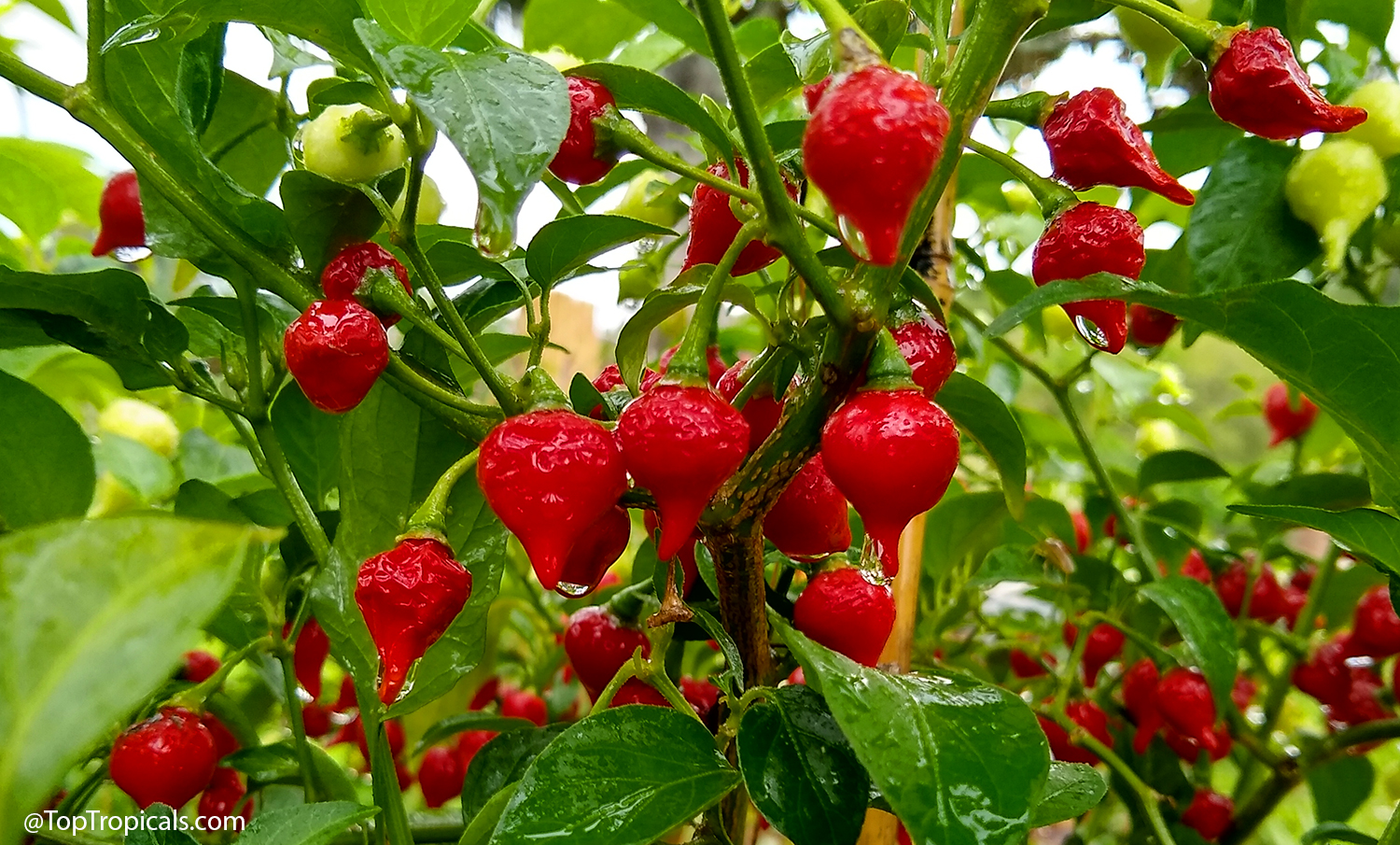
Biquinho
pepper loaded with fruit - small, beak-shaped peppers ripen
from green to bright red, offering intense fruity habanero flavor with
little to no heat on a compact, heavy-producing plant.
Sweet Pepper Plant Facts
Botanical name: Capsicum annuum Also known as: Sweet Pepper, Chilli Pepper, Cayenne Pepper, Paprika, Ornamental pepper
USDA Zone: 4 - 10
Highligths
A lot of plants that thrive in Florida heat have deep roots in Mexico, and
not just as ornamentals. Think coral vine or flame vine climbing a fence in
summer, or bird of paradise
sitting at the edge of a patio like it owns the place. These are not plants
that need coaxing. They grow fast, full, and unapologetically.
Then there are the plants you actually eat: peppers,
prickly
pear, sweetleaf,
and fruit trees like avocado, guava,
and sapodilla.
They do not just decorate the yard. They change how the yard works, and how
the kitchen feels all year.
Avocado Plant Facts
Botanical name: Persea americana, Persea gratissima Also known as: Avocado, Alligator Pear, Aguacate, Abacate
USDA Zone: 9 - 11
Highligths
That is the part that sneaks up on you. Gardening stops being about having a
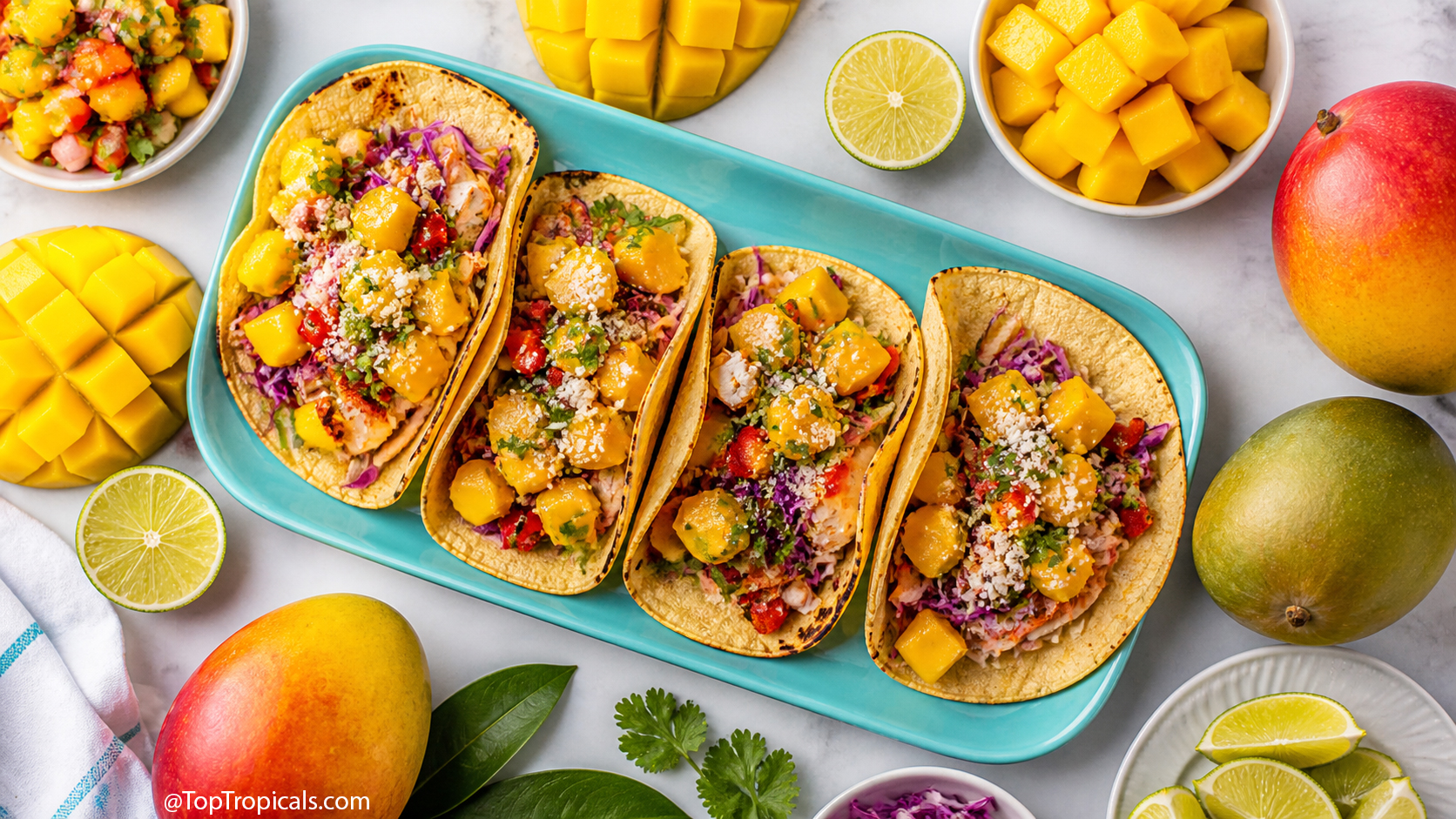
pretty yard and starts becoming a way of living. Mango tacos taste
different when you picked the mango yourself. Everything does.
Mango Plant Facts
Botanical name: Mangifera indica Also known as: Mango
USDA Zone: 9 - 11
Highligths
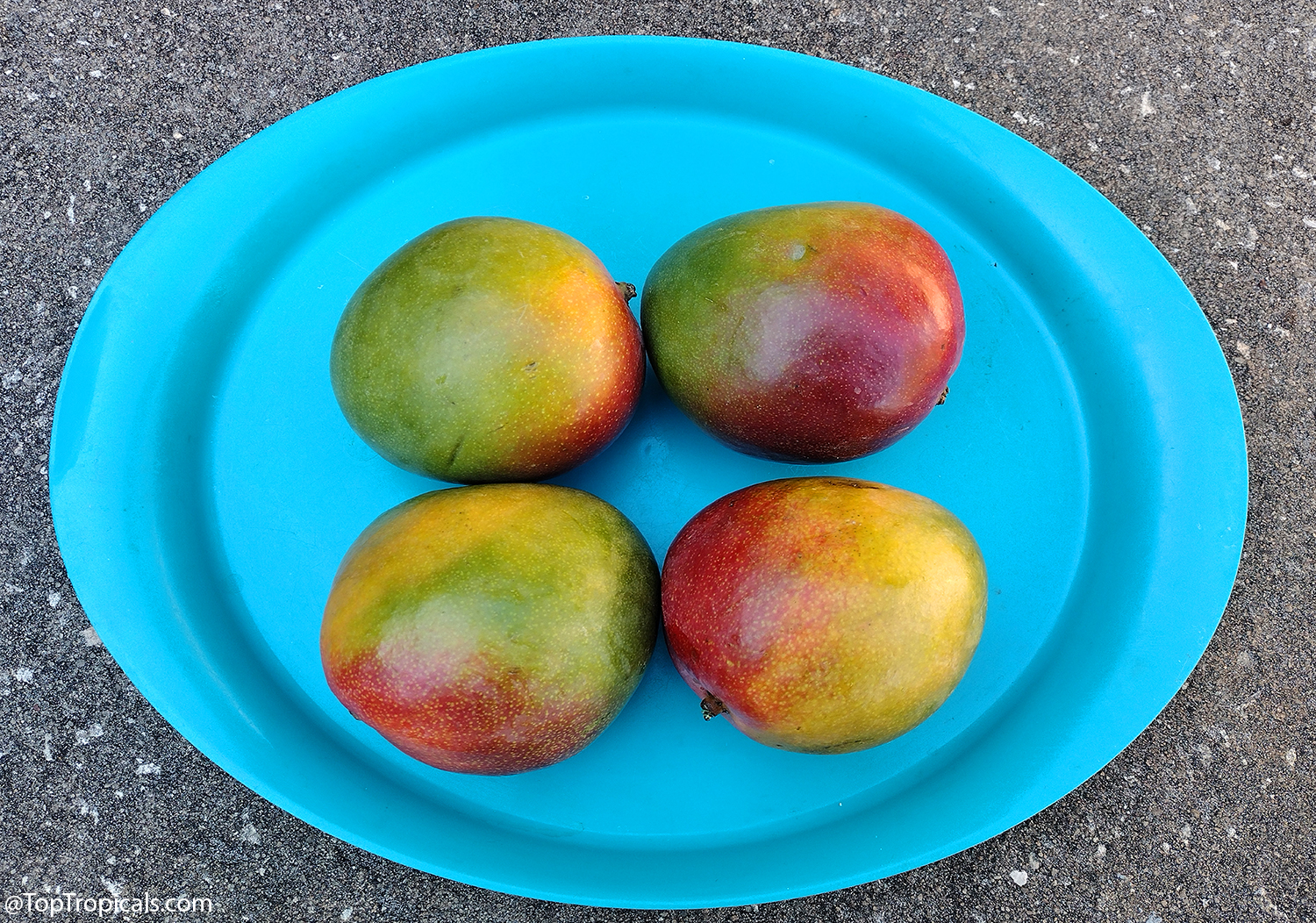
Kent mango - classic late-season variety with smooth,
fiberless flesh and rich, sweet flavor.
🍀Mexican
Plants That Thrive With Minimal Effort
by Tatiana Anderson, Top Tropicals Garden
Expert
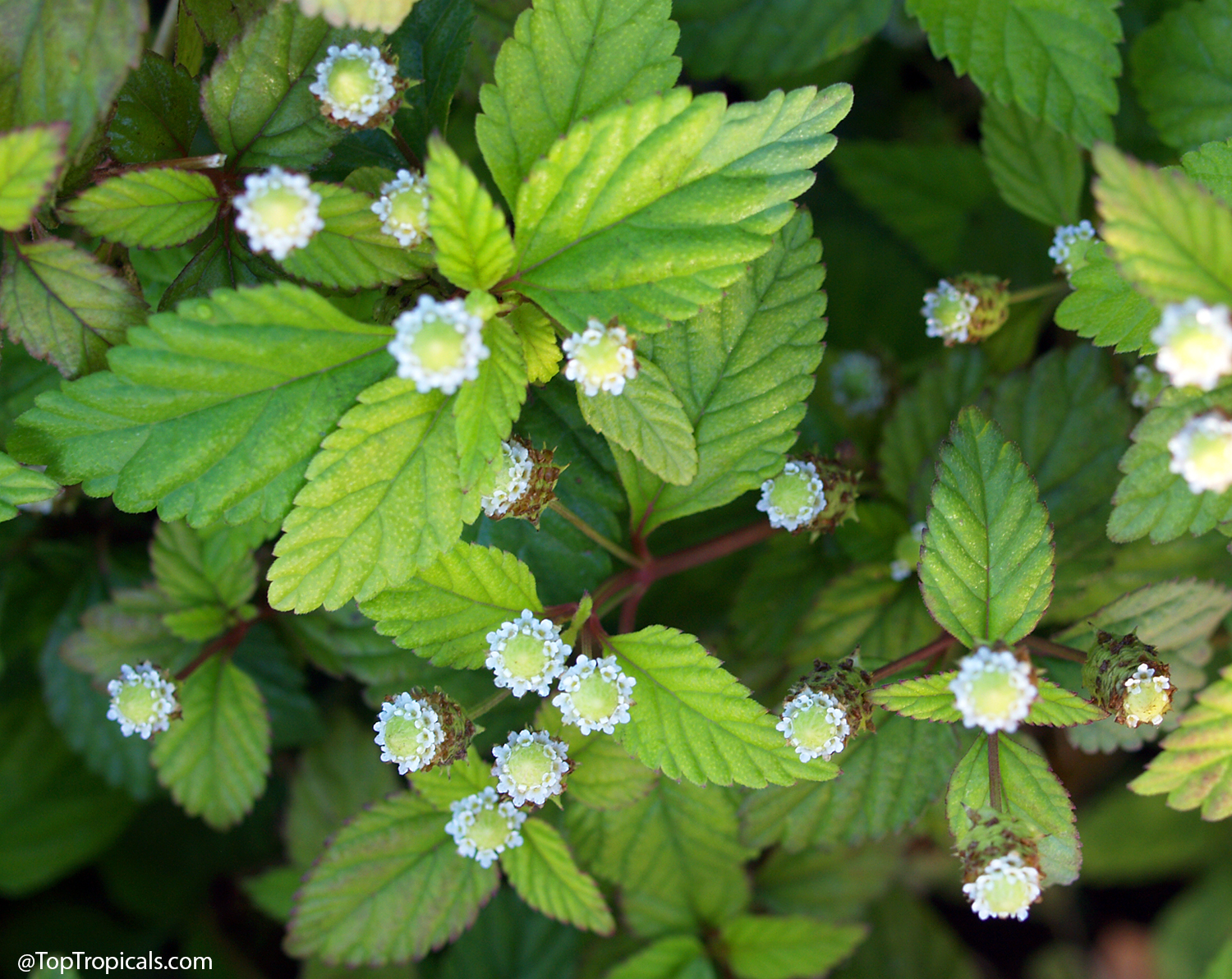
Lippia
dulcis - Aztec Sweet Herb in bloom - a low-growing Mexican herb
with tiny white flowers and remarkably sweet leaves that can be eaten fresh
or added to fruit dishes, traditionally used since Aztec times for coughs
and colds.
Aztec Sweet Herb Plant Facts
Botanical name: Phyla dulcis, Lippia dulcis, Phyla scaberrima, Lippia mexicana Also known as: Aztec Sweet Herb, Sweetleaf
USDA Zone: 9 - 11
Highligths
These Mexican plants are surprisingly easy to grow if you give them what
they expect: sun, heat, and good drainage. Most of them are built for tough
conditions and will grow fast with minimal care once established.
The one rule that matters: fill the planting hole with water. If it does
not drain in 5-10 seconds, plant on a mound or use a container.
Flowering
vines will take off quickly, edibles like peppers and sweetleaf
lippia
are very forgiving, and cactus types prefer to be left alone rather than
overwatered.
For full, step-by-step growing tips and plant-specific advice, read our blog
- we break everything down in practical, real-world terms.
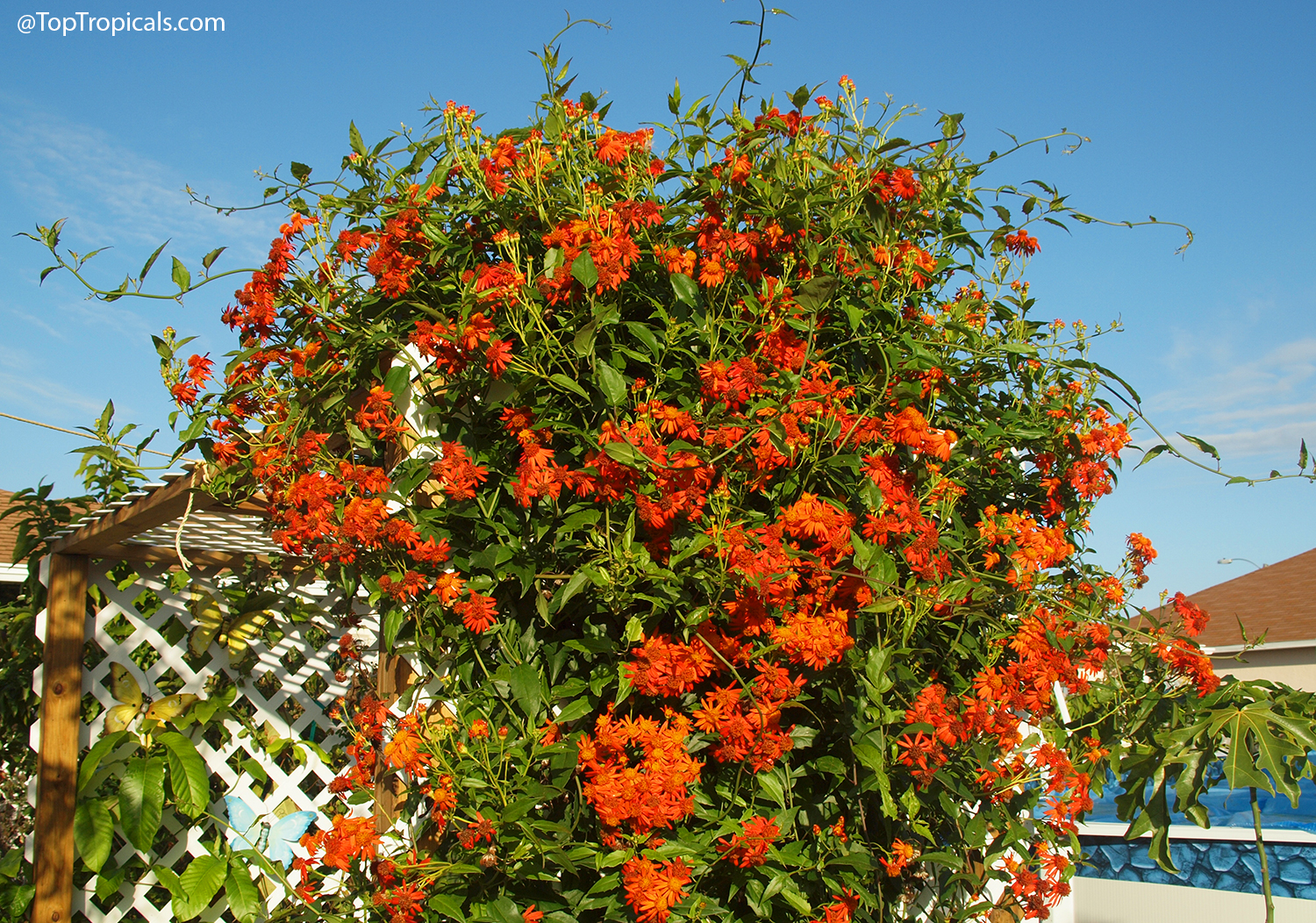
Mexican Flame Vine in full bloom - a fast-growing,
drought-tolerant climber that quickly covers fences with vivid red flowers,
attracting
pollinators and adding bold color with minimal care.
Mexican Flame Vine Plant Facts
Botanical name: Pseudogynoxys chenopodioides, Senecio confusus Also known as: Mexican Flame Vine, Orangeglow Vine
 Guava Tree Plant Care