Garden Blog - Top Tropicals

Date: 8 Nov 2024

Six colorful plants for your indoor garden

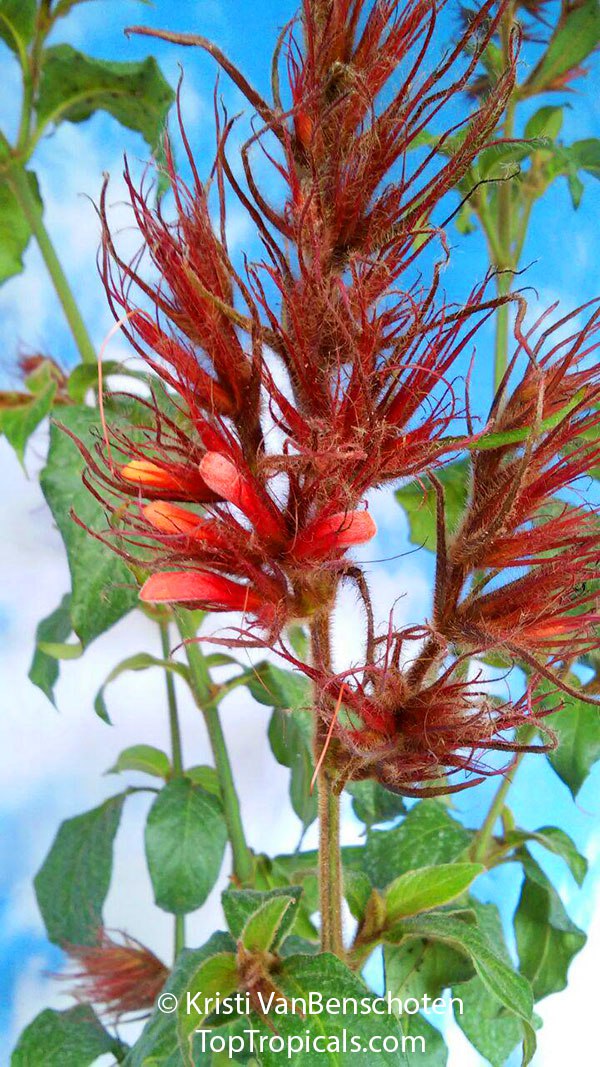
Sanchezia stenomacra - Blood Red Feather

Sanchezia stenomacra - Blood Red Feather

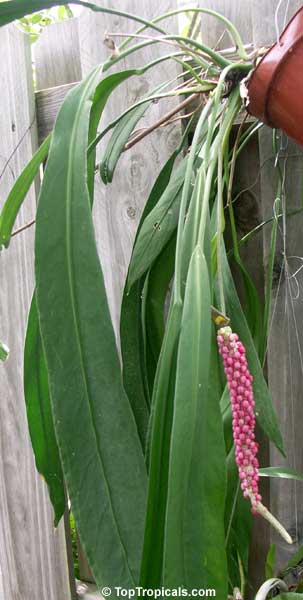
Anthurium vittariifolium- Long Leaf Anthurium

Anthurium vittariifolium- Long Leaf Anthurium

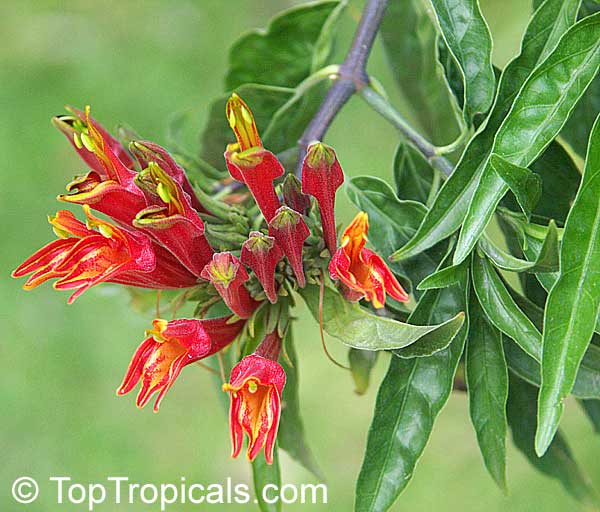
Clinacanthus nutans - Snake plant, Phaya-Yor

Clinacanthus nutans - Snake plant, Phaya-Yor

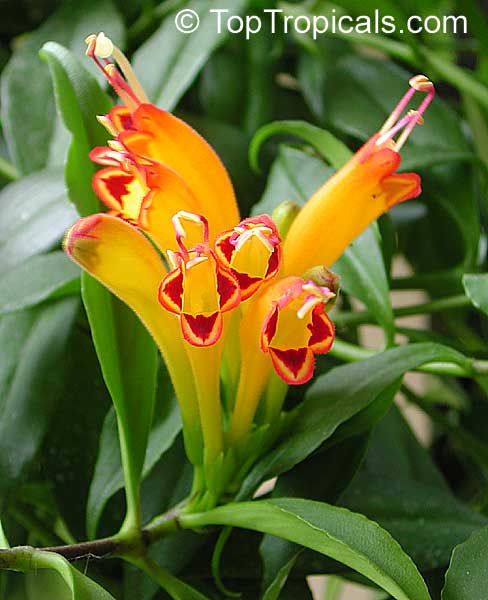
Aeschynanthus speciosus - Lipstick Plant

Aeschynanthus speciosus - Lipstick Plant

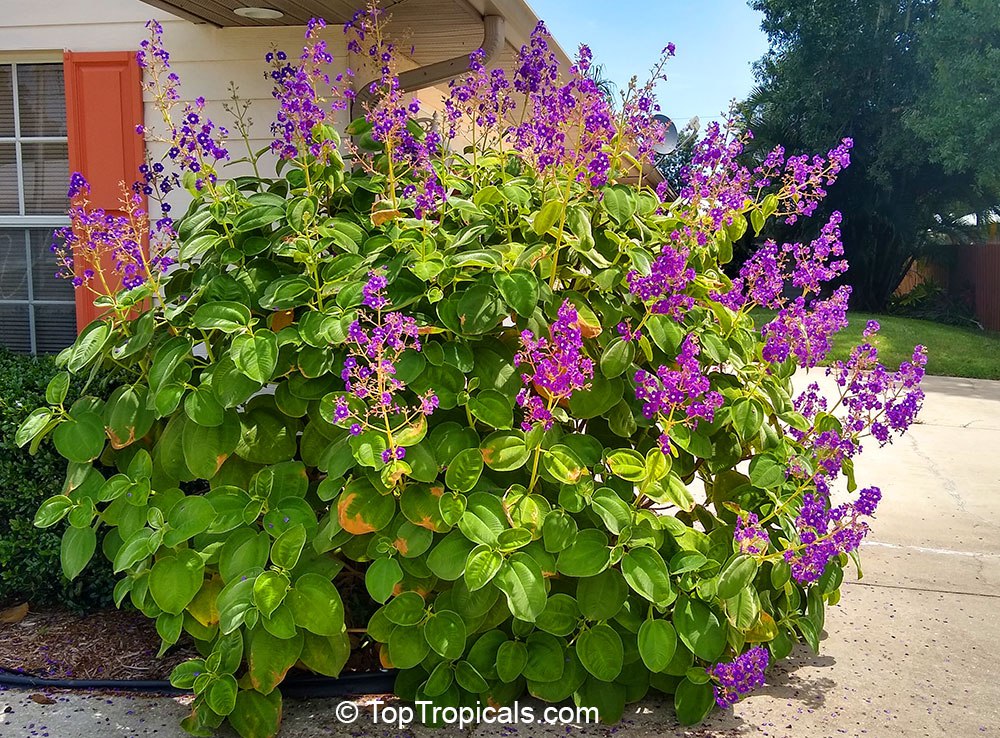
Tibouchina multiflora (grandifolia) - Glory bush, Quaresmeira

Tibouchina multiflora (grandifolia) - Glory bush, Quaresmeira

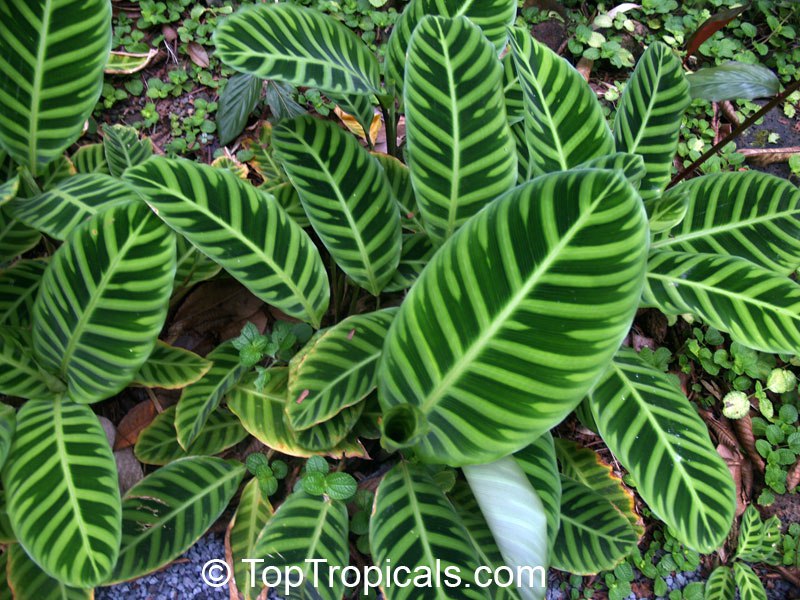
Calathea zebrina - Zebra Plant

Calathea zebrina - Zebra Plant

🌈 Six colorful plants for your indoor garden


🎶 Q: I've read your post about growing tropicals indoors and you got me inspired! Can you recommend something unusual, colorful and bright, preferably with flowers, that I can grow as house plants?

🌸 A: House plants don't have to be boring and just green! Below are a few excellent choices for your indoor garden that will brighten your sunroom. Just make sure to follow the 10 key tips for growing tropical plants indoors.
  1. Sanchezia stenomacra - Blood Red Feather - spectacular red feathery blooms and and soft, fussy leaves.
  2. Anthurium vittariifolium - Long Leaf Anthurium - super rare, an eye stopper, with long leaves up to 2 ft long, and bright pink fruit.
  3. Clinacanthus nutans - Snake plant, Phaya-Yor - exotic flower from Thailand resembling snake's open mouth.
  4. Aeschynanthus speciosus - Lipstick Plant - popular house plant with bright showy orange blooms.
  5. Tibouchina multiflora (grandifolia) - Glory bush, Quaresmeira - can be grown outside in Southern gardens, as well as in a pot indoors. Showy purple flowers, velvet leaves are wonderfully soft 6-8" in diameter!
  6. Calathea zebrina - Zebra Plant - the brightest zebra-striped large leaves up to 1 ft long.


👍 What flowering plants do you grow in shade? Share in comments⬇️

🛒 Shop indoor garden

#Container_Garden

🔴 Join 👉 TopTropicals

Date: 18 Feb 2026

🔥 Blazing into the 2026 with hot jasmines

Sunshine  the  orange  tabby  wearing  a  red,  white,  and  blue  wristband  sits
 
 
  laughing  on  a  jasmine-covered  horse  topiary  during  the  2026  Year  of  the 


Horse,  while  Smokey  the  tuxedo  cat  trims  the  greenery  at 


sunset.
Sunshine: I'm blazing into the 2026 Year of the Horse! Call me Mister Fahrenheit. Don't stop me now! 'Cause I'm having a good time — I'm a shooting star, leaping through the sky like a tiger, defying the laws of gravity!
Smokey: It's jasmine, Tiger. A shrub. Not Wembley. Calm down.

💮 2026 Year of the Horse - and the Plant I Trust Most

By Tatiana Anderson, Horticulture Expert at Top Tropicals

Every new year carries its own energy.

2026 is the Year of the Horse - a year of movement, fire, momentum, and bold decisions. It is not a quiet year. It pushes us forward.

When fellow gardeners ask me what to grow in a year like this, my answer is simple:
Grow something that balances strength with grace.

For me, that plant is Jasmine Sambac.

In many cultures, Sambac represents devotion, purity, and deep affection. In the Philippines it is the national flower - Sampaguita - woven into garlands for weddings and sacred ceremonies. In Hawaii, it becomes leis - a symbol of welcome and connection - Pikake. In India, it perfumes temples and homes.

This is not just a fragrant shrub.
It is a plant tied to love, loyalty, and continuity.

The Horse runs forward.
Jasmine anchors the heart.

In a fiery year like 2026, I believe we need both.

And that is why I always return to Jasminum sambac.

🛒 Explore Jasmine varieties

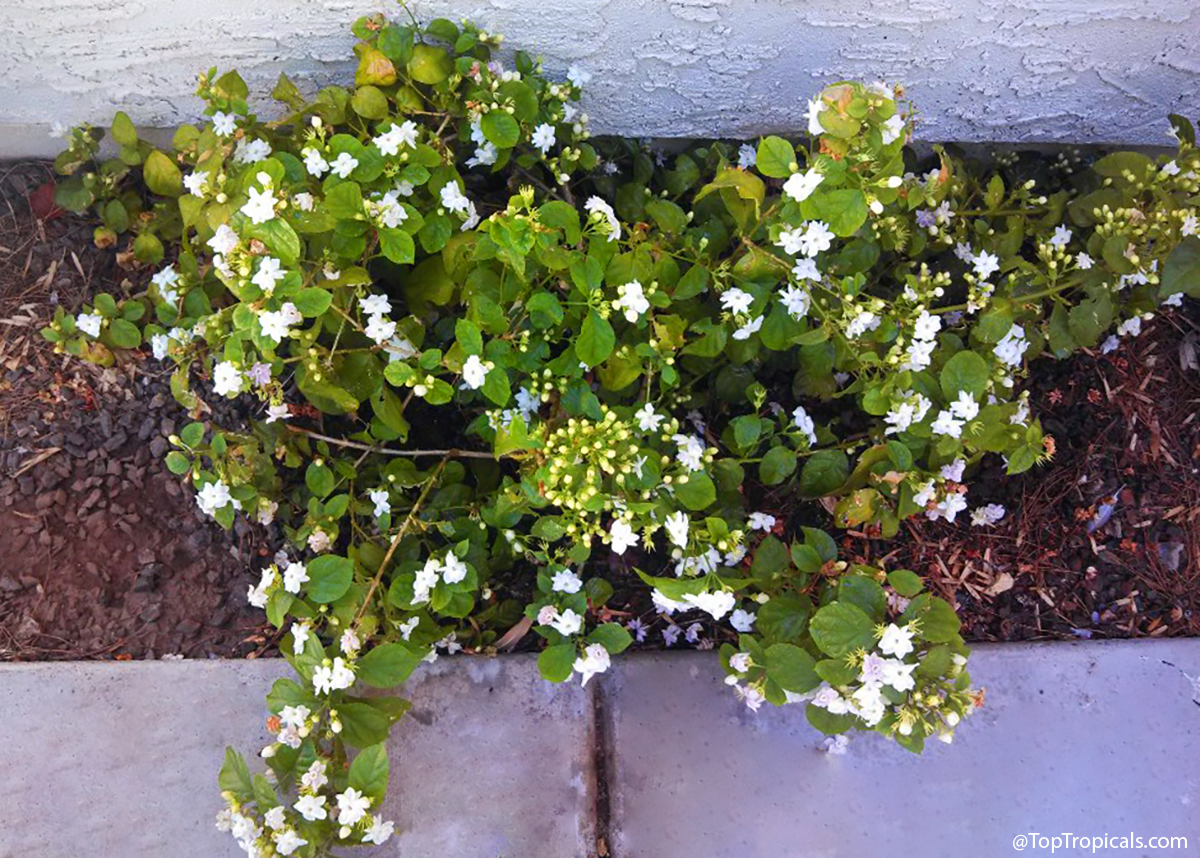
Jasmine  Sambac  Maid  of  Orleans  plant  growing  along  a  wall  with  clusters
 
 
  of  white  fragrant  flowers  in  bloom.

Jasmine Sambac thrives in hot, sunny locations

✅ Why Jasmine Sambac?

Over the years I have grown thousands of plants, but very few have the staying power of Jasmine Sambac.

It is not just fragrant. It is intensely, unmistakably fragrant. One open flower can perfume an entire patio. In the evening, the scent becomes deeper and richer.

But what makes Sambac truly special is its adaptability.

It can grow as a compact patio shrub, a flowering hedge, or a climbing vine. It performs beautifully in containers. It tolerates both full sun and partial shade. The more light you give it, the more flowers it rewards you with.

And unlike many tropicals, Sambac does not bloom just once. With proper care, it flowers in cycles throughout the warm season.

For gardeners, that combination is rare: beauty, perfume, flexibility, and repeat bloom.

That is why it has remained one of the most wanted fragrant plants in cultivation.

✍️ More About Jasmines from Blog

🛒 Explore Jasmine plants

Date: 7 Oct 2025

⭐ The Winter Stars: 8 Flowering Trees That Steal the Show
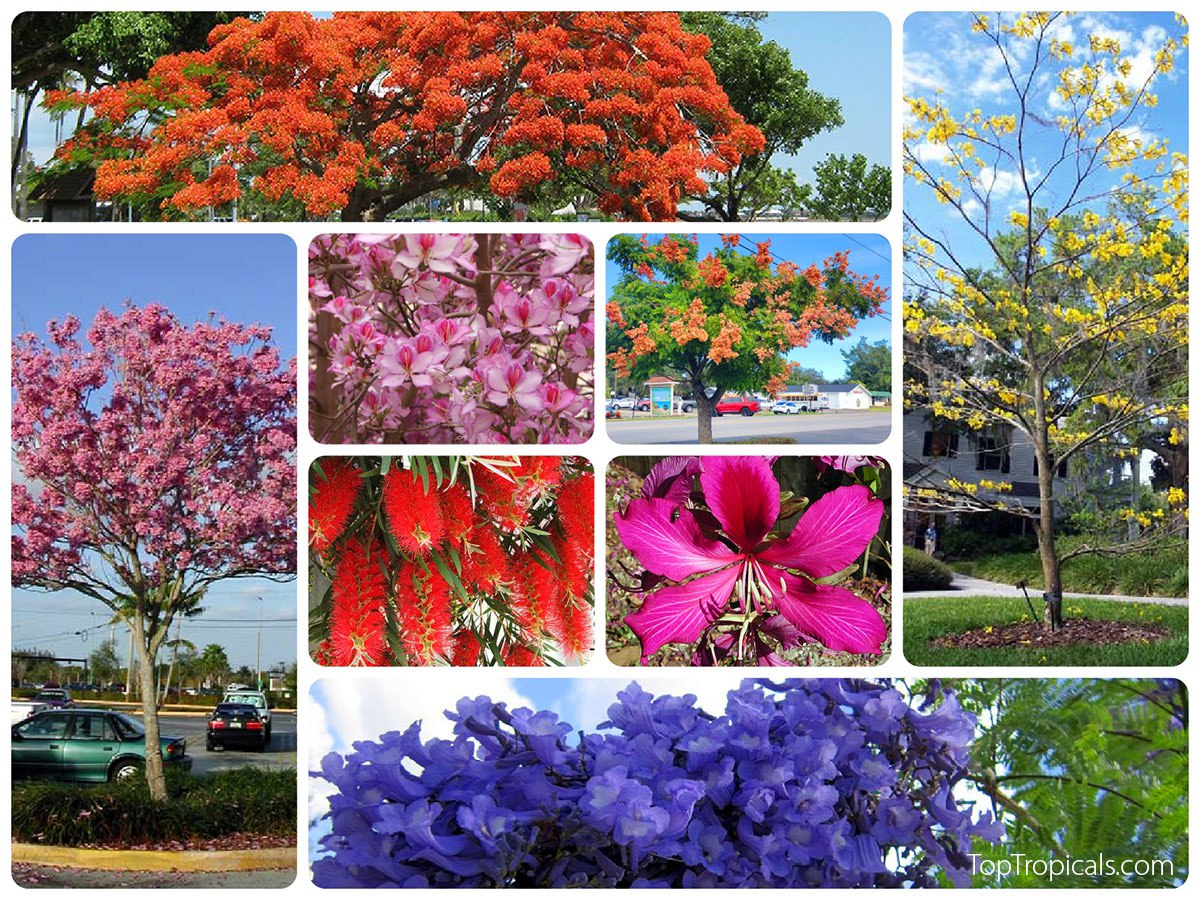
Collage  showing  eight  tropical  and  subtropical  winter-flowering  trees: 


Royal  Poinciana  with  red-orange  canopy,  Dwarf  Pink  Tabebuia,  Dwarf  Golden 


Tabebuia,  Pink  Butterfly  Orchid  Tree,  Golden  Rain  Tree,  Weeping  Red 


Bottlebrush,  Hong  Kong  Orchid  Tree,  and  Jacaranda  with  purple 


flowers.

8 Best Flowering Trees That Bloom in Winter: Royal Poinciana with red-orange canopy, Dwarf Pink Tabebuia, Dwarf Golden Tabebuia, Pink Butterfly Orchid Tree, Golden Rain Tree, Weeping Red Bottlebrush, Hong Kong Orchid Tree, and Jacaranda with purple flowers.

Royal Poinciana (Delonix regia)

The diva of tropical trees. Huge red-orange flowers blanket the branches from late winter through summer. If you’ve ever seen one in full bloom, you know — it stops traffic. Best in large yards or open spaces, but young ones do great in big pots for a few years. 🛒 Shop
Tatiana: “If you want a tree that makes people say ‘wow,’ this is it.”

Tabebuia chrysotricha – Dwarf Golden Tabebuia

Small tree, big drama. It turns solid gold just before new leaves appear. Blooms while completely bare — a stunning contrast of yellow on brown wood. Perfect for patios, courtyards, and containers. Handles cool nights down to the mid-20s F. Bright, cheerful, and forgiving — the kind of tree that always looks like it’s celebrating. 🛒 Shop

Tabebuia impetiginosa – Dwarf Pink Tabebuia (Pau D’Arco)

The Florida “cherry blossom.” Pink-lavender flowers smother the branches each winter, often before any leaves return. Thrives in sandy soil, tolerates drought, and grows beautifully in large planters or pots indoors near a sunny window. Ideal for seasonal residents or anyone who wants color when everything else is asleep. 🛒 Shop

Jacaranda mimosifolia

If color had music, this would be jazz. Soft, fern-like leaves and cascades of violet-blue trumpet flowers — airy, elegant, unforgettable. Outdoors, it makes a graceful shade tree; in containers, it stays compact with regular pruning. Jacarandas reward patience — they bloom bigger each year. 🛒 Shop

Koelreuteria paniculata – Golden Rain Tree

A favorite for its surprises — golden blooms in summer, pink paper lantern pods in fall, and bronze leaves before rest. Fast-growing, tough, and easy. Loves full sun and moderate water. Great for open lawns or patio tubs. The kind of tree that gives you something new to look at every month. 🛒 Shop

Callistemon citrinus – Bottlebrush Tree

The hummingbird magnet. Bright red, brush-shaped flowers bloom several times a year — sometimes even in cool weather. The dwarf form, ‘Little John,’ stays about 4 feet tall, perfect for pots or small borders. Trim lightly after flowering to keep it compact and colorful. 🛒 Shop
Tatiana: “If you’ve never grown a tropical tree before — start here. It’s the friendliest one.”

Bauhinia variegata – Pink Butterfly Tree

Graceful, fragrant, and forgiving. Its pink-lavender orchid-like flowers open from late winter through spring, filling the garden with color and pollinators. It’s fast-growing, drought-tolerant, and excellent for both ground and pots. Even the buds are edible — a fun bonus for adventurous gardeners. 🛒 Shop

Bauhinia blakeana – Hong Kong Orchid Tree

The queen of them all. Huge magenta-purple blooms that last for months, from fall through spring. Fragrant, clean (no messy seed pods), and perfect for patios or large decorative containers. Give it sun, a little water, and it will reward you with bloom after bloom. 🛒 Shop
Tatiana: “It’s the one tree that never lets winter win.”

A note on grafted Hong Kong Orchid Trees: Most Hong Kong Orchid Trees are grafted, and that’s actually a big advantage. Because they don’t grow from seed, grafted plants mature faster and begin blooming while still small — sometimes within the first year. That makes them perfect for patio pots or small gardens where space is limited.

Bringing the Tropics Home

Whether your garden faces the Gulf or your window faces the snow, these trees let you live in color year-round. Plant them outdoors in warm zones or grow them in pots indoors — they adapt, they bloom, they brighten every corner.

Gardening isn’t about waiting for spring — it’s about finding joy in every season. And when a tree blooms in January, that joy feels twice as sweet.

🛒 Shop Winter Flowering Plants
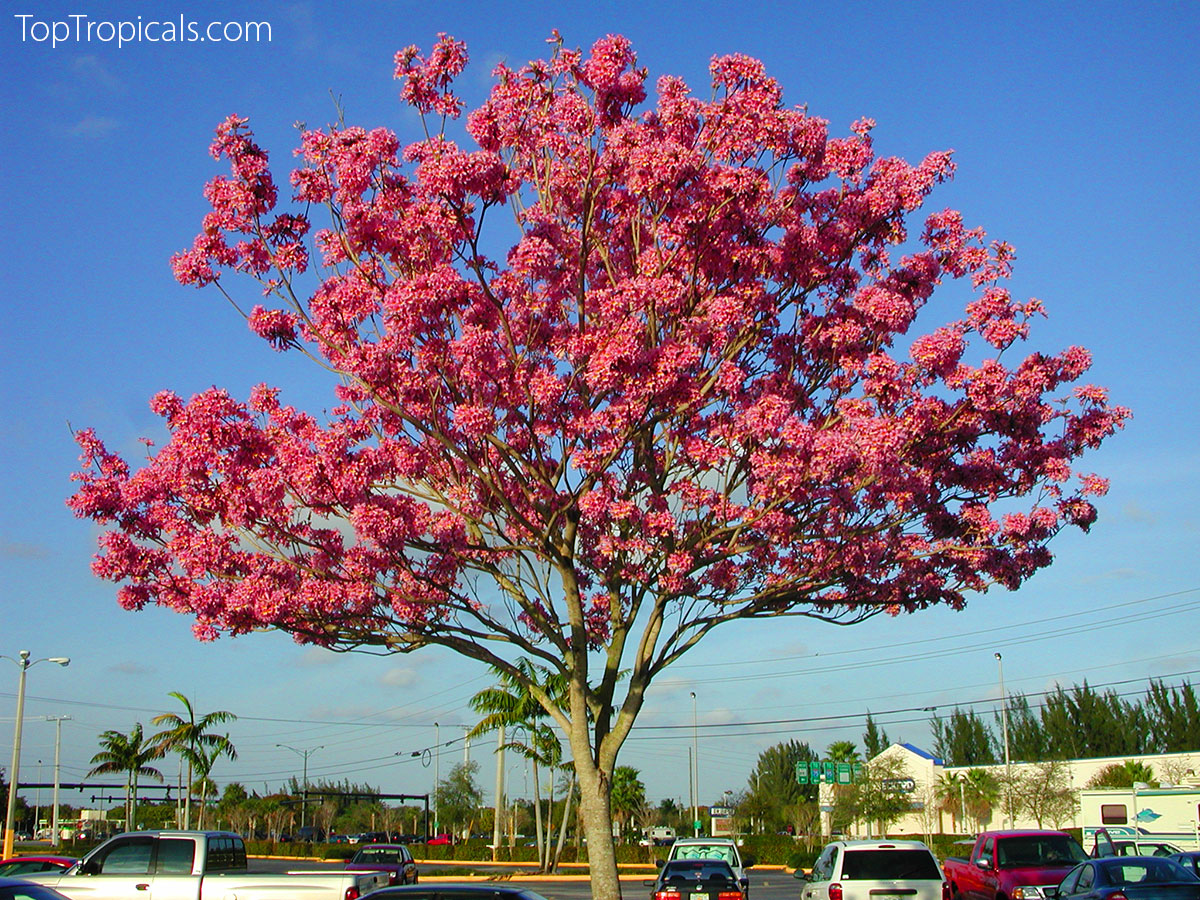
Tabebuia  impetiginosa  -  Dwarf  Pink  Tabebuia,  Pau  DArco,  Taheebo

✍️ Winter Bloomer Q&A

Q: Can these trees really bloom indoors?

Yes! Smaller species like Bottlebrush ‘Little John,’ Dwarf Tabebuias, and many Bauhinias bloom beautifully in pots with bright light or grow lamps.

Q: Do they lose their leaves in winter?

Some, like Tabebuias and Jacarandas, drop leaves right before blooming — it’s normal and part of their charm. Others, like Bottlebrush, stay evergreen.

Q: What fertilizer works best?

We use Sunshine Boosters — gentle, balanced, and perfect for tropicals. Feed every 2–3 weeks during active growth.

Q: How do I know when to water?

Touch the soil! If it’s dry an inch or two down, water deeply. Overwatering is the main mistake with tropicals.

Q: Can they handle frost?

A quick dip into the upper 20s F is fine for most mature trees. Cover young ones or move containers under shelter if colder.

Q: Which are best for beginners?

Start with Bottlebrush ‘Little John’ or Golden Tabebuia — compact, colorful, and nearly foolproof.

Q: When will they bloom?

Usually within few years if they get enough sun and warmth. Grafted plants blooms much sooner

Q: Which of these trees are best for pot growing?

For patios, balconies, or indoor sunrooms, choose the compact or grafted types:

🎥 Watch videos of Dwarf trees in bloom:

Dwarf Golden Tabebuia

Dwarf Pink Tabebuia

🛒 Shop Winter Flowering Plants
Date: 11 Jan 2021

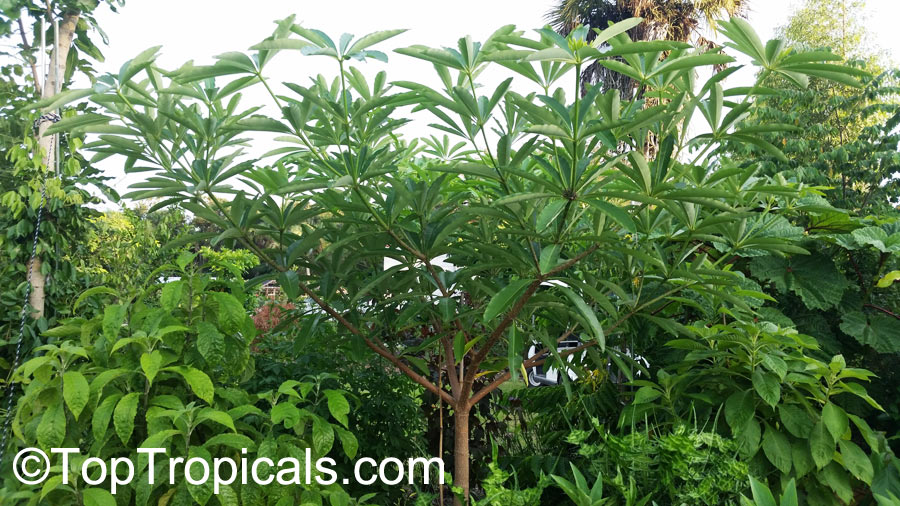
Alstonia scolaris - Indian Devil Tree

A Scholar's Award with intoxicating fragrance

By Alex Butova, the Witch of Herbs and Cats

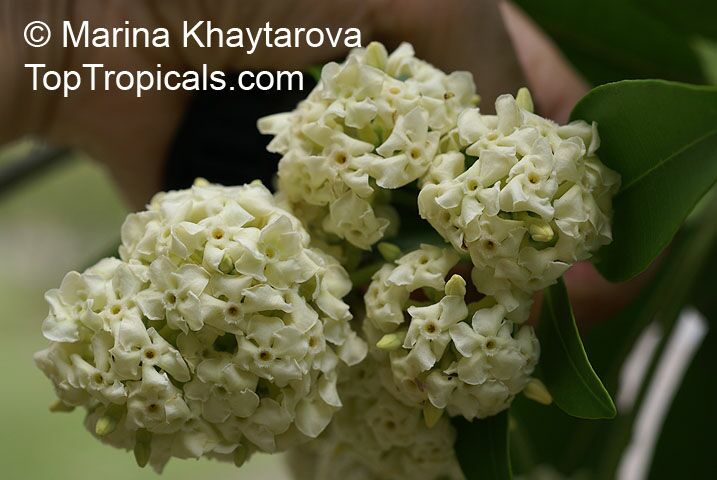
...This fascinating rare plant with white, strongly perfumed flowers is valued as a fast growing, impressive ornamental shade tree and is used to serve as an alternative to quinine...
Popularly known as Devil Tree, as plant is believed to the devil's abode - probably due to the intoxicating fragrance emitted by flowering trees, especially at night.
The tree is of great cultural significance in the intellectual circle, as traditionally its leaves were awarded to scholars and teachers during convocation ceremonies by the Visva Bharati University (can't think of a better name than Alstonia scholaris!). This tradition was started by Rabindranath Tagore...

CONTINUE READING >>

Date: 14 Jul 2019

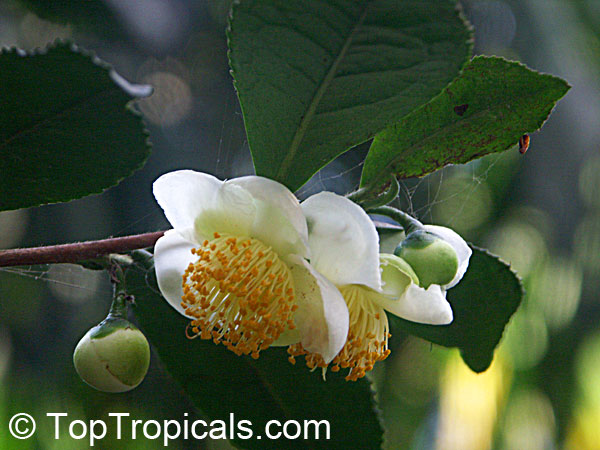
A Cup of Tea Plant

By Onika Amell, tropical plant specialist

A: I live in Ave Maria, Florida. I want to try my hand at growing my own tea. Which plant do I need?

A: Most people do not realize they are actually enjoying camellias when they sip their cup of tea. True tea comes from the Camellia sinensis plant, an evergreen shrub or small tree.
In the fall and winter, the plant will produce small white flowers with a lovely fragrance. The foliage is shiny and dark green with a very nice informal and open look. Camellia sinensis (or tea plant, as it is commonly known) prefers a temperature between 65 and 86 degrees, which makes Florida an ideal area to grow them. However, if you live in colder zones, you can certainly succeed growing your own tea plants using a greenhouse. Alternatively, you can use containers which can be brought inside when temperatures start falling. Tea plants will usually survive a very slight freeze, though the leaves may be damaged or killed. It will not tolerate a hard freeze. They prefer full sun or light shade in the garden.
Tea plants will become small trees or large bushes if not pruned. Hardcore tea growers trim back the shoots repeatedly to a height of around 4 feet to encourage new growth and to contain the size.
Make sure to pick an area of your landscape where it does not flood or remain wet during our rainy season. Camellia sinensis does not like wet feet at all. They prefer well-drained, sandy and slightly acidic soil. If grown in a container, add some sphagnum moss to the potting mix. They will benefit from frequent applications of small amounts of fertilizer.
You will need some patience, too. Your plant should be around 3 years old before you start harvesting leaves.

Recommended fertilizers:

Tropical Greenhouse Plus - Plant Booster
Tropical Allure - Smart-Release Booster

Harvesting recipes

Now that you know how to grow the Tea, you need to check this out: the Harvesting recipes how to harvest and make different kinds of real tea: Green Tea, Japanese Style Green Tea, Oolong Tea, Black Tea, Orthodox Indian Tea... Continue reading...