Garden Blog - Top Tropicals

Date: 22 Aug 2025

Helicopter flower Madhavi - the Spring Herald that clings to a Mango Tree
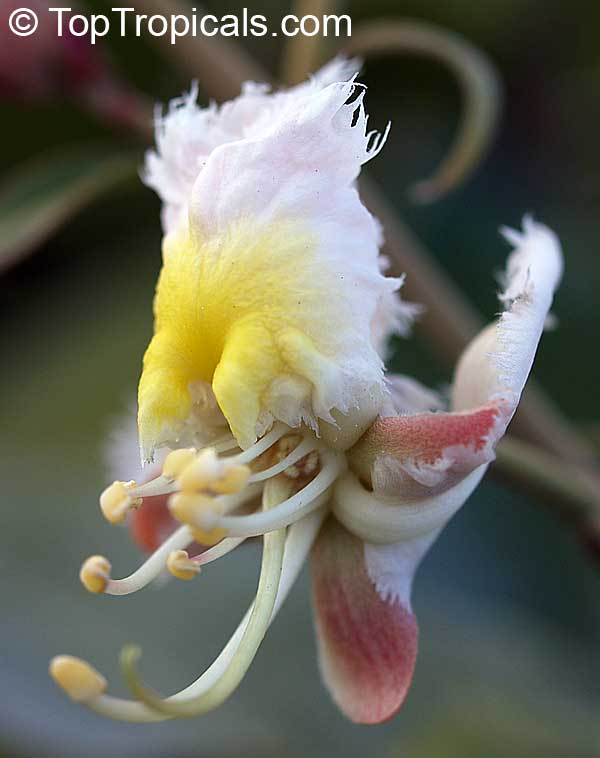
Hiptage benghalensis - Helicopter Flower, Madhavi, Spring Herald, flower close up
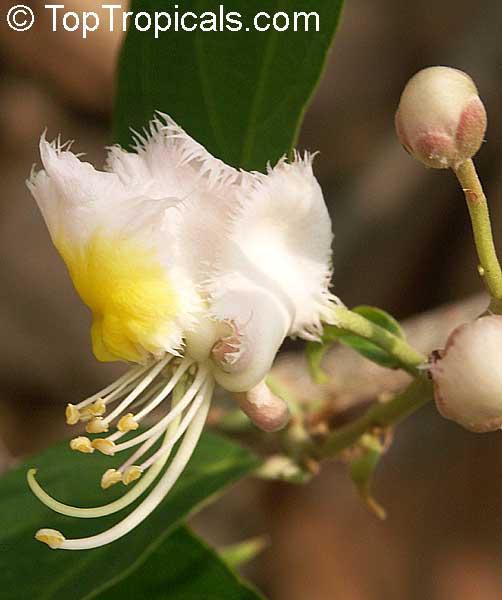
Hiptage benghalensis - Helicopter Flower, Madhavi, Spring Herald, flower close up

Hiptage benghalensis - Helicopter Flower, Madhavi, Spring Herald, flower
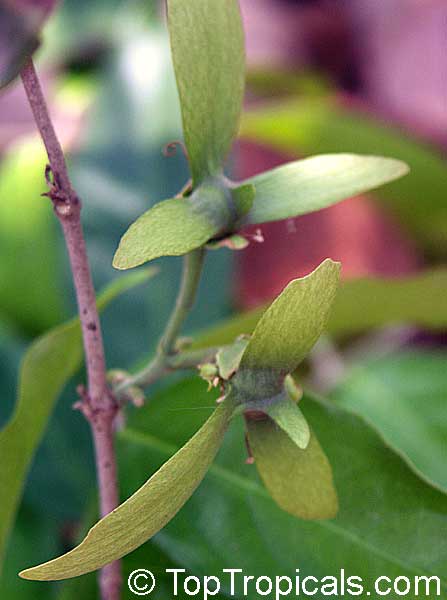
Hiptage benghalensis - Helicopter Flower, Madhavi, Spring Herald, flower

Hiptage benghalensis - Helicopter Flower, Madhavi, Spring Herald, seeds
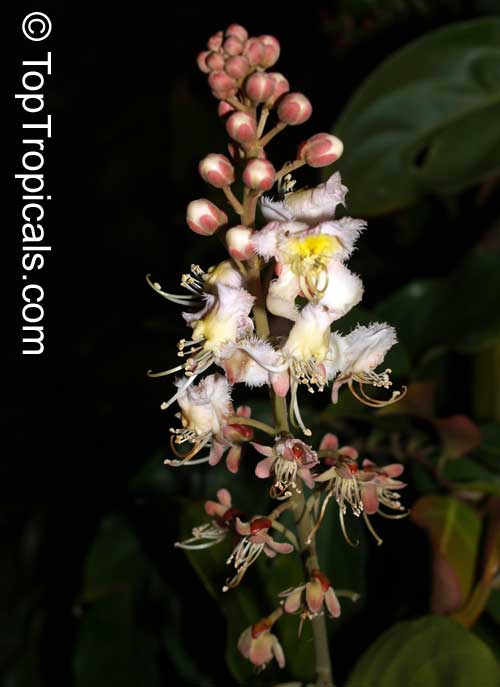
Hiptage benghalensis - Helicopter Flower, Madhavi, Spring Herald, seeds

Hiptage benghalensis - Helicopter Flower, Madhavi, Spring Herald, flowers on the bush

Hiptage benghalensis - Helicopter Flower, Madhavi, Spring Herald, flowers on the bush

🚁 Helicopter flower Madhavi - the Spring Herald that clings to a Mango Tree
  • 🍥 Hiptage benghalensis - Helicopter Flower: during TopTropicals plant trip to Thailand, this was one of the first discoveries that caught our attention. We were suddenly stopped by an incredible, sweet perfume drifting through the air. Following the scent, we found its source - a dense, vigorous vine covered in unusual, eye-catching flowers.
  • 🍥 Helicopter Flower? The name comes from its funny three-winged seed pods that spin like little helicopters. But the real show happens when it blooms. Clusters of pink-white-and-yellow flowers appear in profusion, with frilly petals and a fruity perfume that can stop you in your tracks. Best of all, it flowers in winter and early spring, just when most other plants are quiet, so it fills the air with fragrance at a time you need it most.
  • 🍥 Hiptage is easy-going and adaptable. It can be trimmed as a shrub, trained into a small tree, or let go as a climber, but be ready to give it space and strong support if you let it vine. It's fast-growing, tolerant of different soils, and happy in either sun or part shade. You can even keep it in a container and trim it into a rounded bush. It's pretty cold hardy too - can take some light frost.
  • 🍥 In India, the Helicopter Flower is called Madhavi - the Spring Herald, and often paired with mango trees in stories and gardens - the sturdy mango holding up this vigorous fragrant vine, symbolizing love, devotion, and the union of strength with beauty. Planting the two together makes for a striking, symbolic pair!
  • 🍥 For gardeners, it's the rare combination of beauty, fragrance, adaptability, and a good story to tell. A plant that not only perfumes your garden but also brings a touch of legend to it.
  • 🍥 Used medicinally in India.


🛒 Bring Perfume Spring Herald to your garden

#Perfume_Plants #Hedges_with_benefits

🟢 Join 👉 TopTropicals
Date: 8 Aug 2016

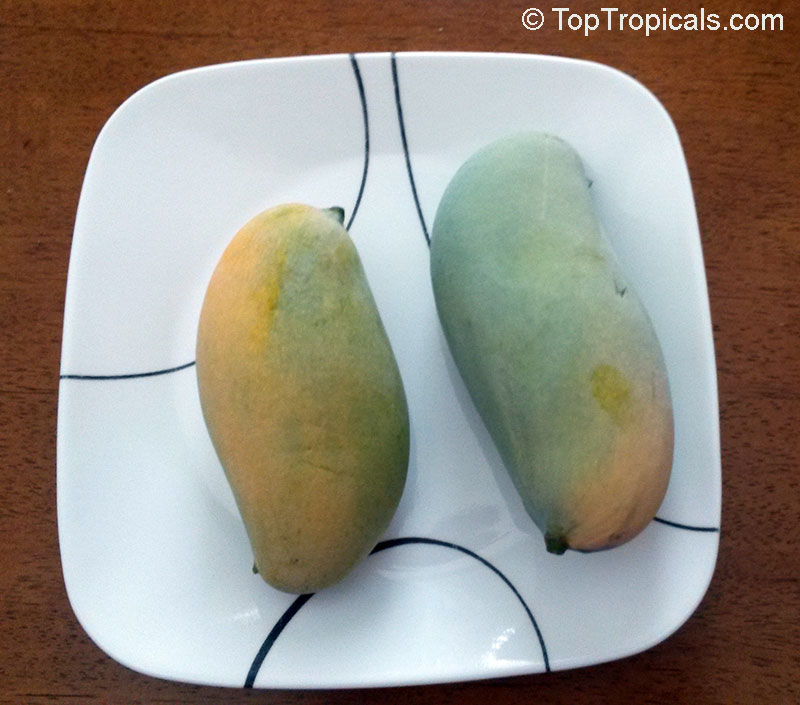
Growing mango in hot Arizona

By Mike D, Mesa, AZ. Despite to what you may think, mango can be successfully grown in desert Arizona climate. It has good heat and drought tolerance. It's possible providing the following:
1) Winter protection of a young plant when temperature goes around or below freezing. Try to plant trees in locations where they're protected from cold wind. Minimal temperatures vary widely. Areas which are closer to downtown are few degrees warmer, while outskirts can be very cold.
2) Some people are lucky enough to live in areas with good soil. However, most of us will have a so-called hardpan (extremely compacted desert) or caliche (layers of soil cemented together by calcium carbonate). Check with your local county extension office to determine how to deal with such conditions. Gypsum is usually used to loosen compacted soil.
3) When planting, dig a large hole making sure it has good drainage. Plant tree as usual, add mulch around it. It helps to conserve moisture.
4) Best time to plant is late Fall or early Spring, so mango can get established before Summer heat.
5) Plant where tree gets few hours of sun.
5) Water a lot until established. Once established, water when soil is dry.
6) Small plant may need protection from summer heat. Use shade cloth.
7) Mango requires very little nitrogen fertilizer. In hot climate, overdosing nitrogen may result in quick plant decline. Use balanced low nitrogen slow release fertilizer or avoid nitrogen completely. If you use mulch, then decomposing mulch provides enough nitrogen. Foliar spray of micronutrient solution is recommended during active growing period. Read more...

Date: 17 Jun 2022

New Video: What to do when your mango tree freezes?

...It's a happy warm Summer and we hate to think about cold weather. However, when buying a tropical Mango tree, be ready to protect it when winter comes!
In this video we explain how to properly take care of your mango tree after a freeze or frost. We give you step by step directions to ensure your tree has the best chance for survival.....

Subscribe to our Channel:

Stay updated with TopTropicals Videos by subscribing to our channel at YouTube.com/TopTropicals and get our latest video news of what is fruiting and blooming!

Date: 9 Dec 2020

Establishing Mamey Sapote

In the photo: Mamey Sapote lre-leafing.

Q: I purchased Mamey sapote last fall and am very excited about having it in my yard. It lost leaves during the winter, but then budded and put on a lot of beautiful leaves. I was hand watering since this covid stay at home event, and thought I'd put it in a larger container, 10 gallon. About 2 months after transplant and hand watering the leaves turned yellow. I cut back on watering, allowing some dryness between. Some leaves now have fallen off, but looks like new ones forming. What have I done and most importantly now, what do I need to do so she survives? I haven't yet decided exactly where to plant her... so hoping she can stay in container for a bit longer while recovering.

A: It is possibly a combination of over-watering and seasonal changes (re-leaf). During this time of the year, Pouteria sapote loses old leaves and grows new ones. This plant is semi-deciduous, which means, it drops leaves during unfavorable conditions (too dry, too wet, too cold, to hot, etc. = any stress). The new buds are healthy. Give it a couple of weeks. Reduce watering. Don't water again if the soil is still moist. If planted in the ground, it will be easier to control the moisture, as long as you plant it high enough (at least 3-4"above the surrounding area, like on a little hill, for a better drainage. See how to plant a tree.
Once you notice a new growth and healthy leaves, give the plant some food:
SUNSHINE C-Cibus - Crop Nutrition Booster
Mango-Food - Smart Release Fruit Tree Booster


Date: 24 Jun 2018

TopTropicals

Fruitful Fruit and SuperFood...

Q: I have a large fruit garden here in Florida with many mango trees, avocadoes, guavas, and other tropical fruit. Last year hurricane Irma and flooding killed a few avocado trees, but mangos and guavas survived OK, but the sad part is, very few flowers this year and almost no fruit setting. I noticed on your website your Superfood and Sunshine-Honey boosters that supposedly help fruiting? But I am afraid it is too late now as your instructions say first application must be in early Spring? I wish I discovered earlier that my trees wouldn't want to fruit this year...

A: First of all, it is never late to give the food! You may start applications of SUNSHINE products at any time of the year. The best results will be achieved once you treat your plants on regular basis throughout the whole year cycle of metabolism.
Couple weeks ago we started harvesting our 2 guava trees. These two are the same variety (Variegated Honeymoon), planted within 20 ft from each other and growing in the same conditions. The only difference was, one was treated with SUNSHINE-Honey and SUNSHINE-SuperFood, and another one didn't get any treats in order to have a control plant.
Results are very interesting, see the picture. Both trees were heavily covered with fruit. However the one with treatments developed fruit that is much larger, much sweeter and juicier, and the most interestingly - with less seeds, almost no seeds!
To answer your question: yes, you can start feeding your fruit trees right now. It is still a Springtime. Many mango varieties have late season; even early varieties may delay their fruiting if flowering triggered by miscro-elements. Guavas have very long season and most varieties can have multiple crops throughout Summer-Fall.
Here is a simple and affordable feeding schedule to help your fruit garden recover from last year hurricane stress, and establish reliable production:
1) SUNSHINE-E - for boosting metabolism - once a month
2) SUNSHINE-Honey - for bringing sugars to the heart of the tree and boosting fruit sweetness and quality - now and in 2 weeks
3) SUNSHINE-SuperFood - for overall health, recovering from hurricane and fixing root damage from flood - now and every 2 weeks throughout warm season.
4) You may apply regular balanced fertilizer NPK as usual (we apply once a month, a handful per in-ground tree)
It's that simple. Just try and watch your trees produce again!

Check out all SUNSHINE boosters... We offer FREE shipping on them, so you can make your plants happy!