Garden Blog - Top Tropicals

Date: 5 Mar 2023

How to move plants from indoors to outdoors
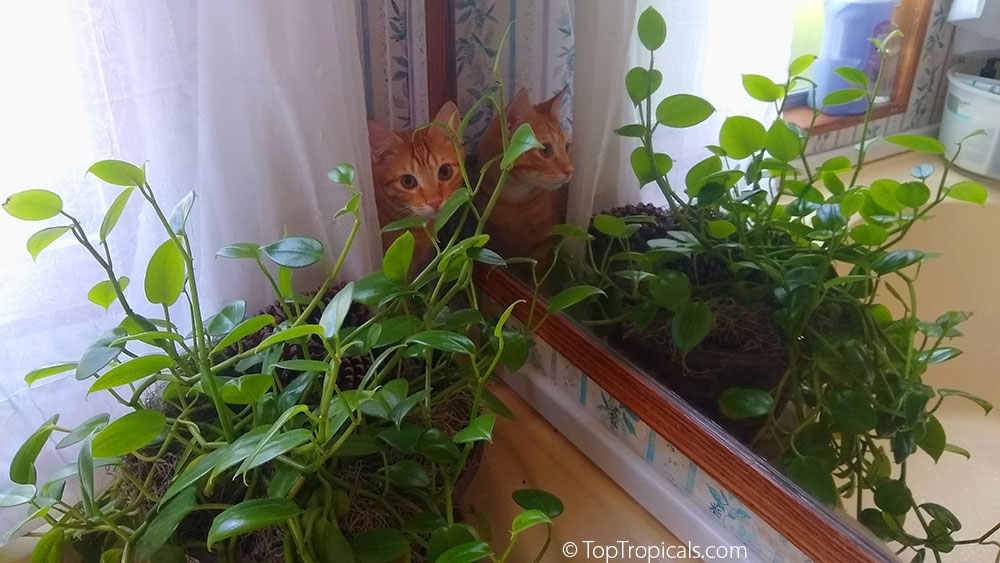
Cat  with  indoor  plant  hiding  behind  curtain

Q: When moving my tropical plant collection outside in the garden, what do I need to know to get them adjusted to this change?

A: As a tropical plant gardener, it's important to assess the temperatures outside before moving your plants outdoors. Most tropical plants thrive in sustained temperatures above 60F.
Moving your plants outside during the summer creates optimal growing conditions for sun-loving plants, providing them with more light and warmth than they can ever get inside. This active time of growth, along with the outdoor conditions of humidity, heat, sunlight, and natural day length, gives the plant a chance to experience growth in an outdoor environment, making for a much stronger plant.
However, be aware of sun burn. Direct sunlight can burn patches of white or brown on the surface of the tender leaves, so it's best to move your plants outside by hardening them off first. Gradually increase the amount of direct sunlight they receive over several days before moving them into full sun.
It's also a good time to prune your plants and repot them if needed, providing better aeration to the root system. But avoid root pruning as it can make your plant susceptible to disease and shock.
Overall, moving your tropical plants outside encourages their natural bloom cycle and provides extra vigor for the upcoming indoor season. However, be aware that you may have to deal with insects when you bring your plants back inside in the fall, so use preventive sprays like Sunshine NoBug before bringing them back inside. Leaf drop is also common when plants come back inside, so make sure to provide a well-lit location.
When moving plants outside, it's important to provide them with proper nutrients through fertilization. Outdoor conditions can deplete the soil of essential nutrients, so giving your plants a boost of fertilizer before moving them outside can help them acclimate to their new environment. Apply Sunshine Boosters with every watering, include micro-elements and bio stimulants to boost their immune system.
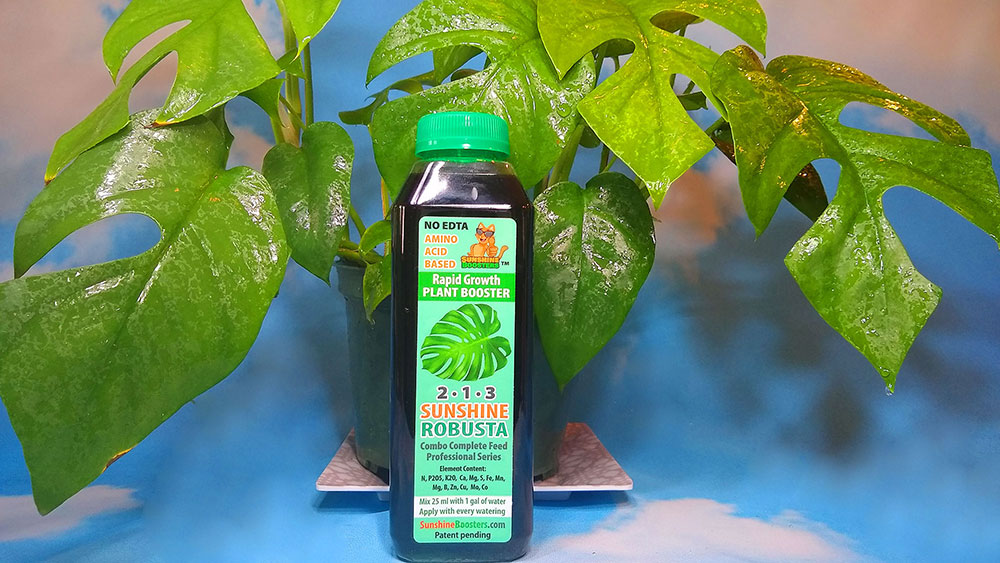
Sunshine  Robusta  Booster  with  lush  foliage  indoor  plant

Date: 4 Mar 2021

Healthy Plants: Q&A from Mr Booster

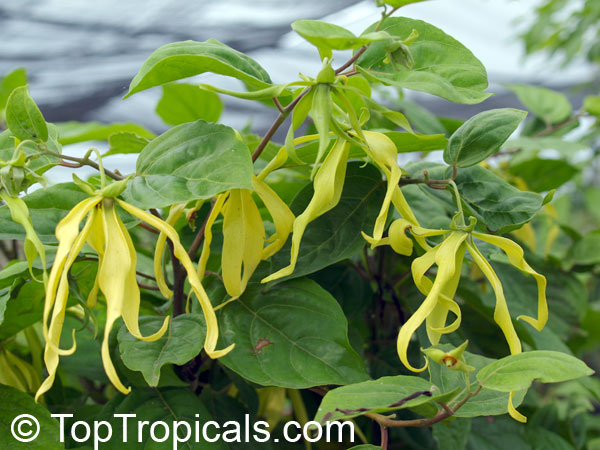
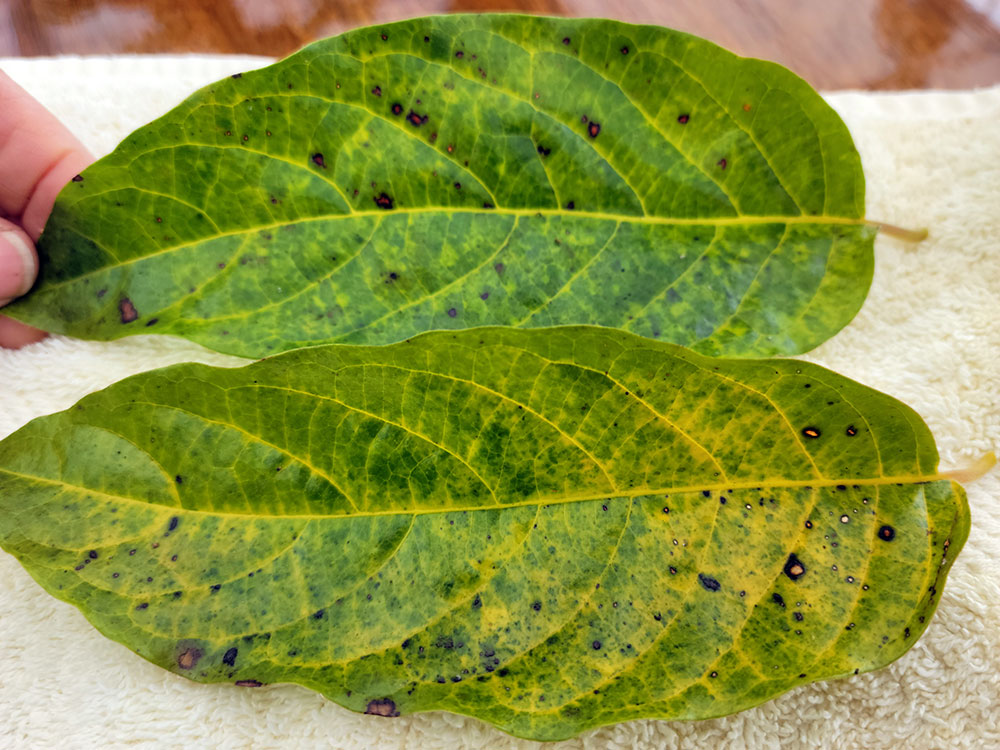
Ylang Ylang leaves after winter

Q: Hi, I purchased ylang ylang tree a couple of years ago. It's grown quite well in my Greenhouse but I'm having some trouble figuring out if I'm watering it too much not enough or if it has an insect. Can you please take a look at my photos and maybe give me a suggestion of what my problem might be?

A: It is normal for Ylang Ylang tree to get dark spots during winter time. Sometimes Cananga gets whole branches darkened (especially dwarf variety fruiticosa), some may even fall off. But they will be replaced with new growth in Spring-Summer. There is nothing wrong with your plant, it is just a reaction to cold and short day light when you keep this plant indoors. These leaves eventually will fall off as the weather warms up, and will be replaced with a new fresh green growth.
Luckily, Cananga is not susceptible to insects and diseases, but its leaves can look unattractive in winter. Make sure to keep watering at minimum until temperatures raise to 80's.
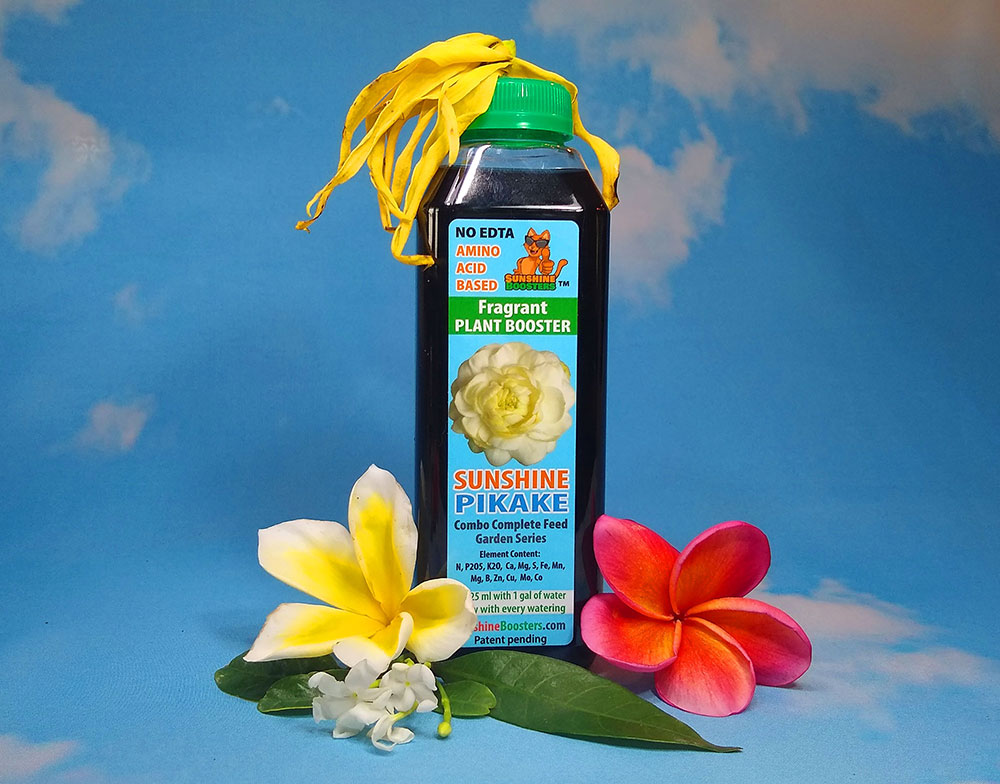
Start fertilizing as soon as new growth appears. We recommend SUNSHINE Pikake - Fragrant Flower Booster, an ultimate fertilizer for fragrant plants.

Date: 27 Jan 2024

Valentine Sweetheart Hoya:
a must gift for your Valentine

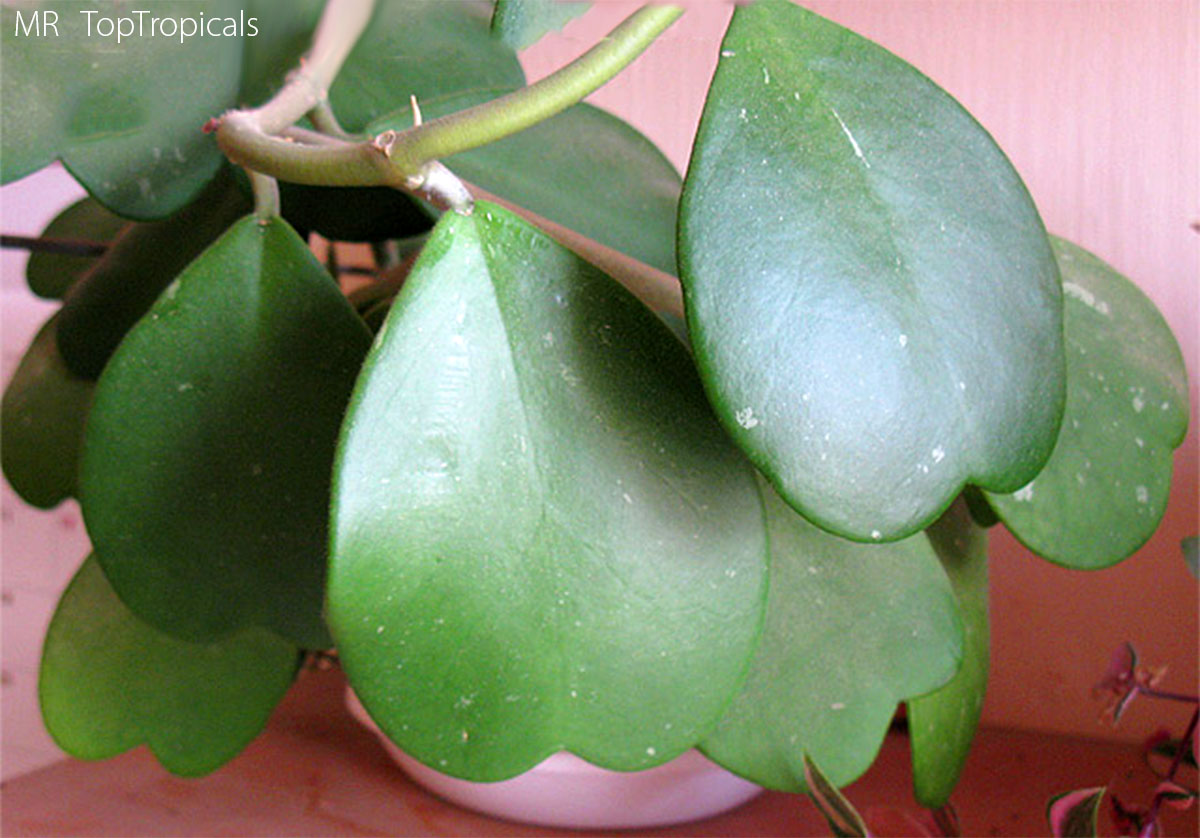
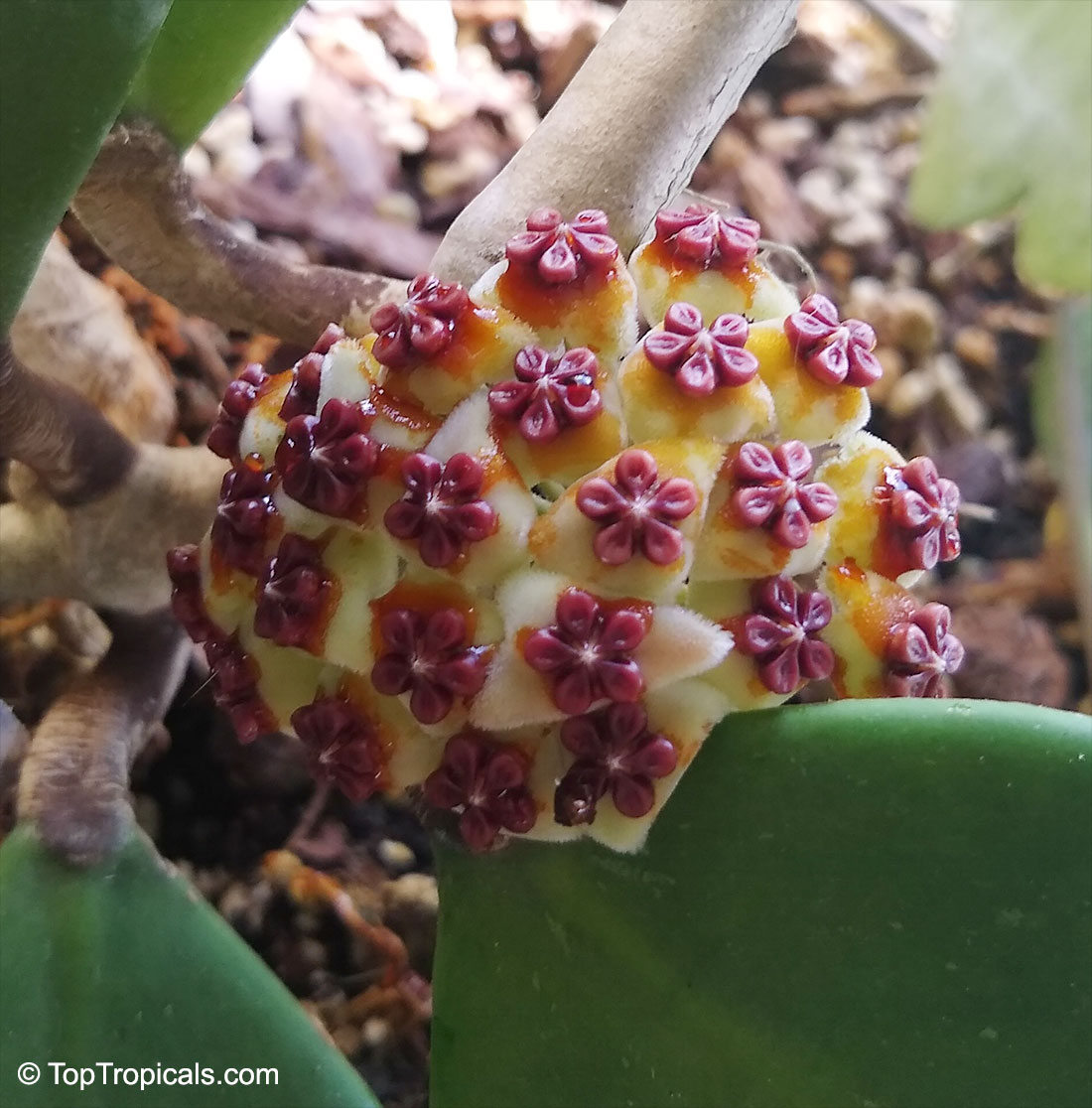
Hoya  kerrii  -  Sweetheart,  Valentine  Hoya

Q: What plant can you recommend for a Valentines Day present?

A: There is a perfect plant specifically for Valentine's Day! When it comes to finding the ideal plant for an occasion, it doesn't get better than this one. The Sweetheart Hoya, also known as Valentine Hoya or Hoya kerrii, is not only easy to grow but also easy-ship, making it the most user-friendly of all houseplants. Its popularity has soared in recent years, thanks to its unique and quirky "heart" shaped leaves that appeal to everyone and bring smiles to faces. In addition to these charming leaves, the Sweetheart Hoya produces fragrant, beautiful flowers resembling tiny red stars. These flowers are not only stunning but also waxy, durable, and long-lasting.

Caring for the Sweetheart Hoya is a breeze, requiring only minimal attention. It can likely thrive with just one good watering a month - that's how hardy it is. While this plant prefers a reasonably well-lit room for optimal growth, it can still fare well in shadier spots, making it a versatile addition to any home or office. Don't wait till the last moment, get your Valentine's present now - the best one ever!

We have large developed plants, ready to bloom!
Buy one (for her/him) - get one free, for yourself!

Hoya  kerrii  -  Sweetheart,  Valentine  Hoya

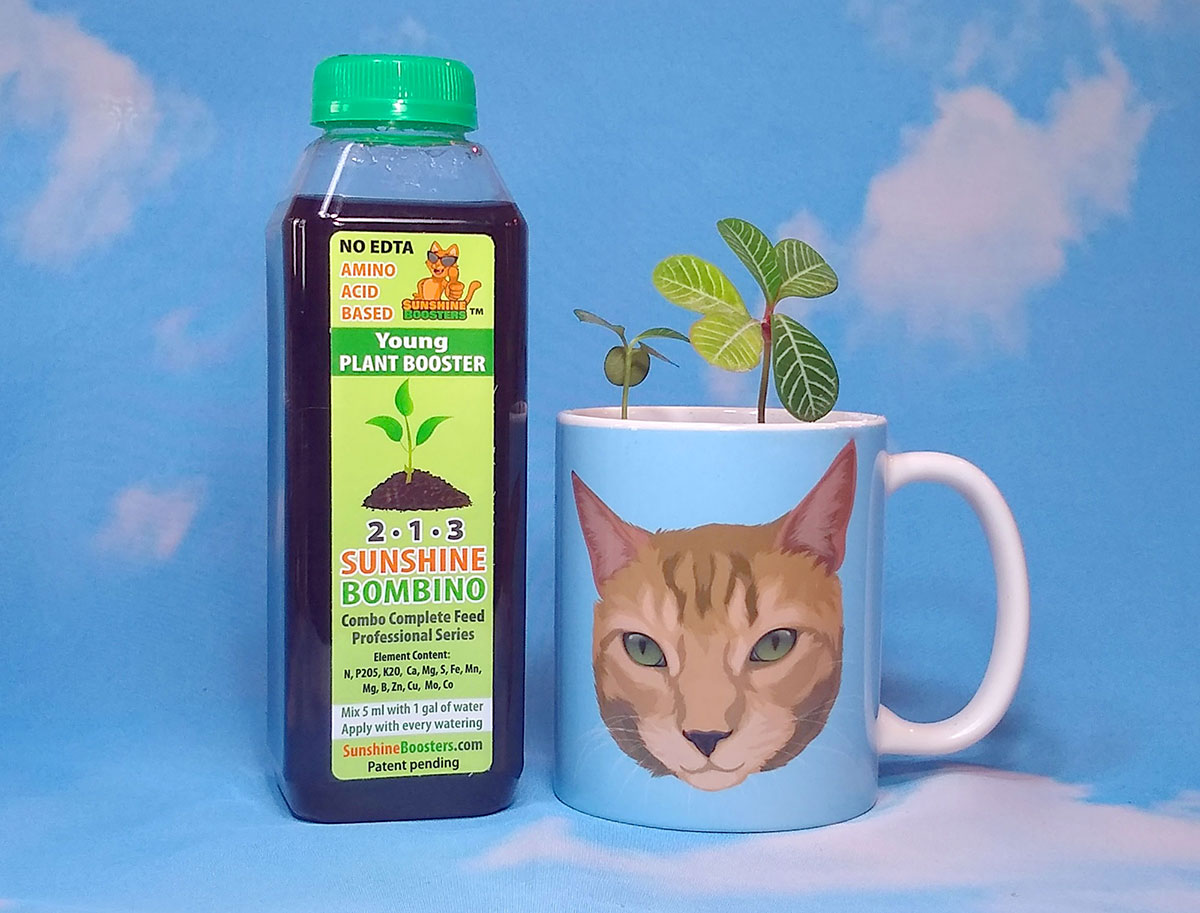
Don't forget some plant food for it!

SUNSHINE Bombino - Young Plant Vigor Booster

SUNSHINE  Bombino  -  Young  Plant  Vigor  Booster

Date: 15 Jan 2021

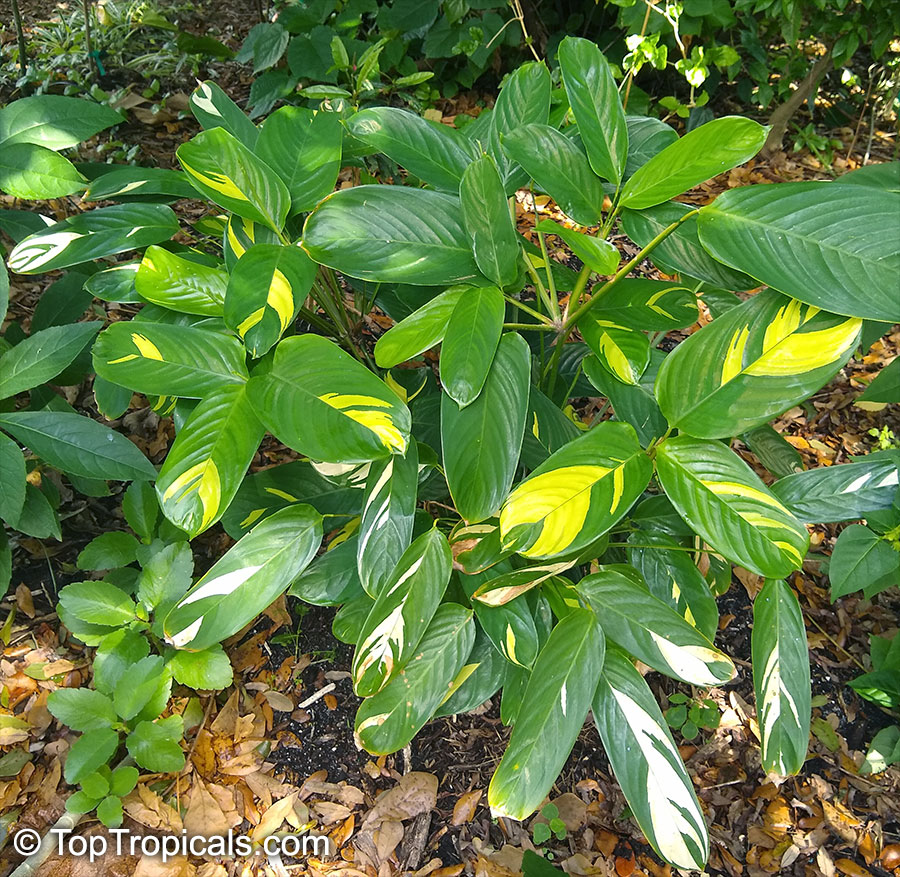
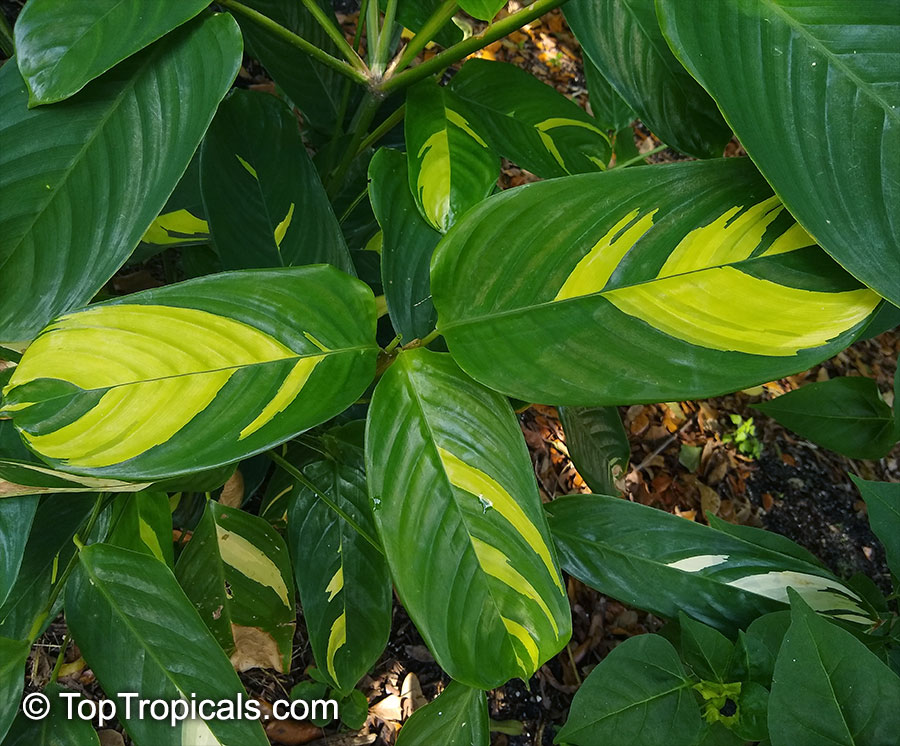
Never-never be without one! Ctenanthe lubbersiana variegata

Stevie's Pick: what's special today?

Our exotic plant grower Steven Gowdy spotlights the most interesting plants he discovers and recommends today while working in TopTropicals greenhouses.

Year 2021 is celebrated as a Year of Variegated Foliage plants, and I have something special for those rare plant collectors. Besides exclusive Monstera variegata Thai Constellation, there are a few less expensive plants that are as much beautiful and yet fit into any budget.

Known as the Never-never plant, this beauty is native to Brazil. I think in South Florida a shade garden should never-never be without one!
Ctenanthe lubbersiana variegata has deep variegation, with branching bamboo-like stems and oblong green, veined leaves that are mottled with cream and gold. Needing high humidity and indirect, bright filtered light, it just screams tropical and fun! Ctenanthe is a close relative of showy Marantas grown for the beauty of their foliage, and also makes a great house plant in cooler climates.
In warmer climates, it can be planted as an under story plant. The plant is growing to 2-3 feet high and 4-6 feet wide, with leaf patterns of indistinct cream and green marbling. It does have a rapid growth rate and liking soil moist, but not soggy. In the winter, water should only be given when the dirt is somewhat dry. Watch out for mealy bugs, spider mites, and aphids and apply Sunshine NoBug if you notice any - they will be easy to get rid of.

Give it a liquid fertilizer SUNSHINE Robusta - Rapid Growth Booster and divide as needed.

This plant is one of my favorites. I planted a nice specimen at TopTropicals entrance gate last year, and now we finally have beautiful baby plants propagated from it, looking great!

Date: 8 Aug 2019

How to grow Parijat indoors in winter

Q: I purchased Parijat plant last year spring. It had good growth in Summer, after that I kept the plant inside the house in winter. A couple of weeks it was ok, after that the plant lost leaves. What is a better idea for growing Parijat plant indoors in Winter?

A: Nyctanthes arbor-tristis, Parijat - is a semi-deciduous plant, which means, it may lose its leaves during unfavorable conditions such as drought, cold, low light and/or humidity. In your case, the plant dropped leaves because of the stress of moving indoors that includes reducing light and humidity levels. When a tropical plant loses leaves during winter, this means it goes into a dormant stage. If this happens, you need to reduce watering and keep the plant on a dry side, water in only when the top level of the soil feels dry to touch. Do not fertilize.
Try to place the plant in a well-lit spot such as a windowsill. If the windowsill and the window glass feel too cold for touch during wintertime, you may place a sheet of a Styrofoam underneath the pot, and a sheet of a bubble-wrap between the plant and the window glass, to create an extra barrier from cold. The plant may re-leaf during wintertime; if not, it may wait until spring, be patient.
Bring it back into outdoor light when minimum temperatures rise above 65F and resume fertilizing.

Recommended fertilizers for fragrant plants:

Pink N Good Daily Plant Food - Flower Booster
Plumeria Top Dress - Smart-Release Booster
SUNSHINE SuperFood - microelement supplement