Garden Blog - Top Tropicals

Date: 27 Jan 2024

Valentine Sweetheart Hoya:
a must gift for your Valentine

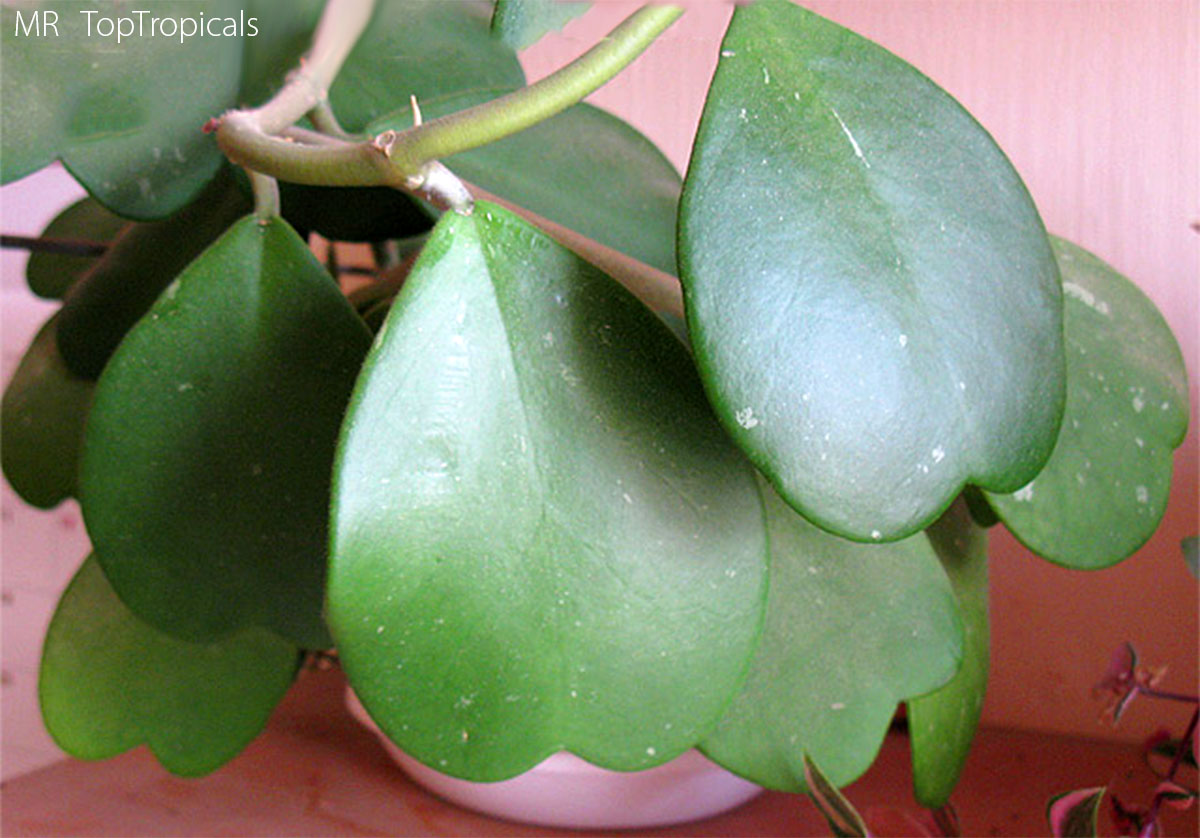
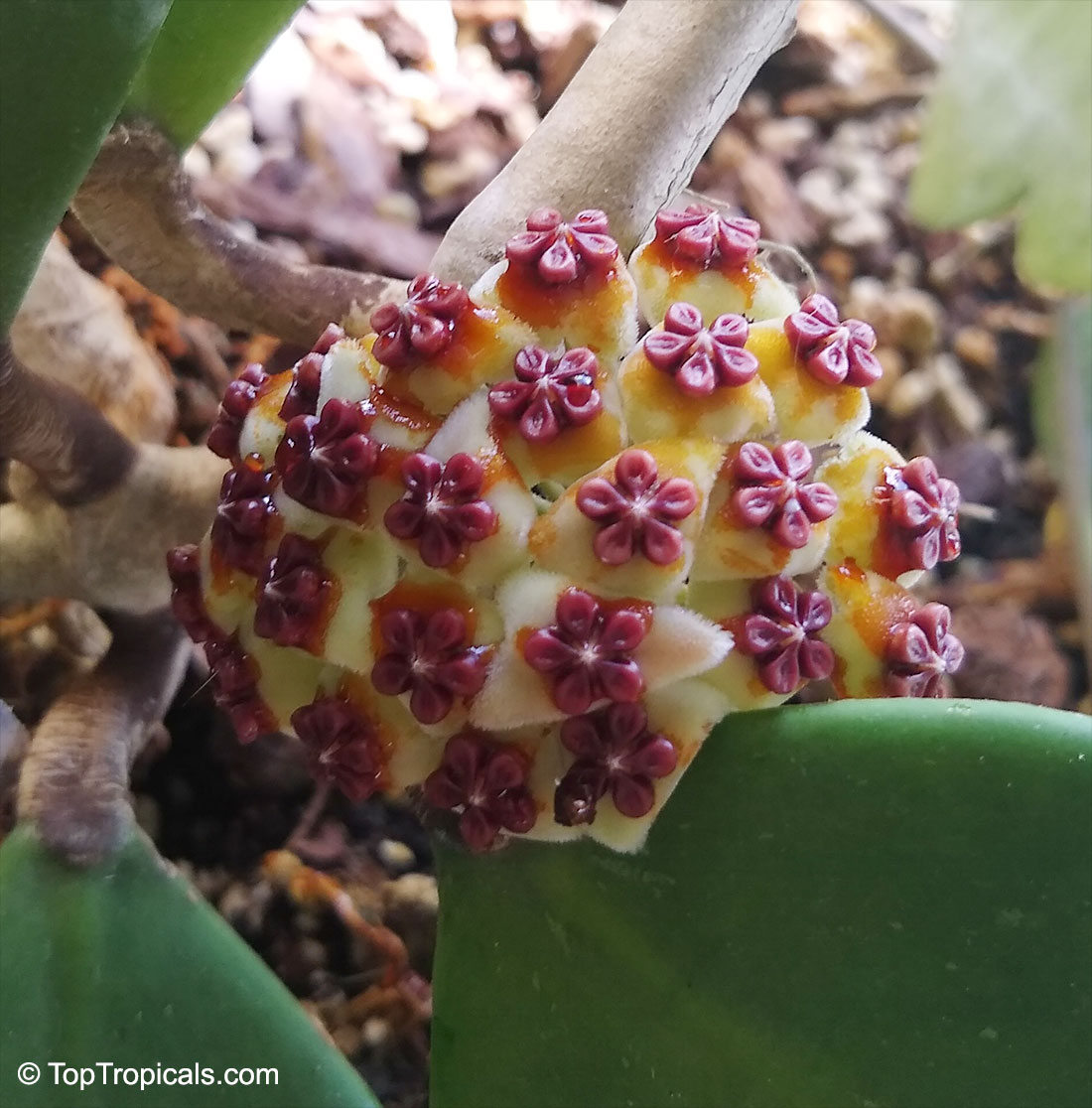
Hoya  kerrii  -  Sweetheart,  Valentine  Hoya

Q: What plant can you recommend for a Valentines Day present?

A: There is a perfect plant specifically for Valentine's Day! When it comes to finding the ideal plant for an occasion, it doesn't get better than this one. The Sweetheart Hoya, also known as Valentine Hoya or Hoya kerrii, is not only easy to grow but also easy-ship, making it the most user-friendly of all houseplants. Its popularity has soared in recent years, thanks to its unique and quirky "heart" shaped leaves that appeal to everyone and bring smiles to faces. In addition to these charming leaves, the Sweetheart Hoya produces fragrant, beautiful flowers resembling tiny red stars. These flowers are not only stunning but also waxy, durable, and long-lasting.

Caring for the Sweetheart Hoya is a breeze, requiring only minimal attention. It can likely thrive with just one good watering a month - that's how hardy it is. While this plant prefers a reasonably well-lit room for optimal growth, it can still fare well in shadier spots, making it a versatile addition to any home or office. Don't wait till the last moment, get your Valentine's present now - the best one ever!

We have large developed plants, ready to bloom!
Buy one (for her/him) - get one free, for yourself!

Hoya  kerrii  -  Sweetheart,  Valentine  Hoya

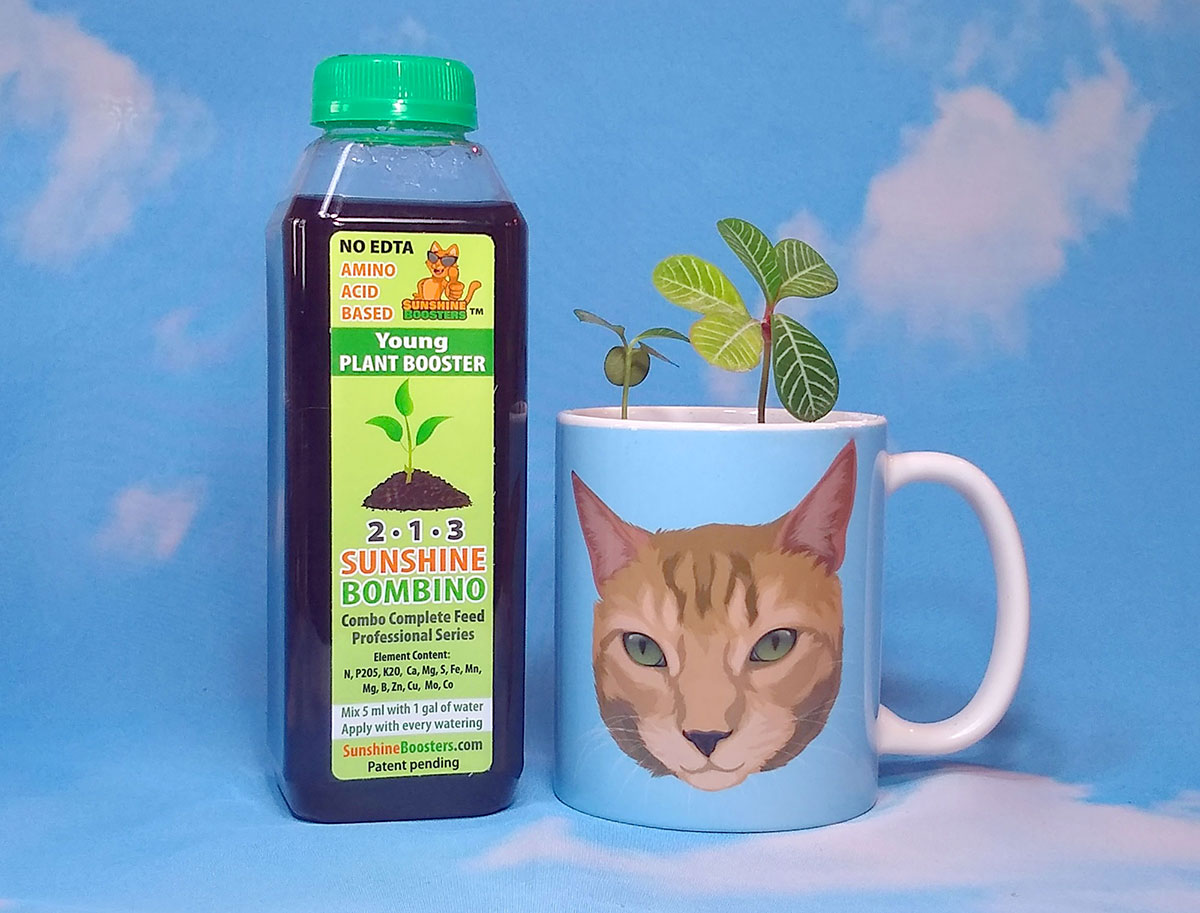
Don't forget some plant food for it!

SUNSHINE Bombino - Young Plant Vigor Booster

SUNSHINE  Bombino  -  Young  Plant  Vigor  Booster

Date: 15 Jan 2021

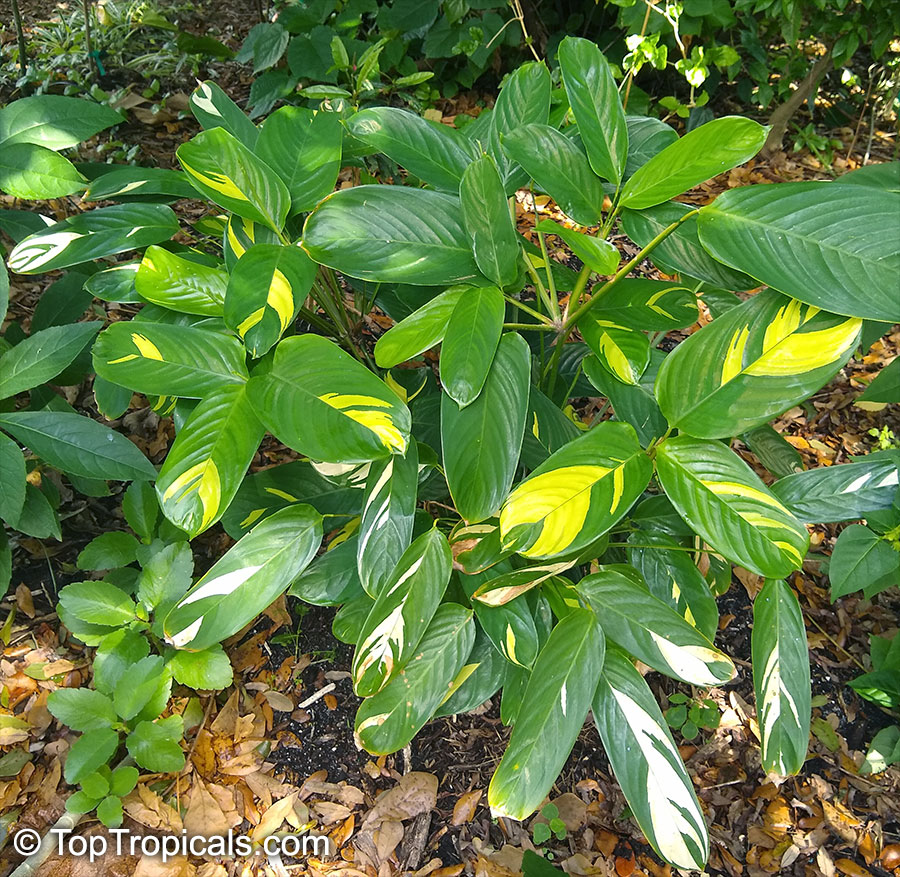
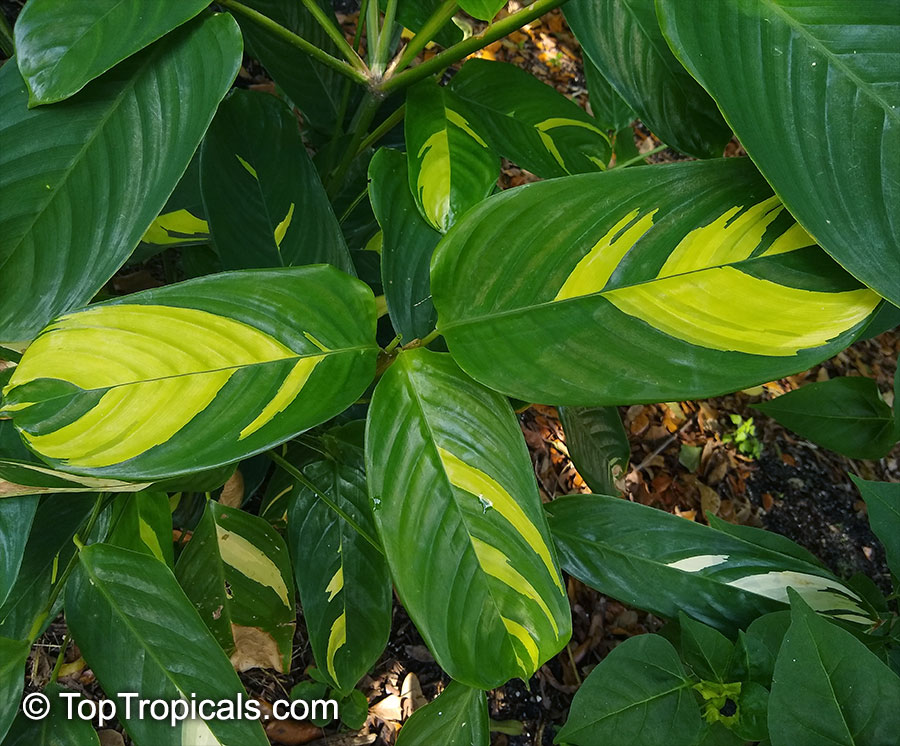
Never-never be without one! Ctenanthe lubbersiana variegata

Stevie's Pick: what's special today?

Our exotic plant grower Steven Gowdy spotlights the most interesting plants he discovers and recommends today while working in TopTropicals greenhouses.

Year 2021 is celebrated as a Year of Variegated Foliage plants, and I have something special for those rare plant collectors. Besides exclusive Monstera variegata Thai Constellation, there are a few less expensive plants that are as much beautiful and yet fit into any budget.

Known as the Never-never plant, this beauty is native to Brazil. I think in South Florida a shade garden should never-never be without one!
Ctenanthe lubbersiana variegata has deep variegation, with branching bamboo-like stems and oblong green, veined leaves that are mottled with cream and gold. Needing high humidity and indirect, bright filtered light, it just screams tropical and fun! Ctenanthe is a close relative of showy Marantas grown for the beauty of their foliage, and also makes a great house plant in cooler climates.
In warmer climates, it can be planted as an under story plant. The plant is growing to 2-3 feet high and 4-6 feet wide, with leaf patterns of indistinct cream and green marbling. It does have a rapid growth rate and liking soil moist, but not soggy. In the winter, water should only be given when the dirt is somewhat dry. Watch out for mealy bugs, spider mites, and aphids and apply Sunshine NoBug if you notice any - they will be easy to get rid of.

Give it a liquid fertilizer SUNSHINE Robusta - Rapid Growth Booster and divide as needed.

This plant is one of my favorites. I planted a nice specimen at TopTropicals entrance gate last year, and now we finally have beautiful baby plants propagated from it, looking great!

Date: 8 Aug 2019

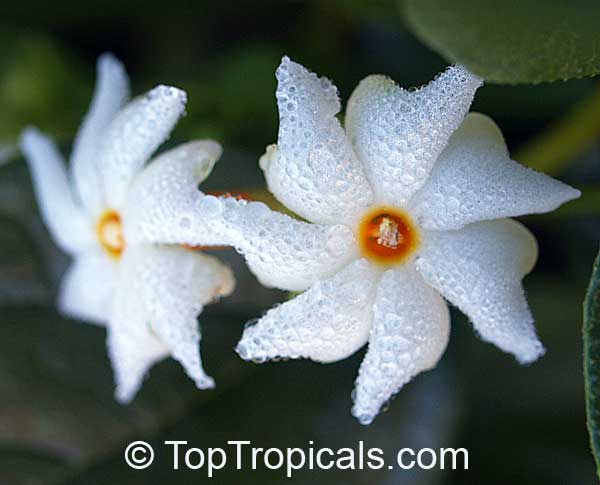
How to grow Parijat indoors in winter

Q: I purchased Parijat plant last year spring. It had good growth in Summer, after that I kept the plant inside the house in winter. A couple of weeks it was ok, after that the plant lost leaves. What is a better idea for growing Parijat plant indoors in Winter?

A: Nyctanthes arbor-tristis, Parijat - is a semi-deciduous plant, which means, it may lose its leaves during unfavorable conditions such as drought, cold, low light and/or humidity. In your case, the plant dropped leaves because of the stress of moving indoors that includes reducing light and humidity levels. When a tropical plant loses leaves during winter, this means it goes into a dormant stage. If this happens, you need to reduce watering and keep the plant on a dry side, water in only when the top level of the soil feels dry to touch. Do not fertilize.
Try to place the plant in a well-lit spot such as a windowsill. If the windowsill and the window glass feel too cold for touch during wintertime, you may place a sheet of a Styrofoam underneath the pot, and a sheet of a bubble-wrap between the plant and the window glass, to create an extra barrier from cold. The plant may re-leaf during wintertime; if not, it may wait until spring, be patient.
Bring it back into outdoor light when minimum temperatures rise above 65F and resume fertilizing.

Recommended fertilizers for fragrant plants:

Pink N Good Daily Plant Food - Flower Booster
Plumeria Top Dress - Smart-Release Booster
SUNSHINE SuperFood - microelement supplement

Date: 4 Jun 2019

Plants for South Texas and other hot states

Q: Pretty much adore last newsletter. Haven't been buying because our weather here in deep south Texas is so bad it is stunting and killing even the Tamaulipan Scrub! Do you have a cure for that? :) I have every expectation the new grafted Plumeria I purchased from you last year will bloom soon. One of my favorite plants. Thanks again and keep up the good works.

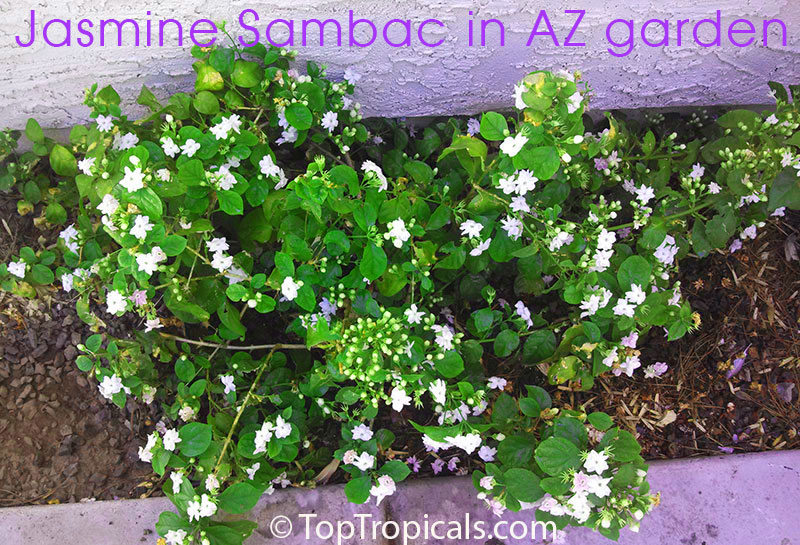
A: Yes, there is a "cure" - using biostimulants that improve drought- and heat- resistance (SUNSHINE boosters), plus the right plant selection. In fact, there is a large number of tropical rare plants that can be successfully grown in hot climates like yours. One of our partners lives in hot and dry Arizona area and has an amazing tropical garden that includes many fruit trees (Mango, Persimmons, Pomegranates, Loquats, etc). Here you can see a few pics from his garden.
Your choice is absolutely right about plumerias. Other easy plants would be Desert roses - Adeniums, and Fancy Euphorbia millii - all these come in so many varieties of colors and bloom throughout most of the year. Our special recommendations for you would be also:

Bougainvillea Dwarf Pixie
Jasmine sambac
Calliandra selloi Pink Lilian
Dracaena marginata Tricolor - Colorama, Money Tree
Hamelia patens Lime Sizzler - Variegated Fire Bush
Jatropha berlandieri - Buddah Belly
Pedilanthus tithymaloides - Devils Backbone
Trachelospermum asiaticum Mandaianum - Dwarf Confederate Jasmine

See full list of more plants that are suitable for hot and dry landscapes.

Apply fertilizers, miscroelements, and plant stimulants for improving heat tolerance

Date: 11 Aug 2018

From Anna Banana: Shipping and planting during hot weather

TopTropicals

Q: I received email notification that my order was delayed due to hot weather. Why? And do I need to do anything special if I plant when it is hot?

A: When plants are shipped via FedEx Ground, it is hot in the truck! According to our FedEx area manager information, if outside temperature is 100 degrees, inside the truck it can be 130! We don't want to put your plants through that much stress. We monitor the weather at destination, and as soon as it cools down a little bit, your order will be shipped.

Planting during hot weather:
1. For a mail-ordered plant follow planting instructions and never plant it from the box directly into the ground. Keep it in a pot the size of a root ball until the plant recovers from shipping stress, re-grows root system and adjusts from several days of darkness to a bright light. Move the pot gradually into brighter light, eventually into a spot of its permanent home. Do not over water the pot. Once you see new growth - the plant is ready to be transplanted into the ground.
2. Use only quality soil, containing lots of organic matter (compost, peat moss); soil conditioner is beneficial (pine bark). Plant it on a little hill, so growing point is elevated 1-1.5"above the rest of the surface.
3. Put a good layer of mulch around the plant, at least 1-2" thick, and not too close to the trunk as it may cause stem rot on contact.
4. Water daily with a garden hose until the plant shows active growth - then watering may be reduced every other day or less, or you may rely on sprinklers and/or rains.
5. If the sun is too hot, use shade cloth (or simply a white bed sheet) to cover the plant for the first few days (use bamboo sticks for support). It will help the plant to establish without heat stress. If leaves start dropping - this may be a sign of excessive light and heat. Shading is the way to reduce it.
6. Use SUNSHINE booster to help plants overcome heat stress, and shipping stress. It really works!

Remember that a plant has a very slow nature, unlike creatures from animal world. Give it some time and never rush it into new conditions. Go slowly and patiently - this is the only way to get a reward of a fruit crop or a beautiful flower.