Garden Blog - Top Tropicals

Date: 20 Jan 2025

How to Grow Jackfruit: Practical Guide
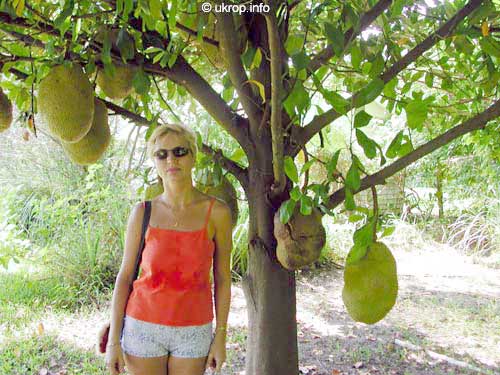
Jackfruit (Artocarpus heterophyllus) tree
Jackfruit (Artocarpus heterophyllus) tree

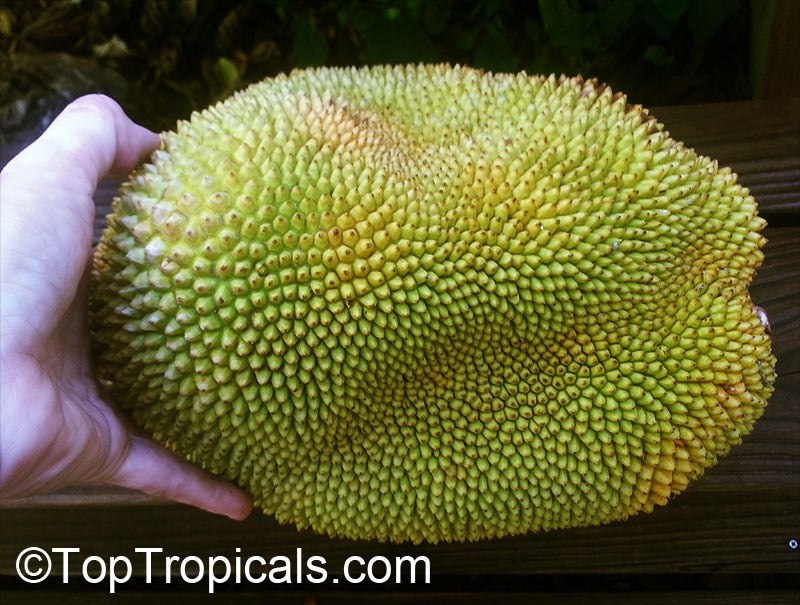
Jackfruit (Artocarpus heterophyllus) fruit
Jackfruit (Artocarpus heterophyllus) fruit

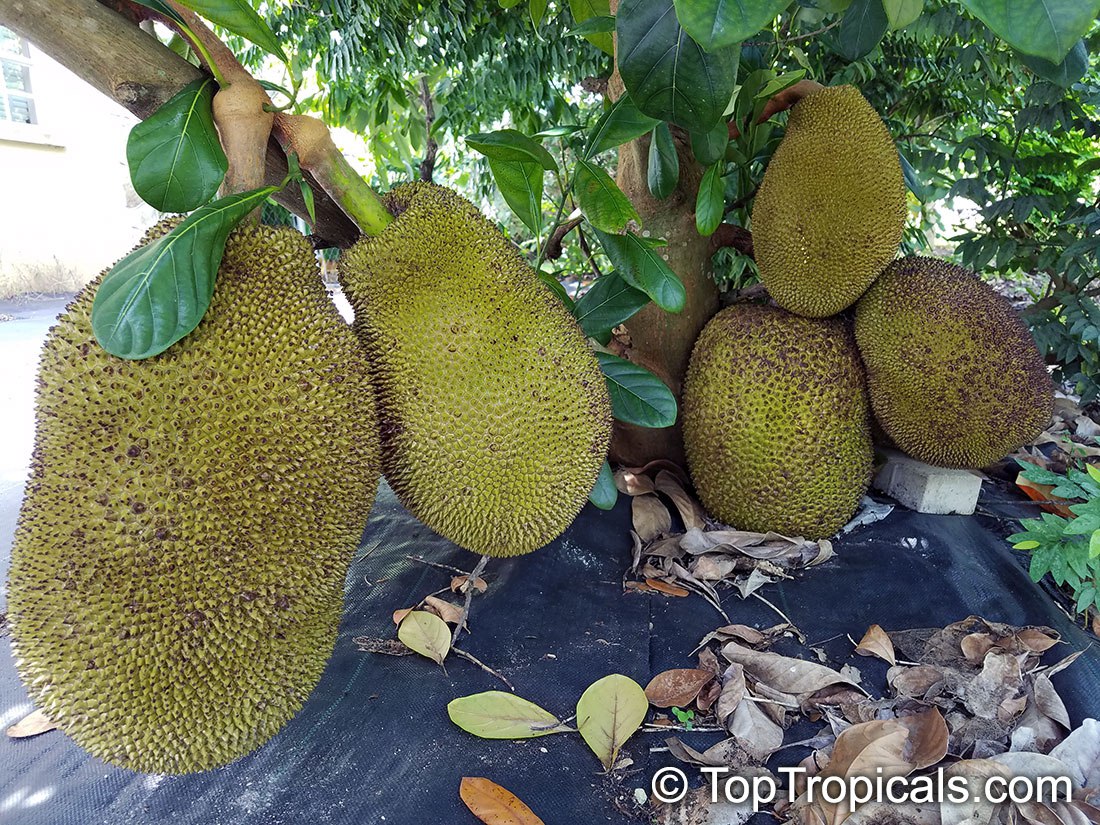
Jackfruit (Artocarpus heterophyllus) fruit at the base of the tree
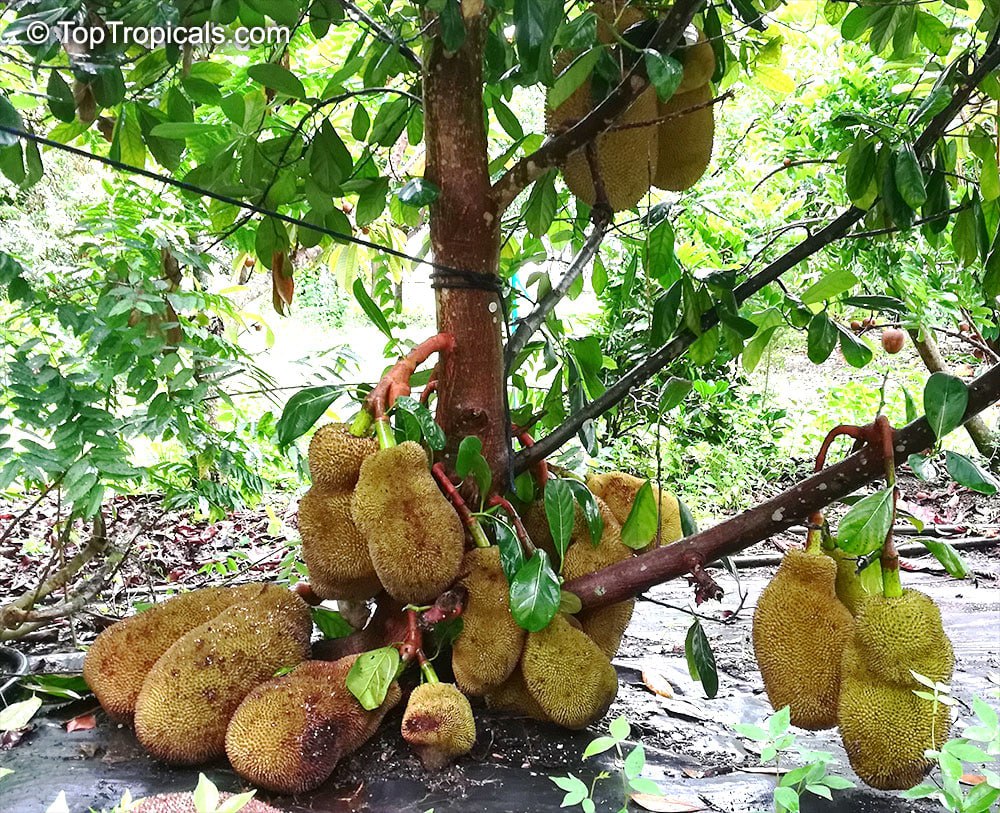
Jackfruit (Artocarpus heterophyllus) fruit at the base of the tree

Jackfruit (Artocarpus heterophyllus) fruit at the base of the tree

Jackfruit (Artocarpus heterophyllus) fruit at the base of the tree

How to Grow Jackfruit: Practical Guide


🍈 Jackfruit (Artocarpus heterophyllus) is a tropical tree that produces the largest fruit in the world, weighing up to 80 pounds and reaching 36 inches in length. The trees thrive in frost-free, humid climates with plenty of sunlight. They require well-draining soil rich in organic matter and regular watering to flourish. Despite their reputation as ultra-tropical, mature Jackfruit trees can tolerate light frost for a few hours without significant damage. Additionally, they can be grown in containers in colder areas with proper care and pruning.

🍈 What Climate is Essential for Growing Jackfruit Trees?


Jackfruit trees require a tropical or subtropical climate, with temperatures ideally between 60-95°F. While young trees are frost-sensitive, mature trees can withstand light frost for short periods. However, cold winters can reduce fruit production. Frost-free temperatures are crucial for optimal growth and fruiting.

🍈 How Often Do Trees Need Fertilizing, and What is the Best Type of Feed?


Jackfruit trees are heavy feeders. Fertilizing them regularly is key to their health and productivity. During the active growing season (spring to fall), apply a balanced dry fertilizer once a month. Liquid amino-acid-based fertilizers, such as Sunshine Boosters, can be used year-round with every watering. These fertilizers help maintain healthy growth and encourage abundant fruiting. Supplement with organic matter like compost, manure, or peat moss to enrich the soil.

🍈 How Important is Pruning, and When is the Right Time to Prune?


Pruning is essential for maintaining a manageable tree size and promoting healthy fruit production. Jackfruit trees produce fruit at the base of the trunk, allowing them to be pruned annually to a height of 7-12 feet. This practice not only makes harvesting easier but also encourages more fruiting. Prune after the fruiting season or in late fall to remove excess growth and shape the tree. Regular pruning also improves air circulation and reduces the risk of disease.

🍈 Key Tips for Successful Jackfruit Production


· Climate: Ensure frost-free temperatures and adequate humidity.
· Soil: Use well-draining soil enriched with organic matter.
· Watering: Maintain consistent soil moisture without waterlogging.
· Pruning: Keep the tree under 7-10 feet for easier management and better yield.
· Fertilizing: Apply balanced fertilizers and supplements regularly.

🍈 Jackfruit facts


· The fruit consists of large, edible bulbs of yellow, sweet, banana-pineapple-flavored aromatic flesh.
· Seedlings start fruiting within 3-4 years, with fruit ripening 4-6 months after flowering.
· A mature tree can produce up to 200 pounds of fruit annually.
· For colder regions, growing Jackfruit in containers is an option, provided the tree is regularly pruned and topped.

👍 Jackfruit trees grow fast and fruit abundantly with proper care, making them an exotic addition to tropical fruit collections.

📚 From previous posts:


The largest tree-borne fruit in the world
How to grow the biggest fruit on Earth

🛒 Plant your own Jackfruit

#Food_Forest #How_to

🔴 Join 👉 TopTropicals
Date: 19 Jan 2025

Finally - the first image on Internet: rare ginger Borneo Pink (New Guinea)

Riedelia coralina - Coral Ginger Borneo Pink (New Guinea)

😱 Finally - the first image on Internet: rare ginger Borneo Pink (New Guinea)


❤️ Riedelia coralina - Coral Ginger Borneo Pink (New Guinea)

❤️ This super rare ginger finally bloomed for us! We grew this rare specimen from seeds form the collection of Mark Hooten, S. Florida horticulturist. The species close related to Burbidgea. Riedelia coralina is so rare that published information about this exact species is extremely hard to find. Most references to it appear in specialized collector circles rather than in widely available horticultural or botanical literature.

❤️ We have only a few plants, ginger collectors, hurry up!
It is so rare you can't even find images on Internet. This will be the first one!

📚 Learn more about gingers from previous posts:
💋The most spectacular variegated ginger
💋Ginger makes a natural shampoo
💋Our most favorite Ginger plant - African Princess
💋How Raspberry ginger became spiral
💋The most interesting edible gingers
💋5 most spectacular Gingers
💋French Kiss the Red Button Ginger
💋Kaempferia angustifolia - Laos Silver Stripe Peacock Ginger
💋The most fragrant ginger ever
💋Spice Up Your Garden with Variegated Ginger

🛒 Get collectible Coral Ginger Borneo Pink

#Shade_Garden #Nature_Wonders #Container_Garden

🔴 Join 👉 TopTropicals

Date: 27 Jul 2024

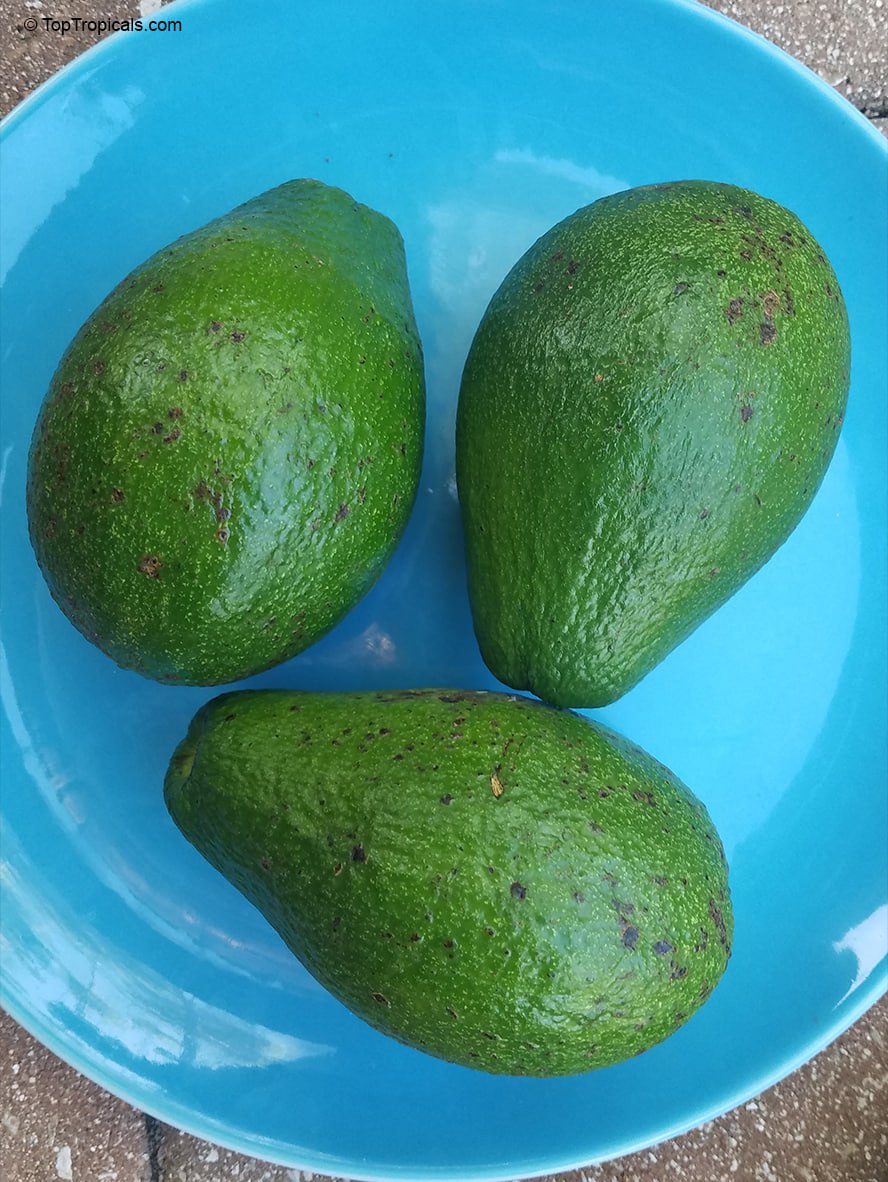
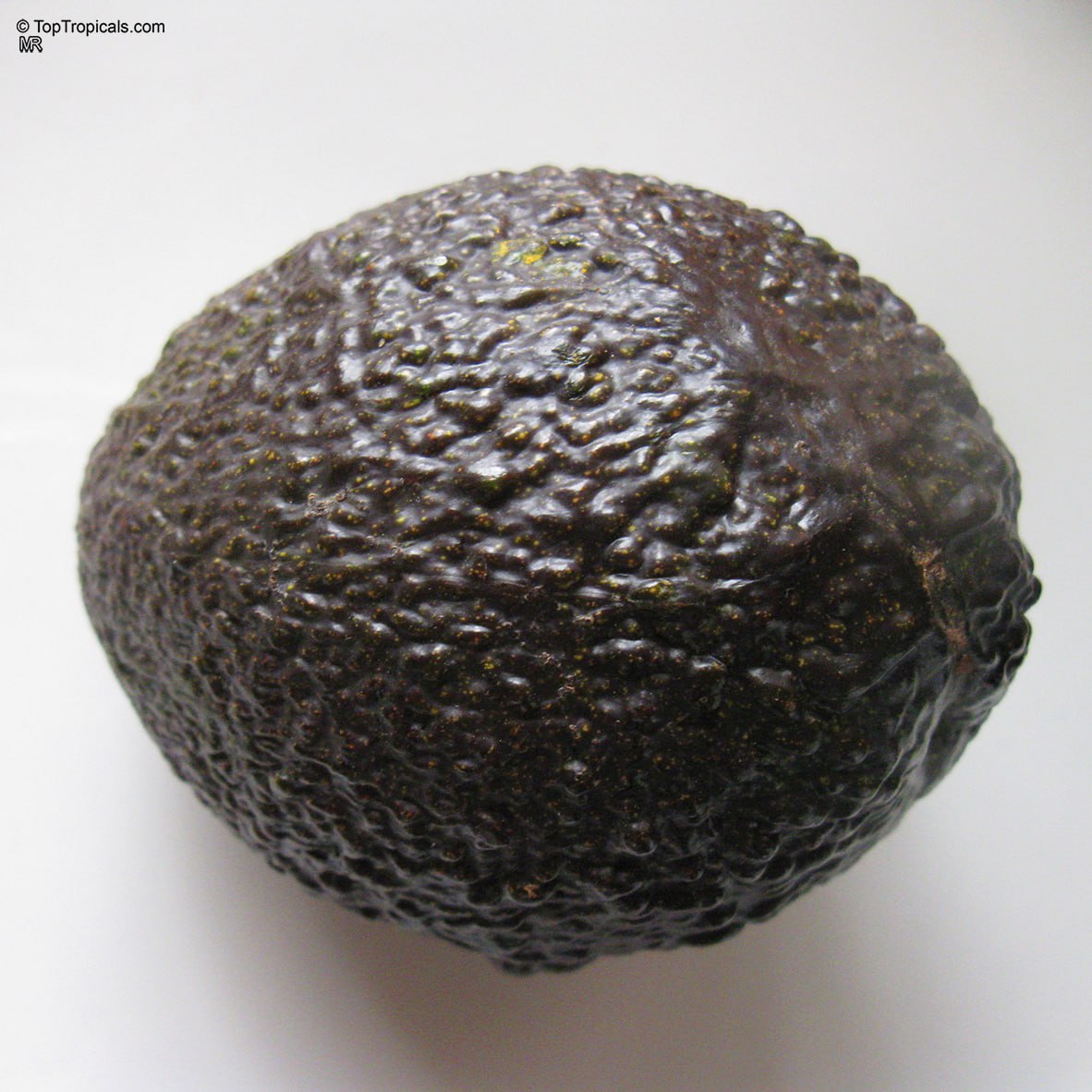
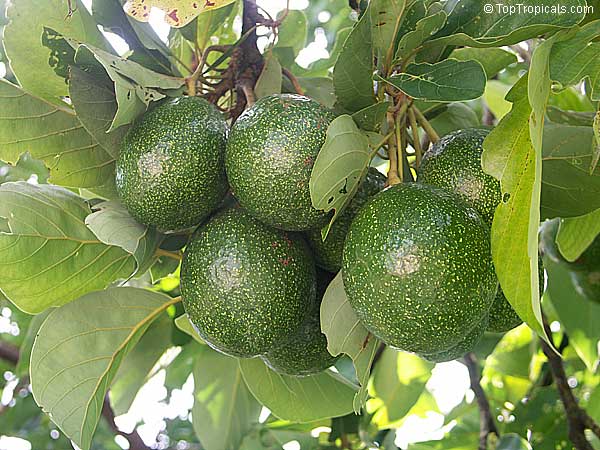
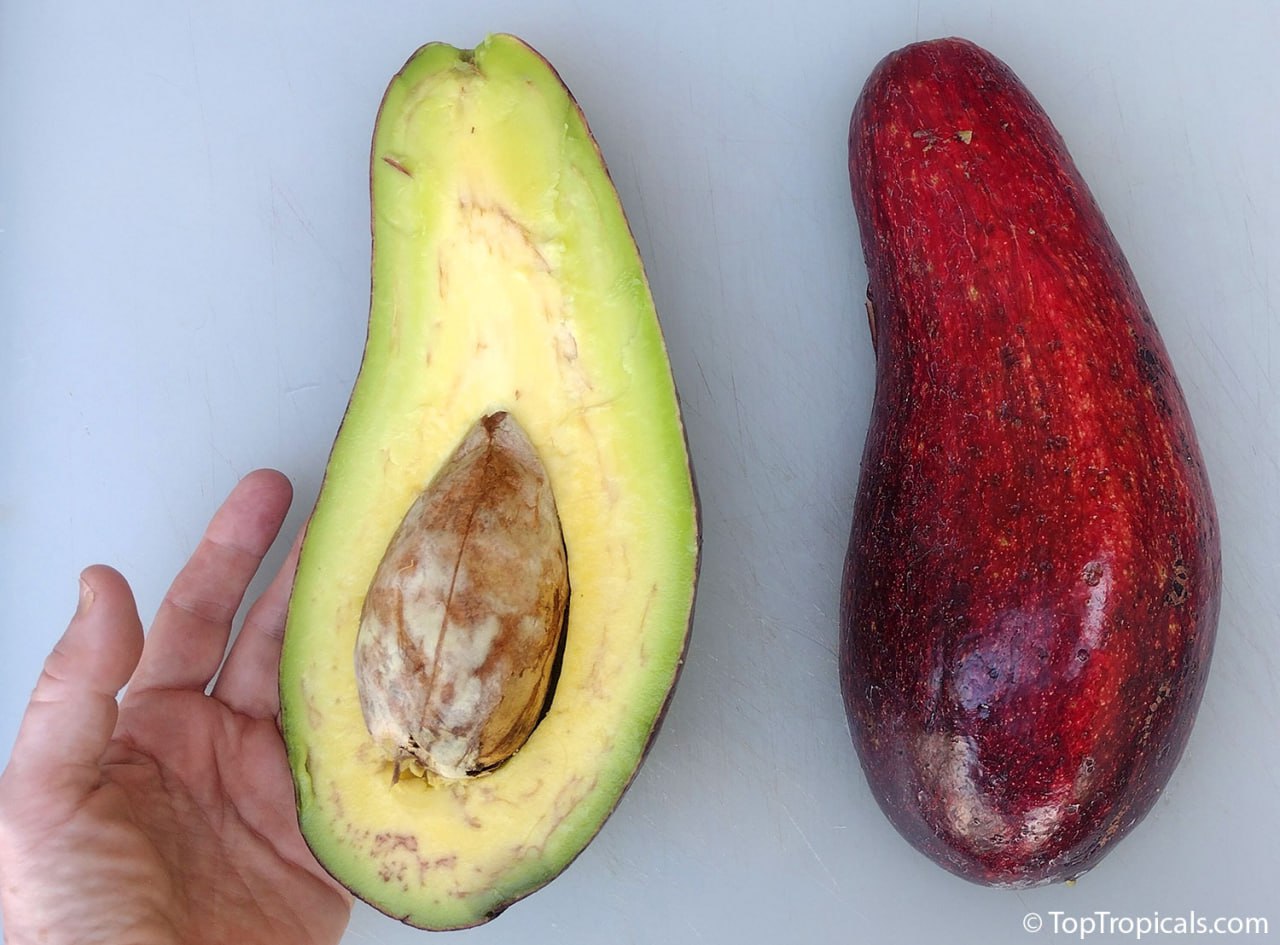
Five most exotic avocado varieties

Avocado Bacon

Avocado Bacon

Avocado Black Prince

Avocado Black Prince

Avocado Mexicola

Avocado Mexicola

Avocado Reed

Avocado Reed

Avocado Russel (red)

Avocado Russel (red)

Five most exotic avocado varieties


👀 We introduced 10 most popular varieties in our earlier posts. Here are 5 more - interesting and unusual cultivars.

1. Bacon - A large Mexican variety with dark-skinned medium sized fruits, and a rich creamy flavor. It is very cold hardy, late-producing variety of Avocado tree with exceptional fruit. It is a highly productive tree with a lovely upright and spreading habit. Its dark green, glossy leaves lend an attractive, tropical appeal to the 15-20 feet of heigh. The oval fruits ripen in late fall and into spring. The fruits are easy to peel and have a light, subtle flavor. The tree has angelic sweeping branches which helps keep the tree shorter and easier to pick its fruit.

2. Black Prince - The fruit was large, oval, 16-36 oz, green and slightly pebbly. The fruit turns black couple days after it is picked, ripens and softens. Black Prince deserves its title! The fruit pulp is thick, and has a rich, nutty flavor. The trees grow vigorously. Superior variety for a backyard grower. Harvesting mid-August to mid-September.

3. Mexicola - black fruit, rich butter content, one of the most cold hardy varieties. Mature trees may withstand temperatures in the low-mid 20s.

4. Reed - The fruit is large, weighing over a pound and round in shape. It has a large seed, but plenty of edible flesh. The skin remains green even when ripe. It is described by some as the best tasting avocado, buttery, bold, rich and nutty with an oil content of about 20%. It is a type A avocado, but fruits consistently year after year without other avocado trees around. It can be kept to around 15 feet with pruning. The branches do tend to droop horizontally.

5. Russel (green and red) - easily recognized by its gourd-like shape, large, 24-36 oz and up to 13 inches long! Flesh is yellow, sweet, excellent quality, the seed is small.

📚 Learn more: Avocado Variety Guide - check this out for interactive chart of Avocado varieties and sort them by flower type A or B, tree habit, fruit shape and quality, cold hardiness, origin, season and more!

What is your favorite Avocado variety?
Share in comments
👇

🛒 Shop Avocado Trees

#Food_Forest #Avocado


🔴 Join 👉 TopTropicals

Date: 19 Jun 2024

What is the largest tree-borne fruit in the world?

Jackfruit (Artocarpus heterophyllus)

👀 What is the largest tree-borne fruit in the world?


🍈 Jackfruit (Artocarpus heterophyllus) reaches 80 pounds in weight and up to 36 inches long! It is one of the most fascinating fruit in the world.

✳️ The fruit consists of large edible bulbs of yellow, sweet, banana-flavored aromatic flesh. 

✳️ The fruit is so large and heavy that the tree has a smart feature to produce only at the base of the trunk.  So the tree can be (and should be) pruned annually to 7-12' producing as much as 200 lbs. of fruit per year!

✳️ Seedlings start fruiting within 3-4 years.  Fruit ripen pretty quickly, 4-6 months from flower to maturity. 

📚 Learn more about Jackfruit

#Food_Forest #Jackfruit

👉 Subscribe for more amazing fruit and plant facts: @TopTropicals

Date: 17 May 2024

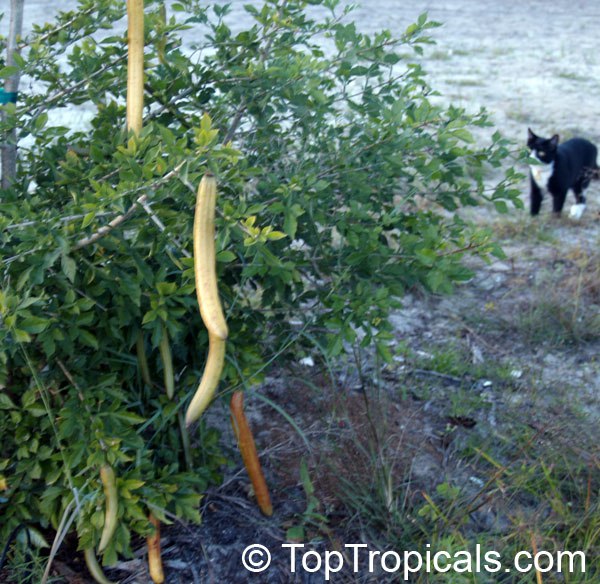
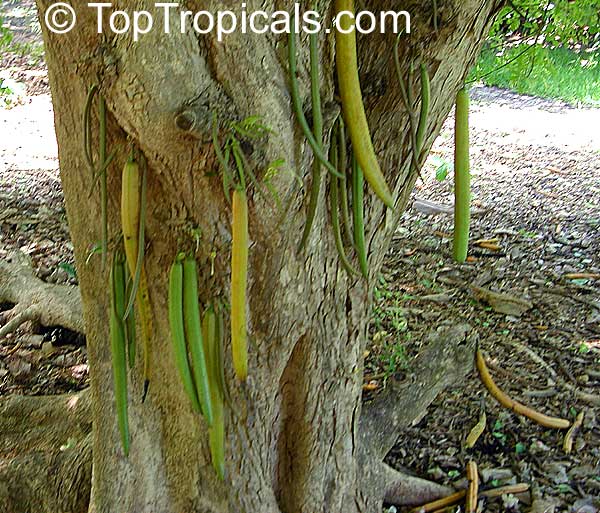
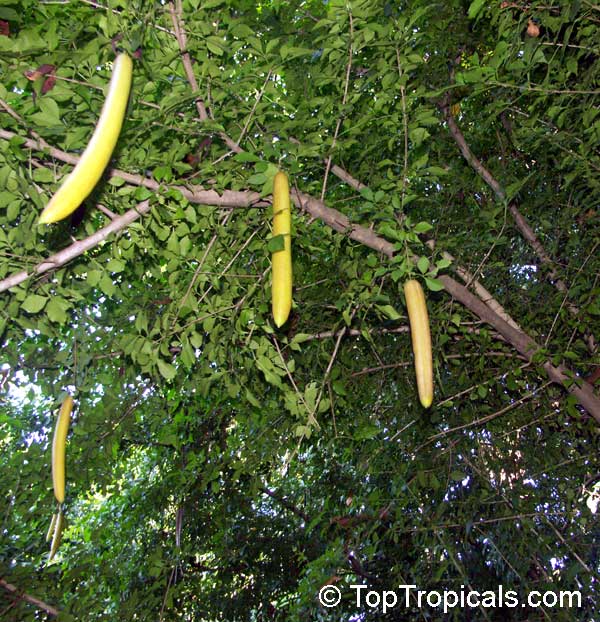
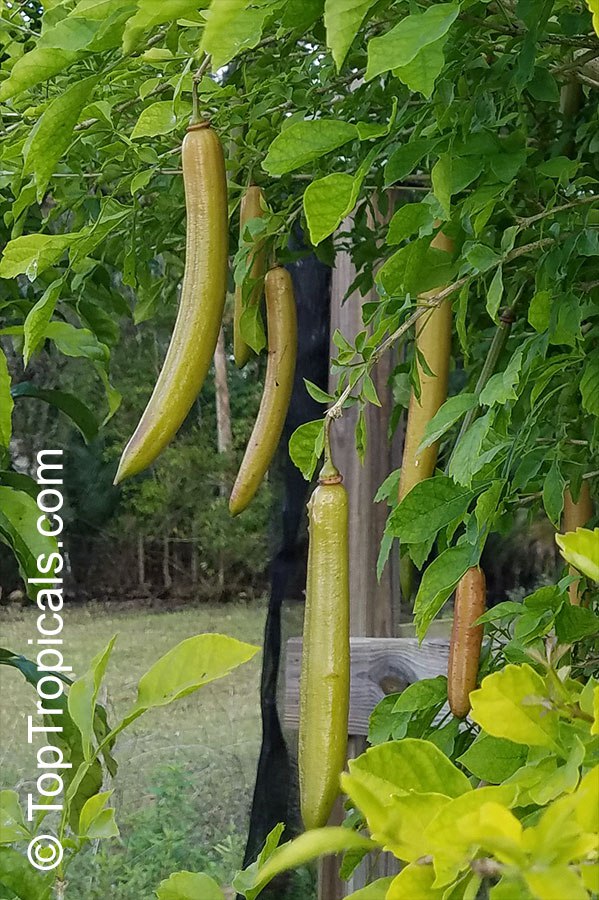
Why cucumbers grow on a tree? Because they are candles!

Parmentiera edulis - Candle Tree, Guahalote

Parmentiera edulis - Candle Tree, Guahalote

Parmentiera edulis - Candle Tree, Guahalote

Parmentiera edulis - Candle Tree, Guahalote

Parmentiera edulis - Candle Tree, Guahalote

Parmentiera edulis - Candle Tree, Guahalote

Parmentiera edulis - Candle Tree, Guahalote fruit

Parmentiera edulis - Candle Tree, Guahalote fruit

Parmentiera edulis - Candle Tree, Guahalote flower

Parmentiera edulis - Candle Tree, Guahalote flower

Why cucumbers grow on a tree? Because they are "candles"! 🕯

🕯 This bizarre tree is a conversation piece and every plant collector should have one!

🕯 Parmentiera edulis - Candle Tree, or Guahalote - is a highly ornamental tree with interesting leaves, pretty cream flowers and...ready?

🕯One foot long fruits resembling a greenish-yellow cucumbers or candles that hang off the tree!

🕯Juicy fruit is edible and has a sweet flavor similar to sugar cane. Eaten raw or cooked; used to make pickles or preserves

🕯The fruit is a remedy for colds; roots used as a diuretic.

🕯Easy to grow and not fussy about conditions. Cold tolerant to light frost.

🎥

🛒Get your own Candle Tree

#Food_Forest #Recipes #Nature_Wonders #Remedies

🏵 TopTropicals