Date: 20 Oct 2018
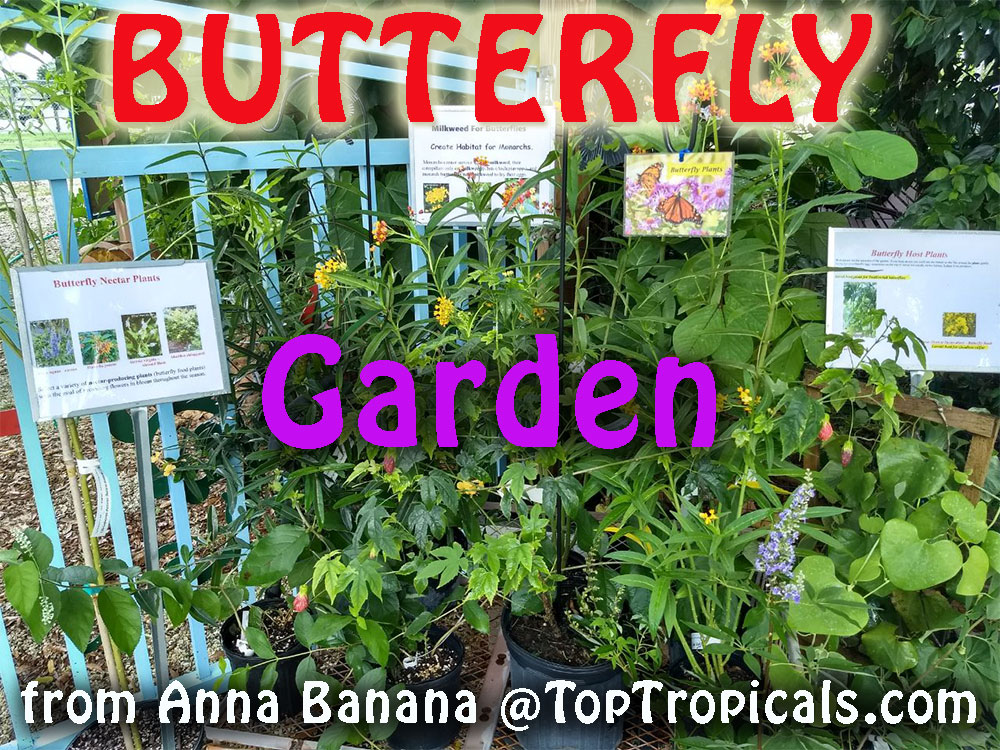
Butterfly Garden from Anna Banana
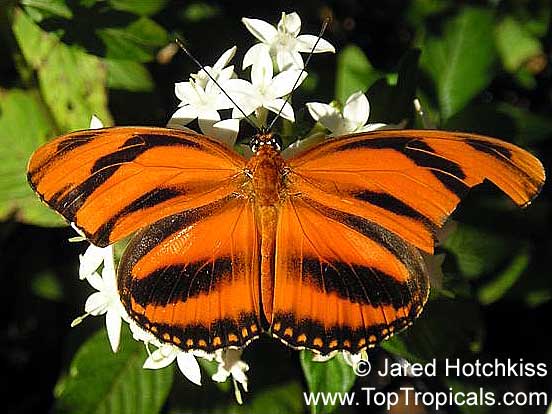
Butterfly facts
1. There are approximately 20,000 different species of
butterflies, the largest of which is the Queen Alexandra
Birdwing with a wingspan of 11 inches.
2. Female butterflies can lay over 1000 eggs during their
short lifetime.
3. Butterflies lay their eggs on host plants which usually
hatch within a few days, then turning into caterpillars.
The caterpillar will then eat until it sheds it's skin
several times, called instars, finally emerging from the
chrysalis as a beautiful butterfly.
4. Butterflies are born to breed, their goal being to mate
and begin the cycle again. Most live only a few days
except the Monarch which can live up to six months.
5. Monarch butterflies migrate to Mexico every fall and
remain there until spring when they make the return
migration.
6. Due to the continuing destruction of the rain forests,
where the largest population of butterflies are found,
their numbers are dwindling. We encourage you to plant a
butterfly garden!!
Remember:
- A sunny, less windy location is best, however, Zebras
love to float in the shade of bushes and trees.
- The more host and nectar plants you have, the more
butterflies will be attracted to your garden.
- Butterflies"puddle". They like a wet sandy area where
they congregate and sip minerals and nutrients from the
wet sand and water.
- Rocks to rest and enjoy their beautiful garden, and
don't forget a bench or hammock for yourself.
FREE butterfly garden guide from Anna Banana
For our local Florida customers, it is a perfect time now
to start a garden with plants for butterflies that will
appear first thing in Spring. Establish these plants now
for the Spring blooms that will attract the Beauty into
your garden!
Stop by our Garden Center to check out our Butterfly Plants display, or
simply call Anna Banana for a free consultation on
Butterfly Garden at 239-771-8081.
Hurry up while butterfly plants are on 4-day sale!

Date: 21 Jun 2019
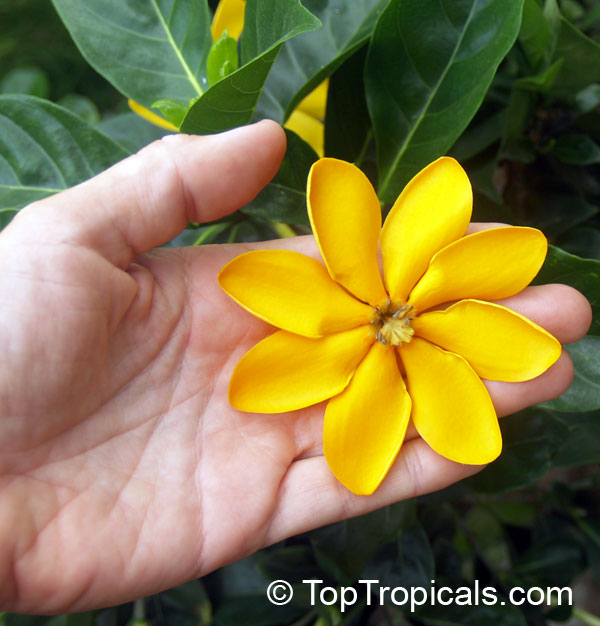
The Flower of Gold
By Onika Amell, tropical plant specialist
Q: I am concentrating on adding more fragrance to my garden. I've had great success growing gardenias and I have many different varieties, but their flowers are all white, and I would like to add some colors to my garden too. Are there any gardenias available in different colors? I live in Waipio Acres, Hawaii.
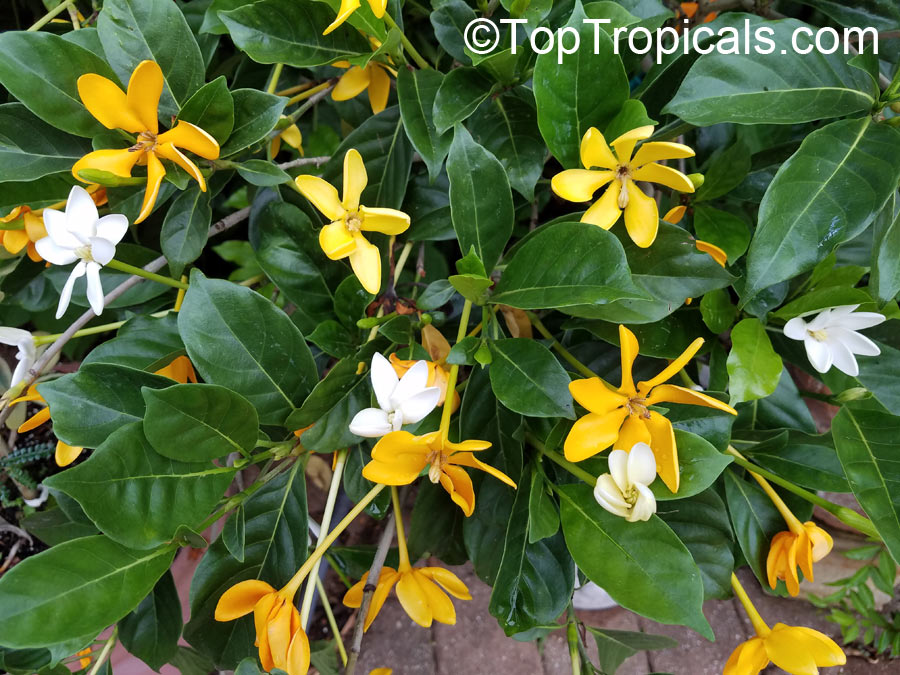
A: Meet the very rare and highly fragrant, tropical Gardenia tubifera Kula or Golden gardenia. Kula flowers change color as
they mature, which is a unique feature! Kula flowers start out as cream,
then change to yellow and finally to a beautiful gold. In addition to the
spectacular flowers, this gardenia also has beautiful, leathery, deep green
foliage.
This is a slow-growing and compact plant. Like all the other members in
the Gardenia family, the Golden gardenia will do best in an acidic,
well-drained, and fertile soil. It will appreciate a good deal of direct sunlight but
will be very happy if provided with midday and afternoon shade. As with with
gardenias, the more sunlight the more flowers.
It will eventually grow into a rounded shrub if left unpruned, but also
can be trained into a small tree, maintainable to a height of under 7-8
feet. Blooms will appear from spring onward. Prune after flowering, this will
encourage more flowers in a few months.
Gardeners living in colder areas, do not fret. Gardenias make perfect
container plants and can be grown indoors in colder climates. Just be sure to
provide high light when bringing them indoors.
The fragrance and changing colors of a Gardenia Kula is unforgettable.
They are most fragrant near sunset and during early evening hours. Plant them
near walks and patios where their lovely fragrance can be enjoyed.
This
rare tropical Gardenia is sure to be a conversation piece in any garden.
Great collector's plant!
Recommended fertilizers:
Pink N Good Daily Plant Food - Flower Booster
Tropical Allure - Smart-Release Booster
Limited time special offer:
Instant $5 OFF Golden Gardenia!

Date: 7 Aug 2025
Blackberry Jam Fruit - the sweetest surprise

Tea and Jam with the PeopleCats – A Tropical Afternoon Beneath the Randia
Meet the cats behind the jam! The tuxedo cat is none other than Google-the-cat - our beloved elder and one of the original cat-fathers of Top Tropicals PeopleCats.garden. At 18 years old, he’s still sharp, curious, and very much in charge. The orange fluffball? He represents the universal image of cat joy - and we’ve got a few real-life orange sunshine residents just like him.
Why do you include cats in a plant newsletter?
Because they’re part of the garden. Our rescued PeopleCats live among the plants, nap under the mango trees, inspect new arrivals, and occasionally steal a sunspot meant for seedlings. They’re not mascots — they’re part of our team. Sharing their presence is like showing a part of the soul of our space.🐈
Are the cat images real or AI-generated?
All our cats are real! We take lots of pictures and videos. And a few images are AI-generated illustrations inspired by our real PeopleCats.garden residents. While not literal photographs, they are creative interpretations that capture the spirit of our tropical home and its furry citizens.🐾
Are the stories about the cats true?
Mostly! The jam-making, tea-drinking, and greenhouse meetings are creative interpretations - but inspired by real personalities. We use AI scenes to bring their spirit to life. Real cats. Real plants. Imagined adventures.🐱
Date: 19 Dec 2025
13 festive shrubs with bright flowers that bring color to your Winter Garden when everything else is dormant

13 festive shrubs for Winter Garden
💐 13 festive shrubs with bright flowers that bring color to your Winter Garden when everything else is dormant
Southern Living points to colorful berries as winter garden standbys. Tropical plants take it a step further, filling the cool season with real flowers, not just fruit. From vivid reds to electric blues, these plants prove winter does not have to be dull.
🌈 1. Gloxinia sylvatica - Bolivian Sunset
This plant waits for cool weather, then suddenly lights up the shade with fire-red blooms. Flowers appear almost overnight and continue through fall and winter. It rests in summer, returns in fall, spreads gently, and makes an easy, festive ground cover that is perfect for sharing.
👉 Learn more
🌈 2. Pereskia aculeata - Barbados gooseberry
An unusual vine that surprises in cool weather with delicate, star-shaped blooms followed by tasty fruit. It flowers steadily from fall through winter, adding light, airy color to fences and trellises when most vines are quiet.
👉 Learn more
🌈 3. Mansoa alliacea - garlic vine
Best known for its garlicky scent, this vine really shines in winter. Cooler temperatures bring clusters of lavender-purple flowers that brighten fences and trellises with very little effort.
👉 Learn more
🌈 4. Dombeya wallichii - tropical hydrangea
Large pink pompom blooms hang from bare branches in winter, creating a true holiday look. Lightly fragrant and impossible to miss, it brings hydrangea-style drama to the cool season.
👉 Learn more
🌈 5. Brunfelsia pauciflora Compacta - dwarf yesterday-today-tomorrow
Compact and cheerful, this shrub opens purple flowers that fade to lavender and white. The color shift makes it look like several plants blooming at once, perfect for pots or small garden spaces.
👉 Learn more
🌈 6. Clerodendrums
Long, cascading sprays of white flowers of Clerodendrum minahassae - fountain clerodendrum - spill from the plant during the cooler months. It brightens shaded areas and adds movement when the garden slows down. Most clerodendrums bloom through Winter!
👉 Learn more
🌈 7. Tibouchina multiflora - glory bush
Soft, fuzzy purple blooms cover this shrub in winter, backed by velvety leaves that look good year-round. It adds strong color and texture during the cool season.
👉 Learn more
🌈 8. Holmskioldia sanguinea - Chinese hat
Bright red, orange or yellow, hat-shaped bracts surround small flowers and hold their color through the cool months. The shape alone makes this shrub a standout in winter.
👉 Learn more
🌈 9. Barleria cristata - Philippine violet
This tough shrub blooms heavily in winter with rich purple flowers. It delivers dependable color when many plants take a break. There is a golden variety too!
👉 Learn more
🌈 10. Eranthemum pulchellum - blue sage, lead flower
Few plants offer true blue in winter. Electric-blue flower spikes appear in cool weather, adding rare color with minimal care.
👉 Learn more
🌈 11. Petrea volubilis - queen's wreath
In winter, this woody vine erupts into cascading sprays of lavender star-shaped flowers. It creates a wisteria-like effect right when the garden needs it most.
👉 Learn more
🌈 12. Tabebuia varieties - dwarf golden and dwarf pink
These trees save their show for winter, blooming on bare branches. Golden forms glow yellow, while pink varieties cover themselves in soft trumpet-shaped flowers.
👉 Learn more
🌈 13. Bauhinia trees - pink butterfly and Hong Kong orchid trees
Butterfly-shaped blooms open on leafless branches, giving bauhinias their signature winter elegance. The Hong Kong orchid tree stands out with especially large, vivid flowers.
🛒 Explore Winter bloomers
📚 Learn more:
- 8 best flowering trees that will bloom for you in Winter
- Ten shrubs you need to have for winter colors
- Cassia vs Bauhinia: which is better as an everblooming container tree?
#Hedges_with_benefits #Discover
🟢 Join 👉 TopTropicals
Date: 29 Jun 2019
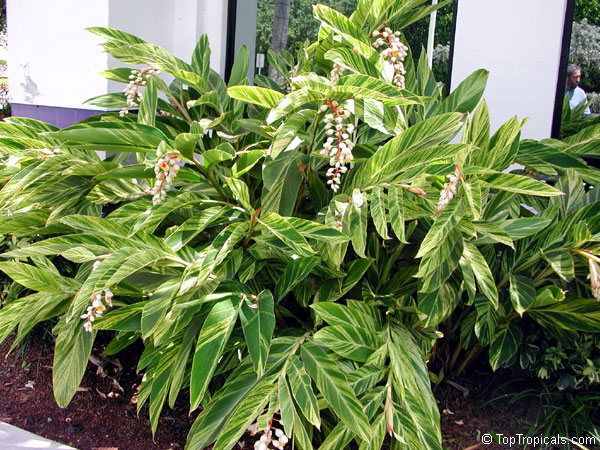
Variegated Shell Ginger - Alpinia zerumbet
By Onika Amell, tropical plant specialist
Q: I live in Deltona, Florida and hoping to find spreading ginger with interesting foliage to grow in a partially shaded area in my garden under a group of trees. Any suggestions?
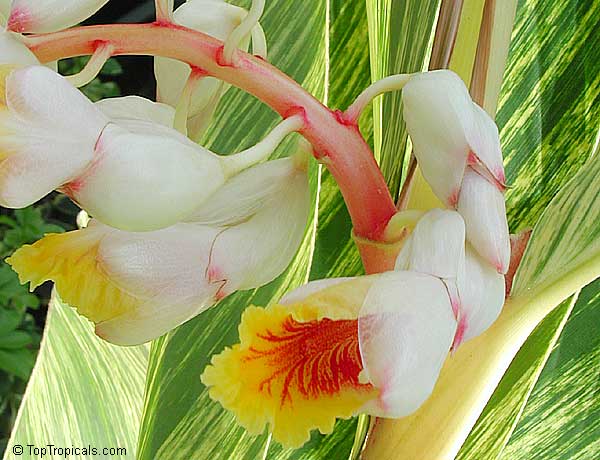
A: Variegated ginger Alpinia zerumbet variegata is a clumping ginger valued for its
beautiful variegated foliage. The dark, green leaves have striking yellow stripes.
This ginger is sought-after, not only for the stunning foliage but also for its
beautiful flowers. The flowers are different from other members of the
ginger family and appear in drooping racemes from the ends of leafy stems rather
than directly from the rhizomes. This ginger is also commonly known as Shell
Ginger because the flowers resemble seashells! They are pink-tinged, fragrant
and appear in summer.
This evergreen perennial grows in upright clumps 3-5 feet tall. You may
prune the plant to control size.
It does not tolerate drought or a hard freeze but can take a few hours
or light frost (goes dormant in such case). In colder areas, rhizomes should
be dug up and stored in a cool room during winter.
This ginger will love a shaded corner in your garden. Plant it in
organically rich, well-drained soil in full sun to part shade. Keep the soil moist
but not soggy, and spread a thick layer of organic mulch around the plant
for moisture retention. There are no serious insect or disease problems to
worry about!
This ginger can be also be grown as a house plant as long as it has
bright light and humid conditions. It will grow to around 3-4 feet tall as a
houseplant.
Recommended fertilizers:
Broad Leaf Plus - Ginger-Heliconia-Banana Booster
Tropical Allure - Smart-Release Booster
Limited time special offer:
Instant $5 off Variegated Ginger - Alpinia zerumbet