Garden Blog - Top Tropicals

Date: 13 Apr 2026

🏖️ Aloha, Backyard Edition 🌈

Sunshine  ginger  tabby  cat  surfing  pool  wave  with  donuts  and  coffee 
 Smokey  tuxedo  cat  relaxing 
 nearby
Sunshine: Look what I can do. It all started with plumerias. Aloha, backyard edition.

Smokey: You are not just planting a tree - you are building a tropical island lifestyle around it. Not bad for staying home.

It usually starts simple. A plumeria in a pot by the patio. The flowers catch your eye first, then the scent follows you, soft but unmistakable. And that scent does something strange - it brings back places you have been, or places you wish you had. Warm evenings, ocean air, tropical vacations that stay with you long after they are over.

Plumeria Plant Facts

Botanical name: Plumeria sp.
Also known as: Plumeria, Frangipani
USDA Zone: 9 - 11
Highligths Large shrub 5-10 ft tallSmall tree 10-20 ftFull sunWatering: Moderate. Water when top soil feels dryYellow, orange flowersRed, crimson, vinous flowersWhite, off-white flowersPink flowersPlant attracts butterflies, hummingbirdsDeciduous plantFragrant plantSeaside, salt tolerant plant
Get personalized tips for your region

That is the part people do not expect. One plant changes how the space feels. But adding a few changes everything. Different colors, slightly different fragrances, layers that build on each other. It stops being a plant and becomes an atmosphere that pulls you outside without thinking.

Plumeria carries that tropical world with it. The same feeling people travel for can live right outside your door. Mix a few varieties, and your backyard starts feeling like a place you never want to leave.
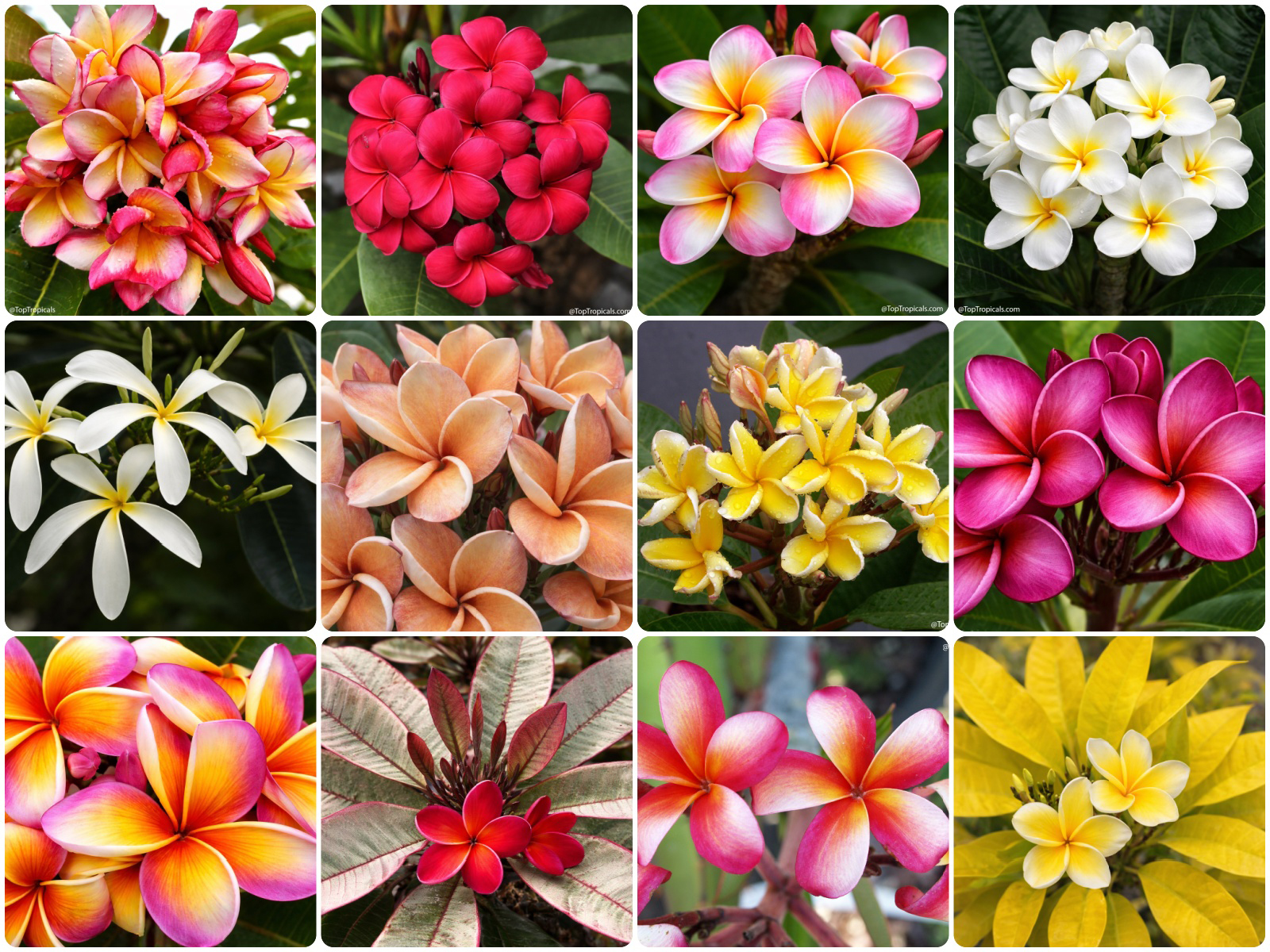
plumeria  flowers  collage  multiple  colors  red  pink  yellow  white 
 frangipani  blooms  close  up

Plumerias are one of those plants you don't just grow - you start collecting. One turns into two, then five, then suddenly you want them all!

🛒 Explore plumeria colors

Date: 2 Mar 2026

Eugenia Cherries 🍒

By Tatiana Anderson, Horticulture Expert at Top Tropicals with Smokey & Sunshine help

Eugenia brasiliensis - Grumichama fruit on the branch

Growing Eugenia Cherries (Cherry of the Rio Grande & Grumichama)

Cherry of the Rio Grande and Grumichama are compact, adaptable tropical fruit trees well suited to Southern landscapes. While forgiving, they perform best when planted correctly from the beginning.

Site and Planting

  • Drainage is essential. Avoid low areas where water collects. Plant on a slight mound if soil is heavy or clay-like.
  • Choose full sun for best flowering and fruit production. Partial shade is tolerated.
  • A south or southeast exposure near a wall improves cold resilience and reduces wind stress.
  • Dig a hole twice as wide as the container, but no deeper than the root ball.
  • Set the tree level with surrounding soil. Do not bury the trunk.

Water and Feeding

  • Water regularly during the first few months while roots establish.
  • Once established, trees tolerate short dry periods but fruit best with moderate, consistent moisture.
  • Feed lightly and consistenly. SUNSHINE Boosters Robusta liquid fertilizer is safe to use with with every watering. During hot season you may add controlled release Green Magic every 6 months. It is essential to apply micro elements: Sunshine Superfood micro nutrients complex

Cold Tolerance

  • Protect young trees during hard freezes.
  • Established Cherry of the Rio Grande can tolerate brief drops into the low 20s.
  • Established Grumichama tolerates temperatures into the upper 20s.

Harvest and Production

  • Cherry of the Rio Grande fruits from late spring into summer. Pick when fully dark and slightly soft.
  • Grumichama ripens quickly, often within four weeks after flowering. Pick when glossy and deep purple-black.
  • Both trees often begin fruiting within 2–3 years and increase production steadily with maturity.

Growing in Containers

  • Use at least a 10–20 gallon pot for long-term growth.
  • Ensure multiple drainage holes.
  • Use a high-quality, well-draining container mix. Avoid heavy garden soil. Top Tropicals Abundance soil-less mix is specially formulated for pot growing
  • Place in full sun for best fruiting.
  • Water deeply, then allow the top layer to dry slightly before watering again.
  • Move containers to a protected area during hard freezes.
  • Prune lightly to maintain shape and airflow.

Common Mistakes

  • Planting in poorly drained soil.
  • Overwatering and keeping soil constantly saturated.
  • Over-fertilizing with excessive nitrogen.
  • Planting too deep and burying the trunk.
  • Expecting heavy crops immediately instead of allowing time for maturity.
  • Skipping cold protection for young plants.

Learn more: Tropical Cherries – Eugenias

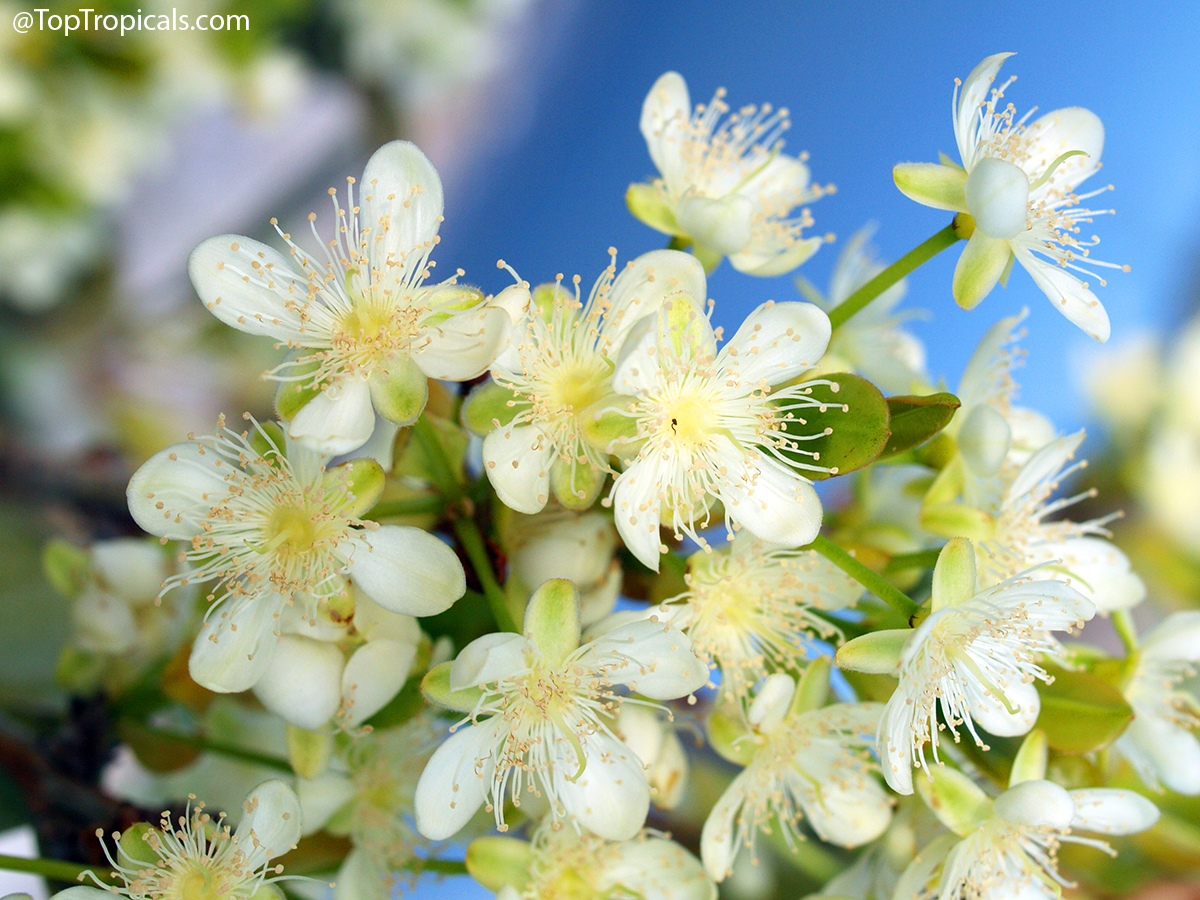
EGrumichama  flowers  (Eugenia  brasiliensis)  in  close-up  showing  white 
 petals  and  long 
 stamens

Eugenia brasiliensis - Grumichama flowers

❓Frequently Asked Questions: Eugenia cherries (FAQ)

  • Which one tastes better – Cherry of the Rio Grande or Grumichama?
    Cherry of the Rio Grande has a deeper, classic “sweet cherry” flavor with slight richness. Grumichama is softer, juicier, and often described as cherry with hints of grape and plum. Both are excellent fresh; Grumichama is especially popular for jam.
  • Which tree produces more fruit?
    Grumichama typically produces heavier crops once mature and can carry hundreds of fruits in a season. Cherry of the Rio Grande produces consistently but in slightly smaller volumes.
  • Do birds take all the fruit?
    Birds are attracted to both trees, especially Grumichama. Netting during peak ripening or harvesting promptly usually solves the issue.
  • Are these true "tropical" trees or subtropical?
    They are best described as subtropical tropicals. Unlike ultra-tender tropical fruits, Eugenia cherries tolerate occasional frost once established, making them more reliable in Southern landscapes.
  • Do they drop fruit messily?
    Fruit will fall if overripe, but the trees are compact and manageable. Regular harvesting prevents ground drop and keeps the area clean.
  • Can they be used for hedging or screening?
    Yes. Their dense evergreen foliage and upright growth make them suitable for edible hedges or privacy screens while still producing fruit.

Choosing between them is not about survival — both have proven resilient. It is about flavor preference, crop volume, and how you want to use the fruit in your kitchen and landscape.

Eugenia brasiliensis - Grumichama fruit close up

Eugenia aggregata (cv. Calycina), Cherry of the Rio Grande

🛒 Add Eugenia cherries to your garden

✍️ Top Ten Fruit Tree Winners of Florida 2026 Record Freeze

Date: 21 May 2026

Learn more:

Learn more:
♊️ 😸 Cat Horoscope: Gemini Cats 5/21-6/20 - what is your cat's Zodiac sign?

🐈 Sunshine: Why is Gemini represented by twins?

🐈 Smokey:Because Gemini cats appear to have two modes: "adorably affectionate" and "I have discovered a cabinet and I'm going in."

🐈 Sunshine: I have both modes.

🐈 Smokey: You also have a third mode involving donuts, a fourth mode involving the specific sound of a cheese wrapper at 400 meters, and what I can only describe as a "philosophical crisis triggered by a cucumber."

🐈 Sunshine: The cucumber was unprovoked.

🐈 Smokey: You knocked it off the counter.

🐈 Sunshine: I was investigating.

♊️ Gemini Cats are:
▪️social
▪️chatty
▪️intelligent
▪️enthusiastic
▪️"computer cats". One of their favorite pastimes is watching other cats on the internet and attempting to engage with them. They are natural communicators, friendly companions, and technologically savvy.

❓ How to know the astrological sign of your cat? It can be determined by either their date of birth or adoption, as adoption is often considered a second birth for cats.

✨ You can discover the astrological traits that describe the cat, such as their independence, diva-like tendencies, sense of humor, intelligence, and more.

✨ It's also important to consider the astrological relationship between cats and plants...

📚 Learn more:


· Gemini Cats and their lucky plants
· About Smokey & Sunshine
· Smokey & Sunshine interview

#PeopleCats #Horoscope

🟢 Join 👉 TopTropicals

Date: 19 Jul 2021

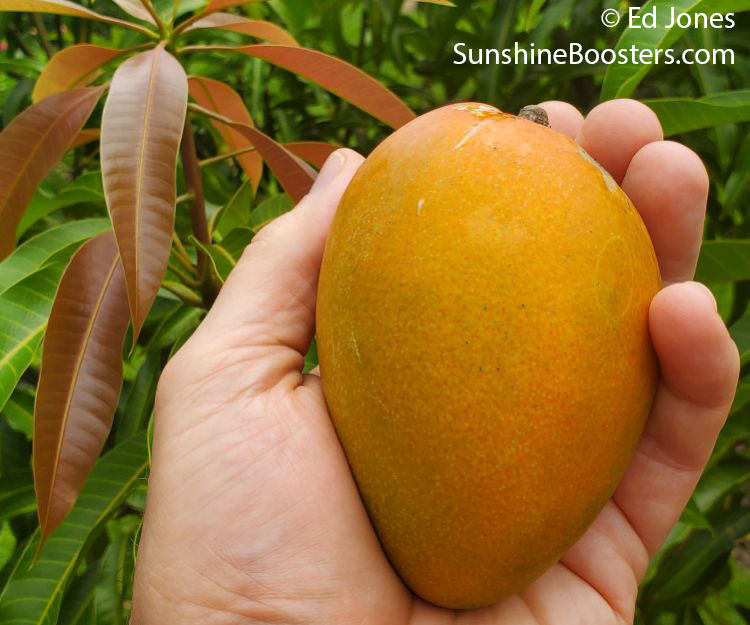
Healthy Plants: Q&A from Mr Booster - Mango Talk

Today we are introducing a new column - Mango Talk! Everybody loves Mango - the most delicious fruit in the world. Fruit experts like to talk about varieties, how to grow a Mango tree better, and the fruit bigger and sweeter. And beginners want to know more! What variety to get? How to take care of it? How to get more fruit sooner than later?
This easy-read blog from Ed Jones is about the first steps - what to do when you get your first Mango tree...
In our future publications, you will hear from Mango experts and have a tour on Mango varieties...

Fertilize your Mango trees

By Ed Jones, the Booster Guy

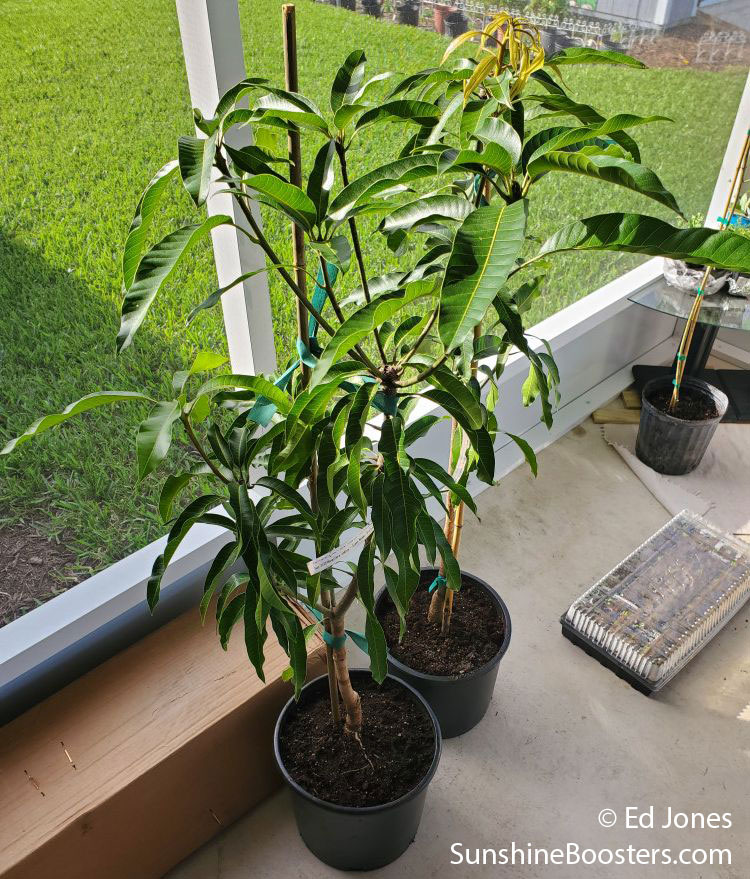
Ok, you finally did it. You bought your first mango tree. Now what? Well, you have to love it and feed it and trim it and love it some more. But today, lets talk about how to fertilize your mango tree. The photo above shows some very small grafted mango trees. This is probably how yours will look when you bring them home or have them delivered....

CONTINUE READING >>

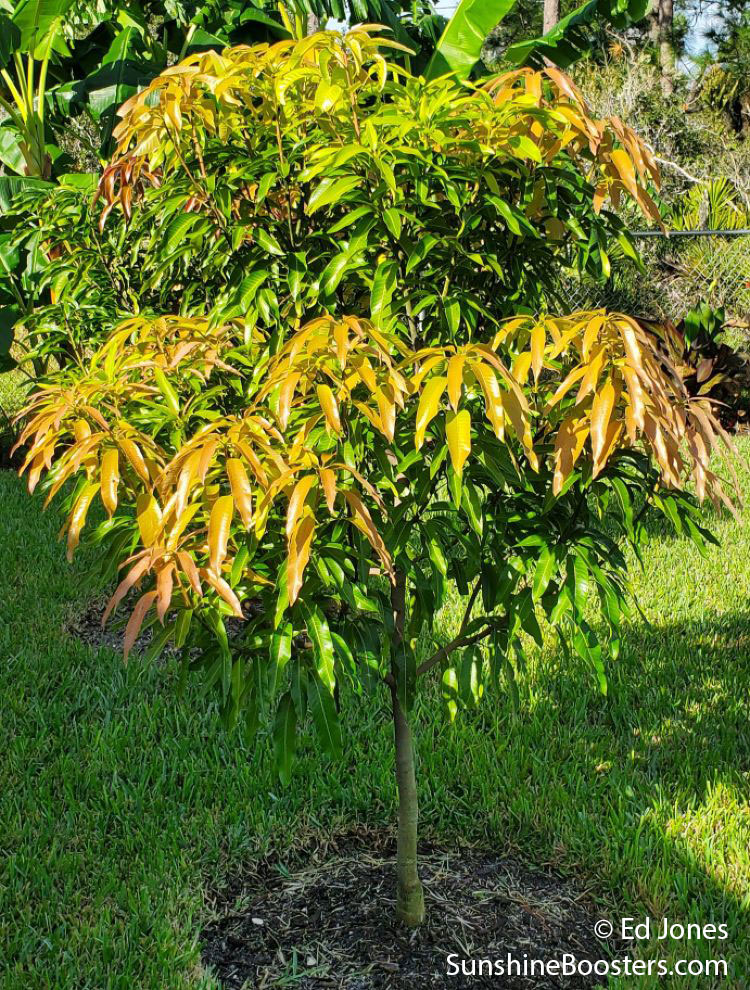
The photo above is of the two trees at the beginning of this blog after just under 10 months of TLC.

Date: 26 Mar 2020

PeopleCats ruling TopTropicals Kitchen. Healthy Treats for Humans

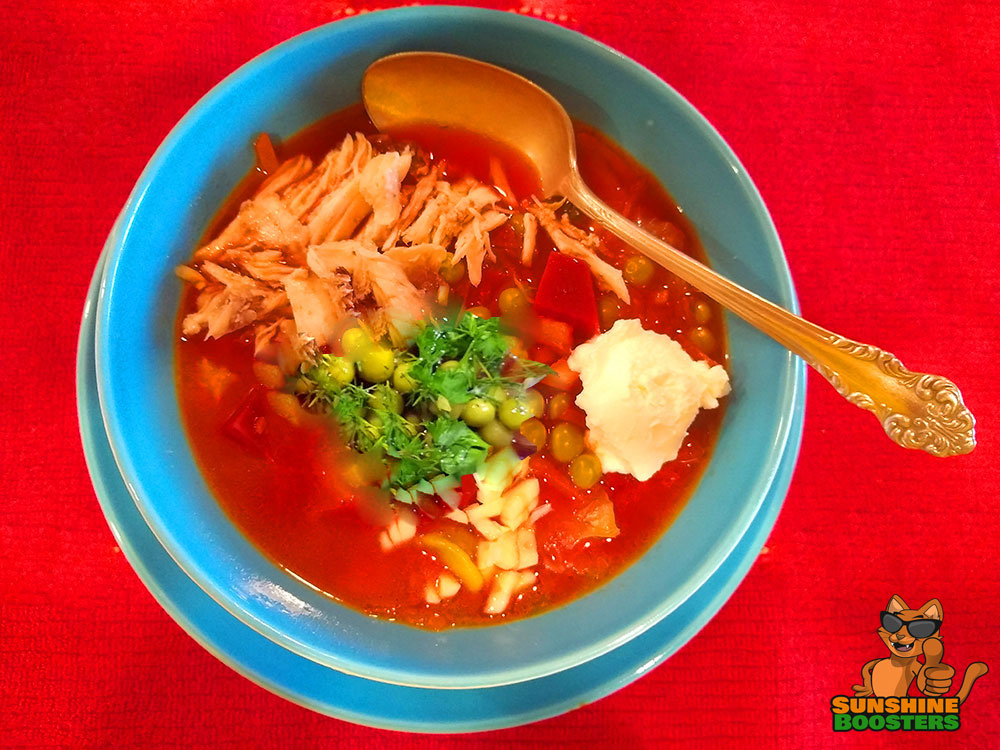
TREAT OF THE DAY: The Secret Health Booster: the Real Russian Borsh

While PeopleCats continue ruling our gardens, getting their daily treats and helping us to survive, they suggested we share some special treats for humans, besides exotic plants and plant boosters...
It is - our favorite Russian Borsh that we make for our TopTropicals International team! It is the most delicious and healthy meal ever invented, for both adults and kids. It boosts your energy, makes you feel warm, wealthy, and happy!

This soup, along with Russian Vodka, is the secret of Russians' Survival Mode - how to stay healthy, strong, tough, and resistant to any virus.

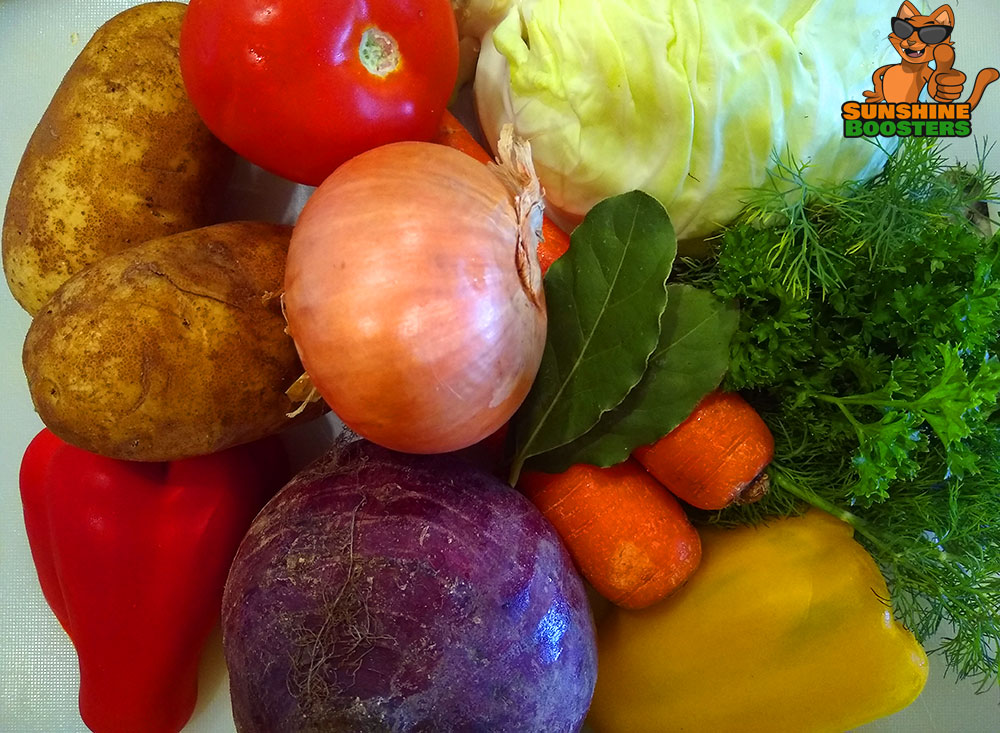
The recipe of the Real Russian Borsh involves very simple, inexpensive, and easy to find ingredients. However, making it right takes a little bit of time (which we sure have now!), since Russians like to make things complicated and from scratch... they use whole foods!
Take your time and enjoy the process - it is a part of this secret recipe. At the end, you will be rewarded with a healthy, tasty meal for the whole family for the whole week! And, it is only $2 per serving!

And remember, it is spelled Borsh (not Borscht!), according to the real Russians.

CONTINUE READING >>

Please tell us how you liked it! :)

TopTropicals PeopleCat Club

Thank you everybody for supporting us in helping PeopleCat Community! Donations accepted from our website. Thank you and God bless you and your pets!