Garden Blog - Top Tropicals

Date: 22 Mar 2017

Condo Mango

Q: I was curious about indoor fruiting mango trees. I live in upstate New York and was thinking about trying to grow an indoor tree for fruit. I have a small heated greenhouse. Is there a variety that can be grown from seed that would suit my purposes and if not what is the most economical way I could obtain a cutting or small grafted plant? I keep my greenhouse around 60F in the winter and have no supplemental lighting. Are there any varieties that may work in a sunroom or other well lit indoor location?

A: There are many dwarf varieties of mango suitable for container culture. They are called "condo mangoes".
The most popular condo varieties are: Carrie, Cogshall, Cushman, Fairchild, Graham, Ice Cream, Julie , Mallika, Nam Doc Mai, Pickering. You may read more about them in our online catalog. You may also look into variety Lancetilla which is also a compact tree, and produces one of the biggest size fruit, up to 5 pounds. If you want some rare variety that hardly anyone else has - try Baptiste, an exotic Haitian dessert mango.

Your greenhouse should work for the winter time. Mango trees can take as low as mid 40s during winter and even lower as long as that cold is occasional. If you keep the temperature around 60, this should work well for over wintering. Just make sure to reduce watering to a minimum, because cool temperatures, low light and wet soil - is a bad combination for tropical plants, especially for mango trees which prefer to be kept on a dry side.

Many indoor gardeners have fruiting mango trees in their collection. However, keep in mind that the most important requirement for a mango is full sun. While you may over winter the plant for a few months in a low light conditions, in order for it to flower and produce fruit it needs lots of light. If moving the tree into full sun your yard during the summer is possible, this would be the best solution.

We always recommend SUNSHINE boosters for both over wintering tropical plants in colder climates, and for indoor gardening. SUNSHINE applications will help your tree to cope with cool temperatures and low light conditions. This will also dramatically increase flowering and fruiting performance. Another important factor for keeping your container plant healthy is quality of your potting soil. We offer a special professional mix that contains lots of good stuff: coconut fiber, peat moss, pine bark, and perlite. Fertilizing potted plants is also very important during the warm season, because this is the only way for them to get nutrients (which in the ground can be reached by spreading root system).

As far as seedlings vs. grafting - the only way to have a nicely fruiting mango tree is to plant a grafted variety. Seedlings start producing only after 8-15 years, and the quality of such fruit may be questionable. Only grafted plants can guarantee the desired taste of a variety. Besides, grafted mangoes start producing immediately - you may see fruit forming on plants as small as 3 ft, in 3 gal containers. However, during the first 1-2 years you will need to remove extra fruit and leave only 1-2 fruit so the plant doesn't get exhausted and has enough energy to establish strong root system.

For fun stories about growing mango, check out our Radio Show recording YO Tango Mango!

Date: 18 Oct 2016

Checklist - preparing for winter in subtropical areas.

Date: 19 Aug 2016

Growing Mexican Flame Vine as an annual

Q: While down in Fort Myers a few years ago, I saw this plant - Senecio confusus

Date: 14 May 2016

Top Tropicals Video: Ambarella - delicious June Plum

Golden Apple, or June Plum - Spondias cytherea.

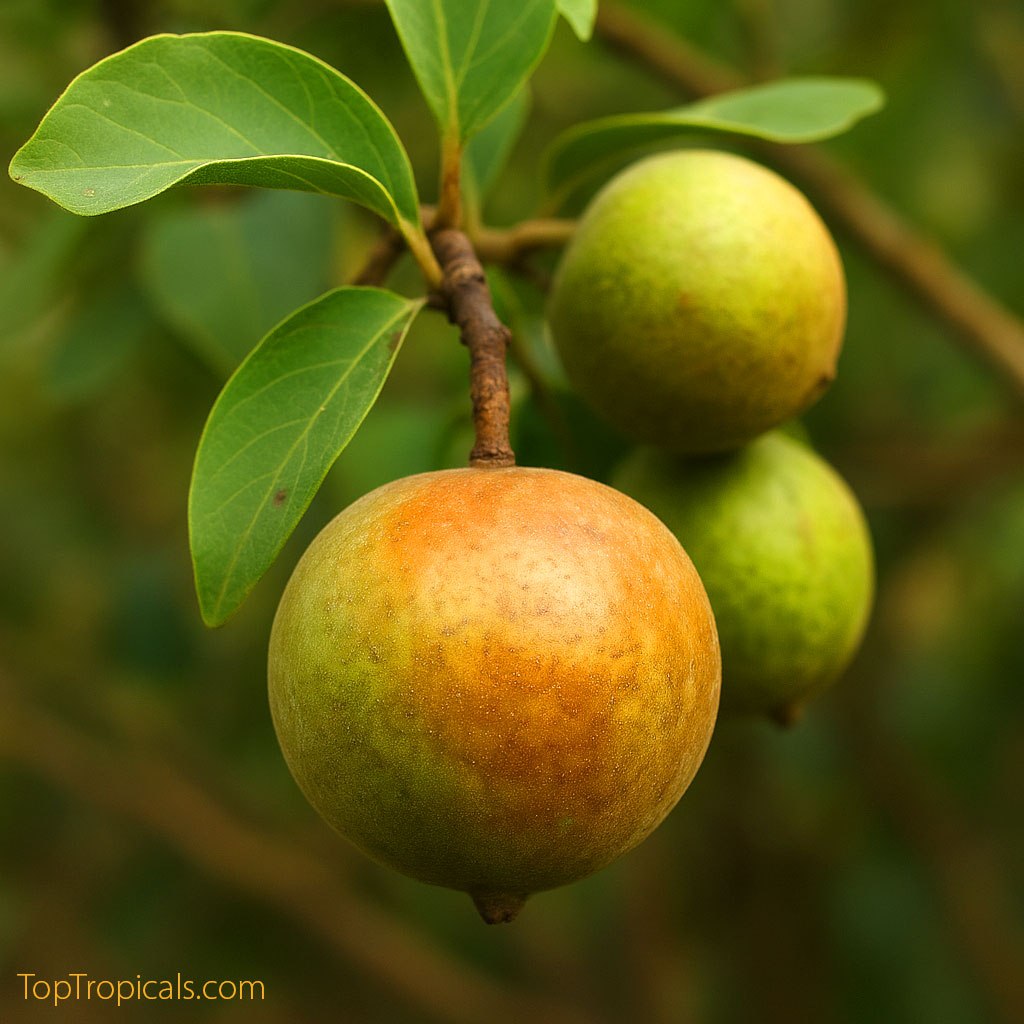
This exciting fruiting plant will amaze you with its ability to flower and fruit at a young age. It fruits in winter and holds the fruit up to 6-8 months, long after the leaves have dropped. The fruit appears in pairs and will turn a brushed-golden color as it ripens. Its feel and juiciness resembles that of a mango but with completely different flavor. The Golden apple is used both in sweet and savory dishes depending on its ripeness. When green, the fruit is commonly eaten as is (with or without skin just like green mangoes) with salt and other salty/spicy dips, made into salsas, chutneys, and into juices and smoothies. When fully ripe, the Golden Apple will be deep yellowish-orange in color. When yellow, the fruit is eaten just like an apple or stewed with sugar to make an applesauce-like dessert.

Check out this video: Ambarella - delicious June Plum...

Stay updated with TopTropicals Videos by subscribing to our channel at YouTube.com/TopTropicals

Date: 5 Apr 2016

Jungle on Windowsill 101

Q: I got a Jasmine Sambac and a Tahitian gardenia as presents, they are very cute plants with flowers and flower buds. I would like to be able to keep them alive and hopefully happy for a long time, but I don't know much about growing tropical plants, and I am not sure if my thumb is green enough to make everything right. What do they need? How much sun? How much water? What kind of soil? Sorry for all these (maybe silly) questions, but I want to keep them alive, please help! I live in Wisconsin and we had some snow again last week.

A: Growing tropicals is not a hard work, it is a lot of fun! These plants are actually a good starters for a beginner who wants to try growing tropical plants, no matter if you live in a mild frost-free climate, or up North where you can have these beauties as houseplants. Below are a few simple steps for you:

1. Read. Follow planting instructions included with your plants. Check plant names on the tags and learn more about them from our online catalog.

2. Soil. Plant in quality potting mix - it must be porous and well-drained, never use heavy soils (top soil or garden soil are no-no), in a pot exactly the size of the root system. You can step up your plants in the next size container once you notice vigorous new growth. Next size means: 4"pot can go into 6" pot, 6"pot into 10" pot, etc. Too big of a pot may create rotting environment, root system must fill the entire container to use all the moisture from the soil. Container must have good hole(s) for excess water to drain through. Put the pot in a saucer and get rid of excess water every time after watering.

3. Light. Most tropical plants require lots of light in order to produce flowers. If you ever visited Florida, remember the bright sun? - these are ideal light conditions for tropicals. Up North, provide as much light as possible: a bright spot on a windowsill of Southern or Western exposure would work the best. If the sun gets too hot in summer afternoon, you may shade the window a little bit with a sheet of white paper to avoid leaf burn.

4. Water. Keep soil slightly moist but not soggy. The best way is to wait until the top of the soil feels dry to touch - this is time to water again. Jasmines prefer to stay on a dry side; gardenias do not like soil to dry out - keep them slightly moist as long as soil is very porous and well-drained. The main reason of most problems with potted indoor plants is over watering. With experience, you will feel the right balance of moisture in the soil: the brighter the light, the more water is consumed by a plant; the less light, the less frequent you should water.

5. Trimming. In low light conditions, plants tend to become leggy. Trim branches as they become too long: the more you trim, the busier the plant gets. New growth promotes more profuse blooming in many species.

6. Fertilizing. Fertilize indoor plants with slow-release granulated fertilizer from march to November.

7. Insects. Check for insects at least once a month, especially underneath the leaf. If notice any problems (deformed leaves, residue, holes, or tiny insects) - clean the leaves/stems with a solution of warm water (1 cup), vegetable oil (2 table spoons), and a few drops of a dish soap.

8. Fresh air and air humidity. As soon as air temperature gets above 65F, bring your tropicals outside in the sun and fresh air: porch, balcony, outside in the yard. Air circulation is essential for your plant health. Bright light and high air humidity will promote vigorous growth, and lots of flowers for you to enjoy!

For more information on growing Tropical Plants 101, see Problem solving with potted plants - how can we help them?